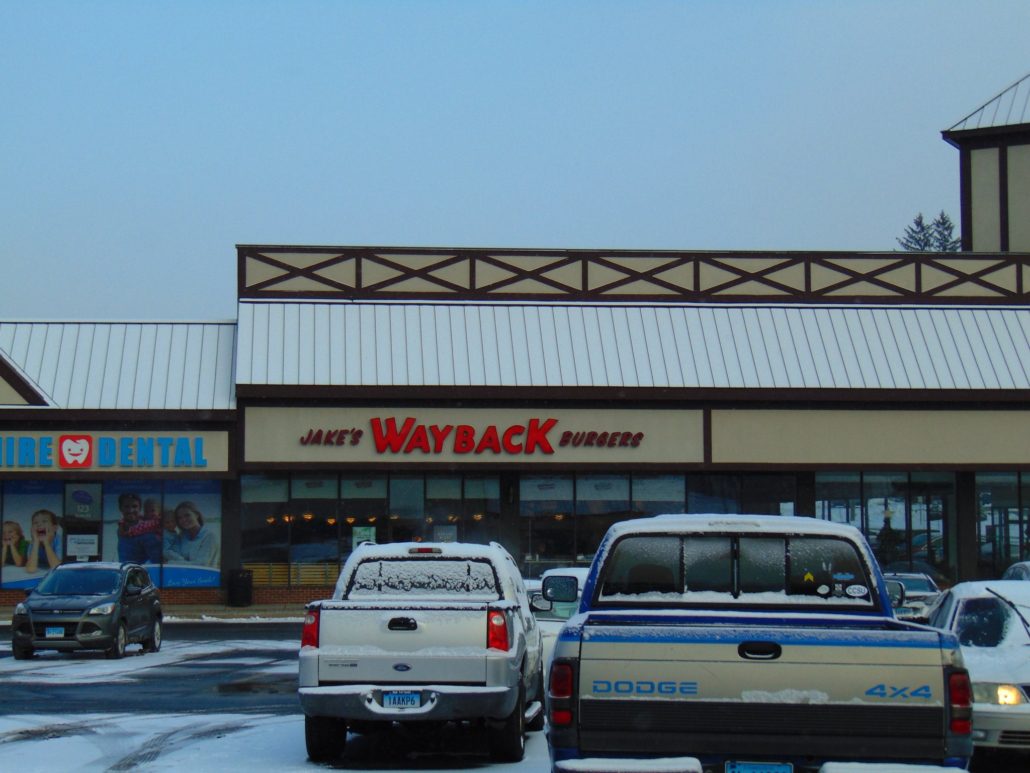
From a simple start in Delaware to the far ends of the Earth in Pakistan, Jake’s Wayback Burgers, now known simply as Wayback Burgers, has introduced many jobs for the informal population. The idea of diving into foreign markets first emerged in June 2012 when Wayback Burgers first came to the attention of the Franchizery, a franchise consulting firm in the United Arab Emirates. Soon after, Abdulrahman Alieedan, Vice Chairman of Topaz MENA LLC, agreed to support the franchise expansion. Here is some information about Wayback Burgers in the Middle East and Africa.
The International Reach of Wayback Burgers
In 2013, Jake’s Wayback Burgers propelled itself into the international marketplace by partnering with Topaz MENA LLC. As a result, it has added franchises in 28 different countries in the Middle East and Northern Africa as well as the small island country of Cyprus and the country of Iran.
Poverty in MENA/Middle East and Northern Africa
In a 2017 analysis, UNICEF reported that in 11 countries in the Middle East and Northern Africa, poverty continues to impact at least 29 million children. These children and their families do not always have access to education, water, sanitation, proper housing, quality of life, health care and information. Of course, poverty is much more than finances. Poverty harms basic mental, emotional and physical development. It creates and widens achievement gaps between their peers. In essence, children in poverty are most vulnerable to stay in poverty.
In 2018, the World Bank released the Poverty and Shared Prosperity Report; Piecing Together the Poverty Puzzle. In this report, MENA stood out since it was the only region that saw significant increases in extreme poverty, the act of a person living on less than $1.90 a day. Unfortunately, the main push for this surge was conflict-affected Syria and Yemen. In other developing MENA countries, extreme poverty remained low or declined.
The Importance of US Business in Foreign Markets
The United States possesses 38.2 million people, whereas approximately 7 billion people live in the world. Therefore, millions of markets exist outside U.S. soil but are entirely available for the U.S. to access. Approximately 95% of the world’s consumers are from outside the United States.
The MENA region ranked fourth in the world in exports in 2008. Not only does the U.S.’s involvement in foreign markets help support U.S. jobs (39 million American jobs depended on trade pre-COVID-19) but through business relationships, many other benefits can emerge including national security and global economic growth. Massive corporations like Wayback Burgers or small businesses can be the catalyst to give jobs and improve the lives of the people in MENA.
How Wayback Burgers is Helping
While MENA’s economy appears to be in a stable state, a major problem is that that percentage only includes the formal economy. A select number of countries in MENA are among the most informal economies in the world. Hundreds of citizens work behind the scenes in informal jobs where the pay is little to none. However, when businesses such as Burger King, McDonald’s and Wayback Burgers enter foreign countries, formal jobs emerge. As a result, hundreds of previous informal workers can now suddenly join the formal economy, thus slowly improving the country’s economy. Wayback Burgers in the Middle East could have a significant impact on employment and subsequently reduce poverty.
Informal jobs are most popular with youngsters between the ages of 15-24 in the Middle East and Africa. This number decreases as the children age and enter the formal workforce.
As MENA and other foreign regions become more lenient towards the U.S., it creates more opportunities for companies to enter the fray and offer what they have. In this case, it is a chance for formal-informal workers to become part of the workforce.
WIEGO
Women in Informal Employment: Globalizing and Organizing (WIEGO) is an NGO that started in 1997. Its mission is to increase the voice, visibility and validity of the poor, especially women. Building and strengthening informal worker organizations, especially internal sector networks, has remained a central objective of the program for years.
WIEGO helped facilitate the formation of the National Association of Street Vendors in India (NASVI) in 1998. It also helped found the Kenya Association of Street Vendors and Informal Traders. Moreover, it has also formed many joint programs that deal with waste pickers, domestic workers and agriculture work.
In 2019, WIEGO composed a Halftime Report (a summary of its 12 years of action). This assessment came from information from 15 people who have directly involved themselves with WIEGO, key websites, a collection of statistics and analytical documents the WIEGO and other partner organizations produced. The report stated that since WIEGO’s formation 12 years ago, it has supported dozens of programs that deal with informal workers, promoted administrative justice, helped home-based workers’ rights and promoted street vendors’ rights.
Conclusion
Wayback Burgers is one of many U.S. businesses entering foreign soil. With Wayback Burgers in the Middle East and more U.S businesses entering foreign lands, the informal economy should be able to improve. With more jobs available, adults will be able to feed their families, get their children an education and begin to shatter the chains of poverty.
Of course, U.S. businesses are not the only way to help MENA or any other economy fight against poverty. NGOs all across the world are attacking many problems. In MENA, WIEGO primarily fights for women’s rights in the informal sector, but, of course, it is working for everybody else as well. Finally, Wayback Burgers, a business that started in Delaware, has entered foreign markets.
– Aaron Samperio
Photo: Flickr

Wayback Burgers in the Middle East and Africa
From a simple start in Delaware to the far ends of the Earth in Pakistan, Jake’s Wayback Burgers, now known simply as Wayback Burgers, has introduced many jobs for the informal population. The idea of diving into foreign markets first emerged in June 2012 when Wayback Burgers first came to the attention of the Franchizery, a franchise consulting firm in the United Arab Emirates. Soon after, Abdulrahman Alieedan, Vice Chairman of Topaz MENA LLC, agreed to support the franchise expansion. Here is some information about Wayback Burgers in the Middle East and Africa.
The International Reach of Wayback Burgers
In 2013, Jake’s Wayback Burgers propelled itself into the international marketplace by partnering with Topaz MENA LLC. As a result, it has added franchises in 28 different countries in the Middle East and Northern Africa as well as the small island country of Cyprus and the country of Iran.
Poverty in MENA/Middle East and Northern Africa
In a 2017 analysis, UNICEF reported that in 11 countries in the Middle East and Northern Africa, poverty continues to impact at least 29 million children. These children and their families do not always have access to education, water, sanitation, proper housing, quality of life, health care and information. Of course, poverty is much more than finances. Poverty harms basic mental, emotional and physical development. It creates and widens achievement gaps between their peers. In essence, children in poverty are most vulnerable to stay in poverty.
In 2018, the World Bank released the Poverty and Shared Prosperity Report; Piecing Together the Poverty Puzzle. In this report, MENA stood out since it was the only region that saw significant increases in extreme poverty, the act of a person living on less than $1.90 a day. Unfortunately, the main push for this surge was conflict-affected Syria and Yemen. In other developing MENA countries, extreme poverty remained low or declined.
The Importance of US Business in Foreign Markets
The United States possesses 38.2 million people, whereas approximately 7 billion people live in the world. Therefore, millions of markets exist outside U.S. soil but are entirely available for the U.S. to access. Approximately 95% of the world’s consumers are from outside the United States.
The MENA region ranked fourth in the world in exports in 2008. Not only does the U.S.’s involvement in foreign markets help support U.S. jobs (39 million American jobs depended on trade pre-COVID-19) but through business relationships, many other benefits can emerge including national security and global economic growth. Massive corporations like Wayback Burgers or small businesses can be the catalyst to give jobs and improve the lives of the people in MENA.
How Wayback Burgers is Helping
While MENA’s economy appears to be in a stable state, a major problem is that that percentage only includes the formal economy. A select number of countries in MENA are among the most informal economies in the world. Hundreds of citizens work behind the scenes in informal jobs where the pay is little to none. However, when businesses such as Burger King, McDonald’s and Wayback Burgers enter foreign countries, formal jobs emerge. As a result, hundreds of previous informal workers can now suddenly join the formal economy, thus slowly improving the country’s economy. Wayback Burgers in the Middle East could have a significant impact on employment and subsequently reduce poverty.
Informal jobs are most popular with youngsters between the ages of 15-24 in the Middle East and Africa. This number decreases as the children age and enter the formal workforce.
As MENA and other foreign regions become more lenient towards the U.S., it creates more opportunities for companies to enter the fray and offer what they have. In this case, it is a chance for formal-informal workers to become part of the workforce.
WIEGO
Women in Informal Employment: Globalizing and Organizing (WIEGO) is an NGO that started in 1997. Its mission is to increase the voice, visibility and validity of the poor, especially women. Building and strengthening informal worker organizations, especially internal sector networks, has remained a central objective of the program for years.
WIEGO helped facilitate the formation of the National Association of Street Vendors in India (NASVI) in 1998. It also helped found the Kenya Association of Street Vendors and Informal Traders. Moreover, it has also formed many joint programs that deal with waste pickers, domestic workers and agriculture work.
In 2019, WIEGO composed a Halftime Report (a summary of its 12 years of action). This assessment came from information from 15 people who have directly involved themselves with WIEGO, key websites, a collection of statistics and analytical documents the WIEGO and other partner organizations produced. The report stated that since WIEGO’s formation 12 years ago, it has supported dozens of programs that deal with informal workers, promoted administrative justice, helped home-based workers’ rights and promoted street vendors’ rights.
Conclusion
Wayback Burgers is one of many U.S. businesses entering foreign soil. With Wayback Burgers in the Middle East and more U.S businesses entering foreign lands, the informal economy should be able to improve. With more jobs available, adults will be able to feed their families, get their children an education and begin to shatter the chains of poverty.
Of course, U.S. businesses are not the only way to help MENA or any other economy fight against poverty. NGOs all across the world are attacking many problems. In MENA, WIEGO primarily fights for women’s rights in the informal sector, but, of course, it is working for everybody else as well. Finally, Wayback Burgers, a business that started in Delaware, has entered foreign markets.
– Aaron Samperio
Photo: Flickr
Cotopaxi Foundation: Geared Toward GOOD
The Cotopaxi llama, featured on backpacks, jackets and beanies, has come to stand for more than just a brand; it is also an ideal. Cotopaxi, named after an Ecuadorian volcano, is a Utah based company that produces gear, whether that is hiking gear or clothing. Cotopaxi equips customers to face their environment. However, Cotopaxi’s impact extends far past gear. Its company regards ethical production, sustainability and humanitarian efforts as pillars of its business model. Cotopaxi sends a message with its products for people to “Do Good” through its products and the Cotopaxi Foundation.
What Sustainability Means to Cotopaxi
Angie Agle is Cotopaxi’s Director of Impact and Community Marketing. In an interview with The Borgen Project, she defined sustainability as “operating in a way that will allow future generations the resources they need to secure happy and complete futures.”
Cotopaxi pushes a conscientious business model that limits its environmental impact. It exclusively uses materials with a design to limit waste, such as its signature llama fleece or recycled fabrics. These recycled fabrics mesh together to make each product unique. The results are backpacks or coats with bright colors that stand out in any crowd.
A rip or tear in a Cotopaxi product does not mark the end of its use. Instead of encouraging customers to replace older products with new purchases, Cotopaxi implements a repairs program. The damaged item is fixed and then either resold or donated. Any profits go to the Cotopaxi Foundation. The repairs program allows materials to stay useful and significantly reduces company carbon emissions.
Sustainability, per Cotopaxi’s definition, is consideration for the future. It is not limited to environmental issues but encompasses any and all efforts to help upcoming generations. Cotopaxi’s humanitarian efforts, for example, demonstrate a second way to be “sustainable.”
The Cotopaxi Foundation
Davis Smith, CEO and co-founder of Cotopaxi, cites his childhood as the inspiration behind his company’s philanthropic purpose. Before moving to Utah, he grew up in South America witnessing firsthand how poverty can affect a community. He told Deseret News, “The people I saw every day were just as smart as me, just as hardworking and just as ambitious, but had no opportunity.” He set out to address global poverty in his own unique way; through gear. Five years after Smith founded Cotopaxi, he created an adjacent foundation called the Cotopaxi Foundation to combine giving with hiking.
Cotopaxi allocates 1% of its funds to the Cotopaxi Foundation, which then distributes those funds among carefully selected grantees, meaning that a portion of every consumer purchase goes toward doing good. Cotopaxi’s grantees cover a wide array of well-deserving causes. These include:
The Cotopaxi Foundation allows Cotopaxi to have a two-part function: gear and good or “gear for good” as it puts it. Its donating process, being revenue-based, is special because it creates customer involvement. In fact, the buying of a hiking backpack initiates the purchaser into the giving process. This involvement does not simply make the customer temporarily satisfied with themselves, but it also sets the example of giving back and inspires further change.
Ismael: A Life Touched by Good
Ismael arrived in Utah after fleeing his home country of Uganda and spending two years in a Kenyan refugee camp. His new home offered a new set of challenges as he adjusted to the newness of everything. However, Cotopaxi met him with support, offering him a position as a thank you card writer while he looked for a more long-term occupation.
Ismeal now works as a supervisor over multiple Paradies Lagardère–owned stores. In regards to the help he received from Cotopaxi and its IRC partners, Ismael said that “They showed love for refugees … I was so amazed. Without them, it would be very hard because you know nothing.”
His story is one of many. Cotopaxi continues in its mission to leave the world better than it found it. It sustainably produces gear that hikers trust and give back to their community through the Cotopaxi Foundation. Every backpack or tent with the Cotopaxi llama emblem is inspiring change and doing good.
– Abigail Gray
Photo: Flickr
Improving Women’s Rights in Sudan
Public discourse surrounding political, human and women’s rights in Sudan is experiencing a major shift. Issues of political and social participation and freedoms have been at the forefront of Sudanese protests in recent years. Women have played a major role in breaking down norms and building up a new female identity.
The Protests
Sudan still faces major internal conflict due to the secession of South Sudan and the ensuing conflict in 2011. In recent years, the role of women and their rights has come into question for the Sudanese people. Women in Sudan have specifically felt subjugated due to legal regulations and celebrated when the country eradicated these laws.
A key facet of these issues is class. Upper-class women wear different clothes than poorer women in Sudan. This discrepancy is not only troubling but deeply rooted in socio-political inequity. BBC reported that “in recent years it was common to see rich Khartoum women wearing trousers in public—while those targeted by the morality police were often poorer women from the marginalized areas on the periphery of this vast country.”
The Reason
The Global Fund for Women outlines the varying causes for many of the protests in Sudan. Some of the protests took place at military headquarters. The protestors staged a sit-in and called for “civilian rule, women’s rights and an end to the nation’s civil wars.”
Some of the specific regulations that women want to change are in regard to their physical appearance. Some examples Sudanese would like to change include how they must dress or cover their hair. Breaking any of the current rules can result in harsh and demeaning punishments. GFFW reported that “thousands of women have been sentenced to floggings under the laws, with poor and minority women particularly affected.”
Violent Response
The protestors filling the streets are primarily women, an estimated 70%. These women come from many backgrounds ranging from students to housewives to street traders. This diverse group of females march the streets while chanting, clapping and singing. Amidst the clamoring for change, human rights violations also occur.
There was an increase in violent attacks during many of the protests in favor of women’s rights in Sudan and the ending of the civil conflict. There have been instances of rape, disfigurement and burnings. The military more subtly uses sexist language and insults as another weapon against those protesting for women’s rights in Sudan. Human Rights Watch asserts that this retaliatory violence “escalated following the Arab uprisings, the secession of South Sudan in 2011, Sudan’s economic downturn and the proliferation of new wars in southern Kordofan and Blue Nile.”
Looking Forward
The push for women’s rights in Sudan is progressing forward and incorporating the issues of class and poverty. The country now realizes that the need for comprehensive human rights laws (and specific laws protecting women) is urgent.
The women’s movement is strong but needs continued organizational support. There are few laws currently in place to protect women and children and this must change. Protests, as well as the documentation of human rights violations, are not enough. The government needs to create change and protect its citizens. Women, just like all other citizens, deserve human rights.
– Kiahna Stephens
Photo: Flickr
5 Facts About Poverty in the Central African Republic
The Central African Republic (CAR) is a landlocked country in Africa, neighboring Chad, Sudan, Cameroon and more. Although CAR has an abundance of natural resources, including gold, diamonds, uranium and oil, it is one of the poorest nations in the world. Following violence and political turmoil in 2013, the country is still recovering. Here are five important facts about poverty in the Central African Republic.
5 Facts About Poverty in the Central African Republic
Solutions
Currently, organizations like the World Food Program (WFP), USAID and the International Rescue Committee (IRC) are working to alleviate poverty in the Central African Republic and address the humanitarian crisis. Efforts include distributing food to internally displaced people, providing specialized nutrition packages for pregnant women, rebuilding educational infrastructure and recovering clean water sources. Moving forward, it is essential that these humanitarian organizations and others continue to provide aid and support to the nation.
– Alison Choi
Photo: Flickr
Paving the Way to Eliminate HIV in Sri Lanka
Human immunodeficiency virus (HIV) affects 38 million people globally. Spread via the exchange of bodily fluids, it attacks cells that can help fight other infections, making people more susceptible to other illnesses. While new cases have decreased by 23% since 2010, there is still much progress that needs to be made. Fortunately, innovative countries like Sri Lanka have established extensive programs to eliminate HIV.
HIV Around the World
On a global scale, HIV primarily affects people from more disadvantaged countries with low to middle incomes. As a result, HIV often goes hand-in-hand with other humanitarian issues. A majority of countries impacted by high HIV rates also struggle with food insecurity, economic disparities and other infectious disease issues.
While no cure exists for HIV, it is treatable with antiretroviral therapy (ART). By addressing HIV with medication, HIV-positive individuals can live abundant, healthy lives and have minimal risk of passing HIV to others around them. It is essential that more people are able to become aware of their diagnosis and combat it with ART to prevent spreading it further.
Sri Lanka’s Comprehensive Efforts
Recent efforts to reduce HIV have shown some progress, with 81% of HIV-positive individuals aware of their condition. However, there is still considerable progress to be made in providing access to testing and treatment. Fortunately, Sri Lanka, a south-Asian country with more than 21 million inhabitants, has made headway in preventing and treating HIV.
The Sri Lankan government has led efforts to combat and eliminate HIV by 2025. With an admirably low HIV-prevalence rate of 0.01%, it has enacted different social measures to meet this goal. These include educating Sri Lankans on HIV, testing at-risk individuals and providing quality treatment options to those who are HIV-positive.
Some of the government’s online efforts include launching the website Know4Sure.lk. This initiative trained caregivers from the private health sector on providing testing and treatment to those with HIV, in addition to providing a number of services for Sri Lankans. The website provides anonymous appointment scheduling and at-risk assessments, with paid advertisements and influencers encouraging HIV testing.
Furthermore, the program set up a peer network to call for more testing, treatment and social awareness of HIV. Mobilizers within this network encourage peers to get tested and communicate with others via a multimedia effort. Founded on the principle that “Your Life Matters,” this movement combats the transmission of HIV by instilling hope and optimism about one’s career and livelihood. HIV is preventable and treatable as long as Sri Lankans follow safe-sex practices, get tested regularly and take preventative measures.
Success and Global Impact
Sri Lanka’s commitment to eliminate HIV has already seen success. In 2018, the nation stopped vertical transmission – the transmission from mother to child – of the virus entirely. All pregnant women diagnosed with HIV are provided with ART treatment, assuring their health and the health of their unborn child. The elimination of vertical transmission is the culmination of the steadfast, multifaceted government effort to provide testing and treatment to all men and women.
HIV impacts people on a global scale. By establishing preventative measures and treatment programs, Sri Lanka has pushed back against HIV and taken significant steps to eliminate HIV by 2025. These efforts can be an example for other countries experiencing HIV outbreaks and setbacks. Hopefully, with more government efforts dedicated to fighting HIV, the virus will soon be eliminated worldwide.
– Eliza Cochran
Photo: Flickr
5 Facts About France’s Foreign Aid
France is a country in Western Europe that people know for its wines and its medieval art. France is a generous donor of foreign aid, which is the voluntary transfer of resources from one country to another. This aid can take several forms, including money, military assistance and natural resources. The purpose of foreign aid is to provide humanitarian relief and support to other nations. In addition, it is a strategic way to elevate national security and garner assistance in return from other countries in time of need. France is the fifth-largest donor country in the world. In 2019, the country allocated $12.2 billion to foreign aid. Here are five facts about France’s foreign aid.
5 Facts About France’s Foreign Aid
France is a highly successful nation in terms of providing foreign aid. Through this, France is able to contribute to global environmental preservation, human development and gender equality, economic development and peace and stability. Nations receiving aid benefit from these improvements, along with economic growth and poverty reduction. France has committed itself to further developing its foreign aid policy and increasing the budget to offer further support.
– Natasha Cornelissen
Photo: Flickr
Improving Women’s Rights in Afghanistan
Wandering the streets of Kabul, Afghanistan in the 1960s, one passed lively, miniskirt-clad women alongside male friends as they strolled to their university classes. Heiresses to a new age of freedom, these women voted, laughed and lived freely, invigorated by the progressive spirit that pervaded every corner of the city. Beginning in the 1970s, however, conflict and poor governance gradually weakened women’s societal freedom. Then in 1996, the Taliban dismantled what semblance of equality remained. The United States’ post-9/11 occupation in Afghanistan ousted the Taliban and has helped to revive and work toward improving women’s rights in Afghanistan for nearly two decades. Yet in February 2020, the U.S. endorsed a deal with Afghanistan to withdraw from the country called The U.S.-Taliban Peace Deal. Although the agreement heralds a much-overdue peace between these long-warring countries, the departure of American troops may facilitate the return of Taliban rule and the subsequent eradication of women’s rights in Afghanistan.
The Taliban’s Unchecked Oppression of Women
The first half of the 20th century saw great progress toward gender equality in Afghanistan. The era’s feminist vigor enfranchised women and integrated them with men. When the 1960s constitution cemented women’s rights in the fabric of the nation, true gender equality seemed imminent.
Hardship soon befell Afghanistan. The country’s status as a Soviet proxy state in the 1970s, and later, the jihadist activity by Mujahideen groups, eroded women’s rights. Additionally, these conflicts contributed to the political fragility that ultimately enabled the Taliban to take power in 1996. In pursuit of establishing an Islamic state, the Taliban implemented a doctored, repressive interpretation of sharia law.
This Islamist code drastically encroached on women’s rights in Afghanistan and effectively confined them to the domestic sphere. Depriving them of the right to vote, to receive an education or to seek employment, the Taliban subordinated women. Even minor defiance to these restrictions met with violent floggings, abuse and even stonings. Such atrocities extended beyond legal sanctions; women were frequently subject to sexual assault. The Taliban’s message was clear: womanhood itself was punishable.
US Occupation and Female Empowerment
After al-Qaeda-engineered the 9/11 attacks, the U.S. deployed thousands of troops to Afghanistan to depose the Taliban. This maneuver catalyzed nearly two decades of bloodshed. Though it has been hotly contested, America’s involvement has boosted women’s rights in Afghanistan. During the U.S. occupation, women have regained considerable economic opportunity and social freedoms.
Post-Taliban legislative actions have codified gender parity. The new constitution recognizes women’s legal equality with men. Rape, violence and physical abuse, previously an unrelenting threat to Afghan women, are now indictable offenses.
Women are also profiting from widening economic and educational opportunities and changes in societal attitudes. After decades of flatlining, the female labor force participation rate has increased by 7% since 2010, with women foraying into education, medicine, law enforcement and even public office at record levels. Women’s recent vocational advances have contributed to shifting ideologies across the country. In February 2020, NBC News reported that most Afghans have discarded misogynistic views in support of improving women’s rights in Afghanistan. Such a cultural transformation seems to herald women’s long-term empowerment and civic engagement.
Repercussions of the US-Taliban Peace Deal
Tragically, the U.S.-Taliban peace deal, signed Feb. 29, has the potential to reverse these last two decades of progress. With robust backing from both sides, the document provides for the departure of American troops from Afghanistan. This deal promises an end to the United States’ longest war. For its part, the Taliban has agreed to reject terrorism in pursuit of negotiating peace with the Afghan government.
The deal aspires to pacify a country too long battered by conflict, but it contains a grave flaw: it makes no provisions for women’s rights in Afghanistan. Despite its previous claims that harmony would “not be possible” without securing equality for women, the U.S. deferred the determination of gender parity to intra-Afghan discussions.
The Taliban has committed to granting women the rights that Islam guarantees. However, it claims to have upheld this pledge during its brutally repressive rule from 1996 to 2001. Given that the Taliban’s understanding of women’s rights has proven alarmingly narrow, its recent promise is hardly a consolation. Moreover, according to the U.S.’s most recent report, the territory that the Afghan government commanded in 2019 had dwindled to a record low. Without foreign aid or military backing, many fear the Taliban will easily overthrow the weakening Afghan government following the withdrawal of American troops.
Progress
In the past 20 years, Afghan women have shattered thousands of glass ceilings as they have built successful careers and enjoyed their hard-won freedoms. As the terms of the peace deal are actualized. However, the potential return of Taliban rule threatens to obliterate these advances. In order to avert a revival of misogyny and secure women’s rights in Afghanistan, Women for Afghan Women’s (WAW) Peacebuilding Program is preparing women to participate in future intra-Afghan talks. Along with stimulating meaningful political discourse among citizens, the program has coached 3,065 women in advocacy and negotiation. Politically and socially empowered, these outspoken women are joining the everyday conversations and monumental peace talks that will dictate their and their country’s future, and work toward improving women’s rights in Afghanistan.
– Rosalind Coats
Photo: Pxfuel
How 54gene is Reshaping Medicine in Africa
54gene, an Africa-based research project, is reshaping medicine in Africa. It emerged in 2019 with the monumental goal of developing a database of African genomes that researchers could use to generate new vaccines for diseases unique to Africa. The organization’s targeted research focuses on genomic studies of non-communicable diseases, like cancer and sickle cell disease, and infectious diseases, like bacteria and parasites. To develop a genome reflecting Africa’s genetically diverse population, the 54gene biobank in Nigeria contains biological samples from the surrounding area.
The Need for African Genome Research
Currently, Caucasians are the most genetically researched, despite being a minority in the world population. At the time of 54gene’s launch, it had collected only 3% of genetic testing from Africa. The organization’s African genome research creates an opportunity to develop medicine unique to the African population. With technological advances, genetic testing is creating more precise and personalized medicine. It is 54gene’s mission to create a more equitable research pool and to include Africans in medical advances.
54gene’s recent funding has brought the project over $19 million, expanding its lab capabilities. The project received $4.5 million in seed funding and another $15 million in Series A funding. The cash flow into the project demonstrates the importance of their research the potential impact of this medical discovery. By funding this research, there is an acknowledgment of the gap in genetic testing and a means to address the disparity. The significant growth of the company is an investment in African healthcare and a phenomenon in global health advancements.
The Benefits of Genetic Mapping in Africa
The genotypes of Africans are the most genetically diverse in the entire world, and 54gene’s research has the potential for massive breakthroughs in developing new drugs tailored to their genome. The exclusion of Africans from genetic research has resulted in the exclusion of an entire continent from personalized medication. Fortunately, 54gene’s genetic mapping uses collected DNA samples to build drugs tailored to specific populations. The project has the potential of revolutionizing healthcare in Africa, with its long-term value increasing with technological advances in the medical field.
The organization aims to create research and co-develop drugs for diseases that disproportionately affect Africans. For example, records have determined that 92% of the world’s malaria cases occur in Africa. Customized medicine could lessen the effects malaria has on future generations of Africans. 54gene aims to not only produce research and drug trials but to also make it affordable. Its founder has a commitment to balancing the for-profit side of the business with the need to enhance medicine in Africa. Since the arrival of the pandemic, 54gene has also directed efforts to COVID-19 testing and screening for more immediate needs.
54gene is addressing major issues of inequality in the medical field and improving medicine in Africa. The organization’s African genome research is making strides in African healthcare. Its research has the potential to target non-communicable and infectious diseases that affect the African population on a larger scale. Not only is this research imperative, but it is a movement towards leveling the quality of medical treatment on a global scale.
– Eva Pound
Photo: Flickr
Empowering Women In Israel through NA’AMAT
Founded in 1925, NA’AMAT is an organization that provides support, education and service to Israeli women. The women who originally started the organization believed in equality: that women were equal to men and deserved equal chances at life. The organization began in New York with the purpose of empowering women in Israel. Eventually, the organization spread to nine countries in total.
Israeli women fought for the right to receive equal treatment in the workplace and community long before the 1960s feminism movement. They demanded respect for all they did as wives and mothers. NA’AMAT played a large role in providing resources for these women. Its mission statement reads: “[NA’AMAT provides] vital educational and social services for women, children and families in need, in Israel.” Here are three ways NA’AMAT fulfills its mission statement.
Nurturing Children
NA’AMAT has 200 facilities to provide childcare to over 17,000 children, so their parents are able to work. The families who enroll pay based on a sliding scale fee, depending on their income. Because so many families live below the poverty line, the NA’AMAT U.S.A. branch raises funds to help pay for these children to attend.
On top of providing early education, NA’AMAT is also a safe haven for children who have suffered abuse or neglect, become an orphan or experienced terrorism. These children receive counseling and special attention.
Empowering Women
In 2004, 18,000 women in Israel reported experiencing abuse, but authorities believe the actual number was closer to 140,000-200,000. One out of three women will experience sexual assault according to the Association of Rape Crisis Centers in Israel. However, most women with conservative or religious backgrounds do not file a complaint.
NA’AMAT focuses on empowering women in Israel by operating legal aid bureaus. Its purpose is to help women who have been victims of workplace discrimination and domestic abuse. It provides counseling and programs that give women a sense of pride and self-worth.
Education For At-Risk Youth
Not everyone without an education lives in poverty, but people who experience poverty are far more likely to not have an education. Education opens doors: it provides more job opportunities, helps fight gender inequality and allows people to develop social skills.
NA’AMAT provides education and vocational training for low-income children. Some of the schools are girls-only, and each student receives personalized care and attention. Whether the children have come from underrepresented groups in Israel or are migrants, NA’AMAT gives them a second chance at developing skills to contribute to society and feel a sense of empowerment.
Empowering women in Israel is a clear focus of the organization. Through NA’AMAT, Israeli women can progress forward in their lives. Whether they have been victims of abuse or neglect, the organization helps them stand on their own two feet. NA’AMAT gives women the support they’d otherwise lack with helping care for children, so they can have a career and provide for their families.
Each woman truly receives personalized care. Additionally, positive role models surround their children and provide support through their adolescence. With NA’AMAT on their side, Israeli women have had an ally for almost 100 years to help fight for equality for themselves and their children.
– Tawney Smith
Photo: Flickr
Tourism: The Advantages, Disadvantages and How to Properly Travel
Around the world, 44 countries rely on tourism for at least 15% of their workforce and national GDP. Many of these countries are island nations or countries that don’t have a highly developed economy or business sector. As the United Nation’s agency, the World Tourism Organization, states, increased tourism can boost developing countries’ local economies, cultural discussion and job opportunities. However, if developing nations solely depend on the tourism sector and dismiss infrastructure development and other essential services, the disadvantages of tourism can outweigh the advantages.
The Advantages
For developing countries, the advantages of tourism tend to be primarily monetary. A large scale tourism industry prevents larger, more harmful businesses from working off the land. Small tourist companies that reign on the land stops large capitalistic corporations from polluting the air or gentrifying people’s homes.
The tourism industry encompasses many different travel areas, which allows the majority of a country’s population to be employed. These employment places include hotels, car rental agencies, restaurants, tour companies, souvenir shops, and equipment shops, among others.
Profit earned from tourism can be reinvested into the country for better infrastructure, education, funding conservation efforts and creating more responsible ways of touring. Without tourism, many countries would not have the same level of access to education and infrastructure. Moreover, tourism allows hosts and visitors to share cultures and meet diverse groups of people. Through respectful interactions, a broader view of the world from both parties can be achieved. By reinvesting the money earned back into the country, tourism and its attractions can grow, creating a positive cycle for the country.
The Disadvantages
With the way the tourism industry is currently run, the disadvantages of tourism may greatly outweigh the advantages in a country. The first factor to take into consideration is environmental damage. When a country has a high tourist attraction, the number of people occupying a space increases immensely. As a result, the release of carbon monoxide gases can increase due to plane and car use affecting the country’s environment. Many countries with ancient ruins or natural attractions are also in danger of destruction or erosion with significant foot traffic and human interaction. Additionally, flora and fauna can decrease in areas or change their growth and migration patterns when there is an overflow of humans interact. Foot traffic and continuous touching can also slowly degrade the stability of ancient structures.
One of the advantages breached upon the sharing of cultures. While this is a great interaction of beliefs and customs, it can become destructive to a host country’s culture. One of the ways cultures can be disrespected is through the commercialization of countries’ cultures. When tourism booms, large industries swoop in and sell figures of the cultures’ icons or traditional wear, disrespecting the countries’ indigenous beliefs and can be harmful to the people living there. Moreover, poor behavior from tourists who don’t respect the spoken or unspoken codes of conduct held by indigenous peoples also undermines the sacred beliefs held within the country.
Also, for many countries, tourism is a seasonal occurrence. For people that work in the tourism industry, their jobs are only viable for a certain number of months, and after the season has ended, many are left without income. Many of these jobs also lack the benefits that other sector jobs supply. Tourism workers are often left without insurance or pension. Not to mention, foreign businesses tend to overtake the companies present in these countries, forcing small businesses to shut down. As a result, foreign businesses keep the majority of profits from tourism, while local businesses lose their income. This hurts small businesses and local economies.
As previously stated, the profit gained from tourism is often reinvested into the industry. However, with unequal infrastructure development, the tourism industry can inadvertently sustain itself without aiding a country’s other vital sectors. As such, many countries end up developing tourism hot spots while the rest of the country suffers. In these countries, there are visible socioeconomic gaps between the wealthy and the poor. Focusing mainly on the tourism industry and places of mass attraction leaves disadvantaged communities at risk of financial instability. Moreover, countries solely invested in tourism are vulnerable to quick economic falls as its working sectors are unevenly balanced. If a natural disaster, political unrest or unprecedented pandemic were to strike, the country would lose a massive income, causing an economic recession that some countries may significantly struggle to bounce back from.
Ways to Respectfully Travel
The most important step to being a respectful tourist is to be an educated tourist. Understanding and respecting the culture and the people of the country is vital. By not undermining tourism countries’ culture and beliefs, the people living there will be more welcoming to tourists, and cultures can flourish without fear of commercialization.
Being environmentally conscious is also important to the survival of these countries. Respecting a country’s land and structures preserve the countries’ beauty and keep the land clean and prepped for further development. Many countries are more environmentally strained, so reducing pollution or your carbon footprint in a foreign country can help ease the strain.
Supporting the small and local businesses found in these countries can help keep local communities employed and support the overall economy. As local businesses grow, more people will have the opportunity to be employed outside of the tourism sector, and the economy will be able to grow within itself.
By learning the advantages and disadvantages of tourism, and how one can improve the practice of traveling, the tourism industry will be able to change for the better and support the countries that host people from all over the world.
– Marlee Ingram
Photo: Flickr