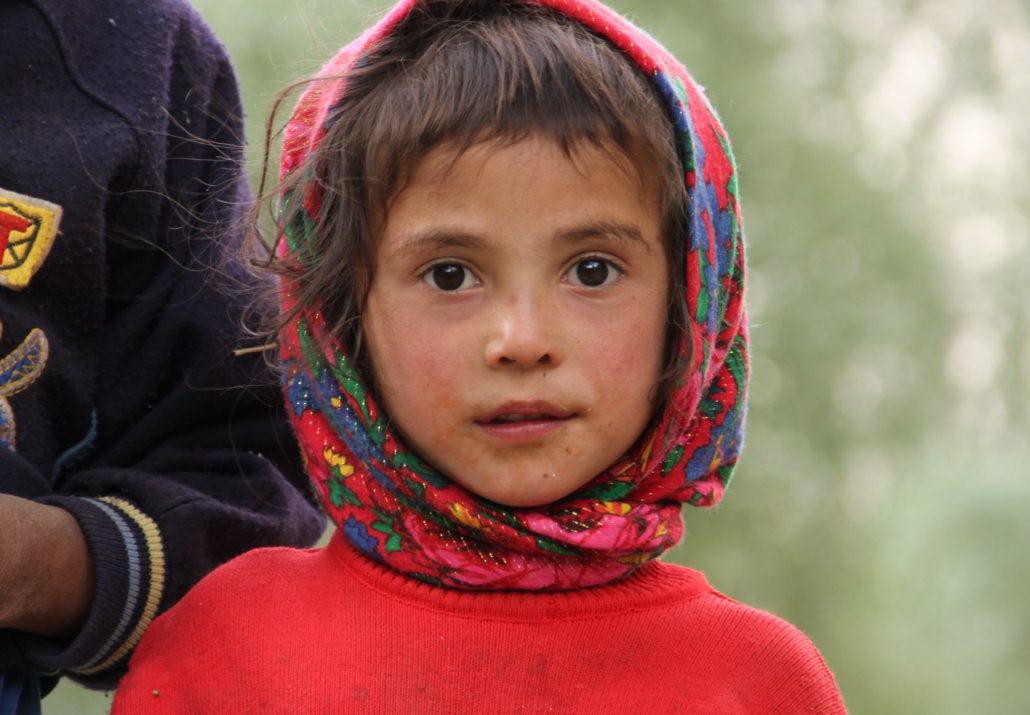
A staggering amount of children live with disabilities. According to the World Health Organization (WHO), the global average of children with disabilities is at 15%. However, in Tajikistan, only 0.8% of the child population lives with disabilities according to UNICEF. Although this may be a small number, UNICEF believes that this official statistic of children with disabilities in Tajikistan may be much lower than than the actual number of children.
One of the main reasons for the lowered report is that the process to have children screened is quite complicated and nonuniform across Tajikistan. Parents must have their children evaluated through the Pedagogical, Medical, Psychological Consultation and Medical, Pedagogical Commissions in order for their children to receive an official diagnosis of having a disability. Furthermore, children with disabilities frequently experience discrimination due to social stigmas and incorrect perceptions about disabilities in general. The children may not receive adequate education due to the lack of resources and training to facilitate children with disabilities. Their families may even abandon or institutionalize them due to poverty and social stigmas. Thus, local and international organizations such as UNICEF, Association of Parents of Children with Disabilities and Association to Aid Refugees Japan have come together to help support vulnerable children.
UNICEF Tajikistan
UNICEF Tajikistan has been working fervently to advocate for children’s rights in Tajikistan so they can live a life free of discrimination and social limitations. The organization supports the children and their families with the proper tools along with working with the government. In 2018, the government put the United Nations Convention on the Rights of Persons with Disabilities into action. That year, it also worked with UNICEF to establish the National Disability Inclusion Campaign.
The campaign works to transform social perceptions and stigmas so that children with disabilities may enjoy rights equal to their counterparts who do not live with disabilities. UNICEF also works with civil society organizations such as the Association of Parents and Children with Disabilities and the National Association of Persons with Disabilities of Tajikistan. Furthermore, it also advocates for community-based rehabilitation so that persons with disabilities may use their skills to their maximum potential and experience full integration into society.
Association of Parents of Children with Disabilities
In Tajikistan, a network of parents has come together to support children with disabilities in Tajikistan by advocating for their rights and inclusion in society along with access to health care and education. The Association gained permission from its local government to build a center for support groups and provide resources for parents of children with disabilities. One of the special projects that the group took was to go around schools in Dushanbe to carry out the “Lessons of Kindness” in classes. These lessons allowed students to learn how to treat and engage with children with disabilities. They learned to value the lives of every individual with or without disabilities. Children with disabilities also lead these lessons, building more confidence and creativity in themselves.
Association to Aid Refugees Japan (AAR Japan)
With the funds received from the Japanese government, Association to Aid Refugees Japan (AAR Japan) works with the Ministry of Education and Science and the Dushanbe City Department of Education to advocate for inclusive education in Japan. AAR Japan works to transform school buildings and provide materials for children with disabilities. It has installed wheelchair ramps and handrails in order to create a disability-friendly building in several Dushanbe schools. Furthermore, it has provided educational materials, equipment and devices to further assist children with disabilities in the classrooms. Along with providing tangible equipment and materials, AAR Japan also holds seminars, training and activities to educate students, teachers and government officials on how to create an inclusive environment for children with disabilities.
The road to having a fully inclusive society for children with disabilities in Tajikistan may still be far ahead, but UNICEF, the Association of Parents of Children with Disabilities and AAR Japan, among many, are working towards seeing that future realized. With the helping hands of these organizations, children are receiving the education and materials they need to succeed, and families are understanding what it means to reverse social stigmas and provide for the needs of their children.
– Hakyung Kim
Photo: Flickr

The Truth About Child Poverty in El Salvador
In a country just shy of 6.5 million people, half of the population’s children and teenagers survive off less than $1.25 a day. It is not uncommon for impoverished young children in El Salvador to not attend school regularly and child labor is still an issue to this day. El Salvador currently has one of the top crime rates in the world making homelessness much riskier for young teens and children than in other parts of the world. Here is some information about the situation of child poverty in El Salvador.
A Lifetime of Struggle
El Salvador’s poverty issue affects a large amount of the population, but children and teens make up a significant portion. In fact, four out of 10 El Salvadorans live in poverty.
Malnutrition greatly affects homeless children and 14% of children in the country experience growth stunting. Without proper food or shelter, many do not attend school because they simply cannot get there or afford it. Almost 25% of school-aged children do not attend school and roughly 10% work as child laborers. Inadequate education leads to a lack of opportunities within the country cementing these children in the cycle of poverty.
Dangers on the Streets
Children who live on the streets in El Salvador face more than malnutrition and illness. The country’s extreme crime rate makes many places unsafe. Children and teenagers are targets of the country’s violent gangs. In 2009, 241 children aged 13-17 experienced murder by June and 271 had injuries. The government has made attempts to protect the children that gangs target but the violence has not ended. Homeless children in El Salvador frequently do not have protection or means of escape.
How Education Falls Short
Like neighboring countries, El Salvador has made education reforms in order to combat the high dropout rate and educational gaps, but it has not necessarily helped impoverished families. In fact, more than 30% of children cannot afford to attend secondary education. Instead, they must work to help their family survive. In rural areas, that number doubles with children starting work at age 6 on average. Families in this position survive off of $1 a day if they are lucky.
Minors between the ages of 5 and 17 make up 1.8 million individuals working in El Salvador. The conditions are dangerous, but impoverished families often do not have a choice. It is either starve and send their children to school or eat for the day and send them to work. Child poverty in El Salvador begins at a young age and the cycle is exceedingly hard to break.
Dangerous Diseases Threaten Poor Children
Accessing health care is rare even with El Salvador battling rising cases of HIV/AIDS. Children are at high risk due to how easy it is for the disease to transmit from a mother to a newborn or young child. Currently, there are 29,000 children and adults with the disease, but more than half of the cases are undeclared especially within rural populations. Treatment is only available in the capital and provided by third parties. Without money to afford treatment or even travel, impoverished children who experience disease do not often have a chance to obtain treatment.
A variety of charities are aiming to help reduce child poverty in El Salvador. Save the Children is a nonprofit that has teams all over the world helping children in need. Its team in El Salvador has protected more than 14,000 children from violence and helped almost 130,000 moms and newborns with vital health and care to successfully lower the infant death rate. By creating preschool programs, the organization has helped hundreds get a headstart in their education. It provides details about its efforts on its website
– Amanda Rogers
Photo: Flickr
How To Implement Anti-Global Poverty Policies
Oftentimes, when one thinks of ending global hunger and poverty, raising and donating money comes to mind. However, analysis of anti-global poverty policies and programs has shown that ending global poverty is so much more than just giving money to individuals and communities. As much as money is important to the creation and implementation of effective programs, giving money directly to the poor is not always the best way to lift people out of poverty in the long term. Rather, it is important not only to invest in the programs that actually work well but also to invest in analysis of ongoing programs to recognize those who do have a positive impact. Moreover, pre-existing programs must constantly undergo updates and improvements as more education emerges about the populations they serve.
In reality, poverty is a much more complicated issue than just a lack of money and thus it requires a more elaborate solution than just pledging cash. Successful anti-poverty programs usually target social infrastructures such as access to health care, education and financial resources. Additionally, anti-poverty policies aim to help citizens not fall prey to exploitation and poor financial decisions. However, in the end, these programs are not successful unless they receive proper implementation and maintenance.
The Problem with Some Anti-Global Poverty Policies
The Borgen Project spoke with Dr. Gabriela Salvador, the Regional Director of Latin America and the Caribbean at AmeriCares; a health-focused poverty and disaster relief organization. Dr. Salvador argues that anti-global poverty policies fail because of a lack of understanding of the problems of individuals living in poverty, as well as a lack of proper implementation of such policies. Her emphasis on understanding the needs of the individual and their living situation stems from her firsthand experience with impoverished communities.
Salvador began her career as a pediatric eye surgeon in Mexico but soon realized that she was only scratching the tip of the iceberg with her work. She believed that it was too late for most of the serious cases and a lot of them could have experienced prevention to begin with. The lack of access to health care systems in impoverished communities blocked people from getting proper care in the first place, and thus, the cases she faced were much worse than they could have been.
Being one person alone, Salvador felt that she could make more of a difference by implementing programs to strengthen weak health care systems and provide relief to struggling communities. She returned to school to study global health and business to learn how to create effective and creative financial solutions to complicated health issues. With over five years of experience working in Latin America designing financially responsible health delivery programs, Salvador now creates and heads a wide variety of programs that include direct provision of services and emergency relief for natural and humanitarian crises.
Collaborating with Communities
Salvador believes that when stripped of religion and culture, the issues facing impoverished individuals are essentially the same globally. Salvador explains that although many programs have the best interest of their target community at heart, they often fail to recognize the barriers that prevent individuals from participating in them. For example, if a sexual health testing and medicine distribution clinic exists in an impoverished community, women may not utilize its resources because they have competing priorities such as child and elderly care, domestic abuse, lack of transportation and other domestic responsibilities. Additionally, Salvador explains that the programs that people launch and leave to work without experiencing proper integration into the local infrastructure of the community do not turn out to be very effective.
She finds that the most effective programs are those that emerge when local officials and professionals collaborate with international aid to understand how to overcome the barriers of individuals in the area. When approaching a new problem, Salvador explains that she first asks the client who the patients are and what their priorities are so that she can best tailor a treatment solution to them. Her goals in targeting global health issues are to generate pragmatic solutions that create direct benefit and resiliency in communities.
The Challenges of Implementing Anti-Poverty Programs
The implementation challenge of anti-poverty programs is clearly one of the biggest reasons why fighting global poverty is such a difficult issue. Connecting with impoverished individuals and identifying their barriers is difficult because of the lack of access to information about specific populations and the abundant funding it takes to collect that information. There is also the issue of choosing who gets the benefit of certain programs; incredibly tough decisions that Salvador cites as perhaps the hardest part of her job. Yet, there is still a way to try and understand the plight of impoverished individuals through human experience.
Salvador emphasizes empathy and an understanding of her privileges as key components of her job. She believes that people need to “roll up their sleeves” and do the work themselves since many are prone to entitlement.
In a 2018 study of Challenges to Global Development Education, researchers Buchanan and Varadharajan underlined the importance of community engagement and individual agency as well. The study also advised strategies that implement drawing attention to understanding the misinformation and closed-mindedness around social and political conditions of impoverished communities. Similar to Salvador, the study suggests creating partnerships between organizations and local communities as well as providing resources to create resilience as an effective way to alleviate poverty issues.
Concluding Thoughts
In the end, people must make an effort to understand more about creating and implementing effective solutions to fight global poverty. However, it is clear that no matter how well designed anti-poverty programs are, they cannot be truly effective unless the communities they are targeting are engaged in their creation and implementation processes.
Data collection and the continued monitoring and analysis of current anti-global poverty policies and programs are impertinent to the future understanding and implementation of successful programs as well. As Dr. Salvador stresses, it is important to remember that impoverished communities contain individuals who have unique problems and issues that may be difficult to understand and relate to. Open-mindedness and a willingness to empathize with and learn about diverse populations is key to creating effective anti-poverty programs. At this time, Salvador continues to combat the COVID-19 stigma and prioritize resiliency and relief as she mitigates the effects of the global downturn of the economy and health care systems due to the pandemic.
– Giulia Silver
Photo: Flickr
5 Successes of Canada’s Foreign Aid
In 2019, the last year Canada released a complete set on Canada’s foreign aid budget and distribution, its budget increased by 4.9% from the previous year to $4.6 billion. The top five countries that Canada distributed aid to were Ethiopia ($203 million CAD) followed by Bangladesh ($199 million CAD), Afghanistan ($197 million CAD), Syria ($150 million CAD) and Mali ($140 million CAD). Canada has consistently taken part in providing foreign aid during this time period when global health is almost an unavoidable topic and has been one of many countries to step forward to combat the pandemic. Here are five successes of Canada’s foreign aid.
5 Successes of Canada’s Foreign Aid
While Canada has been a major player and helped many nations through foreign aid, Canada is still failing to meet the 0.7% Gross National Income (GNI) target G8 countries committed to by some distance, with only 0.27% GNI committed as of 2019. Canada still has room to improve, not just to alleviate global poverty, but to make good on the promises it made as part of the G8.
– Sean Armstrong
Photo: Flickr
3 Ways Solar Energy is Transforming Africa
Photovoltaics panels, more commonly referred to as solar panels, are often cited as the best way to decarbonize the world’s energy grids and reduce emissions. According to MIT, the price per solar cell has decreased by 99% since 1980. These incredibly low costs have now unlocked the use of solar panels for the world’s poorest continent, Africa, with incredibly positive ramifications for the local environments of its citizens and the international effort to reduce emissions. Beyond emissions, however, cheap solar energy also improves the prospects for poor and rural Africans to access electricity, opening new opportunities to enhance standards of living and reduce poverty rates. With the majority of the world’s poor now located in sub-Saharan Africa, these cheap panels, along with the innovative thinking of African communities across the continent, have created new use cases for solar energy that are increasing water security, improving rural access to electricity and increasing economic resilience for Africa’s developing economies. Here are three ways solar energy is transforming Africa.
3 Ways Solar Energy is Transforming Africa
Poverty remains a significant problem in Africa, with more than half of the world’s deeply impoverished peoples living in sub-Saharan Africa. However, through remarkably low costs and a variety of unique use cases across Africa, solar panels are now increasingly capable of delivering energy, water security and economic growth. From LED-powered lights in rural African schools to increasingly reliable electricity for African small businesses, solar energy is transforming Africa by contributing to its economic rise and modernizing its rural life. And, with solar-powered desalination moving from fiction to reality, water security is increasingly possible across the continent, leading to greater community stability and resilience. All of these factors play an essential role in decreasing poverty rates and improving the quality of life on Earth’s poorest continent. Sunlight, it seems, will brighten Africa’s nights in the future.
– Saarthak Madan
Photo: UN Multimedia
The Max Foundation in Argentina
Poverty Rates
Argentina’s poverty rate was 35.5% at the end of 2019, which shows a steady increase over the past few years. The poverty rate of children younger than 14 is 53%. The statistics have gotten better in the six years prior to 2018, an 18.7% drop in poverty rates. However, COVID-19 has not been kind to Argentina as the country continues to battle its two-year recession.
Disease
In addition to the poverty rate and pandemic, Argentina is not immune to cancer either. Every year more than 110,000 people are diagnosed with some form of cancer in Argentina. Some of the causes of cancer in this country are tobacco and HPV.
Around 22% of the population smokes and children who are between the ages of 13 and 15 are six points higher than that. Out of all the deaths caused by cancer, 26% are caused by tobacco. Argentina does have the resources to enact preventative measures. The country has even enacted breast cancer screening, although most women do not attend regularly. However, more could still be done.
That’s why organizations like the Max Foundation are so important. Poverty is hard enough to try to overcome when one is healthy let alone when having to fight cancer. Cancer patients need organizations like the Max Foundation, so they have one less thing to worry about during the tough fight for their life.
The Max Foundation
The Max Foundation has been around since 1997. The Rivarola family left Argentina to travel to the U.S. to get cancer treatment for their son Max. The organization was founded when he passed away. Other families in Latin America have children with leukemia just like Max, and the Rivarola family wanted to do something for them.
Now, The Max Foundation provides cancer treatments to countries all around the world. The world has seen that viruses like COVID-19 have no borders and neither does cancer. The Max Foundation almost has no borders as well. It has served 73 countries and given over 11 million cancer treatments to people as of the start of 2017.
The Max Foundation works by offering help to patients whose doctors have recommended them. The organization then gets the medicine to them through the partner companies. The medicine is donated by pharmaceutical companies like The Tanner Pharma Group.
Argentina’s poverty rate has not been helped by the recent pandemic. COVID-19 is not diminishing cancer diagnosis either. But there is still hope. The Max Foundation has been helping cancer patients for years and they are a light in the dark for the cancer patients of Argentina as well as many other countries around the world.
– Moriah Thomas
Photo: Flickr
Children With Disabilities in Tajikistan
A staggering amount of children live with disabilities. According to the World Health Organization (WHO), the global average of children with disabilities is at 15%. However, in Tajikistan, only 0.8% of the child population lives with disabilities according to UNICEF. Although this may be a small number, UNICEF believes that this official statistic of children with disabilities in Tajikistan may be much lower than than the actual number of children.
One of the main reasons for the lowered report is that the process to have children screened is quite complicated and nonuniform across Tajikistan. Parents must have their children evaluated through the Pedagogical, Medical, Psychological Consultation and Medical, Pedagogical Commissions in order for their children to receive an official diagnosis of having a disability. Furthermore, children with disabilities frequently experience discrimination due to social stigmas and incorrect perceptions about disabilities in general. The children may not receive adequate education due to the lack of resources and training to facilitate children with disabilities. Their families may even abandon or institutionalize them due to poverty and social stigmas. Thus, local and international organizations such as UNICEF, Association of Parents of Children with Disabilities and Association to Aid Refugees Japan have come together to help support vulnerable children.
UNICEF Tajikistan
UNICEF Tajikistan has been working fervently to advocate for children’s rights in Tajikistan so they can live a life free of discrimination and social limitations. The organization supports the children and their families with the proper tools along with working with the government. In 2018, the government put the United Nations Convention on the Rights of Persons with Disabilities into action. That year, it also worked with UNICEF to establish the National Disability Inclusion Campaign.
The campaign works to transform social perceptions and stigmas so that children with disabilities may enjoy rights equal to their counterparts who do not live with disabilities. UNICEF also works with civil society organizations such as the Association of Parents and Children with Disabilities and the National Association of Persons with Disabilities of Tajikistan. Furthermore, it also advocates for community-based rehabilitation so that persons with disabilities may use their skills to their maximum potential and experience full integration into society.
Association of Parents of Children with Disabilities
In Tajikistan, a network of parents has come together to support children with disabilities in Tajikistan by advocating for their rights and inclusion in society along with access to health care and education. The Association gained permission from its local government to build a center for support groups and provide resources for parents of children with disabilities. One of the special projects that the group took was to go around schools in Dushanbe to carry out the “Lessons of Kindness” in classes. These lessons allowed students to learn how to treat and engage with children with disabilities. They learned to value the lives of every individual with or without disabilities. Children with disabilities also lead these lessons, building more confidence and creativity in themselves.
Association to Aid Refugees Japan (AAR Japan)
With the funds received from the Japanese government, Association to Aid Refugees Japan (AAR Japan) works with the Ministry of Education and Science and the Dushanbe City Department of Education to advocate for inclusive education in Japan. AAR Japan works to transform school buildings and provide materials for children with disabilities. It has installed wheelchair ramps and handrails in order to create a disability-friendly building in several Dushanbe schools. Furthermore, it has provided educational materials, equipment and devices to further assist children with disabilities in the classrooms. Along with providing tangible equipment and materials, AAR Japan also holds seminars, training and activities to educate students, teachers and government officials on how to create an inclusive environment for children with disabilities.
The road to having a fully inclusive society for children with disabilities in Tajikistan may still be far ahead, but UNICEF, the Association of Parents of Children with Disabilities and AAR Japan, among many, are working towards seeing that future realized. With the helping hands of these organizations, children are receiving the education and materials they need to succeed, and families are understanding what it means to reverse social stigmas and provide for the needs of their children.
– Hakyung Kim
Photo: Flickr
The Fight Against Child Poverty in Guatemala
Guatemala, with an ever-growing population of almost 18 million, is the most populous country in all of Central America. After 36 years of civil war, the country struggles to rebuild and combat poverty. Poverty is a prevalent and persistent issue in the land of the Maya. Unfortunately, Guatemala ranks in the top 50 poorest countries in the world with 56% of the population living below the poverty line. By and large, this disproportionately affects Guatemalan children, and specifically native children of the Maya, Garifuna and Xinca. Combined, these Native groups comprise over half of the entire population. Thus, aboriginal kids are the primary victims of extreme Guatemalan child poverty. Furthermore, it is important to understand what contributes to this cycle of child poverty in Guatemala, its effects and what the global community is doing to eradicate it.
Facts About Guatemalan Child Poverty
The consequences of child poverty in Guatemala are heavy. The cycle of poverty begins when a child is born and statistically follows them into adulthood. These facts demonstrate the effects of child poverty in Guatemala:
With these facts in mind, it is important to note that many global forces are working to end Guatemalan child poverty and impoverishment as a whole in the country.
How to Help End Guatemalan Child Poverty
There are many ways to end child poverty in Guatemala. One of these is education. In fact, a study by the World Bank stated that “education plays a crucial role in combatting chronic poverty and preventing transmission of deprivation between generations.” Intervening in education is not only a vital need for individual children but also for their families and society at large. A leader in the fight against child poverty in Guatemala is Save the Children.
Save the Children
Since 1999, Save the Children has been a leading charity organization in Guatemala. The organization works to aid poor, indigenous families living in rural areas of the country by providing education, protection and peace-building programs.
The organization’s Literacy, Education and Nutrition for Sustainability (LENS) program provides the following:
With the help of donations, volunteers and spreading awareness, Save the Children provides the necessary education and skills to help kids sustain a liveable income. In turn, results show that proper schooling enables access to better employment and higher wages.
Overall, the country has felt the organization’s impact. The nonprofit’s work to give Guatemalan children the opportunity to have a successful life through education, protection and overall aid has shown great progress. Save the Children has provided safety for 9,000 kids and helped more than 30,000 children in crisis. It has also provided help to overcome poverty for more than 65,000 kids.
By and large, the fight to end child poverty in Guatemala continues to progress. There are many avenues in which one can involve themself and help make a difference. One kind of act such as a donation can change the lives of many.
– Sallie Blackmon
Photo: Flickr
The Demand for Child Rights in Latin America
Health Improvements for Children
One immediate causes for the demand in children’s rights is because of the abuse that many children in impoverished countries endure. Some issues that exemplify the need for child rights are sexual abuse, drug and alcohol consumption and child labor. The health care systems in Latin American countries are responding.
For example, increased demand for child rights in places such as Argentina and Peru has resulted in more representation for children in health care services. Argentina has had children’s rights written in law since 1994. Now, with children included in health plans, child mortality rates have decreased to 9.9 deaths per 1,000 live births in 2018, compared to 12.6 just five years earlier.
Strengthening Written Law
Previously, many children in these countries were not seen as separate individuals until they reached adult age. However, increased children’s rights in certain Latin American and Caribbean countries have improved the livelihoods of the underaged. Children’s rights in Latin America and all across the world have moved to the forefront of many political agendas thanks to the UN Convention on the Rights of the Child and active citizens.
Countries such as El Salvador have shown that the demand for child rights have proved their international leadership on the issue. There are more than 15 comprehensive laws within the country protecting children and almost 20 international laws protecting El Salvadoran children.
Though the numerous laws, in theory, protect the children, it is not as easy to enforce the laws. A large discrepancy still remains between the sentiment and enforcement of law for the protection of children. Legislature rendered ineffective through lack of enforcement “allows perpetrators of violence against children and adolescents to continue committing the same crimes with no fear of prosecution or punishment.”
The BiCE
One organization that has made child rights in Latin America a priority is BiCE, the International Catholic Child Bureau. The organization’s main goal is the preservation of child rights in different countries in Latin American and around the world. Current field projects take place in countries such as Ecuador, Guatemala and Peru. Most of the projects focus on fighting sexual abuse of children.
BiCE’s projects have many goals that ensure the safety of a child. For the programs fighting sexual abuse, they offer therapy services for recovery. They also train people to learn advocacy techniques for children’s rights. Over 1,000 children in Peru have received help from BiCE and the organization continues to do more in other countries in Latin America.
Most countries in Latin America and the Caribbean have written laws and statutes that protect children. However, this has not proved to be enough for the safety of children in these countries. There have been health improvements and decreased poverty rates, but more still needs to be done to enforce the written laws.
– Josie Collier
Photo: Flickr
5 Facts About Child Poverty in the DRC
More than 89 million people live in the Democratic Republic of the Congo (DRC), making it the 16th most populated nation. Located in southern Africa, the DRC is one of the world’s poorest nations with around 72% of the population living in poverty. Sadly, infants and children are the main victims of this poverty making the need for help vital. Significant efforts from many different organizations have helped to save thousands of lives. Here are five important facts about child poverty in the DRC.
5 Facts About Child Poverty in the DRC
Concluding Thoughts
Child poverty in the DRC is challenging to combat. But advancements in clean water, food and education will help pave the road to better conditions. The work that some are doing in the Democratic Republic of the Congo has not reached completion, but many children have benefitted from what they have accomplished so far.
– Zachary Hardenstine
Photo: Flickr
Operation Christmas Child Visits Madagascar
Volunteers from around the world spend the months leading up to Christmas filling boxes to the brim. Schools, churches, community organizations and individuals all work to bring a glimmer of light to poverty-stricken countries. Last year, Samaritan’s Purse was able to collect 10.5 million shoeboxes to give to the world’s poor.
Operation Christmas Child in Madagascar
One country in particular that reaps from Operation Christmas Child’s generosity is Madagascar. Madagascar is an African island nearly 800 miles from the shoreline of Mozambique. It is home to exotic species, the deciduous baobab trees and unfortunately, overwhelming statistical poverty. According to The World Bank, 70.7% of the population lived below the poverty line in 2012. Three factors that play a role in the rise of poverty in Madagascar are political crises, climate shocks and a sharp increase in global food prices.
With all the compounding factors that exacerbate poverty, Madagascar is a perfect destination for Operation Christmas Child to focus its energy.
Students in Madagascar
It was the summer of 2017. Mary Patton Murphy, a rising high school junior, packed her bags for her first trip across the world. Murphy is one of around thirty students that was able to be a part of the competitive week-long student vision trip with Samaritan’s Purse in 2017.
For years, Murphy had packed shoeboxes in the months leading to Christmas and dropped them off during National Collection Week. One year, a child that received one of her boxes sent Murphy a letter thanking her. This personal experience made her fall deeply in love with the organization. Murphy’s trip to Madagascar allowed her to see the ins and outs of the organization.
“It is such a well-run process,” says Murphy, “[the organization] truly maximize[s] their resources.” Murphy witnessed this first-hand during her time spent in Madagascar. Volunteers visited two distribution centers a day where each shoebox is diligently cared for and searched to ensure the safety of the delivery.
Murphy illustrated the process, noting that it “is a long one.” She expounded adding that “the shoeboxes travel to a local collection center. Then they are consolidated into carton boxes and sent to a processing center to make sure there isn’t anything harmful in any of the shoeboxes like toothpaste because the kids will try to eat it. They might add to a box if it is low on supplies or toys. Then the shoeboxes are shipped across the world. Some of these kids have never received a present before.”
Wrapping Up
Volunteers of all ages are the driving forcing behind this operation from beginning to end. They all advocate to make a difference in the lives of impoverished children across the globe. For individuals who would like to advocate on behalf of these children, they should visit this website.
The leaves fade from various shades of red and yellow and the morning air turns crisp and cool. The collection of shoeboxes for Operation Christmas Child will soon be underway. Make an early start to the season of giving with a mere shoebox, a few toys and a heart for the world’s poor.
– Chatham Kennedy
Photo: Flickr