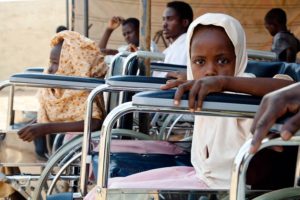
In 2022, approximately 3 to 3.5 million South Africans were living with a disability, representing around 7% of the country’s population. Disabled South Africans face significant social, economic and educational barriers, including limited access to schools, scarce employment opportunities, and widespread stigma. In some cases, individuals with physical or mental disabilities experience discrimination, neglect, or mistreatment, highlighting the urgent need for systemic reform and stronger protections.
Barriers to Education and Employment
In 2019, an estimated 600,000 children with disabilities were being excluded from education in South Africa. Although most public schools in South Africa are free, families of disabled children often have to pay a fee for the additional support at a mainstream school. Even after paying this, many parents have expressed concerns over the level of support their child is receiving.
While special schools exist in South Africa, they are often costly or situated in remote areas, making access difficult for many families. As a result, even children with minor disabilities, such as an untreated eyesight problem that could be corrected with adequate funding, may miss out on education. In adulthood, South Africans with disabilities continue to face passive discrimination.
In 2024, more than 90% of disabled South Africans were unemployed and even if they manage to find work, they will most likely experience a pay discrepancy or will only be employed part-time.
Targeted Violence Against People With Albinism
This widespread inequality particularly affects South Africans with albinism, a group in which around one in every 4,000 people are affected. This minority is at extreme risk of physical harm. Due to superstitious beliefs about healing abilities, there have been numerous cases of albino limbs being forcibly chopped off. They are then sold on the black market for around $15,000 each or $75,000 for the entire body.
There have been many cases of children with albinism being mutilated by family members for income.
Gender-Based Discrimination Against Disabled Women
Disabled women also struggle with layered discrimination and are often treated worse than disabled men. Women are far more likely to be forcibly sterilized, as parents are often concerned their daughter will be raped and the child will also be disabled and dependent on them. Moreover, African women are more susceptible to mental health problems (the most common disability in the world) due to the high number of sex offences that occur in the country.
An estimated 40% of South African women will be raped in their lifetimes and instead of receiving support, victims risk being imprisoned in an attempt to treat their hysteria.
Resolutions and the African Disability Alliance
There are organizations, such as the African Disability Alliance (ADA), that advocate for the rights of people with disabilities in Africa. The ADA aims to assist all individuals with disabilities across the continent. It recently advocated for the African Disability Protocol (ADP) that was adopted in 2018.
In 2024, the ADP became legally binding in at least 15 African Union member states, including South Africa. The ADP is a law that aims to provide disabled people with equal opportunities. This includes disabled children’s right to education, reasonable accommodation for all and acknowledges and seeks to reduce the inequalities between men and women.
It has helped numerous charities around Africa, including Retina South Africa. Retina South Africa is a nonprofit organization that conducts research into genetic mutations, raises public awareness of retinal issues and supports patients through education, referrals and interventions. Retina South Africa describes the ADP as “more than a document—it’s a call to action. It’s a way to demand the access and dignity we deserve. Whether you’re fighting for better eye care or an inclusive workplace, this protocol is your ally. Let’s use it to make South Africa a place where visual impairment doesn’t hold us back.”
Implementation Challenges and ADA’s Advocacy Work
However, there have been issues in implementing the protocol and supporting African countries that attempt to do so, an issue that the ADA addresses. The organization helped develop the Model Law for Disability, which provides a reference point for African countries to operationalize ADP’s aims.
Kudakwashe Dube, CEO of ADA, said to The Borgen Project: “[The Model Law] is structured along the lines of the U.N. Convention, except that it gives an African perspective on human rights and some of the things that we could not get into the U.N. Convention we were able to get into the protocol.”
The ADA also acknowledges inequalities within the disabled community. Its program, “Ratification through Women-led Advocacy” (ARWA), focused on empowering women to drive the ratification of the ADP. Participants traveled to African countries to advocate for the protocol and assist with implementing the documents, ensuring that the voices of women with disabilities are heard.
Often, disabled women can be left out of discussions involving disabled African’s rights. This is an issue that Dube said needed to be addressed: “Unless we involve [women] now, they are likely to be left out in future phases. That’s why we decided to make sure they are part of the process from the start.”
Future Directions and Inclusive Education Efforts
Looking ahead, the ADA plans to continue playing a major role in advancing the rights of people with disabilities. Although South Africa has now ratified the ADP, the ADA remains active in its broader advocacy efforts. The organization is also implementing another initiative, “Promoting Inclusive Education” (PIE), primarily in South Africa.
Through this program, the ADA advocates for inclusive education within mainstream schools and ensures that teachers are properly trained and equipped to support students with disabilities.
Concluding Comments
Disabled South Africans remain deeply entangled in stigma, superstition and systemic inequality, often leaving millions of people excluded, mistreated and silenced. Yet, amid these challenges, organizations like the ADA are creating a much-needed shift, transforming how disability is perceived and addressed across the continent. Its work demonstrates that meaningful change requires not only legal reform but also social transformation: educating communities, empowering women and ensuring that disability rights are treated as human rights.
While there is still a long way to go before full equality is achieved, the growing recognition of disabled South Africans’ dignity and potential marks a vital step forward. True progress will depend on sustained advocacy, inclusive education and the collective will of African societies to dismantle prejudice and replace it with understanding, respect and opportunity for all.
– Lysia Wright
Lysia is based in Derby, UK and focuses on Global Health for The Borgen Project.
Photo: Flickr

Fragility of Rule of Law in Portugal
The Reasons for Challenges With Fragility and the Rule of Law in Portugal
Poverty and Social Inequality
Poverty remains a serious challenge in Portugal, and weaknesses in the rule of law often deepen socioeconomic vulnerability. In 2023 (reflecting 2022 incomes), official data indicate that roughly 17% of Portugal’s population lived at risk of poverty or social exclusion after social transfers. Some regions, including the Azores, Madeira, the Algarve and northern areas, face especially high risk.
Corruption and weak rule of law undermine governmental capacity to combat poverty. When public resources leak, public procurement inflates and misallocation of funds becomes common, the state loses the ability to deliver fair social services, maintain public infrastructure and allocate welfare effectively. The phenomenon harms not only economic growth but also social equity, increasing income and wealth inequality in which poorly served communities suffer most.
A recent report underscores the link between corruption and social deprivation: corruption erodes health, education and social welfare outcomes in a way that disproportionately harms the poor. Thus, improving the rule of law in Portugal could serve as a structural lever to reduce poverty, foster social inclusion and rebuild citizens’ faith in institutions.
Addressing the Rule of Law in Portugal
Experts from OECD, GRECO and other international bodies recommend a consistent set of reforms, and several named contributors and authorities appear repeatedly in these reports. The OECD justice report lists lead contributors and managers — Elsa Pilichowski (OECD Director for Public Governance), Tatyana Teplova (Senior Counsellor), Chloé Lelièvre (Head of Unit for Access to Justice) and Barbara-Chiara Ubaldi (Head of Unit for Digital Government and Data) — and the report presents specific recommendations to modernize courts, speed procedures and invest in skills and digital case management. GRECO’s evaluation team similarly sets out measures to strengthen asset disclosure, conflict-of-interest rules, post-employment restrictions and lobbying transparency. Transparency International, the EU Commission and independent academics have echoed these proposals.
Portugal has already adopted or launched some of these measures. The government published the National Anti-Corruption Strategy 2020–2024 (ENAC) and created a National Anti-Corruption Mechanism (MENAC) under Decree-Law No. 109-E/2021. MENAC aims to coordinate prevention, monitoring and enforcement across the public administration, and to improve asset-declaration systems, conflict-of-interest rules and whistleblower protection. GRECO and the OECD acknowledge this framework but report partial implementation; follow-up reviews note that Portugal still needs to strengthen enforcement, improve transparency of asset declarations and fully adopt measures on lobbying and post-employment restrictions.
Specific Expert Recommendations and Implementation Status
The OECD recommended modernizing case management, digitizing courts, recruiting targeted personnel and creating specialized chambers for complex economic crime to reduce delays and strengthen enforcement. The OECD named its project leads and listed technical recommendations based on stakeholder interviews and data. Portugal has accepted many recommendations in principle and started pilot digital initiatives, but full roll-out and resourcing remain works in progress.
Meanwhile, GRECO recommended enforceable asset-declaration rules, independent oversight and stronger cooling-off rules for high officials. The 2025 compliance report records partial implementation of several recommendations and outstanding gaps.
Additionally, the EU Commission recommended speeding up administrative and civil procedures and strengthening judicial capacity; national progress reports link these recommendations to OECD technical assistance projects.
The National Anti-Corruption Strategy and MENAC
The National Anti-Corruption Strategy 2020–2024 (ENAC) entered the official agenda in 2020–2021, and the Decree-Law No. 109-E/2021 (December 2021) established the National Anti-Corruption Mechanism (MENAC).
MENAC’s mandate includes coordinating implementation of the National Strategy, monitoring and evaluating anti-corruption actions across public bodies, improving prevention measures such as asset and interest disclosures, and strengthening whistleblower protection. The overall strategy sets out an action plan with measures on prevention, enforcement, transparency and international cooperation.
MENAC has centralized coordination functions, launched monitoring mechanisms and supported revisions to disclosure and whistleblower rules. Observers and follow-up reports (GRECO, OECD, EU) record progress on institutional design and legal frameworks, while also noting gaps in enforcement, the need for stronger oversight and incomplete implementation of several recommendations. GRECO’s compliance reporting (2025) finds that Portugal partially implemented a number of recommendations but still needs to address asset-declaration enforcement, lobbying transparency and post-employment rules.
A Fragile but Reformable Rule of Law in Portugal
Portugal has not faced a collapse of democracy and many institutions are still functioning. Yet, the rule of law in Portugal remains fragile in critical respects. Institutional inefficiencies, public distrust and repeated crises of political and financial malfeasance undermine social equity and hinder the country’s ability to reduce poverty.
The future of Portugal’s rule of law will depend on transparent and effective reforms, faithful protection of civil and property rights and the capacity to restore public trust through tangible improvements. If implemented well, such reforms could yield not only stronger governance, but also meaningful progress in reducing poverty and social inequality in Portugal.
– Vagner Trindade
Photo: Wikimedia Commons
Migration to Lebanon: How Poverty Reshapes a Country in Crisis
Who Is Migrating to and Within Lebanon?
Life in Lebanon for Migrants
Refugees typically rely on informal work, casual labor and even child labor due to the scarcity of formal work. Because of poverty, survival work dominates rather than stable jobs. Sectors of work can include agriculture (especially in Bekaa and Akkar), day labor, construction, small trade and domestic work. This is often under precarious terms, as there are weak legal protections.
Due to domestic workers being excluded from Lebanese Labor Laws, in many cases, migrant workers suffer abuses such as withheld pay, excessive working hours, confiscated passports, restriction of movements and lack of rest days. The deep economic crisis in Lebanon means public services like health, education and utilities are under severe strain, with refugees bearing a disproportionate burden. Up to nine in 10 Syrian refugees require humanitarian assistance to meet basic needs.
Refugees are often in competition with the host community for scarce public resources, which raises risks of social tension and divisions in communities.
The Good News
Despite the severe poverty facing both citizens and migrants in Lebanon, many projects are working to support communities and improve access to essential services. Numerous charities are raising funds for these efforts; for example, an initiative to build an orphanage and medical center in northern Lebanon has raised more than $100,000. This would provide a lifeline for children, offering a chance to heal, grow and prosper within the safety of a facility that cares.
The U.N. Refugee Agency also works tirelessly in Lebanon to provide shelter, legal aid, protection and cash assistance to people in need. This organization provides both temporary, life-saving support and sustainable, long-term solutions. It also facilitates activities that promote peacebuilding and social stability. In addition, it teaches basic literacy and numeracy skills to refugee children and helps older students access higher education opportunities.
– Abigail Gadsden
Photo: Flickr
Pediatric and Neonatal Medical Aid to Niger
Similarly, the mortality rate of children under 5 years old is 117.07 per 1,000 live births, as indicated by WHO data. Therefore, pediatric and neonatal medical aid is crucial to the national public health of Niger. Improving public health is an important aspect of reducing extreme poverty in Niger. Charitable projects that provide pediatric and neonatal medical aid to Niger include those launched by Galmi Hospital, Samaritan’s Purse, CURE International, Médecins Sans Frontières/Doctors Without Borders (MSF) and the African Neonatal Association.
The aid supplied by these charitable organizations encompasses governmental vaccination partnerships and outpatient nutritional rehabilitation services. It also includes surgery for congenital disabilities and untreated trauma, the facilitation of global neonatal research in Africa, as well as the operation of neonatal and pediatric wards.
Pediatric and Neonatal Public Health Programs in Niger
Galmi Hospital is a nonprofit organization hospital in Niger operated by Serving in Mission International. Galmi is located 470 km east of the Nigerien capital city, Niamey. The hospital believes that children are precious to the heart of God. The under-5 clinic at Galmi Hospital provides medical care to approximately 100 infants daily.
Galmi Hospital has a partnership with the Nigerien government to supply vaccinations to children within the regional area of Galmi and its surrounding communities. In addition to this, the outpatient nutritional rehabilitation center of Galmi Hospital cares for infants below the age of 5 who are underweight, stunted or wasted. Malaria, dehydration due to diarrhoea, pneumonia, sickle cell disease, meningitis and malnutrition occur frequently among pediatric in-patients at Galmi Hospital.
Many of these diseases are easily preventable through vaccines against measles and pertussis; however, tragically, due to widespread poverty, medical resources are limited. Galmi Hospital proposes the construction of a specialist pediatric ward to effectively cater to children with illnesses.
The Samaritan’s Purse charity launched a new medical health care center in the Reguou village of Niger in 2021, which has had very high malnutrition rates for many years. The center has a specialist focus on aiding pregnant mothers and malnourished children. A significant decrease in malnutrition rates, an increase in children being vaccinated and improved public health are the successes of the new health care center.
Samaritan’s Purse had been active in Niger before the new launch through the provision of medical treatment for cholera, the opening of nutritional projects and mobile medical clinics. Local medical professionals and the director of Samaritan’s Purse for Niger celebrated the launch of the new health care center.
Neonatal Medical Aid to Niger
The African Neonatal Association is a group of African neonatologists and pediatricians specializing in neonatal care across the continent. Advocacy, education and research by the association help to improve the medical aid available to neonates in Africa. The study conducted by the African Neonatal Association increases opportunities for global neonatal research in Africa and promotes synergy among researchers working with neonates in Africa. It also supplies validated research to support the provision of the best possible neonatal care.
Hypoxic ischaemic encephalopathy or birth asphyxia, sepsis and prematurity are the most common causes of mortality among newborns in Africa. The pharmaceutical medicinal products and medical equipment needed to provide medical aid to newborns in Africa are relatively inexpensive; however, sound logistics are crucial for effectively administering neonatal medical assistance to the African continent, including Niger. According to the African Neonatal Association, the number of neonatologists is limited and neonatal nursing is not yet recognized as a specialty, highlighting the significant need for neonatal medical care in Niger.
Pediatric and Neonatal Surgical Missions to Niger
CURE International is a nonprofit charity founded by an orthopedic surgeon and his spouse to provide high-quality surgical treatment to children in need across developing countries in Africa and beyond. Bowed legs, clubfoot, burn contractures, cleft lip and cleft palate, genu valgum, osteogenesis imperfecta, windswept legs and untreated trauma encompass a range of malformations. CURE International operates pediatric hospitals to provide surgical care for these conditions.
Three sisters who received surgical treatment from CURE Niger for the genetic congenital disability osteogenesis imperfecta suffered from fragile bones that broke frequently, resulting in mobility difficulties and an inability to walk. More than 12 surgical operations and months of recovery were required before the sisters were able to walk following treatment. CURE Niger is the only hospital in Niger that offers specialized surgical medical care for children with treatable physical disabilities.
Obstetric Medical Aid for Neonates and Infants
MSF provides obstetric medical aid through a maternity ward in an MSF-operated hospital in the Madaoua district of Niger to decrease the mortality rate of newborns. The MSF hospital in Madaoua also operates an inpatient therapeutic feeding center, in addition to neonatal and pediatric wards. In the Dungass district of Niger, MSF launched a 200-bed pediatric unit and supported the coordination of other pediatric units nationwide.
Final Remarks
The provision of pediatric and neonatal medical aid is a vitally important part of reducing extreme poverty in Niger. Improvements in overall national public health boost the country’s economic development. Many international aid projects by charities and other organizations have helped facilitate pediatric and neonatal medical aid in Niger.
– Deborah Asante
Photo: Flickr
Tackling Indigenous Poverty in Guatemala
Brief History of Indigenous People in Guatemala
The Maya people, Guatemala’s largest Indigenous group, have endured centuries worth of colonization, conquest and neocolonial forms of violence and domination. Their struggles and systemic discrimination increased during the Guatemalan Civil War that lasted from 1960 to 1996. During the civil war, the Maya people were accused of being affiliated with or supporters of the Guerrillas (a paramilitary group).
The Guatemalan government burned entire villages and innocent people were massacred. What is now considered a genocide resulted in more than 200,000 deaths, the internal displacement of one million people and 30,000 fleeing as refugees to other countries. The Peace Accords were signed in 1996, allowing most refugees to return home to Guatemala.
The next crucial step was the signing of the Accord on Identity and Rights for Indigenous Peoples, designed to protect Guatemala’s Indigenous communities. Unfortunately, it wasn’t implemented.
The Numbers
Indigenous poverty in Guatemala stems from long-standing inequality—Indigenous people do not receive the same opportunities or respect as non-Indigenous populations. Indeed, four out of five Indigenous Guatemalans live in poverty, with limited access to healthcare, education and other basic necessities. Around 75% of Guatemala’s Indigenous population lives in rural areas, where government support is often limited.
Approximately 58% of Indigenous people suffer from chronic malnutrition (compared to 38% of the non-Indigenous population), which stunts children’s growth and learning, perpetuating the cycle of poverty. Additionally, many Indigenous children do not complete secondary school and literacy rates remain particularly low among Indigenous women.
Why These Inequalities Persist
These disparities are rooted in structural and institutional discrimination:
The Change
Despite the debilitating history and hardships, Indigenous and campesino (peasant farmer) movements and organizations have taken the lead in improving the livelihood of Indigenous people in Guatemala. For more than 36 years, the Campesino Committee of the Highlands (CCDA) has fought for access to land, the defense of territory, decent work and justice. Founded in 1981, after the signing of the Peace Accords, it expanded to the Alta Verapaz region.
Currently, CCDA works in 20 departments around Guatemala. Regarding the chronic malnutrition affecting more than half of the Indigenous population, the Crecer Sano Project addresses malnutrition from a sectoral perspective. This organization focuses on expanding access to basic healthcare in remote areas, improving water access and improving sanitation.
More than 31,000 families have received water filters through this program. The initiative emphasizes behavior change by integrating traditional practices, ensuring that these communities receive culturally appropriate care. Guatemala is also vulnerable to natural disasters, which include hurricanes, droughts and earthquakes.
These natural occurrences disproportionately affect the most impoverished communities. International initiatives have supported Indigenous-led development as well. For instance, the Dedicated Grant Mechanism (DGM) for Indigenous Peoples and Local Communities is part of Guatemala’s Forest Investment Program, which seeks to reduce deforestation and promote sustainable forest management. The DGM strengthens Indigenous communities’ capacity to manage land and forests sustainably by combining traditional knowledge with economic opportunities that incentivize environmental stewardship.
Moving Forward
Progress has been slow. However, organizations such as CCDA, the Crecer Sano Project and DGM demonstrate that addressing Indigenous poverty in Guatemala through empowerment and environmental protection can be achieved in tandem. Achieving true equality will require continued investment, respect for Indigenous land rights and a national commitment to justice and inclusion.
Guatemala’s Indigenous poverty is not just a legacy of the past; it is a current, structural problem. High rates of malnutrition, poverty and exclusion reflect centuries of marginalization. But the story is not only one of suffering: Indigenous communities, supported by international partners, are leading initiatives for healthier, more just futures via projects like Crecer Sano and rural development partnerships.
To build a more equitable Guatemala, it will take sustained political will, fair resource distribution, secured land rights and respect for Indigenous leadership. Only then can Guatemala truly fulfill its constitutional commitment to being a multicultural nation.
– Arielle Telfort
Photo: Flickr
Unconventional Classrooms: Micro-Libraries in Brazil
A 12-Year-Old Girl Sparks Change
In São Paulo, 12-year-old Lua Oliveira created a library in a small, tin-roofed room in her favela. She started after seeing a child at a book fair told she could not afford a book. Lua began collecting donated titles to lend to local children. Her library now holds approximately 18,000 books and operates in a community centre where children regularly visit to read and learn, World Economic Forum Reports. Furthermore, her initiative inspired neighbours and peers to engage with reading in their everyday environment, demonstrating how locally managed, small-scale learning spaces can have a profound impact on education in low-income communities.
The Mala do Livro Project: A Citywide Effort
Lua’s story reflects a broader movement in Brazil. In Brasilia, the Mala do Livro (‘Book Bag’) project has run for decades, with the support of the Secretariat of Culture and Creative Economy. Volunteers carry mobile book bags into neighbourhoods, community centres, hospitals, and subway stations. Each bag contains around 150 books, carefully selected for children, teenagers, and adults, and the network now encompasses 193 micro-libraries with approximately 45,000 books in circulation.
These micro-libraries in Brazil demonstrate the flexibility and community focus of grassroots learning spaces. By situating libraries directly within neighbourhoods, children and adults can borrow books without travelling long distances or relying on formal institutions.
Impact on Communities
Micro-libraries in Brazil affect more than book lending. They strengthen community cohesion, provide safe environments for children after school, and encourage peer-to-peer learning. Indeed, in Brasilia alone, the Mala do Livro project has reached around 100,000 readers over its lifetime, with 18,000 people using the libraries in a single year. Each micro-library receives roughly 45 visits per year, showing the continued engagement and importance of these programs.
Micro-Libraries as a Tool Against Poverty
Poverty in Brazil is not just about income; it also affects access to education and learning opportunities. According to UNICEF, 32 million children live in multidimensional poverty, which includes severe educational deprivation. However, in this context, micro-libraries in Brazil act as practical interventions against poverty. By providing children in favelas with books and access to literacy resources, these grassroots initiatives help break the cycle of educational disadvantage, giving young people tools to improve their long-term social and economic prospects. Education also drives economic mobility: the Inter-American Development Bank estimates that differences in education explain more than 40% of income inequality in Brazil.
Small Libraries, Big Impact
Micro-libraries in Brazil depend heavily on volunteers and consistent donations. Lua’s library, for instance, requires ongoing book donations and active participation from her neighbours. Similarly, the Mala do Livro project relies on a network of volunteers to circulate books and maintain access. Supporting these initiatives helps promote literacy and combat educational inequality in low-income communities, offering children a chance to break cycles of poverty.
From a 12-year-old girl’s home library in Sao Paulo to the mobile book bags, micro-libraries in Brazil demonstrate that classrooms do not need walls to be effective. Community-driven, accessible learning spaces transform education in the favelas, offering hope and opportunity to children who might otherwise be left behind.
– Iona Gethin
Photo: Wikimedia commons
Grassroot Innovations Changing Poverty Politics in Madagascar
Madagascar At Glance
Madagascar is famous for its large biodiversity as well as diverse cultural influence. The nation is rich in natural resources such as coal, chromite, salt quartz, hydropower, semiprecious stones, shellfish etc.
Madagascar’s economy is heavily dependent on its agricultural exports. For instance, sugar, coffee and vanilla to name a few. These exports have contributed to more than 25% of the nation’s gross domestic product.
However, approximately 75% of the population is currently living below international poverty lines. Natural disasters have contributed to Magadascar’s state of poverty due to uncertainty in agricultural productions. Given that agricultural infrastructures make up 80% of the nation’s employment, many rural workers feel the impacts of fluctuations in production.
Politics and Instability
Civil conflict has also played a significant role in poverty politics in Madagascar. A 2009 coup takeover placed former president Rajoelina in power; however, there are little reported developments with only about a 22% increase in GDP during his reign.
Fed up with electricity and water outages, Gen-Z protests in the capital Antananarivo, in late September 2025, provoked yet another government takeover. Frustrated with the nation’s immense corruption, weak institutions and lack of accountability from the government, many Malagasy’s lack job opportunities and are left to fend for themselves.
On the other hand, grassroots innovations such as Solar United Madagascar (SUM), Jirogasy and SAYNA have given hope to many Malagasy citizens.
Solar United Madagascar
Solar United Madagascar utilizes an environmentally friendly approach in providing electricity to rural areas in Madagascar by mobilizing their light libraries throughout communities. The company installs solar panels on school buildings and ultimately allows families to lend power banks. This provides light to schools and homes after dark by non-toxic light instead of kerosene and candles, which can be hazardous. It has also been beneficial to entrepreneurs and small business owners. Recent developments include a total of 243 solar panels, 80 school buildings benefiting and servicing more than 7,000 customers in Madagascar.
Jirogasy
Founded by Yann Kasy, Jirogasy is a Malagasy startup that provides solar kits and solar computers to consumers. A team of engineers designed it for e-health and e-education in areas where electricity is scarce. The solar computers have provided an affordable alternative for hundreds of students in Madagascar, providing access to digital education and have been a vital resource for hospitals.
Sayna
Founded by Franco-Malagasy entrepreneur Martina Razafimachefa, SAYNA provides a digital gamified platform where users can improve their computer literacy with micro tasks that also allow them to earn income. Tasks focus on missions that involve quizzes, videos and games. Orange Venture, Malagasy Investment Club and Launch Africa Ventures provided $600,000 in equity funding to support this initiative, which addresses both the education and employment crisis in Madagascar.
From the Bottom Up
These initiatives reveal a different story about Madagascar than the narratives that are perceived. They define a population that is actively engineering its own future. Whether it is through solar-powered classrooms, off-grid computers or digital platforms that transform skills to work, grassroots innovations are reshaping poverty politics in Madagascar. In a country defined by instability, these innovations show that sustainable development is not only possible but currently taking place.
– Gloria Bwenge
Photo: Flickr
Digital Development in Mongolia
Background
As late as 2018, 90% of the population in Mongolia had access to the internet, along with widespread 3G and 4G. In fact, in the last 10 years, the use of technology, particularly among younger citizens, has only increased. This statistic includes Mongolia’s more nomadic communities, who are a part of more rural, isolated areas, where civilians may not get the same speedy internet connection as soon as the more urban communities have.
While it is evident that Mongolia is not as technologically advanced as other countries are in this day and age, such as China or the U.S., the country is working to change that, especially when it comes to its more remote communities.
e-Mongolia
Teamed up with the e-Mongolia Initiative, a platform in Mongolia that works to deliver public services to every single area of the East-Asian country, the Government’s Digital Nation Strategy is working to increase the overall digital literacy in Mongolia. As the e-Mongolia Initiative works to serve the most remote and nomadic areas of the country, the Mongolian government plans to help increase digital literacy within those specific communities.
In addition to the government’s plans with the country-wide internet services, the Resident Coordinator’s Office (RCO), with UNDP and UNICEF are all partnering with the government for this project. With this collaboration, the UNDP, RCO, and UNICEF are hoping to help the specific areas of DarkhanUul, Khentii, Dornod, and Ulaanbattar in expanding their digital literacy.
Digital Literacy
While the United Nations Sustainable Development Group (UNSDG) never states that Mongolia needs more digital literacy, it points out the positives that come with a more technologically advanced society.
The Head of the Government E-Services Department in the Darkhan-Uul Province, Soyolmma Namkhajav, stated, “We are happy to collaborate on this project to deliver faster and more accessible online public services to citizens.”
These partnerships work to improve digital literacy within the country, in order to improve the public online services that are already available throughout the country, particularly in nomadic areas. In addition to improving already available services, the government hopes to improve education with technology.
The UNSDG held information training session for 60 teachers across thirty schools in Mongolia for a year in 2024. Citing one of the teachers who participated in the session, in addition to helping schools integrate technology into their students’ learning, education leaders are learning how to teach their students how to be safe when browsing the internet. In addition to serving schools, the government is hoping to make training and other valuable resources more accessible online for public servants and local communities.
The Future
Recently, the RCO has been mobilizing resources with the United Nations to help support the digital future in Mongolia, including the Ministry of Digital Development, Innovation, and Communications of Mongolia, which is persistent in making sure that this program that focuses on national priorities and government ownership. Relevant governmental ministries are hoping to train at least 3,000 citizens, 1,500 women in particular, apart of three different regions, including Uaanbattar, to learn these important digital skills.
– Megan Akers
Photo: Flickr
The Treatment of Disabled South Africans
In 2022, approximately 3 to 3.5 million South Africans were living with a disability, representing around 7% of the country’s population. Disabled South Africans face significant social, economic and educational barriers, including limited access to schools, scarce employment opportunities, and widespread stigma. In some cases, individuals with physical or mental disabilities experience discrimination, neglect, or mistreatment, highlighting the urgent need for systemic reform and stronger protections.
Barriers to Education and Employment
In 2019, an estimated 600,000 children with disabilities were being excluded from education in South Africa. Although most public schools in South Africa are free, families of disabled children often have to pay a fee for the additional support at a mainstream school. Even after paying this, many parents have expressed concerns over the level of support their child is receiving.
While special schools exist in South Africa, they are often costly or situated in remote areas, making access difficult for many families. As a result, even children with minor disabilities, such as an untreated eyesight problem that could be corrected with adequate funding, may miss out on education. In adulthood, South Africans with disabilities continue to face passive discrimination.
In 2024, more than 90% of disabled South Africans were unemployed and even if they manage to find work, they will most likely experience a pay discrepancy or will only be employed part-time.
Targeted Violence Against People With Albinism
This widespread inequality particularly affects South Africans with albinism, a group in which around one in every 4,000 people are affected. This minority is at extreme risk of physical harm. Due to superstitious beliefs about healing abilities, there have been numerous cases of albino limbs being forcibly chopped off. They are then sold on the black market for around $15,000 each or $75,000 for the entire body.
There have been many cases of children with albinism being mutilated by family members for income.
Gender-Based Discrimination Against Disabled Women
Disabled women also struggle with layered discrimination and are often treated worse than disabled men. Women are far more likely to be forcibly sterilized, as parents are often concerned their daughter will be raped and the child will also be disabled and dependent on them. Moreover, African women are more susceptible to mental health problems (the most common disability in the world) due to the high number of sex offences that occur in the country.
An estimated 40% of South African women will be raped in their lifetimes and instead of receiving support, victims risk being imprisoned in an attempt to treat their hysteria.
Resolutions and the African Disability Alliance
There are organizations, such as the African Disability Alliance (ADA), that advocate for the rights of people with disabilities in Africa. The ADA aims to assist all individuals with disabilities across the continent. It recently advocated for the African Disability Protocol (ADP) that was adopted in 2018.
In 2024, the ADP became legally binding in at least 15 African Union member states, including South Africa. The ADP is a law that aims to provide disabled people with equal opportunities. This includes disabled children’s right to education, reasonable accommodation for all and acknowledges and seeks to reduce the inequalities between men and women.
It has helped numerous charities around Africa, including Retina South Africa. Retina South Africa is a nonprofit organization that conducts research into genetic mutations, raises public awareness of retinal issues and supports patients through education, referrals and interventions. Retina South Africa describes the ADP as “more than a document—it’s a call to action. It’s a way to demand the access and dignity we deserve. Whether you’re fighting for better eye care or an inclusive workplace, this protocol is your ally. Let’s use it to make South Africa a place where visual impairment doesn’t hold us back.”
Implementation Challenges and ADA’s Advocacy Work
However, there have been issues in implementing the protocol and supporting African countries that attempt to do so, an issue that the ADA addresses. The organization helped develop the Model Law for Disability, which provides a reference point for African countries to operationalize ADP’s aims.
Kudakwashe Dube, CEO of ADA, said to The Borgen Project: “[The Model Law] is structured along the lines of the U.N. Convention, except that it gives an African perspective on human rights and some of the things that we could not get into the U.N. Convention we were able to get into the protocol.”
The ADA also acknowledges inequalities within the disabled community. Its program, “Ratification through Women-led Advocacy” (ARWA), focused on empowering women to drive the ratification of the ADP. Participants traveled to African countries to advocate for the protocol and assist with implementing the documents, ensuring that the voices of women with disabilities are heard.
Often, disabled women can be left out of discussions involving disabled African’s rights. This is an issue that Dube said needed to be addressed: “Unless we involve [women] now, they are likely to be left out in future phases. That’s why we decided to make sure they are part of the process from the start.”
Future Directions and Inclusive Education Efforts
Looking ahead, the ADA plans to continue playing a major role in advancing the rights of people with disabilities. Although South Africa has now ratified the ADP, the ADA remains active in its broader advocacy efforts. The organization is also implementing another initiative, “Promoting Inclusive Education” (PIE), primarily in South Africa.
Through this program, the ADA advocates for inclusive education within mainstream schools and ensures that teachers are properly trained and equipped to support students with disabilities.
Concluding Comments
Disabled South Africans remain deeply entangled in stigma, superstition and systemic inequality, often leaving millions of people excluded, mistreated and silenced. Yet, amid these challenges, organizations like the ADA are creating a much-needed shift, transforming how disability is perceived and addressed across the continent. Its work demonstrates that meaningful change requires not only legal reform but also social transformation: educating communities, empowering women and ensuring that disability rights are treated as human rights.
While there is still a long way to go before full equality is achieved, the growing recognition of disabled South Africans’ dignity and potential marks a vital step forward. True progress will depend on sustained advocacy, inclusive education and the collective will of African societies to dismantle prejudice and replace it with understanding, respect and opportunity for all.
– Lysia Wright
Photo: Flickr
Closing Kenya’s Gender Gap in Tech Education
Kenya’s Government Connecting the Gender Divide
Kenya has long been recognized as one of Africa’s technology pioneers, with its capital city, Nairobi, earning the nickname “Silicon Savannah” for its start-up ecosystem. However, despite this progress, Kenya’s gender gap in digital access remains significant. According to the United Nations Educational, Scientific, and Cultural Organization (UNESCO), women occupy fewer than 30% of Information and Communication Technology (ICT) roles in Kenya, and mobile internet use is considerably lower among women than men.
To tackle this divide, Kenya’s government has launched several digital literacy initiatives under its Kenya Vision 2030 and national ICT strategy. These initiatives aim to expand computer access in schools, increase teacher training and extend technology access in low-income regions. The government’s 2030 goals would allow women and girls to gain stronger digital skills and develop a greater interest in STEM fields.
How AkiraChix Is Coding a New Future for Women
At the heart of this transformation is AkiraChix, a Nairobi-based nonprofit founded in 2010 that trains young women from underprivileged backgrounds in coding, design and entrepreneurship. AkiraChix runs a camp program that introduces girls to technology and design software. Its CodeHive program offers a fully subsidized, yearlong training in software development, product management and digital design for women ages 20-24.
According to AkiraChix’s 2022 Impact Report, more than 80% of graduates secure a placement or start their own ventures within six months of finishing the program. In its 2021 Impact Report, one 2020 alumna, Rebecca Wambui, said learning to code through the CodeHive program helped her realize that “I can also do this.” She has since developed a chatbot to help local farmers access affordable market prices.
Community Hubs Expand Rural Opportunities
Beyond Nairobi, a growing network of community digital learning hubs is making STEM education accessible in rural and low-income areas. UNESCO-supported programs have introduced more than 200 girls from 20 schools to robotics, mobile app design and 3D printing. Similar to AkiraChix’s programs, UNESCO bootcamps often give girls their first exposure to engineering and computer science. These programs play a key role in narrowing Kenya’s gender gap by increasing interest in STEM.
By equipping women with marketable STEM skills, Kenya is strengthening innovation and inclusive growth. Studies show that expanding digital access contributes directly to higher gross domestic product (GDP) and employment rates in developing nations. For graduates of AkiraChix, UNESCO programs and other digital hubs, the results include greater financial stability, improved livelihoods and stronger educational outcomes.
Challenges and the Road Ahead
Despite these gains, challenges remain. Many rural areas still lack stable electricity or affordable data, limiting the reach of digital learning. Additionally, cultural norms and gender stereotypes continue to discourage girls from pursuing STEM, and the cost of devices remains a barrier for low-income families.
Experts emphasize the need for sustained investment in infrastructure, teacher training and the integration of digital skills in school curricula, supported by public and private partners.
Kenya’s expanding digital learning ecosystem demonstrates how innovation and equality can intersect to drive national progress. By giving women and girls the tools to thrive in STEM, the country is working to bridge its gender gap in technology and build a more inclusive future.
– Abigail Ariyo
Photo: Unsplash
Managing Global Aid Cuts
Impact Investing
Disruption of financial flows from traditional sources has forced some NGOs to start thinking more about private investors. In other words, it is about redesigning international development to function as investments. While the social impact of new projects remains a priority, generating income arises as a new factor to consider. This way, aid organizations can diversify income sources, preventing overreliance.
It requires NGOs to adapt their work, though. Investor partners will not feel confident about impact investing unless there is greater transparency and accountability of actions. New projects must set clear measurable objectives and be able to effectively demonstrate success to attract funding.
This, however, is not a novel approach. Some international organizations like Mercy Corps have been involved in impact investing for around 10 years now. In 2015, they established the Social Venture Fund (SVF) to support innovative ventures with a positive social impact. Scott Onder, the managing director of the fund, said that “the organisation recognised that the traditional grant-based model of funding international development can be limiting and rarely promotes […] flexibility.” Money from SVF gathered from private investors was used in Kenya to set up Lynk, a platform connecting workers and businesses in need of services, or Arifu, a site offering learning tools to improve income and escape poverty.
By shifting focus from government grants to attracting individuals and private firms, NGOs can manage the reduction of aid budgets globally and aim to maintain a stable budget allowing continuous development work.
Reorientation of Humanitarian Response
Reduced aid budgets have forced beneficiaries to start thinking outside the box. While sustainability has usually been a central focus of many humanitarian projects, its importance becomes undeniable nowadays. Help can no longer assume constant flow of grants but has to reorient itself to design resilient and robust projects that can survive all kinds of crises and shocks.
For instance, the recent Kenyan law amendment represents such change. Since as early as the 1990s, the country has hosted almost a million refugees in designated camps across the country. These relied on funding from the U.S., which was mostly used to cover essential services like food and protection. To offset the impact of reductions, greater focus has been placed on integration of refugees. As Refugees International says, “the new policy would transition camps into settlements by granting refugees the right to work, freedom of movement, and property ownership.”
Another type of reorientation for sustainability is anticipatory action, a strategy already employed by some large international actors like the Food and Agriculture Organization (FAO). Anticipatory action is still primarily concerned with the social impact but also considers cost-efficiency. Addressing problems before they appear reduces repair and recovery costs while saving lives. For instance, Shaheda, a Bangladeshi woman, received support from FAO before the anticipated floods predicted to hit her region in July 2024. A silo donated to her helped protect fodder, seeds and other valuable belongings, allowing her to replant afterward.
Local Organizations Taking Over
The decreased international cooperation has forced local organizations to step up, forming another approach toward aid cuts. Local actors are becoming more4 engaged in helping their communities. Their extensive knowledge of the area, the people and the circumstances is often superior to international aid organizations.
In South Sudan and Kenya, it is the national actors that are leaders in delivery of life-saving help to isolated areas that are frequently out of reach for non-locals. The Catholic Agency for Overseas Development (CAFOD) urges a strengthened and more cohesive cooperation between international organizations and local ones.
A report into the impact of global aid cuts conducted by CAFOD frames the situation as an opportunity for local organizations to strengthen their role in humanitarian responses. Already, their contributions are valuable and sufficient to contribute substantively to food security reduction, based on their presence in South Sudan and Kenya.
Interview with The Borgen Project
An interview with The Borgen Project and Joy Ojinmah, the executive director of Unique Royal Sisters (URS), reveals firsthand experience of managing a grassroots NGO in times of global aid cuts. URS is a group helping female sex workers, the LGBT community and young girls in southeastern Nigeria. In the conversation, URS acknowledged the impact of the cuts and said that their partners and the community they work with felt it as well. Reduced funding makes it difficult to access some of the essential commodities needed for their work, including HIV test kits, PrEP and STI treatments.
“We are trying our best. Most of us started from scratch without having any donors of course. We started working for our community just for the passion that we have for the community,” she said. Despite not having enough funding, they keep their work going, looking for domestic financing or coming up with cost-efficient workarounds like promoting WhatsApp contact with their clients to save on transportation costs. Some operations were able to be restored by collaborating domestically with Caritas Nigeria or Abia State Action Control on AIDS.
Even with restricted funding, URS identified 22 new HIV-infected clients over just three months. However, Ojinmah stresses their impact could be much bigger with higher funding, considering they were only able to operate in 4 out of 17 local governments in the state of Abia. Despite challenges, she remains confident in the abilities of URS and hopes “to have the recognition and support we actually need to keep pushing.”
Looking Ahead
Overall, despite the obstacles posed by global aid cuts, NGOs and grassroots communities keep innovating and working toward their goals. Whether it is impact investing or redesigning current projects, the hopeful and determined people like Joy from Unique Royal Sisters keep fighting for the world to become a better place.
– Karol Hejduk
Photo: Flickr