The Treatment of Disabled South Africans
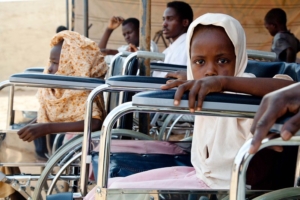
In 2022, approximately 3 to 3.5 million South Africans were living with a disability, representing around 7% of the country’s population. Disabled South Africans face significant social, economic and educational barriers, including limited access to schools, scarce employment opportunities, and widespread stigma. In some cases, individuals with physical or mental disabilities experience discrimination, neglect, or mistreatment, highlighting the urgent need for systemic reform and stronger protections.
Barriers to Education and Employment
In 2019, an estimated 600,000 children with disabilities were being excluded from education in South Africa. Although most public schools in South Africa are free, families of disabled children often have to pay a fee for the additional support at a mainstream school. Even after paying this, many parents have expressed concerns over the level of support their child is receiving.
While special schools exist in South Africa, they are often costly or situated in remote areas, making access difficult for many families. As a result, even children with minor disabilities, such as an untreated eyesight problem that could be corrected with adequate funding, may miss out on education. In adulthood, South Africans with disabilities continue to face passive discrimination.
In 2024, more than 90% of disabled South Africans were unemployed and even if they manage to find work, they will most likely experience a pay discrepancy or will only be employed part-time.
Targeted Violence Against People With Albinism
This widespread inequality particularly affects South Africans with albinism, a group in which around one in every 4,000 people are affected. This minority is at extreme risk of physical harm. Due to superstitious beliefs about healing abilities, there have been numerous cases of albino limbs being forcibly chopped off. They are then sold on the black market for around $15,000 each or $75,000 for the entire body.
There have been many cases of children with albinism being mutilated by family members for income.
Gender-Based Discrimination Against Disabled Women
Disabled women also struggle with layered discrimination and are often treated worse than disabled men. Women are far more likely to be forcibly sterilized, as parents are often concerned their daughter will be raped and the child will also be disabled and dependent on them. Moreover, African women are more susceptible to mental health problems (the most common disability in the world) due to the high number of sex offences that occur in the country.
An estimated 40% of South African women will be raped in their lifetimes and instead of receiving support, victims risk being imprisoned in an attempt to treat their hysteria.
Resolutions and the African Disability Alliance
There are organizations, such as the African Disability Alliance (ADA), that advocate for the rights of people with disabilities in Africa. The ADA aims to assist all individuals with disabilities across the continent. It recently advocated for the African Disability Protocol (ADP) that was adopted in 2018.
In 2024, the ADP became legally binding in at least 15 African Union member states, including South Africa. The ADP is a law that aims to provide disabled people with equal opportunities. This includes disabled children’s right to education, reasonable accommodation for all and acknowledges and seeks to reduce the inequalities between men and women.
It has helped numerous charities around Africa, including Retina South Africa. Retina South Africa is a nonprofit organization that conducts research into genetic mutations, raises public awareness of retinal issues and supports patients through education, referrals and interventions. Retina South Africa describes the ADP as “more than a document—it’s a call to action. It’s a way to demand the access and dignity we deserve. Whether you’re fighting for better eye care or an inclusive workplace, this protocol is your ally. Let’s use it to make South Africa a place where visual impairment doesn’t hold us back.”
Implementation Challenges and ADA’s Advocacy Work
However, there have been issues in implementing the protocol and supporting African countries that attempt to do so, an issue that the ADA addresses. The organization helped develop the Model Law for Disability, which provides a reference point for African countries to operationalize ADP’s aims.
Kudakwashe Dube, CEO of ADA, said to The Borgen Project: “[The Model Law] is structured along the lines of the U.N. Convention, except that it gives an African perspective on human rights and some of the things that we could not get into the U.N. Convention we were able to get into the protocol.”
The ADA also acknowledges inequalities within the disabled community. Its program, “Ratification through Women-led Advocacy” (ARWA), focused on empowering women to drive the ratification of the ADP. Participants traveled to African countries to advocate for the protocol and assist with implementing the documents, ensuring that the voices of women with disabilities are heard.
Often, disabled women can be left out of discussions involving disabled African’s rights. This is an issue that Dube said needed to be addressed: “Unless we involve [women] now, they are likely to be left out in future phases. That’s why we decided to make sure they are part of the process from the start.”
Future Directions and Inclusive Education Efforts
Looking ahead, the ADA plans to continue playing a major role in advancing the rights of people with disabilities. Although South Africa has now ratified the ADP, the ADA remains active in its broader advocacy efforts. The organization is also implementing another initiative, “Promoting Inclusive Education” (PIE), primarily in South Africa.
Through this program, the ADA advocates for inclusive education within mainstream schools and ensures that teachers are properly trained and equipped to support students with disabilities.
Concluding Comments
Disabled South Africans remain deeply entangled in stigma, superstition and systemic inequality, often leaving millions of people excluded, mistreated and silenced. Yet, amid these challenges, organizations like the ADA are creating a much-needed shift, transforming how disability is perceived and addressed across the continent. Its work demonstrates that meaningful change requires not only legal reform but also social transformation: educating communities, empowering women and ensuring that disability rights are treated as human rights.
While there is still a long way to go before full equality is achieved, the growing recognition of disabled South Africans’ dignity and potential marks a vital step forward. True progress will depend on sustained advocacy, inclusive education and the collective will of African societies to dismantle prejudice and replace it with understanding, respect and opportunity for all.
– Lysia Wright
Lysia is based in Derby, UK and focuses on Global Health for The Borgen Project.
Photo: Flickr
