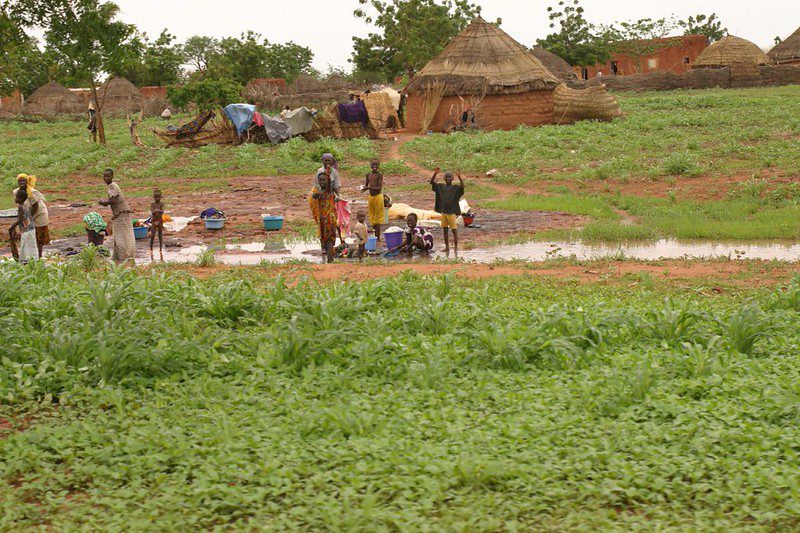
 In the arid landscapes of Niger, where droughts and desertification threaten livelihoods, a quiet revolution is taking place. Families once trapped in cycles of hunger and hardship are finding new paths to stability through targeted interventions. At the heart of this transformation is the Livestock and Agricultural Modernization Project (LAMP), a World Bank initiative funded with up to $1 billion over 12 years. By modernizing agriculture and livestock – the sectors employing more than 80% of the population – LAMP is demonstrating how innovative programs are eradicating poverty in Niger, fostering resilience against climate shocks and paving the way for sustainable growth.
Battling the Elements
Niger’s economy hinges on agriculture and livestock; however, erratic rainfall, frequent droughts and advancing desertification have deepened poverty for millions. These challenges exacerbate food insecurity, leaving households vulnerable to crises such as floods and pandemics, according to the World Bank. Enter LAMP, which directly tackles these issues by promoting climate-smart practices, improved irrigation, and livestock upgrades in the project area. This program illustrates how innovative programs are eradicating poverty in Niger by enhancing productivity and market access for rural communities.
Funded by the World Bank’s International Development Association, LAMP invests in tools and techniques that help farmers adapt to unpredictable weather conditions. For instance, it introduced drought-resistant crops, efficient water management systems, and irrigation development covering 18,000 hectares in the first phase alone, thereby reducing the impact of environmental shocks. By the end of the program, 5 million people could have strengthened food and nutrition security, with enhanced resilience of 3 million against climate risks.
Stories from villages highlight families who have increased yields and stabilized incomes through LAMP’s support. When combined with governance reforms, these efforts project a significant drop in extreme poverty to approximately 22.6% by 2043 under current trends, with further reductions possible through integrated scenarios
Empowering Farmers
What sets LAMP apart is its comprehensive approach to modernization, which has turned subsistence farming into a viable enterprise. By upgrading livestock breeds, improving seeds and integrating sustainable farming methods, the project boosts output in a sector that is critical to Niger’s survival. This strategy shows how innovative programs are eradicating poverty in Niger, as improved market linkages allow farmers to sell their produce at better prices, breaking the grip of economic isolation.
The LAMP’s 12-year timeline, structured in overlapping phases (Phase 1 through 2029), ensures sustained impact, with investments flowing into infrastructure such as irrigation networks that combat desertification. It targets 1.5 million people for enhanced climate resilience, including 500,000 youth and nearly 700,000 women and girls, in particular, according to the World Bank.
Beneficiaries report enhanced food security, as the program addresses interconnected issues such as gender inequality and barriers that often perpetuate poverty. Through skills training in climate-resilient techniques, LAMP builds human capital and enables households to invest in their futures. This not only smooths consumption during shocks but also fosters entrepreneurial growth, creating a ripple effect across the communities.
Synergizing Support
While LAMP drives agricultural innovation, its true power emerges when paired with social safety nets, such as the Wadata Talaka program, part of the Sahel Adaptive Social Protection Program. Cash transfers from Wadata Talaka enable farmers to adopt LAMP technologies, such as advanced irrigation or livestock improvements, amplifying productivity. This merger exemplifies how innovative programs are eradicating poverty in Niger by creating cycles of income generation and building resilience.
In practice, Wadata Talaka’s livelihood training incorporates agricultural methods, equipping vulnerable populations – particularly women – with the skills to navigate droughts and other crises. It provides monthly cash transfers to extremely poor households, economic inclusion support, including microentrepreneurship coaching, and early child development measures.
During crises such as COVID-19, it expanded to hundreds of thousands of households using satellite data for proactive drought responses. In many cases, women’s incomes have increased by 60-100% in many cases through non-farm businesses, alongside gains in food security and well-being. Together, these initiatives address food insecurity and promote gender empowerment, tackling obstacles such as property rights that hinder women’s participation in farming. By focusing on at-risk households, this integrated model reinforces the goals of the LAMP project, projecting broader poverty reductions and sustainable development in Niger’s villages.
A Vision for Tomorrow
Looking ahead, LAMP’s emphasis on climate resilience and human capital development positions it as a model for holistic change. Intersecting with efforts from organizations such as the World Food Program (WFP) and UNICEF, it breaks the generational poverty cycles through education and inclusive policies. This comprehensive framework reveals how innovative programs are eradicating poverty in Niger, with data on beneficiary numbers and timelines painting a picture of progress in the face of adversity.
As Niger confronts ongoing challenges, LAMP offers hope by transforming vulnerabilities into opportunities. By 2043, with continued support and complementary reforms in agriculture and governance, extreme poverty could decline further owing to these collaborative strategies. In the end, it is the stories of resilient households – farmers thriving despite the odds – that best capture the promise of a poverty-free future.
– Christopher Michael Pellant
Christopher is based in Evansville, IN, USA and focuses on Business and Technology for The Borgen Project.
Photo: Flickr

How Foreign Aid Drives SDG 15 in Papua New Guinea
Environmental vulnerability in Papua New Guinea intersects closely with widespread poverty and food insecurity. Around 40% of the population lives below the national poverty line, while hunger levels remain classified as serious. An estimated 28.7% of the population is undernourished, and chronic malnutrition affects nearly half of all children under five, with 47.6% experiencing stunted growth. Child mortality remains high at approximately 4%. These indicators highlight the extent to which livelihoods and human development depend on healthy land-based and freshwater ecosystems.
Sustainable Development Goal 15 focuses on the protection of terrestrial ecosystems, the prevention of land degradation, the sustainable management of forests and the conservation of biodiversity. In Papua New Guinea, progress on SDG 15 extends beyond environmental outcomes and directly shapes agricultural productivity, water availability and long-term development prospects. As pressures on forests and biodiversity intensify, foreign aid has emerged as a critical mechanism for supporting conservation efforts while addressing poverty and food insecurity, especially among rural and Indigenous communities. Here is more information about the progress of SDG 15 in Papua New Guinea.
Papua New Guinea’s Current SDG 15 Status
Papua New Guinea currently holds an official orange rating for SDG 15, indicating that significant challenges remain despite some measurable progress. The country is currently meeting its targets on imported deforestation and remains close to achieving its long-term goals for permanent forest loss reduction. However, progress across SDG 15 indicators remains uneven. Data shows stagnation in the mean area protected in terrestrial sites critical to biodiversity, suggesting that conservation gains have not expanded sufficiently to match ecological pressures.
Foreign Aid Finances Forest Conservation and Community Action
Foreign aid has played a central role in advancing Sustainable Development Goal 15 in Papua New Guinea through conservation-driven financing mechanisms. Under the REDD (Reducing Emissions from Deforestation and Forest Degradation) and Benefit Sharing Guidelines finalized in 2025, 60% of forest conservation finance goes directly to customary landowners and local communities. This framework aims to ensure that forest protection delivers tangible economic benefits for rural populations, reducing reliance on activities that contribute to deforestation.
In a major milestone, Papua New Guinea received approval from the Green Climate Fund for $63.4 million USD in results-based payments linked to verified reductions in deforestation and forest degradation. These payments correspond to emissions reductions of approximately 17 million tonnes of carbon dioxide equivalent achieved through the country’s national REDD+ programme. The six-year initiative supports sustainable forest management and community-led climate action across six high-risk provinces, including East Sepik, West Sepik, Western, Hela, Chimbu and West New Britain. Around 60% of the total funding is directed toward community development activities, with a focus on customary landowners, women’s land rights and inclusive decision-making.
Foreign Aid Supports Community Livelihoods
Foreign aid has also supported biodiversity conservation through direct grant mechanisms designed to strengthen rural livelihoods. The Papua New Guinea Biodiversity and Climate Fund has set a target to distribute at least $1 million annually in grants to local communities Funded by the Global Environment Facility(GEF), livelihood projects are supported that offer alternatives to income previously derived from industrial logging and other environmentally damaging activities.
Grant-supported initiatives promote deforestation-free farming of high-value crops such as vanilla, cocoa and coffee. These commodities provide stable, long-term income opportunities while reducing pressure on forest ecosystems. By aligning biodiversity protection with household income generation, these programs seek to make conservation economically viable for rural and Indigenous communities.
Foreign Aid Improves Food Security and Agricultural Sustainability
Foreign aid initiatives linked to SDG 15 in Papua New Guinea have also contributed to food security by restoring degraded land and improving agricultural productivity. Agroforestry programs promote soil fertility, water retention and stable local water cycles, which are critical for subsistence gardens that supply a significant share of household food consumption in rural areas.
The Australian Centre for International Agricultural Research has supported these efforts by strengthening the Papua New Guinea Resource Information System. Improved access to soil and land-use data enables farmers and policymakers to adopt more sustainable agricultural practices. As part of the 2025–26 forest conservation drive, technical assistance has also targeted smallholder farmers, helping them increase yields without expanding cultivation into primary forests.
Efforts to protect inland wetlands further reinforce food security by safeguarding freshwater ecosystems. These initiatives help preserve freshwater fish stocks, which serve as a primary source of protein for many riverine communities and remain closely linked to healthy land and forest systems.
Looking Ahead
Papua New Guinea is likely to continue facing significant challenges in meeting its Sustainable Development Goal 15 targets in 2026. However, recent developments indicate that sustained progress on biodiversity protection remains achievable. Foreign aid in the form of financial and technical assistance has contributed to improved conservation outcomes while supporting rural livelihoods and food security.
Papua New Guinea’s experience working toward SDG 15 also highlights the role of international cooperation in accelerating progress. Support from external partners and neighboring developed countries has enabled the expansion of conservation financing, technical capacity and community-based initiatives that may not have been feasible through domestic resources alone.
If sustained, these partnerships offer a pathway to protect Papua New Guinea’s land-based ecosystems while addressing poverty and food insecurity among Indigenous and rural communities. The country’s progress illustrates how targeted foreign aid can strengthen environmental protection efforts while eradicating poverty and advancing inclusive development outcomes.
– Pranav A Menon
Photo: Unsplash
Nanozymes hold promise for developing countries
What are Nanozymes
Nanozymes are processed from various types of nanomaterials and must be biodegradable and biocompatible as they are used in living and environmental systems. Their synthetic nature makes them highly stable, unlike natural enzymes that degrade, enabling reliable mass production with standard techniques such as chemical reduction. Nanozymes are generally classified into four groups: metallic-based, metal oxide-based, carbon-based, and others (such as metal-organic frameworks).
Nanozymes possess numerous properties that make them extremely valuable, with different types of nanozymes exhibiting unique attributes and capabilities. Noble metal- (e.g. silver and gold) based nanozymes possess antibacterial activity, providing the ability to treat infectious illness. Metal- and carbon-based nanozymes exhibit antioxidant properties and have the potential to treat neurodegenerative diseases such as Parkinson’s disease and Alzheimer’s as well as other conditions such as cancer and kidney disease.
Due to their high catalytic activity, metal, metal-oxide and carbon-based nanozymes can function as biosensors, aiding in detection of cancer, viruses and food-borne pathogens and can also be used to treat environmental pollution due to their bioactive nature. Metal-organic nanozymes, with high porosity and catalytic activity, can also be used for environmental remediation.
Diagnosis of Ebola
The Ebola virus is one of the world’s deadliest viruses. Without treatment, up to 90% of cases are fatal. From 2014 to 2016, West Africa experienced the largest ever Ebola outbreak with more than 28,600 people infected. Due to vaccines and early isolation, the number of new Ebola cases has since decreased considerably, though innovative detection solutions could potentially reduce the rate even more. A new method that could even more rapidly detect the virus uses an MNP-based immunochromatographic strip capable of identifying the Ebola virus glycoprotein. The proposed strip provides results quickly and is simpler to use than the standard test strip, as it does not require specialized facilities and people can read it with the naked eye. With a sensitivity of more than 100 times that of standard tests, the anticipated nanozyme strip could have great benefits for Ebola diagnosis.
Nanozymes for Treatment Of Water
Industrial production can discharge high concentrations of chemicals into wastewater. This can lead to environmental pollution and human health issues without proper treatment. Traditional biochemical water treatment techniques can be inefficient in degrading wastewater chemicals, while nanozymes are capable of efficiently oxidizing chemicals and eliminating them from the wastewater. Nanozymes are just beginning to enter the water treatment market space and are another way in which nanozymes hold promise for developing countries.
Food Microbe Detection
Foodborne microbes such as Listeria and Salmonella can cause sickness and even death. The risk of foodborne illness is highest in low- and middle-income countries due to inadequate food storage conditions, poor preparation practices and lack of food safety laws.
Traditional food microbial detection techniques can be time-consuming, requiring several processing steps, while food microbe biosensing nanozymes can detect microbial contaminants in food more efficiently with high accuracy, according to Biomimetics.
Swift detection of food contaminants can halt the provocation of foodborne illness and reduce the monetary burden on individuals. Affordable food microbial-sensing nanozymes are currently on the market and can provide great benefits to those in developing countries who have minimal economic resources.
Shown to increase the speed and efficiency of key health-related activities such as disease diagnosis, food safety monitoring and environmental treatment processes, nanozymes hold promise for developing countries that could greatly benefit from their low cost, straight forward production process and their fast-acting capabilities.
– Debbie Barto
Photo: Flickr
How the Global Citizen Festival Helped Fight Global Poverty
The organization’s key goals include promoting access to quality education, urging governments to increase funding for poverty reduction, improving water and sanitation, addressing hunger and fighting inequality. It also works to protect human rights, support freedom of expression, advance the rights of girls and women and improve access to health care systems.
New York’s Global Citizen Festival
To achieve this, it needs public support. So, every year, Global Citizen holds a festival to “amplify the movement.” On September 27, 2025, Global Citizen held the Global Citizen Festival in New York.
A-list celebrities such as Shakira, Tyla and Cardi B made appearances, influencing around 60,000 attendees. By taking their cause to a wide audience, the Global Citizen Festival helped exceed set targets, thanks to the support of the singers’ fans.
What did the Global Citizen Festival Achieve?
As a result of the festival, Global Citizen achieved 4.3 million actions from this event alone. Global Citizen launched the “Scaling Renewables in Africa” campaign with the European Commission due to the number of people in Africa without access to electricity. The Global Citizen Festival influenced “4.6 million homes across Africa to be powered by 2030.”
The event helped drive a widespread boost in support for the campaign. Another result of the Global Citizen Festival was “$140 million mobilized for children’s education and nutrition, including $30 million for the FIFA Global Citizen Education Fund.” This will significantly help reduce poverty by giving children access to high-quality education and football, which supports movement and health worldwide.
What is even more significant about the amount of money going toward the FIFA Global Citizen Education Fund is that “Global Citizen is getting closer to its $100 million goal by the 2026 FIFA World Cup.” A portion of this funding will be used to teach invaluable “skills, learning and community development through football around the world.”
Safeguarding the Amazon Rainforest
Global Citizen has a campaign to raise $1 billion. The goal is to safeguard 25 million hectares of the Amazon rainforest and protect the rights of the Indigenous peoples living there. These communities are deeply involved in protecting wildlife and nature full-time.
To date, the Protect the Amazon campaign has raised $280 million.
Final Thoughts
Global Citizen can fight extreme poverty more effectively thanks to the Festival, which gives the organization the boost it needs to implement its campaigns. Celebrity appearances allow the general public to get involved by appealing to their interests, even if they have not previously engaged in anti-poverty efforts. This benefits the organization and helps it make a real difference.
– Freya Bryers
Photo: Flickr
Human Rights in North Korea: 4 Pressing Problems
4 Pressing Problems
Looking Ahead
While significant challenges remain, continued international monitoring, humanitarian engagement and diplomatic dialogue offer potential pathways toward improved human rights in North Korea. Sustained attention to human rights, health care access and transparency can help lay the groundwork for gradual progress and greater protection of fundamental freedoms.
– Yunjaelee
Photo: Flickr
Labor Market Reforms & Low-Income Workers in Vietnam
There are multiple contributors to poverty in Vietnam, with low wages and informal employment being the primary ones. Instability and limited access to benefits become inevitable for workers without contracts or social insurance, especially during economic downturns. By enhancing labor market policies, the nation aims to stabilize household incomes among low-income workers, particularly in manufacturing, agriculture and the informal sector.
The nation has increased its regional minimum wage as part of broader labor reforms and in 2022, the government approved a 6% increase. This initiative raised the earnings for millions of low-income workers. An increase in minimum wages helps workers cover basic living costs and reduces in-work poverty, especially for communities that depend entirely on wage labor.
Labor Code Reforms Strengthen Worker Protections
Vietnam’s updated Labor Code, which took effect in 2021, expanded worker protections by regulating working hours and improving the procedures against unfair dismissal. The reforms also improved collective bargaining rights and extended coverage to groups previously excluded from formal protections. Collectively, these initiatives are helping reduce labor vulnerability in Vietnam and ultimately improve working environments for low-income workers.
Access to social insurance is crucial for protecting workers from poverty caused by illness, unemployment or old age. Improved access to insurance can reduce financial insecurity and help workers recover more quickly from economic downturns without falling into poverty. That said, Vietnam has expanded social insurance coverage to include more low-income and informal workers, though inevitable gaps remain.
Challenges Remain for Informal Workers
Despite progress, informal employment remains widespread nationwide, especially among rural workers and migrants. Multiple factors continue to restrict the reach of labor reforms, including enforcement gaps and uneven compliance. Addressing these challenges is crucial and will require better and stronger enforcement and continued policy coordination to ensure that the reforms reach the most vulnerable populations.
Labor market reforms have already played an effective role in supporting low-income workers and reducing poverty nationwide. However, continued investment in fair wages, worker protection and the expansion of social insurance could further enhance Vietnam’s economic resilience and promote inclusive growth.
– Hana Abulkheir
Photo: Unsplash
Collaborative Strategies for Eradicating Poverty in Niger
Battling the Elements
Niger’s economy hinges on agriculture and livestock; however, erratic rainfall, frequent droughts and advancing desertification have deepened poverty for millions. These challenges exacerbate food insecurity, leaving households vulnerable to crises such as floods and pandemics, according to the World Bank. Enter LAMP, which directly tackles these issues by promoting climate-smart practices, improved irrigation, and livestock upgrades in the project area. This program illustrates how innovative programs are eradicating poverty in Niger by enhancing productivity and market access for rural communities.
Funded by the World Bank’s International Development Association, LAMP invests in tools and techniques that help farmers adapt to unpredictable weather conditions. For instance, it introduced drought-resistant crops, efficient water management systems, and irrigation development covering 18,000 hectares in the first phase alone, thereby reducing the impact of environmental shocks. By the end of the program, 5 million people could have strengthened food and nutrition security, with enhanced resilience of 3 million against climate risks.
Stories from villages highlight families who have increased yields and stabilized incomes through LAMP’s support. When combined with governance reforms, these efforts project a significant drop in extreme poverty to approximately 22.6% by 2043 under current trends, with further reductions possible through integrated scenarios
Empowering Farmers
What sets LAMP apart is its comprehensive approach to modernization, which has turned subsistence farming into a viable enterprise. By upgrading livestock breeds, improving seeds and integrating sustainable farming methods, the project boosts output in a sector that is critical to Niger’s survival. This strategy shows how innovative programs are eradicating poverty in Niger, as improved market linkages allow farmers to sell their produce at better prices, breaking the grip of economic isolation.
The LAMP’s 12-year timeline, structured in overlapping phases (Phase 1 through 2029), ensures sustained impact, with investments flowing into infrastructure such as irrigation networks that combat desertification. It targets 1.5 million people for enhanced climate resilience, including 500,000 youth and nearly 700,000 women and girls, in particular, according to the World Bank.
Beneficiaries report enhanced food security, as the program addresses interconnected issues such as gender inequality and barriers that often perpetuate poverty. Through skills training in climate-resilient techniques, LAMP builds human capital and enables households to invest in their futures. This not only smooths consumption during shocks but also fosters entrepreneurial growth, creating a ripple effect across the communities.
Synergizing Support
While LAMP drives agricultural innovation, its true power emerges when paired with social safety nets, such as the Wadata Talaka program, part of the Sahel Adaptive Social Protection Program. Cash transfers from Wadata Talaka enable farmers to adopt LAMP technologies, such as advanced irrigation or livestock improvements, amplifying productivity. This merger exemplifies how innovative programs are eradicating poverty in Niger by creating cycles of income generation and building resilience.
In practice, Wadata Talaka’s livelihood training incorporates agricultural methods, equipping vulnerable populations – particularly women – with the skills to navigate droughts and other crises. It provides monthly cash transfers to extremely poor households, economic inclusion support, including microentrepreneurship coaching, and early child development measures.
During crises such as COVID-19, it expanded to hundreds of thousands of households using satellite data for proactive drought responses. In many cases, women’s incomes have increased by 60-100% in many cases through non-farm businesses, alongside gains in food security and well-being. Together, these initiatives address food insecurity and promote gender empowerment, tackling obstacles such as property rights that hinder women’s participation in farming. By focusing on at-risk households, this integrated model reinforces the goals of the LAMP project, projecting broader poverty reductions and sustainable development in Niger’s villages.
A Vision for Tomorrow
Looking ahead, LAMP’s emphasis on climate resilience and human capital development positions it as a model for holistic change. Intersecting with efforts from organizations such as the World Food Program (WFP) and UNICEF, it breaks the generational poverty cycles through education and inclusive policies. This comprehensive framework reveals how innovative programs are eradicating poverty in Niger, with data on beneficiary numbers and timelines painting a picture of progress in the face of adversity.
As Niger confronts ongoing challenges, LAMP offers hope by transforming vulnerabilities into opportunities. By 2043, with continued support and complementary reforms in agriculture and governance, extreme poverty could decline further owing to these collaborative strategies. In the end, it is the stories of resilient households – farmers thriving despite the odds – that best capture the promise of a poverty-free future.
– Christopher Michael Pellant
Photo: Flickr
Micro-Hydro Power Stations in Nepal’s Villages
This decentralized approach expands electricity access in areas where extending grid infrastructure would be prohibitively expensive or technically difficult. Between 2007 and 2014, more than 400 micro-hydropower plants were built under Nepal’s Micro-Hydro Village Electrification Program. These projects brought reliable, clean power to hundreds of rural communities and helped nearly 625,000 people improve their quality of life.
The power stations in Nepal’s mountain villages harness community involvement, local labor and sustainable water flow. They reduce poverty, increase economic productivity and improve education and health outcomes in the country’s most isolated areas.
Expanding Electricity Access in Remote Areas
Micro-hydro systems in Nepal typically produce between 10 and 100 kilowatts of electricity, enough to power dozens or even hundreds of homes in mountain villages. These systems do not require large dams or reservoirs, making them well-suited for Nepal’s steep topography and numerous rivers. Communities work together to construct, operate and maintain these stations and many projects include local training on electrical systems management.
For example, community-owned micro-hydro plants supported by the Nepal Micro-Hydro Promotion project helped villages install turbine systems that replaced expensive diesel generators and provided light for homes and power for mills and small enterprises.
Boosting Local Economies and Education
Access to electricity through Micro-hydro community power stations in Nepal’s mountain villages has had clear economic impacts. In Darbang, a 51-kilowatt micro-hydro plant sparked local economic growth by powering poultry farms, metal workshops and other small businesses that now operate year-round. The community coordinated construction and operations, drawing on training and technical support from government programs such as the Alternative Energy Promotion Center.
Electrification enables local entrepreneurs to use electric tools and machines, which increases productivity and income. Families who previously relied on manual labor and inefficient fuels now have access to power that supports income-generating activities and reduces the time spent on chores such as fetching firewood.
Reliable electricity improves education by enabling students to study after dark and powering classrooms with lighting and digital equipment. Community clinics can store vaccines and run basic medical devices, which enhances public health outcomes. Micro-hydro plants also displace kerosene and wood-burning fuels, reducing indoor air pollution that contributes to respiratory illness.
Community Ownership and Sustainability
Micro-hydro community power stations in Nepal’s mountain villages are often built and operated by locals, with support from organizations such as UNDP and the government’s rural energy programs. This model prioritizes community management, with members taking responsibility for operations, maintenance and tariff collection to sustain systems in the long term.
Micro-hydro community power stations in Nepal’s mountain villages illustrate how decentralized renewable energy systems can bridge gaps in electricity access where national grid expansion remains limited. These projects power homes, support economic activity, improve education and health and empower communities to manage their own energy futures. As Nepal continues expanding renewable energy solutions, micro-hydro power offers a scalable way to reduce energy poverty in some of the country’s most remote locations.
– Shahzeb Khan
Photo: Unsplash
Celebrity Initiatives Supporting Sudan
Artists for Aid: Benefit Concert for Sudan and Palestine
One of the most notable celebrity initiatives supporting Sudan was Artists for Aid, a star-studded benefit concert held earlier this year at The Shrine in Los Angeles in support of Sudan and Palestine. The Los Angeles event was the third installment of the fundraiser, following successful events in New Jersey and London. The event was organized by Sudanese-Canadian artist Mustafa and co-hosted by supermodel Bella Hadid and actor Pedro Pascal.
The event raised $5.5 million for humanitarian relief, with proceeds going toward the Sudanese American Physicians Association and the Palestine Children’s Relief Fund. The concert featured performances from Grammy-winning artists Chappell Roan and Jazmine Sullivan, Clairo, Shawn Mendes and Daniel Caesar. In the lead-up to the concert, Mustafa released a powerful video featuring celebrities reading works by Sudanese and Palestinian poets, which they widely shared to highlight the Artists for Aid event.
The video featured well-known actors Mark Ruffalo and Jeremy Allen White, musicians Shawn Mendes, Kehlani and Rosalía, Formula One driver Lewis Hamilton and more.
Freedom for Sudan: Celebrity Auction
Another creative celebrity initiative supporting Sudan has been the Freedom for Sudan auction, a digital fundraiser pairing celebrity access with humanitarian relief. The auction, held between January 6 and 12, raised more than $160,000 for Sudanese nonprofits, including El Fasher Emergency Response Rooms and the Mattar Blue Movement. Auctioned items included an outfit and bag from the fashion label Telfar, a signed Olivia Rodrigo vinyl, two concert tickets to see The Weeknd in any city and branded merchandise.
The auction also featured exclusive experiences, including an in-person or Zoom hangout with singer SZA, a private meal cooked by Sudanese Kitchen and more.
Renée Rapp
Pop star and actress Renée Rapp took a different approach during her 2025 Bite Me Tour, using a pre-concert video to raise awareness of multiple humanitarian crises, including Sudan’s. Fans shared the video on social media platforms like TikTok and Instagram. In the video, Rapp shares that she partnered with the organization Save the Children during the tour and urges fans to donate by saying:
“Right now, millions of children around the world are in crisis. Children in Gaza, children in Congo, children in Sudan, children everywhere… Save the Children fights for kids’ rights, bringing food, water, shelter and health care to places that need it most, while governing bodies sit back and inflict pain or simply stand by and let it happen. Donate if you can… I would never ask you to do something that I am not doing myself, so I am donating right alongside you.”
Along with the video, Rapp launched exclusive merch on her website, with the proceeds being donated to the organization. This form of advocacy helps normalize and encourages conversations about Sudan among fans who may not regularly follow international news.
Social Media Awareness
Social media remains a powerful and common tool for celebrity initiatives supporting Sudan, drawing attention to the humanitarian crisis through their platforms. Actors, musicians and online personalities, including Ayo Edebiri, Don Cheadle, Macklemore, Huda Kattan and Ms. Rachel, shared posts, infographics and calls to action related to Sudan across their social media platforms. Together, these initiatives highlight a widening landscape of celebrity engagement with Sudan’s humanitarian crisis.
While celebrities alone cannot resolve the ongoing conflict, their ability to amplify Sudanese voices and mobilize resources remains a critical tool in global efforts. This is especially important at a time when media cycles move quickly and public attention is limited.
Together, these initiatives highlight a widening landscape of celebrity engagement with Sudan’s humanitarian crisis. While celebrities alone cannot resolve the ongoing conflict, their ability to amplify Sudanese voices, mobilize resources and sustain public attention remains a critical tool in global efforts, especially at a time when media cycles move quickly and attention is limited.
– Sara Aboulela
Photo: Flickr
BII Fights Global Poverty
Unlike traditional aid, BII invests public capital into private companies in low and middle-income countries. The aim is to create jobs, strengthen local economies and support long-term development in areas with limited access to finance. By providing long-term investments, BII helps businesses grow, build resilient economies, deliver essential goods and services and reduce global poverty.
Productive, Sustainable and Inclusive Development
BII’s investments focus on supporting productive, sustainable and inclusive development. Productive development means creating jobs and expanding local economies. Sustainable development addresses climate change by supporting projects that reduce greenhouse gas emissions and help communities adapt. Inclusive development targets poverty reduction and gender equality, prioritizing investments that empower women and support those in need.
The institution mainly invests in countries in Africa and Asia, with India being the largest single recipient. Key sectors include financial services, infrastructure, technology, businesses, health, food, agriculture and education, areas that either create jobs or improve access to essential services. Each investment is linked to one or more United Nations Sustainable Development Goals (SDGs) to ensure measurable impact.
The Impact of Investments: Jobs, Climate and Gender
In 2024, British International Investment committed nearly £1.8 billion to creating jobs, reducing aid dependency and combating climate change, including £903 million in climate finance. Over the last three years, it has invested more than $2 billion in climate action, supporting businesses leading the fight against climate change in emerging markets. Its 2024 investments helped provide jobs for over one million people across Africa and Asia.
The World Bank identifies employment as a key pathway out of poverty, with wider benefits such as promoting gender equality and economic stability. Alongside this, BII directed £880 million to the poorest and most fragile countries and invested around £500 million in gender finance commitments in 2024.
How BII Is Funded
BII funds come from several sources. A portion comes from the U.K. government’s Official Development Assistance (ODA) budget, also known as the overseas aid budget. It also reinvests financial returns from its investments and attracts private capital from companies and individuals seeking to support development in countries in need. Between 2020 and 2024, BII invested £9.5 million and mobilized around £6.5 billion in private sector capital (investments from non-government sources such as corporations or individuals).
The U.K. originally committed to 0.7% of its gross national income (GNI) to ODA, but this has since fallen to 0.5% and is set to drop to 0.3% by 2027.
These cuts could limit BII’s future investments. In response, International Development Committee Chair Sarah Champion has suggested allowing BII to borrow money. The government has said it is considering ways for BII to raise more private finance. This approach is also reflected in BII’s 2022–2026 strategy, which aims to mobilize greater levels of private capital for investments.
Criticism and Accountability
Despite its achievements, BII has faced criticism. The U.K. Parliament’s International Development Committee raised concerns about some investments lacking a clear poverty focus, potentially harming society or the environment or not aligning with U.K. government policies. Critics also highlighted a concentration of investments in middle-income countries where benefits to the poorest may be limited. They argued that BII should improve transparency by providing clearer investment and impact data, better explaining its activities and demonstrating the changes resulting from its investments.
In response, BII has increased transparency, publishing detailed data on jobs created, gender impact and overall results. It also committed to directing half of its annual investments to the poorest and most fragile countries by 2030.
Investment as a Pathway Out of Poverty
Ultimately, British International Investment and global poverty are closely linked. By prioritizing job creation, climate action and private-sector growth, BII provides a sustainable pathway out of poverty for millions. With strengthened transparency and a growing focus on the most vulnerable regions, BII continues to demonstrate that investments can reduce poverty and transform lives.
– Jeanne Pellet
Photo: Flickr
3 Organizations Improving the Quality of Life in Sudan
Since the beginning of the conflict in April 2023, the quality of life for Sudan’s civilians has declined, becoming known as “the world’s largest humanitarian crisis.” Around 12 million people had to flee their homes because of the conflict. If Sudan continues with the minimal resources it currently has, civilians may face prolonged displacement.
3 Organizations Improving the Quality of Life in Sudan
Looking Ahead
With support from organizations like these, aid and resources continue to reach those in need throughout Sudan. These efforts aim to improve the quality of life in Sudan by addressing displacement, famine and disease.
– Freya Bryers
Photo: Flickr