Diseases Impacting Papua New Guinea
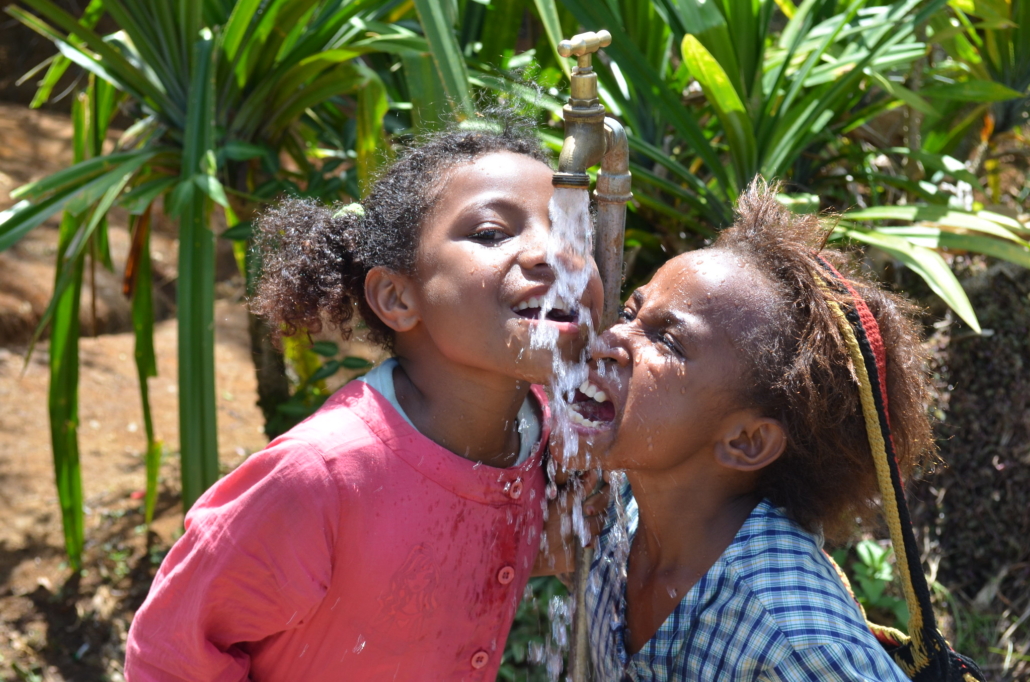
Papua New Guinea is an Island in the Asian Pacific, with rainforests covering 75% of the country’s area. A lack of basic infrastructure puts the population at a higher risk of contracting diseases. More than 76% of the population “lacks access to safe toilets,” and “66% do not have access to clean drinking water,” according to UNICEF.
Additionally, delivering health care in Papua New Guinea is a significant challenge. Eighty-five percent of the population lives in rural territories with limited transport infrastructure. To combat this, the government allocated $30 million in funding for Provincial Health Authorities as a part of the IMPACT Health Project. This funding will improve the delivery of services of the ground, ensuring that medical drugs, equipment and expertise reach rural areas.
Diseases Causing the Most Deaths
Diseases impacting Papua New Guinea are eight out of the 10 top causes of death in the nation. Of these. five are noncommunicable, with strokes being the leading cause of death in the nation. Coronary heart disease, a common lung disease, diabetes and respiratory infections (e.g. pneumonia) make up the other non-contagious diseases, according to the World Health Organization (WHO).
The three contagious diseases are malaria, diarrhoea and tuberculosis, which is the second leading cause of death in Papua New Guinea. Malaria cases have been improving since 2004. A Global Fund Grant of $109 million in 2009 financed the distribution of more than 7.5 million nets over six years in Papua New Guinea. This, alongside improved treatment and diagnosis, has contributed to the progress.
Children Diseases
Papua New Guinea has an infant mortality rate of 33 per 1,000. The leading cause of death for under 5-year-olds is diarrhea.
Medical care barriers for pregnant women further exacerbate the country’s infant mortality rates. Only 5% of health facilities have the equipment to provide emergency prenatal care 24/7. Moreover, just 32% of women receive skilled care during childbirth.
Endemic and vaccine-preventable infections cause 82% of the deaths in children under 5. In 2018, only 35% of children had received basic vaccinations, according to UNICEF.
Tropical Diseases Impacting Papua New Guinea
The remote geographical location of the PNG and its tropical environments has contributed to the presence of rare and neglected tropical diseases (NTDs). These include Lymphatic Filariasis – the contraction of parasitic worms, trachoma – a bacterial infection affecting the eyes and yaws.
A Mass Drug Administration campaign launched in 2023 by the WHO aims to distribute medicinal drugs to 37 health facilities in two districts.
Yaws is a skin disease caused by bacterial infection, which begins with wart-like tumors and can turn into ulcers. Without treatment, the infection can lead to disability. More than 80% of yaws cases are reported from the West Pacific region, particularly PNG.
In 2012, it was demonstrated that a single dose of the inexpensive oral antibiotic azithromycin was effective at treating yaws. The WHO target for eradication is now 2030.
Looking Ahead
The tropical and rural environments of the nation provide significant challenges to combating the diseases impacting Papua New Guinea. They make it harder to access clean water and lack sanitation infrastructure, and create barriers to delivering medical assistance. Changing weather patterns and antibiotic resistance have additionally given rise to new challenges. However, the tireless efforts of the international, national and provincial communities, ensures that progress is being made to cure diseases in PNG.
– Georgia de Gidlow
Georgia is based in Watford,UK and focuses on Global Health for The Borgen Project.
Photo: Flickr
