How Foreign Aid Drives SDG 15 in Papua New Guinea
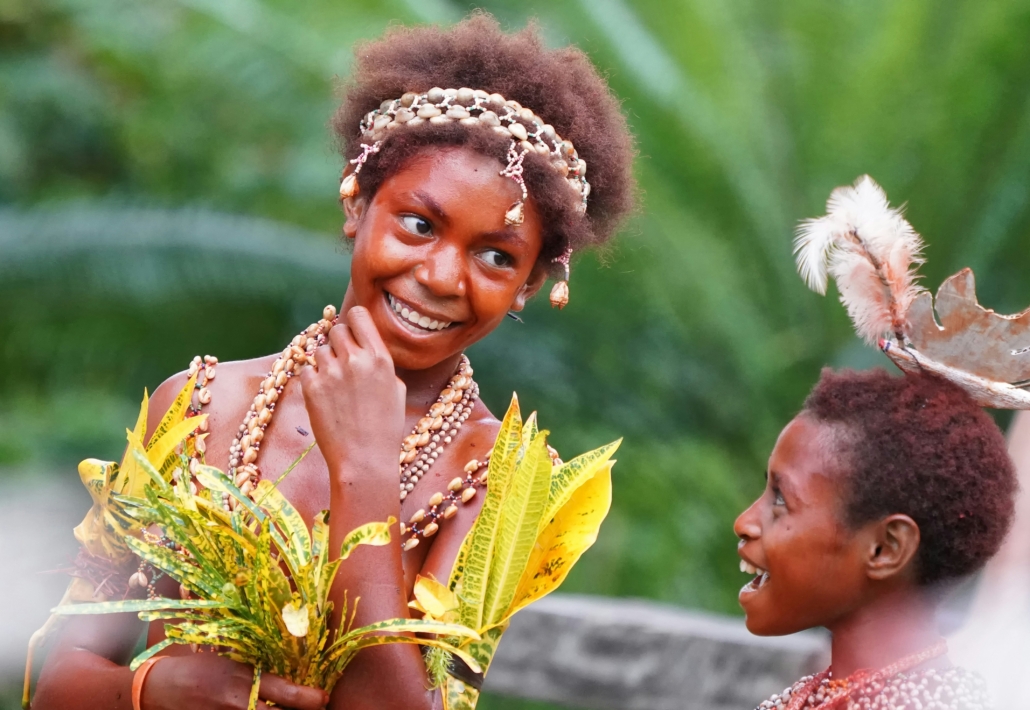 Papua New Guinea is a large island nation located north of Australia and east of Indonesia and is one of the world’s 18 megadiverse countries. It is home to the world’s third-largest intact tropical rainforest, which covers approximately three-quarters of the country’s land area and supports a wide range of endemic plant and animal species. These ecosystems play a central role in the national economy, as approximately 85% of the population depends on semi-subsistence agriculture, hunting and gathering for their livelihoods. The country’s biodiversity also sustains freshwater resources used for irrigation and household consumption. With around 87% of the population living in rural areas, environmental degradation poses a direct threat to food security and income generation.
Environmental vulnerability in Papua New Guinea intersects closely with widespread poverty and food insecurity. Around 40% of the population lives below the national poverty line, while hunger levels remain classified as serious. An estimated 28.7% of the population is undernourished, and chronic malnutrition affects nearly half of all children under five, with 47.6% experiencing stunted growth. Child mortality remains high at approximately 4%. These indicators highlight the extent to which livelihoods and human development depend on healthy land-based and freshwater ecosystems.
Sustainable Development Goal 15 focuses on the protection of terrestrial ecosystems, the prevention of land degradation, the sustainable management of forests and the conservation of biodiversity. In Papua New Guinea, progress on SDG 15 extends beyond environmental outcomes and directly shapes agricultural productivity, water availability and long-term development prospects. As pressures on forests and biodiversity intensify, foreign aid has emerged as a critical mechanism for supporting conservation efforts while addressing poverty and food insecurity, especially among rural and Indigenous communities. Here is more information about the progress of SDG 15 in Papua New Guinea.
Papua New Guinea’s Current SDG 15 Status
Papua New Guinea currently holds an official orange rating for SDG 15, indicating that significant challenges remain despite some measurable progress. The country is currently meeting its targets on imported deforestation and remains close to achieving its long-term goals for permanent forest loss reduction. However, progress across SDG 15 indicators remains uneven. Data shows stagnation in the mean area protected in terrestrial sites critical to biodiversity, suggesting that conservation gains have not expanded sufficiently to match ecological pressures.
Foreign Aid Finances Forest Conservation and Community Action
Foreign aid has played a central role in advancing Sustainable Development Goal 15 in Papua New Guinea through conservation-driven financing mechanisms. Under the REDD (Reducing Emissions from Deforestation and Forest Degradation) and Benefit Sharing Guidelines finalized in 2025, 60% of forest conservation finance goes directly to customary landowners and local communities. This framework aims to ensure that forest protection delivers tangible economic benefits for rural populations, reducing reliance on activities that contribute to deforestation.
In a major milestone, Papua New Guinea received approval from the Green Climate Fund for $63.4 million USD in results-based payments linked to verified reductions in deforestation and forest degradation. These payments correspond to emissions reductions of approximately 17 million tonnes of carbon dioxide equivalent achieved through the country’s national REDD+ programme. The six-year initiative supports sustainable forest management and community-led climate action across six high-risk provinces, including East Sepik, West Sepik, Western, Hela, Chimbu and West New Britain. Around 60% of the total funding is directed toward community development activities, with a focus on customary landowners, women’s land rights and inclusive decision-making.
Foreign Aid Supports Community Livelihoods
Foreign aid has also supported biodiversity conservation through direct grant mechanisms designed to strengthen rural livelihoods. The Papua New Guinea Biodiversity and Climate Fund has set a target to distribute at least $1 million annually in grants to local communities Funded by the Global Environment Facility(GEF), livelihood projects are supported that offer alternatives to income previously derived from industrial logging and other environmentally damaging activities.
Grant-supported initiatives promote deforestation-free farming of high-value crops such as vanilla, cocoa and coffee. These commodities provide stable, long-term income opportunities while reducing pressure on forest ecosystems. By aligning biodiversity protection with household income generation, these programs seek to make conservation economically viable for rural and Indigenous communities.
Foreign Aid Improves Food Security and Agricultural Sustainability
Foreign aid initiatives linked to SDG 15 in Papua New Guinea have also contributed to food security by restoring degraded land and improving agricultural productivity. Agroforestry programs promote soil fertility, water retention and stable local water cycles, which are critical for subsistence gardens that supply a significant share of household food consumption in rural areas.
The Australian Centre for International Agricultural Research has supported these efforts by strengthening the Papua New Guinea Resource Information System. Improved access to soil and land-use data enables farmers and policymakers to adopt more sustainable agricultural practices. As part of the 2025–26 forest conservation drive, technical assistance has also targeted smallholder farmers, helping them increase yields without expanding cultivation into primary forests.
Efforts to protect inland wetlands further reinforce food security by safeguarding freshwater ecosystems. These initiatives help preserve freshwater fish stocks, which serve as a primary source of protein for many riverine communities and remain closely linked to healthy land and forest systems.
Looking Ahead
Papua New Guinea is likely to continue facing significant challenges in meeting its Sustainable Development Goal 15 targets in 2026. However, recent developments indicate that sustained progress on biodiversity protection remains achievable. Foreign aid in the form of financial and technical assistance has contributed to improved conservation outcomes while supporting rural livelihoods and food security.
Papua New Guinea’s experience working toward SDG 15 also highlights the role of international cooperation in accelerating progress. Support from external partners and neighboring developed countries has enabled the expansion of conservation financing, technical capacity and community-based initiatives that may not have been feasible through domestic resources alone.
If sustained, these partnerships offer a pathway to protect Papua New Guinea’s land-based ecosystems while addressing poverty and food insecurity among Indigenous and rural communities. The country’s progress illustrates how targeted foreign aid can strengthen environmental protection efforts while eradicating poverty and advancing inclusive development outcomes.
– Pranav A Menon
Pranav is based in Kochi, India and focuses on Good News and Technology for The Borgen Project.
Photo: Unsplash
