How Limited Rural Health Care Fuels Poverty in Laos
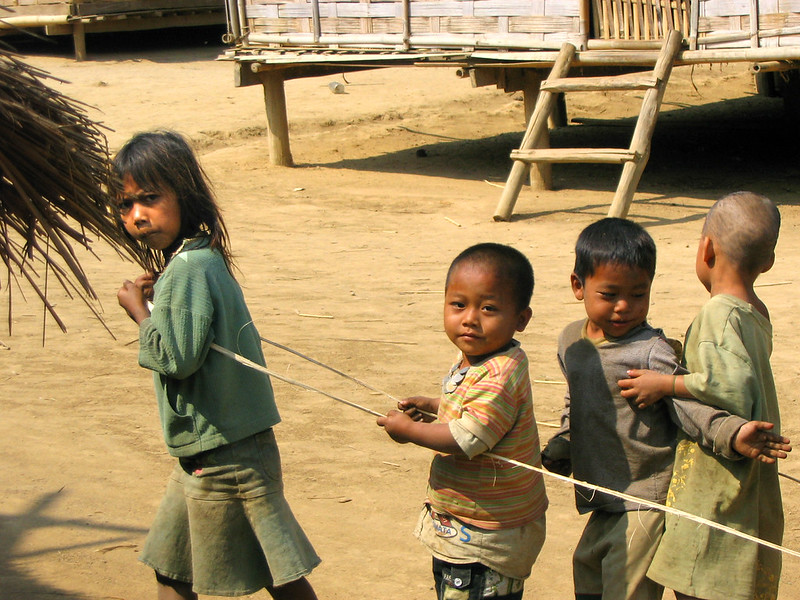 Limited access to health care in Laos plays a significant role in sustaining poverty, particularly among ethnic minority communities in remote areas. Although the Lao People’s Democratic Republic has made notable progress in economic development, many rural villages remain physically isolated from essential health services due to challenging terrain and underdeveloped infrastructure
As a result, preventable illnesses often go untreated, which reduces household productivity and increases financial vulnerability. Addressing rural gaps through strengthened primary health services and community-based programs remains essential for reducing poverty.
Geographic Barriers and Infrastructure
Geographic isolation serves as a primary barrier to health care in Laos. The country’s mountainous terrain and limited road infrastructure leave many communities cut off from health facilities, according to the Healthy Newborn Network. In some remote areas, villages sit several days away from the nearest health center.
Approximately 3% of villages in certain provinces remain completely isolated from basic social services. Poor road conditions exacerbate these challenges during the rainy season, when travel becomes dangerous. This physical isolation contributes to low utilization of health services among remote populations, as they often have reduced expectations for service delivery.
Economic Impacts on the Rural Poor
Although Laos introduced policies to reduce financial barriers, these measures often fail to reach the poorest populations. Free health policies can be regressive when rural households cannot use services due to indirect costs, such as transportation and lost income.
Health emergencies are a primary cause of household vulnerability and poverty relapse in the country. Farming households are twice as likely to fall back into poverty compared to non-farming households when agricultural and health shocks combine. While national poverty rates declined from 33.5% to 23.2% over a decade, progress could have been greater if vulnerable households had not slipped back into poverty following health-related shocks.
Maternal Health and Intergenerational Poverty
Maternal health challenges further reinforce the cycle of poverty in Laos. High rates of adolescent pregnancy and maternal malnutrition undermine economic prospects, as approximately 40% of pregnant women experience anemia, according to the Healthy Newborn Network. Children born to mothers with lower levels of education or who are themselves stunted face a higher risk of poor health outcomes, which perpetuates an intergenerational cycle of low productivity, according to the World Bank. Strengthening health care in Laos through targeted maternal programs can break this cycle and improve long-term economic stability.
Community Health Solutions
Village Health Volunteers (VHVs) form the backbone of rural health delivery and serve as the primary link between remote communities and the formal health system, according to the BMC Health Services Research. VHVs operate in nearly every village and manage health promotion, sanitation and disease monitoring.
The CONNECT initiative, with the support from the World Health Organization (WHO) and the Ministry of Health, also strengthens trust and improves service uptake. The program currently supports 259 villages across 10 provinces by developing joint action plans with local leaders. These local solutions empower communities to take ownership of their health outcomes.
International Support for Health Care in Laos
International donors play a critical role in financing primary health care in Laos, which helps offset low domestic spending. In 2019, donor funding accounted for 26.7% of primary health care financing.
The WHO continues to support reforms such as the National Health Insurance strategy and modernization efforts. Expanding these primary health services and sustaining international funding are essential steps toward improving health outcomes and supporting long-term poverty reduction. By prioritizing these issues, global leaders can help ensure that rural populations in Laos have the tools they need to escape poverty.
Conclusion
Limited access to rural health care continues to fuel poverty in Laos by exposing vulnerable households to health shocks, financial strain and long-term economic insecurity. Geographic isolation, workforce shortages and rising costs disproportionately affect rural and ethnic minority communities, reinforcing cycles of poor health and poverty. Expanding primary health care services, strengthening community-based programs and sustaining international funding are essential steps toward improving health outcomes and supporting long-term poverty reduction in Laos.
– Aila Alsakka
Aila is based in Nottingham, UK and focuses on Global Health for The Borgen Project.
Photo: Flickr
