 A 2023 Cuban Observatory for Human Rights (OCDH) report reveals that 78% of Cubans have stopped eating some meals, indicating undeniable hunger in Cuba. With nine in 10 Cubans barely earning “enough to survive,” and 62% struggling to buy essential goods. The Food Monitor Program and community projects address the crisis globally and provide on-the-ground support.
Ration Books to Market Choices
Since the 1962 Cuban Revolution, the government has subsidized a universal monthly food supply, which it distributes through libreta, a ration book. From 2021, more than 11 million Cubans are registered for this vital support.
Over time, the libreta has faced reductions, sustaining 85% of individuals in the OCDH report for 10 days or less. In December 2023, President Miguel Díaz-Canel expressed intentions to phase out staples like rice and sugar, redirecting support to the most vulnerable.
Other options include Freely Convertible Currency (MLC) stores, agricultural markets or the black market. In MLC stores, transactions must occur in foreign currency. The aim is to capture remittances from abroad to pay for food imports. However, this practice has widened the disparity between those with access to remittances — either from relatives abroad or through work in the COVID-19-impacted tourism sector — and those solely reliant on local salaries.
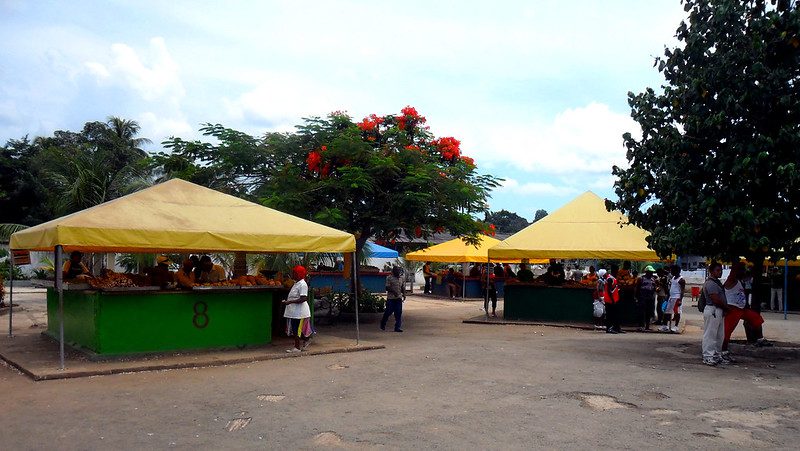
Nonetheless, MLC stores face shortages. The majority turn to the competitively priced black market, usually associated with illegal activity. In Cuba, this is where street vendors address the gaps in food and other household goods.
The Economic Impact
“The Special Period” economic crisis followed the 1991 collapse of the Soviet Union, a significant supporter of Cuba. Historically, Cuba’s agricultural sector relied on large-scale monocultures, for the exports of sugar, tobacco, citrus and coffee. The Soviet Union supported Cuba by purchasing a share of its sugar and importing 63% of its food. After the Soviet Union’s collapse, an economic downturn resulted in drastic reductions in state-subsidized rations and triggered widespread hunger in Cuba.
To address this, Cuba imported rice from Vietnam and sold sugar to China. Subsequently, Cuba became heavily reliant on imports, constituting between 70% and 80% of its food supply in 2024, with minimal efforts to boost domestic production.
In 2024, the economy is in a decline reminiscent of the suffering, scarcity and hunger in Cuba during The Special Period. Sugar cane production in Cuba dropped from 816,000 tons in 2020-21 to 480,000 tons in 2021-22, with an overall 35% decrease between 2019 and 2023.
As of October 2023, food imports decreased to $1.6 billion. The current scenario reveals vulnerabilities in Cuba’s food security, as political relations and heavy reliance on food imports, including those for animals, expose the entire system to geopolitical challenges. Cuba is not producing or importing.
Substitutions, Shortages and Shifts in Daily Diet
The Food Monitor Program provides an analysis of the quality and availability of essential items in the Cuban diet, offering insight into the current culinary landscape of May-June 2023.
The government usually prioritizes milk for vulnerable groups, but it was recently removed from the libreta and replaced with concentrated milk powder. The increased price of beans has led households to consider excluding this vital protein. Coffee, integral to Cuban identity, has experienced setbacks in production. Rice, typically consumed in two meals a day and featured in various Cuban dishes, is experiencing shortages.
Many beloved food items in the daily Cuban diet have been substituted with cheaper but less nutritious alternatives. Sometimes, bread is used as a substitute for rice during lunch and dinner. However, the product has undergone substitutions with unpopular alternative flour like corn, pumpkin and sweet potato, according to the Food Monitor Program. Eggs, valued for versatility, affordability and availability, offer a protein alternative to meat but have become as inaccessible as pork or fish. The short supply of sunflower oil and other fats has impacted the ability to cook.
Resilience Amid Shortages
In response to the crises, individual and community-based mutual aid initiatives like the Quisicuaba project, a community-led soup kitchen in central Havana registered in 1992, are feeding the hungry. With the support of on-island cultural and community groups, foreign donations and private gifts, Quisicuaba Cabildo served breakfast, lunch and dinner daily to 4,000 people in January 2024.
The group’s leader emphasizes inclusivity: “We feed anyone who arrives … there are no conditions. We don’t ask how much they make, and we charge nothing,” Reuters reports. The project also provides a delivery service to those who cannot reach the kitchen.
Numerous smaller-scale projects and individual acts of aid have sprouted across the country. The Breath Of Life Humanitarian Project delivered Christmas dinners to 44 homeless individuals in Havana in 2023. Similarly, comedian Limay Blanco generously offered dinner to more than 300 people. In Guanabo, a bar owner organized a New Year’s Eve dinner for 180 low-income elderly and children.
These actions showcase the resilience and determination of Cuban communities in the face of food shortages. Acknowledging the vital need for global support in tackling hunger in Cuba, the demonstrated adaptability, solidarity, and resilience among Cubans offer compelling examples of collaborative assistance for shaping a more sustainable and food-secure future.
– Ben Miley-Smith
Photo: Flickr

Nutrition Education in Mali’s School Systems
Root Causes of the Lack of Nutrition Education in Mali
One fundamental issue lies in the limited allocation of resources toward educational programs focused on nutrition. More funding is needed to ensure the implementation of comprehensive curricula that integrate nutrition education seamlessly into the school system. In the Sahel countries, the nutritional status of children under five remains concerning. Additionally, the low rainfall in 2017 may make things worse during the lean season.
About 1.6 million children in the Sahel experienced severe acute malnutrition in 2018, a 50% rise over the previous significant nutrition crisis that occurred there in 2012. Since 2020, there has been a rise in the number of underprivileged children by at least 1.5 million. Consequently, about five million children in Mali critically need humanitarian aid, including access to adequate water, health, nutrition, education and protection services.
Additionally, a lack of trained educators exacerbates the problem, as only a few have the knowledge and skills necessary to teach nutrition concepts to students. Money is needed to support medical services, such as the purchase of fuel to keep vaccines cold and more humanitarian goods like life-saving medications for malnourished children, as well as to give emergency food aid to those in need.
Moreover, amid cultural problems and domestic conflicts, schools may not prioritize nutrition education in Mali, leading to the neglect of formal schooling structures. The United Nations (U.N.) confirmed 1,024 grave violations of children’s rights in the nation in 2022, including the recruitment and use of children by armed forces and groups, as well as killing and maiming.
Current Picture
More than 1,700 schools have had to close due to conflict and resource shortages, depriving at least half a million students of an education. Nearly 25% of Malians experience moderate to severe food insecurity as a result of domestic conflict. In the meantime, more than 2,500 people, primarily children, are at risk of starvation in the crisis-affected district of Menaka for the first time in the nation.
Mali faces a significant health care challenge, with approximately 2,780 physicians, translating to just 0.12 doctors per 1,000 inhabitants, far below the global standard of 1.70 physicians per 1,000 inhabitants. Despite the constitutional guarantee of the right to proper health, Mali allocates only about 2.9% of its GDP to health care, contributing to a high incidence of various diseases. Moreover, the limited health care resources are disproportionately concentrated in the capital, Bamako, where more than 4,000 health care workers strive to maintain the well-being of 1.8 million people.
Solutions Addressing Lack of Nutrition Education in Mali
Conclusion
The lack of nutrition education in Mali exacerbates the chronic malnutrition crisis, impacting more than 26% of children. Limited resources and a shortage of trained educators hinder the integration of nutrition education into school curricula, perpetuating the cycle of poor health and underdevelopment. However, several organizations, including WFP, are working to address Mali’s lack of nutrition education.
– Mahima Bhat
Photo: Flickr
Cash-For-Work Transforming Lives of Syrian Refugees in Jordan
A Closer Look at Cash for Work Initiatives
Meticulously designing cash-for-work programs serves a dual purpose: aiding refugee communities by integrating them into the workforce and contributing positively to the local economy. Refugees take on various roles, from essential waste management tasks to teaching positions, each specifically tailored to meet the unique needs of the camp’s inhabitants. A notable project within the Zaatari camp saw refugees actively involved in constructing durable shelters, effectively transitioning their living conditions from temporary tents to more stable and permanent homes. This project gave refugees valuable construction skills and instilled a sense of accomplishment and community contribution.
Quantifying Impact: A Data-Driven Perspective
The success of these programs is more than merely anecdotal; compelling data and statistics support it. In 2021, the government and UNHCR released figures indicating that they granted a record-breaking 62,000 work permits to Syrians, marking the highest yearly figure since it was introduced. The financial injection is significant, but the psychological and social benefits extend beyond monetary measures.
For instance, Etidal, the primary caregiver of her severely diabetic husband, gained the ability to support her family financially through a volunteering opportunity with CARE International.
Over time, she transitioned into a hydroponics trainer, preparing others for similar opportunities. She expressed, “Through my job in the camp, I became the sole financial supporter of my beautiful family.”
Comprehensive Benefits and Psychological Impacts
The programs offer multifaceted benefits, significantly impacting participants’ mental health and community cohesion. Engaging in meaningful work allows refugees to regain a sense of normalcy, control and pride in their lives, combating the despair and idleness that can pervade camp life. These jobs fulfill immediate financial needs and foster a productive environment where refugees can contribute and feel valued by their community.
Despite their evident success, cash-for-work programs encounter challenges. Critics caution against potential risks, such as creating dependency or inadvertently distorting local labor markets. Furthermore, maintaining consistent funding and effectively scaling these initiatives to meet growing demands without compromising quality or sustainability remains an ongoing battle.
Conclusion: A Model for Humanitarian Aid
Cash-for-work programs in Syrian refugee camps exemplify humanitarian aid prioritizing dignity, empowerment and active community engagement. These initiatives provide immediate financial relief and pave the way for long-term development and self-sufficiency. By interweaving direct aid with strategic development efforts, these programs support refugee populations in reclaiming autonomy and preparing for a hopeful future.
As the world grapples with unprecedented displacement levels, success stories from Jordan’s refugee camps serve as a powerful testament to the potential of innovative, work-based solutions in humanitarian crises. These programs illuminate the path toward a more sustainable and dignified approach to refugee aid, offering valuable lessons and inspiration for global responses to displacement and poverty.
– Hana Al-Khodairi
Photo: Flickr
How Wind Power in Nicaragua Is Alleviating Poverty
According to the World Food Programme (WFP), nearly 25% of people in Nicaragua live in poverty, making it one of the poorest nations in Latin America. Furthermore, nearly 65% of the population works in agriculture— an unreliable industry due to the country being prone to natural disasters such as hurricanes and droughts.
Unfortunately in 2022, Nicaragua was hit by Hurricane Julia, which drove poverty in vulnerable areas up to 40%. Hazardous weather and the lack of jobs outside of farming means that much of the population is at a high risk of experiencing poverty.
The Potential of Wind Energy
With its strategic geographical location, Nicaragua boasts impressive wind resources, especially along its Pacific coast. According to EV Wind, the country has an average wind speed of 9 meters per second, making it an excellent location for wind farming. In fact, the wind farms have become vital contributors to the national energy grid— two farms, Amayo and Eolo, both located in the Rivas region, contribute massively to the country’s supply of energy.
According to data from Power Technology, the farms collectively offset nearly 300,000t of carbon dioxide emissions annually, aiding the country’s goal of generating 91% of its energy from renewable sources by 2027. The World Bank Group reported that the Eolo wind farm alone produces 7% of Nicaragua’s annual energy demand. By creating energy locally, the farms help to reduce the average marginal costs of generation, reducing the energy cost to the population.
Job Creation and Economic Growth
One of the immediate impacts of the investment into wind power in Nicaragua is the creation of employment opportunities. The Federal Reserve Bank of St. Louis reported that since 2008, the employment rate has increased from 59% to 62% in 2022.
The country experienced a higher rate of 63% in 2017 and dipped to 60.5% during the COVID-19 pandemic. The construction, operation and maintenance of wind farms have generated jobs across various skill levels, providing income to local communities.
According to Wind Power International, the construction of the Eolo wind farm generated about 400 jobs, alongside 40 full-time positions that oversee ongoing operations. As these projects expand, so does the demand for a skilled workforce, further boosting Nicaragua’s economy and providing a pathway out of poverty for many.
Access to Clean Energy
One of the significant challenges faced by impoverished communities is the lack of access to reliable and affordable energy. The focus on wind power in Nicaragua plays a crucial role in overcoming this hurdle. The National Electric Transmission Company (ENATREL) published data stating in 2022, nearly 71% of Nicaragua’s energy came from renewable sources, including wind power, hydropower and geothermal power.
Furthermore, by diversifying its energy mix, the country is not only ensuring a more stable and resilient power supply but is also working toward making electricity more accessible to remote and underserved areas. The integration of wind power into Nicaragua’s energy grid has contributed to a reduction in the cost of electricity, making it more affordable for households and businesses alike.
However, CEIC Data reported that in 2008, Nicaragua’s household energy price was at an all-time high of $0.300 per kWh and experienced a record low of $0.220 in 2021. This data directly correlates with the installation of wind farm projects in the country, proving its hand in making electricity more accessible. This, in turn, stimulates economic activities, creating a positive cycle of growth that directly impacts poverty reduction.
International Collaboration and Investment
Nicaragua’s journey into wind power has attracted attention and support from the international community. Collaborations with foreign investors, NGOs and development agencies have facilitated the financing and implementation of ambitious wind energy projects.
For example, the OPEC Fund for International Development reported in 2020 that it had provided $25 million toward Phase I and II of the Caribbean Coast Rural Electrification Process. The project aims to provide reliable electricity to more than 300,000 people in remote areas of Nicaragua.
Moreover, this support not only brings in the necessary funds but also contributes to knowledge transfer and technology exchange, enhancing Nicaragua’s capabilities in sustainable energy development. Nicaragua’s bold steps toward harnessing wind power are transforming the nation’s energy landscape and, more importantly, the lives of its people.
In addition, the commitment to sustainable development, job creation and community empowerment exemplifies the potential of renewable energy as a catalyst for poverty alleviation. As the winds of change continue to blow, Nicaragua stands as a shining example of how strategic investments in clean energy can create a more equitable and prosperous future for a nation grappling with the challenges of poverty.
– Lauren McKenna
Photo: Flickr
Everything You Need To Know about Hunger in Cuba
Ration Books to Market Choices
Since the 1962 Cuban Revolution, the government has subsidized a universal monthly food supply, which it distributes through libreta, a ration book. From 2021, more than 11 million Cubans are registered for this vital support.
Over time, the libreta has faced reductions, sustaining 85% of individuals in the OCDH report for 10 days or less. In December 2023, President Miguel Díaz-Canel expressed intentions to phase out staples like rice and sugar, redirecting support to the most vulnerable.
Other options include Freely Convertible Currency (MLC) stores, agricultural markets or the black market. In MLC stores, transactions must occur in foreign currency. The aim is to capture remittances from abroad to pay for food imports. However, this practice has widened the disparity between those with access to remittances — either from relatives abroad or through work in the COVID-19-impacted tourism sector — and those solely reliant on local salaries.
Nonetheless, MLC stores face shortages. The majority turn to the competitively priced black market, usually associated with illegal activity. In Cuba, this is where street vendors address the gaps in food and other household goods.
The Economic Impact
“The Special Period” economic crisis followed the 1991 collapse of the Soviet Union, a significant supporter of Cuba. Historically, Cuba’s agricultural sector relied on large-scale monocultures, for the exports of sugar, tobacco, citrus and coffee. The Soviet Union supported Cuba by purchasing a share of its sugar and importing 63% of its food. After the Soviet Union’s collapse, an economic downturn resulted in drastic reductions in state-subsidized rations and triggered widespread hunger in Cuba.
To address this, Cuba imported rice from Vietnam and sold sugar to China. Subsequently, Cuba became heavily reliant on imports, constituting between 70% and 80% of its food supply in 2024, with minimal efforts to boost domestic production.
In 2024, the economy is in a decline reminiscent of the suffering, scarcity and hunger in Cuba during The Special Period. Sugar cane production in Cuba dropped from 816,000 tons in 2020-21 to 480,000 tons in 2021-22, with an overall 35% decrease between 2019 and 2023.
As of October 2023, food imports decreased to $1.6 billion. The current scenario reveals vulnerabilities in Cuba’s food security, as political relations and heavy reliance on food imports, including those for animals, expose the entire system to geopolitical challenges. Cuba is not producing or importing.
Substitutions, Shortages and Shifts in Daily Diet
The Food Monitor Program provides an analysis of the quality and availability of essential items in the Cuban diet, offering insight into the current culinary landscape of May-June 2023.
The government usually prioritizes milk for vulnerable groups, but it was recently removed from the libreta and replaced with concentrated milk powder. The increased price of beans has led households to consider excluding this vital protein. Coffee, integral to Cuban identity, has experienced setbacks in production. Rice, typically consumed in two meals a day and featured in various Cuban dishes, is experiencing shortages.
Many beloved food items in the daily Cuban diet have been substituted with cheaper but less nutritious alternatives. Sometimes, bread is used as a substitute for rice during lunch and dinner. However, the product has undergone substitutions with unpopular alternative flour like corn, pumpkin and sweet potato, according to the Food Monitor Program. Eggs, valued for versatility, affordability and availability, offer a protein alternative to meat but have become as inaccessible as pork or fish. The short supply of sunflower oil and other fats has impacted the ability to cook.
Resilience Amid Shortages
In response to the crises, individual and community-based mutual aid initiatives like the Quisicuaba project, a community-led soup kitchen in central Havana registered in 1992, are feeding the hungry. With the support of on-island cultural and community groups, foreign donations and private gifts, Quisicuaba Cabildo served breakfast, lunch and dinner daily to 4,000 people in January 2024.
The group’s leader emphasizes inclusivity: “We feed anyone who arrives … there are no conditions. We don’t ask how much they make, and we charge nothing,” Reuters reports. The project also provides a delivery service to those who cannot reach the kitchen.
Numerous smaller-scale projects and individual acts of aid have sprouted across the country. The Breath Of Life Humanitarian Project delivered Christmas dinners to 44 homeless individuals in Havana in 2023. Similarly, comedian Limay Blanco generously offered dinner to more than 300 people. In Guanabo, a bar owner organized a New Year’s Eve dinner for 180 low-income elderly and children.
These actions showcase the resilience and determination of Cuban communities in the face of food shortages. Acknowledging the vital need for global support in tackling hunger in Cuba, the demonstrated adaptability, solidarity, and resilience among Cubans offer compelling examples of collaborative assistance for shaping a more sustainable and food-secure future.
– Ben Miley-Smith
Photo: Flickr
Higher Education in Venezuela
Venezuela’s Higher Education Crisis
The political unrest in Venezuela has forced people to leave their homes since 2015. Approximately 1,600 professors have left institutions searching for higher-paying positions due to the sharp decline in faculty salaries in 2017. For those who have stayed, the ongoing inflation is a significant hardship. Inflation has rendered it exceedingly challenging for young adults to pursue higher education. Numerous people have felt compelled to abandon college or even high school to assist their parents in supporting their families. The economic downturn has already led many students to relinquish hope for their future.
Those who can afford university need help with the outdated curriculum. A report from Université Cheikh Anta Diop (UCAD) and Universidad Metropolitana (UNIMET) conducted in 2017 revealed corruption in the Venezuelan higher education system. In his presentation, UCAD rector Francisco Virtuoso reported that it had been ten years since the Consejo Nacional de Universidades (CNU) allowed universities to revise and renew curricula at the undergraduate or graduate levels. There has been constant meddling in the internal affairs of public universities, for example, in the selection and admission of new students and new professors. Many students have taken strike in light of these affairs.
Providing Aid for Venezuelan Students
The higher education crisis in Venezuela has garnered the attention of various organizations committed to aiding Venezuelan college students and professors. The Institute of International Education (IIE) is a global program supporting threatened and displaced scholars worldwide. In response to the crisis in Venezuela, IIE has stepped up its efforts by assisting college professors and researchers, as reported by Elliot-Meisel in 2020. The institute facilitates the relocation of a $25,000 grant for scholars facing challenging circumstances. These fellowships enable scholars to continue their research or teaching endeavors in Latin America or any chosen location.
IIE has extended its support to Venezuelan students grappling with the crisis, offering 59 grants to assist them. These students are seamlessly transitioned to American educational institutions and receive financial aid from the Emergency Student Fund (ESF), amounting to $3,000-$5,000. This funding helps cover tuition fees, accommodation expenses and the purchase of necessary supplies. Moreover, host institutions go the extra mile by providing work-study opportunities to these students throughout their studies. The United States (U.S.) has emerged as a preferred destination for these fleeing students, with nearly 8,400 opting to pursue their education there during the 2017-2018 academic year.
Despite grappling with corruption and economic turmoil, the Venezuelan government remains resolute in its commitment to keep every university operational, with new ones even being established. Notably, Venezuela boasts the most diverse higher education system in the region. Reports indicate many recent high school graduates enrolling in free programs across various fields. However, the absence of current official figures to substantiate this trend raises concerns and lingering uncertainties surrounding the sustainability and quality of these new educational institutions.
Future of Venezuela’s Students
Venezuelan students demonstrate remarkable resilience in adversity as they pursue education. Among them is Camille Covarrubias, who fled Venezuela during her sophomore year of nursing school amid pervasive corruption in her village. She relocated to the U.S. on a student visa for further studies in 2017. Camille remained undeterred despite the setback of not transferring her previously earned credits. She persevered through the support of college programs, dedicated professors and her peers. As of 2023, she is now advancing toward her master’s degree in nursing.
Conclusion
Given the state of the economy and government, the road to improving higher education opportunities for young adults in Venezuela is long and challenging. Students require assistance obtaining essential supplies financial support and ensuring their safety throughout their academic pursuits. Fortunately, there are organizations dedicated to providing aid for Venezuelan students like Camille, who are determined to pursue further education despite the challenges posed by corruption within the Venezuelan school system.
– Heather Gisi
Photo: Pexels
Impacts of Poverty on Refugees in the UK
Though this definition was only globally adopted in 1951, when applied to the history of migration to the U.K., it is apparent that there have always been refugees. Some of these include Irish refugees and European political exiles in the 19th century, Jewish refugees during WWII and refugees fleeing the conflicts in Afghanistan and Iraq in 2003. Currently, the U.K. is home to approximately 1% of the 27.1 million refugees across the world.
Why Do Refugees Come to the UK?
The U.N. states that “war and ethnic, tribal and religious violence are leading causes” for people to flee their home country. The consequences of war, including civil war, result in many falling into poverty and destitution as infrastructure and personal property are destroyed. For example, the ongoing war in Syria has resulted in extreme poverty for many. A report notes that in 2017, 27% of Syrian housing, 63% of educational facilities and 50% of medical facilities had been destroyed or damaged.
In an interview with The Borgen Project, Jon Beech, Director of Leeds Asylum Seekers’ Support Network (LASSN), points to poverty as a common reason for refugees to flee their home country. He reasons, “War and disruption often lead to people feeling economically like they haven’t got anything to lose and if you’re going to die of poverty in a dangerous place, you might as well die of poverty in a place that’s slightly less dangerous to yourself.”
There are additionally various reasons as to why refugees arrive in the U.K. The British Red Cross writes that the U.K. may seem the easiest place to rebuild life to some. As of 2023, English is the most spoken language globally, with 1.5 billion speakers. For people who have had to leave everything behind, knowledge of the native language seems like a better start to a new life for many. However, often, refugees don’t have a choice over where they are going. If they are facing persecution in their home country, they may be traveling illegally and place their lives in the hands of smugglers who dictate where they will be taken. In 2022, nearly 46,000 people arrived in the U.K. in small boats, suggesting that many had little choice.
What Difficulties Do They Face?
Many refugees in the UK struggle to obtain work. Some of the issues they face are employment gaps on CVs, lack of U.K. work experience, language barriers and cultural differences. Therefore, many refugees cannot attain regulated work, their only chance at escaping poverty. Beech notes that being granted refugee status is only step one in rebuilding a life. Beech stated, “What’s dispiriting is the level of poverty that people experience even when they get to the U.K… the predations of the unregulated labor market and financial services also further entrench people in poverty when they first get here.”
Additionally, Beech points to the current social climate, commenting, “There’s fear and uncertainty now.” Many refugees face racial discrimination and misinformation spreads rapidly online. For example, the popular notion that refugees are taking jobs from British people is misinformed, as the unemployment rate for refugees is three times greater than for the U.K.-born.
The Government’s Role in Supporting Refugees in the UK
In 2023, Human Rights Watch stated that the U.K.’s asylum and immigration system is “marred with serious systematic failures.” One significant issue is the government’s failure to provide housing after 28 days after the refugee status was granted. However, the government has supported Ukrainian refugees arriving in the U.K. as a result of Russia’s invasion.
They introduced various schemes to support refugees, such as the Ukraine Family Scheme. The scheme allows applicants to join families already living in the country. The Ukraine Sponsorship Scheme, allows applicants to move to the U.K. if they have a named sponsor in the scheme.
Approximately 174,000 people moved to the U.K. under these schemes as of May 2023. The government later introduced the Ukraine Visa and Extension Scheme, for which 24,500 applications have been granted. The government’s handling of Ukrainian refugees demonstrates that they can support refugees and make the process more accessible.
What Role Do Local People Play in Supporting Refugees?
Charities play a significant role in supporting refugees in the UK. Some, such as the British Red Cross, Refugee Action and Refugee Council, work nationwide and anyone can volunteer to help. Others are more local organizations, such as LASSN.
LASSN was formed in 1999 and initially supported refugees by teaching them English through its English at Home project. The charity runs New to Leeds, a website helping refugees get to know and understand the city. Additionally, it supports Migration Partnership and still focuses on creating a friendly and welcoming community for all refugees.
Volunteering with charities, whether nationwide or local, is how most local people can help. However, Beech points out that there are many other ways in which local people can and do help. He says, “Vote for people who agree with you on matters of migration and if the people who you want to vote for don’t have a clear view of what they’d like to do, tell them what you think because there are lots of politicians who listen to their constituents and what they say.”
– Alice Brayford
Photo: Flickr
Micro-Hydro in Uttarakhand and the Ripple Effect on Communities
Micro-Hydro Power in Uttarakhand
Nestled in the majestic Himalayas, the Indian state of Uttarakhand grapples with a constant challenge: ensuring reliable access to electricity. However, a quiet revolution is brewing in remote villages, offering a glimmer of hope, through its ripple effect on communities. Micro-hydro dams, harnessing the power of gushing mountain streams, are bringing clean and sustainable energy to communities for the first time.
Micro-hydropower plants utilize the energy of flowing water to generate electricity on a small scale. These dams are typically constructed on tributaries or streams, minimizing environmental impact while harnessing a renewable source of energy. In Uttarakhand, micro-hydro projects are proving to be a game-changer for remote villages, where conventional grid extension is often impractical or uneconomical.
Catalyst for Community Transformation
The World Bank estimates that around 759 million people globally lacked access to electricity in 2019, with the majority residing in low- and lower-middle-income countries. This lack of access hinders economic development, education and health care, perpetuating the cycle of poverty. Micro-hydropower offers a decentralized and sustainable solution, particularly in geographically remote areas where grid extension is challenging.
By illuminating homes, micro-hydropower projects are transforming lives in Uttarakhand. Families can now enjoy basic conveniences like lighting after sunset, enhancing their quality of life and safety. Children can extend their study hours beyond daylight, improving their educational opportunities. Moreover, the ripple effect on communities makes us witness the emergence of small businesses powered by micro-hydro-generated electricity, creating income-generating opportunities and fostering local economic development.
Environmental and Economic Progress
Furthermore, micro-hydropower contributes to environmental sustainability. Unlike traditional fossil fuel-based electricity generation, micro-hydro plants produce minimal greenhouse gas emissions and air pollution. This aligns with India’s ambitious goals of transitioning toward a cleaner and greener energy future. The International Renewable Energy Agency (IRENA) emphasizes that micro-hydropower plays a crucial role in achieving universal access to electricity, particularly in remote areas. By embracing innovative solutions like micro-hydropower, Uttarakhand is demonstrating a promising pathway toward a brighter future, empowered by clean energy, economic growth and environmental responsibility.
Looking Ahead
Uttarakhand’s journey toward energy sustainability, marked by the implementation of micro-hydro projects, heralds a new era of empowerment and environmental stewardship. Furthermore, these initiatives not only light up homes but also spark economic and educational advancements, offering a brighter future for remote communities. Moreover, as this clean energy revolution continues to unfold, it stands as a testament to the potential of innovative solutions in overcoming challenges and driving progress.
– Vincenzo Marino
Photo: Unsplash
Child Soldiers in Sierra Leone
Between 1991 and 2002 civil war took place in Sierra Leone in which the country “recruited” children as young as 7 years old as soldiers. These child soldiers were “actual” children with families and lived at home but were abducted under the promise of protection and a sense of community as the war was raging, according to UNICEF.
Stigmatization, Poverty and Vengeance
According to Human Rights Watch (HRW), children are more likely to become soldiers when they do not have access to education and live in poverty. Armed groups often make children kill their own families or neighbors to ensure stigmatization, making a child “unable to return to his or her community.”
Sierra Leone has a long history of struggling with poverty and unemployment. According to HRW, “many children join armed groups because of economic and social pressure, or because children believe that the group will offer food or security.”
Ishmael Beah was only 13 years old when the government’s army unit recruited him to fight against Rebel forces, after losing his parents and two brothers. Becoming a soldier out of vengeance for the loss of his family led him to take part in numerous battles. “When you have lost your family and everything, you quickly learn to belong in this group—but to belong to this new group requires violence. Violence becomes the way of showing loyalty,” Beah told UNICEF. Around two years later, when he was 15, UNICEF rescued him and placed him in a rehabilitation home in Freetown.
Ishmael Beah is now a UNICEF Goodwill Ambassador and pledges to help children who suffer from trauma due to violence. There have now been many rehabilitation centers for child soldiers and UNICEF reports the release and reintegration of more than 100,000 children in more than 15 countries struggling with armed conflict since 1998.
Helping Child Soldiers in Sierra Leone
Save the Children began its work in Sierra Leone in 1999 in response to the civil war. After the war, Save the Children’s initial focus was on child reunification in which the organization helped children find their parents or family members and helped those children who had participated in the war as child soldiers. The organization has now implemented its 2022-24 Global Strategy to fulfill the rights of all children, including child protection, education, health and child rights governance.
On February 12, 2002, the U.N. established the Red Hand Day, the International Day Against the Use of Child Soldiers. Red Hand Day became an actual campaign that strives to end the use of child soldiers and to care for and protect former child soldiers, including those who were child soldiers in Sierra Leone.
Save the Children and Red Hand Day offer a glimmer of hope toward peace education, ensuring that no child under the age of 18 will end up in the army, potentially losing their own lives. Ishmael Beah’s experience is among many stories of child soldiers in Sierra Leone that bring to life how wars affect children. Hopefully, others will continue to voice their experience too, helping to end the use of child soldiers and helping provide children with the love and care that they deserve.
– Nevin Guler
Photo: Flickr
Hive Earth’s Community Development in Ghana
Poverty in Ghana
Ghana saw notable poverty reduction between 1991 and 2012 but has faced stagnation since then. In recent years, slow economic growth and high inflation have driven up poverty rates. Additionally, there are increased disparities across different demographics and regions.
According to an interview with Hive Earth’s co-founder Joelle Eyeson, there is a demand for low-cost building methods to increase access to housing and other resources among people in poverty. This is how Hive Earth’s community development in Ghana comes into play.
How Hive Earth is Supporting Ghana’s Poor
As Eyeson explained, Hive Earth supports Ghana’s poor by “actively engaging with communities.” This engagement consists of training programs teaching self-sufficiency regarding building and maintaining homes. Eyeson emphasized that the objective of Hive Earth’s community development in Ghana is to “create sustainable solutions that uplift communities and break the cycle of poverty.” Throughout the past year, Eyeson explained that this work has consisted of large-scale community projects such as constructing a family center in central Ghana.
Moreover, Eyeson advocates for Hive Earth’s approach to sustainable and affordable housing as a vital strategy to mitigate the housing crisis and support impoverished communities. However, she underscores the importance of a comprehensive strategy, highlighting that the full benefits of eco-friendly and cost-effective construction materials can only be realized when complemented by targeted political and educational efforts.
In addition, Eyeson is focused on expanding the reach and impact of Rammed Earth construction, anticipating a growth in demand. She envisions establishing more Rammed Earth companies across Africa, incorporating training programs and partnerships into Hive Earth’s business model to foster sustainable building practices and knowledge sharing.
Similar Initiatives
Hive Earth’s community development in Ghana is not the only instance where innovative methods and materials are being used to make housing and other community resources more accessible for impoverished people. Another up-and-coming unique technique to make housing more affordable is 3D printing homes.
Furthermore, companies like Tvasta Manufacturing Solutions in India, in collaboration with nonprofit organizations such as Habitat for Humanity have successfully 3D printed homes. These homes are 30% cheaper and can be built in five days or less.
Housing and Poverty Solutions
Eyeson encourages individuals passionate about reducing poverty and improving housing access to consider internships, volunteering or partnering with local projects and organizations. She highlights the Stewards of Affordable Housing for the Future (SAHF) as a key resource for those in the United States (U.S.) interested in making a difference in this field.
In addition, SAHF operates as a collaborative network involving 12 organizations dedicated to enhancing access to affordable and sustainable housing. Spanning the nation, alongside its advocacy efforts, SAHF serves as a key resource for individuals seeking to contribute to this cause.
Furthermore, Eyeson emphasizes the value of further education, whether formal or community-based, for deepening engagement in sustainable housing. She finds immense satisfaction in changing perceptions about natural building materials traditionally linked to poverty. Eyeson’s work with Hive Earth demonstrates the significance and value of building with Earth, challenging and transforming people’s associations with mud and similar materials.
– Madison Paulus
Photo: Unsplash
Organizations Tackling Senior Poverty
This has been noticed in both developed and developing nations. In fact, South Korea was found to have the highest rate of senior poverty in 2023, with poverty rates among senior adults surpassing 40%. The second highest rates were found in Estonia and Latvia, with both countries’ senior poverty rates above 30%. Additionally, countries such as Australia, Japan and the United States (U.S.) reported 20% or higher poverty rates among their senior populations.
These numbers show that, in many countries, the risk of poverty only rises with age. Babken Babajanian, an author working with HelpAge, says, “Across the world, we’re hearing shocking stories of older people going hungry, selling their assets or even begging in the street to survive.” Organizations like HelpAge International and the AARP Foundation are working hard to find a solution to the rising global senior poverty rates.
HelpAge International
HelpAge International strives to better the lives of older women and men in low and middle-income countries. They focus mainly on older individuals living in crisis-prone and economically insecure areas. The organization aims to “empower older people to lead dignified, active and healthy lives.”
HelpAge accomplishes this by responding to humanitarian crises and ensuring seniors can access livable incomes through social support systems. They focus on building a society where people of all ages can thrive. The organization advocates for the rights of older people. It challenges ageism and raises awareness about issues such as elder abuse.
HelpAge International has networks in Africa, Asia, Eurasia, Europe, Latin America and North America. With such a fantastic reach, this vast network has 170 members in more than 90 countries. Thanks to their extensive network, HelpAge assisted more than 2.4 million senior women and men in accessing health care through their interventions in 2023. In 2023, HelpAge estimates that around 659,000 older citizens were positively impacted by their humanitarian work.
The AARP Foundation
The AARP Foundation aims to build a future without senior poverty. They do this by helping economically vulnerable seniors secure essential goods, health care and knowledge. This assistance aims to help them improve the quality of their lives, thereby strengthening communities and restoring hope into the lives of older adults.
AARP helps older adults with things like receiving rent and mortgage assistance and support for social isolation. The organization also provides resume-building and job interview coaching to people aged 50 and older. Recently, Google made a $10 million grant to the foundation to help fund the digital training workshops it provides to thousands of seniors.
The AARP Foundation has helped more than 900,000 older adults who were vulnerable to becoming impoverished. They have secured more than $720 million in income for older adults living with low incomes. Like HelpAge International, the AARP Foundation is utilizing every resource available to aid them in fighting senior poverty.
– Kimber Peters
Photo: Unsplash