How Wind Power in Nicaragua Is Alleviating Poverty
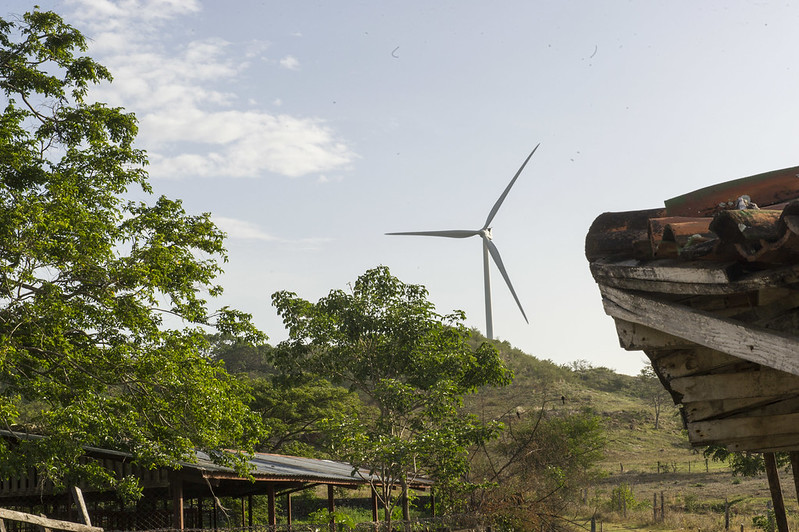 In the heart of Central America, Nicaragua is making waves in the realm of sustainable energy. Amidst economic challenges and a history of poverty, the country is taking significant strides toward a brighter future by tapping into a vast and often underutilized resource—the power of the wind. The advent of wind power in Nicaragua, through groundbreaking initiatives in harnessing wind energy, not only addresses its energy needs but also catalyzes poverty alleviation.
According to the World Food Programme (WFP), nearly 25% of people in Nicaragua live in poverty, making it one of the poorest nations in Latin America. Furthermore, nearly 65% of the population works in agriculture— an unreliable industry due to the country being prone to natural disasters such as hurricanes and droughts.
Unfortunately in 2022, Nicaragua was hit by Hurricane Julia, which drove poverty in vulnerable areas up to 40%. Hazardous weather and the lack of jobs outside of farming means that much of the population is at a high risk of experiencing poverty.
The Potential of Wind Energy
With its strategic geographical location, Nicaragua boasts impressive wind resources, especially along its Pacific coast. According to EV Wind, the country has an average wind speed of 9 meters per second, making it an excellent location for wind farming. In fact, the wind farms have become vital contributors to the national energy grid— two farms, Amayo and Eolo, both located in the Rivas region, contribute massively to the country’s supply of energy.
According to data from Power Technology, the farms collectively offset nearly 300,000t of carbon dioxide emissions annually, aiding the country’s goal of generating 91% of its energy from renewable sources by 2027. The World Bank Group reported that the Eolo wind farm alone produces 7% of Nicaragua’s annual energy demand. By creating energy locally, the farms help to reduce the average marginal costs of generation, reducing the energy cost to the population.
Job Creation and Economic Growth
One of the immediate impacts of the investment into wind power in Nicaragua is the creation of employment opportunities. The Federal Reserve Bank of St. Louis reported that since 2008, the employment rate has increased from 59% to 62% in 2022.
The country experienced a higher rate of 63% in 2017 and dipped to 60.5% during the COVID-19 pandemic. The construction, operation and maintenance of wind farms have generated jobs across various skill levels, providing income to local communities.
According to Wind Power International, the construction of the Eolo wind farm generated about 400 jobs, alongside 40 full-time positions that oversee ongoing operations. As these projects expand, so does the demand for a skilled workforce, further boosting Nicaragua’s economy and providing a pathway out of poverty for many.
Access to Clean Energy
One of the significant challenges faced by impoverished communities is the lack of access to reliable and affordable energy. The focus on wind power in Nicaragua plays a crucial role in overcoming this hurdle. The National Electric Transmission Company (ENATREL) published data stating in 2022, nearly 71% of Nicaragua’s energy came from renewable sources, including wind power, hydropower and geothermal power.
Furthermore, by diversifying its energy mix, the country is not only ensuring a more stable and resilient power supply but is also working toward making electricity more accessible to remote and underserved areas. The integration of wind power into Nicaragua’s energy grid has contributed to a reduction in the cost of electricity, making it more affordable for households and businesses alike.
However, CEIC Data reported that in 2008, Nicaragua’s household energy price was at an all-time high of $0.300 per kWh and experienced a record low of $0.220 in 2021. This data directly correlates with the installation of wind farm projects in the country, proving its hand in making electricity more accessible. This, in turn, stimulates economic activities, creating a positive cycle of growth that directly impacts poverty reduction.
International Collaboration and Investment
Nicaragua’s journey into wind power has attracted attention and support from the international community. Collaborations with foreign investors, NGOs and development agencies have facilitated the financing and implementation of ambitious wind energy projects.
For example, the OPEC Fund for International Development reported in 2020 that it had provided $25 million toward Phase I and II of the Caribbean Coast Rural Electrification Process. The project aims to provide reliable electricity to more than 300,000 people in remote areas of Nicaragua.
Moreover, this support not only brings in the necessary funds but also contributes to knowledge transfer and technology exchange, enhancing Nicaragua’s capabilities in sustainable energy development. Nicaragua’s bold steps toward harnessing wind power are transforming the nation’s energy landscape and, more importantly, the lives of its people.
In addition, the commitment to sustainable development, job creation and community empowerment exemplifies the potential of renewable energy as a catalyst for poverty alleviation. As the winds of change continue to blow, Nicaragua stands as a shining example of how strategic investments in clean energy can create a more equitable and prosperous future for a nation grappling with the challenges of poverty.
– Lauren McKenna
Photo: Flickr
