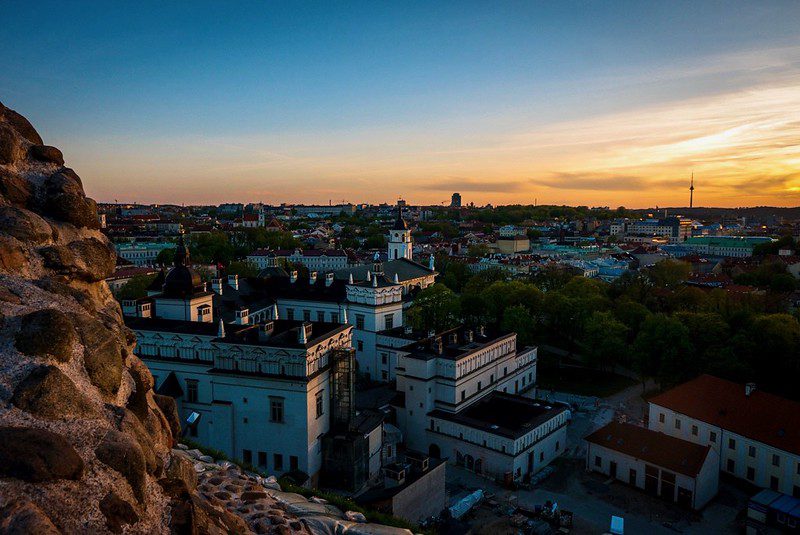
 In international affairs, Lithuania may not be the foremost name that springs to mind when discussing foreign assistance. Nevertheless, this Baltic nation has quietly expanded its global outreach through foreign aid programs. Here are some noteworthy insights into Lithuania’s foreign aid efforts.
From Recipient to Provider
The United States (U.S.) and Lithuania share a longstanding history of cooperation and partnership, deeply rooted in shared values and mutual respect. Despite Lithuania’s forcible annexation by the Soviet Union in 1940, the U.S. established diplomatic relations following Lithuania’s declaration of independence in 1990. Since then, the U.S. has supported its democratic and economic growth. This partnership culminated in Lithuania’s accession to the North Atlantic Treaty Organization (NATO) and the European Union (EU) in 2004, underscoring the country’s steadfast commitment to democracy and international collaboration.
Since 2004, Lithuania has officially been a provider of development cooperation and became a member of the Development Assistance Committee (DAC) in 2022. Lithuania’s foreign aid efforts notably promote and safeguard democratic values. It is drawing from its history of political repression during Soviet times. Lithuania emphasizes advancing Eastern Partnerships within the EU framework through channels like the EU. Additionally, it focuses on select priority countries in Central Asia, the Middle East and Africa, primarily focusing on digitalization initiatives.
Steady Growth of Lithuanian ODA
In 2022, Lithuania’s total Official Development Assistance (ODA) amounted to 0.29% of its Gross National Income (GNI), totaling $197 million. Compared to the previous year, this marked a substantial increase of 121.4% in real terms, with its share of GNI rising from 0.14% in 2021. This upward trajectory in Lithuania’s ODA volume has been consistent since 2017, reaching a peak in 2022. This growth primarily stems from the nation’s increase in bilateral grants to Ukraine and its expenses for hosting refugees within the country. In 2022, Lithuania ranked 21st among DAC countries based on its ODA to GNI ratio. Lithuania distinguishes itself by allocating a significant portion of its bilateral ODA to Europe, accounting for 48.2% of its total.
Furthermore, Lithuania’s experience navigating political and economic transitions and its commitment to institutional reform has positioned it as a valuable partner to the EU. Actively engaged, Lithuania leverages its expertise in the public sector to bolster reforms and capacity-building endeavors in other nations through EU-sponsored initiatives.
Current Focus Areas of Aid
In 2021, Lithuania pledged $1.3 million, accounting for 8.3% of its bilateral allocable aid, to enhance trade-related assistance and foster the integration of developing countries into the global economy. Additionally, during the same year, Lithuania allocated $0.9 million toward addressing the root causes of malnutrition in developing nations across various sectors, including maternal health, water, sanitation, hygiene and agriculture. Finally, in 2021, Lithuania dedicated $0.2 million of its bilateral aid to development cooperation projects and programs to promote the inclusion and empowerment of disabled individuals.
Lithuania’s ODA for Ukraine
Since the outbreak of the war with Russia in February 2022, Lithuania has actively engaged in supporting its neighboring country, Ukraine. The profound impact of Russia’s militarism on Lithuania’s national history and other former Soviet countries has fueled a steadfast commitment to providing foreign aid to Ukraine. The government allocated $45.8 million in gross bilateral ODA to Ukraine in response to the conflict, with $37.1 million earmarked for humanitarian assistance. The Bank of Lithuania also transferred $2198.99 to the National Bank of Ukraine for humanitarian aid. The Lithuanian government and its municipalities collectively spent 70 million euros accommodating Ukrainian refugees. Moreover, Lithuania has taken a proactive role in initiating rebuilding projects focused on restoring Ukraine’s infrastructure.
Lithuania’s ODA for COVID-19
Amid the global challenges posed by the COVID-19 pandemic in 2021, international assistance for developing countries reached an estimated $165 billion.
Within this context, Lithuania, despite its relatively modest size, provided crucial bilateral support totaling $3.8 million to aid these nations in their fight against the virus. However, demonstrating a significant increase in its commitment to global solidarity a year later, Lithuania substantially bolstered its contributions, allocating a notable $1.5 million in ODA targeted explicitly for combating the ongoing impacts of COVID-19 in developing countries.
Furthermore, in a gesture highlighting the urgency of vaccine equity, Lithuania participated in the global effort to address vaccine inequality by donating excess vaccine doses valued at $1.5 million as part of its ODA allocation. These actions underscore Lithuania’s evolving role in international aid efforts and its recognition of the importance of collective action in addressing global issues.
– Naomi Ronner
Photo: Flickr

USAID Programs in Chad
The country’s primary export is oil, but other financial sectors have seen minimal development and coupled with high levels of debt, its economy struggles to cope with the crises it faces. Chad currently ranks 190th on the Human Development Index (HDI) out of the 191 countries listed, according to the German Federal Ministry for Economic Cooperation and Development (BMZ). As such, foreign aid is incremental to Chad’s development, and the rest of this article will demonstrate the role of the U.S. Agency for International Development, particularly USAID programs in Chad.
Reducing Poverty and Food Insecurity
According to the World Food Program (WFP), approximately 2.1 million people in Chad are acutely food insecure as of 2023, while 1.36 million of its children struggle with malnourishment and 42% of its population lives below the poverty line. The USAID recognizes this in its foreign aid commitments, seeking to address the immediate need for humanitarian aid. USAID’s 2022 Chad Assistance Overview highlights contributions of $54.9 million in funds for food assistance. This includes food vouchers, cash transfers for food, nutrition assistance and malnutrition treatments.
As of January 2024, Chad hosted more than 1.1 million refugees, of which 934,000 came from Sudan. USAID has supported the Chad Rapid Response Mechanism, supplying nearly 7,800 internally displaced people with hygiene and kitchen supplies and constructing nearly 70 emergency shelters for refugees, according to its 2024 Chad Assistance Overview. These commitments are but a symptom of USAID’s continued efforts to increase food and national security.
Success Stories in the Villages
Since 2008, USAID has partnered with Africare to provide villages with better-quality water and alleviate some of their hygiene and food security crises. Abdelmadjid Ali, member of Mourdaba’s water management committee and father of five notes that before USAID programs in Chad, there was no organization within the community to deal with water management, and as a result “villagers consumed dirty and unclean water and this exposed them to all kinds of diseases including diarrhea and cholera.” Since then, USAID helped construct 113 water wells, which now benefit nearly 35,000 people.
Another success story comes from USAID’s cultural efforts. Seeking to address the political instability that is the cause of so many of Chad’s other crises, USAID funds the Peace Through Development II program. The program supports radio shows that broadcast sensitive and educational topics through sketches and mini-dramas. In this way, USAID hopes to counter the extremism that has plagued Chad and contributed to its citizens’ poor living conditions. Besides this, the program provides community and creative expression to Chad’s impoverished populations.
Ending Note
The total emergency funding provided by USAID programs in Chad in the fiscal years 2022 to 2024 stands at $166,360,752, according to the 2024 Assistance Overview. This sum has contributed to some great success stories, including increased food security, refugee relief and aid and cleaner water sources. Chad, however, remains the 9th poorest country in the world, according to Global Finance, and its stretched resources, the ongoing refugee crisis and periodic flood devastation further worsen this situation. While USAID programs in Chad have made some good strides toward improving living conditions within the country, increased foreign aid continues to be an absolute necessity to address the continuing humanitarian crisis.
– Kayleigh O’Brien
Photo: Flickr
Niger Eradicates River Blindness
River Blindness in Africa
River Blindness is a result of the bites of infected blackflies of the genus Simulium and its symptoms include visual impairment, intense itching, disfiguring skin conditions and permanent blindness. In 2018, onchocerciasis infection was most widespread in central and western Africa. The highest average infection rates at the national level were recorded in Ghana, with a prevalence of 12.2%. Furthermore, other countries with national infection rates exceeding 5% included Cameroon, the Central African Republic, the Democratic Republic of the Congo (DRC), Guinea-Bissau, Sierra Leone and South Sudan.
According to the Reaching the Last Mile Fund (RLMF), 240 million people are at risk of River Blindness and 99% of people infected with Onchocerciasis live in Africa. As stated earlier, Onchocerciasis is an NTD, which is a group of infectious diseases that primarily affect populations in tropical and subtropical regions, often characterized by limited health care access and insufficient attention from the global health community.
Moreover, as an NTD, River Blindness disproportionately affects the poorest populations, compounding the cycle of poverty by hindering access to preventive medicine and basic clinical care. The resulting blindness further limits economic opportunities for affected individuals, perpetuating the challenges faced by these communities. Addressing the complex interplay between health and socioeconomic factors is crucial to breaking this cycle and improving the overall well-being of those impacted by River Blindness.
Eliminating River Blindness in Niger
The primary approach for eradicating River Blindness involves population-based treatment using ivermectin, commonly referred to as mass drug administration (MDA). This strategy aims for a minimum therapeutic coverage of 80%. In regions with high and moderate endemicity (hyper and meso endemic areas), a sustained effort of 12-15 years of annual treatment is necessary to break the transmission cycle, aligning with the lifespan of the adult Onchocerca volvulus parasite.
Additionally, Merck generously donates the drug known as Mectizan®. Remarkably, the World Health Organization (WHO) has officially recognized four countries — Colombia in 2013, Ecuador in 2014, Mexico in 2015 and Guatemala in 2016 — as free from onchocerciasis after they successfully conducted elimination activities for several decades.
Globally, 1.8 million people now reside in areas where mass drug administration for onchocerciasis is no longer required. In 2023, Niger accomplished a significant milestone by becoming the initial African country to successfully halt the transmission of river blindness.
Looking Ahead
Senegal is on track to become the second African country to eliminate Onchocerciasis. Currently, the Gates Foundation collaborates with Reaching the Last Mile and other global partners to eliminate River Blindness and lymphatic filariasis in 39 countries across Africa and Yemen. In addition, this collaborative effort seeks to reduce the number of people needing treatment by 350 million. Niger eradicates river blindness, setting a significant precedent in the global health community’s fight against neglected tropical diseases.
– Lucciana Choueiry
Photo: Flickr
Healthcare Access in Mayan Indigenous Communities
Mayan Cultural Context
In Mexico, traditional Mayan communities continue to uphold distinct perspectives on healing, which sometimes conflict with Western medical ideologies. In Mayan culture, people intricately link ill health to deities and ancestors. Mayans perceive physical well-being as interconnected with the celestial, terrestrial and subterranean realms. Consequently, health care within Mayan communities follows a communal approach, where medical decisions are not solely individual but collective decisions involving extended family members and Mayan spiritual healers known as H-men.
The Impacts of Globalization
Globalization has ushered in profitable trade and investments for numerous nations worldwide, improving public health and increasing life expectancy. However, it has also had adverse effects on the environment, exacerbated wealth disparities and fueled consumerist behavior, thereby posing threats to indigenous communities.
Mayan communities, often situated in jungle environments, grapple with limited access to health care and social services, inadequate infrastructure and substandard sanitation facilities. Consequently, many community members seek employment in the tourism hubs of Cancun or Tulum, drawn by economic opportunities.
However, the arrival of tourists brought three confirmed COVID-19 cases on March 10, 2020, prompting the implementation of social distancing measures on March 30, 2020 and ultimately resulting in the closure of the tourism industry. The Mexican government disseminated leaflets and radio announcements in the native Mayan language. However, the absence of community health centers and limited transportation options hindered the provision of adequate health care and education.
Obstacles to Health Care
Many members of Mayan communities have voiced concerns about the affordability of health care, whether from a doctor or private healer. For example, a doctor’s visit costs approximately $10 to $42, whereas a healer or herbalist typically charges between $0.5 and $26. Individuals needing medical care resorted to selling livestock to cover the costs. In contrast, hospital admissions were deemed unaffordable due to transportation expenses. Additionally, despite the proximity of several Mayan communities to health care centers, communication barriers persisted as many providers needed help to speak the Mayan language.
Moving Forward
Members of Mayan indigenous communities have emphasized the critical necessity for expanded health care resources, including additional medications, nursing staff and specialized health care providers adept at catering to rural indigenous and marginalized populations. In a pivotal move reflecting a commitment to holistic care, Zoe Robledo, the esteemed leader of Mexico’s most significant public hospital network, announced a transformative initiative in 2023 during a widely covered news conference. Under her guidance, the system pledged to recruit 753 practitioners skilled in traditional massage and herbal treatments. Furthermore, the hospitals and clinics will welcome midwives and practitioners versed in a traditional variant of chiropractic medicine.
This groundbreaking decision underscores a profound acknowledgment of the rich ancestral knowledge embedded within indigenous healing practices. Despite lacking formal licensure, these practitioners will use centuries-old wisdom to guide their therapeutic interventions. The Office of President Andres Manuel Lopez Obrador affirmed this approach, highlighting the intent to prioritize cultural heritage and community-based healing methods in health care services.
– Eva McMonigl
Photo: Unsplash
Education for Sustainable Development: The Renken Onlus Story
At the moment, Renken Onlus embodies a pioneering approach to education for sustainable development that extends beyond traditional classrooms, aligning closely with UNESCO’s global citizenship education (GCED) framework. By integrating these principles, which focus on preparing learners for inherently global challenges, the organization’s initiatives promote a sense of interconnectedness across cultures and geographies.
From scholarships to cultural integration and ecovillage development, Renken has unveiled a spectrum of projects that not only illuminate the path to sustainable development but also exemplify the profound impact of integrating education with actionable change across communities.
Local Leadership and Sustainable Development
Central to Renken’s success is its commitment to local leadership and community-driven initiatives. Ms. Nicola emphasizes the importance of equality in partnership and the avoidance of external imposition, ensuring that “everything is managed by the very communities they aim to support.”
This approach has led to significant strides toward financial autonomy, with a noteworthy shift from reliance on international funding to substantial local support, underscoring the effectiveness of local management in fostering sustainable outcomes. The World Bank and OECD recognize the impact of community-driven development and local empowerment as crucial to achieving sustainable development goals.
3 Community-Driven Development Goals
Looking Forward
Renken’s model offers a compelling blueprint for development that prioritizes economic independence, local leadership and sustainable growth. By centering the voices and leadership of those directly impacted, Renken not only addresses immediate needs but also lays the groundwork for long-term resilience and empowerment, demonstrating how innovative educational strategies can address the multifaceted challenges of global poverty and foster interconnected, sustainable communities.
As the organization looks to the future, making the ecovillage independent and stabilizing the new school in Malika, its commitment to education for sustainable development and community empowerment remains a guiding light. In an interconnected world, Renken stands as a testament to the transformative power of education in building more equitable communities.
– Matilde Liboni
Photo: Courtesy of Renken Onkus
Successful Programs From Foreign Aid to Guatemala
US Foreign Aid to Guatemala
According to the Brookings Institute, foreign aid “aims to support security, as well as the economic, social and political development of recipient countries and their people.” The United States spends about 1% of the annual federal budget on foreign aid. Additionally, the United States is the top contributor of foreign aid to Guatemala, alongside Spain, South Korea and the European Union.
In 2022, the United States provided $117.9 million in foreign aid to Guatemala per a Congressional report. Much of that funding was dedicated to development assistance. In 2023, the United States provided $121.3 million in foreign aid to Guatemala with a focus on humanitarian needs. President Biden has requested $164.5 million in foreign aid to Guatemala for 2024, according to Congressional Research Service.
Foreign aid to Guatemala funds programs aiming to improve the livelihood of Guatemalans and reduce poverty.
World Bank Country Partnership Framework (CPF)
The World Bank’s Country Partnership Framework (CPF) is a project that aims to increase human capital, resilience to natural disasters and climate change, and improve job opportunities in Guatemala. Over four years from 2024 through 2027, the World Bank’s CPF program will spend $2.5 billion to address Guatemala’s wide-ranging issues, according to the World Bank. These initiatives include infrastructure development, greater access to basic services, improved responses to natural disasters and greater access to economic opportunities in urban and rural areas.
Project Concern International (PCI) and USAID
Barrio Mio, a collaboration between Project Concern International (PCI) and USAID aims to reduce disaster risk in Guatemala by “improving urban infrastructure, housing and livelihoods.”
USAID and PCI launched a prototype of the project between 2012 and 2015 with great success. This included safeguarding homes against landslides through structural changes. The project also identifyed high-risk neighborhoods throughout Guatemala to reduce “vulnerability to crises before they happen.” In phase one alone, Barrio Mio improved nearly 3,000 shelters and provided clean water and sanitation for nearly 800 individuals.
While the first phase of Barrio Mio was launched in 2012, the project’s third phase concluded in 2020 with the expansion of the program in Guatemala City. A goal of the third phase was to increase the effectiveness of responses to urban emergencies, according to the ALNAP case study. Guatemala’s government adopted Barrio Mio’s methodology for emergency response and urban upgrading policy for communities that lacked stable infrastructure and essential services, Global Communities reports.
UN Guatemala Humanitarian Response Plan
The United Nations’ 2023 Guatemala Humanitarian Response Plan (HRP) targeted 2.3 million people. The plan focused on protection, food security and nutrition. The HRP targeted four primary groups including children affected by malnutrition, Indigenous and rural families facing food insecurity, people “in situations of human mobility” and people with disabilities.
Of the 4.6 million Guatemalans facing food insecurity in 2023, the HRP targeted roughly 500,000. Additionally, under the HRP, 117 schools were refurbished, allowing over 20,000 children to attend school with “improved educational conditions.” The plan also developed health services across Guatemala.
The Takeaways
Guatemala has faced several setbacks that have negatively affected its population, including climate-related disasters, political instability and economic mismanagement. Foreign aid has greatly helped Guatemalans facing food insecurity, malnourishment and a lack of health and education services.
– Marley Wilson
Photo: Flickr
Child Poverty in Saint Vincent and Grenadines
The island of Saint Vincent and Grenadines has few options for creating income causing a majority of children to fall into poverty. According to the U.N., Saint Vincent and Grenadines is a Small Island Developing State (SIDS) which means it faces certain unique social and economic challenges that other countries do not face. The country has limited economic resources and is also prone to natural disasters striking the area.
Economy and Child Labor
In an area that is already very vulnerable, the COVID-19 pandemic further exacerbated the issues surrounding child poverty in Saint Vincent and Grenadines. The country went through lockdowns, which hugely affected tourism, one of the most important economic sectors in the Caribbean. In 2020, tourism’s contribution to the country’s GDP declined by 67%, leaving many women unemployed.
According to UNDP, another vulnerability that the country faces is very unstable informal employment, which represents around 38% “of the entire economy and includes family businesses and self-employed owners of the businesses.”
The high levels of child poverty in Saint Vincent and Grenadines have led to other issues within the nation, such as child labor. According to a 2021 United States Department of Labor report, children of very young ages often start to work street vending selling items like fruit and vegetables, with laws for hazardous work are not up to international standards.
Helping the Children
Despite the many hardships that child poverty in Saint Vincent and Grenadines causes, many initiatives and groups are working to solve the problem. In 2012, UNICEF launched the Child-Friendly Schools (CFS) concept in Saint Vincent and Grenadines, introducing 13 pilot schools in the area. Child-Friendly Initiative includes many facets to help children in Saint Vincent and Grenadines, like public education and shedding light on children’s rights.
The country also joined the School Meals Coalition in 2023. The Schools Meals Collation is a program that aims to improve school nutrition and bring healthy meals to children in impoverished areas. Saint Vincent and the Grenadines was one of nine new countries to join in 2023 and is the first in the Eastern Caribbean. The coalition has reached 418 million children, as of 2023.
Global Gateway Strategy
The European Commission has had great success with the Global Gateway strategy. In July 2023, it announced a global investment of €45 million to implement this plan in Latin America and the Caribbean, alongside Asia and the Pacific.
Saint Vincent and Grenadines is also working to use more sustainable practices, such as the government’s decision to move toward more nature-based tourism, including a larger focus on fisheries and ocean development. In July 2023, the World Bank provided a $30 million policy credit through the International Development Association (IDA), that is going to be used to help finance policies supporting fisheries and provide relief for any pandemic like COVID-19.
– Madison McCray
Photo: Flickr
Unveiling Lithuania’s Foreign Aid
From Recipient to Provider
The United States (U.S.) and Lithuania share a longstanding history of cooperation and partnership, deeply rooted in shared values and mutual respect. Despite Lithuania’s forcible annexation by the Soviet Union in 1940, the U.S. established diplomatic relations following Lithuania’s declaration of independence in 1990. Since then, the U.S. has supported its democratic and economic growth. This partnership culminated in Lithuania’s accession to the North Atlantic Treaty Organization (NATO) and the European Union (EU) in 2004, underscoring the country’s steadfast commitment to democracy and international collaboration.
Since 2004, Lithuania has officially been a provider of development cooperation and became a member of the Development Assistance Committee (DAC) in 2022. Lithuania’s foreign aid efforts notably promote and safeguard democratic values. It is drawing from its history of political repression during Soviet times. Lithuania emphasizes advancing Eastern Partnerships within the EU framework through channels like the EU. Additionally, it focuses on select priority countries in Central Asia, the Middle East and Africa, primarily focusing on digitalization initiatives.
Steady Growth of Lithuanian ODA
In 2022, Lithuania’s total Official Development Assistance (ODA) amounted to 0.29% of its Gross National Income (GNI), totaling $197 million. Compared to the previous year, this marked a substantial increase of 121.4% in real terms, with its share of GNI rising from 0.14% in 2021. This upward trajectory in Lithuania’s ODA volume has been consistent since 2017, reaching a peak in 2022. This growth primarily stems from the nation’s increase in bilateral grants to Ukraine and its expenses for hosting refugees within the country. In 2022, Lithuania ranked 21st among DAC countries based on its ODA to GNI ratio. Lithuania distinguishes itself by allocating a significant portion of its bilateral ODA to Europe, accounting for 48.2% of its total.
Furthermore, Lithuania’s experience navigating political and economic transitions and its commitment to institutional reform has positioned it as a valuable partner to the EU. Actively engaged, Lithuania leverages its expertise in the public sector to bolster reforms and capacity-building endeavors in other nations through EU-sponsored initiatives.
Current Focus Areas of Aid
In 2021, Lithuania pledged $1.3 million, accounting for 8.3% of its bilateral allocable aid, to enhance trade-related assistance and foster the integration of developing countries into the global economy. Additionally, during the same year, Lithuania allocated $0.9 million toward addressing the root causes of malnutrition in developing nations across various sectors, including maternal health, water, sanitation, hygiene and agriculture. Finally, in 2021, Lithuania dedicated $0.2 million of its bilateral aid to development cooperation projects and programs to promote the inclusion and empowerment of disabled individuals.
Lithuania’s ODA for Ukraine
Since the outbreak of the war with Russia in February 2022, Lithuania has actively engaged in supporting its neighboring country, Ukraine. The profound impact of Russia’s militarism on Lithuania’s national history and other former Soviet countries has fueled a steadfast commitment to providing foreign aid to Ukraine. The government allocated $45.8 million in gross bilateral ODA to Ukraine in response to the conflict, with $37.1 million earmarked for humanitarian assistance. The Bank of Lithuania also transferred $2198.99 to the National Bank of Ukraine for humanitarian aid. The Lithuanian government and its municipalities collectively spent 70 million euros accommodating Ukrainian refugees. Moreover, Lithuania has taken a proactive role in initiating rebuilding projects focused on restoring Ukraine’s infrastructure.
Lithuania’s ODA for COVID-19
Amid the global challenges posed by the COVID-19 pandemic in 2021, international assistance for developing countries reached an estimated $165 billion.
Within this context, Lithuania, despite its relatively modest size, provided crucial bilateral support totaling $3.8 million to aid these nations in their fight against the virus. However, demonstrating a significant increase in its commitment to global solidarity a year later, Lithuania substantially bolstered its contributions, allocating a notable $1.5 million in ODA targeted explicitly for combating the ongoing impacts of COVID-19 in developing countries.
Furthermore, in a gesture highlighting the urgency of vaccine equity, Lithuania participated in the global effort to address vaccine inequality by donating excess vaccine doses valued at $1.5 million as part of its ODA allocation. These actions underscore Lithuania’s evolving role in international aid efforts and its recognition of the importance of collective action in addressing global issues.
– Naomi Ronner
Photo: Flickr
IFAD’s Plans to Transform the Rural Economy of Uganda
A continued focus on agricultural productivity is essential to sustain and accelerate Uganda’s economic growth, for a large amount of Uganda’s population agriculture is the main pathway out of poverty. The International Fund for African Development (IFAD) is dedicated to eradicating poverty and hunger in rural areas of developing countries. IFAD plans to transform the rural economy of Uganda and involves multiple projects working to increase the income and livelihood of the rural population.
The National Oil Seed Project
The National Oil Seed Project (NSOP), which will span from 2019 to 2028, has an estimated total cost of $160.69 million, with IFAD financing $99.56 million of it. This project represents IFAD’s commitment to transforming the rural economy of Uganda by reducing oilseed and their product imports. It aims to address the domestic production shortfall of oilseeds used in making vegetable oil and other by-products.
By reducing imports, the project boosts national production to satisfy demand. It targets at least 120,000 smallholder farmers to foster rural transformation by sustainably developing the oilseed sector. Additionally, the initiative will create opportunities for private sector investment in oilseed and by-products like animal feed. This effort seeks to build a competitive oilseed industry in Uganda, significantly benefiting the rural economy.
The National Oil Palm Project
IFAD’s plan to transform the rural economy of Uganda also includes the National Oil Palm Project (NOPP). This ongoing project will run from 2018-2029 and has a total project cost of $216.2 million, with IFAD financing $77.03 million. NOPP aims to support inclusive rural transformation through strategic investment in oil palm.
Establishing an efficient oil palm industry will sustainably boost rural livelihoods through generated opportunities. The National Oil Palm Project is estimated to directly benefit 30,800 poor and vulnerable rural households. Additionally, the project aims to minimize market risks for smallholder oil palm growers by ensuring their access to investment credit, technical expertise and quality inputs.
Rural Development
Investing in agriculture in Sub-Saharan Africa proves up to 11 times more effective in reducing extreme poverty compared to other sectors. This effectiveness stems from small farms hiring unskilled laborers, generating income that boosts rural communities and strengthens the rural economy.
IFAD’s plans to transform Uganda’s rural economy are pivotal in alleviating poverty. Central to efforts to eradicate hunger and poverty, rural development encompasses not only economic transformation but also social change and the promotion of gender equality and inclusiveness. This holistic approach aims to enhance the overall well-being of rural communities.
Looking Ahead
With initiatives like the National Oil Seed Project and the National Oil Palm Project, Uganda is on the cusp of an agricultural revolution that promises to uplift its rural population. IFAD’s targeted investments aim to transform the rural economy, fostering a sustainable pathway out of poverty for millions. In addition, these efforts, centered on enhancing agricultural productivity and promoting inclusivity, herald a brighter future for Uganda’s rural communities, driving economic growth and improving lives.
– Arabella Wood-Collins
Photo: Flickr
Digitizing Salary Payment: Impacts of WHO’s Digital Health
WHO has launched this initiative in 24 African countries, digitizing salary payment for more than two million health workers. Spearheaded by WHO’s Department of Digital Health, these payments ensure African frontline health workers’ steady and timely incomes. These innovations foster a cashless society and empower women to access and participate independently in the financial system, aligning with the U.N.’s Sustainable Development Goals.
Cashless Payment Facilitation
Cash payments for incomes have been deemed “Unwieldy” and represent the challenges in Africa. For instance, the physical handling of cash poses security risks for workers. There is a higher likelihood of salary discrepancies if manual counting methods are not rigorous. However, digital innovation is revolutionizing the African health sector by implementing mobile money systems. These systems have significantly accelerated the pace of payments to workers, offering numerous benefits. Previously, managers bore the burden of physically storing cash at payment sites and distributing funds to disbursement sites for employees to collect their salaries. This process often involved considerable time and effort for workers. With mobile money systems, workers can receive their payments in as little as 30 minutes after completing their work, streamlining the payment process and enhancing efficiency across the board.
Between 2014 and 2021, the global proportion of adults engaging in digital payments rose by 35%, reaching 57% in Sub-Saharan Africa. This surge has played a pivotal role in advancing financial inclusion in the region. The president of the World Bank Group underscores the importance of robust policies to facilitate access to formal accounts and financial services, particularly in the wake of challenges posed by the COVID-19 pandemic.
Digital Accounting
Digital innovation revolutionizes the African health sector by emphasizing digital payments, streamlining business operations and reducing cumbersome paperwork. Organizations, often managing payrolls with hundreds of employees, can now improve efficiency in payment verification and meticulous bookkeeping. Instead of manual calculations and record-keeping, systems automatically log transactions and swiftly generate precise accounting documents. However, achieving this efficiency requires comprehensive reform of the financial system as a whole within the nation. This entails innovating processes to automate manual tasks, integrating employee information seamlessly, verifying hours worked and implementing effective dispute-resolution mechanisms for payment-related issues.
Motivation Boost for Workers
Various programs have witnessed detrimental impacts on health services due to cash payments. For instance, in Côte d’Ivoire in 2019, delayed cash disbursements resulted in employee attrition and the postponement of a polio immunization project. Additionally, researchers identified disruptions in immunization patterns among recipients attributed to a lack of incentives for frontline health workers, including door-to-door vaccinators and campaign organizers.
According to the WHO, delayed and incomplete payments adversely affect the morale and satisfaction of frontline workers, leading to decreased motivation and challenges in retaining health campaign workers. However, digital innovation is transforming the African health sector. Through the World Health Organization’s Mobile Money digital payment system for health campaign workers, 99% of workers engaged in the polio immunization campaign in Mali and Ghana were paid on time, resulting in improved retention rates and successful program delivery across multiple districts.
Furthermore, the gender wage gap has narrowed as women gain greater autonomy and privacy over their financial affairs through advancements in digital finance. This progress promotes financial empowerment for women and fosters greater economic independence. Furthermore, digital innovation significantly enhances health care in Africa by improving the effectiveness and retention of health workers. These advancements yield notable results in critical health initiatives, such as immunization programs, ultimately contributing to improved health care outcomes across the continent.
– Tevin Mundo
Photo: Unsplash
Educate Girls’ Drive for Education Equality in India
The Genesis of Educate Girls
Educate Girls was established in 2007 by Safeena Husain to address the stark gender disparities prevalent in India’s education system. Husain was inspired by the belief that educating girls positively impacts families, communities and the nation. This has led the initiative to take its place among strong global organizations. Husain created the organization to stand out from other foundations. He added that “while there are other credible nonprofits in India and globally that are doing credible work for girls’ education, our program model and approach are entirely different. Educate Girls perhaps is the only NGO that has systemic reform as its program model.”
Educate Girls has enrolled more than 1.4 million young girls in school. All this while encouraging 18.6 million children to gain an education through the Indian government’s education system. Over the years, the organization has collaborated with more than 21,000 gender champions in various disparaged villages. The team has worked in more than 24,000 villages in numerous Indian states, including Rajasthan, Uttar Pradesh and Bihar. Using the government’s education funding, Educate Girls’ team members identify girls who cannot receive an education and help enroll them in community schooling to gain basic literacy skills.
Team Balika – The Force of Change
At the heart of Educate Girls’ operations lies Team Balika, a network of community and village-based volunteers. They passionately work towards the organization’s goals. These volunteers are equipped with the knowledge and tools to engage with families, schools and local authorities, acting as catalysts for change. Team Balika fosters community involvement and ensures the transformation is sustainable and ingrained in the social fabric.
Development Impact Bonds
Development Impact Bonds were a product of Educate Girls’ partnership with UBS Optimus Foundation and Children’s Investment Fund Foundation. The project, launched in 2015, links monetary funds to tangible results, offering an innovative investment approach backed by evidence of outcomes. Under Husain’s leadership, the team agreed to improve literacy and numeracy and school enrollment rates among girls aged 7 to 14 in Bhilwara, Rajasthan.
Based on Educate Girls’ success rate, the Children’s Investment Fund Foundation (CIFF) would pay the organization’s funders $270,000 in addition to extra returns. Over three years, Educate Girls surpassed both target goals, achieving 160% of its learning and 116% of its enrollment targets. Education levels for students studying in program schooling increased by 79%, with 768 young girls enrolled.
Project Pragati
In India, 66 million girls aged 15 to 25 are at risk of never pursuing an education beyond 8th grade. A host of factors hinder many girls’ education past a certain age. These include child marriage, early motherhood, poverty and lack of access to higher education. Project Pragati aims to build pathways for girls to complete at least a 10th-grade education to push towards employment, job training or university education.
Geetika Tondon, Project Pragati’s leader, builds upon the girls’ agency to make their own decisions, stating that “we do this by enabling access to quality education through open schools and by connecting them to skilling and livelihood opportunities. We conduct learning camps in the villages at the doorstep of the girls.” Camps provide exam preparation and a safe space for girls to be themselves while aspiring for more than a traditional role.
Collaborations and Future Endeavors
Educate Girls aligns its efforts with various government initiatives and programs, seamlessly integrating its strategies with existing frameworks. The organization maximizes its reach and effectiveness by leveraging the strengths of both nonprofit and governmental sectors. India, with one of the highest poverty rates globally, presents unique challenges to education equality.
Educate Girls navigates through these hurdles by employing a multi-pronged approach. This includes community mobilization, awareness campaigns and innovative teaching methods to make education more accessible and appealing to girls. As the program continues to break barriers and transform lives, its impact resonates far beyond the boundaries of the classroom, creating a ripple effect that reverberates through generations.
– Megha Gupta
Photo: Flickr