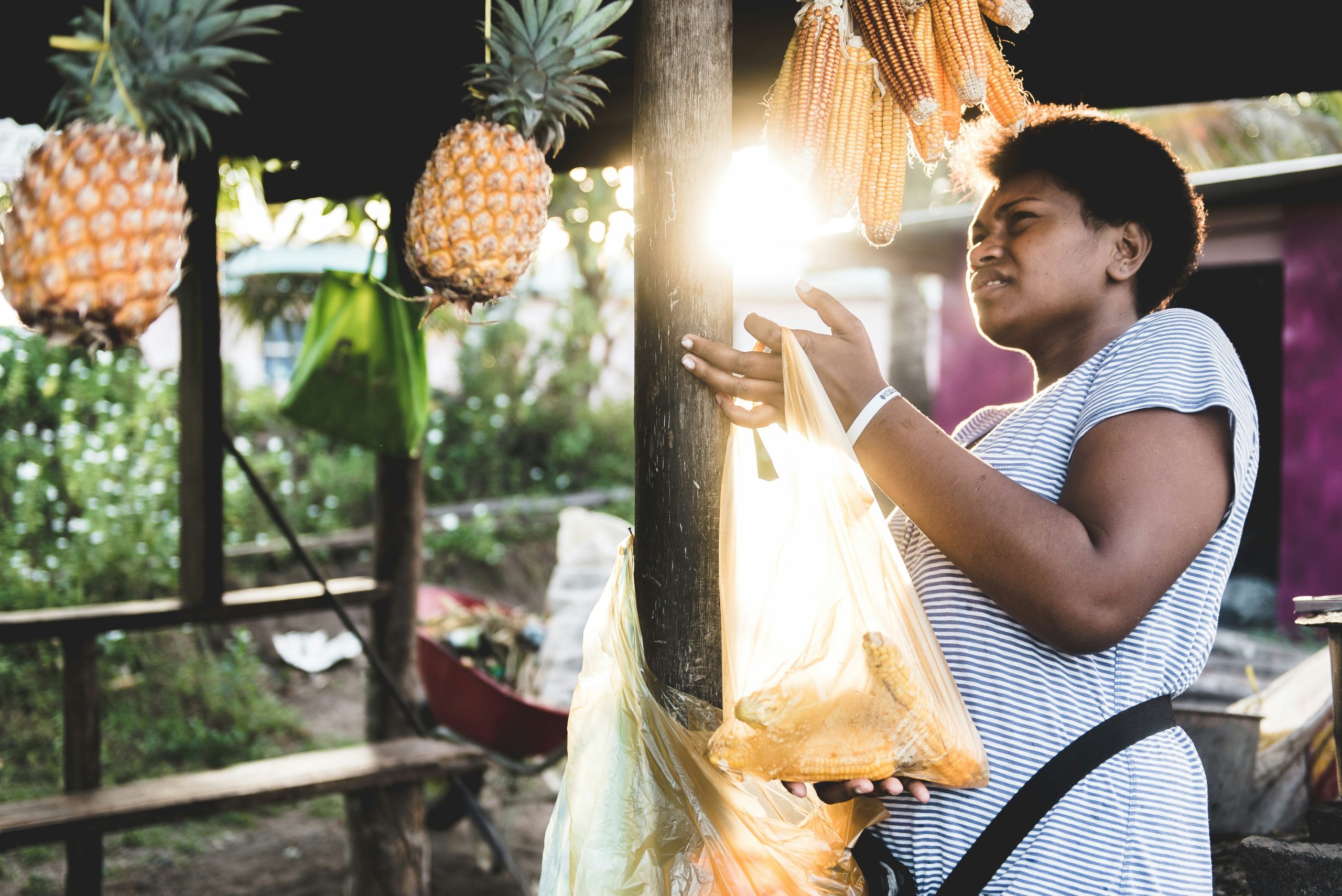
 Poverty is a significant issue in the islands of Fiji. However, instead of giving up, the country is actively seeking new and innovative ways to assist those who are struggling. Through both small community projects and large-scale government plans, Fiji is leading the way in the fight against poverty. The country is making great strides towards achieving the Millennium Development Goals (MDG) in Education, Health, Environmental Sustainability and Global Partnership for Development (GDP), especially compared to most Pacific developing member states.
Oxygen Access Helps Poverty Eradication in Fiji
In Fiji, oxygen access was one of the biggest health issues due to the lack of a consistent and reliable supply of medicinal oxygen. To tackle this problem and achieve poverty eradication in the nation, the Ministry of Health, in partnership with Cure Kids, launched an exciting initiative called the Oxygen Project to improve oxygen access. The Oxygen Project distributes oxygen concentrators to health care facilities all over Fiji. Oxygen concentrators are small, lightweight devices that filter the air and concentrate the oxygen, ensuring that patients receive pure, medicinal-quality oxygen.
This initiative eliminates the need for bulky oxygen tanks that require transportation between health centers. Solar power systems installed in health facilities enabled the concentrators to operate without traditional power sources. Most importantly, the project will train biomedical engineers, solar engineers and nurses in operating, maintaining, monitoring and repairing solar panels and concentrator systems.
Telecommunication Technology
Fiji is connected to major telecommunication hubs and nearby Pacific Island nations through a vast network of underwater cables. Amalgamated Telecom Holdings (ATH), which the Fiji National Provident Fund primarily owns, owns Fiji’s telecommunication providers, including Vodafone, Telecom Fiji and Fiji International Telecommunications Ltd.
The second significant player in the market is Digicel. At the same time, Starlink, a satellite internet provider and a subsidiary of SpaceX, has received government approval and is soon anticipated to launch in Fiji. Due to a lack of infrastructure development in rural areas, about 5% of the country still lacks mobile network coverage.
Due to a lack of infrastructure development in rural areas, about 5% of the country still lacks mobile network coverage. Telecommunications play an essential role in poverty eradication in Fiji because they expand access to information, enhance communication networks, create economic opportunities, support education and skills development and improve health care access.
The World Bank’s Role in Sustainable Recovery
The World Bank’s executive directors approved an operation to support Fiji’s ongoing efforts to recover from the impacts of COVID-19 and multiple tropical cyclones. The World Bank’s Fiji Recovery and Resilience First Development Policy Operation (DPO) with a Catastrophe-Deferred Drawdown Option (Cat-DDO) will accelerate the nation’s recovery while enhancing economic, social and climate resilience.
Fiji experienced a severe economic contraction that left one-third of its workforce without full-time employment. The project perfectly aligns with the recently authorised World Bank Group Country Partnership Framework for Fiji (2021–2024) and the Fijian National Development Plan. Enhancing Fiji’s debt and public financial management is a top priority for the operation, which also encourages women’s participation and breaks down barriers between the sexes in industries where males predominate.
Furthermore, the operation supports the creation of a Social Assistance Policy that will enhance the effectiveness and targeting of social assistance programs for numerous impoverished and vulnerable groups in Fiji, as well as the private sector-led economic recovery supported by the International Finance Corporation (IFC).
Conclusion
Innovative methods for poverty eradication in Fiji are starting to emerge to meet the multifaceted issues that disadvantaged communities face. These include projects like social enterprise development, digital technology, community-based tourism, climate-smart agriculture, microfinance and financial inclusion, social protection programs and participatory planning and governance.
These inventions seek to strengthen livelihoods, empower communities and increase resistance to environmental difficulties and economic shocks. These poverty innovations support inclusive growth and sustainable development in Fiji by integrating business models with social impact goals and encouraging local ownership and cooperation.
– AuiCha Conley
Photo: Unsplash

Nepal Knotcraft Centre: Macrame Fighting Poverty
Helping Women
NKC employs hundreds of women from every ethnic group in Nepal. The center sends teams to remote regions to train women and girls in producing goods for the company, which equips them with the necessary skills to work for the company and become self-sufficient employees.
It is worth noting that all artisans receive salaries from the company. The Nepal Knotcraft Centre also offers education scholarships to younger girls from the families working for them. Even a small wage immensely benefits poor women, often transforming their situation into a two-income household and granting them pocket money that they don’t need to request from husbands or fathers to spend on luxuries like toys and clothes for the family.
Helping the Environment
The Nepal Knotcraft Centre uses macramé techniques and a wide variety of sustainable materials to make its products. When the company began in the ’80s, it would import cotton just like any regular enterprise. However, over time, it aimed to create an authentic Nepali product. Therefore, it expanded to using various materials based on indigenous knowledge, such as corn, wheat, bamboo, pine, banana, cardamom, hyacinth, rice, cattail and papyrus. All these materials require different weaving skills and result in various products.
NKC creates Nepali culture using all-natural and sustainable materials without generating any waste. The Himalayan mountains of Nepal have approximately 140,000 tons of artificial waste, which is why NKC has partnered with the Avni Center for Sustainability. They regularly strip down hiking waste, such as ropes and tents, which the craftswomen use in their projects. NKC is gradually moving beyond mere sustainability to fully recycled products.
Helping Nepal
NKC bases all its products on a traditional Nepali macramé knotted design. It sells earrings, purses, baskets, placemats and woven seats. These products are available for purchase worldwide, allowing people worldwide to connect with Nepali culture. These products carry a deep cultural significance for Nepal. By setting up a website to teach and sell Nepali macramé art, NKC is promoting Nepali culture in the international market. Furthermore, this initiative helps preserve the culture and prevent it from dying out in Nepal.
– Varsha Pai
Photo: Pexels
Innovations in Poverty Eradication in Fiji
Oxygen Access Helps Poverty Eradication in Fiji
In Fiji, oxygen access was one of the biggest health issues due to the lack of a consistent and reliable supply of medicinal oxygen. To tackle this problem and achieve poverty eradication in the nation, the Ministry of Health, in partnership with Cure Kids, launched an exciting initiative called the Oxygen Project to improve oxygen access. The Oxygen Project distributes oxygen concentrators to health care facilities all over Fiji. Oxygen concentrators are small, lightweight devices that filter the air and concentrate the oxygen, ensuring that patients receive pure, medicinal-quality oxygen.
This initiative eliminates the need for bulky oxygen tanks that require transportation between health centers. Solar power systems installed in health facilities enabled the concentrators to operate without traditional power sources. Most importantly, the project will train biomedical engineers, solar engineers and nurses in operating, maintaining, monitoring and repairing solar panels and concentrator systems.
Telecommunication Technology
Fiji is connected to major telecommunication hubs and nearby Pacific Island nations through a vast network of underwater cables. Amalgamated Telecom Holdings (ATH), which the Fiji National Provident Fund primarily owns, owns Fiji’s telecommunication providers, including Vodafone, Telecom Fiji and Fiji International Telecommunications Ltd.
The second significant player in the market is Digicel. At the same time, Starlink, a satellite internet provider and a subsidiary of SpaceX, has received government approval and is soon anticipated to launch in Fiji. Due to a lack of infrastructure development in rural areas, about 5% of the country still lacks mobile network coverage.
Due to a lack of infrastructure development in rural areas, about 5% of the country still lacks mobile network coverage. Telecommunications play an essential role in poverty eradication in Fiji because they expand access to information, enhance communication networks, create economic opportunities, support education and skills development and improve health care access.
The World Bank’s Role in Sustainable Recovery
The World Bank’s executive directors approved an operation to support Fiji’s ongoing efforts to recover from the impacts of COVID-19 and multiple tropical cyclones. The World Bank’s Fiji Recovery and Resilience First Development Policy Operation (DPO) with a Catastrophe-Deferred Drawdown Option (Cat-DDO) will accelerate the nation’s recovery while enhancing economic, social and climate resilience.
Fiji experienced a severe economic contraction that left one-third of its workforce without full-time employment. The project perfectly aligns with the recently authorised World Bank Group Country Partnership Framework for Fiji (2021–2024) and the Fijian National Development Plan. Enhancing Fiji’s debt and public financial management is a top priority for the operation, which also encourages women’s participation and breaks down barriers between the sexes in industries where males predominate.
Furthermore, the operation supports the creation of a Social Assistance Policy that will enhance the effectiveness and targeting of social assistance programs for numerous impoverished and vulnerable groups in Fiji, as well as the private sector-led economic recovery supported by the International Finance Corporation (IFC).
Conclusion
Innovative methods for poverty eradication in Fiji are starting to emerge to meet the multifaceted issues that disadvantaged communities face. These include projects like social enterprise development, digital technology, community-based tourism, climate-smart agriculture, microfinance and financial inclusion, social protection programs and participatory planning and governance.
These inventions seek to strengthen livelihoods, empower communities and increase resistance to environmental difficulties and economic shocks. These poverty innovations support inclusive growth and sustainable development in Fiji by integrating business models with social impact goals and encouraging local ownership and cooperation.
– AuiCha Conley
Photo: Unsplash
5 Charities in Malaysia
SOLS Foundation
The SOLS Foundation, formed in 2000, is a Malaysian organization that aims to help the bottom 40% of the population with low socioeconomic statuses by providing free education and employment support. SOLS initially began providing free English teaching. However, this organization has now grown to offer further support through digital skills and social empowerment programs. SOLS has contributed immensely to many communities around Malaysia by providing more than 800 scholarships to disadvantaged children and setting up more than 1000 community programs for the youth.
Hope Malaysia
Hope Malaysia is an “emerging civil society organization (CSO),” founded in 2016, that focuses on “empowering poverty-stricken remote and rural villages” in Malaysia. The charity has started many supportive projects, such as installing gravity water systems in more than eight remote villages and implementing sustainable farming methods, which has helped more than 250 families spanning 10 rural villages. Such projects have allowed many Malaysians access to more water and food security.
Dignity for Children Foundation
The Dignity for Children Foundation, founded in 1988, is a nongovernment organization that now provides “holistic care and education for urban poor children in Kuala Lumpur, Malaysia.” The organization is dedicated to providing quality education and a safe learning environment for disadvantaged children between the ages of 2 and 19 in urban Malaysia. The organization “is now a learning center for more than 2,300 children.”
Epic Homes
Epic Homes is a program that aims to bridge the urban and rural divide by constructing homes for underprivileged communities such as the Orang Asli indigenous people in Malaysia. The program was initiated in 2010. It has successfully built more than 175 homes around more than 10 villages, ultimately developing and strengthening sustainable rural communities.
MyKasih
Created in 2009, MyKasih is a nongovernmental foundation that effectively distributes food aid to impoverished students and families in Malaysia. The charity has distributed more than RM200 million ($52 million) worth of food to disadvantaged families and students nationwide, including those in Sabah and Sarawak. This foundation has also managed to provide education bursaries to up to 10,000 Malaysian children in more than 104 schools across the nation, as MyKasih goes by the philosophy that education can be “the best ticket out of poverty.”
With a wide income divide and many living in poverty, these five charities successfully provide sustainable changes and aid to disadvantaged and vulnerable people in Malaysia.
– Zaynab Yusuf
Photo: Pexels
How Netflix is Addressing Famine in Malawi
The true story-based film “The Boy Who Harnessed the Wind” vividly captures the harsh realities of drought in Malawi, underlining the urgency of global intervention. It aligns with the World Bank’s “Malawi Drought Recovery and Resilience Project” which aims to mitigate and prevent the dire consequences of drought. It also showcases the critical role of such initiatives in addressing environmental crises.
Depiction of Drought in the Film
The film is set in Kasungu, a town in central Malawi, where the narrative focuses on William Kamkwamba and how drought impacts both his life and the lives of his neighbors. Water shortages, primarily caused by a lack of precipitation in Malawi, mean that crops cannot grow. This also means that crop production becomes unstable, resulting in widespread food scarcity.
Drought often escalates to famine, leading to widespread hunger, as depicted in “The Boy Who Harnessed the Wind.” The film shows the stark realities of drought in Malawi through scenes of parched earth, crop failures and distressed children. While dramatized for emotional impact, these portrayals accurately highlight the devastating effects of drought and famine on communities.
Drought and famine in Malawi not only lead to starvation but also have devastating economic effects. The scarcity of water results in poor agricultural conditions and the loss of livestock, stripping individuals of their main sources of income and livelihood. This cycle exacerbates the country’s poverty and hinders economic development.
The agriculture sector, crucial for the majority of Malawi’s rural population, suffers significantly from drought and famine. This scenario leads to a decrease in exportable resources, making generating income for the economy challenging. Consequently, poverty intensifies in rural areas where agriculture is a primary livelihood, highlighting the need for sustainable solutions to water scarcity and agricultural resilience.
Famine in Malawi: A Promising Future
Droughts in Malawi, often triggered by natural resource scarcity such as rain, present complex challenges for prevention and control. However, effective measures exist, as highlighted by the Malawi Drought Recovery and Resilience Project. This initiative showcases how technology and financial strategies can mitigate the country’s vulnerability to climate risks and disasters, providing a practical approach to bolstering resilience against drought in low-income nations.
In addition to preventative actions, supporting communities after drought’s severe consequences is crucial, as demonstrated by the World Bank’s economic aid initiative for Malawi, which includes a $104 million grant. This funding aids in providing food relief, restoring dry lands and introducing drought-resistant crops, offering direct assistance to Malawi’s affected communities.
Looking Ahead
“The Boy Who Harnessed the Wind” serves as a poignant reminder of Malawi’s resilience in the face of environmental adversities, driving home the urgency for global and local action. With initiatives like the Malawi Drought Recovery and Resilience Project gaining momentum, there’s renewed hope for sustainable solutions to combat drought and enhance agricultural resilience. As awareness spreads through powerful storytelling and concerted efforts continue, the future for Malawi looks increasingly promising, with paths paved toward recovery, sustainability and economic stability.
– Amelie Bunce
Photo: Unsplash
Elderly Poverty in Kenya
The Inua Jamii Program
The Inua Jamii Senior Citizensʼ scheme reaches approximately 763,000 older persons aged 70 years and above, more than 60% of which are women. Its primary objective is to improve the living standards of vulnerable seniors in Kenya by providing regular cash transfers to individuals. Eligible candidates must have a valid identification card and be excluded from other pension schemes.
Furthermore, the International Labor Organization (ILO) documents the program’s first year of implementation, stating that it “helped increase older people’s sense of dignity and self-worth.” The program ensures to provide individual entitlements rather than a household transfer. Through its initiative, the Kenyan government wishes to provide elders with full financial independence that does not limit them in their reliance on family for basic needs.
While the program primarily focuses on unconditional cash transfers, there are many positive conditionalities attached, such as ensuring children or grandchildren of beneficiaries attend school regularly and receive necessary vaccinations. These conditions aim to promote social inclusion, improve the overall well-being of beneficiary households and end elderly poverty in Kenya.
Reducing Elderly Poverty in Kenya
In 2024, a conversation with Kenya News Agency counselor, Ernest Onyana, praised the government’s recent financial injection, scheduled to begin Feb. 7, 2024. The government’s program has provided each pensioner with 2,000 shillings, a measure Onyona describes as essential in reducing poverty among Kenya’s elderly.
Moreover, in its five years of running, the scheme has collaborated with various banks to emphasize the creation of special services purposely designed for the pension scheme. Additionally, the program acknowledges daily challenges elderly individuals may encounter, particularly those with disabilities. As a response, the program is introducing M-PESA payments, which will prioritize disabled individuals by enabling them to conveniently receive payments from nearby, Onyona assures, in the continuous fight against elderly poverty in Kenya.
Supporting Elderly Women
Age International documents, according to the United Nations (U.N.) Women, 34% of women aged 60 have experienced violence since the beginning of 2020. The Kenyan government’s acute focus on bringing dignity to elders stricken by poverty in Kenya has positively contributed to older women and those with disabilities. ILO highlights individual entitlements, rather than a household transfer, have empowered older women to gain control over their funds.
Organizations such as the Older People’s Association (OPA), help build community groups to support the reduction of elderly poverty in Kenya by supporting seniors with health care, income and guidance in advocating for their rights. Implemented support groups such as the government-run scheme or smaller organizations such as OPA, continuously tackle and reduce the issue of elderly poverty in Kenya.
Positive Future
Over the years, the Inua Jamii program has undergone expansion to reach more elderly citizens across different regions of Kenya. The government has made efforts to increase the coverage and scale of the program to help reach the poorest communities in the fight to reduce elderly poverty in Kenya. Overall, the Inua Jamii program represents a significant government initiative in Kenya aimed at addressing elderly poverty and promoting social inclusion and dignity for older citizens.
– Kasia Flisiuk
Photo: Flickr
Addressing Youth Unemployment: YEISA South Africa
Youth Employment Initiative South Africa (YEISA)
In a country plagued by high youth unemployment rates, a new initiative called the Youth Employment Initiative South Africa (YEISA) established in 2018 has emerged as a beacon of hope for the country’s young people. To address the critical issue of youth unemployment, YEISA is dedicated to equipping young individuals with the skills are resources needed to secure meaningful employment opportunities.
In addition, the organization actively collaborates with young individuals, helping them participate in decisions that impact their lives. It offers a range of services and programs designed to support young people in their journey toward employment. These include job readiness training, career counseling, mentorship programs and networking opportunities. By providing these resources, YEISA strives to bridge the gap between job seekers and employers, ultimately creating a more efficient and effective job market for the youth in South Africa.
Skills Development and Leadership Initiatives
YEISA offers educational programs that empower young people with relevant skills. One of the key strengths of the organization is its focus on creating sustainable solutions to youth unemployment. Moreover, by emphasizing skills development, career guidance and ongoing support, the initiative aims to not only help young people secure immediate employment but also build a solid foundation for long-term career success.
In addition, the organization recognizes that leadership skills are essential for career advancement. It organizes leadership initiatives, fostering qualities like teamwork, communication and problem-solving. Empowered youth are more likely to contribute positively to the economy and job market. YEISA believes that today’s youth are tomorrow’s leaders. Furthermore, by nurturing their potential, the organization ensures a pipeline of capable individuals who can drive economic growth and create jobs.
YEISA Empowering South Africa’s Youth
Since its inception, YEISA has already seen success in connecting young individuals with job opportunities across various industries. It continues to develop distinct talents, views and life experiences that diverse young people bring to businesses, fostering creativity and challenging them to do things differently.
Subsequently, as the organization continues to expand its reach and impact, it is clear that the initiative is making a tangible difference in the lives of young people in South Africa. By empowering the youth with the skills and resources they need to succeed in the workforce, the initiative is not only helping to address the issue of youth unemployment but also contributing to the economic growth and development of the country as a whole.
Looking Forward
The Youth Employment Initiative South Africa (YEISA) stands as a pivotal force in combating the high rates of youth unemployment in South Africa, offering young individuals a ladder to climb toward employment success. Moreover, through its comprehensive approach to skill development and leadership training, YEISA is nurturing a generation equipped to navigate and thrive in the workforce.
Looking ahead, the continued efforts of the initiative promise to transform the landscape of youth employment in South Africa, fostering a future where every young person has the opportunity to achieve their full potential.
– Oyinkansola Adewumi
Photo: Unsplash
Jersey’s Dairy for Development Scheme Reduces Poverty
The Legacy of the Jersey Cow
Following the enactment of a 1763 law prohibiting cattle imports to Jersey, the distinct purebred Jersey cow breed emerged over time. Renowned for its longevity, nutrient-rich milk and charming appearance, the Jersey cow symbolizes local pride, as evidenced by bronze statues in the town center.
Jersey cows are highly valued globally due to their ability to produce high-quality and profitable dairy products and are ranked as the world’s second most favored breed. The Royal Jersey Agricultural and Horticultural Society (RJAHS) tapped into this breed’s promise to elevate dairy sectors in poverty-stricken nations. Consequently, it launched the ‘Dairy for Development’ initiative in 2004, exporting bull semen and offering technical assistance to Rwanda. This move aimed to bolster local dairy production by introducing the Jersey cow’s superior genetics, showcasing a strategic approach to enhance dairy yields and livelihoods in challenging environments.
Expanding Dairy for Development
In 2017, in collaboration with the RJAHS, JOA launched a grant scheme that significantly benefited Rwanda and other poverty-stricken countries by exporting Jersey cattle and genetic materials. Moreover, these countries were chosen for their long-standing dairy farming traditions and the pressing need to combat poverty and malnutrition. In addition, Jersey cattle known for its exceptional heat tolerance compared to other European dairy breeds, were particularly suited to the environmental conditions of these selected nations.
Objectives and Impacts of Dairy for Development
The scheme objectives are designed to create a multifaceted positive impact. These objectives are centered around enhancing dairy production efficiency, fostering sustainable agricultural practices and promoting economic growth within impoverished communities.
People often question why RJAHS/JOA focuses on dairy rather than other agricultural sectors. With Africa expected to hold a third of the global cattle population by 2029 but only contributing to 5% of the world’s milk production, enhancing dairy production’s efficiency and quality is crucial for selected countries. The Jersey Inka Nziza (Jersey ‘Good Cow’) Phase II project in Rwanda exemplifies the significant benefits this initiative offers its beneficiaries.
Following the first phase’s success from 2017 to 2019, JOA funded a second phase for Jersey Inka Nziza (JIN) from 2019 to 2021. This phase worked with 12,000 smallholder farms, introducing artificial insemination, enhancing cattle feeding and establishing numerous farmer self-help groups alongside training opportunities. It also aimed to bolster gender equality at the local level.
Looking Ahead
Through the collaboration between Jersey Overseas Aid (JOA) and the Royal Jersey Agricultural and Horticultural Society (RJAHS), Jersey delivers impactful development grants and programs that empower communities and combat poverty. This partnership leverages Jersey’s unique breed of cattle to transcend the island’s size limitations, demonstrating that smaller, well-structured projects like Dairy for Development can play a vital role in international poverty reduction efforts.
– Moses Sappe
Photo: Unsplash
Prospera: Mexico’s Successful Conditional Cash Transfer Program
Conditional cash transfer programs are government welfare programs that provide residents in poor communities with funds as long as they meet the conditions of the program. Common requirements for programs like Prospera typically include mandating school enrollment for children and ensuring regular health check-ups.
After the 1995 Mexican peso crisis drastically devalued the peso, Mexico launched the Prospera program to combat poverty and inequality. Targeting particularly impoverished areas, Prospera proved notably effective in Mexico’s poorest regions, such as Chiapas, where a poverty rate of 74.7% prevails. In La Gloria, Chiapas, about 93% of families benefited from the program’s stipends. Hence, Prospera aimed to alleviate poverty in both urban and rural areas across the country.
Poverty and Education
Prospera targeted poverty reduction by emphasizing school enrollment. In Mexico, where families often depend on extra income, children are pushed to work, undermining their education. This issue is more acute in the South, where children frequently leave school to work in agriculture, exacerbating educational neglect and perpetuating the cycle of poverty.
Under Prospera, families would receive grants every month for each child attending school. As children progressed in school, the grant amount would increase. For girls, the grant amount would range from 105 pesos or $9.50 in third grade to 660 pesos or $60 by high school. The stipend for girls was higher than the stipend for boys because on average, girls were more likely to leave school at a younger age.
Additionally, children participating in Prospera from their earliest days show a higher likelihood of pursuing higher education. A study found children enrolled within their first 1,000 days were 67% more likely to attend college compared to those enrolled after 6th grade. Prospera’s emphasis on continuous school attendance played a crucial role in its success. Education plays a pivotal role in poverty reduction according to Childfund, who claim education is the “catalyst needed to pull families and communities out of the cycle of poverty.”
Health and Nutrition
Prospera provided families with health-related monetary transfers to ensure regular health checks for both parents and children. These funds, aimed at improving food consumption and nutritional health, came with no spending restrictions. The program tailored its conditions to meet specific demographic needs, such as organizing health and nutrition sessions for mothers and high school students. Notably, Prospera contributed to a 17% decrease in infant mortality rates in Mexico, highlighting its critical role in addressing health-related poverty and malnutrition issues.
Effects of Prospera
Mexico’s conditional cash transfer program, though scaled back in 2019 to focus on education, continues to significantly influence global poverty reduction strategies. Its model has inspired dozens of countries worldwide to implement similar programs, benefiting impoverished communities. While debates exist over Prospera’s long-term poverty impact, its achievements in reaching millions in Mexico’s needy urban and rural areas, enhancing educational outcomes and reducing child health issues stand out.
– Marley Wilson
Photo: Unsplash
How Science is Alleviating Child Poverty in Ukraine
Child Poverty in Ukraine
As recorded in the Humanitarian Needs Response Plan in 2024, there are 14.6 million people displaced or suffering from poverty in Ukraine and 3.17 million are children. The poverty and risk to the safety of children living in frontline areas across the Russian border are, of course, greater. However, poverty in Ukraine was already a challenge even before the escalation of violence in February 2022.
Educational Disruption and Innovative Solutions
Reports show an increase in poverty in Ukraine from 2021 disproportionally affects households with children in them. As reported by UNICEF, these households suffer most from poor access to basic utilities like electricity, water and heating.
The war in Ukraine has severely affected children’s education, leading to reliance on online learning as a partial solution. However, the lack of access to essential learning tools like laptops, tablets and internet connectivity, due to the conflict, has compromised the effectiveness of this approach. This decline in educational quality contributes further to the poverty faced by Ukraine’s children. To combat these challenges, UNICEF and INSCIENCE have joined forces to equip children with the necessary resources to handle wartime trauma.
The “Science Kids” Initiative: A Beacon of Hope
The “Science Kids” initiative in Ukraine creates opportunities for children to hone their social skills and navigate the educational hurdles posed by the current conflict. This program not only offers a safe space for learning and creativity but also equips these young minds with strategies to process their trauma and cope with fear and anxiety, providing a semblance of normalcy in tumultuous times.
In Odesa, Mykolaiv and Kharkiv, the “Science Kids” program offers children a respite from the war through science exploration. At these sites, kids engage in learning, experiments and creative projects, such as observing an insect with a magnifying glass and drawing their imaginative insect. This initiative allows them to find some normalcy amidst turmoil.
Child Poverty in Ukraine: Addressing Mental Health
After class, they are then instructed in breathing exercises to help manage stress and anxiety. The coordinator of “Science Kids,” Yuliia Isliamova, spoke of the importance of good breathing exercises, saying it is “a very simple way to deal with anxiety and stress that they can use anywhere and with anyone – for example, with their parents or friends.”
In addition, engaging with children’s mental health early can prevent the onset of serious psychological effects, thus avoiding its contribution to the cycle of poverty as they grow. Certainly, ending the war in Ukraine would significantly impact efforts to address poverty and child poverty.
Looking Forward
Amidst the backdrop of rising child poverty in Ukraine, initiatives like “Science Kids,” supported by UNICEF and INSCIENCE, offer a beacon of hope and resilience. By fostering educational engagement and mental well-being, these programs provide displaced children with the tools to overcome adversity and envision a brighter future. As the international community continues to support Ukraine, such efforts illuminate the path toward recovery and the potential for lasting change in the lives of its youngest citizens.
– Thomas Field
Photo: Unsplash
Food for the Poor: Banana Bark Program
Food for the Poor
Food for the Poor (FFTP) is a Christian nonprofit organization founded in Florida that provides food, shelter, medicine and other needed services to the poor in the Caribbean and Latin America. This organization saw the need for employment so Haitian families could provide food and basic necessities for their households and in the ’90s, it developed a creative way to do so.
The Banana Bark Program
The Banana Bark Program was established several decades ago in Haiti to provide a sustainable source of income for families and it continues to benefit people to this day. The bark of the banana tree naturally peels off, which is collected, dried, shaved and cut into various shapes and words. This is then used on cards that inspire hope, culture and love. One person can shave around 2,000 pieces of bark per day. Every piece of bark can produce eight different patterns. This eco-friendly process can result in families producing a box of 24 cards every two days, with artisans paid based on the number of cards they create.
Banana Bark Cards Provide for Families
This program has helped many Haitian families, including Marcelin, Othon and their three children. With her family’s help, Marcelin has been crafting cards in the Banana Bark Program since 1995. In an interview with Marcelin and Othon in 2013 by FFTP, she said, “This helps us pay for school and helps us to buy food and clothes. I feel good to have this opportunity.” In that same interview, Othon also stated that they would not have the money without the card program.
FFTP has continued to provide this opportunity for Haitian families. The organization in the Florida headquarters is always seeking and developing new designs for the cards. After production, the cards are made available worldwide and FFTP often uses them in fundraising campaigns. This fundraising helps the organization provide food and medical supplies to humanitarian groups, orphanages and churches in Haiti and other Latin American and Caribbean nations.
Final Remark
There is still a need for humanitarian assistance in Haiti. Hunger and unemployment matters in the country have become more pressing and citizens are desperate for relief. However, programs like the Banana Bark cards provide much-needed income and assistance for Haiti’s struggling families.
– Heather Gisi
Photo: Unsplash