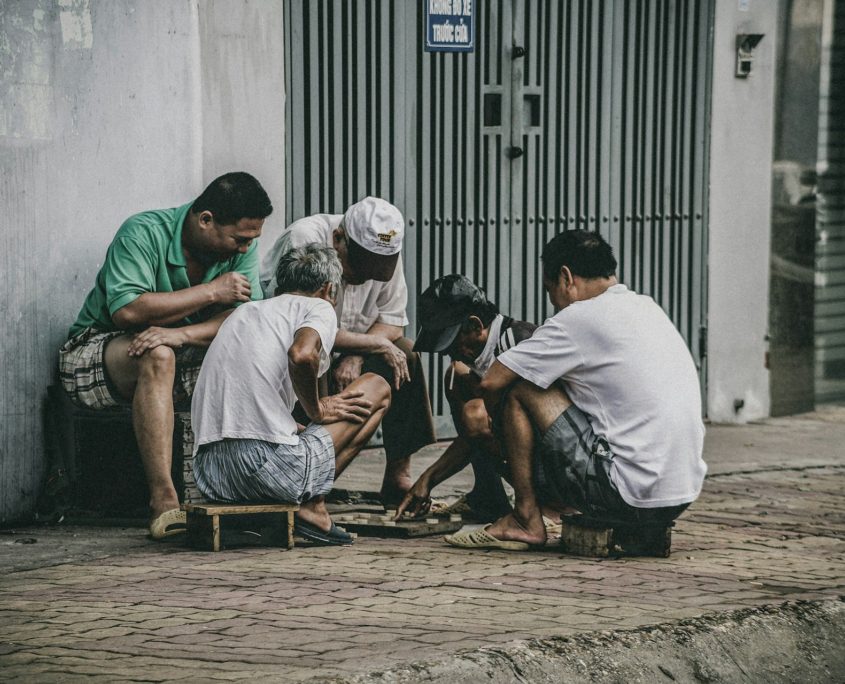
 According to World Vision, around 1.2 billion people across the globe live in multidimentional poverty. Given the widespread nature of poverty, several organizations are making efforts to find solutions. Among such organizations is Innovations for Poverty Action (IPA). IPA is an organization that plays a significant role in the global effort against poverty by utilizing evidence-based research to identify effective alleviation strategies.
Evidence-Based Solutions
IPA, based in New York City and Washington D.C., operates in 20 countries and manages projects in more than 50 nations. This nonprofit focuses on using evidence-based research to determine effective poverty alleviation strategies, aiming to eliminate models that do not work.
Furthermore, IPA collaborates with governments, donors and organizations to conduct research and advocate for evidence-based solutions to global poverty. It bases its operations on a Theory of Action, focusing on the “Ripple Effect” of its impact. Sarah de Tournemire, Chief Partnerships and Philanthropy Officer at IPA, discussed with the Borgen Project the significance of evaluating the broader consequences of its initiatives.
The Origin and Mission of IPA
IPA’s Ripple Effect begins with its founder, Dean Karlan, who, while working with a microfinance institution in Latin America, found himself asking “‘How do you know whether your program is working? How do you know what your clients think of the program?’” Karlan realized through this project that, as Tournemire put it, “there is more to learn about how to effectively monitor, evaluate and learn from development projects.”
With this experience, as Karlan watched more and more organizations make new steps in the pursuit of ending global poverty, each project required new research, new trials and new people, opening up room for more error in determining effective poverty alleviation models. As thorough as each project group was, Karlan saw a need for a system, not just to organize and manage the data collected, but to create efficient, data-backed, large-scale solutions.
As he explained in an interview with Startups for Good, if researchers were conducting meaningful research in some communities, “the reality is, those awesome [data collecting teams] in those countries can help more than just that small set of researchers.” Once researchers were “experienced and knowledgeable [on] how to do that kind of work, then there’s a huge economy of scale that can be had by helping other researchers also use that knowledge, that infrastructure or that human capital to help coordinate their similar studies.”
Karlan went on to pursue a PhD in Economics at MIT, where working with his doctoral advisor, Esther Duflo, as explained by Tournemire, started asking the question that would directly prompt his creation of IPA: “How do we know what works and what doesn’t work to alleviate poverty?”
Concept to Global Impact
After completing his graduate research, Karlan began seeking evidence that the research and data collection were creating a ripple. As he wrote in his book More Than Good Intentions, he noted, “I wanted to make sure that my research and the research of other like-minded professors, did not simply get published and sit on dusty bookshelves in academic halls. I saw a void, a real need for a new kind of organization with a head for academia, but with its feet squarely in the real world. It would serve as a loudspeaker and an advocate for policy-relevant research and be full of people ready and eager to help generate research results and most importantly, it would work to scale up the ideas that are proven to work.”
Demonstrating the Ripple Effect of Innovations
How has the Ripple Effect manifested? Since its inception, IPA has conducted 950 evaluations demonstrating significant impacts across various initiatives. These include unconditional cash transfers, free malaria bed nets, targeted education strategies, chlorine dispensers for water purification, deworming programs and many more, according to Tournemire.
In its first decade, Innovations for Poverty Action (IPA) focused on conducting thorough research to identify effective and ineffective poverty alleviation strategies. Tournemire stated, “In roughly the last 6 years we have been intentionally growing our work with decision-makers to create a ripple effect. Though we still create rigorous evidence we are increasing our advisory and policy work with governments in countries where we have a long-term presence.”
The Success of the Graduation Approach
IPA conducted a comprehensive review of the Targeting of the Ultra Poor Model, also known as the Graduation Approach. This program aims to provide multifaceted support to assist individuals in escaping poverty. A 2015 study analyzing results from 21,000 people across six countries found that participants experienced increased savings and enhanced physical and economic stability. Remarkably, the program demonstrated cost-effectiveness, yielding returns between 133% and 433% on the investment.
Partnerships and Policy
However, after demonstrating the effectiveness of the Targeting of the Ultra Poor Model, IPA expanded its impact by joining forces with several organizations within the Poverty Alleviation Coalition. Together, they embarked on an ambitious mission to lift 500,000 households out of poverty within five years. As Tournemire explains, “So it was sort of at that point where we had all this information, now we had to push it out to the world. We need policymakers and decision-makers to take up and use this evidence.”
IPA established a policy unit to enhance collaborations with ministries through initiatives like Embedded Evidence Labs for integrating evidence-based programs in government functions. Additionally, it formed Evidence-to-Policy Groups to foster dialogue between researchers and policymakers and it incorporated Policy and Impact Focus areas within IPA to tailor projects to decision-makers needs, among other policy-driven initiatives.
Linking Evidence to Policy for Poverty Relief
As Tournemire summarizes IPA’s mission, she explains that the organization continues “to generate evidence and informed data but almost a third of its work is now focused on this policy piece of making sure that the questions that need to be asked are being asked and there is a culture of evidence-based decision making being built.”
IPA brings forward a truth valuable to any person or entity working to alleviate global poverty. Tournemire argues “Decisions made upon rigorous data and evidence are the strongest weapons. If we want to have a real impact it’s about much more than just good intentions.” In other words, it’s the Ripples of our tangible progress that have the greatest potential in our battle to end global poverty for good.”
– Aria Desai
Photo: Unsplash

Lake Malawi REFRESH Project
Lake Malawi is integral to the social, economic and environmental well-being of Malawi and its people. It proves to be an indispensable part of the country’s infrastructure, covering a total area of 22,490 square kilometers, employing more than 500,000 people and contributing 4% to the nation’s GDP.
The Lifeline of Malawi: Lake Malawi
Lake Malawi, Africa’s third-largest lake, is crucial for Malawi’s economy and ecology. As a landlocked country, local communities depend on the lake for drinking water, transportation, leisure, power generation, irrigation and notably, fishing.
The lake’s fish significantly contributes to the country’s nutrition and economy, supplying 70% of the animal protein intake. It supports the livelihoods of Malawi’s residents through both local consumption and exports to neighboring countries, making it a crucial economic resource.
Lake Malawi also serves as a vital trade route, facilitating the transportation of goods to neighboring countries. The trade activity positions Lake Malawi as a hub for expansive business networks, essential for the mass production and distribution of natural goods, benefiting not only Malawi but also its neighboring communities through robust trade partnerships.
Residents in the area benefit from job opportunities created by the businesses managing these goods, reinforcing a cycle of employment and food security. Lake Malawi’s wealth of natural resources not only sustains jobs but also underpins food security, laying a strong foundation for the local economy and community wellbeing. Its tributaries hold the key to renewable energy through hydroelectric power generation, diversifying the country’s energy sources. This sustainable energy supports the nation’s industries, homes and various sectors, further stabilizing the country’s economic and environmental landscape.
Malawi Takes Advantage
Lake Malawi supports the livelihoods of 20.4 million Malawians, surrounding communities and more than 910,000 refugees from Mozambique. With a population growth rate of 3.3%, the lake’s resources are under strain and require restoration. While Lake Malawi is vital for the economy and job creation, Malawi’s low GDP per capita of $554.20 challenges the local population’s ability to sustain and enhance these benefits.
In addition, nationwide poverty significantly challenges individuals in making decisions crucial for the long-term sustainability of natural resources. This difficulty arises from their urgent short-term needs. In addition to the impact on local communities, large-scale commercial fishing operations also contribute to overfishing in Malawi.
Moreover, local reliance on Lake Malawi for sustenance has led individuals to fish in shallow areas, away from large commercial operations. In addition, this practice threatens fish breeding grounds as small-scale fishermen navigate these regions in canoes designed for shallow waters. The impact of these activities presents significant economic and environmental challenges for Malawi and neighboring countries relying on the lake’s resources.
REFRESH Project
The U.S. Agency for International Development’s (USAID) REFRESH project, aimed at enhancing Lake Malawi’s fisheries management and conserving fish biodiversity, spans from October 2019 to September 2024. Recently, USAID provided the Malawian government with an advanced electronic catch assessment survey (eCAS) system and refurbished patrol boats, significantly boosting data collection and surveillance efforts.
The electronic catch system compromises smart tablets, desktop computers and servers which allows them to have an accurate analysis of catch data. This high technology gives Malawi the advantage of being able to estimate fisheries production and evaluate the sector’s economic and food security contributions.
Additionally, USAID recently upgraded patrol boats for the Salima District Council with new engines to strengthen surveillance against overfishing, promoting adherence to fishing regulations and local laws. This effort aims to preserve the lake’s biodiversity. However, residents of fishing villages, who have depended on Lake Malawi for their livelihoods, sometimes struggle to see these restrictions as measures to sustain the lake’s benefits rather than to limit their use.
Furthermore, regular monitoring of Lake Malawi allows for the identification and education of those overfishing, aligning them with the goals of the REFRESH Project for the lake’s restoration. These efforts, supported by USAID through the provision of operational guidelines and scientific equipment, highlight a deep commitment to sustainable fishing practices and the protection of Malawi’s aquatic ecosystem.
Nurturing Sustainability
The USAID REFRESH project is pivotal for sustainable development in Malawi, particularly for Lake Malawi. It focuses on improving fisheries management, enhancing scientific knowledge and strengthening governance. Its approach not only preserves the lake’s natural environment but also supports the economic well-being of the people who depend on its resources.
The REFRESH project is actively engaging local stakeholders and promoting an ecosystem-based approach to fisheries management. This strategy is designed to ensure a brighter, more sustainable future, harmonizing the well-being of Malawi’s people with the sustainability of the iconic Lake Malawi.
– Tristen Jerkins
Photo: Flickr
The Yemen Crisis: The Largest Global Humanitarian Crisis
A Crisis On Children
Due to Yemen experiencing the largest famine in the world, this also means the rate of child malnutrition is high as well. This is one of many serious problems Yemen is facing right now. Estimates have indicated that every 10 minutes, a child in Yemen loses their life because of malnutrition. Around half a million children are experiencing severe starvation with the death toll being 85,000 due to starvation in children. In 2022, predictions indicated that an estimated 450,000 would experience severe malnutrition and possibly die.
Why The Yemen Crisis Matters
Adequate access to resources like food, water and health care is essential to living a healthy life as well as avoiding disease. The people in Yemen have not been able to have adequate access to these essentials for years which is a major problem. Yemen is also the poorest country in the Middle East, making it more difficult for the people there to receive opportunities to live better and healthier lives. They are being affected in all health aspects from being unable to eat or drink enough, to lack of proper medical attention when people are experiencing malnutrition and diseases like malaria and respiratory infections which are very prevalent in Yemen.
UNICEF’s Work
The situation in Yemen calls for an immense amount of support as well as a lot of funding from large stakeholders to help provide aid to the people in Yemen. One effective solution that can help support the people in Yemen is by spreading awareness. UNICEF is a large organization that has helped in assisting Yemen by spreading awareness of the crisis in Yemen and also providing aid. UNICEF’s mission is to provide support to those who are less fortunate.
UNICEF is an organization that helps with global humanitarian problems. It has individuals in the field of medicine and education that are assisting in providing food and education for the children while they have other individuals from UNICEF restabilizing damaged schools and hospitals. While UNICEF has supported Yemen greatly with the aid it was able to provide to
Yemenis there is still more that needs to occur. UNICEF inquires that in order to continue giving its support in Yemen, it need an estimated $484.4 million which it have raised $77.8 million in funding for aid.
Save the Children’s Efforts
Another organization that has supported Yemen is Save the Children. Save the Children is an organization targeted to support children in need. It helps children all around the world with many things like food, education, protection and health. It has been giving support in Yemen to Yemeni children since 1963 and were one of the first organizations to reach out when the war started in 2015.
Looking Ahead
The crisis in Yemen is not a national problem but a global one. They are battling multiple problems. The severity of the crisis Yemenis are experiencing is something that will take years to recover from which means they need all the awareness and support they can get. There is great importance in understanding social determinants of health in public health. This is because the occurrence of many public health issues can be addressed through social determinants of health and can explain why they happen. The heartbreaking state of Yemen is due to the fact they are lacking many of those social determinants and the main forms of support that individuals can give to them is through contacting officials and raising as much awareness as they can.
– Munira Said
Photo: Flickr
Addressing Education Poverty in Sub-Saharan Africa
Causes of Limited Education
Among the population of Mali, more than half of the Mali population, including more than half between the ages of 15 and 24 are illiterate. This can be due to many factors like the absence of textbooks, qualified teachers and low-quality school environment. The lack of access to the necessities and funding to create a good education program for these children to undergo are major issues when it comes to receiving a good education. Due to these factors, Mali students are not able to have basic skills of math and reading.
Solutions
Many things are occurring to help this issue of education poverty. There have been donors and UN partners that have been a part of making a change when it comes to educational poverty in Africa.
For instance, the UIS has noticed what has been lacking for a proper education for these children like teachers and basic amenities that are necessary. To address that issue, UIS is working on training and recruiting teachers to teach in Africa. When it comes to the amenities, the organization is tracking which schools are lacking things like portable water, textbooks and access to electricity.
There is also another program that the World Bank has implemented called the “Mali Improving Education Quality and Results for All” where they are helping promote access to lower and upper secondary education for the children in Mali specifically. The World Bank mentioned this project is impacting about 4 million individuals in underserved areas as well.
Looking Ahead
While there is no set time to end education poverty in sub-Saharan Africa anytime soon, by what is occurring right now with the help of the government, UNESCO and USI, it is on the right track for giving these children a better education that they deserve. As time goes on, it should be hopeful that these young kids will have the chance to go to school with having access to electricity and having the right teachers to educate them. Time is all that is needed to come up with better ways to give these kids these amenities that they rightfully deserve.
Conclusion and Call to Action
Overall, education poverty is a major issue in Africa, especially in Mali. This can be due to many factors that can impact the effectiveness of the education they are getting. As mentioned before, there are many organizations that are helping the situation currently happening. For example, UNESCO is an organization that is there to give full power of education, science and culture in order to tackle issues that are in the world. In regards to helping the issue of education poverty, UNESCO is tracking the trends in teacher numbers and qualifications. It projects the numbers of teacher shortages so the organization can see where distribution is required to help reduce the shortage. It is slowly helping reduce education poverty and will hopefully continue to do so in the years to come.
– Madison Lam, Elizabeth Alebachew and Fabian Urrutia
Photo: Flickr
Innovations For Poverty Action: The Ripple Effect
Evidence-Based Solutions
IPA, based in New York City and Washington D.C., operates in 20 countries and manages projects in more than 50 nations. This nonprofit focuses on using evidence-based research to determine effective poverty alleviation strategies, aiming to eliminate models that do not work.
Furthermore, IPA collaborates with governments, donors and organizations to conduct research and advocate for evidence-based solutions to global poverty. It bases its operations on a Theory of Action, focusing on the “Ripple Effect” of its impact. Sarah de Tournemire, Chief Partnerships and Philanthropy Officer at IPA, discussed with the Borgen Project the significance of evaluating the broader consequences of its initiatives.
The Origin and Mission of IPA
IPA’s Ripple Effect begins with its founder, Dean Karlan, who, while working with a microfinance institution in Latin America, found himself asking “‘How do you know whether your program is working? How do you know what your clients think of the program?’” Karlan realized through this project that, as Tournemire put it, “there is more to learn about how to effectively monitor, evaluate and learn from development projects.”
With this experience, as Karlan watched more and more organizations make new steps in the pursuit of ending global poverty, each project required new research, new trials and new people, opening up room for more error in determining effective poverty alleviation models. As thorough as each project group was, Karlan saw a need for a system, not just to organize and manage the data collected, but to create efficient, data-backed, large-scale solutions.
As he explained in an interview with Startups for Good, if researchers were conducting meaningful research in some communities, “the reality is, those awesome [data collecting teams] in those countries can help more than just that small set of researchers.” Once researchers were “experienced and knowledgeable [on] how to do that kind of work, then there’s a huge economy of scale that can be had by helping other researchers also use that knowledge, that infrastructure or that human capital to help coordinate their similar studies.”
Karlan went on to pursue a PhD in Economics at MIT, where working with his doctoral advisor, Esther Duflo, as explained by Tournemire, started asking the question that would directly prompt his creation of IPA: “How do we know what works and what doesn’t work to alleviate poverty?”
Concept to Global Impact
After completing his graduate research, Karlan began seeking evidence that the research and data collection were creating a ripple. As he wrote in his book More Than Good Intentions, he noted, “I wanted to make sure that my research and the research of other like-minded professors, did not simply get published and sit on dusty bookshelves in academic halls. I saw a void, a real need for a new kind of organization with a head for academia, but with its feet squarely in the real world. It would serve as a loudspeaker and an advocate for policy-relevant research and be full of people ready and eager to help generate research results and most importantly, it would work to scale up the ideas that are proven to work.”
Demonstrating the Ripple Effect of Innovations
How has the Ripple Effect manifested? Since its inception, IPA has conducted 950 evaluations demonstrating significant impacts across various initiatives. These include unconditional cash transfers, free malaria bed nets, targeted education strategies, chlorine dispensers for water purification, deworming programs and many more, according to Tournemire.
In its first decade, Innovations for Poverty Action (IPA) focused on conducting thorough research to identify effective and ineffective poverty alleviation strategies. Tournemire stated, “In roughly the last 6 years we have been intentionally growing our work with decision-makers to create a ripple effect. Though we still create rigorous evidence we are increasing our advisory and policy work with governments in countries where we have a long-term presence.”
The Success of the Graduation Approach
IPA conducted a comprehensive review of the Targeting of the Ultra Poor Model, also known as the Graduation Approach. This program aims to provide multifaceted support to assist individuals in escaping poverty. A 2015 study analyzing results from 21,000 people across six countries found that participants experienced increased savings and enhanced physical and economic stability. Remarkably, the program demonstrated cost-effectiveness, yielding returns between 133% and 433% on the investment.
Partnerships and Policy
However, after demonstrating the effectiveness of the Targeting of the Ultra Poor Model, IPA expanded its impact by joining forces with several organizations within the Poverty Alleviation Coalition. Together, they embarked on an ambitious mission to lift 500,000 households out of poverty within five years. As Tournemire explains, “So it was sort of at that point where we had all this information, now we had to push it out to the world. We need policymakers and decision-makers to take up and use this evidence.”
IPA established a policy unit to enhance collaborations with ministries through initiatives like Embedded Evidence Labs for integrating evidence-based programs in government functions. Additionally, it formed Evidence-to-Policy Groups to foster dialogue between researchers and policymakers and it incorporated Policy and Impact Focus areas within IPA to tailor projects to decision-makers needs, among other policy-driven initiatives.
Linking Evidence to Policy for Poverty Relief
As Tournemire summarizes IPA’s mission, she explains that the organization continues “to generate evidence and informed data but almost a third of its work is now focused on this policy piece of making sure that the questions that need to be asked are being asked and there is a culture of evidence-based decision making being built.”
IPA brings forward a truth valuable to any person or entity working to alleviate global poverty. Tournemire argues “Decisions made upon rigorous data and evidence are the strongest weapons. If we want to have a real impact it’s about much more than just good intentions.” In other words, it’s the Ripples of our tangible progress that have the greatest potential in our battle to end global poverty for good.”
– Aria Desai
Photo: Unsplash
Navigating the Nuclear Battery Promise
Nuclear Battery: Potential and Hurdles
Nuclear batteries, like those developed by Betavolt, utilize the decay of radioactive isotopes to generate electricity for extended periods. Proponents highlight their potential for long-lasting, clean energy in remote locations or applications requiring consistent power, like medical devices or spacecraft. However, significant hurdles remain.
Firstly, regulatory approval is a complex and lengthy process. Nuclear technology faces stringent safety regulations and navigating these hurdles can be time-consuming and expensive. Additionally, the long-term management of radioactive waste generated by these batteries needs careful consideration and robust infrastructure, ensuring responsible disposal and environmental protection.
It’s important to note that advancements in areas like waste minimization and recycling could play a significant role in overcoming these challenges and paving the way for the wider adoption of nuclear batteries.
The Proven Path of Renewables
While nuclear batteries hold promise for specific applications, it’s crucial to recognize the established and rapidly advancing field of renewable energy. Solar, wind and other renewable sources offer a proven path towards a clean energy future, with significant advantages over nuclear technology in the near term. Continued investment and strategic policies are vital in accelerating the widespread adoption of renewables.
Success stories like the dramatic cost reduction of solar panels and the increasing efficiency of wind turbines demonstrate the immense potential of this sector. Additionally, innovative solutions like energy storage technologies address intermittency concerns, paving the way for a reliable and sustainable energy future powered by the sun, wind and human ingenuity. Beyond these established technologies, promising avenues exist to explore within the renewable energy sector. Research into advancements like geothermal, tidal and even algae-based biofuels can further diversify the clean energy portfolio.
Building Trust in Renewables
Investors play a crucial role in scaling up renewable energy solutions. By showcasing successful case studies, highlighting renewables’ economic and environmental benefits and fostering transparency in project development, we can build trust and attract investments crucial for accelerating the transition towards a clean energy future.
Focusing on the Future
Nuclear batteries may hold promise for niche applications in the distant future. However, for the immediate and foreseeable future, focusing on proven and rapidly advancing renewable energy solutions offers a more realistic and achievable path toward a sustainable and clean energy future. By harnessing the power of innovation, fostering responsible development and building trust in established technologies, we can collectively chart a clear course toward a brighter tomorrow powered by clean energy.
– Vincenzo Marino
Photo: Wikipedia Commons
Education in Uganda: The Hurdles and Progress
According to the United Nations (U.N.), education significantly impacts poverty reduction within communities or countries. An educated community often enjoys more economic opportunities, leading to enhanced resources for everyone. The same is not true in communities struggling with poverty for many reasons. In recent times, Uganda has seen rapid advancements in improving education and its accessibility.
Education Barriers in Uganda’s Poor Communities
In Uganda’s impoverished communities, the cost of schooling and supplies often forces families to choose between education and basic needs, sidelining education. Children who attend primary school may struggle to advance to secondary levels due to poor literacy and numeracy skills. Additionally, teacher absenteeism further undermines the educational opportunities for those who overcome these barriers to reach the classroom.
Enhancing Education Quality in Uganda
Uganda’s efforts to provide universal primary education signal a crucial advancement in educational access. Working with the Global Partnership for Education, the focus extends beyond free education to enhancing its quality, especially in the pre-primary stages. This approach aims to boost literacy and numeracy skills among children, aiming for higher school completion rates and reduced dropouts in primary education.
The United Nations International Children’s Emergency Fund (UNICEF) is making efforts to address teacher absenteeism and lack of skills in Uganda by enhancing education governance. Its ongoing initiatives include mentorship and promoting accountability within schools, involving parents and officials to demand better teaching standards. Efforts to boost teacher competence involve supervision and support from higher-ups, aiming to reduce absenteeism and improve education quality.
Advancing Education to Combat Poverty in Uganda
Through the initiatives of the Global Partnership for Education and UNICEF, strategic efforts are underway to elevate education standards in Uganda. These improvements are essential in the broader fight against poverty. Moreover if successful, UNICEF’s initiatives could enable an additional 800,000 boys and girls to complete primary education. In addition, the Global Partnership for Education aims to remove financial barriers to schooling, making education more accessible to children in poverty-stricken areas.
Looking Forward
Uganda’s efforts to enhance educational quality and accessibility signify a beacon of hope in the ongoing battle against poverty. Partnerships with organizations like the Global Partnership for Education and UNICEF are taking significant strides toward a future where education is a right, not a privilege, for all children. Furthermore, the initiatives to improve literacy, numeracy and reduce teacher absenteeism lay the groundwork for creating a well-educated workforce capable of driving economic growth and lifting communities out of poverty.
– Isaac Songster
Photo: Flickr
How Artists in Haiti Are Addressing Poverty
. In the heart of the struggle of Haiti against poverty lies a story of resilience and redemption, where artists emerge as unsung heroes in a landscape marred by hardship. Amid the harsh reality of statistics revealing the extent of deprivation, with more than 41.3% of Haitians entrenched in multidimensional poverty and 18.5% facing severe destitution, these artists paint a vivid tapestry of hope. With every stroke of their brushes and every chisel against stone, they carve out a narrative transcending mere imagery, offering a beacon of light amid the darkness. It is the tale of their unwavering spirit, quest for change and steadfast belief in art’s transformative power.
Haiti’s Rocky History
During the colonial period, Haiti was a French colony named St. Domingue, which flourished with profitable sugar and coffee plantations. However, this prosperity came at a grave human cost, as enslaved African people were exploited to sustain the economy. The Haitian Revolution, lasting from 1791 to 1804, is the only successful slave uprising in history. Haiti declared independence from France in 1804, becoming the first black republic and the second independent nation in the Americas.
Despite this triumph, Haiti encountered significant challenges post-revolution. Other countries imposed economic sanctions, fearing similar uprisings in their colonies. Additionally, internal power struggles exacerbated political instability and economic stagnation. In 2010, an earthquake devastated Port-au-Prince, claiming approximately 220,000 lives, according to the United Nations (U.N.). This catastrophe further compounded Haiti’s challenges, underscoring the urgent need for sustainable development and resilience-building efforts.
An Artist Making a Difference
Andre Eugene, an artist hailing from Port-au-Prince, employs discarded materials scavenged from the city streets to craft unconventional sculptures that narrate a compelling tale of resilience and the unyielding spirit of Haiti. Eugene challenges societal conventions through art and prompts viewers to reassess their notions of beauty and worth.
Among Eugene’s remarkable creations stands “The Freedom!” sculpture, a renowned masterpiece commissioned in 2007 by the International Slavery Museum in Liverpool to commemorate the bicentennial anniversary of abolition. Collaborating with peers from the Atiz Rezistans collective, Eugene fashioned this captivating artwork from reclaimed metal. It portrays a towering figure with arms outstretched, a poignant embodiment of freedom. The sculpture serves as a powerful reminder of the enduring struggles endured by the Haitian people.
Rich Heritage
Eugene’s art transcends being a mere reflection of Haiti’s adversities. It also stands as a jubilant tribute to the nation’s culturally rich heritage, steeped in the vibrant traditions of Haitian folk art. Infused with symbolism drawn from Vodou practices and spiritualism, his sculptures often incorporate human skulls. In an interview with Christopher Garland, Eugene elucidates that the skulls he integrates are sourced exclusively from Haiti, serving as the sole recycled material originating from Haiti. He critiques Western consumerism, highlighting how Haiti bears the burden of the remnants of Western culture dumped, which he then repurposes and circulates back to Western markets.
Through this art, Andre Eugene endeavors to amplify the voices of the marginalized and overlooked street vendors, laborers and children compelled to scavenge for survival. Through the “Atis Rezistans” collective, Eugene established “Ti Moun Rezistans,” a program demonstrating sculpting methods to local children. In an interview with Marielle Barrow for Caribbean Beat Magazine, Eugene’s art aims to end the famine in this neighborhood and establish a comprehensive center for the community. By transmuting trash into treasure, Eugene breathes new life into discarded materials. He uplifts the narratives of the upcoming generation experiencing poverty in Haiti.
Growing Recognition for Haitian Art
Eugene’s artistic endeavours have garnered global recognition, spotlighting Haiti’s burgeoning artistic revival and motivating a new wave of artists to leverage their skills for societal transformation. His sculptures, showcased in galleries and museums worldwide, serve as emissaries for Haiti’s dynamic cultural landscape. Independent Curators International states Eugene’s works have graced prestigious venues in Geneva, Paris, Los Angeles and Venice.
In a nation where hope often feels elusive, Eugene’s art is a beacon of resilience and ingenuity. It reminds observers that creativity knows no bounds and he is not alone in this mission. Fellow artists like Marie-Claude Reginald and Jean-Pierre Louis also contribute to raising awareness about poverty in Haiti through their art. As Haiti continues its journey toward a brighter tomorrow. The collective efforts of Haitian artists stand as a testament to art’s transformative power, capable of inspiring change and transcending adversity.
– Lauren McKenna
Photo: Flickr
The Leila Janah Foundation
History of the Foundation
Founded in 2008, Sama operates on the design model by Leila Janah. A nonprofit organization that employs people from low-income backgrounds in Kenya and Uganda, Sama focuses on providing artificial intelligence (AI) training to enhance living standards. In an interview with Glamour in 2017, Janah stated, “It struck me as a crime that so much human talent goes to waste in developing countries.” She believed that simply providing more opportunities would prove hugely beneficial. By 2018, Sama had employed 50,000 people. Subsequently, the annual Give Work Challenge was launched.
In an interview with Marie Forleo in 2018, Janah stated, “The best way to ensure that that person has a meal is to increase his or her family income so that he or she can buy his own food from the local market,” arguing how this model was much more sustainable than other models of charity and provided a much more long-term solution to global poverty. In 2019, Janah split the company and the nonprofit entity focused on growing the Give Work Challenge. After Janah’s passing in 2020, the nonprofit entity was renamed the Leila Janah Foundation to honor Janah’s legacy, and since then the nonprofit has expanded and helped an ever-increasing number of people.
The Give Work Challenge
The Leila Janah Foundation runs the Give Work Challenge, a business plan competition for low-income entrepreneurs in Kenya and Uganda. This Challenge runs throughout the year in different editions, and focuses on supporting existing businesses looking to grow and new businesses needing support to launch.
Furthermore, a new competition was launched in 2022 for past winners whose businesses demonstrate the potential for expansion and have shown incredible growth. Each Give Work challenge consists of a three-round competition, where the entrepreneurs submit their business plans and information to Sama volunteers. Entrepreneurs who make it to the final round pitch their plans and ideas live to a regional judge panel.
In preparation for this pitch, the team works with a professional mentor who aims to improve their business models and create a foundation for long-term success. The Leila Janah Foundation supports these entrepreneurs through professional mentorship, community support, as well as by providing grants.
Program Director Liliosa Mbirimi states, “Through the Give Work Challenge grant and mentorship, each of our winners will have a larger impact on their communities that will ripple out and positively impact many more individuals.”
Give Work Challenge: Recent Winners
In August of 2023, the Leila Janah Foundation announced the existing business edition winners of its annual Give Work Challenge. It announced four companies, two from Kenya and two from Uganda to receive one year of mentorship from an expert mentor who will help them work on their business plan and introduce the next phase of growth. Additionally, each team won a grant of $6,000 to continue to grow their business.
Among the four recent winners is Mvuvi Enterprises. This Kenyan-based business founded by Christine Bonareri and Arnold Adero produces high-quality processed fish for human consumption. Mvuvi Enterprises additionally uses innovative and sustainable technologies that convert the waste from the fish into useful products including fertilizer, animal feed and energy. Concerning receiving the grant, Arnold Adero states, “Winning the fund fills us with immense gratitude and excitement, as it fuels our commitment to creating a lasting impact and driving positive change in the fisheries and aquaculture community.”
Another 2023 winner, Mawejje Creations, founded by Dimma Mawejje aims to solve the issue of banana biomass and landfill fashion waste. The business uses plant-based substances and textile waste to revolutionize the fashion industry, minimizing the impact of fast fashion and increasing the effectiveness of the ethical fashion supply chain.
The Impact
Since its inception in 2018, the Give Work Challenge has awarded $138,000, funding 33 teams and creating 245 jobs. This initiative provides grants and mentorship to winners, significantly impacting their communities by enhancing lives beyond the immediate beneficiaries. Tassilo Festetics, co-founder of the Give Work Challenge states, “If each one of them creates a company that basically will employ maybe two, three, five, fifteen people that will obviously increase the number of jobs and people that will be able to live dignified lives,” explaining the ripple effect that the challenge has and the large number of people it can benefit.
Liliosa Mbirimi, Program Director at the Leila Janah Foundation stated, “We are proud to continue the mission of our namesake, Leila Janah, to alleviate global poverty by giving work, not handouts.” The Give Work Challenge extends beyond merely assisting individuals; it also enhances the societal and community benefits these businesses aim to deliver.
– Arabella Wood-Collins
Photo: Unsplash
Improving Women’s Health Care in Liberia
The Birth of Healthy Women Healthy Liberia
The Foundation for Restoring Women’s Health Care to Liberia, also known as Healthy Women Healthy Liberia, was established in response to these pressing health care issues. This initiative, led by Dr. Chris Hena, a Liberian-born medical missionary, aims to develop improved health care tailored to address the needs of women in Liberia.
With her extensive experience implementing community-based health care programs in various countries, Hena recognized the urgent need to reform Liberia’s health care system. Armed with a medical degree from Kuban Medical College in Russia and a Master’s in Public Health from Emory University, United States, Hena embarked on a mission to promote the health of the Liberian people through sustainable, community-based primary health care.
Mission and Focus
A clear mission drives Healthy Women Healthy Liberia: to promote people’s health and educate patients through comprehensive, sustainable, community-based primary health care. With a vision to transform communities using community-based health care models, mainly focusing on women and children, the initiative aims to improve the health and welfare of the people of Liberia.
By employing community-based health care models, Healthy Women Healthy Liberia envisions a country where communities thrive through access to quality health care and education. The organization seeks to create sustainable change that positively impacts the lives of women and children.
Comprehensive Health Care Services
Healthy Women Healthy Liberia provides a wide range of health care services to women in Liberia. Clinics established by the initiative offer treatment for various conditions, including epilepsy, asthma, diabetes, malaria and typhoid fever. Services related to pregnancy, birth control, breast health and respiratory conditions are also provided.
Among these services, education on preventative health care is at the core of this initiative. Recognizing the importance of early intervention and education, there is an emphasis on programs aimed at preventing diseases and promoting healthy lifestyles, especially among women. These efforts are done to reduce the burden of illness and improve overall health outcomes in Liberia.
Empowering Communities
Beyond health care services, Healthy Women Healthy Liberia empowers communities through education and skill-building programs. Mother-to-mother classes, prevention courses and nutrition and food preparation instructions are provided to educate women on how to maintain their health and well-being. Additionally, initiatives such as teaching women how to build dish racks contribute to improved hygiene practices, further promoting community health.
By organizing local communities into clusters and assessing their specific needs, Healthy Women Healthy Liberia ensures its programs are tailored to each community’s unique challenges and circumstances. This empowers communities to take ownership of their health and actively participate in improving healthcare services.
Final Remark
The Healthy Women Healthy Liberia initiative stands as a beacon of hope in Liberia’s health care landscape. Through its comprehensive approach to health care, education and community empowerment, it is making significant strides in improving the health and well-being of women across the country. With continued support and dedication, the nonprofit is paving the way for a healthier future for Liberia’s women.
– Katherine Barrows
Photo: Pixabay
Charity: Water is Providing Clean Water Access in Mali
Founded in 2006 by Scott Harrison, Charity: Water has dedicated itself to ending the global water crisis. Partnering with local organizations and supported by donor contributions, in addition, the charity has launched 152,665 clean water projects in 29 countries, estimated to serve 18.4 million people. Recently, it has focused efforts on improving clean water access in Mali, demonstrating a commitment to addressing water scarcity and ensuring sustainable water solutions for those in need.
Poverty in Mali
Mali, facing economic challenges, is classified by The World Bank as low-income and undiversified. The extreme poverty rate surged from 15.9% in 2021 to 19.1% in 2022, with a larger portion, 49.3%, living below the general poverty line. Rural areas, home to the majority of Mali’s 21.5 million people, see 37.13% without clean drinking water and 78.5% without sanitation. Moreover, these statistics underscore the pressing need for infrastructure and services improvement, especially in the southern rural regions where most Malians reside and the situation continues to worsen.
In rural Mali, waterborne diseases pose a significant threat, exacerbated by inadequate sanitation and limited medical access. In addition, the country has one of the highest infant mortality rates, ranking 11th highest in the world. This is largely due to waterborne illnesses like lower respiratory infections and diarrheal diseases. Thus, ensuring clean water access in Mali emerges as a critical need for the country’s population.
Expanding Access to Clean Water: The Banko Community
Since launching its operations in Mali in 2014, Charity: Water has made significant strides. It has empowered approximately 318,980 people with access to clean water through the completion of 650 water projects, which include drilled wells and piped water systems. The organization has invested $11.6 million toward improving clean water access in Mali. According to its 2022 Annual Report, Charity: Water’s efforts in rural Mali have allowed an additional 65,621 individuals to access clean water, contributing to the progress of 210 clean water projects.
In September 2023, the Banko community in southwestern Mali gained access to clean water thanks to Charity: Water and its local partner, HELVETAS USA. By evaluating the specific needs of each community, they installed a well with a hand pump for nearly 700 residents. Furthermore, this improvement not only enhances health and sanitation but also positively impacts education and income levels. Moreover, access to clean water proves essential for the well-being and development of communities like Banko.
Looking Forward
In Mali, the collaborative efforts of organizations like Charity: Water, alongside significant contributions from the World Bank and USAID, are marking a turning point in the battle for clean water access. The strides made in regions like Bamako illuminate the path to a healthier, more sustainable future for Mali’s rural and urban communities. Above all, with each well drilled and each sanitation facility built, the foundation for overcoming water scarcity strengthens, promising a ripple effect of improved health, education and economic opportunity. As Mali looks forward, the continued dedication of global and local partners to addressing water access challenges holds the key to unlocking a brighter future for its people.
– Isaac Songster
Photo: Flickr