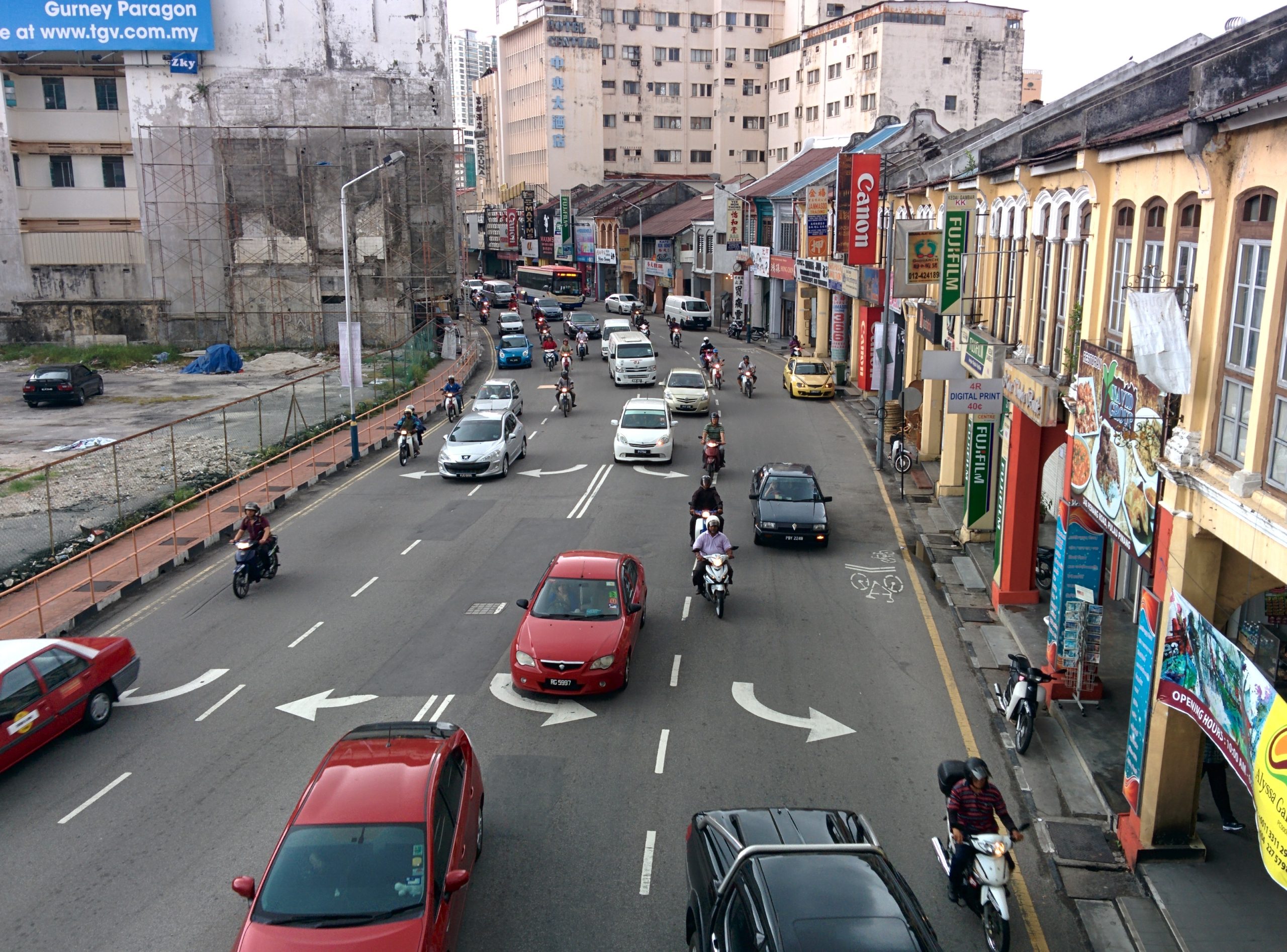
 Located in Southeast Asia, Malaysia is one of the founding partners of the ASEAN Trade Bloc. It was created to boost economic coherence and fluidity within the region. Following the challenges posed by the aftermath of COVID-19, the trade bloc has witnessed a consistent resurgence in Gross domestic product (GDP) growth. With a population exceeding 34 million, Malaysia has emerged as a developing economic powerhouse in the region, emphasizing its strengths in agriculture, industrial processes and the service sector.
As a Commonwealth country, Malaysia boasts one of the most diverse population demographics. This article will delve into a small charity initiative, the Che Hoon Khor Moral Uplifting Society, within the Penang community on Malaysia’s west coast. Penang, a vibrant island, has long been recognized as a focal point for generations of Chinese migrant families who now consider Malaysia their home.
Malaysia’s Public Health Care System
Malaysia’s public health care system ranks third internationally in reliability, funded by citizens through tax, providing affordable services. However, long waiting lists have become the norm due to understaffing issues. The issue is still prominent despite government efforts to raise funding as of 2023 with $7.9 billion compared to $7.1 billion as of 2022. As a result, families with urgent medical issues often have to opt for private health care despite difficulties affording it. This is where organizations such as the “Che Sui Khor Moral Uplifting Society” come in to help families.
Through religion, the Moral Uplifting Society helps instill a sense of calmness amid uncertainty and change for struggling families. These families are dealing with various issues, such as not being sure if they will receive their paycheck next month. They are coping with the stress and guilt of being unable to provide their children with necessities so that they can have a normal childhood.
The Che Hoon Khor Moral Uplifting Society
The Che Hoon Khor Moral Uplifting Society was founded in China in 1954 and later expanded to Malaysia and Singapore, becoming a significant force in charitable activities. Countless volunteers aged 30 to 90 are the driving force behind the society’s charitable work. Many of them have dedicated their lives to donating their money and time to travel across different parts of Southeast Asia and help those in need.
Interview With Madame Ooi
Madame Ooi has spent more than a decade with the group and acknowledges how hard it is to sympathize with what people go through. “The fact is that none of us will know what they go through unless we had the same upbringing as them,” she stated.
Working alongside the group, she has been able to help different families through various struggles. Her efforts span organizing impactful food drives and raising money through charity balls and auctions.
The charity of the society impacts the local community by financing essential needs like school equipment, rent and emergency operations. It provides free meals and medical services for those in need. Additionally, it donates to the retired elderly to support their necessities.
The Boy Who Never Walked
One of Ooi’s most memorable moments working for the society was when she got to know one of the families applying for free medical help. A young couple who grew up in Penang had brought their 3-year-old boy to her office to fill out paperwork. The boy, who was born with a congenital disability, was carried by his dad. The doctors said that the umbilical cord had caused complications with the growth of his leg. The boy had never walked or run; with school coming up, they wanted him to be able to play with the other children. The boy was eager to run around, much like he had seen others in his neighborhood do. His parents had requested help to afford a free prosthetic leg for him, which would have cost them around $1200.
The organization paid for the boy’s prosthetic legs. Ooi recalls how she and the other staff members crowded around him eagerly outside the same corridor where he first arrived on his father’s shoulder. The doctor helped him put it on, and with the help of his parents, he got up. She remembers seeing the massive smile across his face as his parents guided his first steps and how the staff around her shared happy tears with her as they saw the boy and his family in joy over an incredibly intimate moment.
Conclusion
Although policies, schemes and government investments are helpful against poverty, they often fail to address each family’s unique challenges. Poverty is often looked at as the lack of money, which carries an element of truth. But money isn’t the entire recipe for the cure for poverty.
It is often up to these organizations, such as the Che Sui Khor Moral Uplifting Society, to ensure that their basic needs are met, not just financially but also supporting their emotional distress amid the challenges.
The charity section of the Uplifting Society continues to impact the local community of Penang, Malaysia. It supports more than 300 amputees annually by covering their medical expenses. This support enables children like the boy Ooi met to take their first steps into their future. The organization also helps guide those in need out of poverty by offering support and assistance through their work.
– Matthew Fung
Photo: Wikimedia Commons

Micro-Hydropower Dams Light the Way in War-Torn Myanmar
A Beacon of Hope in Conflict-Stricken Myanmar
Micro-hydropower provides a decentralized solution for communities in geographically isolated areas to build and manage their own standalone power systems where traditional electricity grids and infrastructure are inaccessible. This offers much-needed lighting for homes and energizes essential services like health care facilities, schools and water pumps, improving living standards and promoting community development. Micro-hydro projects can be constructed and maintained with local materials and expertise, reducing dependence on external aid and fostering a sense of ownership within the community. This empowers individuals and communities to take charge of their own development trajectory.
The World Bank estimates that around 736 million people globally lacked access to electricity in 2020, with a significant portion residing in conflict-affected regions. Traditional grid extension is often impractical in these areas due to security concerns and damaged infrastructure. However, micro-hydropower dams emerge as a viable alternative, offering a localized and sustainable solution for communities seeking to rebuild their lives. Micro-hydropower plants require minimal infrastructure compared to traditional grid connections, making them suitable for remote areas with difficult terrain or damaged electrical grids. This allows for quicker restoration of basic necessities and paves the way for future development.
Fostering a Sustainable Future
Beyond basic needs, micro-hydropower dams are igniting economic opportunities in war-torn Myanmar. The availability of electricity empowers local businesses, from small shops and workshops to agricultural processing units. This fosters income generation, creates jobs and stimulates the local economy, providing a pathway towards sustainable development and poverty alleviation.
Furthermore, micro-hydropower dams contribute to environmental sustainability. Unlike fossil fuel-based generators, often used in conflict zones due to their portability, micro-hydro plants produce minimal greenhouse gas emissions and air pollution. This aligns with Myanmar’s growing commitment to environmental protection and its efforts to rebuild sustainably. Micro-hydropower leverages a renewable resource, reducing reliance on fossil fuels and contributing to a cleaner environment.
Additionally, micro-hydropower can contribute to long-term stability and peacebuilding efforts by fostering self-reliance and economic empowerment. Micro-hydro projects can serve as a focal point for community development, bringing people together to work towards a common goal. This promotes social cohesion and creates a sense of shared purpose, paving the way for lasting peace and reconciliation.
Conclusion
In the face of immense challenges, the communities in war-torn Myanmar are demonstrating remarkable resilience. By embracing innovative solutions like micro-hydropower, these communities are a testament to the human spirit’s unwavering pursuit of a brighter future powered by their own ingenuity and the force of nature.
– Vincenzo Marino
Photo: Flickr
Advancing Women’s Rights in Andorra
Andorra, nestled between France and Spain, this small European country has taken significant strides to ensure that women have equal opportunities and protections under the law. Central to this endeavor are various pieces of legislation aimed at combating discrimination, protecting against violence and promoting gender parity across different spheres of society.
Andorra’s Legislative Framework
In 2022, the country took a significant step toward gender equality by enacting a law aimed at ensuring equal treatment and opportunities for women and men, thereby prohibiting gender-based discrimination. Moreover, this landmark legislation outlines measures to foster gender parity across employment, education and public spheres. It underscores Andorra’s commitment to a society where individuals are valued for their skills and contributions, regardless of gender.
Combating Domestic Violence and Sexual Harassment
Addressing the scourge of domestic violence, Andorra has implemented robust legal measures to protect victims and hold perpetrators accountable. The Law on Domestic Violence Prevention and Protection provides a legal framework for addressing domestic violence and ensuring the safety and well-being of survivors.
Furthermore, Andorra’s laws clearly outline how to report incidents, obtain protection orders and access support services, showing its firm stance against domestic violence. The country also combats sexual harassment through legislation, ensuring victims have routes for action and remedy. This approach underscores Andorra’s commitment to creating a respectful, intimidation-free environment where survivors receive the support needed to pursue justice and rebuild their lives.
In addition, Andorra has enacted laws against sexual harassment, covering workplaces and other environments to give victims routes for action and remedy. These laws define sexual harassment, outline reporting processes and aim to foster a culture of respect, ensuring everyone’s right to work and live free from harassment and fear.
Promoting Gender Equality in Politics and the Workplace
In 2021, Andorra made strides in political gender equality by implementing legal amendments that aligned with CEDAW Committee recommendations. These changes mandate a gender quota, requiring that each electoral list includes at least 40% of candidates from each gender, promoting balanced representation in democratic institutions.
Moreover, the Law on Political Parties mandates that political parties actively promote gender equality within their organizations. This may include measures such as ensuring gender balance in party leadership positions and candidate lists for elections. Andorra promotes women’s voices and perspectives in its decision-making processes by advocating for increased political presence.
Furthermore, labor laws in Andorra also play a crucial role in advancing women’s rights and gender equality. These laws prohibit discrimination in employment based on gender and ensure equal pay for equal work. By prohibiting employers from discriminating against women in hiring, promotion or terms and conditions of employment, the nation seeks to create a level playing field where individuals are judged based on their skills and qualifications rather than their gender.
Safeguarding Family and Social Rights
Furthermore, Andorran family law includes provisions aimed at safeguarding the rights of women and children within the family unit. These provisions address issues such as marriage, divorce, child custody and parental rights, with an emphasis on promoting equality and protecting the interests of vulnerable individuals.
In addition, Andorra has made notable progress in advancing women’s rights and gender equality through a series of progressive laws and initiatives across society. By implementing legislation to address discrimination, prevent violence and ensure gender parity, Andorra reaffirms its commitment to building an equitable society where everyone, irrespective of gender, can achieve their highest potential.
– Rhys Woodward
Photo: Unsplash
Nkosinathi Sithole and Food Poverty in South Africa
The Novel and Food Poverty in South Africa
The narrative takes place in a rural community in Lesotho. It follows the fictional character, Priest, who loses his job as a farmhand due to poor farming conditions. This situation highlights the widespread problem of food poverty. This scenario underscores the standard explanation of food poverty. Inadequate agricultural conditions in Lesotho make crop cultivation challenging, leading to repercussions like unemployment.
Sithole’s connection to Southern Africa, his birthplace and hometown, enriches the narrative with firsthand insights into food poverty and the urgent need for change. Despite awareness of this issue, the United Nations (U.N.) predicts that an estimated 27.4 million people in the region will face food insecurity in the next six months, indicating the persistent and unresolved nature of the problem for the future.
Evidence for Improvement in Lesotho
Given the significant implications of food poverty in South Africa, it is evident that efforts for increased food security are imperative. Hence, the work of the WFP comes into play. Established in 1961, the organization addresses hunger by offering food and cash assistance to nations grappling with food scarcity. As an international entity, the WFP endeavors to enhance food conditions across various countries and territories. Notably, the charity’s impact is substantial, with 20 million children receiving nutritious meals, snacks and takeaway rations in 2022, underscoring its success in providing food aid on a global scale.
The Future of Food Poverty in Lesotho
The WFP highlights chronic malnutrition as particularly severe among children under 3. This has often resulted in stunted development and potential growth impairment. Dedicated to fostering change and future prosperity, the WFP prioritizes babies, children and young people.
The organization supports the government’s school meal programs and provides food to 60,000 students in schools and Early Years centers. This critical initiative aims to build a brighter future for younger generations. It aims to ensure increased access to food and adequate nutrition.
Just as the poverty-stricken community in Sithole’s novel finds unity and hope, the WFP is committed to reversing food poverty in South Africa. The organization assists hungry communities, improving development, health and stability.
– Amelie Bunce
Photo: Unsplash
Possible Health Reducing Poverty in Rural Nepal
Founding
Possible Health traces its roots back to 2008, when Maru, Dr. Sanjay Basu, Dr. Jason Andrews and public health expert Bibhav Acharya realized the dire need for accessible and affordable health care in rural Nepal. When confronted by the limitations of traditional aid models, these men envisioned a more holistic approach to health care delivery.
This approach would address immediate medical needs and the underlying factors contributing to poor health outcomes and poverty in rural Nepal. Therefore, Possible Health was created with the fundamental vision that health care is a human right, regardless of one’s socioeconomic status or geographic location.
Health Care For All
In remote rural Nepal, the initiative’s operations are strategically placed clinics managed by a dedicated team of local healthcare workers, including doctors, nurses and community health workers. These clinics serve as essential centers of health and healing, offering specialized medical care that meets the unique healthcare needs of the local population. In addition, these clinics also contribute to reducing poverty by improving the overall health and productivity of the community.
One fundamental aspect of Possible Health’s approach lies in its commitment to harnessing technology to overcome geographical barriers and enhance healthcare accessibility in rural Nepal. Through the implementation of mobile health solutions, for example, healthcare workers can easily communicate, gather data and coordinate patient care, even in the most isolated regions. This innovative use of technology increases the efficiency of health care delivery and ensures that every individual in rural Nepal, regardless of their remoteness, receives the care they urgently need.
Empowering Communities for Sustainable Change
Beyond providing these healthcare services, Possible Health is deeply committed to fostering sustainable change and empowering communities to take charge of their own health and well-being. By training and employing local healthcare workers, for example, Possible Health creates opportunities for economic prosperity and self-reliance to help individuals and families out of poverty.
In addition, the foundation actively involves community members in decision-making processes, ensuring that all programs are responsive to local needs in rural Nepal. Possible Health’s efforts in reducing poverty in rural Nepal have had a significant impact beyond its clinics’ walls. The organization has initiated programs focused on education and community development, building a foundation for long-term prosperity and resilience. By addressing the root causes of poverty and inequality, Possible Health is improving health outcomes and creating opportunities for individuals and communities to thrive.
Poverty Reduction
By prioritizing preventive health care through services such as maternal and child health check-ups and immunizations, Possible Health empowers individuals with the knowledge and tools to maintain good health. This approach reduces the financial burden of preventable illnesses and helps lift households out of poverty.
Additionally, by training and employing local healthcare workers and involving community members in decision-making processes, Possible Health creates economic opportunities and fosters self-reliance, contributing to long-term prosperity and reducing poverty in rural Nepal.
The Path Forward
As Possible Health continues to expand its reach and impact, the organization remains committed to its founding principles. With a visionary team guiding the organization and a network of dedicated supporters, Possible Health can make even more significant steps toward reducing rural Nepal’s poverty. By utilizing the power of health care as a force for change, the program is paving the way for a brighter and healthier future for individuals in rural Nepal.
– Olivia Pitrof
Photo: Flickr
Che Hoon Khor Moral Uplifting Society: Impact in Malaysia
As a Commonwealth country, Malaysia boasts one of the most diverse population demographics. This article will delve into a small charity initiative, the Che Hoon Khor Moral Uplifting Society, within the Penang community on Malaysia’s west coast. Penang, a vibrant island, has long been recognized as a focal point for generations of Chinese migrant families who now consider Malaysia their home.
Malaysia’s Public Health Care System
Malaysia’s public health care system ranks third internationally in reliability, funded by citizens through tax, providing affordable services. However, long waiting lists have become the norm due to understaffing issues. The issue is still prominent despite government efforts to raise funding as of 2023 with $7.9 billion compared to $7.1 billion as of 2022. As a result, families with urgent medical issues often have to opt for private health care despite difficulties affording it. This is where organizations such as the “Che Sui Khor Moral Uplifting Society” come in to help families.
Through religion, the Moral Uplifting Society helps instill a sense of calmness amid uncertainty and change for struggling families. These families are dealing with various issues, such as not being sure if they will receive their paycheck next month. They are coping with the stress and guilt of being unable to provide their children with necessities so that they can have a normal childhood.
The Che Hoon Khor Moral Uplifting Society
The Che Hoon Khor Moral Uplifting Society was founded in China in 1954 and later expanded to Malaysia and Singapore, becoming a significant force in charitable activities. Countless volunteers aged 30 to 90 are the driving force behind the society’s charitable work. Many of them have dedicated their lives to donating their money and time to travel across different parts of Southeast Asia and help those in need.
Interview With Madame Ooi
Madame Ooi has spent more than a decade with the group and acknowledges how hard it is to sympathize with what people go through. “The fact is that none of us will know what they go through unless we had the same upbringing as them,” she stated.
Working alongside the group, she has been able to help different families through various struggles. Her efforts span organizing impactful food drives and raising money through charity balls and auctions.
The charity of the society impacts the local community by financing essential needs like school equipment, rent and emergency operations. It provides free meals and medical services for those in need. Additionally, it donates to the retired elderly to support their necessities.
The Boy Who Never Walked
One of Ooi’s most memorable moments working for the society was when she got to know one of the families applying for free medical help. A young couple who grew up in Penang had brought their 3-year-old boy to her office to fill out paperwork. The boy, who was born with a congenital disability, was carried by his dad. The doctors said that the umbilical cord had caused complications with the growth of his leg. The boy had never walked or run; with school coming up, they wanted him to be able to play with the other children. The boy was eager to run around, much like he had seen others in his neighborhood do. His parents had requested help to afford a free prosthetic leg for him, which would have cost them around $1200.
The organization paid for the boy’s prosthetic legs. Ooi recalls how she and the other staff members crowded around him eagerly outside the same corridor where he first arrived on his father’s shoulder. The doctor helped him put it on, and with the help of his parents, he got up. She remembers seeing the massive smile across his face as his parents guided his first steps and how the staff around her shared happy tears with her as they saw the boy and his family in joy over an incredibly intimate moment.
Conclusion
Although policies, schemes and government investments are helpful against poverty, they often fail to address each family’s unique challenges. Poverty is often looked at as the lack of money, which carries an element of truth. But money isn’t the entire recipe for the cure for poverty.
It is often up to these organizations, such as the Che Sui Khor Moral Uplifting Society, to ensure that their basic needs are met, not just financially but also supporting their emotional distress amid the challenges.
The charity section of the Uplifting Society continues to impact the local community of Penang, Malaysia. It supports more than 300 amputees annually by covering their medical expenses. This support enables children like the boy Ooi met to take their first steps into their future. The organization also helps guide those in need out of poverty by offering support and assistance through their work.
– Matthew Fung
Photo: Wikimedia Commons
Internet Economy in Liberia
/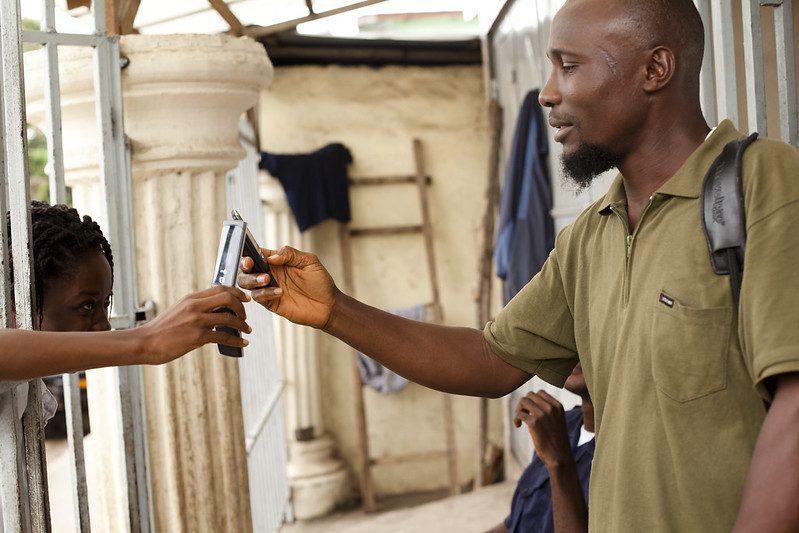 Currently, 1.05 billion people live in internet poverty and Africa has one of the highest populations of people without access to the internet. The internet is now ubiquitous to the economy, whether measuring the global economy or the more immediate economy of one’s home. Technology has infiltrated day-to-day life so that it is now nearly impossible to live without having access to the web.
The benefits should quickly spread around. That was the case in Liberia until 2018, when political and economic opportunists sanctioned data liberties to benefit the producer over the consumer in the internet economy in Liberia. In developing countries like Liberia, where access to the web means the difference between struggle and survival, uncovering accessible routes for progress is crucial. The internet economy is vast, providing abundant resources, enough for everyone to benefit.
Extended Economy
Extended Economy is a term used to denote factors not generally associated with one’s economic standing. Traditional factors include access to medical care, clean water, nutritious food, clothing and shelter. One’s extended economic standing contains items such as the state of war surrounding the individual, mental state, assistance for mental health and, yes, access to the internet.
The internet economy is measured by a set of standards called the IPI (Internet Poverty Index). Three standard pillars are used to judge the health of internet access in any given area: Quantity or how much data a community needs to thrive; Quality, indicating the value of connection required to sustain access; and Affordability, how much it will cost the community member to gain access to the internet.
How the Internet Benefits the Economy
A healthy internet economy increases job availability. This is because employers can find new employees in a larger pool than they would typically have access to and because the internet creates new job opportunities. Through the internet, citizens have opportunities to become technological support specialists, remote language tutors and much more. Of course, opportunities wouldn’t exist without proper education, which citizens also access through the internet.
Another economic benefit is access to digital currency, which allows employees to receive payment quickly and in a form used in multiple economies. Digital currencies allow companies to broaden their scopes and interact in more varied trade arrangements. Furthermore, digital currency sets an easily converted standard and will enable countries with vastly different backgrounds to benefit from each other’s economies mutually.
Obstacles to Internet Inclusion
One of the major obstacles to internet inclusion is access and the major barrier to access is the price of that access. In Liberia, where those in extreme poverty survive on less than $2 a day, the internet is not within the scope of reality. As of 2023, the average cost for 1G (gigabyte) of data in Liberia varies depending on the internet service provider, but it is generally estimated to be around $2.63. For comparison, the average American will blow through a gigabyte of data in less than an hour, streaming music and video and playing mobile games.
In some cases, political policy can be a challenge to accessing the internet. For example, in 2019, during protests against government corruption, policymakers in Liberia blocked internet access. They specifically blocked access to popular social media platforms like Facebook, WhatsApp and X to control the narrative of the events happening in the country then.
The Good News & What Can You Do
Some individuals and organizations are striving to bring about positive change in places such as Liberia and one of their goals is to improve its internet economy. “The Alliance for Affordable Internet” is working to pressure companies to lower their internet costs and encourage competition among them by supporting those offering services at more affordable rates. Similarly, “The Business and Human Rights Resource Center” and “Access Now” work to publicize and prevent unfair governmental actions against Liberians and protect their digital liberties.
– Antonio Muhs
Photo: Flickr
Tearfund’s Impact in the Democratic Republic of Congo
Tearfund’s Initiatives for Change
Since 1986, Tearfund has been active in the DRC, engaging in peacebuilding, humanitarian aid and community development efforts. The organization’s on-the-ground efforts include providing supplies and practical support, along with disaster risk reduction activities to strengthen community resilience. Key funding sources for Tearfund include the United States Agency for International Development (USAID) and U.K. Aid Match, among others.
Addressing Water Scarcity and Sanitation Needs
Nearly 8 million people in the DRC lack access to clean water and sanitation. Tearfund’s Water, Sanitation and Hygiene (WASH) projects provide sustainable access to safe water and sanitation, which is crucial to rural communities. The organization has undertaken various projects, encompassing initiatives such as constructing 10 drinking water points and training local volunteers to oversee its management.
In addition, 6,195 households have been equipped with water kits, enabling them to treat drinking water while awaiting the functionality of the new points. The organization has also directed financial resources toward impactful endeavors, exemplified by a £100,000 (about $128,000) grant from the Scottish Government directed to Maniema. This allocation of funds has played a pivotal role in extending access to clean and safe water, benefitting nearly 45,000 individuals in the region.
Innovative Waste Management and Sustainability Efforts
There are no proper waste collection points in Kinshasa, the capital city, with locals dumping rubbish into the river. This plastic is also used as flood defense as the river often floods. In response, Tearfund’s local partner in Kinshasa runs a program reusing plastic waste, which cleans up the city and provides job opportunities for locals who collect and transform plastic into government-approved tiles.
In addition, this initiative has enabled turning discarded plastic into marketable goods such as paving stones, bricks, brooms and bags. Another way it helps deal with waste is by supporting sustainable farming, offering seeds, tools and training to reduce dependency on external aid. Through government funding and donations, Tearfund’s work in DRC has been a lifeline for those who live there.
Through three decades of commitment, the nonprofit has actively engaged in peacebuilding, humanitarian aid and community development, playing a crucial role in a country marked by decades of civil war and instability.
Looking Forward
Tearfund’s impact in the Democratic Republic of Congo (DRC) illuminates a path of hope and resilience amidst challenges. Through innovative water sanitation projects and waste management initiatives, it is not just improving immediate living conditions but also laying the groundwork for sustainable development. Above all, as Tearfund continues its dedicated efforts, the future holds promise for enhanced community well-being and environmental stewardship in the DRC.
– Jack Timmins
Photo: Flickr
The International Black Women’s Institute of Public Policy
Global aid is crucial for all communities, with a particular emphasis on those facing marginalization. A survey conducted in 2021 by the United Nations Development Program (UNDP) in conjunction with the Oxford Poverty and Human Development Initiative revealed that 109 countries are grappling with extreme poverty. Among them, Sub-Saharan Africa contains 42 countries, a region frequently marginalized globally. When problems such as poverty arise, policymakers implement specific initiatives to eradicate them through public policy implementation.
International Black Women’s Institute of Public Policy
The nonprofit International Black Women’s Institute of Public Policy is in Washington. The group aims to assist marginalized groups, especially Black communities worldwide. Established in 2009 by two experienced professionals in aid and development, Barbara A. Perkins and Ka Flewellen, the initiative operates under the belief that even small-scale efforts can have far-reaching impacts worldwide.
Perkins was a member of the National Council of Negro Women in 1995 and participated in the Beijing Conference on Women. Flewellen collaborated with women in Cairo on issues such as natural disasters and influencing United States (U.S.) immigration policy affecting women departing from Cairo. The primary purpose of this group is to help Black women and others through public policy efforts and external support.
What Types of Public Policy Do They Focus On
The nonprofit organization centers its efforts on five key policy areas: economics, education, health and wellness, human trafficking and violence against women. In 2015, the group raised concerns about equitable pay for women during a policy forum held over a Congressional meeting weekend for the Congressional Black Caucus. The organization hosts an annual public policy gathering as part of the Congressional Black Caucus conference. Attendees include women leaders from the Caribbean, Africa and other nations.
The objective of these gatherings is to generate policy papers addressing relevant issues. In October 2021, the organization published three policy papers, one of which focused on “Achieving Economic Security and Inclusion for Black Women.”
Programs and Initiatives
The International Black Women’s Institute of Public Policy has sponsored and collaborated on numerous programs to assist Black women and other marginalized groups. The organization has established a robust network to support individuals affected by natural disasters. In 2010, the “Boots on the Ground Initiative” to aid those in need.
The program aims to provide footwear, including shoes and boots, to countries afflicted by natural disasters such as floods, enabling individuals to navigate muddy and waterlogged terrain. Additionally, during the 2019 hurricane season, particularly Hurricane Dorian in the Bahamas, the organization facilitated humanitarian aid efforts. In collaboration with Med Share, it donated assistance to 200 affected families in the region.
The nonprofit is also involved in a program addressing the water crisis in Haiti. Despite many water systems in the country, a World Bank report from 2022 reveals that approximately 90% of them are not functioning correctly.
The International Black Women’s Institute of Public Policy collaborates with another nonprofit organization called “Community2Community” (C2C), established in 2010, to assist Haiti in building a sustainable and thriving community in their region. The nonprofit is working with C2C to raise and allocate funds for them to complete the third and fourth phases of its Health and Sanitation initiative, which started around the Mountainside Partner Community.
A primary objective is to establish a water distribution system in the region. The project is currently in its third phase, with plans to construct a pump house powered by solar energy to facilitate water pumping to the mountaintop. The organization also established the Dorothy I Height Global Leadership Academy (DIHGLA) to uplift disenfranchised Black women. Named after the esteemed Black activist Dorothy I Height, the program equips Black women with the skills and knowledge to become global advocates and leaders. Emphasizing character development, cultural competence and gender diplomacy, the program empowers participants to make meaningful contributions worldwide.
– Madison McCray
Photo: Flickr
HelpAge International Assists Seniors in Ukraine
Elderly poverty affects many seniors. War intensifies this in Ukraine. Since the beginning of Ukraine’s conflict with Russia, the rights of older people have been threatened. Seniors in Ukraine have been struggling to gain access to necessities such as food, water and hygienic facilities, all the while coping with the loss of their homes and loved ones. While temporary shelters dedicated to the care of elders have been opened, many of them are inaccessible to those with disabilities, causing many to be turned away. Now, more than ever, older people in Ukraine need aid and “HelpAge International” has made helping them its priority.
Seniors in Ukraine Lack Access to Necessities
It was reported that 56% of older people in Ukraine could not cover the cost of their basic needs, such as food, water, clothes and health care expenses. The cost of living in Ukraine has increased by 27% since the beginning of the conflict. This has only exacerbated the constraints of elderly poverty on Ukraine’s older demographic.
HelpAge International, a nonprofit organization that works to improve the lives of older people worldwide, has sprung into action to combat these issues. More than 14,000 older adults in Ukraine have received monetary assistance from HelpAge. The distributed funds were enough to cover the cost of necessities for three months. On top of this, HelpAge distributed 20,000 hygiene kits and 39,000 food kits to people in Ukraine, which helped alleviate some of the stress brought on by the war and elderly poverty.
Assistance for Seniors With Disabilities in Ukraine
Many Ukrainian seniors with disabilities are facing unique challenges. Due to transportation difficulties, it has become harder for them to evacuate during emergencies. Even after they have been relocated to safer areas of Ukraine, older people with disabilities still struggle to access housing and health care services. There have been reports that many refugee shelters lack ramps, making them inaccessible to individuals who use wheelchairs and thus, they have to be turned away.
HelpAge International has taken the steps to mitigate these issues. Nearly 7,600 older people with disabilities have received assistive products such as canes, toilet chairs, walkers and crutches through the organization. The nonprofit also helped initiate the conversation about the importance of accessible environments. Victoriia Panchenko, a leader within the organization, said HelpAge was happy “to contribute to long-term solutions that will make the environment accessible and age-inclusive and services more adapted to (older people’s) diverse needs.”
Mental Health
The mental impacts of war are difficult to cope with, especially for older people. About 55% of older people in Ukraine reported that the war had an emotional effect on them. They cite reasons such as loneliness, isolation and the loss of loved ones. To provide older people in Ukraine with mental health support, HelpAge International supports numerous community safe spaces across Ukraine. These safe spaces help older people come together and get support for their unique circumstances. They receive psychosocial and legal counseling as well as socialization services.
Conclusion
Elderly poverty can be difficult to navigate, especially during a time of conflict. Right now, older people in Ukraine desperately need humanitarian aid. Thankfully, HelpAge International has provided them with various assistance, from financial to mental health support. There is still a lot to be done as the conflict in Ukraine continues.
– Kimber Peters
Photo: Pexels
Mercy Corps in Kyrgyzstan
Mercy Corps Efforts in Kyrgyzstan
In 1994, Mercy Corps began its poverty-alleviating efforts in Kyrgyzstan, becoming one of the first nongovernmental organizations (NGOs) to work there. An international organization that operates in more than 40 countries, Mercy Corps focuses on helping people in conflict and disaster areas by providing emergency relief, improving child nutrition and building secure communities among the most vulnerable members of a country’s population. In 2023 alone, it reached 30 million people worldwide.
In Kyrgyzstan, Mercy Corps has cooperated with the United Kingdom (U.K.), the United States (U.S.) and the European Union (EU) Governments, as well as donor organizations and private foundations. They aim to address child poverty, provide disaster relief, improve access to clean water and sanitation and more. Here are all the significant strives Mercy Corps has made to support poverty-alleviating efforts in Kyrgyzstan:
Conclusion
Though one-fifth of the Kyrgyz population still lives on less than $1.3 a day, Mercy Corps poverty-alleviating efforts in Kyrgyzstan since 1994 have been monumental. Its approach of integrating a mix of advocacy, capacity building and resource distribution through its programs helps tackle poverty, nutrition and sanitation issues. Additionally, it helps provide emergency relief to the most vulnerable parts of the population in times of crisis.
– Jay Kosumi
Photo: Wikimedia Commons