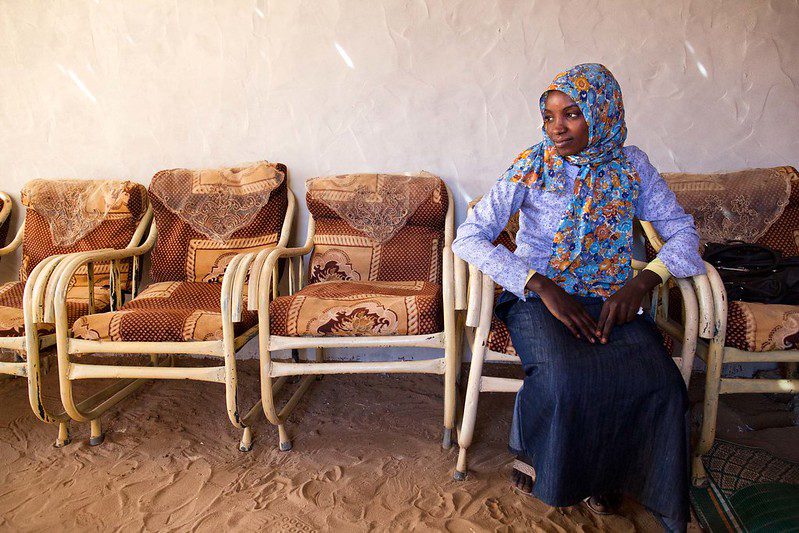
 Child marriage (CM) violates human rights and has detrimental effects on the lives and welfare of girls. Although there are legal prohibitions against the marriage of underage girls, cultural and social norms often take precedence over these enforced laws. However, nonprofit foundations and organizations are working toward eradicating the practice worldwide.
Among them is CARE, a nongovernmental organization that started in 1945 after Arthur Ringland and Dr. Lincoln Clark advocated for the establishment of a nonprofit entity designed to transfer food packages from America to Europe during World War II (WWII). Throughout the years, CARE developed other aid initiatives serving crises in response to changing global political dynamics, including the Berlin Blockade and the Korean War.
In 1982, programs for women’s advancement were established in Bangladesh. Similarly, in 1993, CARE targeted its efforts into prioritizing the empowerment of girls and women to tackle poverty. Today, the nonprofit works in up to 109 countries worldwide and has become a global organization working toward gender justice, among other causes.
CARE’s Approach
CARE has approached the fight against child marriage through a primary program called “Tipping Point.” The initiative was implemented from 2013 to 2023, in Bangladesh and Nepal in South Asia and adapted in West Africa, Mali, Niger and Northern Syria in the Middle East and North Africa (MENA) region. The program consisted of three phases.
The first phase, which lasted for four years, prioritized innovations and learnings by engaging adolescents and parents in sessions in which open dialogue was encouraged. A central effort in this phase was to challenge deep rooted harmful social norms related to CM. During weekly sessions with separate groups of girls and boys, the kids were encouraged to self-reflect and think about love, their strengths and their dreams, as well as unequal social norms such as girls’ mobility, division of labor, restrictions on girls and risks of Child marriage.
Additionally, boys worked on reflecting on their masculinity. The sessions with the mothers were focused on reproductive health, family planning and also their own agency. Part of these sessions included discussions about their relationships with the children and generally building soft skills within connections at the family level.
Second Phase
The second phase, which lasted three years, invested in creating spaces for all community members to reflect on the unequal social norms. Suniti Neogy, CARE’s Senior Technical Advisor, says that work at the community level was also a crucial part of the program, working toward changing norms around issues that girls grappled with, such as mobility and access to education.
Sessions were also held with religious leaders, school teachers and government officials on reflections on issues of equality, workload, sexual health, virginity and honor, including the risks and benefits of CM. CARE’s fight against CM begins with opening the dialogue among and between the families and the girls. “If you work on girls’ or women’s empowerment, but you don’t work with the families or you don’t work with the community around them, it’s not easy to change that,” says Neogy.
The third and final phase of “Tipping Point,” also lasting three years, used experience from the previous two phases to advocate for policies addressing core factors propelling the practice of CM. The final phase also connected girls with women’s rights organizations so they could find support beyond the program.
Challenges
Neogy says a primary challenge when fighting CM is how “everybody thinks that we are there to stop Child Marriage.” According to her, the question “How many child marriages did you stop?” is frequently asked in government forums. “If her confidence is not built, if she’s not even able to speak for herself, if she continues to have no agency, it will not make a difference in her life if she’s married today or tomorrow,” stated Neogy.
According to Neogy, prevention is the only way to combat Child Marriage. She says the work has to be done with different sectors and different stakeholders so that “from all sides, it’s the same language that is spoken.”
CARE’s Director of “Tipping Point,” Serkadis Amassu, says that combating CM with law reforms has not worked. She states that the practice is highly intrinsic to social and gender norms, with some communities in South Asia believing that marrying girls will bring respect to the family and save them from potential disgrace if the girl becomes pregnant before marriage.
Girls in Action
Girls in Action is also a part of CARE’s gender transformative program. The model brought together girls from different communities in Bangladesh and encouraged them to identify an issue in their community that hindered them from achieving their dreams and aspirations.
Through surveys, the girls collected data regarding that issue within their communities and they then presented it to the parents and other community members. Neogy says activities like this encouraged the girls to speak out, negotiate with their parents and build a relationship between the girls.
Success Story
CARE’s “Tipping Point” program concluded in December of 2023. However, its accomplishments toward bettering the lives of girls and adolescents still linger in the communities. Data published by the organization shows a reduction of CM by 63% in girls who attended 36 to 40 “Tipping Point” sessions in Bangladesh, the country with the fourth most cases of CM worldwide.
Overall, CARE’s published results show a favorable shift in social norms concerning girls’ freedom and agency, as well as a betterment of collective community efforts to uphold girls’ rights over time across various sectors.
– Paula Pujol-Gibson
Photo: Flickr

CARE’s Work Toward Ending Child Marriage
Among them is CARE, a nongovernmental organization that started in 1945 after Arthur Ringland and Dr. Lincoln Clark advocated for the establishment of a nonprofit entity designed to transfer food packages from America to Europe during World War II (WWII). Throughout the years, CARE developed other aid initiatives serving crises in response to changing global political dynamics, including the Berlin Blockade and the Korean War.
In 1982, programs for women’s advancement were established in Bangladesh. Similarly, in 1993, CARE targeted its efforts into prioritizing the empowerment of girls and women to tackle poverty. Today, the nonprofit works in up to 109 countries worldwide and has become a global organization working toward gender justice, among other causes.
CARE’s Approach
CARE has approached the fight against child marriage through a primary program called “Tipping Point.” The initiative was implemented from 2013 to 2023, in Bangladesh and Nepal in South Asia and adapted in West Africa, Mali, Niger and Northern Syria in the Middle East and North Africa (MENA) region. The program consisted of three phases.
The first phase, which lasted for four years, prioritized innovations and learnings by engaging adolescents and parents in sessions in which open dialogue was encouraged. A central effort in this phase was to challenge deep rooted harmful social norms related to CM. During weekly sessions with separate groups of girls and boys, the kids were encouraged to self-reflect and think about love, their strengths and their dreams, as well as unequal social norms such as girls’ mobility, division of labor, restrictions on girls and risks of Child marriage.
Additionally, boys worked on reflecting on their masculinity. The sessions with the mothers were focused on reproductive health, family planning and also their own agency. Part of these sessions included discussions about their relationships with the children and generally building soft skills within connections at the family level.
Second Phase
The second phase, which lasted three years, invested in creating spaces for all community members to reflect on the unequal social norms. Suniti Neogy, CARE’s Senior Technical Advisor, says that work at the community level was also a crucial part of the program, working toward changing norms around issues that girls grappled with, such as mobility and access to education.
Sessions were also held with religious leaders, school teachers and government officials on reflections on issues of equality, workload, sexual health, virginity and honor, including the risks and benefits of CM. CARE’s fight against CM begins with opening the dialogue among and between the families and the girls. “If you work on girls’ or women’s empowerment, but you don’t work with the families or you don’t work with the community around them, it’s not easy to change that,” says Neogy.
The third and final phase of “Tipping Point,” also lasting three years, used experience from the previous two phases to advocate for policies addressing core factors propelling the practice of CM. The final phase also connected girls with women’s rights organizations so they could find support beyond the program.
Challenges
Neogy says a primary challenge when fighting CM is how “everybody thinks that we are there to stop Child Marriage.” According to her, the question “How many child marriages did you stop?” is frequently asked in government forums. “If her confidence is not built, if she’s not even able to speak for herself, if she continues to have no agency, it will not make a difference in her life if she’s married today or tomorrow,” stated Neogy.
According to Neogy, prevention is the only way to combat Child Marriage. She says the work has to be done with different sectors and different stakeholders so that “from all sides, it’s the same language that is spoken.”
CARE’s Director of “Tipping Point,” Serkadis Amassu, says that combating CM with law reforms has not worked. She states that the practice is highly intrinsic to social and gender norms, with some communities in South Asia believing that marrying girls will bring respect to the family and save them from potential disgrace if the girl becomes pregnant before marriage.
Girls in Action
Girls in Action is also a part of CARE’s gender transformative program. The model brought together girls from different communities in Bangladesh and encouraged them to identify an issue in their community that hindered them from achieving their dreams and aspirations.
Through surveys, the girls collected data regarding that issue within their communities and they then presented it to the parents and other community members. Neogy says activities like this encouraged the girls to speak out, negotiate with their parents and build a relationship between the girls.
Success Story
CARE’s “Tipping Point” program concluded in December of 2023. However, its accomplishments toward bettering the lives of girls and adolescents still linger in the communities. Data published by the organization shows a reduction of CM by 63% in girls who attended 36 to 40 “Tipping Point” sessions in Bangladesh, the country with the fourth most cases of CM worldwide.
Overall, CARE’s published results show a favorable shift in social norms concerning girls’ freedom and agency, as well as a betterment of collective community efforts to uphold girls’ rights over time across various sectors.
– Paula Pujol-Gibson
Photo: Flickr
Mental Health in the Gambia
The Gambia has long marginalized and stigmatized mental health, leading to a gradual rise in mental wellness crises within the nation. With a population nearing 2.8 million as of 2023, the Gambia possesses only one psychiatric hospital in the capital city of Banjul, referred to as Tanka-Tanka, alongside a singular psychiatric outpatient clinic catering to the entire populace. The Tanka-Tanka mental hospital accommodates 100 beds and employs 58 practitioners. These facilities shoulder the responsibility of addressing all documented cases of mental illness throughout the country.
Mental Health in the Gambia Is Still a Major Issue
Widespread societal attitudes that downplay or disregard mental health issues are pervasive in deeply religious nations, perpetuating stigma and discrimination against individuals grappling with such conditions. This trend notably occurs in the Gambia, a predominantly spiritual country. According to the Central Intelligence Agency World Factbook’s (CIA) 2022 publication, approximately 96.4% of the population identifies as Muslims, underscoring the notion that prevailing social perspectives have adversely impacted mental health perceptions in the Gambia.
In Gambian tradition, manifestations of mental disorders frequently get ascribed to spiritual assaults or alleged demonic possession. Unorthodox healing modalities address the presumed “Spiritual Root Cause” through religious and traditional approaches, such as herbal remedies or ceremonial purification rituals. Among these methods, traditional healers also practice soaking and ingesting Quranic verses inscribed on paper. Regrettably, these treatments often disregard the effectiveness of medical interventions.
In a 2015 paper authored by A. Sulaimon and published in the Journal of Health Care for the Poor and Underserved, The paper highlighted how cultural beliefs perpetuate myths suggesting that mental illness is contagious or that individuals struggling with such conditions are inherently violent and unstable. Consequently, this leads to the social ostracization and mistreatment of affected individuals, as families often conceal afflicted relatives to evade community stigma.
Additionally, there is a troubling surge in substance abuse among urban youths, primarily rooted in mental health challenges. The absence of specialized services for addressing drug and alcohol addiction exacerbates this issue. Furthermore, the prevalence of prostitution among young and underage girls, coupled with the underreported and unaddressed problem of sex trafficking, collectively compound the societal challenges impacting mental health.
Initiatives Addressing Mental Health Challenges
The World Health Organization (WHO), through its Mental Health Gap Action Programme (mhGAP), initiated in 2008 and the Mental Health Leadership and Advocacy Programme (mhLAP), introduced in 2010, has emphasized the necessity of expanding mental health services within the country. WHO acknowledges that the presence of sufficient mental health professionals and facilities is essential to address the needs of existing mental health patients adequately. Additionally, such expansion is crucial for implementing an effective early intervention and preventive care strategy.
Mobee Gambia, a Non-Governmental Organization (NGO) dedicated to assisting individuals with mental health challenges, has undertaken initiatives to address mental health concerns in the Gambia. In February 2024, the organization orchestrated an educational event and mental well-being promotion involving a cohort of young individuals. The event centered around the theme of drug and alcohol issues impacting the mental well-being of young people in our communities.
Mobee is currently in the planning stages of establishing offices for administrative purposes to facilitate the implementation of psychoeducation programs to enhance individuals’ physical, social, psychological and emotional health. Additionally, discussions are underway with the Gambia Red Cross and Wyce.org.uk. The collaboration aims to deliver mental health services and programs geared towards enhancing cognitive health in the Gambia.
Conclusion
The involvement of international organizations and government initiatives signifies a positive shift towards addressing mental health in Gambia. While progress may be gradual, the collective impact of various programs and assistance is poised to become increasingly evident over time.
– Olusegun Odejobi
Photo: Pixabay
Health Care in Paraguay: PAHO in the Department of Canindeyú
Canindeyú at Risk
Canindeyú has a current population of approximately 250,000 people, of which an estimated 38% live in poverty and 7.7% live in extreme poverty. Paraguay’s health care system has been characterized by fragmented provision and minimal public investment, leading to limited coverage and disparities in access and care quality.
Due to insufficient equipment, many small health care facilities in remote villages had to transfer all their patients. PAHO national consultant on health systems and services, Dr. Tatiana Fleitas, noted that the aftermath of the COVID-19 pandemic exacerbated the importance of strengthening local health care facilities in Paraguay.
Family Health Units to Regional Hospitals
The Maracana 2nd Frame family health unit has benefited from the PAHO initiative, which donated an electrocardiogram and a crash cart. This has helped stabilize patients who have heart attacks before they are transported to a hospital. Moreover, the Regional Health Directorate has hired additional doctors, which has allowed them to double the number of consultations per week.
The Regional Hospital of Salto del Guairá has also experienced a significant transformation with the introduction of new devices by PAHO. These innovations, such as refrigerators for vaccine storage, incubators for newborns and crash carts for emergencies, have revolutionized health care in the region. The refrigerators ensure the safe transportation and storage of vaccines, the incubators provide a nurturing environment for newborns and the crash carts enhance the hospital’s capacity to provide immediate care to adults and children.
In the remote community of Tekohá Y’ Apo, situated 125 kilometers away from Paraguay’s capital, a small pink wooden house with a tin roof, named Avá Guaraní ethnic group health post, stands as a testament to the transformative power of the PAHO initiative. For years, medical care in the area was scarce. However, thanks to the recent initiative, 31 health facilities, including hospitals, family health units and dispensaries, have significantly transformed, bringing quality health care closer to the community.
The impacts of PAHO are also felt on a personal level. The Tekohá Y’ Apo community health post nurse, Natalia Saucedo, now has the necessary medical tools to provide better care to her community. Saucedo’s words reflect these changes’ transformative effect: “Before, we had nothing and had to transfer the patient out of the community for any basic care. Now I have the equipment I need to do everything, including blood pressure checks and wound care.”
Conclusion
From individual nurses making house calls in their communities to regional hospitals caring for many patients, every medical facility deserves high-quality technologies and medicines to keep people safe and healthy. PAHO has shown that health care reform in Paraguay is achievable by improving the Department of Canindeyú medical facilities.
– Lilah Dees
Photo: Flickr
Top 5 Animations on Extreme Poverty
Rational Animations
A meticulously researched video delves into GiveDirectly, a program providing Unconditional Cash Transfers (UCT) to individuals in extreme poverty. Unlike other animations on extreme poverty, it uniquely highlights UCT. Accompanying the video is a fundraiser for GiveDirectly. The animation advocates for eradicating extreme poverty. Defined by the World Bank’s September 2022 international poverty line of $2.15 a day, by extending unconditional cash transfers to all individuals below this threshold.
The animated video highlights GiveDirectly’s positive impacts. A 2016 study by Francesca Bastagli and colleagues at the Overseas Development Institute finds cash transfers improve nutrition, health care and agriculture while boosting local economies. Moreover, adult beneficiaries dedicate similar durations to work, whereas children allocate more time to schooling. Furthermore, a 2020 study published in Econometrica by Denis Egger and co-authors reveals that for every $1,000 of UCT disbursed, a growth effect of $2,500 stimulated local economies while maintaining inflation at a mere 15%.
The article highlights the practicality of eradicating extreme poverty, as outlined by the Brookings Institution, which identifies a “Poverty Gap” of $100 billion. It represents the disparity between the resources possessed by the extremely poor and the amount required to lift each individual out of extreme poverty.
TED
Avi Ofer’s animation, “Why is it so hard to escape poverty?,” produced by TED, delves into the concept of welfare traps, a form of poverty trap. It advocates for Universal Basic Income (UBI) to eradicate global poverty. The video offers a comprehensive examination of poverty across the developing nations. While welfare programs in the developed world have supplanted anti-poverty initiatives previously administered by religious institutions, they often inadvertently create welfare traps. These traps reduce one’s net income upon employment, fostering dependency on welfare and hindering poverty alleviation efforts. Poverty traps and circumstances beyond the control of impoverished individuals perpetuate poverty cycles. Fortunately, UBI emerges as a proposed solution to eliminate all welfare traps and eradicate poverty universally.
Kurzgesagt – In a Nutshell
In the vibrant world of animation, a renowned German studio stands out for its captivating and meticulously researched videos. Supported by the Bill & Melinda Gates Foundation and in collaboration with Our World in Data, these colorful creations delve into pressing issues with both depth and creativity. Among their impressive repertoire are animations that offer insights into extreme poverty, presenting compelling narratives and thought-provoking solutions. One such animation, “Overpopulation & Africa,” delves into the complexities of family planning, health care access, contraception and education. Drawing parallels with successful models from Bangladesh in the 20th century, it offers a compelling vision for addressing population growth and poverty in Sub-Saharan Africa.
Population growth estimates for Sub-Saharan Africa display significant disparity. According to a 2019 United Nations (U.N.) report, the region is projected to reach a population of 2.6 billion by 2100. However, an International Institute for Applied Systems Analysis (IIASA) paper by Samir KC suggests a substantially higher figure of five billion by the century’s end. Despite a decrease in household size from 6.6 billion children in 1960 to 4.7 billion in 2017 sub-Saharan Africa still maintains a significantly higher birth rate than the global average, as per a 2017 U.N. paper. According to research by Track20, offering women universal access to contraception, health care and education could reduce population estimates to 2.8 billion by 2100. This approach has shown promise in Ethiopia, where improved health services have notably reduced child mortality rates from 20% in 1990 to 7% in 2015.
Positive Steps
Additionally, a 2018 study by Kaps, Alisa and colleagues from the Berlin Institute indicates that Ethiopia’s substantial investment of 30% of its annual budget in education led to a 25-fold increase in the number of schools over two decades. Africa, as a whole, has made significant strides toward these objectives. Moreover, contraceptive use, which stood at 16% in 1990, surged to 30% by 2014. The Most Gruesome Parasites – Neglected Tropical Diseases
“Neglected Tropical Diseases” (NTDs) shed light on the economic and health toll inflicted by these ailments on impoverished communities while also commending the global efforts to combat them. NTDs are highly treatable yet often neglected due to inadequate health care access and infrastructure.
However, the 2012 London Declaration aimed to eradicate 10 NTDs by 2020, with Western pharmaceutical firms funding the nearly $18 billion initiative. By 2015, more than 815 million individuals had access to medications for treating these diseases. One notable success story is the battle against Dracunculiasis, a parasitic worm that requires extraction over days or weeks. In 1985.
A Selfish Argument for Making the World a Better Place
“Egoistic Altruism” presents a compelling argument for lifting people out of poverty, framing poverty reduction as a global public good. In the pre-industrial revolution era, the world operated as a zero-sum game, where acquiring resources often necessitated conflict. However, the advent of the industrial age transformed the world into a positive-sum game. The animation contends that factors such as supply and demand and the presence of educated individuals capable of innovation enable the resolution of more challenges, leading to wealth creation and poverty reduction. Moreover, it posits that addressing global issues like cancer becomes more feasible when underprivileged children worldwide have access to higher education. This enables them to contribute to the economy as part of the middle class. Such a future, the video suggests, maximizes humanity’s research output, facilitating the resolution of additional global problems.
– Joey T. McFadden
Photo: Unsplash
Child Mortality Rate in Sub-Saharan Africa
Causes of Child Mortality in Sub-Saharan Africa
Children in Sub-Saharan Africa are 14 times more likely to die before the age of 5 than children in North America and Europe. The causes of these deaths vary and range from medical to socioeconomic factors. Medical causes range from birth asphyxia, preterm birth, neonatal causes, child pneumonia, malaria, diarrhea, HIV/AIDS and measles. Socioeconomic causes range from poverty, low levels of maternal education and inaccessible quality health care.
Other secondary causes that can be identified include inefficient neonatal health care and the lack of reliable data on the child mortality rate in Sub-Saharan Africa. Most countries in Sub-Saharan Africa do not register births and deaths of children. It is estimated that as many as half of newborns who die go unregistered. The implication is that newborns and their mothers are unreachable by national and regional policies and programs aimed at reducing the child mortality rate in Sub-Saharan Africa.
The Impact of GAVI Alliance Vaccine Programs
GAVI is an international nonprofit that partners with public and private sectors to save lives and protect people’s health by increasing the equitable and sustainable use of vaccines. It has made significant contributions to eradicating child mortality in Sub-Saharan Africa. Since its establishment in 2000, GAVI has disbursed nearly $5.9 billion to Sub-Saharan African countries, which has helped to reach more than 364 million children and averted more than 8.9 million potential child deaths in the region.
GAVI has been partnering with other international nonprofits, like the World Health Organization (WHO) and the United Nations Children’s Fund (UNICEF), since 2019 to implement the Malaria Vaccine Implementation Programme (MVIP) in Ghana, Kenya and Malawi. The malaria vaccine is administered in four doses to children at around five months of age. More than two million children have received the vaccine. This has led to a significant 13% reduction in all-cause mortality among eligible children.
As of February 2024, through its Zero-Dose Immunization Programme (ZIP), GAVI had successfully delivered one million life-saving vaccines to children across Ethiopia, Somalia, Sudan and South Sudan. These particular countries are located in the Horn of Africa. They are known to suffer from multiple crises. These include civil conflicts, food and water shortages, extreme droughts and flooding, making children vulnerable to vaccine-preventable diseases, resulting in a high child mortality rate.
Gavi’s Impact in Nigeria
As of 2014, in Nigeria, nearly 480 children per 100,000 died of pneumonia or other lower respiratory infections. That same year, with the support of GAVI, Nigeria launched the PCV vaccine as part of its routine immunization program. By 2019, the figure had decreased from 480 to 386 per 100,000. In 2022, Nigeria achieved 60% coverage with the final dose of the PCV vaccine.
Gavi’s Director of High Impact Countries, Tokunbo Oshin, highlighted that, in partnership with other international organizations, GAVI, as of 2023, has delivered 11.7 million doses of the highly effective pentavalent vaccine to children in Nigeria. The vaccine protects children from five life-threatening diseases, including diphtheria, pertussis, tetanus and hepatitis B.
It has also delivered a dose of the tetanus-diphtheria vaccine to more than 670,000 eligible children aged 4 to 14 years old across 18 high-burden local government districts in Kano State. Also, 75,000 zero-dose children aged less than 2 received their very first dose of the pentavalent vaccine.
Gavi’s Effort Against Rotavirus in Sub-Saharan Africa
GAVI’s support has been instrumental in the fight against rotavirus, a major cause of deadly diarrhea in children in Sub-Saharan Africa. The impact of GAVI’s vaccination programs is significant, with a reported prevention of 64% of severe rotavirus diseases during the first year of life in children in Sub-Saharan countries, including Ghana, Kenya and Mali.
In the first quarter of 2023, Kenya was hit with an outbreak of rotavirus, which was managed through the supply of vaccines from the National Vaccines and Immunization Program. In Mombasa County, 8,000 children have received vaccinations in Q1 2024. A target of 9,000 vaccinations has been set to help protect the future of children in Kenya.
Certainly, GAVI’s contribution to reducing the child mortality rate in Sub-Saharan Africa has not gone unnoticed. Its continued partnership with other international organizations will help it achieve its objectives.
– Olusegun Odejobi
Photo: Pixabay
Exploring Social Solidarity Economy
One such alternative is the social solidarity economy (SSE), which focuses on cooperation, democratic decision-making and community welfare over profit maximization. SSE is a comprehensive approach that addresses not only economic concerns but also social and environmental issues, recognizing the interconnectedness of these factors.
These initiatives blend economic and social aspects rooted in sociocultural foundations and a rationale that intertwines productivity, participation, efficiency and welfare. SSE extends beyond economic realms to serve societal needs like health care, education and environmental protection, providing a holistic solution. Achieving these goals necessitates substantial efforts, particularly strong member commitment to democratic principles and cooperative work.
Social Solidarity Economy in Action
A compelling case study of SSE in action is found within the indigenous community of Nuevo San Juan Parangaricutiro, a village in Mexico. Through collaboration with governmental entities and a commitment to inclusive governance, this community has transformed a small sawmill operation into a diverse ecosystem of cooperative enterprises. By reinvesting profits into new projects to create job opportunities, Nuevo San Juan Parangaricutiro has seen significant growth, boasting more than a thousand jobs annually, with 800 permanent positions through its 11 community enterprises, including sawmills, furniture factories and tourism ventures.
The community’s organizational structure notably reflects its commitment to SSE principles, democratic decision-making and community engagement. At its core is the General Assembly of Community Members, which serves as the highest authority for decision-making, with approximately 1,254 individuals participating. Additionally, the Board of Directors, comprising the ejidal commissioner and the supervisory council, oversees governance matters. The Community Council serves as a platform for sharing experiences and knowledge, drawing from the extensive participation of members with decades-long involvement. Each company within the community operates under its own management, contributing to the collective prosperity of Nuevo San Juan Parangaricutiro.
Globalizing Localized Solutions
The International Network for the Promotion of the Social Solidarity Economy (RIPESS) facilitates the dissemination of SSE principles globally. RIPESS fosters collaboration among SSE practitioners worldwide through organizing meetings and knowledge-sharing platforms. By connecting local initiatives like Nuevo San Juan Parangaricutiro with regional, national and international entities, RIPESS enables the exchange of ideas and best practices, driving innovation and collective action towards more inclusive and sustainable economic systems.
Looking Ahead
RIPESS has achieved significant international success and recognition by collaborating with different branches of the United Nations, such as the United Nations Conference on Trade and Development (UNCTAD), the United Nations Economic and Social Council (ECOSOC) and the U.N. Inter-agency Task Force on Social Solidarity Economy (UNTFSSE).
However, the real challenge lies in expanding localized SSE models and incorporating them into conventional economic frameworks. Through fostering partnerships between governments, civil society organizations and the private sector, SSE presents a promising path towards a more equitable and environmentally sustainable future. In this future, prosperity is measured by the well-being of people and the planet, not just economic indicators.
– Spencer Springob
Photo: Flickr
Elderly Poverty in the Dominican Republic
Consequently, as the elderly population increases, the strain on existing government and familial support systems to meet their financial needs also increases. Below is information regarding elderly poverty in the Dominican Republic and the efforts undertaken to address it.
Familial Care
The increasing population of individuals aged 60 and above raises concerns, particularly in light of the Dominican Republic’s declining crude birth rate, which has steadily decreased over the past decade from 21.79 % in 2011 to 18.43% in 2021.
Given the Dominican Republic’s solid cultural emphasis on familial caretaking of senior citizens, much of the social welfare for older adults comes from within their own families. However, the declining birth rate and growing elderly population create a disproportionate imbalance that could jeopardize the financial security of older adults in the future. With families facing the responsibility of caring for more elderly members and fewer supporting members, the financial strain on both families and older people could exacerbate poverty rates for both groups.
The Systems in Place
The pension and care systems for older adults in the Dominican Republic undergo a similar acceleration in change and funding as the rapidly growing elderly demographic. Of the population aged 80 and above, only 9.3% receive pension income, while 46% rely on familial support. Overall, merely 18% of economically active individuals benefit from pensions.
It leaves undocumented elderly individuals, such as those lacking legal residency status or involved in the informal economy, ineligible for pensions. The primary government social welfare system for older people excludes these individuals. Improving pensions and the quality of elderly care is necessary to address elderly poverty and ensure secure social welfare.
The scarcity of trained caregivers and the absence of affordable care homes also contribute to the elderly poverty issue. Families unable to afford care for their elderly bear the financial burden themselves, further exacerbating their strain. With more than 40% of Dominicans living in precarious conditions, vulnerable to climate issues and economic instability, this strain could quickly escalate poverty rates among older adults and the wider population.
Future Perspectives
The Dominican Republic’s increasing elderly population reflects a significant achievement in health care and economic progress, evidenced by a notable rise in life expectancy over the past eight decades. However, this advancement brings challenges in supporting this burgeoning community and ensuring their social welfare. Taking proactive measures before substantial increases in this demographic can significantly mitigate elderly poverty in the Dominican Republic.
Additionally, assisting in alleviating extreme poverty in the country can benefit older people, as their cases are often intertwined. Non-governmental organizations (NGOs) like the Dominican Institute of Integral Development address internal issues contributing to elderly poverty by fostering the development of more than 40,000 microenterprises to bolster family economies. They also continue to combat changes in the climate, which has the potential to disrupt the social and economic foundations of families supporting their elderly. By sustaining such efforts, the government can create room to reinforce existing systems to assist older adults adequately.
– Chinua Ebereonwu
Photo: Unsplash
Access to Electricity in the Central African Republic
About CAR
CAR is one of the poorest and most unstable countries in Africa and the world. Violence and conflict have been a reality in the country for decades and a military coup in 2013 resulted in various groups fighting within the country since then. This violence has displaced approximately 1.4 million people, with almost 750,000 people having to flee the country altogether.
This ongoing cycle of conflict has made humanitarian assistance difficult in CAR, which has posed a devastating problem to those living in extreme poverty, a population that numbers approximately 71% of the country’s 6.1 million people. Consequently, the rates of acute hunger and gender-based violence in CAR are both high. Additionally, education rates are low and the country’s economy has experienced an ongoing crisis in recent years.
A Glimpse of Hope in CAR
However, not all is dark in CAR. Funding for humanitarian aid from the international community is working to address poverty. One hardship that some actors are aiming to tackle is access to electricity. At present, only 14.3% of the population in the country has access to electricity. This service is largely limited to the capital city, Bangui. The figure drops dramatically in rural areas, with just 2% of the population having electricity. Almost all energy production in the country currently comes from biofuels like wood or charcoal or fossil fuels like diesel.
Renewable Energy in CAR
Renewable energy can open the door to electricity access for thousands in the Central African Republic. Currently, multiple actors are taking different routes to realize the potential of the country’s renewable energy resources. The African Development Fund, a part of the African Development Bank, has provided millions in funding for rehabilitating the Boali hydroelectric plant, which is expected to provide electricity to 100,000 people in CAR and the Democratic Republic of the Congo (DRC).
The World Bank has also rolled out multiple projects to increase solar energy production in the CAR. These efforts have included not only improvements to existing electricity infrastructure and the creation of new and improved transmission lines but also the building of a 25-megawatt solar panel site that was completed in November 2023. This solar park will provide electricity to 250,000 people in the capital city of Bangui.
Final Remark
The effects of increased electricity access in the Central African Republic will enormously benefit the country. According to Ousmane Diagana, the World Bank Vice President for Western and Central Africa, “Thanks to this project, health centers, schools and businesses will have increased access to electricity and this will enhance productivity and promote job creation.” Access to electricity in CAR, brought on by tapping into the country’s renewable energy potential, has and will continue to bring progress to the country’s economy and the quality of life for the millions living in poverty.
– Lyle Seeligson
Photo: Flickr
What All for One Is Doing To Reduce Child Poverty in Belize
Child Poverty in Belize
Belize faces multiple obstacles as a country, making alleviating poverty extremely challenging. Belize faces internal social and economic pressures, alongside coping with the effects of climate change, regional economic and political events and migration patterns, all contributing to its challenges.
UNICEF found that only 55% of children have access to quality early childhood education, but 27% of the schools that UNICEF inspected have contaminated water, contributing to the high numbers of diseases among children in Belize.
There’s a significant link between education and poverty, underscoring children’s need to attend school. Education is crucial for equipping them with the skills they need in adulthood. It is also essential for the community to break the perpetual cycle of poverty. Education offers a way out of this cycle, improving the quality of life for the children and society.
What All for One Is Doing
All For One, a nonprofit international and domestic organization, aims to improve communities worldwide through focused efforts to develop children and create healthy environments and educational opportunities. The organization works worldwide, especially in Africa, but has worked considerably in Belize to improve the lives of so many children.
All For One has provided financial assistance to the Mesopotamia Human and Social Development Foundation in Belize City. The foundation aims to empower children through a resource center that offers after-school programs. These programs include computer literacy training for high school students, youth leadership workshops, creative arts, sports and entrepreneurship coaching.
All these programs aim to enable children to have the best possible start in life and equip them with the skills necessary to succeed. Not only does the foundation offer education, but it also provides a food bank and a school feeding program to address the high number of malnourished children.
All For One aims to improve children’s learning potential. To achieve this, the organization has partnered with an educational outreach program to provide basic educational supplies such as book bags, pens, pencils and notebooks. These essential items are typically out of reach for many children due to financial constraints and providing them can help children thrive in their education.
Conclusion
There is a clear connection between poverty and education. All for One aims to improve children’s learning experience through funding to prevent more children from living in poverty in Belize.
– Cordelia Moore
Photo: Flickr
Creative Writing Helps Isolated Individuals Find a Community
Challenges in Mental Health Care: The Landscape in Brazil
In Brazil, individuals with disabilities are categorized as disability-adjusted life years (DALY), accounting for more than 7.5% of the nation’s mental health patients. Additionally, there are individuals classified as Institute for Health Metrics and Evaluation (IHME), encompassing a range of physical and psychological health conditions. Regrettably, the prevalence of mental health disorders has been increasing by 0.5% annually, resulting in 57.7% of the population experiencing such conditions as of 2023.
With more than half its population grappling with mental health issues, Brazil finds itself among the nations with the most significant challenges in mental health care. Despite efforts such as World Mental Health Day and other awareness campaigns, considerable strides are needed to address the nation’s mental well-being. In 2020, the COVID-19 pandemic profoundly impacted the globe, imposing lockdown measures in many countries and exacerbating isolation for individuals battling depression. Among the people of Brazil, those residing in the northern regions bore the brunt of the pandemic, with around 84% experiencing depression or anxiety induced by isolation.
Strategies for Coping With Severe Depression
Individuals grappling with severe depression are frequently provided with coping mechanisms aimed at alleviating their anxieties. These strategies encompass a range of approaches, including breathwork, engaging in physical activities, practicing mindfulness and seeking support from loved ones or professional therapists.
Many therapists and mental health advocates endorse writing as a means to express and manage emotions, particularly anger or sadness, offering individuals a sense of empowerment over their narratives. The University of Cumbria promotes writing poetry as a therapeutic activity for National Poetry Day, encouraging students to explore a common theme and gather to share their creations.
In the United Kingdom (U.K.), poetry clubs have emerged as popular venues for isolated individuals to connect with like-minded peers and bond over shared literary interests while enjoying tea or coffee. Established organizations like the Poetry Society, which has been operating since 1909, offer platforms for writers worldwide to showcase their work, including through competitions. Notably, the organization has expanded its reach to publish the works of poets from countries beyond the U.K., such as Brazil, featuring poets like Adelia Prado.
Empowering Mental Health Initiatives
Regrettably, the mental health campaign in Brazil has not reached as many individuals as intended, possibly due to inadequate funding for mental health services and historical reports of patient mistreatment in psychiatric hospitals during the ‘70s and ‘80s, which has left many Brazilians distrustful of such institutions.
Establishing a creative writing society in Brazil is an attainable goal. Taking inspiration from organizations like UK’s Poetry Society, a Brazilian-based website dedicated to creative writing, could gain traction swiftly and independently without relying on government funding.
With access to the internet and basic computer skills, individuals can learn to set up and publish their websites, showcasing their literary creations to a global audience. Utilizing website builder tools like HubSpot, WiX, Adobe and IONOS, individuals can customize their platforms and even feature works from friends and family. This endeavor can evolve into a prominent creative writing platform, fostering community engagement and artistic expression. Pre-made platforms like YouTube or TikTok dedicated to content creation can be viable alternatives for those hesitant about website creation.
Individuals without internet access or those who prefer in-person interaction can distribute invitations via community boards or public information centers to promote poetry or creative writing gatherings. Numerous community facilities across Brazil offer spaces for both educational and recreational purposes, serving as ideal venues for hosting writing groups.
In 2018, an exceptional community center called Community Center Camburi was opened. It was built entirely from bamboo! Building the center from bamboo it saves Brazilian financial resources. Centers like Camburi can be used to serve as a place for creative writing groups and those artists can use their creative writing skills to influence others to be more environmentally friendly.
Conclusion
Through diligence, commitment and leveraging available resources, individuals in Brazil can unite around a common theme, fostering connections and reducing feelings of isolation as they exchange thoughts and ideas. Socializing can provide a reprieve from negative thoughts for those experiencing depression, igniting their interests and engaging with others, ideally leading to a more optimistic, vibrant and innovative future.
– Phoebe Vaughan
Photo: Unsplash