 Feed the Future, an agency within the U.S. Agency for International Development (USAID) works to tackle food insecurity globally and invest in resilience allowing communities to bounce back from adversity. It prevents them from sliding back into poverty and works to alleviate the need for costly emergency relief when disaster strikes by adequately creating safeguards. Globally Feed the Future has accessed $4 billion in agricultural financing- which has spurned farmers generating $15.3 billion in revenue from their subsequent activities.
In partnering with governments and private entities, which globally have invested $2.2 billion, USAID has implemented policies and practices that have had real-world positive effects and 3 stories reflected from Kenya, Honduras and Nepal show just how these measures are unfolding on the ground. The following are some inspiring success stories in Feed the Future’s mission to tackle food insecurity that have empowered vulnerable individuals and through USAID measures, been able to create paths of their own on the journey of poverty alleviation.
Kenya: Veronica’s success
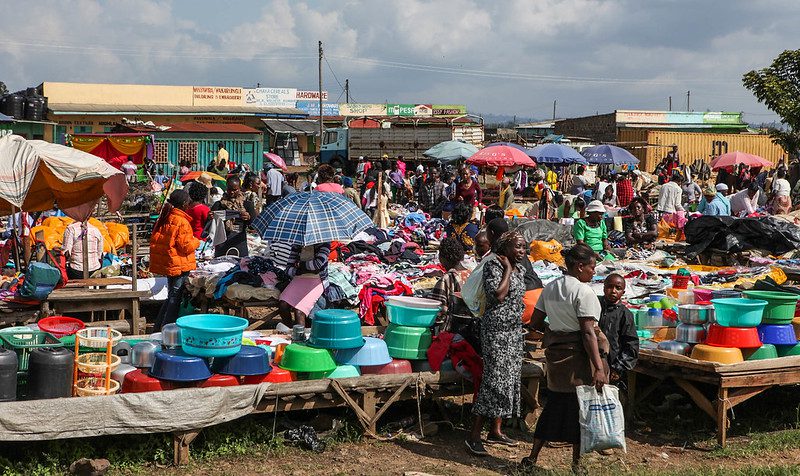
USAID is championing the development of entrepreneurship and leading to a culture of self-sufficiency. Feed the Future in conjunction with the Government of Kenya is working to make the market accessible, creating a safe, reliable and more equitable environment where hundreds of small traders can participate and create a self-sustaining livelihood. Veronica was a small business owner and is an example of the numerous success stories in Feed the Future’s mission to tackle food insecurity.
Furthermore, we see that the economic climate is not conducive to women’s success and the policy restricts women’s empowerment, we see that almost 100% of Kenya’s rural women work on farms but only 6% own titles to the land, restricting income capability and decision-making power.
Veronica, a proprietor in the Oldonyiro market previously expected to sell around one bag of flour every week. But after a $300 loan, to use in business activities, she was able to expand by buying valuable business assets such as a car, enabling her to bring more sellable produce to the market.
Furthermore, USAID installed roofing, to allow workers to work during heat and drought and incorporated drought detection systems to help sellers better manage produce.
Veronica has since been able to expand, selling maize, sugar and beans in addition to flour.
This has been crucial in helping her take care of her family, sending her children to school, feeding them and relieving the pains of poverty.
This is a key focus of the women entering the market. The hope is that women like this can expand their businesses and employ others in the community, thus creating a snowball effect in the mission to fight poverty.
Feed the Future: Nepal
In Nepal, 70% of its population generates income through agriculture, however, Nepal still struggles to produce an adequate, affordable supply of safe, nutritious food, with women and other disadvantaged groups being particularly afflicted. COVID-19’s movement restrictions severely disrupted food systems.
Amidst this unfortunate backdrop, there are indeed success stories in Feed the Future’s mission to tackle food insecurity. To protect progress and bolster food security, Feed the Future worked closely with Nepali farmers and business owners.
USAID has been working in Nepal to improve its resilience to external shocks and protect the population from exposure to food insecurity. USAID worked on facilitating livestock rearing, ultimately providing an income to rebuild homes. It also set up marketing chains, so that producers could have their foods delivered, this investment in the agriculture sector allowed for a rise in income whilst also maintaining an adequate food supply for the local population.
Honduras: Evelio’s success
Honduras, through a partnership with USAID, was able to establish market chains to establish demand for its small producers globally and worked also to connect them with processors in the next stage of work in the produce domestically. This is working to alleviate some of the challenges small agricultural producers face and to dampen external pressures from factors such as climate and is one of the success stories in Feed the Future’s mission to tackle food insecurity.
In Honduras, Evelio Miranda, who like other farmers is exposed to economic shocks, through the value of their produce, the price of coffee crashed domestically in 2018, which exposed Evelio and farmers alike to conditions of hardship. This forced individuals to look for work abroad, or a long commute from their home and made more acute the pains of food insecurity.
Through partnerships with the private sector orchestrated by USAID, farmers expanded their crop varieties to include those resilient to environmental shocks. One such collaboration involved EFI Solutions, a cosmetics firm, which supported the cultivation of cardamom by a farmer named Evelio. This initiative not only diversified Evelio’s farming activities but also enhanced the quality of his products and significantly increased his family’s income, showcasing the transformative power of targeted agricultural support.
Feed the Future: Advancing Global Food Security
Feed the Future, backed by USAID’s global efforts, continues to illuminate pathways out of poverty and food insecurity through innovative partnerships and investments in agricultural resilience. Success stories from Kenya, Honduras and Nepal exemplify the transformative impact of empowering local communities with the tools to build sustainable livelihoods. As these initiatives evolve, they hold the promise of fostering more equitable, productive and resilient food systems worldwide, ensuring a brighter future for vulnerable populations.
– Tevin Muendo
Photo: Flickr

Irrigation Farming in Nepal
Nepal and the Land
Nestled in the heart of South Asia, Nepal boasts a population of more than 30 million people. Within its borders, the vibrant capital city of Kathmandu accommodates 1.5 million residents, representing a significant portion of the 21.9% of the population dwelling in urban settings.
Nepal boasts a diverse geographical landscape, encompassing the towering heights of Mount Everest, the highest point on Earth. Despite its stunning natural features, Nepal is landlocked, without direct access to water bodies. Instead, the country relies on its intricate river system for water access, yet this reliance has translated into only 28.8% of its land being arable.
Despite the limited arable land available, agriculture is a cornerstone of Nepal’s economy, occupying a prominent position within the nation’s economic framework. Approximately two-thirds of Nepal’s workforce is engaged in agricultural activities, with maize, rice and wheat emerging as the primary crops cultivated. However, with the country’s population on the rise and urbanization expanding, the pressure on arable land intensifies, necessitating the adoption of farming practices that can adapt to these evolving conditions.
Irrigation Farming
Given these considerations, irrigation farming has emerged as a viable solution to Nepal’s challenges. Irrigation farming involves the artificial delivery of water to the soil using various methods such as pipes, sprays and tubes. This technique is invaluable in areas with insufficient rainfall or constrained water access. Typically, water is sourced from alternative reservoirs like groundwater, rivers or wells. It is then meticulously distributed across the land, ensuring uniform coverage.
Nepal tailors its approach to irrigation farming to fit its unique environmental conditions. It results in diverse methods across its varied geography. Among the prevalent techniques is using Farmer Managed Irrigation Systems (FMIS), where farmers independently construct, operate and maintain the irrigation infrastructure with minimal external intervention. Although Nepalese farmers have passed down this practice through generations, the government formally acknowledged its immense value in expanding irrigation farming nationwide in 1980. The system operates through a surface irrigation system, recognized globally as the most prevalent irrigation method. In this system, water is evenly dispersed across the land, relying on gravity to permeate the soil as it flows downhill.
The irrigation system has proven to be remarkably effective in bolstering food production in Nepal. Farmers manage approximately 70% of all irrigated farmland in the country through the FMIS. Furthermore, a substantial 40% of the domestically cultivated food in Nepal stems from the multitude of operational FMIS. Notably, the Terai region, renowned for its extensive arable land, hosts 1,700 irrigation systems managed by the organization’s farmers. Meanwhile, the hill regions boast a staggering 15,000 in operation.
Conclusion
While it serves as a remedy for the escalating food demand, Nepal faces mounting challenges amid population growth and dwindling natural water reservoirs due to rising temperatures and the changing climate. Nevertheless, irrigation farming in Nepal stands poised to mitigate food insecurity by introducing innovative cultivation methods. As farmers contend for water resources, it becomes imperative to sustainably manage FMIS systems, thereby facilitating the establishment of irrigation systems without depleting land resources.
– Alexandra Straumann
Photo: Flickr
Street Child: A Dive Into Helping Kuwait
COVID-19’s Impact on Education in Kuwait
Globally, the COVID-19 pandemic significantly disrupted the educational systems of numerous nations. In early February 2020, Kuwait began its battle with the virus as it reported its inaugural COVID-19 case. In response, the government swiftly enacted stringent measures to curb transmission. Lockdowns, travel bans, cessation of in-person classes and shuttering borders and public spaces comprised the initial arsenal deployed by Kuwaiti authorities to mitigate the pandemic’s rampant spread.
After confirming initial COVID-19 cases, educational institutions promptly shuttered their doors. The Minister of Education (MOE) initially anticipated these closures as a short-term measure, expecting a swift return to normalcy once the Ministry of Health devised appropriate safety protocols. However, within days, the government mandated a blanket suspension of all in-person instruction for two weeks.
The Main Problem
At this juncture, education in Kuwait became increasingly complex. Many educators realized that the reopening of traditional learning institutions was not imminent. Amid the outbreak, online learning emerged as a temporary solution for Kuwait’s educational system, yet it encountered two significant hindrances. Firstly, the absence of digital infrastructure in public schools hindered the MOE from swiftly implementing e-learning. Secondly, most of Kuwait’s public schools needed more functional digital infrastructure, including official websites, email accounts and internet connectivity.
This deficiency underscored the detrimental impact of inadequate digital infrastructure on the rapid adoption of e-learning in public schools. Additionally, educators needed to gain the requisite skills to deliver instruction through digital platforms. Collectively, these factors prolonged the Minister of Education’s adoption of online learning models for several months following the government’s official closure of educational institutions.
Street Child’s Middle East Crisis Fund
Street Child operates a Middle East Crisis Fund to aid families enduring intense regional conflict. Due to its complexity and severe constraints, many charities need help engaging in such crises. Once assistance channels open, local organizations significantly influence children and families affected by the crisis.
They maintain regular communication with various local and regional stakeholders to ensure preparedness to assist those most in need. This fund stands poised to support education in Kuwait amid the global COVID-19 crisis, which has profoundly impacted public health, economies, societies and daily life worldwide. The crisis exacerbated existing disparities, with many students needing more reliable internet connections or suitable online learning devices impeding their educational progress. Donations to the fund would address these challenges related to technology access and more.
Conclusion
Street Child plays a significant role in improving Kuwait’s schools. They ensure every child receives an opportunity to learn, provide thorough training for teachers, utilize technology and encourage family involvement. Street Child’s approach to school improvement instills hope for a brighter future where every Kuwaiti child excels academically.
By collaborating with local groups and schools, Street Child shares innovative ideas and strategies to enhance learning. Additionally, they facilitate securing financial resources, materials and support from donors and businesses to fortify schools. Furthermore, they engage with families and communities to ensure active participation in fostering excellence in education throughout Kuwait. With Street Child’s assistance, Kuwait can embrace new ideas and technologies to make learning more enjoyable and accessible for children.
– AuiCha Conley
Photo: Flickr
How Mary’s Meals Is Reducing Hunger in Zambia
Zambia continues to struggle with high malnutrition rates, ranking among the world’s highest. Recent reports from 2023 reveal a stark reality. Nearly 48% struggle to meet their daily minimum calorie requirements. At the same time, 35% of children suffer from stunted growth due to malnutrition. Contributing to these distressing figures are inadequate and unhealthy diets, suboptimal feeding practices and a widespread lack of nutritional knowledge.
In response to this urgent humanitarian crisis, Mary made significant strides in alleviating hunger in Zambia. Mary’s Meals originated as Scottish International Relief (SIR), a charitable organization. When Magnus traveled to Malawi in 2002 during a famine and saw a mother who was dying of AIDS, Edward, her oldest kid, stated succinctly, “I want to have enough food to eat and to go to school one day,” in response to Magnus’ question on his life goals.
That incident inspired the establishment of Mary’s Meals, which started in 2002 by providing food for just 200 children in Malawi. Providing essential school meals addresses immediate nutritional needs and offers a vital lifeline to hungry children. Beyond combating hunger, this initiative opens the doors to education, empowering children with the opportunity to learn and thrive.
Mary’s Meals
The Mary’s Meals initiative took root in 2002, sparked by founder Magnus MacFarlane–Barrow’s eye-opening visit to Malawi during a devastating famine. Witnessing the profound impact of hunger firsthand, he was inspired to kickstart the foundation Mary’s Meals, which is committed to ensuring every kid receives a daily meal at school because of the firm belief that every child deserves access to education and sufficient nutrition. After seeing the critical need in Zambia, the nonprofit organization expanded its purpose in 2014 to address the region’s high malnutrition rates, poverty and food insecurity.
The charity began its journey by providing meals to 200 children in Malawi. Since then, it has expanded its reach exponentially, nourishing 2,429,182 children daily across 18 countries. By nourishing young minds and bodies, these meals empower children to focus on their education, fostering a generation capable of lifting themselves. Furthermore, Mary’s Meals envisions sustainable change, aiming for local communities and governments to increase their contributions progressively, amplifying the program’s impact. Through its commitment to reducing hunger, Mary’s Meals ignites a transformative ripple effect that reverberates throughout entire communities, paving the way for a brighter, more prosperous future for all.
Feeding Children
Mary’s Meals significantly impacts and alleviates hunger in Zambia by providing daily meals to 420,896 children across 752 schools. Central to this effort is the involvement of community volunteers who dedicate themselves to serving these meals, underlining the importance of fostering strong community ties for the sustained success of the school feeding program. Mary’s Meals stands out as the primary provider of school meals across all 10 districts in the Eastern Province, an area characterized by limited income stability and inadequate access to food and social support. According to a survey conducted between 2014 and 2019, children in Zambia who benefited from Mary’s Meals were six times less likely to experience hunger at school than their counterparts who did not receive such assistance.
Research and Results
In Zambia, a recent study revealed that after five years of receiving Mary’s Meals, the proportion of children who never fretted about hunger surged by 45%, underscoring the substantial impact of Mary’s Meals in addressing hunger in the region. This has led to a 25% increase in school enrollment rates and a notable decrease in absenteeism. These findings emphasize Mary’s Meals’ tangible and noteworthy effects on children’s well-being. The study affirms the organization’s efficacy in combating hunger in Zambia and its positive influence on children’s nutritional status, vitality and overall welfare.
– Arabella Wood-Collins
Photo: Flickr
Feed the Future: Success Stories
In partnering with governments and private entities, which globally have invested $2.2 billion, USAID has implemented policies and practices that have had real-world positive effects and 3 stories reflected from Kenya, Honduras and Nepal show just how these measures are unfolding on the ground. The following are some inspiring success stories in Feed the Future’s mission to tackle food insecurity that have empowered vulnerable individuals and through USAID measures, been able to create paths of their own on the journey of poverty alleviation.
Kenya: Veronica’s success
USAID is championing the development of entrepreneurship and leading to a culture of self-sufficiency. Feed the Future in conjunction with the Government of Kenya is working to make the market accessible, creating a safe, reliable and more equitable environment where hundreds of small traders can participate and create a self-sustaining livelihood. Veronica was a small business owner and is an example of the numerous success stories in Feed the Future’s mission to tackle food insecurity.
Furthermore, we see that the economic climate is not conducive to women’s success and the policy restricts women’s empowerment, we see that almost 100% of Kenya’s rural women work on farms but only 6% own titles to the land, restricting income capability and decision-making power.
Veronica, a proprietor in the Oldonyiro market previously expected to sell around one bag of flour every week. But after a $300 loan, to use in business activities, she was able to expand by buying valuable business assets such as a car, enabling her to bring more sellable produce to the market.
Furthermore, USAID installed roofing, to allow workers to work during heat and drought and incorporated drought detection systems to help sellers better manage produce.
Veronica has since been able to expand, selling maize, sugar and beans in addition to flour.
This has been crucial in helping her take care of her family, sending her children to school, feeding them and relieving the pains of poverty.
This is a key focus of the women entering the market. The hope is that women like this can expand their businesses and employ others in the community, thus creating a snowball effect in the mission to fight poverty.
Feed the Future: Nepal
In Nepal, 70% of its population generates income through agriculture, however, Nepal still struggles to produce an adequate, affordable supply of safe, nutritious food, with women and other disadvantaged groups being particularly afflicted. COVID-19’s movement restrictions severely disrupted food systems.
Amidst this unfortunate backdrop, there are indeed success stories in Feed the Future’s mission to tackle food insecurity. To protect progress and bolster food security, Feed the Future worked closely with Nepali farmers and business owners.
USAID has been working in Nepal to improve its resilience to external shocks and protect the population from exposure to food insecurity. USAID worked on facilitating livestock rearing, ultimately providing an income to rebuild homes. It also set up marketing chains, so that producers could have their foods delivered, this investment in the agriculture sector allowed for a rise in income whilst also maintaining an adequate food supply for the local population.
Honduras: Evelio’s success
Honduras, through a partnership with USAID, was able to establish market chains to establish demand for its small producers globally and worked also to connect them with processors in the next stage of work in the produce domestically. This is working to alleviate some of the challenges small agricultural producers face and to dampen external pressures from factors such as climate and is one of the success stories in Feed the Future’s mission to tackle food insecurity.
In Honduras, Evelio Miranda, who like other farmers is exposed to economic shocks, through the value of their produce, the price of coffee crashed domestically in 2018, which exposed Evelio and farmers alike to conditions of hardship. This forced individuals to look for work abroad, or a long commute from their home and made more acute the pains of food insecurity.
Through partnerships with the private sector orchestrated by USAID, farmers expanded their crop varieties to include those resilient to environmental shocks. One such collaboration involved EFI Solutions, a cosmetics firm, which supported the cultivation of cardamom by a farmer named Evelio. This initiative not only diversified Evelio’s farming activities but also enhanced the quality of his products and significantly increased his family’s income, showcasing the transformative power of targeted agricultural support.
Feed the Future: Advancing Global Food Security
Feed the Future, backed by USAID’s global efforts, continues to illuminate pathways out of poverty and food insecurity through innovative partnerships and investments in agricultural resilience. Success stories from Kenya, Honduras and Nepal exemplify the transformative impact of empowering local communities with the tools to build sustainable livelihoods. As these initiatives evolve, they hold the promise of fostering more equitable, productive and resilient food systems worldwide, ensuring a brighter future for vulnerable populations.
– Tevin Muendo
Photo: Flickr
Women’s Rights in Burkina Faso
Women in Society
There are different communities and ethnic groups across the country that vary in the way that they treat women. However, generally, there is a deep-rooted acceptance that women are beneath men in terms of social standing. The strict gender roles mean that women do not have assets of their own. They have no right to inheritance and cannot own land or have credit. Women are, therefore, forced to obtain permission from their husbands for many activities, especially to make payments.
Sexual Health
This lack of autonomy impacts their everyday activity and health. Due to transportation and medication fees, they cannot take themselves or their children to the hospital without prior permission. As well as this, they have no power to insist that their husband uses contraceptives. With a culture of polygamy and levirate, there is a high risk of sexually transmitted infections (STIs) and contraceptives are incredibly important.
In general, there is limited access to sexual, reproductive and maternal services throughout the country. A lack of facilities combined with a lack of independence means that it is tough for women to get the help that they need, leading to high maternal mortality rates, high birth rates and illegal abortions.
Women in Education
For change to occur, it is vital to have women in positions of power. However, according to the United Nations (U.N.) Women, in 2021, Burkina Faso’s women took up only 6.3% of the seats in parliament. There are a multitude of social factors that dissuade girls from pursuing their education. This in turn affects the number of those who can fight for women’s rights in Burkina Faso.
Once a woman is married, their time is taken up by unpaid domestic labor. Education becomes less of a priority. Child marriage is a significant concern in Burkina Faso, with approximately 52% of women in 2018 between the ages of 20 and 24 married before the age of 18. It is believed that investing in a young girl’s education is futile as she will marry into a family very soon.
The fear of physical and sexual abuse in schools also influences a girl’s decision to continue her education. This abuse can be from both students and teachers, creating an association that school can result in unwanted pregnancies. As a result, 50% of the young female population in Burkina Faso are not in education or employment.
SWEDD
It has become clear to the government and the World Bank that investing in women is important for economic growth and social welfare. The World Bank’s Vice President for Western and Central Africa, Ousmane Diagana, says that “by investing in women and girls, countries will build resilient communities that can bounce back from crises and adapt to rising threats, such as climate change and fragility.”
The Sub-Saharan Africa Women’s Empowerment and Demographic Dividend (SWEDD) initiative was launched by the World Bank in 2015. The project addresses issues of child marriage, education and gender-based violence in Burkina Faso and across the Sahel region. Across the region, 3420 safe spaces have been established, providing vital support. Additionally, more than 7000 midwives have been deployed to rural areas, contributing to improved maternal and child health. SWEDD also works toward changing the mindset of both men and women to uproot internalized ideals about women’s rights in Burkina Faso.
SWEDD works with people from across the Sahel region who have an audience. More than 9000 religious leaders, 35 musicians and 17 footballers used its platforms to raise awareness and stimulate dialogue. Increasing resources and facilities is insufficient if women can’t use them. This is why social and behavioral change is necessary for women in Burkina Faso to gain independence and take control of their future.
– Liz Johnson
Photo: Flickr
The Impacts of the USAID Complete Project in Palestine
Agriculture in Palestine
The agricultural sector in Palestine is facing significant challenges, with Israeli restrictions on land and water access exacerbating the situation. The agricultural sector in Palestine has been experiencing a decline in its contribution to the country’s GDP and a reduction in the number of people employed within the industry.
One of the main reasons for this trend is the absence of a clear government vision for the sector. Additionally, local farmers find it difficult to compete with Israeli products that are flooding the market. This competition often results in a lengthy inspection process, which can cause spoilage of produce and further losses for Palestinian farmers.
Additionally, fertile lands are being converted into industrial zones, displacing farmers and contributing to environmental degradation. As agriculture provides economic opportunities such as job and food security, income generation, land preservation and export potential, conserving its remaining effects on the country’s overall well-being and economic success is increasingly crucial.
The Complete Project
The USAID Complete project in Palestine aimed to strengthen the competitiveness of Palestinian enterprises and facilitate their access to domestic and international markets. It focused on various sectors, including agriculture, manufacturing and services, to promote economic growth and job creation in the Palestinian territories.
The project provided technical assistance to companies to enhance their product value. It facilitated connections between smaller businesses and larger producers/exporters for more efficient market access. By improving information flow, product quality and technology adoption, Compete empowered firms to seize opportunities. Ultimately, the project aided 1,797 firms, resulting in a $383 million sales increase and $254 million in exports, creating more than 6,900 jobs and leveraging $105 million in private investment.
The Strawberry King
Osama Abu-Al Rub is one of the 20 strawberry farmers left in the West Bank. He began receiving aid from USAID in 2013 and has grown his business exponentially since then by gaining the opportunity to invest in technological advances such as computerized irrigation and by experimenting with covered, hanging growth techniques.
Osama’s success in his strawberry farming has allowed him to send his daughter Hanin to university, where she studies agricultural engineering. Occasionally, her friends visit their farm to learn new tactics from her father, which they will carry into the future of Palestine to generate success for decades to come.
The Future of Palestine
USAID has targeted a main core issue for the Palestinian economy and has significantly invested in eradicating the problem at hand. Even with restriction and pushback from some of the American people and government, USAID has found ways to implement knowledge and a foundational base that can potentially send Palestine’s economy skyrocketing if built in the right ways. By implementing these strategies, the Compete Project can help transform the agricultural sector in Palestine into a vibrant and dynamic contributor to the economy, generating employment, increasing incomes and fostering sustainable economic development for years to come.
– Tristen Jerkins
Photo: Flickr
Ethos of Global Health Initiatives
Leading the Charge for Ethics in Global Health
The Abdul Latif Jameel Poverty Action Lab (J-PAL) brought eth0s to the forefront of global health. This was achieved through its proven success in supporting other organizations in measuring the impact of interventions to avoid funneling money into unsuccessful or unethical initiatives. J-PAL focuses on tracking and analyzing program outcomes by training specialists in surveying for community feedback through “randomized evaluations and scoping studies.”
The initiative conducts impact evaluations in partnership with actors on the global health stage to highlight the most cost-efficient and largest-impact interventions and report on local community review and feedback. This article will delve into current programs run by the World Health Organization (WHO) and the Bill and Melinda Gates Foundation to demonstrate the critical role of impact evaluation in assessing the success and ethos of global health initiatives, improving services and informing policy for a more impactful future.
Taking Responsibility
In 2024, the WHO announced it is pushing forward its 2022 One Health initiative, emphasizing its goal to incorporate a holistic approach to intervention that focuses on collaborative efforts between environmental and public health entities in targeted regions. The spearheads of the initiative express goals that echo tones from J-Pal-supported programs, understanding the importance of regional participation and feedback in sustainable and ethical health development.
Under this new program, WHO believes it will “[empower] countries, [strengthen] health systems and [foster] cross-sectoral collaboration to drive transformative change from the ground up to achieve improved health and well-being globally.” This emphasis on collaboration at a local level, across all agencies involved in health development programs, is a crucial aspect of modern success in ethical development within the global health sector. Moving forward, prominent actors on the scene, such as the WHO, are stepping up to set an example of cultural relativism, distancing themselves from global health’s foundations in ethnocentrism.
Holistic Approach
An example of this holistic approach is the WHO’s recent initiative in Côte d’Ivoire to “reduce avoidable maternal deaths by 75% between 2022 and 2024.” By analyzing historical evidence pointing to the most common causes of maternal deaths in the region, including postpartum hemorrhage, high blood pressure and infections, the WHO staff in Côte d’Ivoire realized that the simplest solution is training hospital staff and local midwives. This training focuses on a structured birth plan and “key life-saving clinical skills.”
The initiative will implement sustainable change by working with regional birthing professionals in the formal and informal sectors and considering environmental and cultural factors. This change aims to be passed down through generations, facilitating obstetric and midwife practices in the region and decreasing maternal mortality rates.
On the other hand, nongovernmental organizations (NG0) like the Bill and Melinda Gates Foundation are demonstrating this same implementation plan by funding J-PAL’s research into previously unregulated direct cash transfers for child health programs in India. In this context, J-PAL research is conducted by residents of India, which is a crucial part of ethical global intervention.
By avoiding sending foreigners to do the jobs that can be provided to locals, organizations like J-PAL positively contribute to regional economies and generate a more sustainable and community-accepted impact due to a deeper connection to and understanding of the people they are serving. Moreover, by analyzing evidence of cash transfer impact over the years, J-PAL will offer the Indian government a blueprint to upscale the most successful cash transfer programs efficiently and effectively.
Looking Ahead
While many unregulated organizations continue to ignore the ethical implications of their work, increased awareness surrounding best practices in the field makes it easy to identify bad ethos. By fostering positive examples of sustainable and culturally relevant initiatives, global health professionals can contribute to the phasing out of organizations that do more harm than good.
– Kiera Gorman
Photo: Flickr
Diseases Impacting Albania
Top Causes of Death in Albania
The World Health Organization (WHO) finds that from its 2.9 million population, these are the most prominent causes of death per 100,000 people in Albania as of 2019:
All the current deadliest diseases impacting Albania fall under the non-communicable category. However, a 2011 study also found a 19% prevalence of intestinal parasitic infections (IPI) among Albanian children. Though not as impactful to the overall population as their non-communicable counterparts, it is worth noting that infectious diseases are a category Albanians are susceptible to as well.
One of the most prominent communicable diseases impacting Albania is HIV, a viral sexually transmitted disease that leads to AIDS. According to the Joint United Nations Programme on HIV/AIDS (UNAIDS), the number of Albanian adults and children living with HIV as of 2022 was approximately 1500. Of this estimate, less than 500 were women aged 15 and above and 1000 were men of the same demographic. That same year, less than 100 Albanian adults died and less than 500 children from 0 to 17 became orphans due to AIDS.
The Good News
Despite statistics depicting that the government needs even further work to address the rate of diseases impacting Albania, the country has seen significant improvements in the health department. The life expectancy at birth in Albania as of 2021 is 76, a 2.5-year improvement from what it was in 2000. Similarly, the percentage of children under a year old receiving the measles vaccine is 86 and the total population receiving all eight basic vaccines is 75.
Initiatives and Solutions
Even with the substantial estimate of Albanian adults and children living with HIV, 31.72% of young people aged 15 to 24 are knowledgeable about HIV prevention. The coverage of adults and children receiving antiretroviral therapy is even higher, estimated at 57%.
The organization Aksion Plus takes credit for this step. Founded in 1992, Aksion Plus is a volunteer group that aims to stop the spread of HIV/AIDS in Albania through four main objectives:
With the support of WHO, Albania also established a cross-sector national program on the prevention and control of non-communicable diseases (NCDs). Since its development in 2017, the program has aimed to reduce health inequalities, introduce NCD prevention programs and implement health care to maximize population coverage.
Health for All Program
Another program that tackles the NCD burden in Albania is the “Health for All Program” (HAP). In addition to assisting with the development of the “National Health Promotion Action Plan,” HAP has also helped support health literacy and promotion in the country through a variety of approaches:
Such statistics highlight the meaningful progress the government and NGOs have made in addressing and combating the rate of communicable and non-communicable diseases impacting Albania.
– Jay Kosumi
Photo: Flickr
Education, Poverty and UBIs in Liberia
Universal Basic Income (UBI) is a stipend provided to individuals irrespective of their employment status. It aims to bolster the economy across various demographics and sparks contentious debates. A central inquiry revolves around UBI’s long-term economic stimulation, with education emerging as a critical solution. Education and poverty are intricately intertwined. According to Montgomery County, “In general, average achievement scores decrease as the duration of poverty impact increases.” As academic performance declines, the prospects for a high quality of life also diminish. United Nations Educational, Scientific and Cultural Organization (UNESCO) highlights that proficient reading skills alone have the potential to uplift hundreds of millions of individuals living in poverty from their current circumstances. Education serves as a pathway out of poverty. The debate surrounding UBI has persisted for a significant period, with arguments presented by both proponents and opponents. Each side offers compelling reasons to support or oppose UBI initiatives. Nevertheless, GiveDirectly presents persuasive evidence that UBIs are effective, showcasing their ability to reduce poverty in Liberia significantly.
Some Information: How UBIs Lower Poverty in Liberia
UBIs are easy to understand. They are an amount of money distributed to individuals in a society suffering extreme poverty. Poverty in Liberia falls within this guideline. Over half of the country’s population struggles to survive on less than $2 daily.
UBIs do not discriminate based on employment, age or health concerns. GiveDirectly allocates them to an entire demographic of people. They are “Universal.” The idea is that providing a baseline for an economy on which to grow will bolster that economy enough to jumpstart productivity and ensure long-term growth. GiveDirectly’s UBI also allocates more considerable sums instead of dividing them into small payments over time. Even their name suggests their goal. To “Give Directly” the support people need.
GiveDirectly: The Data
GiveDirectly is an organization fighting poverty in Liberia and other places around the globe. Since 2009, GiveDirectly has afforded more than $700 million to impoverished people. It has had initiatives to fight poverty in Liberia and years of meticulous research to back up its efforts.
The Borgen Project consulted Yonah Lieberman, GiveDirectly’s Senior Manager of Communications and Press, to gain insight into how Liberians utilized their monetary allocations. Lieberman responded by presenting a comprehensive breakdown, allowing the figures to speak for themselves.
33% of the funds went to education, 20% for food expenses, 14% for constructing new houses and 9% for home upgrades or structural improvements. Recipients set aside 8% of the funds for purchasing clothes and furnishings to improve comfort and quality of life. The remaining 4% of the funds were invested in agriculture, covering expenses related to seeds and fertilizers. GiveDirectly’s website provides extensive information about research methods and the outcomes of its UBI initiative.
Poverty in Liberia: Education
The numbers were impressive and the first item on Lieberman’s list encouraged the data further, i.e., education. Knowledge is power, an old maxim but a tried and true one. Many of the fears surrounding UBI stem from its longevity and sustainability. Naysayers argue that UBIs in Liberia are short-term fixes, bandaids on a wound that needs direct treatment. Nevertheless, the data from GiveDirectly combats that argument.
Education is among the highest concerns and a statistic continually linked to poverty. Wherever one reads tables and graphs measuring poverty, one also comes across that region’s deficit in educational resources. When it comes to poverty in Liberia, the case is no different. Education contributes more than 25% of the factors governing the country’s overall Multidimensional Poverty Index (MPI). In layperson’s terms, this means that a significant portion of the general reasons poverty in Liberia rates so high is because of Liberian’s lack of educational resources.
The Good News
On GiveDirectly’s webpage, visitors can discover numerous personal accounts detailing the impact of the organization’s support on education. Jennifer shares her experience of being able to cover her children’s school fees after receiving an initial sum of $111. Sarah recounts how she used $150 to settle school fee debts for her children from previous terms and enable her daughter to obtain certificates, paving the way for her college education. Meanwhile, Masha shares her journey of enrolling in college as a part-time student to pursue a course in masonry.
These stories are regularly updated and showcased in a dynamic feed on GiveDirectly’s website, offering real-time insights into the progress made by individuals. Visitors are encouraged to revisit the site for ongoing updates on GiveDirectly’s UBI initiative and its significant impact on poverty alleviation in Liberia throughout the year.
– Antonio Muhs
Photo: Flickr
The Progress Against Child Poverty in Estonia
Mistreatment
Though the highest rate of those at risk of poverty is consistently older people who live alone, child poverty in Estonia is not absent. The recent at-risk-poverty rate increased the greatest for families with children, specifically those with three or more. As living prices for households continue to rise, particularly in the area of groceries, the at-risk number continues to climb, with the total number of people living in absolute poverty increasing from 18,000 in 2021 to almost 48,000 in 2022.
Many children are placed in state orphanages by the courts and while they may be temporarily placed in foster care, they are often not adopted. The The main reason for this is the significant challenge that foster parents face when caring for a child who has experienced trauma. With such a destabilized and traumatic upbringing, the children are not often given the chances or the tools for proper integration and often turn to delinquency.
Discrimination
On top of this, there is an issue of discrimination when large percentages of the population do not speak Estonian. Much of the population speaks only Russian. Though there are efforts to integrate minorities, they still face struggles in the job market when many professions and employers require that they speak fluent Estonian. This, in turn, creates more hardship for the children of the unemployed and difficulties for their future careers.
The percentage of children living in poverty, whether they are in families or living on their own, may vary over time, but it is a persistent issue that requires attention. The United Nations Children’s Fund (UNICEF) has developed a comprehensive plan to fully realize every child’s rights by 2030. Its data on Estonia indicates that, historically, the efforts employed to address the needs of children who live both in extreme poverty as well as anywhere below the national poverty line have been “average.” For these needs to be met by the 2030 goal, that effort will need to be increased to “very high effort” and “high effort,” respectively.
Encouraging Progress
Despite these hardships, there is still encouraging progress in the fight against child poverty in Estonia. Based on the 2022 Estonian Social Survey, even though the risk of poverty rate has gone up over the last 15 or so years, the absolute poverty rate has rapidly declined along the same timetable, with a spike in 2022 requiring focused effort to flatten out again.
As mentioned, food is one of the most significant factors pushing Estonian families and children into poverty. However, this is being addressed by several efforts to make it more accessible for those in need. One is the Estonian Food Bank, which has been significantly supported by the nonprofit organization Riesenkampff Stiftung. The Riesenkampff Stiftung Foundation was established in 2016 by the Riesenkampffs, a Baltic German family, specifically focusing on charitable and philanthropic initiatives in Estonia.
The Food Bank, established in 2010, works hard to fight poverty and encourage solidarity. Through the efforts of the local government and nearly 300 charity organizations, food is being distributed around the country to those in need by saving and redistributing surplus food, most of which would otherwise go to waste. Since the beginning of its food distribution in 2015, the initiative has provided food for an average of 25,000 people per year, with a large portion of them receiving aid twice a year.
Moving Forward
Unlike other European countries, the percentage of those living below absolute poverty in Estonia is measured, which gives an excellent indication of where the statistics truly lie. Since 2014, child poverty has been on a steady decline. At the same time, more effective family benefits systems have been implemented. A monthly child allowance has been the primary one helping children in poverty in Estonia precisely. Because it is not dependent on family income, it ensures opportunities for every child. With the child allowance, every child is eligible for a monthly allowance until age 16, which extends to 19 if they decide to pursue higher education.
Estonia is a small and often off-the-radar country and its plight, especially that of its children, is real. They face poverty, marginalization and uncertain futures. However, despite these real and present hardships, there is encouraging progress being made in terms of overall poverty in the country, as well as specifically addressing the needs of the children in absolute poverty.
– Isaac Songster
Photo: Wikimedia Commons