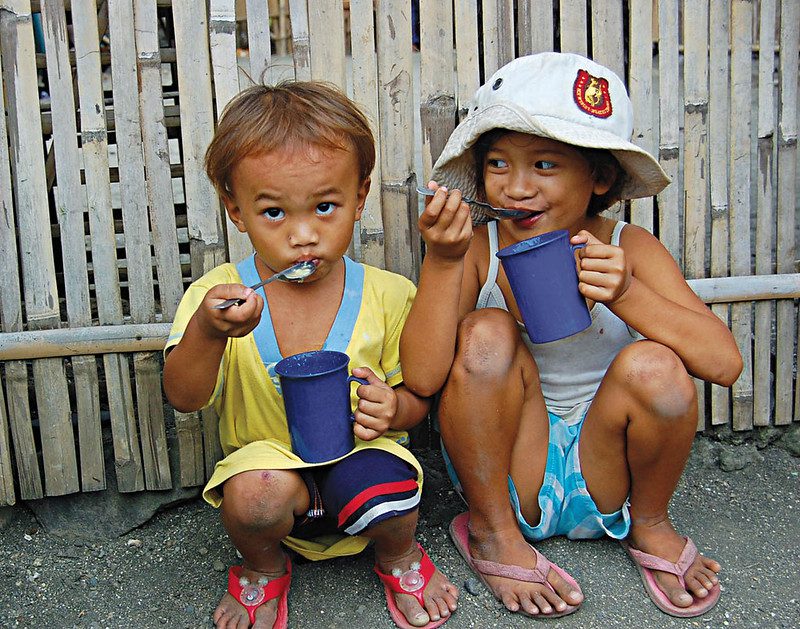
 In the Philippines, poverty has been prevalent in the lives of millions, with 22.4% of its population living below the national poverty line and 9.79 million Filipinos unable to meet their basic food needs. However, due to the efforts of poverty reduction in the Philippines, there has been a notable decrease from 2021, which saw a poverty rate of 23.7%.
With increasing urbanization and a growing middle class, poverty reduction in the Philippines is a crucial pathway toward understanding development goals and uncovering opportunities for advancement. This article will delve into the multifaceted approaches in the Philippines’ poverty reduction, analyze the strategies put in place so far and identify challenges to achieving President Ferdinand Marcos Jr’s plan to bring poverty in the Philippines down to 9% by 2028.
Current State
As evidenced by the Philippine Statistics Authority (PSA) and the Asian Development Bank (ADB), the current state of poverty in the Philippines is one of slow but resilient progress. According to the PSA, the Proportion of Poor among families has fallen from 18% to 16.4% between 2021 and 2023, highlighting some initial progress in poverty reduction efforts.
However, the PSA’s data also indicates that urban areas, such as Manila, which has a Poverty Incidence of 5.7%, have much lower levels of poverty than rural areas, such as Leyte, which has a Poverty Incidence of 31.3%, indicating a significant urban-rural gap. By addressing factors such as access to education, health care and employment opportunities and recognizing these disparities between urban and rural areas, we can implement effective policies to foster inclusive poverty reduction in the Philippines.
Government Initiatives
Regarding government initiatives, the Philippines’ Department of Social Welfare and Development (DSWD) has implemented a program known as the Pantawid Pamilyang Pilipino Program (4Ps). This program promises to provide conditional cash grants to poorer households to improve the health and education of children living below the national poverty line. As of August 2015, program recipients received P27.15 billion ($0.48 billion) in cash grants.
Meanwhile, another government initiative, the Sustainable Livelihood Program (SLP), started in 2011. This program generated employment among poor households and moved highly vulnerable households into more sustainable livelihoods, intending to expand poverty reduction in the Philippines. The program has grown from serving 46,000 families in 2011 to serving 166,000 families in 2017. Despite these efforts, challenges such as limited resources persist. However, sustainable poverty reduction is possible through monitoring and evaluating program performance and fostering transparency.
Nongovernmental Efforts
In addition to government initiatives, several nongovernmental organizations (NGOs) play a crucial role in poverty reduction in the Philippines. Organizations such as the Zero Extreme Poverty PH 2030 (ZEP) are actively involved in addressing the root causes of poverty, focusing on eight themes: Health, Education, Environment, Livelihood and Employment, Agriculture and Fisheries, Housing and Shelter, Peace and Human Security and Social Justice.
Zero Poverty PH has achieved many notable accomplishments in poverty reduction efforts. It installed a water system in Tayabasan, benefiting more than 215 families by giving them clean drinking water. Moreover, its goal to have two million Opportunity Youth in employment or self-employment by 2030 is already in progress. For example, Jonalyn, age 17, who had to drop out of school to support her family, is now receiving support from ZEP to continue her education at Hilamonan Elementary School, along with 300 other students. By working closely with communities, nongovernmental organizations can implement targeted goals that address specific needs and challenges.
Economic Challenges and Future Directions
However, alongside socioeconomic disparities, the Philippines also faces several environmental challenges from changing weather patterns, like typhoons and floods. These disasters have tragic consequences for people experiencing poverty, resulting in loss of livelihoods or homes and further deprivation. Furthermore, environmental factors such as pollution and deforestation threaten food security and create health risks.
As the lead plastic polluter in 2019, the Philippines is responsible for 36.38% of global oceanic plastic waste. Undoubtedly, this is having dire effects on those in poverty. Whether through water-transmitted illnesses or threats to livestock due to the endocrine-disrupting chemicals in the plastic, which are linked to several issues such as infertility, cancer, diabetes and increased risk of cardiovascular disease and strokes.
Moreover, government initiatives such as the Extended Producer Responsibility Act (EPRA), introduced in 2022, which requires companies to create EPR programs for plastic waste reduction, recovery and diversion, have set an expectation for an 80% decline in their plastic product footprint. Furthermore, the Philippine government has implemented a National Plan of Action for the Prevention, Reduction and Management of Marine Litter to achieve zero waste in Philippine waters by 2040. This plan will create a wide range of policies, such as improving public awareness about marine pollution and participating in international coastal clean-ups, highlighting a wide approach towards their goal.
This is important for poverty reduction as plastic pollution can affect health through cancer, cardiovascular disease and more. Furthermore, plastic pollution affects farm animals and fish through choking or entanglement, which affects not only the amount of food around but also causes a massive dip in income for those who rely on this livelihood and fishing for income.
Final Remark
Poverty reduction in the Philippines requires multifaceted approaches that cover social, economic and environmental angles. While progress is being made through government and NGO initiatives, challenges continue to persevere. By prioritizing inclusive and sustainable policies, there is a strong chance that the Philippines will continue striving toward a prosperous future.
– Emily Weir
Photo: Flickr

3 Projects Advancing Women’s Rights in Grenada
Though the country has made significant strides towards gender parity, such disparities extend to women’s political representation. Additionally, women in Grenada are more vulnerable than men to financial loss from natural disasters and domestic violence. In response to these women’s rights issues in Grenada, the government and nongovernmental organizations (NGOs) are confronting gender-based oppression head-on. Here are three key projects advancing gender equality and women’s rights in Grenada today.
Gender Equality Policy and Action Plan
GEPAP is one of the Grenadian government’s most comprehensive efforts to improve women’s rights thus far. As the project completes its final year, GEPAP strives to invite the participation of women in every aspect of “all political, economic, social, cultural and environmental [programs] and projects.”
In January 2023, GEPAP took a focus on gender-based budgeting. Prepared by the Ministry of Finance, the Gender Budget Statement expressed the government’s continued commitment to women’s rights in Grenada by ratifying numerous anti-discrimination conventions. The document underlines the importance of gender-responsive budgeting, as the government is allocating financial resources to “address gender gaps in all sectors and at all levels.”
With GEPAP, more women have also taken on leadership positions, particularly in politics, schools and courts. In the 2018 elections, women made up 47% of Parliamentary representatives. In the same year, women held the titles of Head of State, Head of Public Service and the Head of the Treasury.
EnGenDER
Led by multiple organizations such as the United Nations (U.N.) Women, Enabling Gender-Responsive Disaster Recovery, Climate and Environmental Resilience in the Caribbean (EnGenDER) is a collaborative effort confronting the disproportionate effects of natural disaster risk on women in Grenada. In the program, food security within the agriculture sector and health and disaster management are highlighted by the National Decision-Making Mechanism for Grenada. Public health crises generally affect women’s food security more than men’s. For instance, during the COVID-19 pandemic in February 2022, the CARICOM Food Security & Livelihoods Survey found that 69% of men “had no difficulties eating” compared to 45% of women.
Changing weather patterns and natural disasters impact Grenadian women similarly, as they are often expected to take on greater household responsibilities. For example, many female farmers accounted for the need to provide for their families when they reported “having less money to spend on climate risk insurance.” The initiative found that this was less of a consideration for male farmers. Single Grenadian women face the impacts of changing weather patterns and natural disasters alongside poverty, making up the “largest segment of the poorest quintile of the population in the country.”
In addition, EnGenDER examines disparities in the medical system in Grenada, as women seek less medical attention but face more reproductive and menstrual health concerns. With its analysis across these sectors, EnGenDER has contributed necessary context to the government’s work on climate resilience for women, encouraging recent developments such as the National Climate Change Policy and the National Adaptation Plan that work in tandem with GEPAP.
GrenadaInfoSPACE
In 2018, a national survey showed that 29% of Grenadian women would experience gender-based violence during their life. The survey was one of few at the time exploring domestic violence but revealed a prevalent struggle among Grenadian women. The Spotlight Initiative to End Violence Against Women and Girls launched GrenadaInfoSAFE in June 2023 to help combat this issue. A digital data system, GrenadaInfoSAFE, is working to gather more information about domestic violence experiences throughout the country.
The platform’s surveys and statistics that follow will help quantify the gravity of the problem. By analyzing the collected data, the project hopes to put a spotlight on domestic violence, which is underreported and neglected in the Caribbean. With more tangible evidence of the specific types of gender-based violence occurring, leaders are better equipped to understand and address the domestic violence challenges undermining women’s rights in Grenada.
As efforts such as GEPAP, EnGenDER and GrenadaInfoSPACE work to bolster women’s rights in Grenada, they empower women everywhere, creating a world and future of greater gender equality.
– Estelle Lee
Photo: Pixabay
Understanding Poverty Reduction in the Philippines
With increasing urbanization and a growing middle class, poverty reduction in the Philippines is a crucial pathway toward understanding development goals and uncovering opportunities for advancement. This article will delve into the multifaceted approaches in the Philippines’ poverty reduction, analyze the strategies put in place so far and identify challenges to achieving President Ferdinand Marcos Jr’s plan to bring poverty in the Philippines down to 9% by 2028.
Current State
As evidenced by the Philippine Statistics Authority (PSA) and the Asian Development Bank (ADB), the current state of poverty in the Philippines is one of slow but resilient progress. According to the PSA, the Proportion of Poor among families has fallen from 18% to 16.4% between 2021 and 2023, highlighting some initial progress in poverty reduction efforts.
However, the PSA’s data also indicates that urban areas, such as Manila, which has a Poverty Incidence of 5.7%, have much lower levels of poverty than rural areas, such as Leyte, which has a Poverty Incidence of 31.3%, indicating a significant urban-rural gap. By addressing factors such as access to education, health care and employment opportunities and recognizing these disparities between urban and rural areas, we can implement effective policies to foster inclusive poverty reduction in the Philippines.
Government Initiatives
Regarding government initiatives, the Philippines’ Department of Social Welfare and Development (DSWD) has implemented a program known as the Pantawid Pamilyang Pilipino Program (4Ps). This program promises to provide conditional cash grants to poorer households to improve the health and education of children living below the national poverty line. As of August 2015, program recipients received P27.15 billion ($0.48 billion) in cash grants.
Meanwhile, another government initiative, the Sustainable Livelihood Program (SLP), started in 2011. This program generated employment among poor households and moved highly vulnerable households into more sustainable livelihoods, intending to expand poverty reduction in the Philippines. The program has grown from serving 46,000 families in 2011 to serving 166,000 families in 2017. Despite these efforts, challenges such as limited resources persist. However, sustainable poverty reduction is possible through monitoring and evaluating program performance and fostering transparency.
Nongovernmental Efforts
In addition to government initiatives, several nongovernmental organizations (NGOs) play a crucial role in poverty reduction in the Philippines. Organizations such as the Zero Extreme Poverty PH 2030 (ZEP) are actively involved in addressing the root causes of poverty, focusing on eight themes: Health, Education, Environment, Livelihood and Employment, Agriculture and Fisheries, Housing and Shelter, Peace and Human Security and Social Justice.
Zero Poverty PH has achieved many notable accomplishments in poverty reduction efforts. It installed a water system in Tayabasan, benefiting more than 215 families by giving them clean drinking water. Moreover, its goal to have two million Opportunity Youth in employment or self-employment by 2030 is already in progress. For example, Jonalyn, age 17, who had to drop out of school to support her family, is now receiving support from ZEP to continue her education at Hilamonan Elementary School, along with 300 other students. By working closely with communities, nongovernmental organizations can implement targeted goals that address specific needs and challenges.
Economic Challenges and Future Directions
However, alongside socioeconomic disparities, the Philippines also faces several environmental challenges from changing weather patterns, like typhoons and floods. These disasters have tragic consequences for people experiencing poverty, resulting in loss of livelihoods or homes and further deprivation. Furthermore, environmental factors such as pollution and deforestation threaten food security and create health risks.
As the lead plastic polluter in 2019, the Philippines is responsible for 36.38% of global oceanic plastic waste. Undoubtedly, this is having dire effects on those in poverty. Whether through water-transmitted illnesses or threats to livestock due to the endocrine-disrupting chemicals in the plastic, which are linked to several issues such as infertility, cancer, diabetes and increased risk of cardiovascular disease and strokes.
Moreover, government initiatives such as the Extended Producer Responsibility Act (EPRA), introduced in 2022, which requires companies to create EPR programs for plastic waste reduction, recovery and diversion, have set an expectation for an 80% decline in their plastic product footprint. Furthermore, the Philippine government has implemented a National Plan of Action for the Prevention, Reduction and Management of Marine Litter to achieve zero waste in Philippine waters by 2040. This plan will create a wide range of policies, such as improving public awareness about marine pollution and participating in international coastal clean-ups, highlighting a wide approach towards their goal.
This is important for poverty reduction as plastic pollution can affect health through cancer, cardiovascular disease and more. Furthermore, plastic pollution affects farm animals and fish through choking or entanglement, which affects not only the amount of food around but also causes a massive dip in income for those who rely on this livelihood and fishing for income.
Final Remark
Poverty reduction in the Philippines requires multifaceted approaches that cover social, economic and environmental angles. While progress is being made through government and NGO initiatives, challenges continue to persevere. By prioritizing inclusive and sustainable policies, there is a strong chance that the Philippines will continue striving toward a prosperous future.
– Emily Weir
Photo: Flickr
A Music Tour Reducing Poverty in Africa
Poverty in Rwanda
Despite significant efforts and successes in reducing poverty in Rwanda, the challenges for children and their families remain substantial. Of 1,000 children born in Rwanda, 50 do not survive to 5 years old. Moreover, 75% of these deaths come in the first months of life. While chronic malnutrition has declined, poor water quality and access to hygiene facilities still leave children suffering from stunting and low birth weight. This challenge is compounded by the fact that only 64% of households have their own latrine and 5% have hand-washing facilities with soap and water.
In terms of education, 13% of children are enrolled in early education, with a large disparity weighted against children living in rural areas compared to urban ones–a common trend when analyzing child poverty rates globally. Despite these challenges, poverty reduction efforts in Rwanda merit celebrating and supporting further. Hence, the American creative communications company pgLang, in partnership with Grammy Award winner Kendrick Lamar, the Rwanda Development Board and Global Citizen, imagined an original music event for the region.
Move Afrika: Rwanda
“Move Afrika: Rwanda” supports an advocacy campaign that urged world leaders to make bold pledges on significant issues, aiming to reduce poverty in Africa. The campaign focused on key areas such as increasing resources for health campaigns that particularly benefit women and young girls, addressing food scarcity within the continent and providing greater access to economic opportunities. During the event, local communities were supported with training to support the concert. This included stage management and security skills training. Furthermore, Rwandan culture was front and center, with traditional Agaseke peace baskets a focal point on the stage. These were crafted by 20 artisans from the Nyamirambo Women’s Centre.
In celebrating those people fighting to reduce poverty in Rwanda, the works of nonprofits and civil society workers who came together in nationwide community service to plant more than 1,000 trees on Mount Rebero were recognized. In attendance also were 30 health care workers who were allowed to highlight their work in health equity and access. Move Afrika has also made a lasting pledge to continue to support local entrepreneurs and help them access longer-term job opportunities in the future. By giving internationally recognizable performers such as Kendrick Lamar a platform, Move Afrika is exposing countries like Rwanda to fighting poverty with international support.
The Future of Move Afrika?
“The Move Afrika: Rwanda” music tour was a success. So much so that it will be repeated next year; this time, it will be held in Ghana. Ghanaian President Nana Akufo-Addo said, “Global Citizen is known for leveraging live music events to engage youth while creating social and economic impact. Today, we celebrate this milestone for Ghana.”
“We look forward to future announcements on this growing cohort of Move Afrika destinations,” he added. With Move Afrika at the beginning of its journey to reduce poverty in Africa, there is no telling where this innovative and engaging project will end up.
– Thomas Field
Photo: Flickr
The Life You Can Save: Charities in Bangladesh
The Life You Can Save
The Life You Can Save, established in 2013, champions effective charitable giving to combat poverty. This organization rigorously evaluates and endorses high-impact charities, ensuring donors contribute to the most effective causes. To date, it has facilitated more than $100 million in donations. Furthermore, The Life You Can Save supports several charities in Bangladesh, each addressing poverty in diverse and impactful ways. The following are some of the charities:
Fistula Foundation
The Maternal Morbidity Validation Study (MMVS) revealed that in Bangladesh, the adjusted prevalence rate of obstetric fistulas among women aged 15 to 49 is 38 per 100,000. The study revealed that 4,081 women aged 50 to 64 suffer from this condition, totaling 17,457 affected women between ages 15 and 64. This data underscores the significant health challenge obstetric fistula poses to women in Bangladesh. The Fistula Foundation leads in treating obstetric fistula worldwide. A fistula is a severe birth injury that often leads to incontinence and social ostracization for women. Beyond covering surgery costs, the foundation supports surgeon training, provides facility equipment, engages in grassroots community initiatives and ensures comprehensive post-surgery recovery. Annually, it facilitates more than 10,000 surgeries to repair childbirth injuries, highlighting its significant impact in restoring dignity and health to affected women.
Malaria Consortium
In the late 1990s, Bangladesh reported up to 70,000 laboratory-confirmed malaria cases, 900,000 clinical cases and more than 500 deaths annually, with suspected unreported cases possibly exceeding 250,000 annually. A 2007 survey in the 13 endemic districts revealed a 4% crude prevalence, with Plasmodium falciparum responsible for more than 90% of the cases. The Chittagong Hill Tracts showed the highest infection rates. This highlights the significant public health challenge malaria poses, necessitating targeted interventions to reduce transmission and fatalities.
The Malaria Consortium provides initiatives that shield the most vulnerable and impoverished children in Asia and Africa from a variety of fatal illnesses, such as pneumonia and malaria. In addition, the Seasonal Malaria Chemoprevention (SMC) project is an incredibly economical and scientifically supported method of preventing malaria in children under the age of 5. Moreover, its annual demonstrated impact includes delivering seasonal malaria chemoprevention to 24 million children, significantly more than 20 million in the previous year.
Helen Keller Intl.
Vitamin A deficiency poses a serious health risk to Bangladesh’s children, leading to blindness and increased mortality among those under 6 years of age. Annually, around 30,000 children may become blind from this deficiency, with many dying shortly thereafter. Helen Keller Intl. addresses this through its annual global vitamin A supplementation programs, benefiting 32 million children under the age of 5 each year and supporting 388,000 families with resources to grow and sell vitamin A-rich foods. In addition, this approach significantly improves child health and nutrition, highlighting the need for ongoing nutritional interventions.
Life You Can Save: Charities Research and Evaluation
The Life You Can Save supports several charities in Bangladesh, including the Fred Hollows Foundation, Seva Foundation, Oxfam and Innovations for Poverty Action (IPA). The organization ensures aid reaches those most in need in the most effective ways. It rigorously analyzes data to identify the best interventions for various aspects of poverty, focusing on the highest-impact charities. The rigorous research and continuous assessments equips donors with detailed information to enhance their philanthropic impact. Moreover, the process involves evaluating donor interventions based on their evidence, reach, depth and lasting effects while assessing charities by their evidence quality, reporting, track record, cost-effectiveness, transparency, community understanding and commitment to upholding the dignity of its beneficiaries.
Looking Ahead
Bangladesh continues to forge a path toward a brighter future, bolstered by the crucial support of impactful charities and organizations like The Life You Can Save. Above all, the collaborative endeavors of local and international partners signify a beacon of hope for the millions striving for a life free from poverty and disease in Bangladesh.
– AuiCha Conley
Photo: Unsplash
The Impact of Inadequate WASH Conditions on Poverty
The Public Health Crisis
A number of factors known as the social determinants of health influence the well-being of a community; these factors include socioeconomic status, environment conditions, access to health care, education and cultural factors. Each of these components play a significant role in the health of a community, and it is important to take them into consideration when dealing with critical issues like inadequate WASH conditions.
Socioeconomic status, such as race and income, play a huge role in the access to clean water. Unfortunately, although clean water is a basic human right, it continues to be a major issue particularly in low income communities. In these areas, lack of access to clean water is responsible for a significant percentage of deaths, particularly among children under the age of five.
The Link Between Clean Water and Health
About 2 million people around the world lack access to clean drinking water, while 3.6 billion people lack access to proper sanitation, and 2.3 lacking basic hygiene services. Germs, parasites or harmful chemicals, which may come from a variety of sources, including human or animal waste, chemicals and other substances, may contaminate unsafe water. Poor access to clean water has a close correlation to the spread of illnesses such as cholera, typhoid and polio. Contaminated water is responsible for more than 500,000 deaths annually in low income communities, with 300,000 of fatalities being children under 5. In regions with insufficient WASH conditions, it is important to understand that this crisis has a huge impact on their well-being and overall quality of life.
A nation that faces severe challenges related to WASH conditions is Pakistan, making it among the most affected nations in the world. Although Pakistan has 79% water supply coverage, water quality remains a major problem, causing extreme health dangers such as fecal contamination. Drinking water quality has typically gotten less attention in Pakistan, with inadequate organizational structures, as well as a lack of legislation and regulations addressing water quality issues. According to a community health study, low-quality drinking water causes 40% of deaths and 50% of diseases in Pakistan.
Solutions
Although there is no overnight solution to this crisis, there are policies and interventions that can be implemented to aid in mitigating it. Implementing measures that involve providing stable sanitation and clean drinking water, as well as adopting basic hygiene practices can potentially save the lives of 1.4 million people worldwide. For example, in Pakistan, some policies are in place to mitigate these issues. For instance, schools in Pakistan have implemented school-specific WASH policies aimed at achieving a variety of goals, including raising awareness, providing suitable sanitation centers and ensuring adequate drinking water access. Furthermore, UNICEF and its partners are actively involved in the implementation of policies designed to mitigate the negative consequences of inadequate WASH conditions.
This crisis demands attention and resources that will aid in breaking the cycle of poverty and poor health. The silent crisis of inadequate water access requires global attention, resources and consistent efforts in order to break the cycle. Join the movement for global change by advocating for the advancement of WASH conditions in lower income communities, by raising awareness, supporting organizations working towards this cause and urging policymakers to take this issue into consideration. Together, everyone can make a difference in improving lives and ensuring a better future for all.
– Retaj Kamal Elghanai
Photo: Flickr
Disability and Poverty in Russia
History
Historically, the Russian government has treated its disabled citizens with disregard for their well-being. The current Russian Federation’s former governing state, the Soviet Union, outright denied their existence in the country, infamously declining to participate in the first iteration of the Paralympic Games in 1980, claiming that no disabled people existed in the country.
Before this, the Soviet government assigned disabled World War II veterans to low-paying jobs upon their return from war, thus relegated to poverty. These new jobs assigned to the now-disabled Russian veterans often disregarded their previous careers and skill sets. They reduced them to being defined by their disability.
This practice of job reassignment created an association between poverty and disability in Russia and disabled citizens were given little opportunity to better their conditions beyond their low-wage occupations.
Modern Problems
In addition to the higher rates of poverty among disabled Russians, discrimination against people with disabilities is still pervasive in the country. In 1995, the Russian Federation passed a law outlining a federal definition of disability, a step forward from the Soviet Union’s denial of disabled Russians.
Despite the federal acknowledgment of disabled citizens, the country still lacks adequate resources for them. Disabled people in Russia, particularly children with disabilities, are mistreated. For example, according to Human Rights Watch (HRW), Russian orphanages have been caught transferring their disabled residents to state-run institutions without their consent once they have turned 18 when they instead should be transitioned into living independently.
This comes in tandem with allegations of abuse inside Russian orphanages, where an estimated 30% of disabled Russian children live. These orphanages hold children for extended periods despite being intended only for temporary stays. Former residents have accused these children’s homes of tying patients to beds, sedating them and temporarily transferring them to mental institutions against their will as punishment.
Solutions
The violence and adversity faced by disabled people are still pervasive. However, some organizations are working to alleviate the issues that come from disability and poverty in Russia. To combat the adversity faced by disabled Russians, some citizens have started their own charities and nonprofits to improve the quality of life for people with disabilities and give support to their families.
For example, Perspektiva is a Russian nonprofit that works to improve the quality of life for people with disabilities, including helping them find employment to diminish the number of people living with both disability and poverty in Russia. Perspektiva has helped Russians with disabilities complete internships with international companies, such as Ernst and Young, L’Oreal and SAP and it lists hundreds of jobs on its employment portal for disabled job applicants.
Final Remark
The social acknowledgment of disabled Russians and the work of charities like Perspektiva have helped improve the status of disabled Russians living in poverty. However, this vulnerable demographic still needs assistance and advocacy to improve further.
– Elizabeth Nelms
Photo: Wikimedia Commons
Trees for the Future: Hope and Prosperity in Sub-Saharan Africa
It pioneers initiatives that catalyze profound socioeconomic transformations and improve countless individuals’ lives across nine African countries. The organization works with the belief that “farmers have the power to change everything” and that to solve issues of hunger and poverty, farmers should be at the forefront of the solution.
The Forest Garden Approach
This organization intrinsically follows the philosophy of teaching a man to fish. The innovative Forest Garden Approach lies at the heart of Trees for the Future’s mission. This approach is where the organization’s staff train the locals in a regenerative agroforestry technique through a four-year program where the group also provides them with seeds and other resources. Unlike conventional monoculture methods, this approach integrates trees with crops, transforming degraded landscapes into thriving ecosystems.
By planting a diverse array of tree species alongside staple crops such as maize and beans, communities not only replenish greenery but also foster economic stability. The Forest Garden Approach transcends the conventional paradigm of small-scale farming by addressing the intertwined challenges of poverty and food insecurity. Families cultivating forest gardens not only benefit from increased yields and improved soil fertility but also gain access to a continuous source of food and income.
Village Savings and Loans Association Training
In 2020, Trees for the Future introduced Village Savings and Loans Association (VSLA) Training as an additional element to its program, alongside promoting sustainable agriculture to empower communities. Recognizing the critical link between financial literacy and communal economic advancement, this training equips locals with the skills and resources needed to break the cycle of poverty.
Through VSLAs, typically made up of 15–30 members, community members learn to establish savings and lend their savings to one another at low-interest rates. By fostering a culture of financial inclusion and cooperation, Trees for the Future empowers individuals to pursue income-generating activities and invest in their futures.
A Transformative Impact
Forest gardens in rural villages once plagued by food insecurity and economic hardship now flourish, yielding abundant harvests and sustaining families year-round. One such success that Trees for the Future shares on its blog is the story of Fatoumata, a Senegal farmer who diversified her crops, secured a stable income and became a leader in her community. Today, she serves as a role model for other women, inspiring them to embrace opportunities for economic empowerment.
Conclusion
With the aim of creating 230,000 jobs by 2030, Trees for the Future stands against the challenges of poverty and food insecurity that so many people face. Through initiatives like the Forest Garden Approach and VSLA Training, the organization exemplifies the transformative power of grassroots efforts in fostering community resilience and prosperity. Trees for the Future offers a compelling vision of hope and possibility by championing sustainable agriculture and economic empowerment.
– Danielle Schaafsma
Photo: Unsplash
Mayan Embroidery Lifting People Out of Poverty
A notable structural discrepancy has existed in employment and poverty outcomes, with women and indigenous Mayans displaying a higher likelihood of being both self-employed and living in poverty. However, a centuries-old Mayan art form once believed to be fading away is experiencing a magnificent revival and is helping to lift Mayan women and men out of poverty in Belize.
The Fashionable Revival of Mayan Embroidery
This revival of traditional Mayan embroidery is evident on websites of online giants such as Etsy and in high-priced boutiques in North America and Europe. Additionally, key public figures in Belize and influencers proudly promote clothing featuring this hand-crafted artwork. Unfortunately, the indigenous women who spend weeks and sometimes months crafting these complex designs do not always see the financial benefits of the work they put into their artistic expression.
However, this narrative is shifting thanks to the Caribbean Development Bank (CDB) and the Sarstoon Temash Institute for Indigenous Management (SATIIM) and SATIIM’s highly praised project, “Fahina: Re-Branding the Creative Industry of Maya Women in Belize.” Initially championed by Belizean intellectual and anthropologist Froyla Tzalam, this initiative received a grant of $130,000 from the Bank’s Cultural and Creative Industries Innovation Fund (CIIF).
MayaBags and Monetary Autonomy
MayaBags was founded to share the art of Mayan embroidery with the world, help alleviate poverty in Belize and help Mayan women become financially autonomous. The artisanal handbags encapsulate a rich narrative of Belizean Maya culture, celebrating its innate creativity and the skilled Mayan artists behind the intricately woven textiles adorning each bag. As a thriving social enterprise, MayaBags collaborates closely with Maya women from the Toledo District, harnessing traditional hand skills that have endured for millennia. These time-honored techniques infuse each bag with a profound sense of heritage, embodying more than 2000 years of Maya craftsmanship.
Since its inception by Judy Bergsma in 1999, MayaBags has flourished, evolving from a small-scale endeavor with just six artisans to a formidable enterprise boasting more than 90 skilled individuals. The demand continues to surge, with many Maya women and men eager to join and contribute to the initiative. Every individual on the MayaBags team has transitioned into a shareholder, marking a significant shift in the artisans’ lives. The impact is profound: nearly all MayaBags workers now have bank accounts, a stark departure from previous hesitance due to feelings of exclusion from the system.
Impacts on Education
Moreover, a substantial change is evident in the education landscape as most artisans’ children are enrolled, some even advancing to high school. This transformation was helped by prioritizing education and the financial means to afford school essentials like uniforms, books, exam fees and transportation fares. Desiree Arnold, the Production and Business Manager for MayaBags in Belize, attested, “Without a market and an ability to pay the artisans for their skills, traditional hand skills will be lost, at one point, forever.” She discusses how, in villages where women are not being encouraged to practice their skills, the quality of their traditional crafts has steadily declined. However, traditional skills thrive in the nine villages where MayaBags operates and remain vibrant.
Conclusion
The success story of MayaBags serves as a testament to the transformative potential of empowering local artisans and fostering entrepreneurial endeavors rooted in cultural heritage. By providing avenues for economic autonomy and education, initiatives like MayaBags preserve traditional hand skills and uplift entire communities, paving the way for a more equitable and prosperous future in Belize.
– Lilah Dees
Photo: Flickr
The Impact of Concern Worldwide in Pakistan
Why Is Concern Worldwide Helping Pakistan?
Pakistan faces a significant risk of natural disasters, including droughts, earthquakes, floods and landslides. These events often lead to mass displacement, increased humanitarian needs and worsened food insecurity and malnutrition. In fact, from June to September of 2022, Pakistan experienced significant impacts from heavy monsoon rains and glacial lake outbursts, which led to widespread flooding and landslides. Approximately 33 million people were affected, with more than 1,700 reported deaths, nearly 12,900 individuals injured and an estimated 7.9 million people displaced.
Additionally, more than 2.3 million houses and millions of acres of agricultural land and crops were damaged or destroyed. As of 2023, according to the latest Global Hunger Index (GHI) report, Pakistan has been placed 99th out of 129 nations and has classified its hunger level as “serious.” The intersection of political conflict, the changing climate and the COVID-19 pandemic has placed millions at risk of food insecurity.
What Is Concern Worldwide Doing To Help?
Concern Worldwide is making an impact in Pakistan and creating substantial positive changes. Through community empowerment and enhancing education and health care accessibility, its efforts focus on building a better tomorrow for those most in need. In partnership with local entities in the South Asian nation, its efforts are concentrated on building resilience to natural challenges, swift responses to crises, tackling malnutrition and encouraging the development of skills, livelihoods and economic self-reliance.
Health and Nutrition Programs
By improving access to health care services, providing nutritional support to children and pregnant women and raising awareness about hygiene and sanitation practices, the organization is helping to improve the overall health and well-being of communities in Pakistan.
Its Community Management of Acute Malnutrition (CMAM) Surge strategy is geared towards improving the health care system and enhancing the skills of health care professionals. The nonprofit has trained medical officers, nutrition assistants and paramedical staff in 28 health facilities to provide essential care to malnourished children, pregnant women and nursing mothers.
Emergency Responses
One of the main ways in which Concern Worldwide is making an impact in Pakistan is through its emergency response efforts. From distributing food and water to offering medical assistance, its emergency response teams work tirelessly to ensure that individuals and families have the support they need during times of crisis. For example, the initiative’s Responding to Pakistan’s Internally Displaced (RAPID) Fund Program helps those affected by natural or artificial disasters nationwide.
The organization also tackles the underlying factors contributing to emergencies by emphasizing disaster risk reduction and building resilience. In 2018, the initial phase of the DFID-funded Building Disaster Resilience Program (BDRP) was completed successfully, improving resilience at the community and household levels in districts prone to flooding.
Economic Opportunities and Gender Equity
Using the Building Disaster Resilience program, Concern Worldwide is working to empower individuals to create lasting income sources through Climate Smart Agriculture by providing workshops for both women and men. These workshops include male and female farmers learning climate-smart practices to improve their crop production, leading to better incomes.
However, these interventions were specifically targeted at women. In fact, in 2018, 2,250 nutritious and locally-grown vegetable packages were provided to women, along with the necessary tools to help them create home-based kitchen gardens. These initiatives aim to enhance women’s economic prospects and boost their confidence and motivation to assist in making their communities a better place.
Agriculture
Furthermore, Concern Worldwide is impacting Pakistan through its efforts to promote environmental sustainability and climate resilience. By working with communities to implement sustainable agricultural practices, conserve natural resources and adapt to the changing climate, the organization helps protect the environment and build resistance against the impacts of the changing climate in Pakistan.
This has benefited the environment and improved the livelihoods and well-being of vulnerable communities in the country. In 2019, more than 200 sessions were held on Climate Smart Agriculture. Additionally, 129 training sessions on livestock management were conducted for households relying on livestock for their income. Furthermore, 240 community livestock extension workers were trained to ensure the availability of cost-effective livestock services.
Conclusion
By focusing on education, health care, emergency response, livelihoods, gender equality and environmental sustainability, Concern Worldwide is positively changing the lives of millions of people in Pakistan and helping to create a more stable society for future generations.
– Sara Hatab
Photo: Flickr
Transformative Gains in Water and Sanitation Across Asia
WASH Initiatives Taking Root
Water, Sanitation, and Hygiene (WASH) initiatives have become catalysts for change across the continent. Countries like India, with its Swachh Bharat Abhiyan (Clean India Mission), have set ambitious goals to enhance sanitation infrastructure and promote hygiene practices. This concerted effort has yielded visible improvements in rural and urban areas alike.
WASH initiatives go beyond infrastructure development; they emphasize education and awareness. Programs across countries like Indonesia are not only building toilets but also educating communities about the importance of hygiene. These initiatives instill sustainable practices, ensuring that the impact endures for generations.
Innovative Technologies Making a Splash
The adoption of innovative technologies is revolutionizing water and sanitation solutions. In countries such as Singapore, advanced water treatment technologies, including recycled water for domestic use, are not just addressing scarcity concerns but also setting a benchmark for sustainable practices.
Community-Led Sanitation Programs
Community engagement has emerged as a linchpin in the journey towards better sanitation. Community-led Total Sanitation (CLTS) programs, as seen in Bangladesh, empower local communities to take charge of their sanitation needs. The result is open defecation-free villages and improved health outcomes.
Cross-Border Collaboration for Clean Water
The importance of cross-border collaboration cannot be overstated The Mekong River Commission (MRC) stands as a testament to regional collaboration. Established to promote sustainable development and management of water resources, the MRC facilitates dialogue and joint decision-making among member countries. By sharing data, coordinating infrastructure projects, and fostering cooperation, the MRC contributes to equitable water use and addresses issues of water quality and quantity. The Mekong River Commission, involving countries like Cambodia, Laos, Thailand and Vietnam, exemplifies regional cooperation for sustainable water resource management, ensuring access to clean water for millions.
Private Sector Partnerships Flowing In
Partnerships with the private sector are proving instrumental in addressing water and sanitation challenges. Organizations like the Bill & Melinda Gates Foundation are investing in innovative sanitation technologies and solutions, aiming to provide access to safe sanitation facilities for underserved communities.
The progress in water and sanitation across Asia is undeniably heartening. The collaborative efforts of governments, communities, and innovative thinkers are creating a ripple effect that goes beyond infrastructure improvements, touching the lives of millions. As the wave of positive change continues to swell, the future looks promising for a region where access to clean water and sanitation is no longer a luxury but a fundamental right.
– Diana Vu
Photo: Flickr