Elderly Poverty in the Dominican Republic
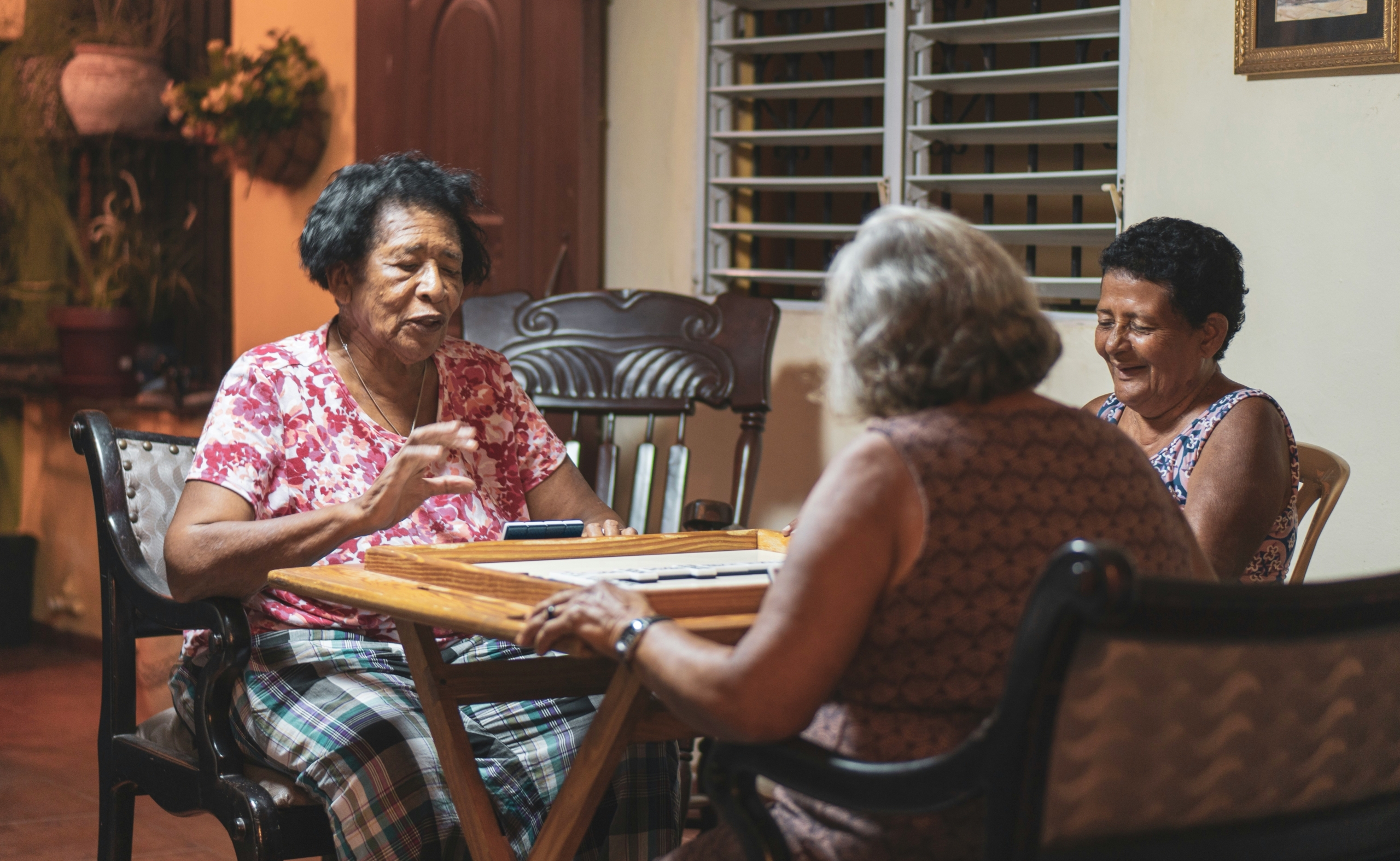 Elderly poverty in the Dominican Republic emerges as a significant concern amid the rising elderly demographic. Advancements in the modern world and increased economic development have elevated the average life expectancy of Dominican citizens from 40 to 70 years between 1960 and 2020. However, the corresponding rise in social welfare systems for older adults has not been commensurate.
Consequently, as the elderly population increases, the strain on existing government and familial support systems to meet their financial needs also increases. Below is information regarding elderly poverty in the Dominican Republic and the efforts undertaken to address it.
Familial Care
The increasing population of individuals aged 60 and above raises concerns, particularly in light of the Dominican Republic’s declining crude birth rate, which has steadily decreased over the past decade from 21.79 % in 2011 to 18.43% in 2021.
Given the Dominican Republic’s solid cultural emphasis on familial caretaking of senior citizens, much of the social welfare for older adults comes from within their own families. However, the declining birth rate and growing elderly population create a disproportionate imbalance that could jeopardize the financial security of older adults in the future. With families facing the responsibility of caring for more elderly members and fewer supporting members, the financial strain on both families and older people could exacerbate poverty rates for both groups.
The Systems in Place
The pension and care systems for older adults in the Dominican Republic undergo a similar acceleration in change and funding as the rapidly growing elderly demographic. Of the population aged 80 and above, only 9.3% receive pension income, while 46% rely on familial support. Overall, merely 18% of economically active individuals benefit from pensions.
It leaves undocumented elderly individuals, such as those lacking legal residency status or involved in the informal economy, ineligible for pensions. The primary government social welfare system for older people excludes these individuals. Improving pensions and the quality of elderly care is necessary to address elderly poverty and ensure secure social welfare.
The scarcity of trained caregivers and the absence of affordable care homes also contribute to the elderly poverty issue. Families unable to afford care for their elderly bear the financial burden themselves, further exacerbating their strain. With more than 40% of Dominicans living in precarious conditions, vulnerable to climate issues and economic instability, this strain could quickly escalate poverty rates among older adults and the wider population.
Future Perspectives
The Dominican Republic’s increasing elderly population reflects a significant achievement in health care and economic progress, evidenced by a notable rise in life expectancy over the past eight decades. However, this advancement brings challenges in supporting this burgeoning community and ensuring their social welfare. Taking proactive measures before substantial increases in this demographic can significantly mitigate elderly poverty in the Dominican Republic.
Additionally, assisting in alleviating extreme poverty in the country can benefit older people, as their cases are often intertwined. Non-governmental organizations (NGOs) like the Dominican Institute of Integral Development address internal issues contributing to elderly poverty by fostering the development of more than 40,000 microenterprises to bolster family economies. They also continue to combat changes in the climate, which has the potential to disrupt the social and economic foundations of families supporting their elderly. By sustaining such efforts, the government can create room to reinforce existing systems to assist older adults adequately.
– Chinua Ebereonwu
Photo: Unsplash
