Mental Health in the Gambia
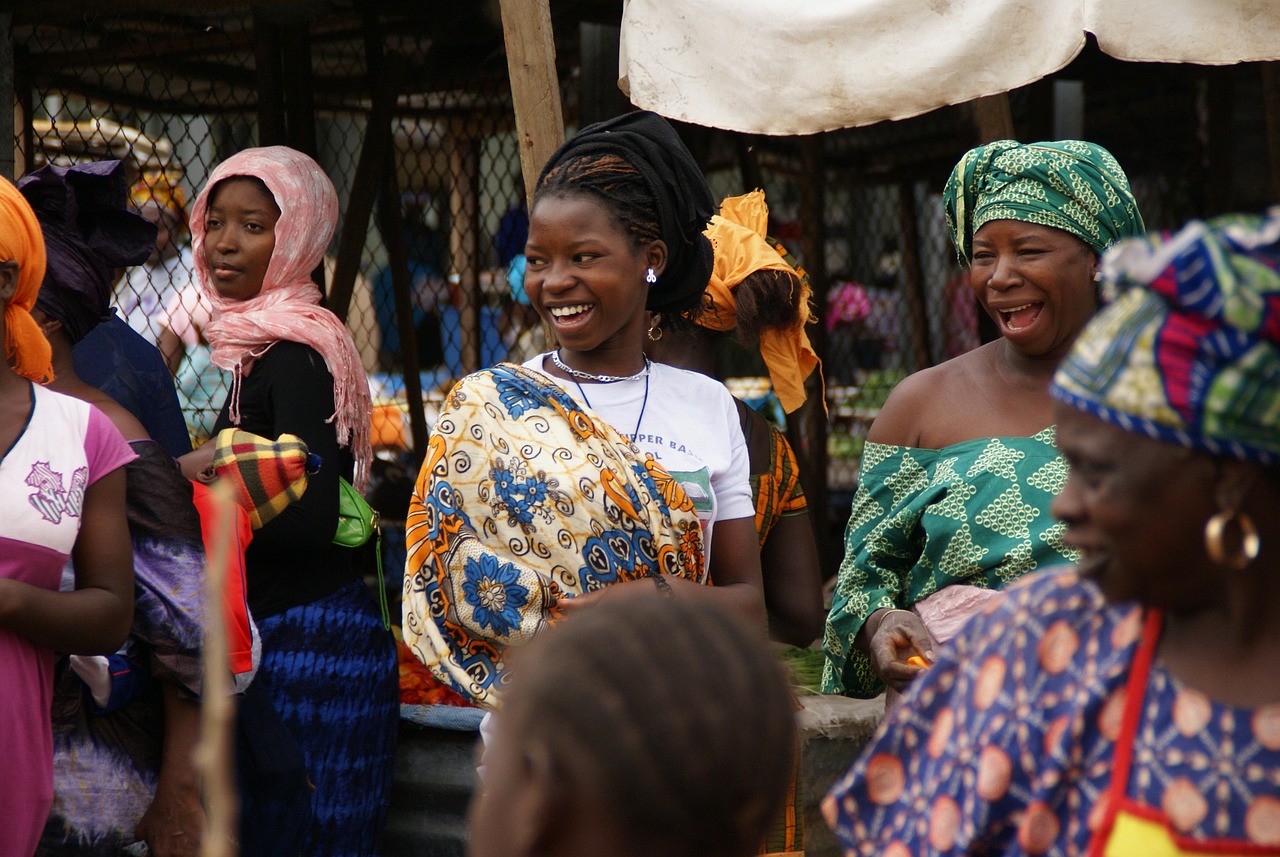 Management of mental illnesses represents a significant challenge yet to be adequately addressed in numerous low and middle-income nations. Such conditions not only escalate the expenses of health care and social support but also correlate with diminished quality of life, unemployment, heightened disability risk and premature mortality.
The Gambia has long marginalized and stigmatized mental health, leading to a gradual rise in mental wellness crises within the nation. With a population nearing 2.8 million as of 2023, the Gambia possesses only one psychiatric hospital in the capital city of Banjul, referred to as Tanka-Tanka, alongside a singular psychiatric outpatient clinic catering to the entire populace. The Tanka-Tanka mental hospital accommodates 100 beds and employs 58 practitioners. These facilities shoulder the responsibility of addressing all documented cases of mental illness throughout the country.
Mental Health in the Gambia Is Still a Major Issue
Widespread societal attitudes that downplay or disregard mental health issues are pervasive in deeply religious nations, perpetuating stigma and discrimination against individuals grappling with such conditions. This trend notably occurs in the Gambia, a predominantly spiritual country. According to the Central Intelligence Agency World Factbook’s (CIA) 2022 publication, approximately 96.4% of the population identifies as Muslims, underscoring the notion that prevailing social perspectives have adversely impacted mental health perceptions in the Gambia.
In Gambian tradition, manifestations of mental disorders frequently get ascribed to spiritual assaults or alleged demonic possession. Unorthodox healing modalities address the presumed “Spiritual Root Cause” through religious and traditional approaches, such as herbal remedies or ceremonial purification rituals. Among these methods, traditional healers also practice soaking and ingesting Quranic verses inscribed on paper. Regrettably, these treatments often disregard the effectiveness of medical interventions.
In a 2015 paper authored by A. Sulaimon and published in the Journal of Health Care for the Poor and Underserved, The paper highlighted how cultural beliefs perpetuate myths suggesting that mental illness is contagious or that individuals struggling with such conditions are inherently violent and unstable. Consequently, this leads to the social ostracization and mistreatment of affected individuals, as families often conceal afflicted relatives to evade community stigma.
Additionally, there is a troubling surge in substance abuse among urban youths, primarily rooted in mental health challenges. The absence of specialized services for addressing drug and alcohol addiction exacerbates this issue. Furthermore, the prevalence of prostitution among young and underage girls, coupled with the underreported and unaddressed problem of sex trafficking, collectively compound the societal challenges impacting mental health.
Initiatives Addressing Mental Health Challenges
The World Health Organization (WHO), through its Mental Health Gap Action Programme (mhGAP), initiated in 2008 and the Mental Health Leadership and Advocacy Programme (mhLAP), introduced in 2010, has emphasized the necessity of expanding mental health services within the country. WHO acknowledges that the presence of sufficient mental health professionals and facilities is essential to address the needs of existing mental health patients adequately. Additionally, such expansion is crucial for implementing an effective early intervention and preventive care strategy.
Mobee Gambia, a Non-Governmental Organization (NGO) dedicated to assisting individuals with mental health challenges, has undertaken initiatives to address mental health concerns in the Gambia. In February 2024, the organization orchestrated an educational event and mental well-being promotion involving a cohort of young individuals. The event centered around the theme of drug and alcohol issues impacting the mental well-being of young people in our communities.
Mobee is currently in the planning stages of establishing offices for administrative purposes to facilitate the implementation of psychoeducation programs to enhance individuals’ physical, social, psychological and emotional health. Additionally, discussions are underway with the Gambia Red Cross and Wyce.org.uk. The collaboration aims to deliver mental health services and programs geared towards enhancing cognitive health in the Gambia.
Conclusion
The involvement of international organizations and government initiatives signifies a positive shift towards addressing mental health in Gambia. While progress may be gradual, the collective impact of various programs and assistance is poised to become increasingly evident over time.
– Olusegun Odejobi
Photo: Pixabay
