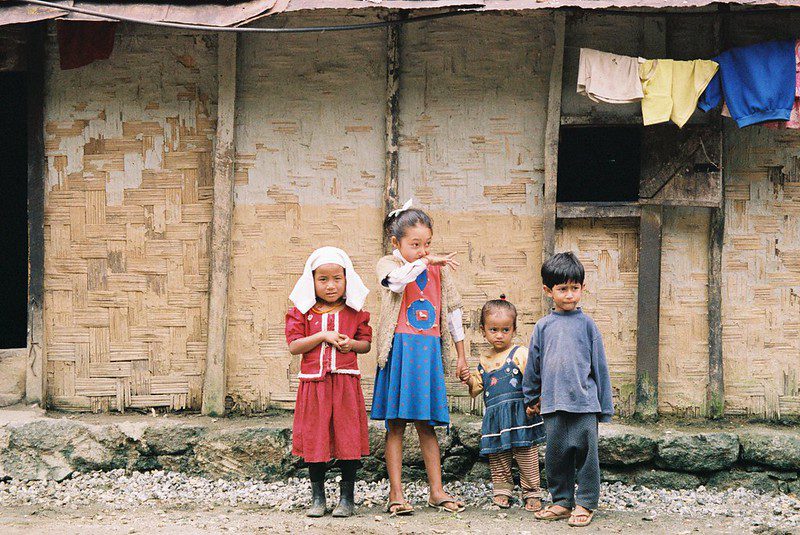
 Poverty remains a pressing issue in India, with more than 12.92% living below the national poverty line of $2.15 a day as of 2021 – a number that, with global support, is steadily declining year by year. Here are five strategies aimed at combating poverty and fostering inclusive development in India.
Education and Skill Development
According to the United Nations Educational, Scientific and Cultural Organization (UNESCO), if all students in low-income countries could be provided basic reading skills, an estimated 171 million people would be able to lift themselves out of extreme poverty. If all adults in low-income countries completed secondary school education, it would be possible to cut the global poverty rate by at least half. Hence, access to education and skill development is crucial in combating poverty in India.
Out of all the G20 nations, India has the highest percentage of adults who have not completed primary education. About 46% of 25-64-year-olds have not completed primary education and 71% have not completed secondary education. The average for all G20 countries is 36%. However, several nongovernmental organizations (NGOs) are dedicated to improving the quality of education in India, one of which is Pratham. Pratham focuses on “high-quality, low-cost and replicable interventions to address gaps in the education system” and its programs reach millions every year.
Pratham offers a number of initiatives, from Early Childhood Education to Second Chances, for those who have previously left school without completing their education and is committed to its mission of “every child in school and learning well.”
Health Care Access and Infrastructure
According to a study conducted in 2011, India has an average of 20 health workers per 10,000 people, with most of them opting to work in areas that have better infrastructure and facilities for family life and growth. This leaves poorer areas with a lower density of health workers. As a result of this, only 37% were able to reach in-patient facilities within a 5km distance. There is an understanding that the further one lives from towns, the greater the risk of disease, malnourishment, weakness and premature death.
Furthermore, a 2012 study of six states in India revealed that many of the primary health centers lacked basic infrastructure such as beds, wards, toilets, drinking water, clean labor rooms for delivery and regular electricity. In response to these statistics, the Reliance Foundation, an organization with the motto “Health for All,” is working toward providing access to quality and affordable health care in India. The organization is doing this through community health initiatives, health outreach to vulnerable communities and the provision of quality health care to all.
The Reliance Foundation’s Health Outreach Programme has provided more than 8.1 million consultations to vulnerable patients. Health camps offer specialist care for various non-communicable diseases such as diabetes, as well as communicable diseases like HIV/AIDS and TB. Through these health camps, as well as hospitals in Lodhivali, Jamnagar and Hazira, the Reliance Foundation has been able to support more than 8,000 people with HIV, including children.
Women’s Empowerment and Gender Equality
Gender discrimination fuels women’s poverty in the workplace with limited access to resources and financial assets and deep-rooted stereotypes that limit women’s ability to participate in education and employment. Consequently, 10% of women globally are trapped in a cycle of extreme poverty – something that is clear in India, with 45 million women in poverty compared to 38 million men.
Furthermore, there are risks and vulnerabilities directly linked to political, social and cultural disadvantages for Indian women. These risks expose girls to the possibility of child marriage, teenage pregnancy, poor education and health, sexual abuse, exploitation and violence. By empowering women and increasing the value of women in India, the cycle of extreme poverty can be broken and women can be enabled to fully develop and contribute to India’s growth, as well as combat poverty in India.
Access To Clean Water and Sanitation
Out of a 1.4 billion population, 35 million people lack access to safe water and 678 million lack access to a safe toilet. There are a number of factors contributing to these statistics, such as extreme water stress, lack of access to piped water supplies and changing weather patterns that result in droughts.
While the Indian government’s goal of providing tap water connections to every household by 2024 is positive, this has created an unprecedented urgency to increase access to safe water and sanitation services. However, since 2004, the organization Water.org has played a significant part in improving water and sanitation in India.
The nonprofit is providing access to safe water to more than 25.7 million people through its WaterCredit Initiative, microfinancing disadvantaged regions and providing affordable loans as well as the connections and resources to put a tap or toilet in homes.
Advocacy and Policy Reforms
Regarding policy reforms to combat poverty in India, the Centre for Policy Research (CPR) has been one of India’s leading public policy think tanks since 1973. CPR is a nonprofit, nonpartisan, independent institution. It aims to conduct research that can be used to create better policies and high-quality scholarship while also contributing greatly to the public discourse about combating poverty in India.
Similarly, PRS Legislative Research is an organization seeking to provide information on the work of Members of Parliament (MPs) and Parliament to citizens in accessible formats. Furthermore, it partners with the media and civil society groups to help them engage more with various governmental issues.
This is crucial as the Indian government itself does not provide its legislators with research personnel. Therefore, PRS Legislative Research helps legislators understand various problems and use data and evidence to aid decisions in multiple policies. This results in more researched and educated legislation and policies being passed.
Final Remark
In conclusion, combating poverty in India requires a multifaceted approach encompassing education, health care and policy advocacy. By implementing and maintaining these strategies and fostering collaboration with stakeholders, it is possible to combat poverty in India and create a more equitable and prosperous future for its population in the journey toward inclusive development.
– Emily Weir
Emily is based in Bath, UK and focuses on Global Health and Celebs for The Borgen Project.
Photo: Flickr

Parent Education Improving Childcare in Rwanda
Health Impact and Stunting
According to the United Nations Children’s Fund (UNICEF), approximately 38% of Rwandan children are stunted, meaning their cognitive, motor and language abilities are severely impaired. This is a direct result of a child’s early development in life, which plays a crucial role in determining long-term educational outcomes. Children who come from low-income households are three times as likely than those in wealthier households to experience stunting. This significant disproportion showcases poverty as playing an important role.
Home Environment and Childhood Development
The home environment and parents are significant in shaping early childhood development. According to UNICEF, only one in five parents in Rwanda engages in early childhood learning activities in the home. Children are also limited in their opportunities to attend preschool or engage in other educational learning opportunities. Malnourished children are at a higher risk of becoming stunted, limiting their learning ability in the future.
Government Action
To assist parents, UNICEF and the Rwandan government worked together to implement initiatives to improve childcare. In 2019, in collaboration with the Ministry of Gender and Family Promotion, The National Parenting Curriculum was commissioned, aiming to enhance parent education and familial support.
The National Parenting Curriculum also outlines initiatives to reduce stunting and malnutrition among Rwandan children. It emphasizes the need for childhood development to begin long before school starts. The document also stresses the role of parents in helping to support children further.
Parental education can help keep children engaged and improve their quality of life to keep them sustained and out of poverty.
On-The-Ground Solutions
Extensive strategies from the Rwandan government and advocacy organizations are helping to mitigate the dangerous impact of poverty on childcare in Rwanda. One such initiative fighting on the ground is the Children of Rwanda.
Children of Rwanda is a nonprofit supporting children unable to attend school in Western Rwanda. The organization works directly with local schools to provide bursaries to children struggling with education costs. In addition, families also receive health insurance. The foundation has empowered more than 250 children to return to their local schools.
Looking Ahead
According to a policy research paper published by the World Bank examining global trends in poverty among children in international poverty lines, the extreme child poverty rate was reduced from 20.7% to approximately 16% between 2013 and 2022. This underscores the importance of government collaboration with humanitarian aid organizations in improving early childhood development and eradicating child poverty.
Recognizing the need for reform and support can help increase awareness of the dangerous effects of poverty on the well-being of children. We can prevent poverty and it all starts with supporting the children of the future.
– Dominic Samaniego
Photo: Flickr
Water Poverty in Zimbabwe: Save the Children’s Approach
The Water Problem
Save the Children emphasizes that water is a basic human right and that the absence of clean, safe water increases the risk of contracting preventable diseases. In April 2024, Zimbabwe’s President, Emmerson Mnangagwa, declared a national disaster over the drought gripping the country, requesting $2 billion in aid to secure food and safe water for millions. The drought has severely impacted not only food and water supplies but also electricity production, which relies heavily on hydroelectric power. Furthermore, the scarcity of clean, safe water led to a significant cholera outbreak, underscoring the urgent nationwide need for constructing boreholes.
Save the Children’s Efforts
Save the Children collaborated with the Beitbridge District Water and Sanitation Sub Committee to provide clean and safe water for drinking and household use. This effort received financial backing from the European Union (EU) through UNICEF as part of the Enhanced Resilience for Vulnerable Households in Zimbabwe (ERVHIZ) project. The initiative focused on rehabilitating dysfunctional boreholes, enabling local access to clean water without the need for long-distance travel.
This safe and clean water serves multiple purposes beyond drinking. Communities can use it to grow vegetables, enhance their diet and improve both health and well-being. Additionally, selling surplus produce can generate profit, creating employment opportunities for many women and girls.
Empowering Communities Through Water Access
Projects like the ERVHIZ have not only improved access to clean water but also empowered communities to take ownership and manage their resources. With functioning boreholes, some communities have established Water Point Management Committees comprising both men and women. Save the Children has provided training to ensure the boreholes are well maintained. A functioning and well-maintained borehole protects the community from cholera and enhances safety for women and girls.
Overall, the rehabilitation of 45 dysfunctional boreholes has improved access to clean water for more than 125,000 people. Moreover, this is just one example of the impactful work Save the Children undertakes to alleviate poverty. It illustrates the transformative effects that providing safe and clean water can have on communities.
Looking Forward
The revitalization of water resources by Save the Children and its partners promises a sustainable path toward community resilience and economic stability. The effective management and maintenance of these resources could be pivotal in breaking the cycle of water poverty in Zimbabwe and ensuring long-term health benefits for the communities involved.
– Cordelia Moore
Photo: Flickr
Innovative Solutions to Hunger in Gurugram
Hunger in Gurugram
In its poorest areas, hunger in Gurugram is rife, which has now been exacerbated by COVID-19 and lockdowns. Since COVID, a large number of people rely on dry food rations, meaning many do not have access to a hot cooked meal. This is where the work of a nongovernmental organization (NGO), Rasoi on Wheels, which was set up in 2016, becomes relevant. The nonprofit is a grassroots initiative with a small number of team members who work to alleviate hunger in Gurugram.
As the name suggests, the charity exists as a mobile food truck, which prepares meal boxes in kitchens in the morning and delivers them straight to areas in need the same day. This increases access to healthy, safely cooked meals for less privileged communities. Rasoi on Wheels has served more than 50,000 meals since the foundation started, evidence of its positive impact in alleviating hunger.
Positive Outcomes of Mobile Food Resources
A result of food insecurity in Gurugram means that individuals are desperate to eat and they often consume out-of-date leftover foods, such as leftovers and scraps from bins. This dangerous practice leads to illness and severe cases of food poisoning, which negatively impacts the health and cleanliness of these areas. Therefore, as well as reducing hunger in Gurugram, Rasoi on Wheels also increases access to safe, fresh and nutritious foods, preventing individuals from resorting to dangerous methods of accessing food. The nature of mobile food resources is often praised as a driving force of positive change, commending the work of Rasoi on Wheels, as it “effectively expands food distribution to highly vulnerable populations.”
The Future of Gurugram
Gurugram is an example of how a city can be home to two extremes: rich and poor. Although its transformation to wealth is promising, we must also acknowledge that poor communities still lack basic amenities and resources, such as food. However, with the efforts and hard work of NGOs, there lies hope for a more equitable future for Gurugram, where prosperity is shared more equally.
– Amelie Bunce
Photo: Pexels
Everything You Need To Know about Poverty in Bangladesh
In recent years, Bangladesh has reduced population growth, improved health care and education and is on track to transition into U.N. Developing Country status by 2026. Still, limited resources and a volatile political sphere have hindered progress. This is everything you need to know about poverty in Bangladesh.
Top 10 Facts About Poverty in Bangladesh
Severe floods damage crops, ruin villages and take a heavy toll on human and animal populations. In turn, this causes a strain on agricultural production and the supply of food. In August of 2023, 24% of households in Bangladesh suffered from food insecurity due to the rainfall and heat waves.
The situation may look pessimistic based on some of these 10 facts about poverty in Bangladesh. However, despite its challenges, Bangladesh has vastly improved and continues to improve. The cultural environment is rich and diverse and citizens continue to work toward a better future for Bangladesh. Overall, everything you need to know about poverty in Bangladesh highlights that, while there is room for improvement, the country has great potential to continue developing into a prosperous member of the U.N. and international realm.
– Anjum Alam
Photo: Pixabay
Meg and Rose: A Small Business in South Africa Alleviating Poverty
According to Trade and Industry Policy Strategies (TIPS), about 30% of employed people in South Africa work for a small business. These enterprises have become a significant source of income for many people from marginalized backgrounds. In post-Apartheid South Africa, small businesses face disadvantages compared to larger companies due to the lingering effects of Apartheid policies. Despite these challenges, many Black female South African entrepreneurs, a key demographic in small businesses, have spurred economic growth in South Africa.
Meg and Rose: A Family Enterprise
Meg and Rose, a family-run, female and Black-owned small business in South Africa, is creating positive change in its Cape Town community. Founded by three generations of women—grandmother Rosemary Solomons, mother and company president Meagan Van der Merwe and daughter Zoe Van der Merwe—the business began after a significant life change. When Meagan lost her job following Uber Eats’ acquisition of OrderTalk, a Cape Town-based tech company where she worked, she turned to crocheting, drawing and painting for joy and fulfillment.
Using her artistic skills along with her mother’s sewing expertise and her daughter’s social media management abilities, the trio started selling handmade crochet dolls, home decor and accessories on their Instagram page. Some of their unique products include a customizable hand-painted tote bag priced at 200 South African rands—approximately $10.65 or £8.51—and a crocheted “Melody the Mellow Bunny” doll for R700.
Community Engagement and Customer Relations
Each product from Meg and Rose requires hours of meticulous work, and the company creates every item with love. The Entrepreneurship and Empowerment in South Africa Program, through Boitshoko ke Phenyo Consulting, found that about 95% of the business’s orders come from women in the Cape Town area. As Cape Town residents themselves, Rosemary, Meagan and Zoe have developed and maintained strong relationships with their customers, who are often fellow community members. For instance, they stay in touch with customers, offering congratulations on new babies and checking to ensure that their products are both loved and well-used.
Nonprofit Work
Rosemary, Meagan and Zoe directly alleviate poverty in Cape Town through their nonprofit. They established Mike’s Helping Hands in honor of Rosemary’s late husband, Mike, who was known for his generosity and service to the community. This organization, funded entirely by donations and profits from Meg and Rose, initially aimed to distribute meal kits to those unable to afford food. Mike’s Helping Hands has since broadened its efforts, driven by its mission: “In kindness lies strength, leave no one behind.”
The business’s nonprofit initiative, Dream Day, also supports young impoverished South African women during significant events like prom and graduation by providing dresses at no cost and offering makeup and hair services for only R20. Recently, the organization collected used toys and clothing to distribute to children who lack these essentials. Rosemary, Meagan and Zoe have strengthened their community ties in the collective fight against poverty by encouraging their friends and neighbors to participate.
Inspiring Future Generations
Meg and Rose supports its Cape Town neighbors with hard work, respect and love through its business and ongoing initiatives. Moreover, with its influence as a small business in South Africa, Meg and Rose aim to continue promoting Black female entrepreneurship in the country.
– Estelle Lee
Photo: Unsplash
Renewable Energy in Liberia
It is now a common trend for new and developing countries to adopt renewable energy as their main energy source, with Liberia currently working to incorporate more renewable energy into its energy sector. The country’s plans for renewable energy seek to rectify its inadequate power situation. According to a study by the International Energy Agency in 2019, only 3% of the population had access to the electrical grid.
What Is the Issue?
Like many other countries in the world, Liberia mostly relies on common forms of energy. Its major source of energy is biomass fuel, which includes firewood and charcoal. Another important source of electricity for the country is the combination of hydroelectric power and diesel generators. These sources are only available to a limited portion of the population, as the more remote the area, the lower the probability of electricity being produced in the area.
Renewable energy usage in Liberia is low, with hydroelectric power accounting for just 6% of energy consumption. This is due to a reliance on traditional sources of electricity and energy. Liberia has great potential to harness renewable energy from sources such as solar energy and hydro biomass (a combination of energy from dead animals/plants and water). However, the main challenge in Liberia’s adoption of renewable energy is obtaining the necessary resources to do so.
The Goal
In 2024, Liberia announced in the National Determined Contribution Document that it plans to reduce greenhouse gas emissions by at least 64%. The goal is to reach this number by 2030. The country also wants to use around 30% renewable energy after 2030. To achieve these goals, Liberia is looking for monetary help from countries and organizations abroad.
The help from other organizations began in 2017 when the Climate Investment Fund Awarded the country around $23 million to help remodel the country’s energy sector. Further, the Green Climate Fund aims to help with climate change around the world. Since 2017, the fund has donated $44 million to help reach the country’s energy goals.
How Is It Going?
Renewable energy is slowly becoming a reality in Liberia. Starting in 2018, Sun Star Green Energy, a renewable energy company, installed more than 10,000 solar-powered homes and solar lamps in the country’s rural areas. Implementing these homes is helping the residents in the area immensely, giving residents a chance to have electricity.
In that same year, the Millennium Challenge Corporation fixed the Mount Coffee hydropower plant in the country. As of now, the new plant produces 88 watts of power, which is twice as much as the country used to produce. Ultimately, renewable energy in Liberia is on track to have a bright future with the help and resources of others to facilitate it.
– Madison McCray
Photo: Pixabay
Creative Ways People Are Solving Big Problems
Harvesting Water Out of Thin Air
“Lima, Peru has ten million people but they get less than an inch of rain every year,” said Borgen.
Fog nets have existed in areas like Lima for centuries, providing a lifeline for communities by capturing moisture from fog and it into a vital source of water. As access to water has become progressively more challenging, companies have devised more efficient methods to extract water from the atmosphere.
Borgen and Twarowska delivered a fascinating insight into SOURCE, a revolutionary device that resembles solar panels and extracts moisture from the air, converting it into drinkable water. Designed to operate in arid regions and locations with minimal rainfall, SOURCE holds immense potential for solving big problems like water scarcity around the globe.
Tackling Infant Mortality Rates
Another pivotal topic explored is the global effort to reduce infant mortality rates under five years old, which have reached an all-time low but remain a pressing concern. Borgen and Twarowka shed light on the significant process made since 2000, with rates halving, yet emphasized the persistent challenge posed by infectious diseases like diarrhea, malaria and pneumonia.
“My grandfather had 11 siblings and seven of them died before they were 20. Most of it was from pneumonia,” said Twarowska.
Access to essential treatments remains paramount in saving young lives and bridging health care disparities.
Innovations in Sustainable Aquaculture
Transitioning to sustainable aquaculture, the conversation introduced HIMA Seafood, a pioneering fish farm employing water recycling techniques. Traditional fish farming methods often encounter environmental challenges such as waste buildup and invasive species, which can have detrimental effects on local ecosystems and biodiversity.
HIMA Seafood’s approach, utilizing self-contained tanks and converting excess nutrients into fertilizer, offers a more eco-friendly and economically viable solution.
Ethical Considerations and Reflections on Food Production
Ethical considerations in food production took center stage as Borgen and Twarowska discussed the transition towards free-range poultry farming. Michelle shares insights from the Humane Society, including McDonald’s commitment to sourcing 100% of its eggs from free-range suppliers by 2025, which they have completed early.
McDonald’s “uses two billion eggs a year. That’s a lot of chickens that would otherwise be stuck in cages all day long,” said Borgen.
The dialogue concluded with introspective reflections on food consumption practices and their societal implications.
“It’s so much easier to survive,” explained Twarowska regarding the profound shift in human instinct regarding food consumption.
“Humans feel bad to kill because that’s not naturally what we do every day.”
“We would eat so much differently if we had to kill everything we ate,” agreed Borgen.
Clint Borgen
Clint Borgen is the Founder and President of The Borgen Project. His vision to address global poverty was inspired by his time spent volunteering during the Kosovo War and Genocide. Attracting volunteers from 854 cities around the world, Borgen has used his influence to support legislation that makes poverty a focus of U.S. foreign policy.
Michelle Twarowska
Michelle Twarowska is an actress who is currently based in Los Angeles. Her Polish descent not only enriches her performances but also provides valuable insights into European traditions and initiatives. Her multicultural perspective is particularly valuable to “The Borgen Project Podcast,” where diverse viewpoints and global perspectives are highly valued.
– Lila Russell
Photo: Flickr
5 Strategies for Combating Poverty in India
Education and Skill Development
According to the United Nations Educational, Scientific and Cultural Organization (UNESCO), if all students in low-income countries could be provided basic reading skills, an estimated 171 million people would be able to lift themselves out of extreme poverty. If all adults in low-income countries completed secondary school education, it would be possible to cut the global poverty rate by at least half. Hence, access to education and skill development is crucial in combating poverty in India.
Out of all the G20 nations, India has the highest percentage of adults who have not completed primary education. About 46% of 25-64-year-olds have not completed primary education and 71% have not completed secondary education. The average for all G20 countries is 36%. However, several nongovernmental organizations (NGOs) are dedicated to improving the quality of education in India, one of which is Pratham. Pratham focuses on “high-quality, low-cost and replicable interventions to address gaps in the education system” and its programs reach millions every year.
Pratham offers a number of initiatives, from Early Childhood Education to Second Chances, for those who have previously left school without completing their education and is committed to its mission of “every child in school and learning well.”
Health Care Access and Infrastructure
According to a study conducted in 2011, India has an average of 20 health workers per 10,000 people, with most of them opting to work in areas that have better infrastructure and facilities for family life and growth. This leaves poorer areas with a lower density of health workers. As a result of this, only 37% were able to reach in-patient facilities within a 5km distance. There is an understanding that the further one lives from towns, the greater the risk of disease, malnourishment, weakness and premature death.
Furthermore, a 2012 study of six states in India revealed that many of the primary health centers lacked basic infrastructure such as beds, wards, toilets, drinking water, clean labor rooms for delivery and regular electricity. In response to these statistics, the Reliance Foundation, an organization with the motto “Health for All,” is working toward providing access to quality and affordable health care in India. The organization is doing this through community health initiatives, health outreach to vulnerable communities and the provision of quality health care to all.
The Reliance Foundation’s Health Outreach Programme has provided more than 8.1 million consultations to vulnerable patients. Health camps offer specialist care for various non-communicable diseases such as diabetes, as well as communicable diseases like HIV/AIDS and TB. Through these health camps, as well as hospitals in Lodhivali, Jamnagar and Hazira, the Reliance Foundation has been able to support more than 8,000 people with HIV, including children.
Women’s Empowerment and Gender Equality
Gender discrimination fuels women’s poverty in the workplace with limited access to resources and financial assets and deep-rooted stereotypes that limit women’s ability to participate in education and employment. Consequently, 10% of women globally are trapped in a cycle of extreme poverty – something that is clear in India, with 45 million women in poverty compared to 38 million men.
Furthermore, there are risks and vulnerabilities directly linked to political, social and cultural disadvantages for Indian women. These risks expose girls to the possibility of child marriage, teenage pregnancy, poor education and health, sexual abuse, exploitation and violence. By empowering women and increasing the value of women in India, the cycle of extreme poverty can be broken and women can be enabled to fully develop and contribute to India’s growth, as well as combat poverty in India.
Access To Clean Water and Sanitation
Out of a 1.4 billion population, 35 million people lack access to safe water and 678 million lack access to a safe toilet. There are a number of factors contributing to these statistics, such as extreme water stress, lack of access to piped water supplies and changing weather patterns that result in droughts.
While the Indian government’s goal of providing tap water connections to every household by 2024 is positive, this has created an unprecedented urgency to increase access to safe water and sanitation services. However, since 2004, the organization Water.org has played a significant part in improving water and sanitation in India.
The nonprofit is providing access to safe water to more than 25.7 million people through its WaterCredit Initiative, microfinancing disadvantaged regions and providing affordable loans as well as the connections and resources to put a tap or toilet in homes.
Advocacy and Policy Reforms
Regarding policy reforms to combat poverty in India, the Centre for Policy Research (CPR) has been one of India’s leading public policy think tanks since 1973. CPR is a nonprofit, nonpartisan, independent institution. It aims to conduct research that can be used to create better policies and high-quality scholarship while also contributing greatly to the public discourse about combating poverty in India.
Similarly, PRS Legislative Research is an organization seeking to provide information on the work of Members of Parliament (MPs) and Parliament to citizens in accessible formats. Furthermore, it partners with the media and civil society groups to help them engage more with various governmental issues.
This is crucial as the Indian government itself does not provide its legislators with research personnel. Therefore, PRS Legislative Research helps legislators understand various problems and use data and evidence to aid decisions in multiple policies. This results in more researched and educated legislation and policies being passed.
Final Remark
In conclusion, combating poverty in India requires a multifaceted approach encompassing education, health care and policy advocacy. By implementing and maintaining these strategies and fostering collaboration with stakeholders, it is possible to combat poverty in India and create a more equitable and prosperous future for its population in the journey toward inclusive development.
– Emily Weir
Photo: Flickr
Aquapreneurs Address Water Scarcity
The surge in demand for freshwater stems primarily from a combination of socioeconomic development, industrial growth and consumption patterns. The high demand stems from cities, urban areas and regions experiencing fast economic growth. The consequences of this high demand and withdrawal of water leave approximately 50% of the global population with water scarcity for at least one month a year. This can put areas under water stress, which creates a decrease in social stability, an increase in migration and a decrease in work, as 80% of jobs in low-income countries are water-dependent. More than 33% of African countries are considered to be “water-insecure” as the changing climate increases temperatures and precipitation.
The United Nations (U.N.) warns that a global water crisis is imminent and poses severe risks to food security, diseases and livelihoods. Global warming exacerbates the water crisis by amplifying the water cycle, resulting in higher amounts of water vapor. This directly impacts Earth’s weather patterns, heating (temperature) and precipitation levels (creates excessive flooding and droughts). In response to these challenges, Aquapreneurs are creating innovative solutions to conserve and manage water resources.
Aquapreneurs and the Global Freshwater Challenge
The World Economic Forum collaborated with UpLink to help solve some of the world’s most difficult challenges, such as water scarcity. The Global Freshwater Challenge was launched in 2022. It is a five-year Innovation Initiative that seeks to make freshwater ecosystems healthier and more resilient. This challenge was the first of five parts and out of 198 submissions, 10 winners were chosen. Here are three of the winning innovations for the Horn of Africa and the Sahel Region:
Wateroam Pte Ltd
The company Wateroam created a portable (weighing about five kg) filtration pump to bring safe drinking water to disaster zones and rural communities. The manual pump has an ultrafiltration chamber that can remove 99.99% of bacteria and viruses, including E. Coli and salmonella microbes. The water is ready to drink immediately after filtering and is cheap and easy to use. It is currently used in more than 40 countries, including South Africa. It is helping more than 200,000 people worldwide.
Openversum
Openversum has developed a water filtration system that is currently being used in Somalia and Uganda. The filter can be locally manufactured. It is capable of removing contaminants such as pathogens, heavy metals, pesticides and micropollutants from water. This is an important development, as poor sanitation and inadequate wastewater treatment can increase the risk of diarrheal disease. The manufacturing costs of the filter are low and create job opportunities in affected areas.
Majik Water Technologies
Majik Water is a women-led organization that uses technology to produce water from the air in arid and semi-arid regions in Kenya. Extraction of fresh water from the air is safer than groundwater extraction because groundwater contains high levels of arsenic and fluoride. The technology acts as a dehumidifier. It draws air into the machine through an electrostatic filter, passes over refrigerated coils and then builds moisture on the coils.
Finally, the water is deposited into a holding tank. Currently, 90% of Kenya’s water sources are depleted, which increases malnutrition and the risk of disease. Yet, with this technology, more than 200,000 liters of clean drinking water is being produced each month cost-effectively and efficiently using solar thermal energy.
Conclusion
Water is an essential part of sustaining life. The Global Freshwater Challenge empowers Aquapreneurs to address water scarcity by developing innovative solutions to help ensure access to clean drinking water. UpLink continues to feature innovation challenges to provide Aquapreneurs the opportunity to showcase their work for increased exposure and the potential for financial rewards.
– Gabrielle Schwartz
Photo: Flickr
Child Poverty in Georgia
The Challenge
Children in Georgia are disproportionately more susceptible to poverty than any other demographic group. Georgia continues to grapple with the absence of a comprehensive social protection system tailored to the needs of children, failing to support families and bolster their capacity to withstand adversity adequately. Deficiencies persist in legislation and policies geared towards prioritizing children and providing financial assistance and access to essential social services.
Consequently, numerous vulnerable families and children, including those with disabilities, victims of violence, minorities, and those from impoverished backgrounds, continue to be marginalized and underserved. In 2020, while the absolute poverty rate for the total population is 21.3%, this rate is higher for children at 26.4%, according to UNICEF.
The March 2020 declaration of a state emergency inflicted severe consequences on individuals in Georgia, exacerbating the plight of numerous families. Those already living in overcrowded households faced heightened vulnerability, pushing them deeper into poverty. Around 146,000 children aged 0 to 17 had a lower capacity to mitigate the impact of the COVID-19 pandemic, UNICEF reports. However, strong economic recovery in 2021 and 2022 translated into poverty reductions, with an estimated 15.6% of the population below the poverty line.
Targeted Social Assistance (TSA)
Georgia invests 7% of its GDP in social protection initiatives, according to UNICEF. The country implemented three main cash transfer programs in the last 15 years, the most prominent being the Targeted Social Assistance (TSA) program. As of October 2018, approximately 11.2% of the population in Georgia was receiving TSA cash benefits. Around 12% of children ages 0 to 15 live in a household with at least one member who receives TSA cash benefits. In addition, 14.2% of children of that same age group live in a household where a family member receives transfers from the Child Benefit Programme (CBP).
To help alleviate child poverty in Georgia, UNICEF has continuously worked with the Georgia government to improve the TSA program. It advocates for the enhancement and oversight of legislation and policies aimed at rendering the social protection system more conducive to the needs of children. Its efforts entail aiding the government in comprehending the underlying patterns and catalysts of exclusion, thereby influencing policy discourse and the allocation of public finances.
In addition, UNICEF collaborates in the development, adaptation, piloting and potential scaling-up of child-sensitive cash transfer programs, including child benefits, to further diminish child poverty in Georgia. Its ultimate goal is to ensure that the most vulnerable families with children possess the means to navigate economic upheavals and cultivate a nurturing and supportive environment for their children.
Childcare and Social Protection Services
Moreover, UNICEF strives to establish connections between childcare and social protection services, drawing upon recent achievements and insights gleaned from reforms in childcare and targeted social assistance. To highlight some of the success, UNICEF reports that since 2017, the revised TSA program has significantly improved the identification of poor families with children. In addition, the new child benefit contributes to reducing child poverty in Georgia. While commendable, past successes in reducing child poverty in Georgia underscore the ongoing need for further efforts. Despite remaining challenges, Georgia remains committed to reform and endeavors to steer its economic trajectory toward sustained prosperity in the future.
Reflecting on the successes achieved in reducing child poverty in Georgia, it is evident that UNICEF’s collaborative efforts with the government have been instrumental. UNICEF has made significant progress in supporting vulnerable families with children through initiatives such as the enhanced TSA program and the implementation of child-sensitive cash transfer programs.
However, despite these achievements, the persistent existence of child poverty in Georgia highlights the ongoing need for further action. As socioeconomic landscapes evolve and new challenges emerge, the Georgian government and UNICEF must continue their commitment to addressing child poverty. With continued dedication and collaboration, Georgia’s vision of a poverty-free future for its children can be realized. By addressing systemic barriers, enhancing program effectiveness, and prioritizing the needs of children and families, they can build upon past successes and pave a path toward a future where every child in Georgia has the opportunity to thrive.
– Maya DaSilva
Photo: Flickr