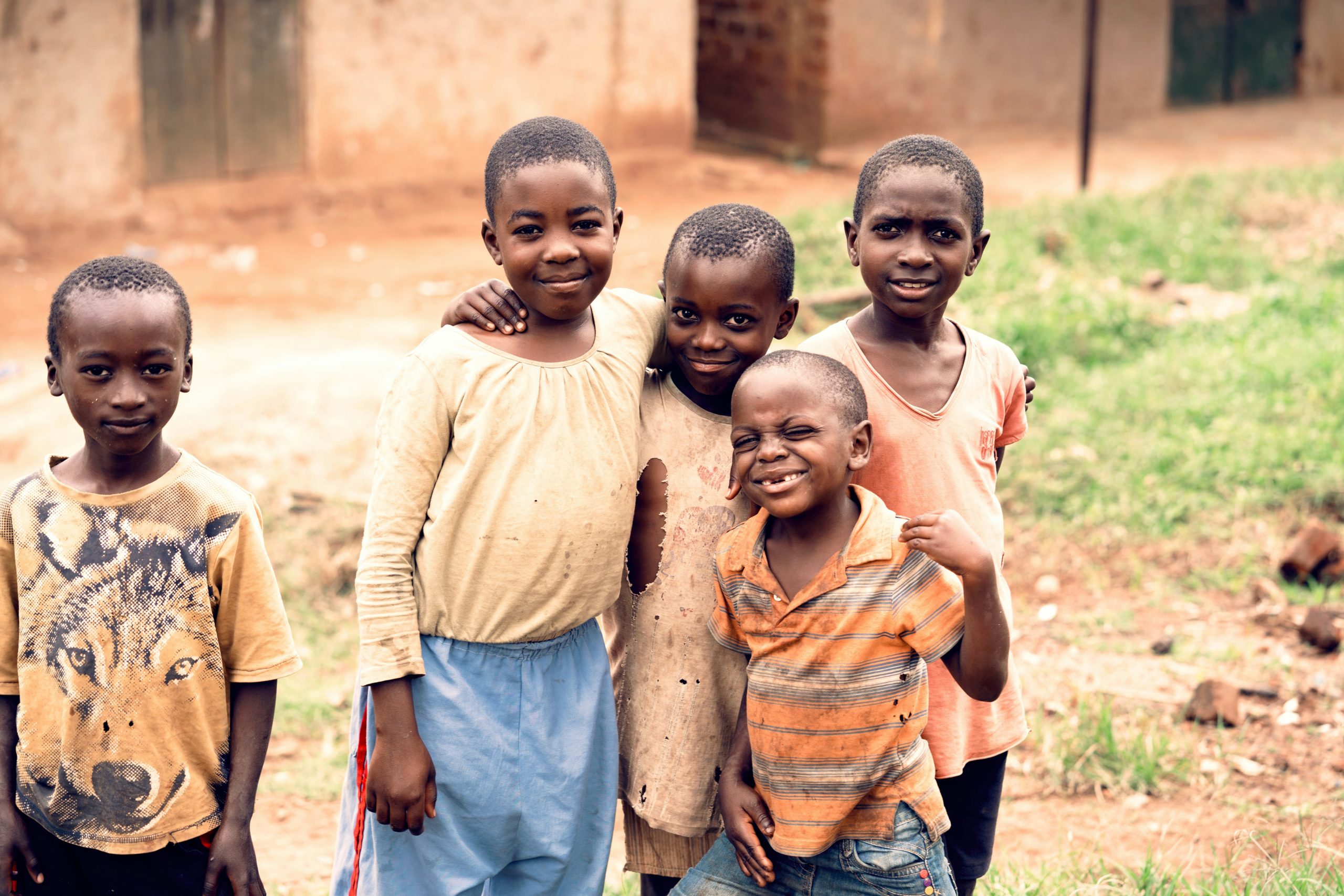
 The escalating population in Uganda, now surpassing 49 million, underscores a pressing public health crisis. Various factors, including mental health, food insecurity, education and agricultural practices, collectively contribute to the deterioration of public health, highlighting the critical need for global charitable support
Uganda faces severe food insecurity, with a Global Hunger Index score of 25.3. Additionally, the prevalence of infectious diseases, inadequate health care infrastructure and food scarcity exacerbated by unpredictable weather patterns, floods and the repercussions of COVID-19 further exacerbate the decline of public health.
Nevertheless, charitable organizations worldwide have made significant strides in addressing the public health crisis in Uganda, providing essential health care and resources for a more robust and secure future. According to the World Health Organization (WHO), the average life expectancy at birth in Uganda saw a notable improvement, rising from 45.7 years to 62.2 years for males and from 50.5 years to 64.2 years for females between 1991 and 2014.
Medical Teams International
Effectively addressing the public health crisis in Uganda requires concerted efforts. It is imperative to prioritize enhancing both physical and mental well-being. A Lancet Psychiatry correspondence in 2022 revealed that approximately 32% of Uganda’s population grapples with mental illness, a challenge compounded by insufficient resources and a shortage of psychiatric nurses. Additionally, in 2020, more than 69% of Ugandans experienced food insecurity, with more than 21% facing severe food shortages. Furthermore, the prevalence of life-threatening diseases like malaria, HIV/AIDS and tuberculosis contributes to more than 50% of morbidity and mortality rates in the country.
Since 2004, Medical Teams International has actively collaborated with Uganda, prioritizing accessibility to health care for refugees and locals. Through comprehensive programs, the charity offers prenatal care for mothers, administers vaccines to children and operates clinics providing life-saving treatments for various diseases and malnutrition. Over the years, Medical Teams International has conducted more than 834,000 malnutrition screenings and facilitated the safe delivery of more than 32,000 babies in Uganda.
Furthermore, Uganda faces a prevalence of mental health disorders, surpassing that of other low-income countries. Compounding this issue is the inadequacy of mental health services and the lack of the necessary resources for effective intervention. The influx of refugees into Uganda has exacerbated the demand for mental health support, evidenced by approximately 277 reported suicide cases in refugee settlements in 2023 alone. Unfortunately, Uganda has only about 53 psychiatrists, equating to roughly one psychiatrist per million people, posing a significant public health concern. However, Medical Teams International has trained more than 1,600 volunteers in psychological first aid to address this challenge. By providing counseling and promoting mental health awareness, the organization aims to improve access to care and mitigate the impact of mental health disorders in Uganda.
Hope Health Action
Hope Health Action (HHA) is another organization actively addressing the public health crisis in Uganda. The charity dedicates itself to serving the people of Uganda specializing in health care, disability care and emergency response. The country has experienced a significant influx of refugees fleeing conflict and violence in the Democratic Republic of Congo, with more than 1.6 million refugees and asylum seekers arriving in Uganda as of 2024, according to the WHO. Consequently, the demand for health care has surged, underscoring the essential role of organizations like HHA in providing emergency medical services to Uganda’s growing population.
Among its initiatives, HHA prioritizes health programs for vulnerable women and children, offering health education, immunizations and treatment for malnutrition. The organization also identifies high-risk cases requiring urgent hospital or clinic care. The CRADLE project, specifically designed for high-risk pregnancies, supports thousands of women and children. Additionally, HHA provides critical support to disabled individuals in Uganda through community-based rehabilitation efforts. The organization aims to uplift and empower Uganda’s most vulnerable citizens by offering local partners training, materials and financial assistance.
Seeds for Development
Seeds for Development is actively addressing the public health crisis in Uganda, mainly focusing on impoverished farming communities in Northern Uganda. The organization’s initiatives are to provide these communities with essential support, including regular meals, access to education for children, safer housing and the establishment of sustainable businesses to foster community rebuilding.
Agriculture is pivotal in Uganda’s economy, with approximately 68% of the population engaged in agricultural activities. The country benefits from favorable soil and climate conditions, contributing to its agricultural success, which accounts for about 85% of export earnings and 21.9% of GDP. However, disruptions caused by unpredictable weather patterns, floods and the impact of COVID-19 have severely affected Uganda’s agricultural sector and supply chains, leading to widespread food insecurity and economic strain.
Seeds for Development has responded by implementing forest gardens and regenerative agroforestry practices, empowering farmers to support their families sustainably. Since 2020, the organization has been working to establish forest gardens to support across Uganda, utilizing innovative technologies such as Geographic Information System mapping to optimize crop planning and growth. Moreover, Seeds for Development prioritizes education, providing monthly contributions to schools and offering nutritious porridge to students, alleviating the burden on parents and enabling them to focus on agricultural activities while ensuring their children receive a quality education.
Mental health, food insecurity, education, health care and farming persist as significant challenges in Uganda, exacerbated by the ongoing influx of refugees fleeing conflict. Charitable organizations sustain their efforts in Uganda to address these pressing issues and uplift communities. Fortunately, the concerted efforts of numerous charities dedicated to alleviating the public health crisis have made significant strides in assisting Uganda.
– Emily Whatley
Photo: Unsplash

Somali Diaspora: Hope For Change
Pressing Needs
Since the 1990s, health care in Somalia has been profoundly scarce, with more than 11.5 million Somalians lacking health services due to the absence of a functional central government. Additionally, the prolonged conflict has devastated mental health care, leading to widespread trauma, social deprivation and substance abuse.
The emergence of the Somali diaspora in the early 1990s has been fundamental to Somalia’s economy. Somalians living abroad contribute significantly by sending remittances to their families and supporting essential humanitarian needs like education and health care. Some diasporans collaborate directly with organizations that deliver educational and health care services in Somalia.
In addition, education in Somalia is significantly inadequate, with more than three million children unable to attend school due to poverty. With 60% of the population under the age of 25, access to education is critical. In 2019, volunteers and organizations contributing to health care and education sent more than $2 million in remittances to Somalia. However, challenges persist. Health care costs remain high, prompting Somali diaspora organizations to tirelessly support humanitarian needs. Additionally, ongoing conflict and environmental instability continue to disrupt many Somalians’ lives, necessitating emergency support.
Contributing to the Economy
The Somali diaspora is a major contributor to economic development and livelihood in Somalia. Agriculture has been the main funding for Somalia for decades, however, due to flooding, extreme drought and ongoing conflict, this has resulted in nearly five million Somalians experiencing food insecurity. The Somali diaspora works by investing in businesses, creating job opportunities and promoting entrepreneurship. Statistics reveal that around 30%-40% of funding for major local businesses come from the diaspora. In addition, remittances represent around 23% of Somali household income. Remittances are crucial for many Somalians, with 25% of households relying on them as their primary source of income. They use this money to cover living expenses, education and health care.
Diaspora business engagement has been beneficial in multiple aspects. Business investments contribute to a wide range of businesses around Somalia including small-scale businesses such as telecommunication, construction, remittances and trade. Funding Somali businesses has created employment opportunities for many Somalians, improved the livelihoods of families and generated revenue for the government.
Looking Forward
The Somali diaspora’s contributions are essential in bridging gaps in education, health care and economic development in Somalia. The ongoing support and remittances play a pivotal role in stabilizing the country’s socio-economic landscape. By fostering entrepreneurship and investing in vital sectors, the Somali diaspora not only aids immediate needs but also builds a foundation for sustainable growth and recovery.
– Emily Whatley
Photo: Flickr
The $10 Billion Plan to Combat Rural Poverty in Egypt
Since its inception, the Decent Life Initiative has garnered high expectations. In 2021, the Egyptian prime minister hailed it as Egypt’s mega project of the 21st Century, drawing parallels to iconic national endeavors like the Suez Canal and the Aswan High Dam.
Over the years, the initiative has begun to fulfill the promises made by Egyptian leadership. Branded as “Haya Kareema,” the Decent Life Initiative represents a comprehensive strategy to eradicate rural poverty in Egypt, encompassing many projects to foster sustainable growth in rural areas. Praised by the United Nations (U.N.) for its meticulous planning, Decent Life targets various facets of rural life, benefiting from broad support beyond governmental realms, with private sector entities and humanitarian organizations actively participating. With a combined funding of 500 billion Egyptian Pounds ($10.5 billion), Decent Life demonstrates a concerted effort to uplift rural communities and foster enduring socio-economic progress.
Rural Poverty in Egypt
A stark contrast exists between the quality of life in rural and urban Egypt. In 2011, 30% of the rural population struggled to afford necessities, compared to 10.6% in urban areas. Similarly, poverty rates mirrored this discrepancy, with 9.6% of rural Egyptians unable to access adequate food, while only 2.6% faced such challenges in urban locales. The Decent Life initiative represents a concerted effort to ease the impoverished conditions experienced by many rural Egyptians.
The Logistics of Decent Life
Decent Life commenced its official launch in 2019, marking the beginning of a transformative initiative. Initially, the government undertook a comprehensive survey of every rural village, employing an algorithm to identify the disadvantaged communities. These villages were ranked based on various criteria, including access to water and sanitation, education rates, health care accessibility, transportation infrastructure and poverty levels. The inaugural phase of Decent Life, from 2022 to 2024, concentrated on addressing the needs of identified communities. During this phase, a remarkable 23,000 projects were implemented across 1,477 villages, resulting in approximately 18 million Egyptians benefiting from the initiative.
The First Phase
Decent Life integrates vital life-saving interventions with projects aimed at fostering growth. Here are some notable achievements of the initiative thus far: access to water and sanitation: The government constructed 169 water stations, resulting in a significant increase of 24,000 households gaining access to clean water. Additionally, nine sewage treatment plants and 739 sanitation projects under Decent Life were inaugurated. These efforts led to a notable rise in household access to the sewage system, benefiting 287,000 individuals.
The Impact of the Decent Life Initiative
Decent Life, an initiative in Egypt, has made substantial contributions across various sectors. In education, it has constructed more than 14,000 classrooms across 1,242 schools, reducing classroom density in 35% of schools and eliminating the need for shifts due to overcrowding. Health care access has also seen significant improvements with the opening of 382 health units, a new hospital in the Aswan Governance and more than 300 new ambulance services.
Further, transportation infrastructure has been upgraded by paving 45 roads, including 15 main thoroughfares, refurbishing 60 railway stations and enhancing public transport services. Addressing rural poverty is another focus of Decent Life, achieved through initiatives like enhancing financial access. This includes establishing 12 new bank branches, renovating 112 existing branches and installing 563 ATMs, leading to more than 200,000 new bank accounts opening. Efforts to improve internet connectivity have connected more than 180 villages to a fiber optic network and installed more than 1,000 network towers, expanding internet access and economic opportunities for rural communities.
The Future of Decent Life
The completion of the first phase is slated for 2024, with the second phase poised to commence shortly after that. Encompassing more than 1,600 villages and impacting the lives of 20 million Egyptians, the Decent Life Initiative represents a monumental endeavor to eradicate rural poverty in Egypt. The ongoing efforts of the initiative have already yielded substantial benefits for millions of Egyptians, underscoring the imperative of its continuation. With a steadfast focus on sustainable growth, there is optimism that the initiative will provide a lasting solution to rural poverty in Egypt rather than a temporary fix.
– Richard Sartor
Photo: Flickr
Social Media Entrepreneurs in Nigeria
Overcoming Marketing Barriers
The entrepreneurial boom in Nigeria faces challenges with limited market access. Traditional marketing channels such as newspapers and billboards can be costly for startups. Additionally, entrepreneurs often serve only their local customer base due to geographical constraints, which stifles growth and economic progress.
Social media is revolutionizing market access for Nigerian entrepreneurs and playing a crucial role in poverty reduction efforts. As of January 2023, Nigeria boasted 31.60 million social media users, representing 14.3% of its total population.
Empowering Businesses Through Social Media
Social media platforms empower Nigerian entrepreneurs by offering a space to connect with customers, market products and build brand awareness. Entrepreneurs like Mustapha Aishat, who founded @mairachamp.ng, use Instagram to attract customers and offer brand packages. This approach highlights the innovative ways entrepreneurs use social media to expand their business reach.
Recent statistics indicate that 28% of all business activity now occurs online, underscoring the growing importance of the internet in the current business landscape. Consumers increasingly prefer the convenience of online transactions, prompting businesses to expand their online presence to capitalize on this trend.
A January 2024 Forbes report reveals that 4.02 billion people worldwide or 53% of the global population use the internet. Additionally, social media users account for 3.2 billion or 42% of the world’s inhabitants. These figures highlight the presence and growth potential of social media, which empowers entrepreneurs in several ways:
Government Policies Supporting Social Media Entrepreneurship
The Nigerian government recognizes social media’s potential as a catalyst for economic growth and has introduced policies to support entrepreneurs in the digital space. Key policies include:
Social Media: A Catalyst for Poverty Reduction
Social media directly contributes to poverty reduction in Nigeria by empowering entrepreneurs in the following ways:
Challenges
Although social media offers immense potential, several challenges need addressing. Some of them are as follows:
Looking Ahead
The trajectory for Nigerian entrepreneurs is increasingly digital, promising greater economic inclusivity and sustainability. Moreover, as social media continues to redefine market dynamics, its role in fostering economic empowerment and reducing poverty could become more pivotal than ever.
– Prince Adewale Adewumi
Photo: Unsplash
FairTrade International Fighting Poverty Through Ethical Trade
Poverty and FairTrade’s Goal
In countries like Colombia and Ecuador, where many smallholder farmers reside, a significant portion of the population ranges from unemployed to upper-middle income, with various levels of poverty. Recognizing this, FairTrade International has set a goal to eradicate poverty by 2030. It emphasizes that poverty extends beyond lack of money, inadequate access to health care, discrimination and inability to provide for children. To achieve this goal, the organization creates a safety net for certified farmers, ensuring they receive a living wage and protection from market volatility. Additionally, it provides extra funds for farmers to invest back into their communities, helping elevate everyone collectively.
FairTrade International Certification
FairTrade International maintains a meticulous certification process to ensure that funds reach those most in need. Primarily executed through FLOCERT, certifications adhere to quality norms, assurance codes and include on-site audits. Follow-up audits serve to maintain transparency and prevent distrust. The certification process can take up to three years, striking a balance between rigorous scrutiny and promoting development and health. Once achieved, a FairTrade International certification is among the most reliable available.
Coffee and Bananas
The FairTrade Standard ensures that products grown and traded by smallholder farmers are not only of good quality but that the farmers are fairly compensated. This “Standard” addresses both product quality and the standard of living. Coffee and bananas are among the most common goods from FairTrade-certified smallholder farmers. Despite a price dip in 2019, coffee sales have surged, and consumers report that they would pay an extra $1.36 per pound for FairTrade coffee. This premium allows more funds to support smallholder farmers.
High demand for quality coffee has spurred the development of community infrastructure in impoverished rural areas, including roads, bridges, clean water lines, schools and health care centers. Similarly, demand for bananas remains strong, with consumers willing to pay more for FairTrade certification. Even with recent market struggles for bananas, significant funds have continued to be distributed. Smallholder farmers of both coffee and bananas have noted that FairTrade International plays a crucial role in their income and their fight against poverty.
Looking Ahead
The continued growth of FairTrade certification holds the promise of better livelihoods and stronger communities for smallholder farmers in South and Central America. Through sustainable practices and fair compensation, these farmers are poised to break the cycle of poverty and improve their quality of life.
– Isaac Songster
Photo: Flickr
Charities Aiding the Public Health Crisis in Uganda
Uganda faces severe food insecurity, with a Global Hunger Index score of 25.3. Additionally, the prevalence of infectious diseases, inadequate health care infrastructure and food scarcity exacerbated by unpredictable weather patterns, floods and the repercussions of COVID-19 further exacerbate the decline of public health.
Nevertheless, charitable organizations worldwide have made significant strides in addressing the public health crisis in Uganda, providing essential health care and resources for a more robust and secure future. According to the World Health Organization (WHO), the average life expectancy at birth in Uganda saw a notable improvement, rising from 45.7 years to 62.2 years for males and from 50.5 years to 64.2 years for females between 1991 and 2014.
Medical Teams International
Effectively addressing the public health crisis in Uganda requires concerted efforts. It is imperative to prioritize enhancing both physical and mental well-being. A Lancet Psychiatry correspondence in 2022 revealed that approximately 32% of Uganda’s population grapples with mental illness, a challenge compounded by insufficient resources and a shortage of psychiatric nurses. Additionally, in 2020, more than 69% of Ugandans experienced food insecurity, with more than 21% facing severe food shortages. Furthermore, the prevalence of life-threatening diseases like malaria, HIV/AIDS and tuberculosis contributes to more than 50% of morbidity and mortality rates in the country.
Since 2004, Medical Teams International has actively collaborated with Uganda, prioritizing accessibility to health care for refugees and locals. Through comprehensive programs, the charity offers prenatal care for mothers, administers vaccines to children and operates clinics providing life-saving treatments for various diseases and malnutrition. Over the years, Medical Teams International has conducted more than 834,000 malnutrition screenings and facilitated the safe delivery of more than 32,000 babies in Uganda.
Furthermore, Uganda faces a prevalence of mental health disorders, surpassing that of other low-income countries. Compounding this issue is the inadequacy of mental health services and the lack of the necessary resources for effective intervention. The influx of refugees into Uganda has exacerbated the demand for mental health support, evidenced by approximately 277 reported suicide cases in refugee settlements in 2023 alone. Unfortunately, Uganda has only about 53 psychiatrists, equating to roughly one psychiatrist per million people, posing a significant public health concern. However, Medical Teams International has trained more than 1,600 volunteers in psychological first aid to address this challenge. By providing counseling and promoting mental health awareness, the organization aims to improve access to care and mitigate the impact of mental health disorders in Uganda.
Hope Health Action
Hope Health Action (HHA) is another organization actively addressing the public health crisis in Uganda. The charity dedicates itself to serving the people of Uganda specializing in health care, disability care and emergency response. The country has experienced a significant influx of refugees fleeing conflict and violence in the Democratic Republic of Congo, with more than 1.6 million refugees and asylum seekers arriving in Uganda as of 2024, according to the WHO. Consequently, the demand for health care has surged, underscoring the essential role of organizations like HHA in providing emergency medical services to Uganda’s growing population.
Among its initiatives, HHA prioritizes health programs for vulnerable women and children, offering health education, immunizations and treatment for malnutrition. The organization also identifies high-risk cases requiring urgent hospital or clinic care. The CRADLE project, specifically designed for high-risk pregnancies, supports thousands of women and children. Additionally, HHA provides critical support to disabled individuals in Uganda through community-based rehabilitation efforts. The organization aims to uplift and empower Uganda’s most vulnerable citizens by offering local partners training, materials and financial assistance.
Seeds for Development
Seeds for Development is actively addressing the public health crisis in Uganda, mainly focusing on impoverished farming communities in Northern Uganda. The organization’s initiatives are to provide these communities with essential support, including regular meals, access to education for children, safer housing and the establishment of sustainable businesses to foster community rebuilding.
Agriculture is pivotal in Uganda’s economy, with approximately 68% of the population engaged in agricultural activities. The country benefits from favorable soil and climate conditions, contributing to its agricultural success, which accounts for about 85% of export earnings and 21.9% of GDP. However, disruptions caused by unpredictable weather patterns, floods and the impact of COVID-19 have severely affected Uganda’s agricultural sector and supply chains, leading to widespread food insecurity and economic strain.
Seeds for Development has responded by implementing forest gardens and regenerative agroforestry practices, empowering farmers to support their families sustainably. Since 2020, the organization has been working to establish forest gardens to support across Uganda, utilizing innovative technologies such as Geographic Information System mapping to optimize crop planning and growth. Moreover, Seeds for Development prioritizes education, providing monthly contributions to schools and offering nutritious porridge to students, alleviating the burden on parents and enabling them to focus on agricultural activities while ensuring their children receive a quality education.
Mental health, food insecurity, education, health care and farming persist as significant challenges in Uganda, exacerbated by the ongoing influx of refugees fleeing conflict. Charitable organizations sustain their efforts in Uganda to address these pressing issues and uplift communities. Fortunately, the concerted efforts of numerous charities dedicated to alleviating the public health crisis have made significant strides in assisting Uganda.
– Emily Whatley
Photo: Unsplash
The Impact of Poverty in the Maldives
Although the Maldives has one of the lowest poverty rates in South Asia, concerns remain regarding the vast differences in per capita income, literacy rates, access to health and education services, levels of industrialization and relatively high-income inequality. Separately, as a small island developing state, the effects of changing weather patterns and the risk to the tourism sector can also be a big concern if not addressed.
The Impact of the 2004 Tsunami
The impact of the 2004 tsunami was devastating. The financial damage was estimated to be around $470 million, which accounted for 44% of the country’s GDP in 2004. This estimate, however, does not include the environmental costs, such as the loss of topsoil and land that was washed away into the sea. The tourism industry was severely affected, with a 34% shrinkage and the economy as a whole shrank by 8.7%.
Despite the impacts of the tsunami and global financial crisis, the Maldives government reduced poverty by implementing the regional development policy. This helped distribute the social and economic infrastructure equally and resulted in the country bringing national poverty to 15% in 2010 from 21% in 2003.
UNICEF’s Impact in the Maldives
The United Nations International Children’s Emergency Fund (UNICEF) collaborated with the National Bureau of Statistics and Oxford University to create the country’s first Multidimensional Poverty Index (MPI), helping the government identify vulnerable children and provide assistance. Additionally, it developed a child-focused MPI to identify issues in education, health and future living standards for children in the Maldives.
To increase children’s access to education, UNICEF has also partnered with other organizations to “educate local island councils, parents, school staff and members of other institutions to promote disabled children’s right to education.” Furthermore, the organization supports the Maldives government to research other challenges affecting children in the nation. This is in addition to providing evidence-based solutions to some issues, such as child marriage, among young people in the Maldives.
– Mayra Sahu
Photo: Flickr
US Aid to Colombia: Navigating the Complexities of Internal Conflict
“I was raised in Medellín,” said Luis Arango, who did social research in Buenaventura with the University of Antioquia, in an interview with The Borgen Project. “Medellín in the 1980s was the most violent city in the world, so I can understand how drug trafficking links with minorities living in poverty areas. They become part of the business, not because they want to, but because it is one of the only possibilities of making money.”
Considering the role of the drug trade in the country’s internal conflict, recent U.S. foreign aid to Colombia has centered largely around prohibition – for better or for worse. Here is a summary of the role of the drug trade in Colombia’s internal conflict and how it relates to U.S. aid and its prospects.
Internal Conflict in Colombia
A nuanced relationship between the illicit drug trade, paramilitary groups and poverty punctuates the country’s internal conflict. To begin, Colombia is the world’s largest cocaine producer and the port of Buenaventura handles 60% of its imports and exports – from coffee to gold to drugs.
Buenaventura’s port generates $1.8 billion annually in customs tax revenue, but the surrounding regions see little of it. For many, the only viable way to earn a living wage is by working in drug trafficking, as the area has experienced significant poverty. For example, 80% of Buenaventura’s population lived below the nation’s poverty line in 2003, compared to 39.3% nationally. There is also rural dependency on cocoa farming for survival. Outside the port city, in the Andes Mountains, cheap labor continues. In 2021, the UNODC reported that coca cultivation reached a historical high, and 52% of farming is located in special management zones where it threatens preservation of biological and cultural diversity.
Further, numerous armed groups, including the Revolutionary Armed Forces of Colombia (FARC), fund themselves on illegal economies such as drug trafficking.
History of US Aid to Colombia
The U.S. has provided aid to Colombia since 1822, when the country gained independence from Spain. In recent years, U.S. aid has focused on promoting peace in the country, the U.S. Department of State reports. According to the U.S. Embassy in Colombia, “Since 2016, the United States has provided more than one billion dollars in direct and indirect support to Colombia’s peace implementation – the largest contribution of any international actor.”
To promote peace, foreign aid to Colombia has focused on combating points of internal conflict such as paramilitary groups and the illicit drug markets that fuel them. According to the U.S. Department of State, “The U.S. government supports Colombian peace efforts by working in conflict-affected rural areas of Colombia where violence, drug trafficking, limited state presence and the absence of licit economic opportunities historically converge.”
In 2000, the U.S. initiated Plan Colombia, allocating $10 billion for cartel combat through crop eradication. Initial aerial fumigation was halted due to carcinogenic concerns by the World Health Organization (WHO). Presently, Washington and Bogotá fund eradication by hand. The National Police aims to eradicate 20,000 hectares in 2023, 60% less than the unmet 2022 objective. Previous plans to dismantle the drug trade have not been as effective as anticipated.
Current Updates and Prospects
International partners have initiated projects to improve the socioeconomic position of farmers. The Colombian Government, UNODC and international partners began a project that aims to increase income for farmers by supporting their sale of legal products such as coffee, honey, coconuts and beans to make them more competitive in domestic and international markets.
The World Bank also ratified its support for Colombia through a $750 million financing of the Program for the Development of Equitable and Sustainable Policies. This was “in recognition of the country’s efforts to overcome the injustices and exclusion that have generated high levels of inequality and to advance the peace process in the country,” according to a 2023 press release from the World Bank.
Luis Arango considers more alternative approaches to prohibition, with a focus on alleviating poverty in Buenaventura through legalization and regulation, youth art initiatives and new financial incentives for farmers. “It will be interesting to see if there’s some kind of support for the people who are trying to have another answer,” Arango says. Meanwhile, the notable shift in focus on increasing income for farmers of Buenaventura presents a promising example of a sustainable resolution to drug-related poverty in Colombia.
– Sheridan Smith
Photo: Flickr
Fighting Diseases in Ukraine
Major cities across Ukraine are experiencing a severe water shortage, resulting in unsanitary living conditions and increased prevalence of diseases. The contaminated water supply has led to the spread of waterborne diseases such as cholera and typhoid, which have become widespread. Additionally, due to poor living conditions, rodent-borne diseases like leptospirosis and tularaemia have affected the population.
Environmental Damage
The impact of water damage on the environment has been another leading cause of Ukraine’s health crisis. David Santillo, a scientist at the University of Exeter in the United Kingdom (U.K.), spoke with the British Broadcasting Corporation (BBC) about water contamination. Santillo told BBC that raw sewage and untreated wastewater released into the soil can expose people to hazardous substances and pollutants. “There’s always potential for more of that contamination to end up being more widely distributed,” said Santillo.
The conflict in Ukraine has caused significant damage to the agriculture sector, leading to a lasting impact on the country’s economy. This has resulted in an increase in the poverty rate, which rose from 5.5% to 24.1% in 2022. A survey conducted in January 2022 revealed that more than 52.8% of people reported a deterioration in their family’s financial situation since the beginning of the conflict. Furthermore, more than 70% of the Ukrainian population has experienced a loss of income.
Humanitarian Aid and Response
Because of the intensity of the conflict, providing humanitarian aid and support to Ukraine has been highly challenging. However, organizations like the United Nations Children’s Fund (UNICEF) have tried to address the impact of war on the population’s health. UNICEF, with support from Citi, an American multinational investment bank, has been working to bring better health to every Ukrainian child.
Similarly, since the start of the conflict, humanitarian organizations led by UNICEF have assisted thousands of Ukrainian citizens. One of these organizations is the Water Sanitation and Hygiene (WASH). WASH has helped to repair infrastructure and provide power to water pumps to provide the population with safe access to clean water.
Efforts to vaccinate against diseases affecting Ukraine have also received support from the World Health Organization (WHO) and the European Union (EU). Thanks to funding from the EU, mobile health care units in the form of buses have been deployed across the country to reach vulnerable groups, including the elderly and those with pre-existing health conditions. The buses are prepared to administer vaccines against the following diseases: COVID-19, measles, hepatitis, polio, Haemophilus influenzae type b, tetanus and diphtheria.
In September 2023, WHO declared that a polio outbreak that had initially begun in 2021 had been officially eradicated in September 2023. However, cases of measles have been increasing since early 2022. Nonetheless, WHO will continue doing everything possible to deliver emergency needs and medical supplies to the Ukrainian population.
Dr. Jarno Habicht, a WHO representative in Ukraine, is one of many medical professionals stressing the importance of continuing Ukraine’s immunization program. “We have to move fast and work together. I can’t repeat enough what we know is efficient, proven and safe to prevent such public health emergencies: vaccination, vaccination, vaccination,” said Habicht.
– Jacob Buckner
Photo: Flickr
Tonga Empowers Gender Equality in Leadership
Barriers to Tonga’s Women in Political Leadership
While women’s leadership within the public sector and family and community life has had successive progress, political leadership progress is still limited. No more than two women have been elected to the national Parliament in a general election, which was in 2017. In the most recent election, in 2021, no women were elected. Women’s underrepresentation in political leadership is a result of barriers that are often rooted in cultural, social and institutional factors that perpetuate gender inequality and limit women’s opportunities to participate actively in political decision-making processes.
Some key barriers to Tonga’s women in political leadership include:
The importance of gender equality in leadership is crucial as men and women often have differing needs and viewpoints, highlighting the significance of ensuring women are represented. With women constituting half of the population, it is pivotal that their interests are effectively addressed. A balanced participation of both men and women in decision-making is essential.
Balance of Power
Balance of Power is an Australian Government funded, locally-led approach to supporting women in political leadership. It is an initiative aimed at addressing gender disparities in political representation by shifting social norms and attitudes that impede women from being recognized as credible leaders. It focuses on promoting gender equality in leadership by empowering women to participate actively in political leadership roles.
The Balance of Power initiative employs adaptive management and politically informed approaches to drive change. Through training, mentorship and advocacy, the Balance of Power seeks to challenge social norms, traditional views and barriers that hinder women’s engagement in politics. The initiative executes this with media collaboration to increase women’s leadership visibility, strengthening the Women in Leadership Coalition, research and advocacy to address negative perceptions and regional engagement to change social norms.
Tonga Youth Leaders
Tonga Youth Leaders is a “youth-led organization that empowers and develops Tongan youth to become catalysts for positive change in their own communities.” The organization was set up in 2017 by Elizabeth Kite to give a voice to the Tongan youth and encourage their participation in community development through small projects and fostering leadership skills.
The Tonga Youth Leaders organized an initiative called Girls Takeover Parliament, which offers 26 young women and girls the chance to participate in a parliamentary setting, enabling them to express and share views on national issues. The Girls Takeover Parliament initiative helps young women and girls realise their potential, develop leadership skills and allow them the opportunity to pursue a career in politics.
About 90% of participants expressed their interest in pursuing a career in politics after they attended the Girls Takeover Parliament initiative. The initiative has had a significant impact on empowering young women and girls and raising awareness about youth engagement and gender equality in leadership.
Tonga’s commitment to empowering gender equality in leadership is evident through innovative initiatives like the Balance of Power and Tonga Youth Leaders. These initiatives not only challenge social norms and traditional views and break down barriers but also foster inclusivity and encourage youth engagement, as well as women’s active participation in decision-making roles. Through targeted programs, media collaborations and community engagement, Tonga is paving the way for a more equitable and representative political landscape.
– Isabella Green
Photo: Flickr
Hank Green and Hodgkin Lymphoma
Hodgkin Lymphoma
Hodgkin lymphoma, a type of blood cancer that develops in the lymphatic system, often leads to swollen lymph nodes. According to the National Health Service (NHS), this disease mainly affects people older than 75 and those between 20 and 40 years old. It is relatively uncommon in the United Kingdom (U.K.), with more than 2,000 new cases each year. However, it is relatively easy to treat; 80% of those diagnosed survive for more than five years after diagnosis.
Early diagnosis is important for all types of cancer, as it means that the cancers are less developed, are more likely to respond to treatments and require patients to have fewer treatments overall.
Inequitable Cancer Care
Treatment for Hodgkin’s Lymphoma is relatively inexpensive and accessible. However, these treatments are less available in countries with less robust health care systems. According to the American Cancer Society, “no screening rest has been shown to lower the risk of dying from [it].” This makes diagnosis challenging, as the most accurate method for detecting Hodgkin lymphoma is through a biopsy, which involves taking a tissue sample from a swollen lymph node and requires specialized care.
Cancer Socks
In response to his treatment and the global state of cancer care, Hank Green collaborated with Partners in Health (PIH) to design a set of interchangeable cancer socks. He directs 100% of the profits from this project toward making cancer care more equitable.
Mondeh Mansaray
Hank Green’s brother, John Green, visited Sierra Leone in 2019 as part of their joint work with PIH. During his visit, he encountered Mondeh, who had been incorrectly diagnosed with tuberculosis. The lack of diagnostic equipment in Sierra Leone — no MRI machines, CT scanners or even X-ray machines — prevented an accurate diagnosis. Four years later, a PIH doctor suspected Hodgkin lymphoma, enabling Mondeh to travel to the capital city for a biopsy. Despite the new diagnosis, Mondeh lacked access to the necessary IV chemotherapy in Sierra Leone and had to travel to Butaro Cancer Hospital in Rwanda for effective treatment.
Partners in Health
PIH financially supports families like Mondeh’s, making otherwise inaccessible treatments available. By strengthening health care systems and training community health workers—individuals passionate about improving their communities—PIH saves lives. Due to this organization, more than 3,000 people per year receive cancer care they would otherwise not access. This support is crucial because funding for cancer care globally does not align evenly with the cancer burden.
The organization does more than provide care; it integrates communities into the health care system’s development. For instance, at the Butaro Cancer Centre of Excellence, women held 30% of the construction jobs created in the local economy. Additionally, local stakeholders participated actively, assembling much of the furnishings on-site using locally sourced materials.
PIH operates in 11 countries, but its influence extends far beyond, as evidenced by Mondeh’s cancer treatment. The organization engages in on-the-ground treatment, advocacy and research, aiming to disseminate knowledge to practitioners worldwide.
Looking Forward
The collaborative efforts of influencers like Hank Green and organizations such as Partners in Health are pivotal in transforming the global landscape of cancer care. Their dedication to equity in health care continues to illuminate paths to improved access and treatment for all, regardless of geographic or economic barriers.
– Rachael Denton-Snape
Photo: Unsplash