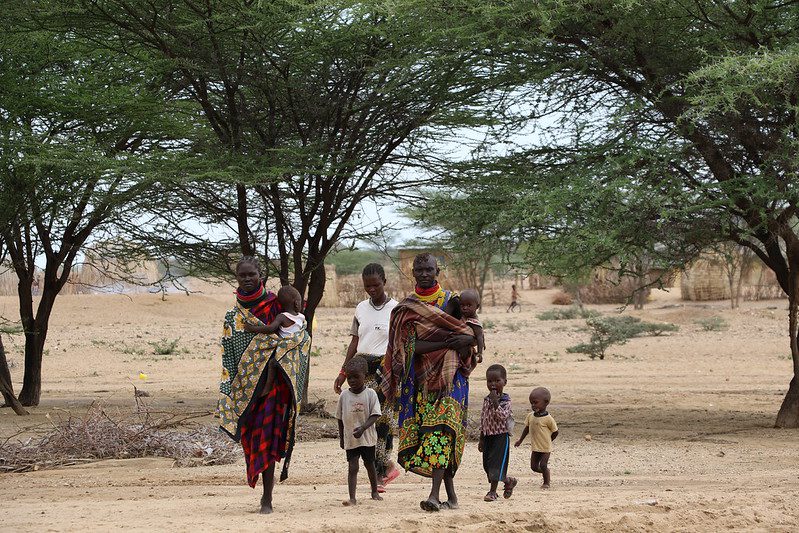
 Cholera is an acute diarrhoeal disease causing severe diarrhea and dehydration and it can be fatal if left unchecked. With the onset of 2024, the persistence of cholera has become evident. In January alone, across 17 countries in four regions – Africa, the Eastern Mediterranean, the Americas and South-East Asia – 40,900 cases and 775 deaths were reported. Here are five aspects of global poverty that contribute to cholera outbreaks:
Lack of Access to Sanitation and Clean Water
While there have been efforts to address inadequate sanitation through Water, Sanitation and Hygiene (WASH) interventions in the past, there are still challenges. On a positive note, previous studies have indicated that initiatives like extensive media outreach, engagement of community health workers and the provision of essential items such as water purification tablets, soap and oral rehydration solutions have demonstrated efficacy in encouraging behavioral shifts aimed at preventing cholera.
However, the effectiveness of WASH interventions varies across different regions and contexts, especially regarding recontamination. Despite efforts to disinfect water storage containers, a significant percentage of containers are becoming recontaminated at the household level. The distribution of household disinfection kits as an alternative presents the potential to diminish social stigma and empower households to uphold hygiene practices. Yet, additional evaluation is required to confirm their efficacy. Additionally, more research is needed to evaluate the effectiveness of WASH interventions during cholera outbreaks and inform international policy and practice.
Unplanned Urbanization
Unplanned or unmanaged urbanization often refers to the rapid and unplanned growth of urban areas without adequate planning, infrastructure and governance. In the context of public health, the consequences of unplanned urbanization are profound, particularly concerning the spread and impact of infectious diseases like cholera.
It is important to note that cholera outbreaks primarily impact impoverished communities characterized by low socioeconomic status. Particularly vulnerable are individuals living in densely populated regions with restricted access to safe water and sanitation facilities – the overcrowding in these regions is exacerbated by unplanned urbanization.
Therefore, the lack of urban planning often results in disparities in access to health care services, exacerbating the burden of disease on already marginalized populations. Reducing unplanned mass urbanization would require a multifaceted approach that addresses both the underlying drivers of urbanization – including weak governance, unaffordable housing and a lack of investment in infrastructure – and the consequences of rapid and disorderly urban growth.
Food Insecurity
Currently, a negative correlation exists between national food security levels and annual incidences of cholera. In a cross-sectional survey investigating the relationship between food insecurity and cholera in rural Haitian households, it was found that moderate and severe household hunger were significantly associated with a history of cholera. Certain high-risk behaviors were identified as potential mediators of the association between food insecurity and cholera.
These behaviors include the consumption of food and beverages prepared outside the home, the use of antacids and the consumption of leftover non-reheated food items. Household food insecurity was positively associated with these high-risk behaviors, indicating a potential pathway through which food insecurity may increase the risk of cholera transmission.
Interventions targeting food insecurity may help reduce the prevalence of high-risk behaviors and subsequently lower the incidence of cholera in vulnerable populations. Future longitudinal and qualitative research can be done to investigate the relationship between food insecurity, high-risk behaviors and cholera risk further. By addressing and understanding underlying socioeconomic determinants such as food insecurity, public health initiatives can disrupt the transmission dynamics of cholera outbreaks and alleviate the burden of this preventable disease in resource-constrained settings.
Vaccine Shortages
More recently, there was a significant scarcity of Oral Cholera Vaccines (OCV) globally from January 2023 to January 2024, impacting the ongoing cholera response efforts. Within this timeframe, 14 countries urgently requested 76 million doses of OCV, yet only 38 million doses were accessible. The depletion of the OCV stockpile was exacerbated by Shantha Biotechnics’s exit from the market in 2023.
This left the stockpile solely reliant on EuBiologics, a South Korean company, which faced challenges in meeting the unpredictable demand and low pricing associated with vaccine production. However, EuBiologics aimed to produce 35 million doses of the current vaccine and potentially 15 million more if the World Health Organization (WHO) prequalifies its new vaccine.
Despite the temporary shortage, there are prospects for increasing vaccine production in the coming years, with other manufacturers expected to enter the market. However, achieving the Global Task Force on Cholera Control’s target of reducing cases by 90% by 2030 requires sustained efforts, including long-term preventive vaccination programs and the previously mentioned improvements in WASH infrastructure.
Overall, the devastating impact of cholera outbreaks underscores the urgent need for collective action to address the underlying vulnerabilities and ensure access to essential health care services for affected populations.
– Avery Fuller
Photo: Flickr

Tonga Empowers Gender Equality in Leadership
Barriers to Tonga’s Women in Political Leadership
While women’s leadership within the public sector and family and community life has had successive progress, political leadership progress is still limited. No more than two women have been elected to the national Parliament in a general election, which was in 2017. In the most recent election, in 2021, no women were elected. Women’s underrepresentation in political leadership is a result of barriers that are often rooted in cultural, social and institutional factors that perpetuate gender inequality and limit women’s opportunities to participate actively in political decision-making processes.
Some key barriers to Tonga’s women in political leadership include:
The importance of gender equality in leadership is crucial as men and women often have differing needs and viewpoints, highlighting the significance of ensuring women are represented. With women constituting half of the population, it is pivotal that their interests are effectively addressed. A balanced participation of both men and women in decision-making is essential.
Balance of Power
Balance of Power is an Australian Government funded, locally-led approach to supporting women in political leadership. It is an initiative aimed at addressing gender disparities in political representation by shifting social norms and attitudes that impede women from being recognized as credible leaders. It focuses on promoting gender equality in leadership by empowering women to participate actively in political leadership roles.
The Balance of Power initiative employs adaptive management and politically informed approaches to drive change. Through training, mentorship and advocacy, the Balance of Power seeks to challenge social norms, traditional views and barriers that hinder women’s engagement in politics. The initiative executes this with media collaboration to increase women’s leadership visibility, strengthening the Women in Leadership Coalition, research and advocacy to address negative perceptions and regional engagement to change social norms.
Tonga Youth Leaders
Tonga Youth Leaders is a “youth-led organization that empowers and develops Tongan youth to become catalysts for positive change in their own communities.” The organization was set up in 2017 by Elizabeth Kite to give a voice to the Tongan youth and encourage their participation in community development through small projects and fostering leadership skills.
The Tonga Youth Leaders organized an initiative called Girls Takeover Parliament, which offers 26 young women and girls the chance to participate in a parliamentary setting, enabling them to express and share views on national issues. The Girls Takeover Parliament initiative helps young women and girls realise their potential, develop leadership skills and allow them the opportunity to pursue a career in politics.
About 90% of participants expressed their interest in pursuing a career in politics after they attended the Girls Takeover Parliament initiative. The initiative has had a significant impact on empowering young women and girls and raising awareness about youth engagement and gender equality in leadership.
Tonga’s commitment to empowering gender equality in leadership is evident through innovative initiatives like the Balance of Power and Tonga Youth Leaders. These initiatives not only challenge social norms and traditional views and break down barriers but also foster inclusivity and encourage youth engagement, as well as women’s active participation in decision-making roles. Through targeted programs, media collaborations and community engagement, Tonga is paving the way for a more equitable and representative political landscape.
– Isabella Green
Photo: Flickr
Hank Green and Hodgkin Lymphoma
Hodgkin Lymphoma
Hodgkin lymphoma, a type of blood cancer that develops in the lymphatic system, often leads to swollen lymph nodes. According to the National Health Service (NHS), this disease mainly affects people older than 75 and those between 20 and 40 years old. It is relatively uncommon in the United Kingdom (U.K.), with more than 2,000 new cases each year. However, it is relatively easy to treat; 80% of those diagnosed survive for more than five years after diagnosis.
Early diagnosis is important for all types of cancer, as it means that the cancers are less developed, are more likely to respond to treatments and require patients to have fewer treatments overall.
Inequitable Cancer Care
Treatment for Hodgkin’s Lymphoma is relatively inexpensive and accessible. However, these treatments are less available in countries with less robust health care systems. According to the American Cancer Society, “no screening rest has been shown to lower the risk of dying from [it].” This makes diagnosis challenging, as the most accurate method for detecting Hodgkin lymphoma is through a biopsy, which involves taking a tissue sample from a swollen lymph node and requires specialized care.
Cancer Socks
In response to his treatment and the global state of cancer care, Hank Green collaborated with Partners in Health (PIH) to design a set of interchangeable cancer socks. He directs 100% of the profits from this project toward making cancer care more equitable.
Mondeh Mansaray
Hank Green’s brother, John Green, visited Sierra Leone in 2019 as part of their joint work with PIH. During his visit, he encountered Mondeh, who had been incorrectly diagnosed with tuberculosis. The lack of diagnostic equipment in Sierra Leone — no MRI machines, CT scanners or even X-ray machines — prevented an accurate diagnosis. Four years later, a PIH doctor suspected Hodgkin lymphoma, enabling Mondeh to travel to the capital city for a biopsy. Despite the new diagnosis, Mondeh lacked access to the necessary IV chemotherapy in Sierra Leone and had to travel to Butaro Cancer Hospital in Rwanda for effective treatment.
Partners in Health
PIH financially supports families like Mondeh’s, making otherwise inaccessible treatments available. By strengthening health care systems and training community health workers—individuals passionate about improving their communities—PIH saves lives. Due to this organization, more than 3,000 people per year receive cancer care they would otherwise not access. This support is crucial because funding for cancer care globally does not align evenly with the cancer burden.
The organization does more than provide care; it integrates communities into the health care system’s development. For instance, at the Butaro Cancer Centre of Excellence, women held 30% of the construction jobs created in the local economy. Additionally, local stakeholders participated actively, assembling much of the furnishings on-site using locally sourced materials.
PIH operates in 11 countries, but its influence extends far beyond, as evidenced by Mondeh’s cancer treatment. The organization engages in on-the-ground treatment, advocacy and research, aiming to disseminate knowledge to practitioners worldwide.
Looking Forward
The collaborative efforts of influencers like Hank Green and organizations such as Partners in Health are pivotal in transforming the global landscape of cancer care. Their dedication to equity in health care continues to illuminate paths to improved access and treatment for all, regardless of geographic or economic barriers.
– Rachael Denton-Snape
Photo: Unsplash
The Work of the FAO in Ethiopia
Barriers to Economic Progress
To achieve lower-middle-income status by 2025, Ethiopia must overcome several challenges, according to the World Bank. These include recovering from the COVID-19 pandemic, which has left high urban unemployment and an overall increase in poverty levels. Additionally, environmental and natural crises, such as locust invasions and adverse weather conditions, have driven food price inflation. The World Bank also notes that the 2022 drought, the worst in half a decade, has contributed to severe food insecurity affecting an estimated 20 million people as of 2023.
Furthermore, expansion of the labor market, reducing learning poverty which remains high at 90% and preventing the impact of further conflict within the nation are crucial to the continued growth of its economy. To encourage these circumstances, overseas aid is of vital importance and one such provider is the Food and Agriculture Organization of the United Nations (U.N.) or the ‘FAO’.
The Country Programming Framework (CPF)
A subdivision of the FAO, the CPF has worked in Ethiopia providing the government with priority areas to focus on. The FAO’s website cites that the CPF was realized after a series of consultations with departments such as the Ministry of Agriculture and Natural Resources and the Ministry of Livestock and Fisheries Resources, among others. Together, these departments devised a four-year plan to take effect between 2022 and 2025. The priority areas to be focussed on during the plan are as follows:
Sustainable Agricultural Practices
To address the first three priority areas, the CPF is promoting new agricultural methods to produce sustainable crops and encouraging the development of sustainable livestock and fishery approaches. In this way, it aims to create climate-resilient systems to strengthen and grow food security and improve overall nutrition. This includes continued research into how to utilize drylands and ensure better drought resilience. To address the fourth priority area, the CPF outlines its aim to provide support to households to develop alternative sources of income, such as eco-tourism and support small and medium-scale businesses such as milk, hides, skins and grain enterprises.
Success Stories from the FAO
The work of the FAO has had particular success in the agricultural sector of Ethiopia. Supporting programs such as fruit nurseries across the nation, its website highlights Aleje as a beneficiary of such initiatives. The nursery sought to increase local farmers’ stock by growing and distributing seedlings of highland fruit. The nursery received 20,844 Italian rootstocks and 24,160 grafted seedlings in total. Beyond this, the nursery also provides opportunities for local workers, with 437 farmers being trained on its practices like irrigation and sustainable planting methods.
Priest Habte Yiheyis was one such farmer. After participating in training given by the nursery, he received seedlings of apricots, plums, almonds and apples. Habte has since begun to harvest the yield, generating 7,500 Ethiopian Birr. The FAO notes that this gave him the opportunity to “cover all necessary expenses such as school stationary and uniform for his children, health care and other needs of his family.” He has since passed on his training and knowledge to an additional 35 local farmers, demonstrating the positive impact of the FAO in his case.
Looking Ahead
Ethiopia’s strategic partnership with the FAO and ongoing efforts in sustainable agriculture and economic diversification offer a promising pathway to achieving its lower-middle-income status by 2025. These initiatives continue to empower local communities and lay the foundation for a resilient, inclusive economy.
– Kayleigh O’Brien
Photo: Unsplash
5 Facts About Mental Wellness in Bulgaria
5 Facts About Mental Wellness in Bulgaria
Though many doctors are not readily diagnosing mental health disorders in Bulgaria, it is estimated that nearly one in five Bulgarians experience depression to some degree: “People are told to just snap out of it and get on with their lives and are branded as sensitive and fragile.” Every year, nearly eight hundred Bulgarians succumb to suicide.
“According to data from the Bulgarian Methadone Association and the Bulgarian Institute for Addictions, there are more than 300,000 drug addicts in Bulgaria.” Health care is also widely inaccessible, with almost half of all medical payments requiring “out-of-pocket” compensation. Finally, nearly 40% of the population is impoverished to some degree, which amplifies mental health struggles disproportionately.
WHO’s initiative made a sizeable impact: “In 2018 and 2019, the suicide rate in Bulgaria decreased by 7% compared to the previous biennium.” Similarly, UNICEF is creating an app for young Bulgarians to provide information about mental struggles, personal care advice, links to mental health resources and more. It also strives to create a website that connects Bulgarian youths with mental health professionals.
Though efforts are being made to promote mental wellness in Bulgaria, more can be done to address the ongoing mental health crisis. Government intervention, as well as assistance from WHO, UNICEF and related organizations, is essential in steering the population to a more healthy and optimistic future. With the reduction of social stigmas, a decrease in barriers to health care and the integration of psychiatric care into everyday medicine, Bulgarians can begin to heal themselves holistically for years to come.
– Anna Williams
Photo: Flickr
Malaria in Cabo Verde
Cabo Verde’s Malaria Statistics
Malaria, a potentially fatal illness, caused approximately 608,000 deaths and 249 million cases worldwide in 2022. Africa bore the brunt, with 580,000 (95%) of these fatalities and 233 million (94%) of the diagnoses. Additionally, 80% of malaria deaths among children under the age of 5 occur in Africa.
Cabo Verde comprises 10 small islands located beyond the West African coast and has more than 500,000 inhabitants. The country nearly eradicated malaria on two separate occasions, but neither was sustained. The first attempt involved residents using indoor spray to kill mosquitoes, which ceased in 1969. Consequently, malaria cases resurfaced on Santiago Island in 1973, leading to a nationwide outbreak in 1977. The second attempt in 1978 also aimed to eliminate malaria, resulting in significant case reductions by 1983, except on the Boa Vista and Santiago Islands.
The New Approach
In 2007, the Cabo Verde government enhanced its efforts to eliminate malaria by revising its health care policies. These changes aimed to increase the diagnosis rate, ensure the quick and efficient delivery of medicine and improve the supervision and recording of all malaria cases. In 2017, Cabo Verde was on track to eliminate malaria when an outbreak of 423 cases occurred. This outbreak prompted a change in strategy, leading to the reintroduction and reinforcement of indoor spraying and insecticidal nets, especially in areas most affected by malaria. Due to its successful efforts, the WHO declared Cabo Verde malaria-free on Jan. 12, 2024.
The country achieved this status by recording no malaria transmissions for more than three consecutive years and demonstrating the capability to prevent the re-establishment of transmission. With this achievement, Cabo Verde joined ranks of Mauritius and Algeria in being malaria-free. It is also became the 43rd country worldwide to receive this certification.
The Effect Of Malaria Elimination On Poverty
Infected individuals often participate less in the workforce due to illness, potentially reducing their earnings and pushing them into poverty. Additionally, the risk of malaria can deter investors from putting money into affected countries. This trend suggests that achieving malaria-free status may lead to positive outcomes for Cabo Verde.
Tourism is vital to Cabo Verde’s economy; before the COVID-19 pandemic, it contributed 24% to Cabo Verde’s GDP, accounted for 10% of employment and attracted most of the foreign capital. Cabo Verde’s malaria-free status may encourage more tourists from non-malaria-infected countries to visit without fear of contracting the disease or adhering to strict health precautions. This influx could boost the country’s revenue and increase personal incomes, helping to break the cycle of poverty.
Looking Ahead
Cabo Verde’s achievement as a malaria-free nation sets a precedent for public health success in Africa. Its commitment to maintaining this status could inspire similar strategies across other malaria-prone regions, enhancing global health security and economic stability.
– James McAlinden
Photo: Flickr
Urban Poverty in Nigeria: Addressing the Plight of the Poor
Drivers of Urbanization and Its Impact
Several interrelated dynamics are driving large-scale and extensive urbanization in Nigeria. Unlike many Sub-Saharan African countries, Nigeria has undergone urbanization since pre-colonial times. This early urbanization, combined with erratic colonial development focused on mining and petrochemical projects, has created complex urban subsystems. These systems continue to hinder economic development and worsen poverty.
Demographic Pressures and Migration
Currently, the World Bank estimates that 53% of Nigeria’s 213 million people reside in urban areas, a figure expected to rise to 70% by 2050. Declining mortality rates and persistently high fertility rates are the primary drivers of this rapid urbanization, supplemented by rural-urban migration contributing to urban growth. Nigeria’s increasing population places demographic pressure on rural natural resources, prompting many to move to cities in search of higher incomes and new economic opportunities.
Environmental Challenges and Conflict-Driven Migration
Human-induced deforestation and climate change are significantly affecting agricultural productivity in rural areas, which has traditionally been the main economic activity for low-income and peasant farmers. Additionally, conflict and insurgency from recognized terrorist organizations such as Boko Haram and the Islamic State’s West African Province, particularly in northeast Nigeria, are forcing residents to relocate to urban areas, thereby contributing to urban population growth.
Urban Growth and Its Challenges
While most analysts focus on Lagos, Nigeria’s most populous city with an estimated 18 to 20 million residents, other cities like Ibadan, Kano and Abuja are also experiencing rapid population growth. Urbanization can stimulate local economic growth but also strain social services and infrastructure, particularly impacting the poor. The country’s reliance on oil and gas revenues makes its economy vulnerable to global price fluctuations and corruption, which hampers its ability to develop other revenue streams, enhance governance and invest in robust urban infrastructure and public services for the poor.
Poor urban planning policies, along with other factors, have led to increasing rates of urban poverty in Nigeria. The national multidimensional poverty rate stands at about 63%, with roughly 42% of urban residents living in poverty. These individuals face disproportionate challenges such as social exclusion, gender inequality, underemployment and limited access to education, housing and health services. They often live in urban slums, making them vulnerable to diseases, crime, environmental hazards and insecurities related to food, water and energy.
Government Initiatives and Collaborations
To address urban poverty in Nigeria, the national government has implemented numerous projects in conjunction with local grassroots organizations and international development institutions. While many previous projects failed to produce their intended results, recent initiatives appear more promising.
In 2016, the Government of Nigeria implemented the National Social Safety Net Project (NSIP), which was complimented by a civil society-led implementation effort that is now known as the Enhancing Social Protection Policies in Nigeria Project (ESPPIN).
The NSIP was created to help low-income and vulnerable individuals in Nigeria gain access to financial transfers and basic services through an expanded social safety net in urban areas. This initiative led to the creation of a National Social Registry and has supported more than 3.2 million beneficiaries across the country, 49% of whom are women. Additionally, in partnership with the World Bank and various civil society organizations, the Government of Nigeria launched the Community and Social Development Project to provide impoverished and internally displaced people with improved infrastructure and basic services such as health care, food, water and housing in urban settings.
The Role of NGOs in Alleviating Urban Poverty
Nongovernmental organizations (NGOs) and civil-society networks also serve as crucial agents of change in cities throughout Nigeria because they often operate relatively independently of bureaucratic constraints, enabling them to respond to the multifaceted needs of impoverished urban communities.
Global organizations such as Cities Alliance, the Justice and Empowerment Initiative and Slum Dwellers International have contributed to mitigating urban poverty in Nigeria. They have achieved this by profiling urban slums, preventing evictions, fostering partnerships for knowledge sharing and providing essential services like clean water, food, housing and health care. Similarly, local entities like the Ambience of Hope Exceptional Foundation and the AMAC Council play key roles in alleviating urban poverty. They use their local insights and establish inclusive networks to effectively meet the changing needs of the urban poor.
Looking Ahead
Nigeria’s multifaceted approach to urban poverty alleviation—incorporating government action, NGO support and international collaboration—promises significant progress. The ongoing initiatives lay a strong foundation for sustainable urban development and enhanced quality of life for its urban poor.
– Campbell Clarke
Photo: Unsplash
4 Aspects of Global Poverty That Lead to Cholera Outbreaks
Lack of Access to Sanitation and Clean Water
While there have been efforts to address inadequate sanitation through Water, Sanitation and Hygiene (WASH) interventions in the past, there are still challenges. On a positive note, previous studies have indicated that initiatives like extensive media outreach, engagement of community health workers and the provision of essential items such as water purification tablets, soap and oral rehydration solutions have demonstrated efficacy in encouraging behavioral shifts aimed at preventing cholera.
However, the effectiveness of WASH interventions varies across different regions and contexts, especially regarding recontamination. Despite efforts to disinfect water storage containers, a significant percentage of containers are becoming recontaminated at the household level. The distribution of household disinfection kits as an alternative presents the potential to diminish social stigma and empower households to uphold hygiene practices. Yet, additional evaluation is required to confirm their efficacy. Additionally, more research is needed to evaluate the effectiveness of WASH interventions during cholera outbreaks and inform international policy and practice.
Unplanned Urbanization
Unplanned or unmanaged urbanization often refers to the rapid and unplanned growth of urban areas without adequate planning, infrastructure and governance. In the context of public health, the consequences of unplanned urbanization are profound, particularly concerning the spread and impact of infectious diseases like cholera.
It is important to note that cholera outbreaks primarily impact impoverished communities characterized by low socioeconomic status. Particularly vulnerable are individuals living in densely populated regions with restricted access to safe water and sanitation facilities – the overcrowding in these regions is exacerbated by unplanned urbanization.
Therefore, the lack of urban planning often results in disparities in access to health care services, exacerbating the burden of disease on already marginalized populations. Reducing unplanned mass urbanization would require a multifaceted approach that addresses both the underlying drivers of urbanization – including weak governance, unaffordable housing and a lack of investment in infrastructure – and the consequences of rapid and disorderly urban growth.
Food Insecurity
Currently, a negative correlation exists between national food security levels and annual incidences of cholera. In a cross-sectional survey investigating the relationship between food insecurity and cholera in rural Haitian households, it was found that moderate and severe household hunger were significantly associated with a history of cholera. Certain high-risk behaviors were identified as potential mediators of the association between food insecurity and cholera.
These behaviors include the consumption of food and beverages prepared outside the home, the use of antacids and the consumption of leftover non-reheated food items. Household food insecurity was positively associated with these high-risk behaviors, indicating a potential pathway through which food insecurity may increase the risk of cholera transmission.
Interventions targeting food insecurity may help reduce the prevalence of high-risk behaviors and subsequently lower the incidence of cholera in vulnerable populations. Future longitudinal and qualitative research can be done to investigate the relationship between food insecurity, high-risk behaviors and cholera risk further. By addressing and understanding underlying socioeconomic determinants such as food insecurity, public health initiatives can disrupt the transmission dynamics of cholera outbreaks and alleviate the burden of this preventable disease in resource-constrained settings.
Vaccine Shortages
More recently, there was a significant scarcity of Oral Cholera Vaccines (OCV) globally from January 2023 to January 2024, impacting the ongoing cholera response efforts. Within this timeframe, 14 countries urgently requested 76 million doses of OCV, yet only 38 million doses were accessible. The depletion of the OCV stockpile was exacerbated by Shantha Biotechnics’s exit from the market in 2023.
This left the stockpile solely reliant on EuBiologics, a South Korean company, which faced challenges in meeting the unpredictable demand and low pricing associated with vaccine production. However, EuBiologics aimed to produce 35 million doses of the current vaccine and potentially 15 million more if the World Health Organization (WHO) prequalifies its new vaccine.
Despite the temporary shortage, there are prospects for increasing vaccine production in the coming years, with other manufacturers expected to enter the market. However, achieving the Global Task Force on Cholera Control’s target of reducing cases by 90% by 2030 requires sustained efforts, including long-term preventive vaccination programs and the previously mentioned improvements in WASH infrastructure.
Overall, the devastating impact of cholera outbreaks underscores the urgent need for collective action to address the underlying vulnerabilities and ensure access to essential health care services for affected populations.
– Avery Fuller
Photo: Flickr
5 Charities Operating in El Salvador
Salvadoran American Humanitarian Foundation
The Salvadoran American Humanitarian Foundation (SAHF) is a Miami-based non-profit that provides humanitarian aid to Salvadorans in need. The foundation collects donations from the United States and distributes them to hospitals, clinics, orphanages, nursing homes, libraries and schools in El Salvador. In partnership with its sister organization, the Salvadoran Foundation for Health and Human Development (FUSAL), SAHF shipped more than $19 million in aid to El Salvador in 2022, directly helping 62,535 Salvadorans and 157 organizations.
FUSAL
Established in 1986, the Salvadoran Foundation for Health and Human Development (FUSAL) is the Salvadoran-based sister organization of SAHF. FUSAL is responsible for receiving the goods shipped by SAHF. They distribute items, such as medicine, medical supplies, hygienic products, clothing, food and educational goods to vulnerable Salvadorans across the nation’s 14 states. Since its conception, FUSAL has distributed about $850 million of donations to 630 beneficiaries, including hospitals, schools, care and community centers, and other Salvadoran NGOs.
The Poma Foundation
The Poma Foundation is a Salvadoran organization that aims to promote the social, economic and personal development of the impoverished. Through various educational, cultural and wellness programs, such as FUSAL and the Higher School of Economic and Business (ESEN), the Poma Foundation creates opportunities for vulnerable Salvadorans to break the cycle of poverty. Since 1984, the organization has granted more than 1,300 scholarships, donated $1 million dedicated to the distribution of COVID tests and produced over 329 national theater shows.
Americares
Americares is a global nonprofit that provides relief and health care to developing countries. Their presence in El Salvador began in 1984 and increased following the 1986 earthquake. Americares works alongside FUSAL to provide medicine and medical supplies to Salvadorans in need. In 2003, the organization built the Americares Family Clinic. The clinic, located in Usultan, sees about 30,000 patients yearly and offers low-cost, high-quality medical care to local families in El Salvador.
Nuestros Pequeños Hermanos
Since 1999, the Salvadoran chapter of Nuestros Pequeños Hermanos (NPH) continues to provide support to vulnerable Salvadoran youth. NPH’s main house, Casa Sagrada Familia, offers shelter, education and food for 373 children emancipating from difficult environments. In addition to its internal programs, NPH’s external programs provide educational tools, such as primary education and scholarships, to low-income Salvadoran students.
Despite a third of the country’s population living in poverty, these charities operating in El Salvador are dedicated to improving the lives of poverty-ridden Salvadorans. According to a study conducted by the World Bank Group, the national poverty rate decreased from about 40% in 2009 to 26.6% in 2022. Through various educational programs, cultural opportunities and humanitarian aid provided by non-profits, El Salvador is advancing in the fight against poverty.
– Naima Rasheed
Photo: Flickr
Seniors Face Poverty in Slovakia
Socioeconomic Situation of Slovakia
Poverty in Slovakia “is not only a matter of lack of money.” The number of persons at risk of poverty rate (AROP), severe material deprivation and the number of people living in households with very low work intensity are indicators Slovakia uses when forming policy measures to increase employment, reduce long-term jobs and reduce poverty and social exclusion.
However, according to the Organization for Economic Cooperation (OECD), about 74% of all pensions are below the monthly minimum wage. This leaves 500,000 (2021 estimate) Slovakian pensioners living below the poverty line. This number increased by 200,000 in 2022. Social, employment, health and education reforms are crucial to offset the pressures poverty places on pensioners. A large number of pensions were established during the mid-20th century.
At that time, life expectancy was shorter: 66 for men and 71 for women. Today, the government needs to support pensioners living in their 80s and 90s. So, considering a rising life expectancy and a declining fertility rate, the old-age dependency ratio is anticipated to increase.
Elderly persons’ poverty and social exclusion degree depend on their cohort (i.e., single adult, married with one child and so on) and the region in which they reside. One-third of older people in Central, Western, Eastern and Bratislava regions experience severe poverty. These areas are poorer because of weak business development, poorly developed infrastructure and lower levels of education.
Social Exclusion vs Dignity
According to the OECD, the Slovak Republic’s poverty rate for people aged more than 65 is between 3% and 4%. The retirement income is less than half the national median household disposable income. Hence, a retirement pension assures the elderly population of Slovakia that they “lack the financial resources and essentials for a minimum standard of living,” in short, “poverty.”
The percentage of people with AROP and social exclusion in December 2023 was 3.8%. The Slovak population’s social exclusion can be observed through health and access to health care, poverty and material deprivation, housing, local environment and interpersonal relations. Some senior adults who are unemployed, have limited education and live in single-parent and multi-child households are at the greatest risk of experiencing social exclusion in Slovakia.
Social exclusion unveils the multidimensional nature of poverty. However, being severely materially deprived, living in a jobless household and having a limited education do not qualify as being socially excluded from the dignity of an individual’s position within society.
Assisting Organizations and Programs
Conclusion
Slovakia is a relatively prosperous country but faces challenges in fighting poverty and social exclusion. One of the main challenges is the aging population, which cannot be addressed quickly. As the proportion of older people increases, Slovakian society will need to adapt to the economic, social and political consequences that come with it. This will require essential reforms in social welfare, employment, health and education.
– Pamela Fenton
Photo: Unsplash
Public Health Action for the Western Pacific Region by WHO
However, the World Health Organization (WHO) is working to bring adequate health services, human resources and financial protection to these impoverished communities. WHO is currently endorsing a publication for Universal Health Coverage (UHC). It includes a framework for action and aims to transform public systems as a whole and support people in maintaining health for life.
Public Health Care Struggles
Within many countries in the Western Pacific, some can access health care yet face high out-of-pocket expenses that cause financial hardship. This can become a catalyst for dipping below the poverty line. As much as 10% of the population’s income is used for health care purposes, which can then force choices between health care or adequate food and shelter.
In 1940, only 40% of the Region lived until age 60; this number is expected to reach 94% by 2048 after the implementation of the WHO initiative. About 90 million people within the Region do not utilize a primary drinking water facility. Furthermore, about 400 million have no access to sanitation services that safely manage human waste. Diarrhea is often then contracted and contributes to malnutrition and antimicrobial resistance, which creates an overall unhealthy population over time.
Viral hepatitis is a significant threat in the Western Pacific, claiming around 1500 lives every day in the Region. Other environmental stresses pose challenges to the health, safety and physical well-being of rural populations. The increasingly polluted air and water supplies are contributing to a rise in cancer, diabetes and heart disease.
Vulnerable Populations in the Western Pacific Region
The most vulnerable populations in the Region include those living in rural and peri-urban areas. These areas struggle with accessing and paying for health care. Additionally, there are high disease burdens, poor health outcomes and limited access to affordable and nutritious food. More than 300 million people in the Western Pacific Region cannot afford a healthy diet, contributing heavily to malnutrition.
Cambodians struggle with unsafe drinking water and a lack of sanitation facilities. The overall population health is negatively affected by poverty, lack of essential commodities and adverse social conditions. Similar to other countries, populations face high out-of-pocket payments that threaten impoverishment. In recent years in the Philippines, the top causes of death have been heart diseases, neoplasms and cerebrovascular diseases.
The country is also struggling with a lack of hospital beds and adequate medical equipment in rural areas more than in urban areas. Rural areas often contain non-licensed doctors and ill-equipped facilities, while larger cities such as Manila have better medical resources. This creates a more significant disparity between minority groups.
Similarly, the public health care system in Vietnam is underfunded, with insufficient resources allocated to health care infrastructure, equipment and staff training. This occurs in the majority public sector of the public health care system. High out-of-pocket payments account for large percentages of health expenditures in the country. This significantly burdens low-income families, resulting in delayed or inadequate care.
WHO’s Initiative
WHO understands that the right to health does not just include services. Other factors include safe, clean water, air, nutritious food, adequate housing, quality education, decent working conditions and freedom from discrimination. Therefore, its UHC initiative will contain action frameworks and health financing for social well-being and sustainable development for public health systems.
This initiative could create a strengthened public health system in Cambodia. It could reduce infant, child and mother mortality, as well as provide more adequate sanitation facilities. In the Philippines, having a collaborative public health system between the government and the public could provide a safe, effective, quality health system to those who need it, with a minimal waste of resources.
In Vietnam, removing disparities in the quality of care between urban and rural settings and public and private sectors would create a healthier population overall.
– Chloe Landry
Photo: Flickr