Water Poverty in Zimbabwe: Save the Children’s Approach
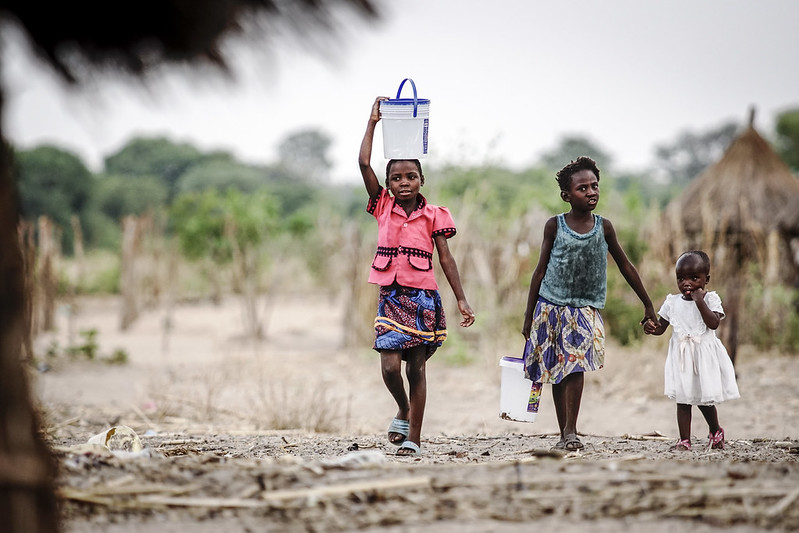 Zimbabwe, situated in southern Africa, grapples with serious poverty-related issues, including widespread water poverty. The World Bank reported that 42% of the country’s population lived in extreme poverty in 2019, primarily in remote, poorly connected and densely populated rural areas susceptible to poverty traps. The COVID-19 pandemic may have been responsible for the rise in poverty levels in the country.
The Water Problem
Save the Children emphasizes that water is a basic human right and that the absence of clean, safe water increases the risk of contracting preventable diseases. In April 2024, Zimbabwe’s President, Emmerson Mnangagwa, declared a national disaster over the drought gripping the country, requesting $2 billion in aid to secure food and safe water for millions. The drought has severely impacted not only food and water supplies but also electricity production, which relies heavily on hydroelectric power. Furthermore, the scarcity of clean, safe water led to a significant cholera outbreak, underscoring the urgent nationwide need for constructing boreholes.
Save the Children’s Efforts
Save the Children collaborated with the Beitbridge District Water and Sanitation Sub Committee to provide clean and safe water for drinking and household use. This effort received financial backing from the European Union (EU) through UNICEF as part of the Enhanced Resilience for Vulnerable Households in Zimbabwe (ERVHIZ) project. The initiative focused on rehabilitating dysfunctional boreholes, enabling local access to clean water without the need for long-distance travel.
This safe and clean water serves multiple purposes beyond drinking. Communities can use it to grow vegetables, enhance their diet and improve both health and well-being. Additionally, selling surplus produce can generate profit, creating employment opportunities for many women and girls.
Empowering Communities Through Water Access
Projects like the ERVHIZ have not only improved access to clean water but also empowered communities to take ownership and manage their resources. With functioning boreholes, some communities have established Water Point Management Committees comprising both men and women. Save the Children has provided training to ensure the boreholes are well maintained. A functioning and well-maintained borehole protects the community from cholera and enhances safety for women and girls.
Overall, the rehabilitation of 45 dysfunctional boreholes has improved access to clean water for more than 125,000 people. Moreover, this is just one example of the impactful work Save the Children undertakes to alleviate poverty. It illustrates the transformative effects that providing safe and clean water can have on communities.
Looking Forward
The revitalization of water resources by Save the Children and its partners promises a sustainable path toward community resilience and economic stability. The effective management and maintenance of these resources could be pivotal in breaking the cycle of water poverty in Zimbabwe and ensuring long-term health benefits for the communities involved.
– Cordelia Moore
Cordelia is based in Lewes, UK and focuses on Good News for The Borgen Project.
Photo: Flickr
