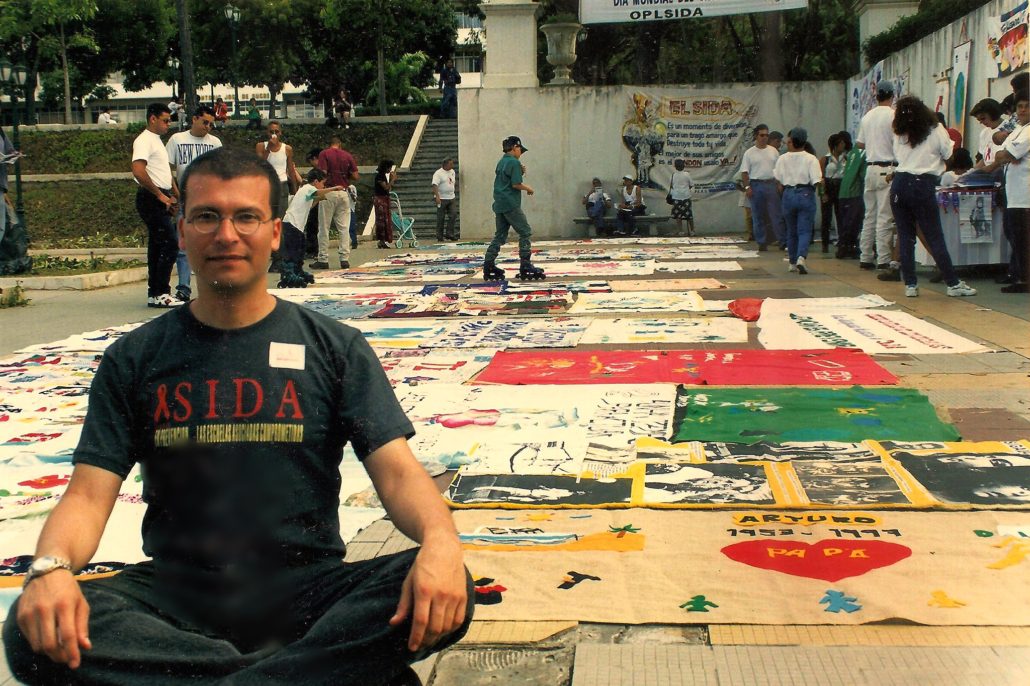
 With a series of economic and political crises throughout the past decade, Venezuela has become increasingly vulnerable to the rampant spread of HIV with little public accessibility to safe-sex materials and practices. The nation has faced extreme shortages of antiretroviral therapy (ART) in both pharmaceutical and clinical settings, leading to inflated treatment rates. Although there are around 110,000 people expected to be living with HIV/AIDS in Venezuela as of 2020, only 55% have proper access to complete and consistent viral regimens. Tens of thousands of individuals are continuously defenseless to this chronic, deadly virus with many forced to migrate to surrounding nations in the hope of receiving life-saving treatment plans.
Deterioration of Health Care Systems
Venezuela was previously considered one of the most well-suited nations in South America to deter the severity of the HIV/AIDs crisis, instituting free, centralized ART treatment through government funding in 1990s. However, when faced with newfound economic challenges in the early 2010s—the price of oil, a leading export of the nation, drastically plummeting worldwide—many mechanisms necessary for proper maintenance of its healthcare systems began to deteriorate. Hospitals could no longer upkeep effective follow-up and control measures with inaccurate estimations of affected patients.
Amid economic upheaval, the monthly price for ART rose to around $95-100 per month, a burdening cost for low-income citizens. From 2011 to 2015, there was a 75% increase in HIV-related deaths, the greatest amount since 2000. By 2017, there were no hospitals containing ART drugs to distribute, with 85% of pharmacies facing drastic drug shortages. Only 26% of people with HIV were able to acquire regular ART regimens, and more than 90% of individuals who had registered for ART treatment directly through the government did not receive it.
Barriers to Prevention of HIV/AIDS in Venezuela
HIV is a chronic, rapidly evolving virus, with ART serving as a long-term health necessity for those impacted. As many found themselves depleted of sufficient ART treatments, whether due to the heightened cost or sheer unavailability across the nation, they resorted to other temporary strategies to improve their condition: partaking in intermittent treatments or partial-self dosing, oftentimes utilizing expired medication.
Recent research showcased at the 19th European AIDS Conference in 2023 indicated that intermittent dosing of ART drugs increased the overarching rate of virological failure, leading to “concerningly higher” rates of resistance to this therapy. Although intermittent treatment may be beneficial in the short-term, shaping into the next-best option for those unable to obtain regular ART dosages, its long-term sustainability is undermined by these unintended, potentially life-threatening consequences. Even with the 67% coverage of ART for people with HIV reached by 2022, only 7% have obtained an undetectable (un-transmittable) status, speaking to the continued demand for full, regular ART dosages.
The primary preventative measure for HIV/AIDs is the usage of condoms, allowing for the practice of safe sex without the possibility of transmitting the virus. However, inflation has caused the price of condoms in Venezuela to escalate to over three times the monthly minimum wage. Education on HIV prevention is still stigmatized, especially for LGBTQ+ individuals, leading to an inability to navigate and employ fundamental safety measures.
Marginalized Communities
The presence of HIV/AIDS in Venezuela has disproportionately affected marginalized groups, highlighting the ongoing discrepancies in ART access. In 2022, there are an estimated 15,000 transgender individuals in Venezuela, with an HIV prevalence rate of around 35.8%, according to the Humanitarian Practice Network (HPN). Additionally, men who have sex with men (MSM) were found to have an HIV prevalence rate of 23.3%, contrasting the national 0.5% of the total population in Venezuela. Alongside other systemic barriers, many have noted the lack of enforcement of anti-discrimination laws instated throughout the Venezuelan health care system, leaving many LGBTQ+ individuals deprived of proper viral regimens.
The Warao people, the second-largest indigenous group in Venezuela, are another demographic experiencing the severity of the HIV/AIDs crisis. There is an overall prevalence rate of 10% among their population, although many doctors have suggested this rate may be as high as 35% among males. Removed from ART and other treatment measures that can properly manage the virus, many HIV-positive members of the community have ultimately passed away after developing end-stage AIDs.
Solutions for HIV/AIDS in Venezuela
Without acquiring the necessary ART from the government, many people with HIV in Venezuela have been forced to migrate to surrounding nations with more inexpensive treatment options, according to the HPN. And yet, as they relocated, another issue of xenophobia arose: while ART was now objectively more accessible, there were new barriers to treatment including health prejudice and discrimination.
In 2020, UNAIDS established a partnership with UNESCO to allow Venezuelan migrants “health education, prevention, and health promotion,” centering a future-oriented approach to ending the HIV/AIDs crisis. This collaboration emphasizes the physical and mental well-being of Venezuelan migrants, promoting sex education curriculums that prevent the onset of violence and discrimination. Activists have similarly focused on improving care for those living with HIV, such as Nilsa Hernandez, founder of Valientes Por La Vida (Brave for Life). A Venezuelan herself, she crossed the border to Brazil to continue receiving ART after being depleted of immunity for over two years. Hernandez hopes to support other migrants with HIV with guidance on adapting to life in Brazil, providing them with the necessary resources to navigate the country while obtaining access to viral regimens.
The rebuilding of Venezuela’s health care system—with international organizations continuously supporting migrants and other marginalized groups—reveals a hopeful path to mitigating HIV/AIDs in Venezuela by 2030.
– Eileen Lincoln
Eileen is based in Fairfax, VA, USA and focuses on Global Health for The Borgen Project.
Photo: Flickr

Mercy for Haiti
In 2022, the population was reported to be 11.58 million people. This suggests that more than half of the Haitian population lives in poverty. Statistics also show that about one in five kids die before the age of 6 and that more than 400,000 children are orphans because of the country’s circumstances. However, the people of Haiti are being led to change with the help of a nonprofit organization.
The Mighty Fall
Instability can be blamed for Haiti’s fall from the top. Haiti constantly finds itself in a battle with instability caused by weather, political, social and developmental instability. Examples of this can be seen in its misplaced use of disaster aid and in its lack of access to work services. These actions have caused the country to rely on external revenue and farming. However, with the loss of value in its currency, not even this is enough to keep the nation afloat.
Political and social instability is another thing that Haiti has seen time and time again. Examples are the assassination of the nation’s president in July of 2021 and the population continuing to face tragedy with the inability to support themselves and family. Haiti is also home to gangs that prevent its people from leading their lives. These gangs have ruined many homes and families.
And so, between its unfavorable weather conditions from being placed on a fault line, facing debt with currency deflation and a lack of suitable income and gang violence, Haiti has found itself stuck between a rock and a hard place.
Mercy for Haiti
Despite the odds against it, Haiti has been shown grace by a nonprofit organization called Mercy International. Mercy International was founded by Dr. John Leigner, who felt “led” to aid the people of Haiti after he visited the country in 1974. With more than 100 visits and more than 50 years of work, Leigner and Mercy International are making great impacts.
Mercy International aims to rebuild the community with a helping hand from the gospel. This aim is followed through projects for medical facilities, housing and much more. The movement of this trajectory is nothing short of great for Haiti, considering the mass amounts of poverty, homelessness and orphans in the country.
Mercy’s Impacts in Haiti
Mercy International has established at least three villages in Haiti. This has enabled many residents to move from tent cities into permanent homes. In response to the devastating earthquakes in 2010 and 2020, as well as the 2016 hurricane, Mercy International has been deeply committed to addressing the urgent needs of the Haitian people.
Following these catastrophes, Mercy International built its first village in 2010, providing housing for around 700 people. Despite the subsequent storms, Mercy International persisted, establishing two more villages in southern Haiti. These villages offer more than just housing; they support residents with churches, educational programs and food initiatives.
The initiative’s educational programs in these villages have been particularly successful, resulting in many college graduates. This has been made possible through the dedication of volunteers, sponsorship and donations.
A Good Change
The work of Mercy International is crucial in a country like Haiti, where approximately 1,300 tent cities house an estimated 1.5 million people. Additionally, less than 60% of children attend primary school and 80% do not attend secondary school. The villages, education and supportive community provided by Mercy International are incredibly needed and impactful for the people.
Thanks to Mercy International, Haiti now has three new villages. This is in addition to education, housing, health care and food to support its citizens. As Mercy International continues to lead change in Haiti, more lives will be touched and more change will be seen.
– Yeliz Turkdil
Photo: Fickr
5 Shark Tank Alumni Fighting Poverty
5 Shark Tank Alumni Fighting Poverty
Looking Ahead
Shark Tank and its international counterparts have showcased entrepreneurs dedicated to fighting global poverty through innovative solutions. Businesses such as Yellow Leaf, X-Torch, LuminAID, Grace and Lace and TaDAH Foods demonstrate how entrepreneurial ventures can potentially make significant social impacts by supporting vulnerable communities and addressing critical needs. These companies have provided sustainable livelihoods, essential resources and humanitarian aid, highlighting the transformative potential of socially conscious business practices. As more entrepreneurs follow suit, the intersection of business and social good promises to foster greater economic and social change worldwide.
– Meredith Wyrick
Photo: Flickr
CIRCLE Alliance: Increasing Circular Plastic Economies
They aim to find solutions to scale the work already being done through their $21 million investment. Through this and by focusing on increasing circular plastics economies, CIRCLE will work to reduce the use and waste of plastic products. CIRCLE’s initial plan is to launch projects in four key countries: India, Indonesia, Vietnam and the Philippines. Within these countries, CIRCLE will focus efforts on those who already perform most of the collection and disposal of waste – women.
Plastic in CIRCLE’s Key Countries
What Are Circular Plastic Economies?
In circular plastic economies, plastic waste is reduced by finding solutions to recycle and reuse plastic products that are currently being thrown away. Plastic, a material used globally, is estimated to double in production in the next 20 years. We are creating and producing new plastics daily and therein lies the problem. The world currently creates more plastic than is recycled for reuse. Currently, 84% of all plastic created is disposed of in landfills, fires or the ocean.
Globally, plastics are mostly operating in a “linear take-make-waste model,” a term coined by the Ellen MacArthur Foundation, a leader in circular economy creation and research. With the introduction of circular plastic economies, the economic value of production is recouped. Additionally, the material does not find its way into the environment.
CIRCLE Alliance’s Investment in Entrepreneurs
CIRCLE Alliance has already shown its dedication to the cause and displayed how circular plastic economies promote poverty reduction. In the Philippines, for example, lives Riza Santoyo. Her inspiring story starts with a self-funded waste-collecting business in her small town. She used the resources available to her to collect waste, making about $2 a day. CIRCLE Alliance’s investment in equipment for Santoyo allowed her to increase not only her efficiency and productivity in waste collection but also her income. The efforts that the CIRCLE Alliance is making in these key countries are at the intersection of sustainability and poverty reduction.
Expand Producer Responsibility
Another initiative to increase circular plastic economies is to expand producers’ and companies’ responsibility for the aftermath of their products. To combat the myth that single-use plastic is the most cost-effective method, USAID, EY and Unilever are working to promote systems of use called Extended Producer Responsibility (EPR Systems). These systems flip the responsibility of waste removal from the consumer to the producer. It forces the producer to evaluate the true cost of their single-use product. This has encouraged companies to make their plastic recyclable and to think of solutions outside of plastic for their products.
– Carlee Unger
Photo: Pexels
HIV/AIDS in Sierra Leone
The Prevalence of HIV/AIDS in Sierra Leone
According to UNAIDS, there were 77,000 adults and children living with HIV/AIDS in Sierra Leone in 2022, an incidence of 0.44 per 1,000 of the population. Of these people, 59,000 Sierra Leoneans know their status, shedding light on the increasing awareness of the disease within the nation.
However, this figure is below the 95-95-95 target from the UNAIDS Global AIDS Strategy. This outlines the organization’s aims for 95% of those living with HIV to know their status, 95% of these people to be on ART and 95% of those on treatment to be virally suppressed.
There has been progress towards this goal, however, with the country seeing a 39% reduction in new HIV infections and a 42% reduction in AIDS-related deaths since 2010. Furthermore, almost all of those affected by the disease are on Antiretroviral Therapy (ART), in line with UNAIDS’s strategy and highlighting increased accessibility to the treatment.
Yet the prevalence of HIV/AIDS amongst the younger population of Sierra Leone remains relatively high. The World Bank indicates that 6,700 children aged 0 to 14 are living with the disease, yet only 1,704 are receiving ART, according to UNAIDS.
Gender-Based Inequalities
The gender-based inequalities of HIV/AIDS in Sierra Leone amongst young women are also an issue for the nation. The prevalence rate of the disease is double for women (1%) compared to men (0.5%) and The National Institutes of Health also remarks that over a third of women have encountered at least one HIV risk factor, raising issues surrounding sexual violence towards young women and girls.
In 2019, UNAIDS named Fatima Maada Bio, First Lady of Sierra Leone, as champion for the charity, in hopes of raising awareness of the gender-based inequalities of HIV/AIDS infections. As “a strong advocate for the empowerment of girls and young women,” according to UNAIDS Executive Director Winnie Byanyima, this position will hopefully produce more conversations on this issue, and mobilise the younger generation to become more conscious of the disease. By introducing the Hands Off Our Girls campaign, Maada Bio is striving to protect young women in Sierra Leone from rape and early marriages which are seen to be key factors in the transmission of HIV/AIDS in young women.
The Stigma
Awareness and breaking the stigma surrounding HIV/AIDS in Sierra Leone is key for changing preconceptions of the condition, and will hopefully mobilize more people to seek regular checkups and screenings. UNAIDS data shows that 67.1% of the population would not buy fresh vegetables from a shopkeeper with HIV, and a further 53% do not think that children living with the condition should be able to attend school with children who are HIV-negative. This highlights the social stigmatism towards HIV/AIDS that is still present in Sierra Leone.
Furthermore, amongst the younger Sierra Leoneans aged 15-24, only 29.13% know about HIV prevention. It is therefore imperative that information about the disease is accessible to young people, particularly about transmition, to reduce further infection rates.
With the HIV transmission rates falling, and the First Lady as the new champion of UNAIDS in the country, HIV/AIDS in Sierra Leone could soon reach the goals of the 95-95-95 strategy. However, education amongst the younger population is vital to prevent the further spread of the disease and encourage more to get regular screening to receive life-saving treatment.
– Ben Kane
Photo: Flickr
Addressing Recent Outbreaks of HIV/AIDS in Venezuela
Deterioration of Health Care Systems
Venezuela was previously considered one of the most well-suited nations in South America to deter the severity of the HIV/AIDs crisis, instituting free, centralized ART treatment through government funding in 1990s. However, when faced with newfound economic challenges in the early 2010s—the price of oil, a leading export of the nation, drastically plummeting worldwide—many mechanisms necessary for proper maintenance of its healthcare systems began to deteriorate. Hospitals could no longer upkeep effective follow-up and control measures with inaccurate estimations of affected patients.
Amid economic upheaval, the monthly price for ART rose to around $95-100 per month, a burdening cost for low-income citizens. From 2011 to 2015, there was a 75% increase in HIV-related deaths, the greatest amount since 2000. By 2017, there were no hospitals containing ART drugs to distribute, with 85% of pharmacies facing drastic drug shortages. Only 26% of people with HIV were able to acquire regular ART regimens, and more than 90% of individuals who had registered for ART treatment directly through the government did not receive it.
Barriers to Prevention of HIV/AIDS in Venezuela
HIV is a chronic, rapidly evolving virus, with ART serving as a long-term health necessity for those impacted. As many found themselves depleted of sufficient ART treatments, whether due to the heightened cost or sheer unavailability across the nation, they resorted to other temporary strategies to improve their condition: partaking in intermittent treatments or partial-self dosing, oftentimes utilizing expired medication.
Recent research showcased at the 19th European AIDS Conference in 2023 indicated that intermittent dosing of ART drugs increased the overarching rate of virological failure, leading to “concerningly higher” rates of resistance to this therapy. Although intermittent treatment may be beneficial in the short-term, shaping into the next-best option for those unable to obtain regular ART dosages, its long-term sustainability is undermined by these unintended, potentially life-threatening consequences. Even with the 67% coverage of ART for people with HIV reached by 2022, only 7% have obtained an undetectable (un-transmittable) status, speaking to the continued demand for full, regular ART dosages.
The primary preventative measure for HIV/AIDs is the usage of condoms, allowing for the practice of safe sex without the possibility of transmitting the virus. However, inflation has caused the price of condoms in Venezuela to escalate to over three times the monthly minimum wage. Education on HIV prevention is still stigmatized, especially for LGBTQ+ individuals, leading to an inability to navigate and employ fundamental safety measures.
Marginalized Communities
The presence of HIV/AIDS in Venezuela has disproportionately affected marginalized groups, highlighting the ongoing discrepancies in ART access. In 2022, there are an estimated 15,000 transgender individuals in Venezuela, with an HIV prevalence rate of around 35.8%, according to the Humanitarian Practice Network (HPN). Additionally, men who have sex with men (MSM) were found to have an HIV prevalence rate of 23.3%, contrasting the national 0.5% of the total population in Venezuela. Alongside other systemic barriers, many have noted the lack of enforcement of anti-discrimination laws instated throughout the Venezuelan health care system, leaving many LGBTQ+ individuals deprived of proper viral regimens.
The Warao people, the second-largest indigenous group in Venezuela, are another demographic experiencing the severity of the HIV/AIDs crisis. There is an overall prevalence rate of 10% among their population, although many doctors have suggested this rate may be as high as 35% among males. Removed from ART and other treatment measures that can properly manage the virus, many HIV-positive members of the community have ultimately passed away after developing end-stage AIDs.
Solutions for HIV/AIDS in Venezuela
Without acquiring the necessary ART from the government, many people with HIV in Venezuela have been forced to migrate to surrounding nations with more inexpensive treatment options, according to the HPN. And yet, as they relocated, another issue of xenophobia arose: while ART was now objectively more accessible, there were new barriers to treatment including health prejudice and discrimination.
In 2020, UNAIDS established a partnership with UNESCO to allow Venezuelan migrants “health education, prevention, and health promotion,” centering a future-oriented approach to ending the HIV/AIDs crisis. This collaboration emphasizes the physical and mental well-being of Venezuelan migrants, promoting sex education curriculums that prevent the onset of violence and discrimination. Activists have similarly focused on improving care for those living with HIV, such as Nilsa Hernandez, founder of Valientes Por La Vida (Brave for Life). A Venezuelan herself, she crossed the border to Brazil to continue receiving ART after being depleted of immunity for over two years. Hernandez hopes to support other migrants with HIV with guidance on adapting to life in Brazil, providing them with the necessary resources to navigate the country while obtaining access to viral regimens.
The rebuilding of Venezuela’s health care system—with international organizations continuously supporting migrants and other marginalized groups—reveals a hopeful path to mitigating HIV/AIDs in Venezuela by 2030.
– Eileen Lincoln
Photo: Flickr
Gender Wage Gap in Singapore
Unequal Earnings
The gender dimension is one of the most significant contributors to economic disparity and poverty in Singapore. Recent data from MOM highlights that women, despite having equivalent working hours and qualifications, earn less than men. These unequal earnings impact women’s financial stability, limiting their access to essential services such as health care and hindering their ability to save adequately in the Central Provident Fund (CPF). Women have about 40% less CPF savings compared to men, which underscores why 64% of women, versus 38% of men, depend on immediate family members for assistance with medical expenses, according to a 2010 health-care financing study by the National University of Singapore and Singapore Health Services.
The adjusted gender gap involving human capital and the labor market is 6.0% in 2023, lower than 6.7% in 2018. According to MOM’s report, the adjusted gap “is the unexplained component from the decomposition, which is the remaining gender pay gap between men and women employees after adjusting for both human capital and labor market factors where data was available.” The report considered, particularly, the occupational segregation of male and female employees as the main driver behind the gender wage gap in Singapore.
The report concluded three factors that could impact women’s choice of occupations: personality and skills; psychological traits; social norms and values. “These factors would continue to influence one’s choice of occupation, their career progression and earnings,” according to the report.
Unfair Treatment
A recent survey implied that in 2023, female employees still think they are not treated fairly regarding job compensation. In Singapore, 59% of investigated women employees said that they had an unfair base salary, and only 33% of them felt they were satisfied with the payment. Although the job market enhanced advocacy for diversity and encouraged women to have career paths in STEM, the fight against gender wage bias still has a long journey.
The gender pay gap is a concerned issue for the government and society in Singapore. In 2022, the White Paper on Singapore Women’s Development aimed to support female employees in acquiring equal wages and flexibility in the workplace. In a total of 115 pages, the White Paper gave a call to all Singaporeans to equal job opportunities, caregiver support, mindset shifts in the workplace, etc.
Minister Tan See Leng said that a closure in the gender wage gap in Singapore might need a “multi-pronged approach.” Fortunately, the Singapore government is striving for more equality in the job market by partnering with schools, industry, and the community to implement the SG Women in Tech movement, aiming to train and involve more talented female employees in the tech industry.
Tan also mentioned that the government has been advocating for equal sharing of caregiving responsibilities in families by “increasing Government-paid paternity leave from two weeks to four weeks.” MOM has introduced a guideline on Flexible Work Arrangement (FWA) to assist employee’s requests for FWA. The government will also introduce the Workplace Fairness Legislation that sets goals to protect employees from discrimination in the workplace, according to the National Trades Union Congress (NTUC).
Increase in PMET Occupations
By 2018, the number of women who have at least a diploma qualification rose to 71%, which is almost double higher than that in 2002, according to a 2020 report. While traditional occupations such as nurse and accountant still significantly represent women’s labor market in Singapore, there is a large increase in women’s share among professionals, managers, executives and technicians (PMETs). From 2018 to 2023, the percentage increase in female PMET occupations is 2.5% more than that in males, according to MOM.
With the aid of Flexible Work Arrangements, women now have increasing participation in economic activity by enjoying equal educational and workplace opportunities. In the past decade, female employment for ages 25-64 increased from 69.2% to 76.6%, and the employment gap with men has decreased from 20.1 to 12.4 percentage points.
The Singapore government also works with the Council for Board Diversity to improve women’s share on the boards of the top 100 companies listed on the Singapore Exchange (SGX). The percentage of women on boards increased from 7.5% in 2013 to 22.7% in 2023. Statutory Boards also had a nearly 10% increase in women’s representation, according to a 2024 report.
– Cindy Hong
Photo: Unsplash
Unlocking Economic Opportunities With Education in the Congo
Furthermore, inhospitable conditions are most acutely burdensome for women, who face gender discrimination, early marriage, poverty and food insecurity. Women with little or no educational attainment are even more vulnerable to experiencing these issues. Humanitarian organizations are investing in programs to make high-quality education more accessible throughout the Congo. These efforts are instrumental in the fight against gender inequality and extreme poverty.
Education in the Congo
For underprivileged Congolese children, tending to crop fields is more routine than sitting in classrooms reading and writing. Beginning in the ’80s, parents had to pay tuition fees to send their kids to school. Then, in 2019, a new policy waived the cost of attendance, enabling more than three million children to enroll. While higher rates of young people attending school is an encouraging sign of progress, the education system in the DRC needs to be equipped to accommodate the influx; classrooms are overcrowded and instructors are overwhelmed.
Education Cannot Wait
Education Cannot Wait (EWC), the global fund for education in less-resourced areas, has stepped in to aid the DRC. The nonprofit is addressing teacher shortages, supplying psychosocial support services and training for educators and instituting nutrition programs at school. As of August 2023, EWC has built or rehabilitated 343 classrooms and trained 2,425 teachers. The inclusivity and protection component of its mission has facilitated the distribution of more than 3,000 female hygiene kits to girls and supports the monitoring of school performance.
Other Initiatives Supporting Education in the Congo
Another organization dedicated to increasing the universal availability of education in the Congo is the United States Agency for International Development (USAID), which has allocated $7.7 million toward improving classroom instruction. USAID works closely with faith groups, private institutions and international partners to provide greater academic resources for at-risk communities with low literacy rates and poor math scores. Its initiatives aim to equip schools with sufficient supplies like textbooks and higher-quality lessons in social and emotional skills, numeracy, soft and vocational skills and literacy.
The United Nations Educational, Scientific and Cultural Organization (UNESCO), partnered with the French Development Agency (AFD), is also conducting a four-year teacher training project in the Congo. One of the guiding motivations behind the program is to boost the presence of women in the educational profession, which may make school environments more welcoming for girls.
Final Remark
Certainly, investing in the education and empowerment of young Congolese will yield significant benefits for the DRC. It will advance the country’s efforts to eliminate extreme poverty and build a more prosperous future for its citizens. Enhancing the availability and quality of educational resources is the crucial first step toward these overarching objectives.
– Natalie Kaufman
Photo: Wikipedia Commons
Agastya International Foundation: Sparking Curiosity via Science
A New Era of Learning
In the late ’90s, Ramji Raghavan returned to India with a vision to revolutionize education. Inspired by conversations with experts about the lack of hands-on learning in the Indian education system, he co-founded Agastya International Foundation in 1999. The mission was clear: to enhance government school curricula through innovative, hands-on methods. To make education accessible to all children regardless of their economic or social backgrounds. Agastya’s team, composed of dedicated teachers, scientists and volunteers, promotes inquiry and curiosity, aiming to transform lives through education.
Agastya’s approach to education is unique and impactful. The foundation uses inexpensive, everyday materials to create science experiments and models, enabling children to replicate them at home. This hands-on method not only demystifies science but also empowers children to think critically and creatively. Older students with a passion for science often become mentors, guiding younger children during large science fairs and ensuring that curiosity is met with answers.
Transforming Education: Impact and Vision
Since its inception, Agastya has positively influenced more than 300,000 teachers and 20 million students across more than 22 states in India. The foundation’s vision is to foster a nation of creators, tinkerers, solution-seekers and leaders who are humane and connected. With programs like teacher training, mobile science labs and science centers, Agastya addresses critical educational gaps through scalable, hands-on experiential learning.
The foundation’s flagship initiative, the Mobile Science Lab, features more than 80 low-cost experiments. It brings interactive science education to schools and makes learning enjoyable.
Agastya’s core programs are designed to spark curiosity through science, art and mathematics. These programs support both teachers and remedial students, all integrated within the Kuppam campus’s ecology classroom. Agastya fosters innovation to solve theoretical and practical problems, focusing on creating economical teaching methods and training teachers. Its diverse offerings include lab-on-a-bike, lab-in-a-box, lab-on-a-tab, media labs and a gifted children’s program. Additionally, night schools and extensive teacher training programs have further extended its reach and impact.
Scaling New Heights
Interest from the Indian Government and private donors has helped Agastya scale rapidly, reaching two million children annually. The foundation’s 170-acre campus in South India transformed from an arid wasteland into an ecological marvel and serves as a world-class center for learning, hosting more than 600 students daily. This campus supports Agastya’s innovative teaching methods, making it a beacon of hope and progress.
Conclusion
Agastya International Foundation stands as a testament to the power of innovative education. By transforming how scientific knowledge is acquired, Agastya is not just educating children but igniting a lifelong passion for learning and discovery. Through its programs, millions of underprivileged children have been given the tools to dream big and achieve remarkable academic and personal successes. As Agastya continues to expand its reach, the foundation’s vision of an enlightened, curious and innovative India moves closer to reality.
– Sandeep Kaur
Photo: Flickr
Solar Energy in Rural Kenya: A Pathway Out of Poverty
Solar energy presents a transformative solution in Kenya. It alleviates poverty by providing reliable electricity, promoting education and enabling various economic activities. Thus, solar energy initiatives in Kenya highlight the potential of renewable energy to drive sustainable development and improve living standards.
Solar Energy Initiatives in Kenya
One innovative approach that has made solar energy accessible to low-income households in Kenya is the pay-as-you-go (PAYG) model. This model allows users to pay for solar systems in small, manageable installments using mobile money platforms. The PAYG model reduces the upfront cost barrier, enabling more families to afford solar energy solutions.
Companies such as M-KOPA Solar are leading the change by providing these affordable solar home systems to rural households. M-KOPA Solar first launched its pay-as-you-go (PAYG) solar system in Kenya in 2010. These systems typically include solar panels, batteries and energy-efficient appliances, offering a sustainable and cost-effective source of electricity.
More than eight million households in Kenya spend a total of $1 billion on kerosene lamps for lighting, bringing the average to approximately $200 on lighting per household each year. With the introduction of M-KOPA’s PAYG solar systems, Kenyans now spend $200 for a one-time payment to receive electricity.
Impact on Education
Access to solar energy also has a profound impact on education in rural Kenya. Solar-powered schools can benefit from improved resources, such as the ability to use computers and the Internet. This access to technology enhances the learning experience and provides students with skills essential for the modern economy. Furthermore, with reliable lighting, students can study after dark, leading to better academic performance.
Economic Empowerment
Reliable electricity from solar energy enables various income-generating activities that were previously impossible or limited. For example, small businesses can extend their operating hours and farmers can use solar-powered irrigation systems to increase agricultural productivity. These opportunities contribute to higher incomes and improved livelihoods.
The solar energy sector itself also creates jobs, ranging from installation and maintenance of solar systems to sales and customer support. For instance, M-KOPA employs more than 1,000 people, the majority of whom are located in Kenya and the rest in Uganda. This contributes to economic growth, thus reducing poverty.
Moving Forward
Solar energy has the potential to significantly reduce rural poverty in Kenya by providing reliable electricity, promoting education and enabling economic activities. Through innovative models and sustained efforts, solar energy initiatives are transforming lives and contributing to sustainable development. Continued investment, supportive policies and community engagement are key to maximizing the impact of solar energy and ensuring a brighter future for rural Kenya.
– Jennifer Lee
Photo: Pexels
How Innovations for Poverty Action Is Helping Fight Poverty
Innovations for Poverty Action in Colombia
IPA first came to Colombia in 2010 and has since completed much research regarding poverty in the country. It has worked in various capacities, including education and migration. One of IPA’s major projects in Colombia, ConsultIPA, came from researching the effects of different programs and their impact on areas facing poverty.
ConsultIPA is an initiative that aims to help small, local nonprofit organizations develop programs. This branch of IPA works out of Colombia and provides support for these nonprofits in their commitment to the right monitoring, evaluation and learning (MEL) system. So far, ConsultIPA has helped multiple nonprofits start their foundations and implement working strategies. Two of the bigger nonprofits that IPA has helped are Fundación Iguaraya and Planeta Rural. Both of these organizations have impacted their local communities and led to bigger initiatives and practices.
Fundación Iguaraya focuses on sustainability in Colombia and promoting a greater quality of life for its residents. Its initial mission regarded local communities and their involvement in conservation efforts to achieve greater biodiversity. Over time, the mission has evolved into learning more about the local communities and how to best amplify their voices as it relates to the cultural heritage of the people. The initiative has also provided jobs, specifically as tour guides for people traveling to these local spots.
Planeta Rural has also developed into a very important organization in Colombia. The nonprofit works with young people in the rural countryside to provide help for those in need. Planeta Rural has established programs to help the more impoverished areas grow food and explore newer technologies in support of these areas.
IPA in Ethiopia
IPA has also started developing more programs in Ethiopia. Although the group does not have a base in the country, it has partnered with local groups to provide training and support for the Ethiopian people. One of its major programs has been helping the “ultra-poor” through a graduation process. The IPA took a sample group of 925 households and divided them in half: one group would receive the program’s benefits and one would not.
After the households were picked, the project was based on five components: an asset, a training program, a support program, a savings program and home visits. Each component provided the households with much-needed support and had long-lasting impacts on these homes. The impacts of this study have been overwhelming for these families. Exit surveys have shown that the families reported economic impacts, including better saving methods. Families also said that they had enough food daily after the program. Another benefit of this program has been an increase in revenue as more families have been able to find jobs and profit from the new livestock provided during the IPA program.
Looking Forward
IPA continues to provide increasing support for areas affected by poverty and will continue pursuing new evidence and results in the fight against poverty.
– Dorothy Howard
Photo: Pexels