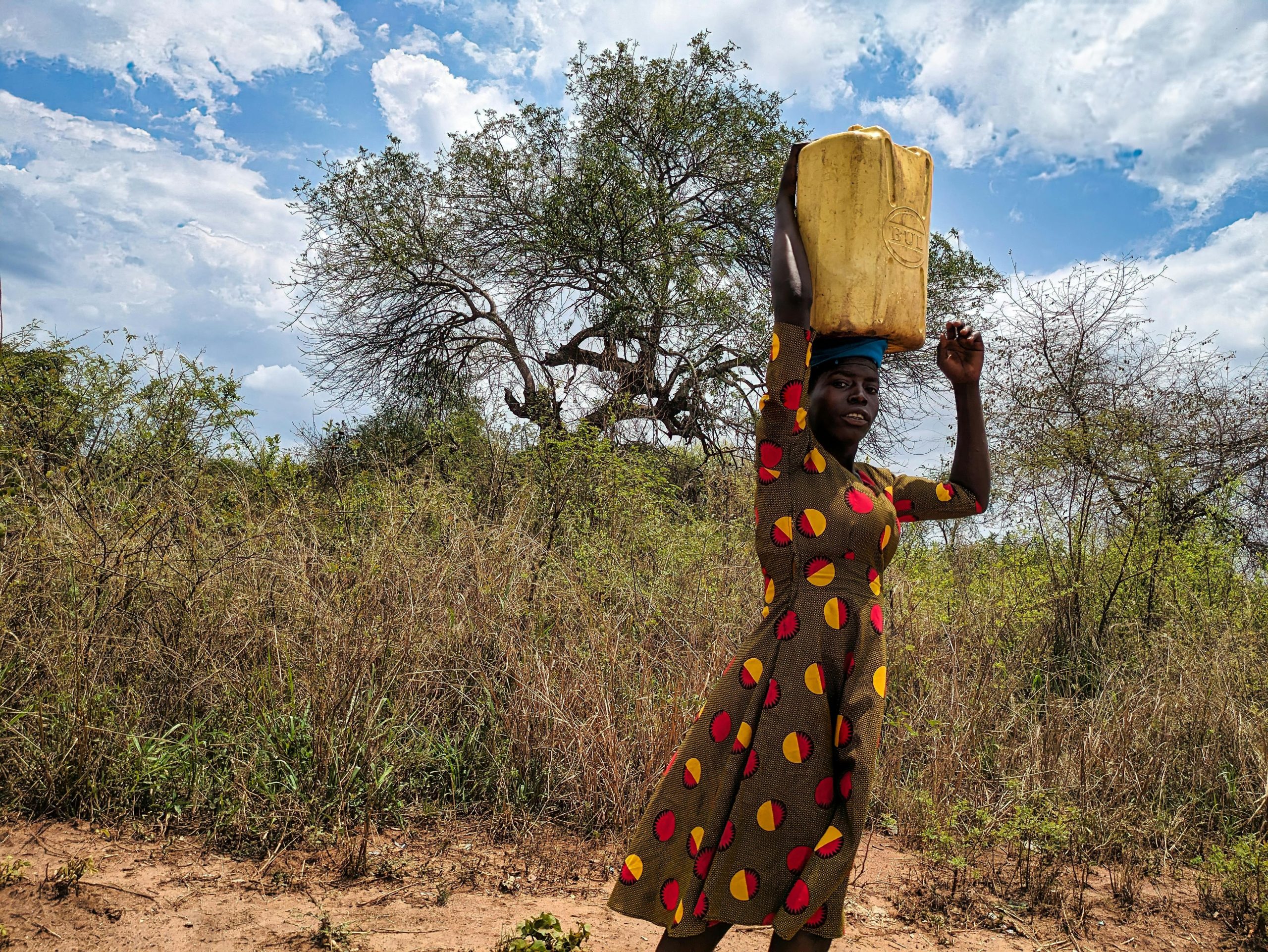
 In Uganda, women continue to find their capacity to materialize their potential hampered by deeply entrenched inequalities despite considerable political progress. The 1995 constitution rendered men and women equal before the law. Since then, numerous governmental initiatives have sought to eradicate gender-based discrimination. This includes the 2007 establishment of the Equal Opportunities Commission, a statutory authority that works to enforce anti-discrimination laws and equalize opportunity.
However, the United Nations (U.N.) has identified a chasm between this politically decreed equality and the living reality of Ugandan women, social mores frequently limiting their engagement in the public sphere. The result is a gaping monthly gender wage disparity of 32.3% and a mammoth loss in human capital and, thus, national wealth. Organizations of varying scales are, therefore, working to foster the economic inclusion of women in Uganda.
Resilient Women Uganda
Established in 2016, Resilient Women Uganda is a nongovernmental organization (NGO) that helps vulnerable girls and women escape cyclical poverty by creating spaces where they can blossom unimpeded by patriarchal beliefs that undervalue them.
Harmful practices mar the economic inclusion of women in Uganda. A massive 45% of female Ugandans have suffered physical abuse at the hands of their partner. Additionally, more than one in five have experienced sexual violence. Moreover, child marriage is rampant, with 34% of girls entering unions before they turn 18 and 7% before the age of 15.
Seeking to limit the effect that these breaches of basic rights have on girls’ development, Resilient Women Uganda operates a shelter for those in immediate danger of violence or exploitation, where they can access food, medical treatment and pastoral care.
Furthermore, the organization offers vocational training in various sectors, supporting its beneficiaries in sculpting a future. Through the program, at-risk girls aged between 13 and 19 can develop skills that will lead them to secure employment and become economically self-sufficient members of society. In 2023, 55 young women trained by the program found jobs in hairdressing and fashion design.
The Women’s Microfinance Initiative
The Women’s Microfinance Initiative (WMI) empowers female entrepreneurs from impoverished rural communities by providing them with microloans and increasing their financial literacy. Founded in Washington, D.C., in 2008, the organization operates through hubs across Uganda, Kenya and Tanzania.
The “Transition to Independence” program gives women access to four consecutive loans at a 10% flat interest rate, which they can use to propel their businesses into economic self-sufficiency. The program also provides a holistic support system that seeks to mold its beneficiaries into well-rounded participants in the economy. At the community-level hubs, operated by local women, the borrowers receive training in business and marketing, ongoing mentoring and free bookkeeping resources such as calculators and notebooks. They also open bank accounts as part of the program and develop a strong grasp of financial processes.
WMI combats exploitative lending practices through its woman-centered approach, which is reflected in an impressive loan recovery rate of 98%. Its borrowers experience a monthly income growth rate of between 100% and 400%. The organization’s impact is as far-reaching as it is remarkable; in 2023 alone, it provided 12,000 loans and it has served more than 28,000 women since its inauguration.
Moreover, WMI estimates that its loans impact an additional 20 people for every borrower. This considers the effect of increased household income on family members and the reach of each business’s roots within the community’s economic network. According to the U.N., self-employed women in Uganda face heightened vulnerability to poverty due to limited access to services and capital. WMI is working to remove these barriers and allow female entrepreneurship to flourish.
Women in Technology Uganda
Women in Technology Uganda (WITU) is an NGO that has supported girls and women from underprivileged communities with training programs in technology and entrepreneurship since 2014. The “Code Girls” program operates across primary, secondary and tertiary education to bring ICT training to young people, especially girls, who are otherwise unlikely to access STEM resources. In 2022, the program bridged the technological divide for 1,354 students.
WITU also offers talented young women the opportunity to complete a two-year diploma in Computer Science and Entrepreneurship through the Women’s Institute of Technology and Innovation. In 2022, 33 girls excluded from tertiary education because of a lack of financial means received scholarships.
Moreover, the 12-week “Elevate” program fosters economic autonomy by training young women from marginalized backgrounds in ICT and providing them with various marketing and employability skills. As of 2022, the program had served more than 6,000 women. Given that just 31% of Ugandan women have access to the internet, compared with 69% of men, WITU’s work represents a vital pathway toward improved economic inclusion of women in Uganda.
Moving Forward
Although significant challenges remain, numerous organizations are working to strengthen Uganda’s social fabric by fighting for a future where its women are free to incorporate their unique and colorful threads. Their efforts demonstrate what WMI aptly calls “a long-term investment in human potential” and their shared vision is one of a nation that holds equal promise for all of its people.
– Leila Powles
Leila is based in Cheltenham, Gloucestershire, UK and focuses on World News for The Borgen Project.
Photo: Pexels

Diseases Impacting Tanzania
The decrease in poverty has also meant that increased funding can go into health care facilities, for example, the 2.22 trillion Tanzanian Shillings (Tsh) allocated to health care in Tanzania in 2017-2018, an increase of 34% from that in 2016-2017. However, communicable diseases in Tanzania remain a threat to public well-being, and without a fast diagnosis and access to correct treatment, they can often be fatal. Here is information about three diseases impacting Tanzania.
Malaria
Malaria, a disease carried by mosquitoes, is one of the most common communicable diseases in Tanzania. In 2022, there were an estimated 7,960,000 confirmed cases of malaria in the United Republic of Tanzania, making Tanzania the country with the sixth highest number of cases. In response to this, the World Health Organization (WHO) began offering training for district vector surveillance (and control) officers (DVSOs), who collect samples of vectors from around Tanzania that can be analyzed.
This training then saw the certification of 56 new DVSOs, who now play a vital role in malaria prevention and elimination as mosquitos and other disease vectors often tend to behave based on human interaction, and the study of how they behave would help in creating new strategies that align with recent changes in vector behavior. With access to the correct resources, malaria is incredibly preventable. For example, the use of mosquito nets in sleeping areas helps to keep mosquitoes from biting citizens, and even just wearing protective clothing can minimize the spread of malaria in Tanzania.
HIV and AIDs
In 2021, the United Nations states began to work towards the 95-95-95 targets for HIV/AIDS, which aim to ensure at least 95% with HIV know their status, 95% of those with HIV are undergoing treatment and 95% of those undergoing treatment are virally suppressed. In Tanzania, as of 2019, there were 1.7 million people who had confirmed cases of HIV, and in line with the 95-95-95 goals, 83% of those suffering from HIV knew that they had it, and of these, 92% were virally suppressed and receiving treatment.
The National AIDS Control Programme in Tanzania has worked to ensure that condoms are readily available to the Tanzanian population, to prevent the spread of HIV and age-appropriate messages to educate about HIV prevention and myths young people may encounter surrounding it are distributed, in hopes of minimizing the disease and its impact in Tanzania.
Tuberculosis (TB)
Estimates currently indicate that there are around 208 cases of TB for every 100,000 people in Tanzania, and the country is currently on a watchlist for its high TB burden rates, according to the WHO’s Country Outlook. Because of the high rates of HIV and AIDs in Tanzania, this immediately puts anyone impacted at higher risk of contracting TB, due to the compromise in their immune system. In 2021, The Ministry of Health, Community Development, Gender, Elderly and Children (MOHCDGEC), Directorate of Preventive Services through the National TB and Leprosy Programme (NTLP) launched a StopTB Partnership that works to end TB in Tanzania by 2030.
So far, it has been working on raising awareness about TB, by holding workshops to educate local journalists about TB and calling for increased funding towards TB diagnosis and treatment in Tanzania. It has also enforced a framework which ensures that treatment in the form of antibiotics is free to all TB patients through public and private health care systems and that TB notifications are mandatory, according to its 2023 report. This increased access to treatment for Tanzanian citizens could hopefully lower infection rates and decrease its impact in Tanzania.
Looking Ahead
While these diseases impacting Tanzania still have a large impact on the population of the country, the work of these organizations has significantly decreased its impact and improved the lives of many. With continued funding and work from these organizations, Tanzania will likely be able to meet health targets, such as those set by the Global Technical Strategy for Malaria, and move towards eliminating these diseases impacting Tanzania in the future.
– Freyja Stone
Photo: Flickr
Youth Innovation Hubs: Fostering Entrepreneurship in Uganda
Agriculture and the Rise of Innovation Hubs
According to the UNDP, estimates indicate that Uganda’s agriculture sector contributes 37% of the country’s Gross Domestic Product (GDP), employs 72% of Uganda’s workforce and contributes 80% to the export base. Obstacles such as poor agronomic practices, limited stock of quality agro-inputs and limited access to timely and quality market information continue to undermine the sector’s potential to create jobs and entrepreneurship ventures.
Youth innovation hubs in Uganda are collaborative spaces where young people access resources, mentorship and training in technology and business. These innovation hubs aim to empower youth with entrepreneurial skills, enabling them to create their own employment opportunities instead of relying on traditional job markets. A notable example, the Outbox Hub in Kampala, offers co-working spaces, funding opportunities and training programs for young entrepreneurs. For instance, Outbox recently launched a three-day hackathon to help local Ugandan entrepreneurs develop skills using new technologies.
Government Initiatives
The Ugandan government, recognizing the potential of innovation hubs, has launched several initiatives to support their growth. Youth Innovation Hubs, first introduced in 2016 and renewed in 2024, have organized 2,825 events and 751 business meetings, equipping 6,531 individuals with digital skills, capacity building and mentorship. Additionally, the Youth Livelihood Programme (YLP), launched in 2014, targets youth unemployment by providing funding to young entrepreneurs across the country to establish various youth-led enterprises.
Impact on Poverty Reduction
The correlation between youth unemployment and poverty is stark. Around 9.3 million youth in Uganda are disconnected from the workforce. Innovation hubs address this by equipping youth with skills to start and sustain their businesses, which in turn generates employment and stimulates local economies. For instance, the Agripreneurship Alliance has programs that train youth in modern farming techniques and agribusiness management, which are helping to revolutionize Uganda’s agricultural sector. Innovations such as mobile apps for market information and sustainable farming practices have enabled young farmers to increase productivity and incomes.
Looking Ahead
Youth innovation hubs in Uganda are proving effective in tackling unemployment by equipping young people with entrepreneurial skills and resources. These innovation hubs foster self-employment opportunities and stimulate local economies, as evidenced by initiatives like the Outbox Hub and the Youth Livelihood Programme. The focus on modern farming techniques and agribusiness management is particularly impactful, helping to revolutionize Uganda’s agricultural sector and increase productivity and incomes among young farmers. As these innovation hubs continue to expand, they can potentially reduce poverty and drive sustainable economic growth in Uganda.
– Jennifer Lee
Photo: Flickr
Economic Inclusion of Women in Uganda
However, the United Nations (U.N.) has identified a chasm between this politically decreed equality and the living reality of Ugandan women, social mores frequently limiting their engagement in the public sphere. The result is a gaping monthly gender wage disparity of 32.3% and a mammoth loss in human capital and, thus, national wealth. Organizations of varying scales are, therefore, working to foster the economic inclusion of women in Uganda.
Resilient Women Uganda
Established in 2016, Resilient Women Uganda is a nongovernmental organization (NGO) that helps vulnerable girls and women escape cyclical poverty by creating spaces where they can blossom unimpeded by patriarchal beliefs that undervalue them.
Harmful practices mar the economic inclusion of women in Uganda. A massive 45% of female Ugandans have suffered physical abuse at the hands of their partner. Additionally, more than one in five have experienced sexual violence. Moreover, child marriage is rampant, with 34% of girls entering unions before they turn 18 and 7% before the age of 15.
Seeking to limit the effect that these breaches of basic rights have on girls’ development, Resilient Women Uganda operates a shelter for those in immediate danger of violence or exploitation, where they can access food, medical treatment and pastoral care.
Furthermore, the organization offers vocational training in various sectors, supporting its beneficiaries in sculpting a future. Through the program, at-risk girls aged between 13 and 19 can develop skills that will lead them to secure employment and become economically self-sufficient members of society. In 2023, 55 young women trained by the program found jobs in hairdressing and fashion design.
The Women’s Microfinance Initiative
The Women’s Microfinance Initiative (WMI) empowers female entrepreneurs from impoverished rural communities by providing them with microloans and increasing their financial literacy. Founded in Washington, D.C., in 2008, the organization operates through hubs across Uganda, Kenya and Tanzania.
The “Transition to Independence” program gives women access to four consecutive loans at a 10% flat interest rate, which they can use to propel their businesses into economic self-sufficiency. The program also provides a holistic support system that seeks to mold its beneficiaries into well-rounded participants in the economy. At the community-level hubs, operated by local women, the borrowers receive training in business and marketing, ongoing mentoring and free bookkeeping resources such as calculators and notebooks. They also open bank accounts as part of the program and develop a strong grasp of financial processes.
WMI combats exploitative lending practices through its woman-centered approach, which is reflected in an impressive loan recovery rate of 98%. Its borrowers experience a monthly income growth rate of between 100% and 400%. The organization’s impact is as far-reaching as it is remarkable; in 2023 alone, it provided 12,000 loans and it has served more than 28,000 women since its inauguration.
Moreover, WMI estimates that its loans impact an additional 20 people for every borrower. This considers the effect of increased household income on family members and the reach of each business’s roots within the community’s economic network. According to the U.N., self-employed women in Uganda face heightened vulnerability to poverty due to limited access to services and capital. WMI is working to remove these barriers and allow female entrepreneurship to flourish.
Women in Technology Uganda
Women in Technology Uganda (WITU) is an NGO that has supported girls and women from underprivileged communities with training programs in technology and entrepreneurship since 2014. The “Code Girls” program operates across primary, secondary and tertiary education to bring ICT training to young people, especially girls, who are otherwise unlikely to access STEM resources. In 2022, the program bridged the technological divide for 1,354 students.
WITU also offers talented young women the opportunity to complete a two-year diploma in Computer Science and Entrepreneurship through the Women’s Institute of Technology and Innovation. In 2022, 33 girls excluded from tertiary education because of a lack of financial means received scholarships.
Moreover, the 12-week “Elevate” program fosters economic autonomy by training young women from marginalized backgrounds in ICT and providing them with various marketing and employability skills. As of 2022, the program had served more than 6,000 women. Given that just 31% of Ugandan women have access to the internet, compared with 69% of men, WITU’s work represents a vital pathway toward improved economic inclusion of women in Uganda.
Moving Forward
Although significant challenges remain, numerous organizations are working to strengthen Uganda’s social fabric by fighting for a future where its women are free to incorporate their unique and colorful threads. Their efforts demonstrate what WMI aptly calls “a long-term investment in human potential” and their shared vision is one of a nation that holds equal promise for all of its people.
– Leila Powles
Photo: Pexels
5 Charities Operating in Croatia
In 2021, the poverty risk rate for a single-person household was 3,000 Kuna per month ($435) and 6,300 Kuna per month ($913) for a two-adult, two-child household. This is why the charities operating in Croatia are important to the Croatians experiencing or at risk of poverty. Charities operating in Croatia provide safety for those experiencing domestic violence, shelter for those who are homeless and humanitarian aid after war or disaster are essential to those who otherwise cannot afford to seek the services they need.
DOMINE
Established in 2002, the nonprofit organization DOMINE focuses on promoting women’s rights and the development of society. DOMINE focuses on economic and political empowerment of women, prevention of gender-based violence, health care for women and more. In Split-Dalmatia, a county of Croatia in which DOMINE was established, it developed and published the first feminist library. Two of the ongoing projects by DOMINE are “COVID-19: helping women victims of violence” and “Safe housing for women victims of violence.”
Caritas Croatia
In response to the Croatian Homeland War of the early 1990s, Caritas Croatia was founded in 1992, providing victims clothing, shelter, food and medicine. Caritas Croatia continues its work today to end poverty and provide humanitarian aid. Caritas does advocacy work in poverty reduction as well as providing disaster response both domestically and internationally. It works globally and collaborates with Caritas Europa and Caritas Internationalis.
In 2002, Caritas Croatia sent money and volunteers to help with disaster response to a flood in the Czech Republic and assisted the U.S. in 2005 after Hurricane Katrina. Domestically, Caritas Croatia works with the diocesan offices to strengthen family counselling centres and advocates for those who have disrupted education due to social stigma, from having diseases such as HIV.
Krug Ijubavi (Circle of Love)
Established in Croatia in 2017, Circle of Love provides children with education, shelter, health care and more, in Croatia and globally. It advocates for children’s rights and safety in family homes and organizations. Circle of Love in Croatia started with the goal of providing 40 children with education, surpassing the goal by more than 600 children. It also provides support and training to families who have children with disabilities to help them, the children, live the most fulfilling life they can. It also has taken the endeavors of building schools and constructing a safe house for abused children.
SOS Children’s Villages
SOS Children’s Villages has been operating in Croatia since 1992. The organization supports children who are without parental care or at risk of losing parental care. In Croatia, a fifth of all children (those under 18 years), are at risk of poverty. There are 3,500 children in SOS care, with some as young as three entering the institution’s care. SOS helps with giving early childhood education and by providing the care they need to help them transition into adulthood successfully.
Depaul Croatia
Depaul Croatia focuses on taking care of those experiencing homelessness, where in Croatia there are roughly 2,000 people who are currently homeless. The organization provides food, hygiene provisions and health care services alongside implementing programs such as rehabilitation for alcohol users. They have also implemented a program that helps increase the employability of those who are homeless. Depaul participates in outreach work, reaching the homeless through the streets, hospitals and prisons.
One of the services Depaul provides is the Haven House: a day center for the homeless as well as other marginalized groups, offering holistic help. More than 70 people use the Haven House’s daily services.
These charities operating in Croatia, along with many others, improve the quality of life for those who need the services they can provide.
– Rachel Padden
Photo: Flickr
Recent Poverty Reduction in Hawaii
The Situation
According to the United States (U.S.) Census Bureau, 10.2% of Hawaii residents live below the poverty line. This score is higher than the U.S. national average of 11.5% as of 2022. Even as Hawaii grapples with poverty, a number of local initiatives are offering hope for meaningful progress in reducing hardship.
Governmental Initiatives
One of the most important legislative actions contributing to poverty reduction is the proposed Farm Bill. This legislation aims to strengthen local agriculture while simultaneously combating hunger. By supporting local farmers and promoting healthy farming practices, the Farm Bill seeks to lower food costs and increase food security for people nationwide, including Hawaii’s residents. The Farm Bill’s approach is crucial in a state that is heavily reliant on imported goods and where high living costs disproportionately affect low-income families. Implementing the Farm Bill involves incentivizing local production through grants, reducing dependency on external food sources and stimulating economic growth.
Governor Josh Green’s administration has also taken proactive steps to address homelessness, a critical aspect of poverty in Hawaii (41% in 2022). The Governor’s office highlighted the Hoʻokahi Leo Kauhale initiative on its official website, focusing on providing affordable housing for at least 50 people experiencing homelessness. This program incorporates housing with comprehensive support services driven to meet the needs of homeless individuals and families. By providing housing along with health care access, employment resources and social services, Hoʻokahi Leo Kauhale aims to reduce homelessness and help residents rebuild their lives.
The Department of Business, Economic Development and Tourism (DBEDT) also plays a pivotal role in Hawaii’s poverty reduction efforts. DBEDT’s goal is to reach a globally competitive economy for Hawaii. The department has led initiatives to increase the state’s economic growth and job creation. DBEDT’s efforts contribute to reducing unemployment rates and promoting financial stability among Hawaii’s residents.
Nongovernmental Initiatives
Hawaii has also made strides in addressing local poverty apart from governmental efforts. Child & Family Service (CFS), a Hawaii-based nonprofit organization dedicated to fostering healthy child development, has also been working to break generational poverty throughout the state. In 2016, the organization launched a pilot program called Transition to Success (TTS). The program’s mission is to empower and guide impoverished families to success via mentorship, coaching and other resources. About 986 participants of TTS reported positive changes regarding self-sufficiency.
What This Means for the Nation
Recent efforts towards poverty reduction in Hawaii show a combination of legislative innovation, community engagement and strategic economic development. Working between government agencies and nonprofit organizations will be crucial in building upon these achievements and addressing common challenges. By continuing to evolve upon successful strategies, Hawaii can further solidify its commitment to poverty alleviation and economic empowerment, setting an example for resilience and stability nationwide.
– Christian Core
Photo: Flickr
Food Security in India: The Role of Cooperatives
Cooperatives in India
Cooperative societies are organizations where groups of people voluntarily come together to accomplish “common economic interest.” Cooperative societies that focus on the well-being of farmers and consumers play an important role in ensuring food security in India. They buy farm produce from farmers at the Minimum Support Price (MSP) and sell it to consumers at affordable prices.
Cooperatives in India, like Amul Dairy and the Horticultural Producers’ Cooperative Marketing and Processing Society (HOPCOMS), have ensured food security for people experiencing poverty. The cooperatives have provided milk, milk-based products, fruits and vegetables at subsidized prices.
Amul
Amul Dairy is the largest milk-producing entity in India. It was founded in 1946 by a group of farmers in Gujarat, India. The farmers sought to eliminate the presence of middlemen in dairy farming. The Amul Model, a three-tier model with the federation of members’ unions at the state level, the milk union at the district level and the dairy cooperative societies at the village level. This model was replicated all over the country under the leadership of Dr. Verghese Kurien, the founder chairman of Amul. He was given the role of running Amul from 1950.
Expansion of the model began in 1946 with only two dairy cooperative societies. Today there are 185,903 dairy cooperative societies nationwide, receiving milk from more than 16 million milk producers in the country. For more than 70 years, Amul has been determined to ensure food security in India by ensuring that millions of people across the country have easy access to milk and milk products. India is currently the largest producer of milk in the world, responsible for 24.64% of the world’s milk production, of which Amul has been the harbinger.
HOPCOMS
Horticulture is the science and art of growing fruits, vegetables, flowers and the like. HOPCOMS was established in 1959 in the south Indian state of Karnataka, initiated by the vision of Dr. M. H. Mari Gowda, the father of horticulture in Karnataka. With a population of around 64 million, 68% of Karnataka’s population relies on agriculture for their livelihood. Of these, nearly 2.3 million households are employed in the horticultural sector at present.
HOPCOMS, run with state support, receives farm produce from farmers all over Karnataka. It intends to ensure a proper and convenient system for marketing fruits and vegetables within the state. HOPCOMS’s main objectives are to ensure that farmers receive fair prices for their produce and consumers are sold farm products at reasonable prices. It does this by eliminating middlemen and providing farmers with adequate agricultural training and advice.
Conclusion
Cooperative societies like Amul Dairy and HOPCOMS have proved to be major contributors to food security in India. They ensure that both farmers and consumers can rely on government support for reasonable prices on farm produce. Eliminating the presence of middlemen has helped farmers to sell their produce directly to consumers at a predetermined price. It has also benefited consumers by saving them the extra costs incurred through middlemen. This has led to increased farmer incomes and the availability of subsidized milk, milk products, fruits and vegetables, all under the administration of the farmers of the country.
– Adya Umesh
Photo: Unsplash
Human Trafficking in Libya Exploits the Vulnerable
Poverty in Libya
In recent years, poverty levels in Libya have surged, raising significant concern among the Libyan government and NGOs. The Libyan News Agency reported in 2023 that the National Institution for Human Rights in Libya (NIHRL) found a 40% increase in poverty rates, nearly affecting half of Libya’s population. The NIHRL identified several critical factors contributing to this rise: escalating inflation, the depreciation of the local currency against foreign currencies, increased prices of basic goods and food items, higher costs for health services and lower income levels for families, particularly among the most vulnerable and needy groups.
International Aid and NGO Involvement
The political and economic climate in Libya struggles to protect its impoverished population from exploitation effectively. Despite these challenges, support from NGOs and international governments offers hope for improvement. Numerous organizations are actively working to enhance Libya’s welfare by combating poverty and violence and striving to secure basic human rights for its people. Prominent groups like Human Rights Watch and Amnesty International are at the forefront, diligently seeking solutions and fostering hope for a better future in Libya.
International Organization for Migration
The International Organization for Migration (IOM) is making significant strides in Libya, where its efforts are profoundly felt. As of 2023, the IOM has identified a total of 706,062 migrants from more than 44 nationalities across 100 Libyan municipalities. This substantial migrant presence has unfortunately increased trafficking activities, but the IOM’s assistance is a crucial step toward addressing these challenges. The organization collaborates with embassies, community leaders and humanitarian partners to enhance critical health care, including mental health and psychosocial support, for migrants and trafficking survivors. These vital collaborations form a multi-pronged approach that promises strategic solutions and hopeful outcomes in the fight against trafficking and poverty in Libya.
Looking Ahead
Libya’s ongoing crisis of human trafficking and poverty demands urgent and coordinated action. International organizations like the IOM and NGOs such as Human Rights Watch and Amnesty International are working to provide essential services and advocate for the rights of vulnerable populations. These ongoing efforts, alongside greater international support, could address the systemic issues and improve the lives of those affected by trafficking and poverty in Libya.
– Abigail Johnson
Photo: Flickr
U-Report in Zambia: Empowering Youth and Transforming Health
The Launch of U-Report in Zambia
In 2012, Zambia launched its U-Report program, inspired by Uganda’s platform, to target HIV and enhance sexual and reproductive health. Expanding beyond its initial focus, Zambia’s U-Report now also addresses gaps in knowledge that contribute to stigma and low service utilization. The platform identifies areas needing improvement in sexual and reproductive health, mental health, education and nutrition.
In 2024, U-Report in Zambia boasts nearly 244,000 users, largely due to the program’s adaptability to its user base. Notably, 43% of participants are between the ages of 25 and 30. This prompted the program to tailor its language and tone to resonate with young adults. Such adjustments enhance user comfort, encouraging them to openly share their experiences, opinions and needs with trained counselors. These counselors, in turn, relay this critical feedback to authorities, driving improvements in current systems to maximize effectiveness.
4 Main Components of U-Report
HIV and AIDS Prevention
U-Report Zambia launched to combat the AIDS crisis by addressing the lack of HIV prevention information and the underuse of prevention services like protected sex and HIV preventive care. It now serves as an up-to-date knowledge bank on HIV and sexual reproductive health information. Additionally, the rise in mobile device usage has boosted user engagement. Within a short period, U-Report facilitated an additional HIV test for every five young individuals who had not been tested before 2016.
Mental Health Awareness Campaign
U-Report Zambia has made significant strides in spreading mental health awareness. In 2022, it launched a Mental Health Awareness Campaign titled “Let’s ‘Work It Out.” The campaign aims to destigmatize mental illness and support those seeking help. With only 15% of at-risk populations in Zambia receiving adequate mental health care, the campaign plays a crucial role in enhancing access to mental health knowledge. User feedback has also highlighted gaps in mental health services. U-Reporter Regina Twitty Chanda praised the platform, stating, “Zambia U-Report is creating a great platform for people who have gone through or are struggling with mental health.” Chanda emphasized the importance of accepting one’s condition and seeking treatment, underscoring that it is possible to lead a normal life thereafter.
Looking Ahead
U-Report Zambia continues to evolve, adapting its approach to better serve its growing user base of nearly 244,000 individuals. By tailoring its language and tone to resonate with young adults, the platform fosters an environment where users feel comfortable sharing their experiences and needs. The feedback gathered is crucial for informing authorities and driving system improvements. As U-Report expands its focus to include mental health, education and nutrition, it remains a vital tool in addressing and mitigating health challenges in Zambia.
– Lauren Thompson
Photo: Flickr
Sweet Potato Flour as a Solution to Food Insecurity
One Solution to Food Insecurity
Root and tuber crops, such as sweet potatoes, are important for food security. As a drought-tolerant crop, sweet potatoes are resilient in warm climates like those in sub-Saharan Africa. They are a staple food globally, especially in developing countries, providing affordable and accessible nutrition. Sweet potatoes hold great economic value in South Africa. However, after harvest, there is a limited time to determine when they are good to eat. They are harvested once a year and are ripe for a limited period.
InnoFoodAfrica
InnoFoodAfrica is a cross-continental project that aims to enhance food and nutrition security in Africa. As part of this project, researchers at the University of Pretoria, South Africa, have found a way to make orange-fleshed sweet potato last longer by making flour out of it. A Doctor of Philosophy (PhD) Food Science candidate, Daddy Kgonothi, has been central in the development of this flour. The goal of the invention was to address micronutrient deficiencies among young children and pregnant women.
Sweet potato has a short shelf life of only two to three weeks. The flour, which is made from the same crop, has a shelf life of a whole year. Sweet potato contains beta-carotene, which is converted into vitamin A in the body. Vitamin A deficiency is one of the leading causes of micronutrient deficiencies in children younger than 6 and among pregnant women. Sweet potato also contains a high level of fiber and antioxidants. This protects the body from free radical damage and promotes a healthy gut and brain.
Flour is also a good source of iron, zinc and phosphorus. When sweet potato is made into flour, it lasts longer, which can lead to more people getting their hands on the product. It is also versatile and can be used in many recipes, such as bread. This way, the flour can be a solution to deficiencies.
The Impacts of the Sweet Potato Flour
The flour is one solution to food insecurity in not only South Africa but also large parts of Africa. The development of the flour was finalized in 2022. It allows people to enjoy the nutrients and benefits of the crop all year long. Not only is the flour helping enhance general food insecurity in South Africa and the rest of Africa, but it is especially helping pregnant women and children eat more nutritious food.
– Sigrid Nyhammer
Photo: Pixabay
Education in Angola: Challenges and Developments
The Angolan peninsula’s resources include oil and diamonds, but although these resources suggest wealth for the nation, the great majority of the country lives in poverty. The Angolan system lacks in meeting the needs of all of the nation’s citizens, with education being a prime example. Development within the system has quickly ensued, with the prospect of a refined education plan getting closer and closer each day.
The Civil War
With more than one-fourth of the population being considered illiterate and approximately two million children being out of school, the question arises as to why a country with such abundant resources has been lagging in its educational advancement. After the Portuguese granted Angola its independence, from 1975 to 2002, civil war invaded the lives of the Angolan people. Buildings and infrastructures nationwide were dilapidated from the war and one common structure that was destroyed was schools.
According to the United Nations Children’s Fund (UNICEF), more than 1500 schools were destroyed between 1992 and 1996 alone. Now that the war has officially ended, a lot of these schools have since been abandoned or burned out. With the schools that survived the war, the quality of these structures still lacked essentials. Many classrooms lack windows, doors, toilets, roofs, or even basic reading and writing facilities.
Not Enough Classrooms
According to statistics taken by Angop, the state-controlled news agency, the annual average rate of enrolling children without a place to study stands at a whopping 18.59%. Although children are willing to attend school, spatial barriers prevent many from receiving an education. The Luanda province, located on the Northern coast of Angola, reported that it was unable to find room for roughly 16,000 children who finished the 9th grade to continue their education.
Children who want to either enter or continue their schooling in various Angolan provinces are continually being denied due to a lack of infrastructure, although recent legislation regarding education seems to be improving the future of Angolan schooling.
Improvements and Progresses
Strides have been made to alleviate the issues within the education system, as legislation and funding for schooling have risen in recent years. As of December 8, 2023, the World Bank granted a 10-year program to support Angola’s tertiary education system, providing $550 million to enhance and aid the quality of programs in priority areas and strengthen governance within the education system. The program’s goal is to increase the number of highly qualified graduates who have labor market-aligned skills in various areas. In the next ten years, the expansion and progress of Angolan schooling will reach up to 3.2 million students nationwide, providing them with better learning opportunities and educational access.
Another initiative that has aided in the Angolan education system is the Back to School Campaign, supported by UNICEF, with its origin stemming from 2002. The campaign has supported the training of more than 20,000 teachers. It has also restored roughly 13,000 classrooms while still preparing thousands of education kits for children and teachers. The goal of the campaign is to increase the number of children in schools, as well as to improve the literacy rate throughout the country.
In recent years, progress in literacy has been made. The Angolan literacy rate has increased from 67.4% in 2001 to 72.4% in 2022 and has an average annual growth rate of 3.8%. This growth is concurrent with the implementation of funding and legislation in support of Angolan education. With an estimated increase in literacy each year, the future of schooling in Angola can take many turns for the better.
The Future of Education in Angola
Improvement of the Angolan education system will be a long-term process, especially after the devastation its infrastructure and economy have faced after the war. From the lack of classrooms to the low rates of literacy and graduation, the Angolan youth continue to seek a successful education.
Now, with the increase in funding for school governance, quality of programs, school building and teacher training, the future of Angolan education seems promising. Suppose the government continues to prioritize the restoration and development of the education system. In that case, Angola can transition into one of the educational powerhouses of Africa.
– Oliver Martin
Photo: Flickr