Human Trafficking in Libya Exploits the Vulnerable
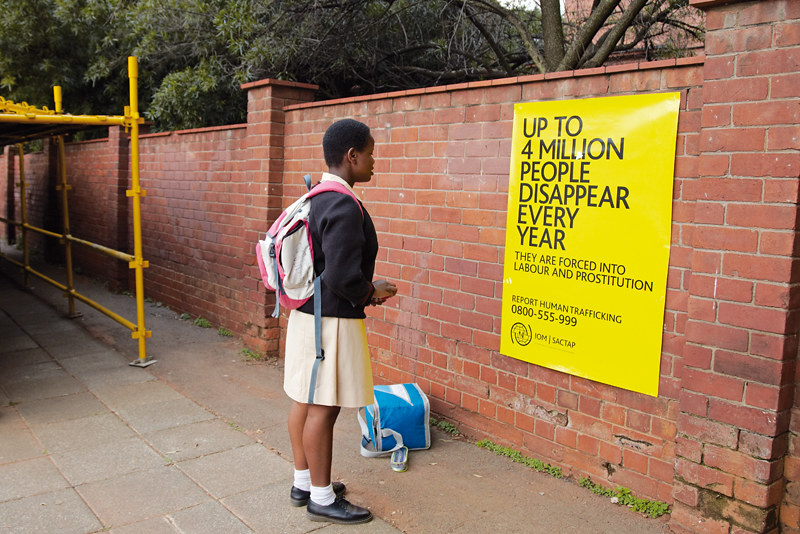 Currently, the Global Organized Crime Index rates Libya as one of the worst places for human trafficking, with a high score of 8.5 out of 10. The country’s resilience score is also very low, indicating that little effective action is being taken to end this trafficking epidemic. The United States Department of State has reported that instability, conflict and lack of government oversight and capacity in Libya allow human trafficking crimes to persist and remain highly profitable for traffickers. Furthermore, the Department of State notes that the population suffers abuse not only from criminals but also from governmental and nonstate armed groups. This abuse includes physical, sexual and verbal assaults; abduction for ransom; extortion; arbitrary killings; inhumane detention; and child soldiering.
Poverty in Libya
In recent years, poverty levels in Libya have surged, raising significant concern among the Libyan government and NGOs. The Libyan News Agency reported in 2023 that the National Institution for Human Rights in Libya (NIHRL) found a 40% increase in poverty rates, nearly affecting half of Libya’s population. The NIHRL identified several critical factors contributing to this rise: escalating inflation, the depreciation of the local currency against foreign currencies, increased prices of basic goods and food items, higher costs for health services and lower income levels for families, particularly among the most vulnerable and needy groups.
International Aid and NGO Involvement
The political and economic climate in Libya struggles to protect its impoverished population from exploitation effectively. Despite these challenges, support from NGOs and international governments offers hope for improvement. Numerous organizations are actively working to enhance Libya’s welfare by combating poverty and violence and striving to secure basic human rights for its people. Prominent groups like Human Rights Watch and Amnesty International are at the forefront, diligently seeking solutions and fostering hope for a better future in Libya.
International Organization for Migration
The International Organization for Migration (IOM) is making significant strides in Libya, where its efforts are profoundly felt. As of 2023, the IOM has identified a total of 706,062 migrants from more than 44 nationalities across 100 Libyan municipalities. This substantial migrant presence has unfortunately increased trafficking activities, but the IOM’s assistance is a crucial step toward addressing these challenges. The organization collaborates with embassies, community leaders and humanitarian partners to enhance critical health care, including mental health and psychosocial support, for migrants and trafficking survivors. These vital collaborations form a multi-pronged approach that promises strategic solutions and hopeful outcomes in the fight against trafficking and poverty in Libya.
Looking Ahead
Libya’s ongoing crisis of human trafficking and poverty demands urgent and coordinated action. International organizations like the IOM and NGOs such as Human Rights Watch and Amnesty International are working to provide essential services and advocate for the rights of vulnerable populations. These ongoing efforts, alongside greater international support, could address the systemic issues and improve the lives of those affected by trafficking and poverty in Libya.
– Abigail Johnson
Abigail is based in Sapulpa, OK, USA and focuses on Good News and Politics for The Borgen Project.
Photo: Flickr
