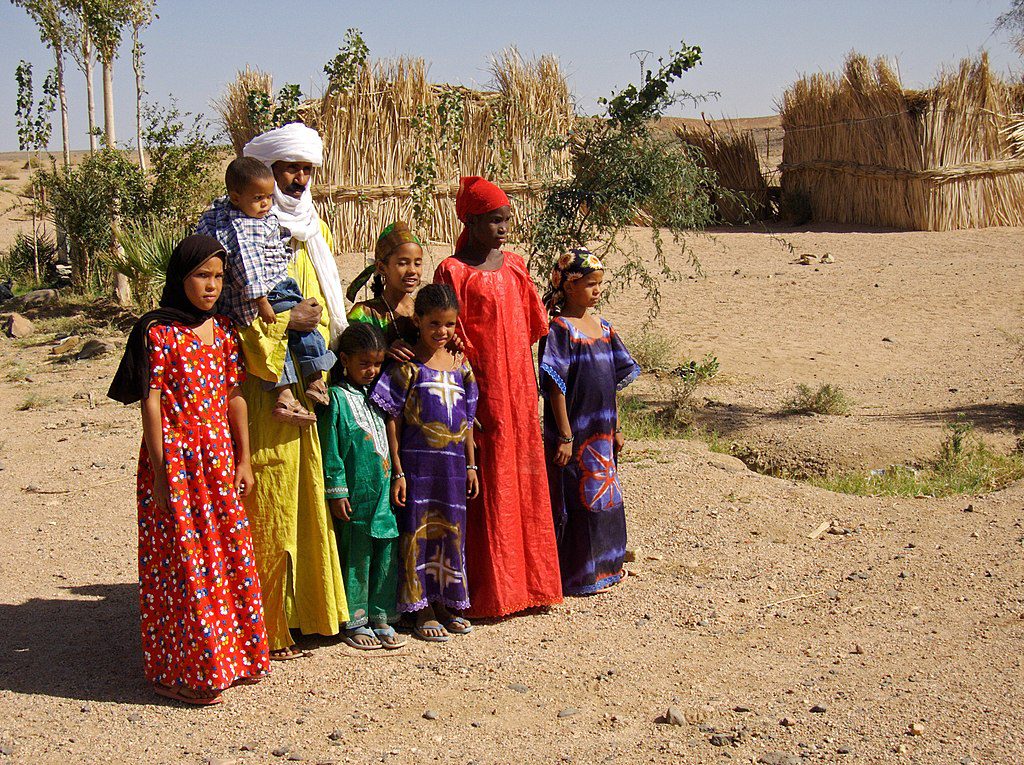
 Poverty and disability are issues that significantly affect many Algerians. Despite efforts to address socio-economic development, poverty remains a persistent problem in the country as it increased in 2020 for the first time in more than 20 years. Individuals with disabilities face additional barriers, worsening their economic hardships as “integrating these individuals into Algerian society “remains insufficient.” This article will highlight the ongoing efforts from charities, organizations and the Algerian government to combat the correlation between disability and poverty in Algeria.
Poverty in Algeria
Recent statistics indicate that almost 75% of the poor in Algeria undertake informal jobs within urban areas. In Algeria, the unemployment rate reached 11.2% in 2015, with no significant changes within the first half of 2016. High unemployment levels persisted, particularly among women, at 16.6% for women and 29.9% of youth.
The World Bank found that young people experienced a higher overall unemployment rate. For instance, in 2021, Algeria’s unemployment rate was 12.7% for the total labor force, rising to 31.9% among youth aged 15 to 24. This high rate of youth unemployment suggests that young Algerians struggle to enter the job market – possibly due to factors such as a lack of experience, having little to no background in education or a general scarcity of jobs. This poses a problem as they miss out on earning potential income in order to help themselves and their family. This lack of income can make it harder to afford basic needs such as food, clothing and housing, pushing them further into poverty.
The Pandemic
Approximately, 10% of Algeria’s population is at constant risk of sinking back into poverty. The COVID-19 pandemic worsened this situation in which, “Algeria was ill prepared to respond to the COVID-19 pandemic. Health care workers were challenged by a shortage in hospital intensive care unit beds, ventilators, protective gear, medical oxygen, oximeters, and medications.” This lack of preparedness, coupled with job losses and increased living costs due to the pandemic, severely strains social safety nets and government resources. As a consequence, this further widens the inequality gap and perpetuates a cycle of financial instability that traps individuals in poverty.
Disability in Algeria
In Algeria, individuals with disabilities face significant challenges despite legal frameworks aimed at protecting their rights. As the charity Disability:IN states, Algerian society has an evolving outlook on people with disabilities. However, those with disabilities are often not included fully into society and often face discrimination, unfairness and exclusion.
The government has enacted legislation to promote the employment of persons with disabilities in Algeria within public and private sectors, including offering incentives for employers and establishing a 1% employment quota. Between 2005 and 2018, the National Loan Agency financed 1,522 projects to support the professional integration of people with disabilities. According to a 1998 census. there were 1.6 million people in Algeria with disabilities, a number which was now estimated to be 2 million by 2018.
There remains a significant gap between the laws and their implementation. Experts have raised concerns about outdated definitions in the 2002 Disability Law and the presence of derogatory terms. More than 7,000 children with disabilities still live in institutions rather than in family or inclusive settings, underlining a need for improved integration of disabled children within Algerian society.
Education is mandatory for all children from age six, and efforts have been made to include children with specific needs in mainstream schools. Currently, 37,000 children with disabilities are integrated into schools, with 32,500 children in mainstream settings. The government supports 232 specialized institutions and initiatives like the use of sign language have been introduced to facilitate a better understanding in classrooms. Despite these efforts, broader measures are needed to bridge the gap between legislation and the experiences of those living with disabilities in Algeria.
Addressing Disability and Poverty in Algeria
Efforts to support those with disabilities and combat poverty in Algeria also involve international organizations. Oxfam has been active in the Sahrawi refugee camps since 1975 and they work to improve food security by distributing fresh vegetables and gluten-free flour to the disproportionately large celiac population within the camps. Further to this, the World Food Programme (WFP) has supported vulnerable refugees in Algeria since 1986, covering basic food and nutrition needs. The European Union is the largest donor to the World Food Programme (WFP) in Algeria. Since 2003, the EU has contributed nearly €85 million euros to support WFP’s operations for Sahrawi refugees in the country. This year, the EU’s contributions represent almost 20 percent of the total funding required by WFP in Algeria.
Humanity & Inclusion (HI) has been active in Algeria since 1998, working to promote the rights of individuals with disabilities. HI trains teachers in understanding specific methods when working with disabled children, while also raising awareness among parents about the importance of education for children with disabilities. One of their projects focuses on the rights of disabled children without families. In partnership with national and local actors, including the Ministry for National Solidarity, the Ministry of Health, NADA, parent organizations and UNICEF, HI collects and analyzes data to improve care-management practices. The project aims to enhance conditions for children with disabilities in specialized settings. There are 232 specialized institutions providing support to children with disabilities, receiving government funding amounting to 10 billion Algerian dinars.
The Takeaway
In conclusion, Algeria faces significant challenges in addressing poverty and disability in Algeria, despite various efforts by the government, charities and international organizations. The increase in poverty rates in 2020, for the first time in over two decades, highlights the persistent socio-economic issues that high unemployment, especially among youth and women, has exacerbated. Individuals with disabilities encounter barriers within their integration into society with a gap between legislation being proposed and the actual implementation of said proposals.
However, initiatives by organizations such as Oxfam, the World Food Programme and Humanity & Inclusion, along with government efforts, are continuously providing support and improving the lives of vulnerable populations. These efforts are necessary to bridge the existing gaps and ensure a more inclusive and equal society for all Algerians.
– Fahima Begum
Fahima is based in London, UK and focuses on Good News and Global Health for The Borgen Project.
Photo: Wikimedia Commons

The Beirut Blast Calls for a Different Distribution of Aid in Lebanon
The Beirut blast had initially caused an estimated $3.8 billion to $4.6 billion in material damage. That number was only to increase as casualties became more evident: the explosion killed 218 people from more than 14 different nationalities, wounded 7,000 people and caused a physical disability to 150 of them. And because of Beirut’s incredibly high population density, some 300,000 people faced displacement, according to Human Rights Watch (HRW).
Aid in Lebanon
Aid came quickly from multiple organizations and concerned nations:
The humanitarian response right after the explosion was adequate, excluding, however, many of those who had perished under the rubble because of a delay in rescue missions. Such was the story of Chady, who had died under a fallen building after waiting to be rescued for an astounding 24 hours. The aid his mother Hayat received following the tragedy was subpar, allowing her only to buy a casket for her dead son.
This tells that the long-term distribution of aid in Lebanon has been incredibly lacking. Two years after the Beirut blast, 1 million people in Lebanon, half of them children, were living under the poverty line and could not afford necessities
International Assistance
Before the Beirut blast the country had been going through an economic crisis and the International Monetary Fund (IMF) withheld monetary assistance from the Lebanese state because of a lack of political reform.
The America Near East Refugee Aid (ANERA) has been working even two years after the explosion to renovate damaged houses and buildings. In 2023, the two engineering companies Artelia and Egis came up with a plan to help reinvigorate the Beirut Port, but they need between $60 to $80 million to begin with the project.
International assistance of this sort can mean the difference between collapse and survival, so lobbying for inventive and effective distribution of aid in Lebanon is a must for both organizations and the international community as a whole.
– Carl Massad
Photo: Pexels
The Path to Poverty Reduction in South Korea
Economic Growth and Poverty
Since the end of the Korean War, South Korea’s economy has expanded, turning it from a low-income nation into a major player in the world economy. According to the World Bank, South Korea’s real gross domestic product (GDP) increased by an average of 5.7% each year between 1980 and 2023. Moreover, its gross national income (GNI) per capita swiftly advanced from $67 in the early 1950s to $33,745 in 2023.
South Korea faces challenges in addressing relative poverty, especially among senior citizens. The Human Rights Measurement Initiative (HRMI) ranks the country among the bottom three OECD countries in terms of relative poverty rates. For people aged 65 and older, South Korea has the highest relative poverty rate in the OECD.
Human Rights and Social Outcomes
On the other hand, the HRMI gives South Korea a positive score in ensuring basic rights such as food and health for its people. The right to food is 97.3% of what should be possible with South Korea’s GDP per capita, indicating that the majority of the population has adequate access to food, according to the HRMI.
However, the organization also notes that the right to work is less adequately addressed, with South Korea scoring only 74.4% of its potential in ensuring employment. This disparity is due to the high rate of relative poverty and the significant gap between regular and non-regular workers.
Government Policies and Welfare Programs
In recent decades, poverty reduction in South Korea has become more prevalent largely due to various government policies on enhancing social welfare and labor reforms. Social spending has increased significantly, quadrupling as a percentage of GDP from 1990 to 2015. The current administration has continued this trend by raising the minimum wage and expanding welfare budgets, according to the HRMI.
However, South Korea’s social spending still remains relatively low compared to other countries in the OECD. According to the HRMI, social spending in 2020 was only 10.4% of GDP, far below the OECD average of 21.6%.
According to the Ministry of Economy and Finance, the South Korean government has implemented various initiatives to stabilize the economy through fiscal policies, regulatory reforms and measures to manage inflation and stabilize prices. These policies create an environment that is conducive to business growth and job creation.
Expansion of Social Safety Nets
South Korea’s efforts to expand its welfare programs since the late 20th century have continued to this day. These enhanced safety nets aim to provide comprehensive economic support and safeguards to vulnerable populations. In particular, many of these programs focus on providing tailored health care, pension benefits and direct financial aid to senior citizens and rural residents, promoting equitable growth and development.
However, despite the expansion of these safety nets, relative poverty among vulnerable populations in South Korea remains an issue to this day. For example, the 2022 OECD Economic Survey of Korea reports that the average pension paid by the National Pension Service was only the equivalent of a third of the country’s minimum wage. Such factors have contributed to the ongoing high rate of relative poverty found by the HRMI in South Koreans aged 65 and older.
The international dimension of South Korea’s poverty reduction strategy applies active participation in global economic forums and hosting significant events like the World Bank’s 21st International Development Association (IDA) replenishment meeting. In only six decades, with the help of the IDA and World Bank, South Korea has transformed from an IDA recipient to a contributor that is now positioned to support the development of other countries.
The Future
South Korea’s journey from a war-torn nation to an economic giant is a testament to its resilience and effective policy-making. The government’s integrative approach to reducing poverty within the country through innovative policy-making, technological advancements and international cooperation has demonstrated rapid success.
However, there is still room for further improvement. The ongoing refinement and expansion of South Korea’s social spending, labor reforms and targeted poverty alleviation programs are still essential to ensuring sustainable poverty reduction in South Korea and improving the social outcomes for all its people.
– Sophia Lee
Photo: Flickr
5 Charities Tackling Extreme Poverty in the DRC
Oxfam
Oxfam has been active in the DRC since 1961, a year after the country’s independence, with current operations spanning six provinces. The organization’s efforts are primarily directed toward providing emergency relief to those affected by crises. This includes supplying clean drinking water, sanitation and food to approximately 700,000 internally displaced people. Oxfam is also dedicated to ensuring longer-term access to clean water for communities and schools throughout the country. Additionally, Oxfam has been instrumental in fighting the country’s recent Ebola outbreak, the second most severe in history. Its public health initiatives aimed at curbing the virus’s spread have reached more than 750,000 people since the outbreak began, representing about 1% of the national population.
Concern Worldwide
Concern Worldwide’s efforts in the DRC closely align with tackling issues similar to those addressed by Oxfam, having provided immediate life-saving support to more than 400,000 individuals in 2023, including nutrition assistance. Additionally, the charity places a significant focus on the gender-based aspects of extreme poverty in a country where more than half of all women experience violence from a partner at some point. Concern’s Graduation program not only aids families in escaping extreme poverty through training and financial assistance but also incorporates gender equality sessions for male community members. This initiative has led to more than 63% of families reporting increased female consultation on household decisions, effectively mitigating the severe impacts of extreme poverty on women.
War Child
War Child has focused on addressing the vulnerability of children to sexual violence in the DRC amid ongoing intrastate violence. Since beginning its work in the country in 2004, the charity has noted that more than 74,000 cases of sexual violence were reported between Jan. and Sept. 2021, with many more likely unreported. Currently, War Child concentrates on child protection and psychosocial support for victims of sexual violence, supporting 67,532 children and their families in 2023.
The International Rescue Committee
The International Rescue Committee (IRC) tackles extreme poverty in Congo by focusing on four key provinces. The charity provides emergency care to vulnerable populations, offering access to health care, water, shelter and sanitation. It also empowers local communities to engage in peace-building initiatives, promoting economic recovery in areas affected by conflict. Additionally, the IRC emphasizes support for women and girls by providing reproductive health services and offering counseling and legal assistance to victims of sexual assault.
Tearfund
Tearfund’s work in the Republic of Congo focuses on water, sanitation and hygiene (WASH) projects, addressing the needs of eight million people without proper sanitation or clean water. The charity provides access to safe water and educates communities on effective hygiene practices. Additionally, Tearfund promotes sustainable farming to combat hunger-related poverty. Like many other charities, Tearfund supports victims of physical or sexual violence. Its “Transforming Masculinities” approach aims to reduce stigma for survivors and decrease the incidence of intimate partner violence.
Looking Ahead
Addressing the housing crisis in rapidly urbanizing regions requires multifaceted solutions that balance affordability and sustainability. As regional conflict continues in the country, leaving more than 7.2 million internally displaced people, the need for emergency aid in the country continues. Programs like Thailand’s National Housing Authority demonstrate potential for success by combining community development with secure housing initiatives. Ensuring access to affordable housing benefits individual families and stimulates broader economic growth. This approach highlights its importance as a key strategy for poverty reduction and sustainable development.
– Ben Evans
Photo: Flickr
3 Agricultural Organizations in Ethiopia
Nuru Ethiopia
One innovative agricultural organization in Ethiopia is Nuru Ethiopia. This organization was founded in 2012 and follows a community-based model entirely led and designed by local people. It aims to create lasting, positive change. The work of Nuru Ethiopia moves local populations from subsistence farming toward “thriving farmer-owned and farmer-led agribusinesses.” This work creates stronger communities that become resilient to issues that Ethiopians face such as adverse weather conditions, conflict and poverty.
Nuru Ethiopia is distinctive in its approach, which incorporates unions into its model, enabling farmers to access international markets and achieve higher profit margins. This strategy supports the upliftment of communities from extreme poverty and food insecurity. It also establishes Nuru Ethiopia as a notable player among the significant agricultural organizations in the country.
Agri Service Ethiopia
Another organization that works to improve agriculture in Ethiopia is Agri Service Ethiopia (ASE), founded in 1969. This organization was the first national nongovernmental organization (NGO) established in Ethiopia. It has worked with remote populations and smallholder farms since its inception. ASE works in three regions across Ethiopia with projects in various Woredas or districts.
ASE aims to educate rural populations on modern farming techniques to make small household farms more productive. ASE’s programs focus on training farmers to use household items to increase food productivity and their homes. Education and training are essential to overcoming unproductivity, so ASE is one of many important agricultural organizations in Ethiopia.
Farm Africa
Farm Africa is a larger organization operating in five African countries, including Ethiopia. The organization finds that most Ethiopians live on less than $1 a day and that 35% of the country suffers from food insecurity despite 67% of the population being involved in agriculture. Farm Africa began its work in Ethiopia in 1988 and it remains the largest project due to the unique challenges that the country faces. Ethiopia is landlocked, drought-prone and experiences extreme effects of changing climatic conditions. For this reason, Farm Africa has tailored its programs in Ethiopia to fit the country’s specific needs.
Farm Africa recognized the need to address unsustainable farming practices, so it focuses on holistic approaches to forest conservation and climate resilience. Given Ethiopia’s significant role in coffee production, Farm Africa has also worked to enhance the sustainability and profitability of these farms for local communities.
The organization has completed 11 projects nationwide and is working on eight more. These initiatives tackle challenges such as sustainable forestry, livestock livelihoods, spice production and marketing, ecosystem preservation in Bale and supporting female farmers in combating adverse weather. The wide array and success of each program of Farm Africa Ethiopia adds to the importance of agricultural organizations in Ethiopia.
Agricultural Organizations in Ethiopia
Despite ongoing food insecurity and malnutrition throughout Ethiopia, organizations like Farm Africa, Nuru Ethiopia and ASE improve the situation daily. Major improvements have drastically decreased the numbers of those affected by extreme poverty. Agricultural organizations in Ethiopia create positive and lasting change locally and nationally and their importance cannot be overstated.
– Carlie Duggan
Photo: Pixabay
The Palestinian Education Crisis: Scholasticide
The Education Crisis
The ongoing conflict has inflicted devastating damage on Palestinian education. Schools and universities throughout the region have been targeted, demolished or forced to shut down due to military actions. In Gaza, the situation is particularly dire. Reports describe how relentless warfare has shattered the education system, leaving students and educators struggling to maintain any semblance of normalcy.
A joint report by the World Bank and the United Nations (U.N.) revealed extensive damage to Gaza’s infrastructure, with educational facilities being among the most affected. Furthermore, U.N. experts have termed the deliberate targeting and destruction of schools as “scholasticide,” expressing deep concern over the long-term impacts on Palestinian children.
The lack of stable education has profound implications. With disrupted learning, Palestinian youth face a future with limited opportunities, leading to increased poverty and diminished economic prospects. Education is a fundamental pillar for development, and its disruption threatens the socioeconomic fabric of their society. Addressing these educational disruptions is crucial for ensuring the region’s more stable and prosperous future.
Aiding Educational Efforts
Several nongovernmental organizations (NGOs) are working to mitigate the Palestinian education crisis. They aim to provide immediate relief and create sustainable solutions for long-term recovery. The New Palestinian Educational Foundation (NPEF), the American Near East Refugee Aid (Anera), and the Educational Relief Fund are dedicated to providing academic opportunities and resources to students, aiming to rebuild and support teaching in the region. Their efforts focus on offering scholarships, educational materials and other essential resources.
Despite the bleak situation, these organizations have made considerable strides in addressing “scholasticide.” For instance, Anera’s Right Start! program supports preschools in the West Bank and Gaza to aid early childhood development. Right Start! is making investments in critical areas such as teacher training, better learning materials, and preschool infrastructure enhancements. These efforts enable pupils to continue their education and achieve their academic goals, even in adversity. Similarly, the NPEF has given more than 10 teachers mini-grants, supporting classroom innovations.
Looking Forward
The Palestinian education crisis is a stark reminder of the profound impact that conflict has on society’s youth. Ongoing violence and instability have severely disrupted the schooling system, threatening the future of Palestine and the economic development of the region. However, domestic and international efforts offer a glimmer of hope as people work tirelessly to restore education and support the dreams of Palestinian students.
– Asiya Siddiqui
Photo: Flickr
Cuna Más: Transforming Early Childhood Development in Peru
Program Delivery
The Cuna Más program, initiated in March 2012, targets children from 6 months to 36 months old. Its primary objective is to enhance cognitive, language, physical and socioemotional development across different regions of Peru. In urban areas, the program operates daycare services that meet children’s basic health, nutrition, safety, protection and learning needs. Conversely, in rural regions, it offers a home visiting service, delivering weekly visits to parents of young children, including expectant mothers, to support early childhood development.
Early Success and Current Challenges of the Program
The Cuna Más program initially revealed significant growth, expanding from serving about 62,000 children in its first year, 2012, to 149,000 by 2016. Before the COVID-19 pandemic, the program gained recognition for its success. The pandemic highlighted the need for further expansion and improvement, a challenging task given existing constraints. Even before the pandemic, the program faced several critical issues identified in a 2017 study. These included confusing and overlapping roles among staff, insufficient and inadequate materials and less appealing compensation when considering the long hours and extensive travel required. These ongoing challenges have increasingly complicated efforts to recruit and retain the necessary workforce in Peru.
Structural Changes and Potential Solutions
The challenges facing Peru’s Cuna Más program largely arise from organizational deficiencies, especially as it tries to expand. Originally scaled without adjustments to its foundational model, the program urgently requires structural reforms to enhance its sustainability and broaden its impact. Additionally, considering the mental and physical well-being of staff is critical; work schedules should be adjusted to avoid excessive hours that contribute to burnout. However, implementing these changes alone may not suffice to attract the necessary workforce. Recruiting volunteers internationally could be a viable solution. Organizations like International Volunteer HQ provide platforms that enable global volunteers to engage in meaningful work, which could help address staffing shortages in the program.
Looking Ahead
While the challenges facing Peru’s Cuna Más program are significant, tackling them is essential for the well-being of the nation’s youngest citizens. The COVID-19 pandemic has intensified existing issues, highlighting the urgent need for comprehensive reforms and enhanced support. Additionally, recruiting international volunteers could supply the necessary manpower and expertise to address current shortcomings. With persistent efforts and global cooperation, the Cuna Más program can potentially reduce childhood poverty and improve early childhood development in Peru.
– Matthew Mendives
Photo: Flickr
Empowering Women in Comoros: Rights and Opportunities
Employment Equality and Women’s Work Rights
Laws governing wages and employment opportunities for women are highly progressive in the country. The Union of the Comoros recognizes the equality of all citizens before the law, regardless of race, sex, religion or political belief and guarantees the full enjoyment of fundamental freedoms. This legal framework ensures that women have the right to apply for the same jobs as men, reinforcing gender equality in the workplace.
Women face few restrictions in the workplace, bolstering their rights and challenging traditional gender roles. The law mandates equal pay for equal work, regardless of the industry or the perceived danger of the job. This legislative framework supports women’s participation in all types of employment, including night shifts and industrial roles, which historically have been labeled as “manly” jobs. According to United Nations (U.N.) data, over a third of adult women in Comoros are active in the labor force. Halima Said, a 25-year-old working in the accounting unit of the interior ministry, expresses this sentiment of equality, “We have rights and I feel equal to my husband. He’s in teaching and I work in administration.”
Educational Opportunities for Women
Educational access for girls has historically been limited due to male dominance in schooling. However, significant changes occurred after the implementation of the National Gender Equity and Equality Policy (PNEEG) in 2007, which guaranteed equal educational opportunities and control over resources, including reproductive health. By 2014, the effects of this policy were evident: 48.7% of girls, compared to 46.3% of boys, completed lower secondary school. This shift over just seven years marks a significant advancement in promoting women’s educational rights in Comoros.
Marriage Laws and Family Rights
Most men who can afford to get married in Comoros opt for polygynous unions with matrilocal residences, meaning they have multiple wives but live in the wife’s family home. The Code de la Famille, Article 57, requires mutual consent for marriage, safeguarding the rights of both parties. Additionally, the law upholds women’s autonomy by granting them the right to make independent decisions without the obligation to obey their husbands.
Agreements and Women’s Rights Advancements
Comoros ratified the Convention on the Rights of the Child in 1993, setting the minimum age for marriage at 18. This aligns with the Convention on the Elimination of All Forms of Discrimination Against Women (CEDAW), ratified in 1994, which mandates free and full consent for marriage. Women’s rights in Comoros have significantly improved; there are more women in parliament than ever before. The rate of intimate partner violence in Comoros is 27% lower than the global average. Since 1991, conditions in vulnerable work environments have dramatically improved. These developments highlight Comoros’ commitment to advancing women’s rights and making the islands a safer, more thriving place for women.
Looking Ahead
Comoros demonstrates a strong commitment to gender equality through progressive laws and educational advancements for women. The implementation of policies like the National Gender Equity and Equality Policy (PNEEG) has significantly increased educational opportunities for girls. Additionally, the country’s legal framework supports women’s rights in employment and family law, ensuring equal pay and autonomy in marriage. These strides highlight Comoros’ dedication to empowering women and promoting equality across all sectors.
– Sadie Virgin
Photo: Flickr
Transforming Lives: Education breaks the cycle of poverty
Breaking the Cycle of Poverty Through Education
The Galor-Zeira model, developed by economists Oded Galor and Joseph Zeira, explores the link between income distribution and investment in human capital. According to this model, income disparity widens in economies where access to education is limited, leading to persistent poverty. In contrast, broad access to education empowers individuals and communities by providing the knowledge and skills necessary to participate effectively in the labor market and improve their economic prospects. It provides long-term benefits such as higher earning potential and social mobility, pulling individuals out of the intergenerational cycle of poverty.
Successful Educational Programs and Policies
Future Directions and Implications
Education holds the transformative power to alleviate poverty and drive sustainable development by empowering individuals to achieve their full potential. Examples from developing countries demonstrate that successful educational programs and policies could create lasting positive impacts on communities. The Galor-Zeira model underscores the importance of investing in human capital for economic growth and reducing income disparity.
These educational programs and policies can potentially help break the cycle of poverty. They enable individuals to invest in their future without incurring debt. By ensuring that education is accessible and affordable, these ongoing initiatives aim to create opportunities for economic mobility. They empower individuals to contribute to their communities and economies.
– Ilgın Özkul
Photo: Unsplash
UN Initiative Curbs Afghanistan’s Opium Poppies
The Impact of the Taliban’s Opium Ban
Life changed dramatically in 2022 when the Taliban, after seizing power, banned opium farming nationwide on religious grounds. Since the ban, farmers in the former opium fields have struggled to sustain their livelihoods with alternatives like wheat and cotton, whose prices have plummeted due to market saturation. The options for growing other crops are extremely limited in this area because of the harsh climatic conditions that challenge agriculture.
Economic Consequences of the Opium Ban
The ban on opium farming has deeply impacted Afghanistan, creating a cycle of economic instability and underdevelopment showcasing its reliance on the Afghanistan economy. A sharp decline in annual revenue occurred after the ban, from $1.3 billion in 2022 to just $110 million in 2023. Projections suggest a continued economic downturn, with an estimated 6.4% reduction in GDP in the first year and approximately 8% by 2026, assuming a sustained 70% reduction in opium production. Replacing the opium poppy industry is no small feat in Afghanistan and requires substantial investment in alternative livelihoods and drought-resistant agriculture.
UNDP’s Role in Transitioning Afghanistan’s Agriculture
The United Nations Development Programme (UNDP) and its supporters aim to guide Afghanistan toward an economically viable transition from opium production to alternative crops or industries that foster growth and create sustainable livelihoods. This objective requires supportive policies and strong foreign aid to ensure a sustainable transition.
Initiatives and Achievements of CBARD-ALL
The Community-Based Agriculture and Rural Development – Access to Licit Livelihoods (CBARD-ALL) initiative is central to these ongoing efforts, which aim to replace opium poppies with high-value crops in key production districts. CBARD-ALL aims to enhance livelihoods and incomes throughout the agricultural industry in Afghanistan by supporting farmers who are reliant on opium production. These goals are achieved through a comprehensive approach that includes providing essential farming supplies and knowledge, advisory support, building greater capacity within these farms through diverse training programs and establishing agriculture infrastructure to handle the transition.
The United States International Narcotics and Law Enforcement Affairs is a major supporter of this initiative, providing substantial resources. The project has achieved notable accomplishments, including surpassing the target for repurposing greenhouses previously used for opium poppy cultivation, developing tools to enhance crop productivity and constructing numerous small-scale irrigation channels. Scheduled to conclude by Sept. 2025, the project seeks to establish a more sustainable agricultural future for Afghanistan.
Looking Forward
The CBARD-ALL initiative plays a crucial role in fostering sustainable alternatives to Afghanistan’s opium poppies, showing notable progress. By providing viable options rather than enforcing prohibitive measures, CBARD-ALL aims to improve the livelihoods and incomes of those impacted by the opium ban. This strategy not only reduces economic reliance on opium cultivation but also promotes economic resilience and diversification, crucial for the stability and development of rural areas. In regions dependent on agriculture and challenged by poor infrastructure and limited connectivity to major cities, this ongoing project is vital for securing a sustainable and lasting agricultural future in Afghanistan.
– Mathieu Paré
Photo: Flickr
Disability and Poverty in Algeria
Poverty in Algeria
Recent statistics indicate that almost 75% of the poor in Algeria undertake informal jobs within urban areas. In Algeria, the unemployment rate reached 11.2% in 2015, with no significant changes within the first half of 2016. High unemployment levels persisted, particularly among women, at 16.6% for women and 29.9% of youth.
The World Bank found that young people experienced a higher overall unemployment rate. For instance, in 2021, Algeria’s unemployment rate was 12.7% for the total labor force, rising to 31.9% among youth aged 15 to 24. This high rate of youth unemployment suggests that young Algerians struggle to enter the job market – possibly due to factors such as a lack of experience, having little to no background in education or a general scarcity of jobs. This poses a problem as they miss out on earning potential income in order to help themselves and their family. This lack of income can make it harder to afford basic needs such as food, clothing and housing, pushing them further into poverty.
The Pandemic
Approximately, 10% of Algeria’s population is at constant risk of sinking back into poverty. The COVID-19 pandemic worsened this situation in which, “Algeria was ill prepared to respond to the COVID-19 pandemic. Health care workers were challenged by a shortage in hospital intensive care unit beds, ventilators, protective gear, medical oxygen, oximeters, and medications.” This lack of preparedness, coupled with job losses and increased living costs due to the pandemic, severely strains social safety nets and government resources. As a consequence, this further widens the inequality gap and perpetuates a cycle of financial instability that traps individuals in poverty.
Disability in Algeria
In Algeria, individuals with disabilities face significant challenges despite legal frameworks aimed at protecting their rights. As the charity Disability:IN states, Algerian society has an evolving outlook on people with disabilities. However, those with disabilities are often not included fully into society and often face discrimination, unfairness and exclusion.
The government has enacted legislation to promote the employment of persons with disabilities in Algeria within public and private sectors, including offering incentives for employers and establishing a 1% employment quota. Between 2005 and 2018, the National Loan Agency financed 1,522 projects to support the professional integration of people with disabilities. According to a 1998 census. there were 1.6 million people in Algeria with disabilities, a number which was now estimated to be 2 million by 2018.
There remains a significant gap between the laws and their implementation. Experts have raised concerns about outdated definitions in the 2002 Disability Law and the presence of derogatory terms. More than 7,000 children with disabilities still live in institutions rather than in family or inclusive settings, underlining a need for improved integration of disabled children within Algerian society.
Education is mandatory for all children from age six, and efforts have been made to include children with specific needs in mainstream schools. Currently, 37,000 children with disabilities are integrated into schools, with 32,500 children in mainstream settings. The government supports 232 specialized institutions and initiatives like the use of sign language have been introduced to facilitate a better understanding in classrooms. Despite these efforts, broader measures are needed to bridge the gap between legislation and the experiences of those living with disabilities in Algeria.
Addressing Disability and Poverty in Algeria
Efforts to support those with disabilities and combat poverty in Algeria also involve international organizations. Oxfam has been active in the Sahrawi refugee camps since 1975 and they work to improve food security by distributing fresh vegetables and gluten-free flour to the disproportionately large celiac population within the camps. Further to this, the World Food Programme (WFP) has supported vulnerable refugees in Algeria since 1986, covering basic food and nutrition needs. The European Union is the largest donor to the World Food Programme (WFP) in Algeria. Since 2003, the EU has contributed nearly €85 million euros to support WFP’s operations for Sahrawi refugees in the country. This year, the EU’s contributions represent almost 20 percent of the total funding required by WFP in Algeria.
Humanity & Inclusion (HI) has been active in Algeria since 1998, working to promote the rights of individuals with disabilities. HI trains teachers in understanding specific methods when working with disabled children, while also raising awareness among parents about the importance of education for children with disabilities. One of their projects focuses on the rights of disabled children without families. In partnership with national and local actors, including the Ministry for National Solidarity, the Ministry of Health, NADA, parent organizations and UNICEF, HI collects and analyzes data to improve care-management practices. The project aims to enhance conditions for children with disabilities in specialized settings. There are 232 specialized institutions providing support to children with disabilities, receiving government funding amounting to 10 billion Algerian dinars.
The Takeaway
In conclusion, Algeria faces significant challenges in addressing poverty and disability in Algeria, despite various efforts by the government, charities and international organizations. The increase in poverty rates in 2020, for the first time in over two decades, highlights the persistent socio-economic issues that high unemployment, especially among youth and women, has exacerbated. Individuals with disabilities encounter barriers within their integration into society with a gap between legislation being proposed and the actual implementation of said proposals.
However, initiatives by organizations such as Oxfam, the World Food Programme and Humanity & Inclusion, along with government efforts, are continuously providing support and improving the lives of vulnerable populations. These efforts are necessary to bridge the existing gaps and ensure a more inclusive and equal society for all Algerians.
– Fahima Begum
Photo: Wikimedia Commons