The Palestinian Education Crisis: Scholasticide
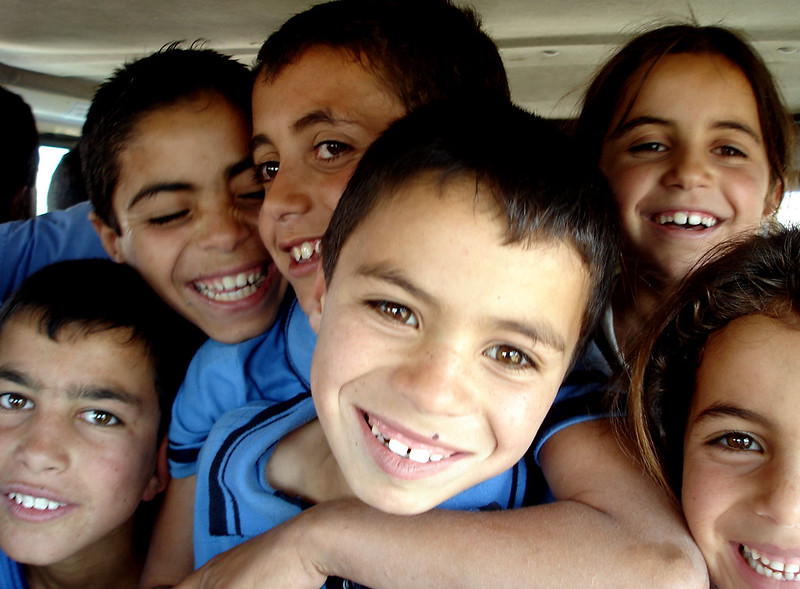 Palestine, composed of the West Bank and the Gaza Strip, is a region enduring prolonged conflict and political instability. The West Bank (bordered by Israel and Jordan) and the Gaza Strip (bordered by Israel and Egypt) are home to a combined population of more than 5 million Palestinians. The geopolitical conflict with Israel has led to severe socioeconomic challenges, including high mortality rates, restricted access to resources and continuous warfare.
The Education Crisis
The ongoing conflict has inflicted devastating damage on Palestinian education. Schools and universities throughout the region have been targeted, demolished or forced to shut down due to military actions. In Gaza, the situation is particularly dire. Reports describe how relentless warfare has shattered the education system, leaving students and educators struggling to maintain any semblance of normalcy.
A joint report by the World Bank and the United Nations (U.N.) revealed extensive damage to Gaza’s infrastructure, with educational facilities being among the most affected. Furthermore, U.N. experts have termed the deliberate targeting and destruction of schools as “scholasticide,” expressing deep concern over the long-term impacts on Palestinian children.
The lack of stable education has profound implications. With disrupted learning, Palestinian youth face a future with limited opportunities, leading to increased poverty and diminished economic prospects. Education is a fundamental pillar for development, and its disruption threatens the socioeconomic fabric of their society. Addressing these educational disruptions is crucial for ensuring the region’s more stable and prosperous future.
Aiding Educational Efforts
Several nongovernmental organizations (NGOs) are working to mitigate the Palestinian education crisis. They aim to provide immediate relief and create sustainable solutions for long-term recovery. The New Palestinian Educational Foundation (NPEF), the American Near East Refugee Aid (Anera), and the Educational Relief Fund are dedicated to providing academic opportunities and resources to students, aiming to rebuild and support teaching in the region. Their efforts focus on offering scholarships, educational materials and other essential resources.
Despite the bleak situation, these organizations have made considerable strides in addressing “scholasticide.” For instance, Anera’s Right Start! program supports preschools in the West Bank and Gaza to aid early childhood development. Right Start! is making investments in critical areas such as teacher training, better learning materials, and preschool infrastructure enhancements. These efforts enable pupils to continue their education and achieve their academic goals, even in adversity. Similarly, the NPEF has given more than 10 teachers mini-grants, supporting classroom innovations.
Looking Forward
The Palestinian education crisis is a stark reminder of the profound impact that conflict has on society’s youth. Ongoing violence and instability have severely disrupted the schooling system, threatening the future of Palestine and the economic development of the region. However, domestic and international efforts offer a glimmer of hope as people work tirelessly to restore education and support the dreams of Palestinian students.
– Asiya Siddiqui
Asiya is based in Fremont, CA, USA and focuses on Good News and Global Health for The Borgen Project.
Photo: Flickr
