The Beirut Blast Calls for a Different Distribution of Aid in Lebanon
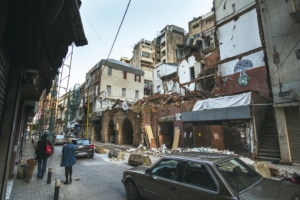 Lebanon will solemnly remember the explosion in its capital which shook the city’s foundations, halted a revolution in its steps and showed the importance of a different aid distribution in Lebanon. On August 4th, 2020, at 6:07 pm, 2,750 tons of ammonium nitrate were ignited, causing “the largest non-nuclear explosion in modern times.”
The Beirut blast had initially caused an estimated $3.8 billion to $4.6 billion in material damage. That number was only to increase as casualties became more evident: the explosion killed 218 people from more than 14 different nationalities, wounded 7,000 people and caused a physical disability to 150 of them. And because of Beirut’s incredibly high population density, some 300,000 people faced displacement, according to Human Rights Watch (HRW).
Aid in Lebanon
Aid came quickly from multiple organizations and concerned nations:
- Britain: $6.6 million in aid for search and rescue.
- Germany: 47 strong rescue teams and €1 million through the German Red Cross to establish local aid centers.
- Russia: Five planes worth of medical equipment, including field hospitals and well-equipped medical personel.
- Iran: Field hospital, medical equipment and nine tonnes of food.
- Lebanese Red Cross: Providing essentials to 80,000 people, and distributing almost $800,000 in cash grants for people to rebuild their destroyed homes.
The humanitarian response right after the explosion was adequate, excluding, however, many of those who had perished under the rubble because of a delay in rescue missions. Such was the story of Chady, who had died under a fallen building after waiting to be rescued for an astounding 24 hours. The aid his mother Hayat received following the tragedy was subpar, allowing her only to buy a casket for her dead son.
This tells that the long-term distribution of aid in Lebanon has been incredibly lacking. Two years after the Beirut blast, 1 million people in Lebanon, half of them children, were living under the poverty line and could not afford necessities
International Assistance
Before the Beirut blast the country had been going through an economic crisis and the International Monetary Fund (IMF) withheld monetary assistance from the Lebanese state because of a lack of political reform.
The America Near East Refugee Aid (ANERA) has been working even two years after the explosion to renovate damaged houses and buildings. In 2023, the two engineering companies Artelia and Egis came up with a plan to help reinvigorate the Beirut Port, but they need between $60 to $80 million to begin with the project.
International assistance of this sort can mean the difference between collapse and survival, so lobbying for inventive and effective distribution of aid in Lebanon is a must for both organizations and the international community as a whole.
– Carl Massad
Carl is based in Chandler, AZ, USA and focuses on Politics for The Borgen Project.
Photo: Pexels
