 Poverty and health are inextricably linked, with both negatively impacting each other. The main way they affect each other is through financial burdens, where people experiencing poverty are in a position where they can’t purchase the necessary things to support good health, such as quality food or health care. This is also impacted by people with low incomes often lacking the necessary guidance or information on the best practices that lead to a healthy life.
Poor health can also cause poverty in multiple ways. This happens mainly due to the direct costs of seeking health care and its associated costs, such as transportation to a hospital or medical professional. Furthermore, “the considerable loss of income associated with illness in developing countries” can greatly impact the sick individual and family members who may have to stop working or postpone their education to care for the ill relative. This is especially the case for those in extreme poverty (living below $1.90 a day), where people are often living hand-to-mouth with limited to no financial security if they can’t work.
Guyana and Lymphatic Filariasis
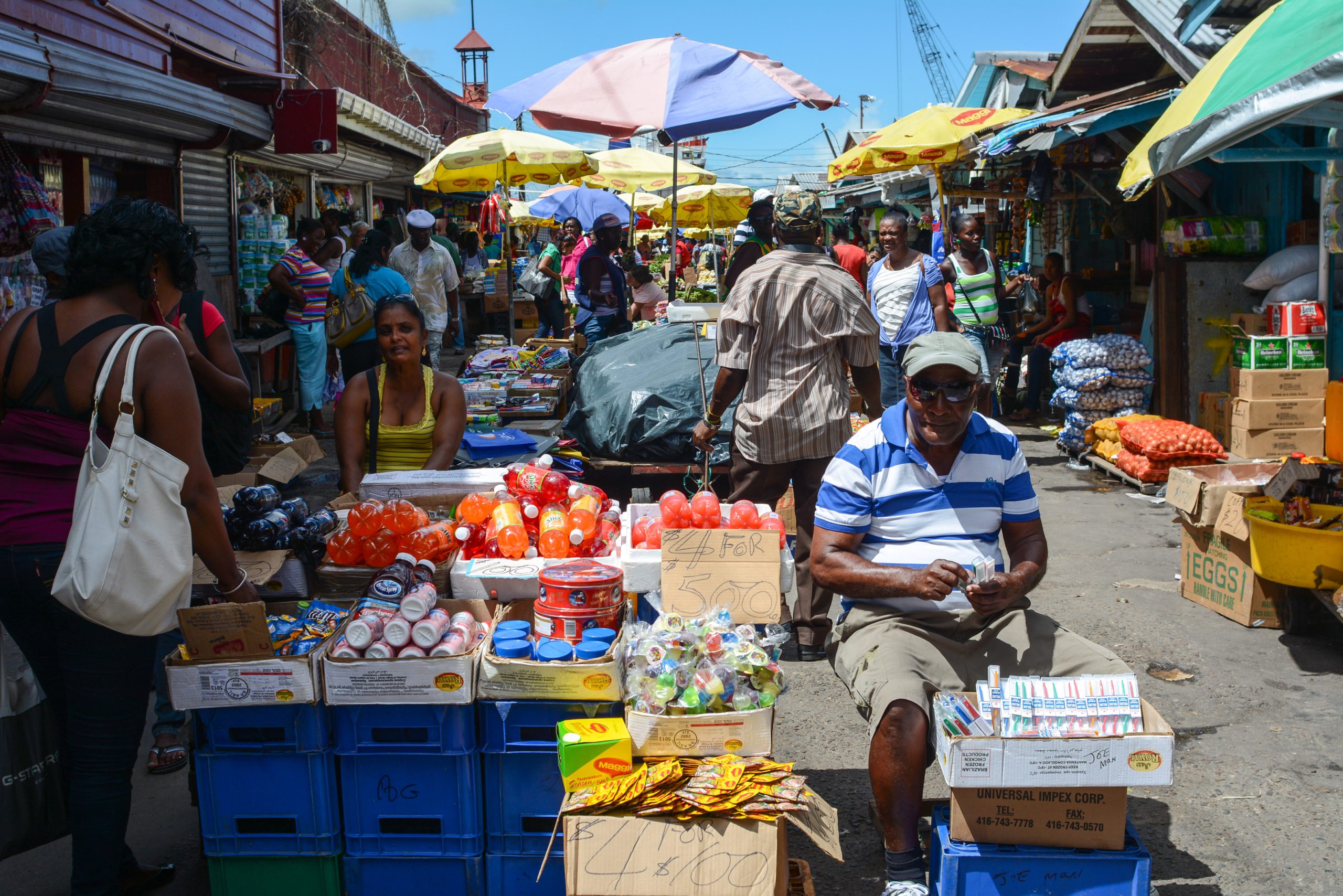
Guyana has around 800,000 people, with 90% living on 10% of the country’s total land area. Despite this, Guyana still has a relatively low population density. Due to recent discoveries of oil resources, Guyana’s gross domestic product (GDP) is growing quickly, with a growth rate of 42.3% from 2020 to 2023 but a GDP per capita of $18,199 in 2022.
However, the country still has a significant portion of its population living in poverty, with 48.4% living on less than $5.50 a day in 2019 and it’s estimated to be around 38% currently. Furthermore, in 2022, the Global Nutrition Report noted that 3.2% of the population lived on less than $1.90 daily and 4.7% on less than $3.20 daily. Guyana’s universal health care coverage is promising at 76% on the associated index in 2021, up from 65% in 2011. However, it hasn’t advanced in recent years.
One of the most impactful diseases in Guyana is Lymphatic Filariasis, which is endemic in the country, making it one of four countries in the Americas with such a status. However, the Pan American Health Organization considers lymphatic filariasis “potentially eradicable.” The efforts being made to eliminate lymphatic filariasis in Guyana support this claim. The disease can damage the lymphatic system, with symptoms often appearing later in life. These symptoms include lymphedema and hydrocele—swelling typically around the legs and groin—which can cause permanent disability or disfigurement, leading to social ostracism.
Globally, 120 million people are infected with lymphatic filariasis, with one-third suffering from disability or disfigurement as a result. Given the potential impact on daily life, such as restricted movement that can affect one’s job, particularly in agriculture (a significant industry in Guyana where 17% of workers are employed), the impact on those in poverty is substantial.
Guyana’s Mass Drug Administration Campaign
In Guyana’s efforts to eliminate lymphatic filariasis, the country has launched its third mass drug administration (MDA) campaign, targeting at-risk populations in two regions. The first round of MDA took place in 2019, treating 75.7% of the population, followed by the second round in 2021, which treated 72% of the population. The country is administering a drug regimen called IDA, which includes three separate drugs: Ivermectin, Diethylcarbamazine (DEC) and Albendazole.
In the current round of MDA, “700 trained volunteers and health workers are visiting schools and workplaces and will go door-to-door in regions three and four to administer pills” to bring closer the eradication of lymphatic filariasis in Guyana. With this aim in mind, they are stressing to people that participating in the MDA isn’t only for the health of the country but also the health of their community and families – a method supported by a study conducted on prior participation in MDA in Guyana.
Final Remark
The MDA campaign is bringing the elimination of lymphatic filariasis in Guyana closer. This, in turn, decreases the disease’s burden on those in poverty in the country, reducing the prevalence of the symptoms and, therefore, the impact it has on individuals’ abilities to work and those who would have had to care for those infected. The campaign will further benefit Guyana’s more remote communities, which may lack easy access to universal health care and social support, thereby increasing the impact of contracting lymphatic filariasis in these areas. By participating in the MDA campaigns, people in Guyana are more likely to avoid serious symptoms and maintain a normal life. This reduces the overall impact of lymphatic filariasis, particularly on those in poverty and helps break the cycle of poverty exacerbated by the disease.
– Archie Day
Archie is based in St Andrews, Scotland and focuses on Technology and Global Health for The Borgen Project.
Photo: Wikimedia Commons

How Chile’s Water Reform is Reducing Poverty
Modernizing the Water Code
On Jan. 12, 2022, Chile undertook a major overhaul of its Water Code, a legislative framework that governs the use and distribution of the country’s water resources. The updated code prioritizes human consumption and sanitation needs over agricultural and industrial uses, recognizing the human right to water and improving allocation mechanisms among different sectors. These changes are designed to protect the most vulnerable populations, ensuring they can access clean and sufficient water supplies.
Chile’s water reform essentially enshrined the right to water in its constitution. This legislative guarantee provides a strong legal foundation for water management policies and ensures that future governments prioritize the protection and equitable distribution of water resources.
Investing in Infrastructure
Investment in water infrastructure has been a cornerstone of Chile’s reform efforts. The government has allocated substantial funds toward developing and maintaining water systems, including reservoirs, pipelines and treatment plants. By enhancing infrastructure, Chile has been able to capture better, store and distribute water, mitigating the impacts of drought and ensuring a reliable supply of clean water to both urban and rural communities. Additionally, Chile has embraced green infrastructure solutions, such as reforestation, wetland restoration and green spaces in urban areas. These ongoing efforts help to naturally regulate water cycles, improve quality and increase groundwater recharge. Chile is building resilience against the changing climate by integrating green infrastructure and creating sustainable water systems that benefit the environment and local communities.
The World Bank Finances the Hydrogen Industry
The World Bank plays a pivotal role in supporting Chile’s water reform efforts. Through financial assistance, technical expertise and capacity-building initiatives, it has helped Chile achieve 100% treatment of urban wastewater, a significant milestone in improving water quality and protecting public health. This accomplishment has been instrumental in reducing waterborne diseases and enhancing the overall well-being of urban populations.
The World Bank’s $150 million loan to Chile is a significant step toward advancing the country’s green hydrogen industry and supporting its broader environmental and economic goals. This loan is part of a larger initiative, the Chile Green Hydrogen Facility to Support A Green, Resilient and Inclusive Economic Development project, which aims to position Chile as a global leader in green hydrogen production. The project’s primary objective is to harness Chile’s abundant renewable energy resources, particularly solar and wind power, to produce green hydrogen, a clean and sustainable energy source that can significantly reduce greenhouse gas emissions.
Impact on Poverty Reduction
Chile’s water reform policies have had a positive impact on poverty reduction, particularly in rural areas where access to clean water has historically been limited. By ensuring reliable and safe water supplies, these policies have improved the quality of life for many Chileans. Access to clean water is essential for health, education and economic opportunities. In rural areas, improved water access has enabled communities to engage in agriculture more effectively, increasing food security and income. In urban areas, enhanced water infrastructure has supported economic activities and improved living conditions, contributing to poverty alleviation.
Looking Ahead
Chile’s comprehensive water reforms, bolstered by substantial investments in infrastructure and support from the World Bank, have significantly improved water access and quality. These ongoing efforts have not only addressed the immediate impacts of drought but also laid the groundwork for sustainable water management. By prioritizing human consumption and integrating green infrastructure, Chile is enhancing resilience against the changing climate and fostering equitable development, particularly benefiting the nation’s most vulnerable populations.
– Asiya Siddiqui
Photo: Flickr
Poverty and Population Growth in Tanzania
Population Growth in Tanzania and Its Effects on Poverty
According to the National Library of Medicine, rapid population growth tends to be more common in developing countries such as Tanzania due to higher unplanned pregnancy rates, social structure and economic prosperity levels. From 2015 to 2019, 46% of pregnancies in Tanzania were unintended. The nation also faces a high teen pregnancy rate. As of 2021, about one in four girls had become pregnant or given birth by age 18.
The Guardian, in an article on population growth in Tanzania, cites the low use of contraceptives as a major contributing factor. Poor sex education and misinformation about the effects of birth control reinforce these numbers. A high unplanned pregnancy rate not only increases the nation’s overall birth rate but also reduces career options for the women involved, limiting their ability to participate in the economy. Many women are unable to work full time given the added responsibility of child care. For teenage girls, pregnancies reduce their net years of employment considerably. This is an obstacle to overcoming poverty not just for women themselves but also for Tanzania as a whole.
Effect of Population Growth in Tanzania
According to the United Nations (U.N.), the current balance between economic and population growth is not working in Tanzania’s favor. While the nation’s economy has grown steadily in recent years, its agriculture sector still has untapped potential. As of February 2024, it contributes one-third to the gross domestic product (GDP) and employs two-thirds of Tanzania’s population.
A fertility rate as high as 4.5, however, which more than doubles the replacement rate of 2.1–2.3 births per woman, can put significant pressure on these resources. Suppose Tanzania does not realize the full potential of its agricultural sector. In that case, high population growth may push more and more people into poverty.
Reconciling Economic Growth with Population Growth
Addressing the intertwined problem of poverty and population growth in Tanzania requires two major approaches. The first is to improve sex education, increase the use of contraceptives and reduce Tanzania’s unplanned pregnancy rate. The second is to maximize economic growth, specifically to tap into the potential of Tanzania’s sizable agricultural sector to provide for a growing population.
SolidarMed focuses on the first approach. This nonprofit organization, concentrated on improving health throughout Africa, works specifically in Tanzania to train health workers in sexual health counseling and host awareness campaigns to promote sexual education. In March 2024, SolidarMed trained six young men and women to counsel adolescents. Furthermore, they examined flaws in the nation’s current sexual education system.
Building a Better Tomorrow: Youth and Women Initiative for Agribusiness (BBT-YIA) focuses on the second approach. An initiative championed by Tanzania’s Minister of Agriculture Hussein Bashe, this organization aims to increase youth participation in the agricultural sector. The initiative aims to boost productivity and enhance sustainable food systems. Youth (aged 15–35) account for roughly 56% of Tanzania’s active labor force. By 2030, BBT-YIA hopes to increase youth employment by 1.5 million people and grow the agricultural sector by 10%. As an 8-year plan, it also aims to set up at least one youth-led agribusiness in each of the nation’s 12,000 villages.
The United States Agency for International Development (USAID) has also recently introduced a program to reduce poverty and malnutrition in Tanzania by strengthening its agricultural sector. It will work with the Tanzanian government, nongovernmental organizations (NGOs) and other organizations to develop the industry in four key ways. These include boosting productivity and competitiveness through targeted investments and private sector engagement, improving nutrition through the Feed the Future program, building long-term sustainability and enhancing the sector’s business environment.
Looking Ahead
By increasing the productivity of the agricultural sector and improving sexual education for its population, Tanzania may enhance its economic growth. With the help of USAID, SolidarMed and BBT-YIA, the country may be able to provide for its rapidly growing population.
– Lana Swindle
Photo: Flickr
World Food Program Boosts Operations to Provide Food in Sudan
World Food Program in Sudan
WFP has been working in Sudan since 1963. Through the years, it has become “the logistics backbone of humanitarian response” throughout the country. By providing food to communities and internally displaced people, treating malnutrition for young children and providing farmers with agricultural training, WFP has helped Sudan avoid a hunger catastrophe. Despite these efforts, the escalating conflict has strained resources and complicated distribution efforts, resulting in famine in the country.
As the threat of famine continues to grow, WFP is rapidly expanding its emergency food and nutrition services. The nonprofit organization is scaling up to provide food and nutrition for five million people in Sudan by the end of 2024. Along with food and nutrition assistance, WFP will provide more than $1.2 million in cash to families in 12 Sudanese states. This cash injection aims to stimulate local economies by boosting farmers and markets, enabling communities to increase food production independently and reduce their reliance on external aid.
WFP’s comprehensive approach in Sudan not only addresses immediate needs but also fosters long-term resilience among affected communities. By supporting local agriculture and economies, WFP helps create sustainable solutions that empower Sudanese families to rebuild their lives and improve their self-sufficiency. This dual focus on urgent aid and structural support is crucial in stabilizing the region and mitigating the ongoing humanitarian crisis.
The Future
Since the war started in April 2023, WFP has assisted more than 6.7 million people across 18 states. As fighting continues, regions such as Khartoum, Gezira and others are at high risk of falling into famine if they do not receive assistance as soon as possible. The United Nations (U.N.) has identified two million people across 40 hotspots who are in desperate need of food and nutrition services. The program is in urgent need of $200 million to continue delivering assistance to the Sudanese for the rest of 2024. Without immediate financial support, the crisis could deepen, leading to even more severe humanitarian consequences and potentially unmanageable levels of suffering.
– Nicolas Mezzaucella
Photo: Flickr
Support For Displaced Persons In Burkina Faso
Crisis in Burkina Faso
The crisis in Burkina Faso has reached catastrophic levels, compounded by inadequate funding that limits necessities, a lack of international diplomatic intervention to help broker peace and insufficient media coverage to raise awareness and spur action. In 2023, the country experienced its highest number of armed conflicts, which displaced more than 2 million people by year’s end. With ongoing disputes revealing no signs of diminishing, the number of displaced continues to rise.
The UNHCR and Digital Hub
The United Nations High Commissioner for Refugees (UNHCR) collaborates with various organizations to offer programs that equip displaced persons with sustainable income sources. This initiative reduces their dependency on humanitarian aid and helps restore their normal lives.
In 2022, UNHCR and Wakatlab launched a “digital hub” in Kaya, a northern city in Burkina Faso, to support displaced people. This center offers round-the-clock internet access and uses solar panels for sustainable, low-cost electricity. It aims to enhance digital literacy and social media knowledge among displaced people and host communities, while also providing educational opportunities in information technology, agriculture, entrepreneurship and computer sciences. The hub has already enabled many individuals to start successful businesses and rebuild their lives. Its successful model holds the potential for replication in other areas to improve the lives of internally displaced people and refugees.
Models for Expansion in Burkina Faso
Launching programs across Burkina Faso and neighboring countries could enhance the lives of displaced people, provide them with opportunities and help reduce the burden on host communities. The UNHCR and other organizations can potentially replicate successful programs from around the world in regions that host refugees. Below are some successful initiatives currently operating in similar environments:
Looking Ahead
Globally, 117.3 million people have been forced to leave their homes, becoming refugees or internally displaced. Most endure deplorable living conditions and extreme poverty throughout their lives. Reducing global poverty requires providing individuals with opportunities to support themselves and escape poverty. This is never more so than for the displaced persons in Burkina Faso.
– Maria Waleed
Photo: Flickr
Youth Organizations in Yemen and Myanmar
Yemen
A 23-page report titled “Progress Study on Youth, Peace and Security” written by Youth4Peace reflects the views of more than 4,000 people and the impact the younger generation makes on the world. Youth organizations play a crucial role in turning young people’s ideas into reality, significantly impacting and revitalizing broken communities.
Yemen Youth Lead is considered an important initiative for effecting change in Yemen’s climate. In association with Partners Global, Yemeni youth have successfully highlighted to government officials and international donors the importance of including young people in policy conversations to affect communities in need positively. Mohammed Al-Shami, a Yemen-born computer engineer turned advocate and guest blogger for Partners Global, volunteered with local communities and civil societies before partnering with Yemen Youth Lead. “I have personally witnessed the fearlessness, hope and commitment that the youth of Yemen had to offer,” he said, “I know firsthand Yemen’s transformation will come through the efforts of the youth.”
The Youth Without Borders Organization for Development is another nonprofit Yemeni foundation focusing on socially empowering Yemeni youth. Part of its mission is to work with passionate professionalism to provide an environment conducive to young people playing more significant roles later in life. Based on its belief that youth play a major part in public decision-making, the organization seeks to empower them through sustainable programs designed for the Yemeni reality. It cooperates with local and international partners to enhance community work, delivering effectiveness in public life and peacebuilding in Yemen.
Additionally, the Yemen Relief and Reconstruction Foundation aims to increase public awareness of humanitarian crises in Yemen, support relief and reconstruction efforts and facilitate campaigns to bring peace to the country through U.S. lobbying and policymakers. Its best strategic aim is promoting broad awareness of grave health and security issues by raising funds to support critical needs and relief efforts. Ultimately, this accumulates into advocating and facilitating support for the Yemeni people during the reconstruction efforts. The organization’s president, Aisha Jumaan, a Yemeni-born citizen, uses her experiences to help build health-related development and training activities to improve the living conditions of Yemeni citizens.
Myanmar
In Myanmar, the Myanmar Youth Empowerment Opportunities (MYEO) offers a mobile-based platform to reach out to the country’s youth and provide the skills necessary for being ready for future employment. The organization’s app delivers social media content that includes jobs, internships and volunteering, complete with online training, mobile partners and membership programs at an affordable cost.
Another Myanmar program that offers support is Peace Point Myanmar (PPM). PPM is a group of Myanmar’s youth that offers different kinds of support and empowerment training to develop skills later in society. PPM offers human rights programs along with peace-building and youth development. One of its greatest strengths as an organization is the ability to deliver library projects that educate those vulnerable by promising fun activities and learning materials to all. PPM’s library project greatly reduces anger and tension among the youth and encourages more moderate positions with social cohesion.
Youth Organizations in Yemen and Myanmar
The efforts to make a change in both countries with the youth in mind are progressing slowly. While these efforts are taking longer due to increasing global issues, Yemen and Myanmar represent the first steps toward building a better future for the world’s youth.
– Jacob Barker
Photo: Flickr
Soilless Farming: Nigerian Entrepreneur Fights Food Insecurity
Enterprise for Youth in Agriculture
Enterprise for Youth in Agriculture (EIYA), under the company Soilless Farm Lab, engages Nigerian youth and women in modern farming techniques to sustainably stabilize food production. Its main objective is to tackle poverty and hunger by making food affordable, growing it consistently, and ensuring it is accessible to everyone.
Soilless farming is a technique used for plants to absorb nutrients through irrigation without using soil. Soilless farming brings forth many benefits, such as reduced food loss, low pesticide utilization, consuming only 10% of the water needed in traditional farming, and saving land space.
Three Benefits of the EIYA Project
Soilless Lab Farm believes in the importance of apprentices knowing how to construct the foundation for hydroponic farming – which involves the growth of plants without soil. This allows the interns in prospects to have the skill of setting their soilless farms. However, the primary goal is to teach them how crucial it is to build a solid foundational structure for plants to thrive. Apprentices explore various adaptive plant-rearing techniques, such as yield mapping and predictive analytics, to gain insights into how plants respond to different environments and conditions. This comprehensive approach not only provides practical skills but also deepens their understanding of plant growth dynamics in controlled settings.
Many Nigerian farmers lack knowledge of the business aspects of farming. As of 2020, a staggering number of Nigerian farmers are considered smallholder farmers (SHFs), with 80% of farmers and 90% of agricultural produce deriving from SHFs. Therefore, the EIYA project presents a significant opportunity for aspiring female farmers to gain expertise in crucial areas such as customer care, market viability assessment, and profitability expansion.
Another benefit of the EIYA project is that it sponsors up to 4,000 apprentices each year and provides them with set-up kits. Each group of 50 participants has access to three hydroponics plots. During the three-month training, participants receive stipends and free accommodation. While women are the primary focus, all youth aged 18-29 are welcome to join. Once the first crop is produced, apprentices are connected to off-takers to sell their produce. EIYA has created 14,534 job opportunities, established 120 start-up companies, and skilled 13,265 Nigerian youth in hydroponics to date.
Final Remark
The EIYA Project is not only a place to learn and expand Nigeria’s agriculture industry but also to tackle food insecurity among citizens living below the poverty line. As Ogbole, the food wizard, aptly puts it, “Food production should not be seasonal because hunger is not.”
– Lydie Udofia
Photo: Flickr
Widening Access to Vaccines in Mali
Why Are Vaccines Needed?
Infant mortality is a real issue in Mali, with one in 10 children dying before the age of 5. Only 45% of children receive basic vaccines in Mali. This leaves a significant proportion of the population vulnerable to dangerous and life-threatening diseases. This has been worsened by health centers being destroyed or badly damaged in the conflict. Vaccinations can help downsize poverty and so a lack of access to them exacerbates poverty. In Mali, the rate of poverty is at 90%, with much of this concentrated in the rural south. In 2022, 19.1% of the population were in extreme poverty. By increasing access to vaccines in Mali, this can be reduced.
Vaccinations help improve livelihoods by increasing life expectancy, reducing the spread of disease and minimizing infant mortality. It also decreases the possibility that a person will require more expensive health care later in their life if they contract a preventable disease. Many in Mali cannot afford the health care that would be needed to treat diseases such as polio, hepatitis and meningitis, which can all be vaccinated against. Moreover, there is a need, to stall population growth; reducing infant mortality has been proven to reduce the number of children parents are likely to have, therefore halting population growth.
What Has Been Done to Help?
The United Nations Children’s Fund (UNICEF) is working with the Ministry of Health and Social Affairs, Gavi and the World Health Organization to increase access to vaccines in Mali. UNICEF, alongside these stated organizations, are creating digital registers of those who have been vaccinated. Hence, there is sufficient information available to medical professionals.
UNICEF is also setting up mobile and accessible services. These are situated in places like markets, schools, mosques and even bus stations so people can easily and receive vaccinations. In 2019 alone, UNICEF vaccinated nearly four million children against measles. Vaccines often require cool temperatures, which is usually difficult as Mali does not always have a reliable source of energy. Hence, UNICEF is using solar-powered refrigerators to make sure vaccines do not go to waste, due to incorrect storage.
Furthermore, in 2022, the United States (U.S.) government invested $95 million to “improve the health and well-being of more than 17 million Malians,” launching the “PROPEL Adapt” scheme that aims to increase access to affordable health care. This is part of a wider goal to achieve health and water security. On a more local level, in Yirimadio, located in the south of Mali, free doctors were sent door to door to offer free health care. This resulted in infant mortality rates falling very dramatically from 154 deaths per 1,000 live births in 2018 to only seven in 2015. This shows that access to free health care and vaccines can greatly benefit people and save many, many lives.
Looking to the Future
Overall, Mali has seen a significant drop in infant mortality rates from 61 per 1,000 live births in 2021 to 56 in 2024. However, there is much more to do to ensure that access to vaccines in Mali is widespread. Investment in health care infrastructure and innovative thinking can transform the lives of the Mali population for the better. Vaccines play a vital role in downsizing poverty and improving the livelihoods of millions.
– Eryn Greenaway
Photo: Flickr
Poverty and Diversifying Production in India
Animal Husbandry
Animal Husbandry, also known as livestock farming, refers to the rearing of animals for meat, hide, milk and other products. India has one of the largest livestock populations in the world, serving as an alternative source of sustenance for a large number of farmers throughout the country. More than 20 million workers in India are engaged in livestock farming and 87.7% of livestock is owned by “farmers of marginal, small and semi-medium operational holdings.”
Under the Government of India, the Department of Animal Husbandry and Dairying incentivizes subsidies to farmers to set up their own livestock farms and gain more income. Since a large portion of India’s farming population is multidimensionally poor, it is advantageous for them to indulge in livestock farming because livestock can be reared by extremely low-income families as well.
The only risks involved in animal husbandry are the chances of livestock diseases. Though many diseases affecting livestock are curable, the focus of treatment is mostly on larger livestock and smaller livestock is often ignored. However, steps are being taken by the government and other charitable organizations to immunize livestock by employing women to nurse them back to good health without farmers having to incur any extra costs.
Fisheries
Fishing is a large-scale activity in India and employs more than 28 million people nationwide, “especially [those from] marginalized and vulnerable communities.” As of 2024, under the administration of the Department of Fisheries, more than 26,000 fishing facilities, 6,498 replacement boats, 586 cold storages and 720 Fish Farmers Producers Organizations (FFPOs), among others, have been approved by the Pradhan Mantri Matsya Sampada Yojana (PMMSY).
The PMMSY was established in 2020 to regulate the functioning of the fisheries sector in India. The Department of Fisheries has also approved more than 59,000 fisher families to get “livelihood and nutritional support during fishing ban/lean period.” Alongside this, the Department also supports farmers during circumstances of loss of fish stock due to natural calamities.
Horticulture
Approximately 43% of India’s population is employed in the agricultural sector. Horticulture is a type of agriculture that encompasses the farming of fruits, vegetables and ornamental plants. The horticulture sector in India “provides alternate rural employment opportunities, diversification in farm activities and enhanced income to farmers.” Transitioning from agriculture to horticulture is, however, a difficult task for farmers because horticulture happens to be labor-intensive and therefore entails more capital requirements.
Government schemes like the Operations Greens help farmers overcome this burden by assuring Minimum Support Price (MSP) for their produce, which would thereby “help to a great extent in shielding farmers from external variables.” The focus is placed on increasing farmers’ incomes by guiding the gains of their horticultural produce.
Additional Remarks
In 2018-19, the Government of India extended credit facilities to fish farmers and animal husbandry farmers, enabling them to meet their working capital requirements. Such efforts by the government and other organizations have helped uplift farmers from a bare minimum to a more comfortable flow of income. Diversifying production in India through the three sectors mentioned above significantly contributes to the growth of the Indian economy. It simultaneously serves as an additional means of rural employment.
– Adya Umesh
Photo: Wikimedia Commons
Mass Drug Administration Nears Lymphatic Filariasis Elimination
Poor health can also cause poverty in multiple ways. This happens mainly due to the direct costs of seeking health care and its associated costs, such as transportation to a hospital or medical professional. Furthermore, “the considerable loss of income associated with illness in developing countries” can greatly impact the sick individual and family members who may have to stop working or postpone their education to care for the ill relative. This is especially the case for those in extreme poverty (living below $1.90 a day), where people are often living hand-to-mouth with limited to no financial security if they can’t work.
Guyana and Lymphatic Filariasis
Guyana has around 800,000 people, with 90% living on 10% of the country’s total land area. Despite this, Guyana still has a relatively low population density. Due to recent discoveries of oil resources, Guyana’s gross domestic product (GDP) is growing quickly, with a growth rate of 42.3% from 2020 to 2023 but a GDP per capita of $18,199 in 2022.
However, the country still has a significant portion of its population living in poverty, with 48.4% living on less than $5.50 a day in 2019 and it’s estimated to be around 38% currently. Furthermore, in 2022, the Global Nutrition Report noted that 3.2% of the population lived on less than $1.90 daily and 4.7% on less than $3.20 daily. Guyana’s universal health care coverage is promising at 76% on the associated index in 2021, up from 65% in 2011. However, it hasn’t advanced in recent years.
One of the most impactful diseases in Guyana is Lymphatic Filariasis, which is endemic in the country, making it one of four countries in the Americas with such a status. However, the Pan American Health Organization considers lymphatic filariasis “potentially eradicable.” The efforts being made to eliminate lymphatic filariasis in Guyana support this claim. The disease can damage the lymphatic system, with symptoms often appearing later in life. These symptoms include lymphedema and hydrocele—swelling typically around the legs and groin—which can cause permanent disability or disfigurement, leading to social ostracism.
Globally, 120 million people are infected with lymphatic filariasis, with one-third suffering from disability or disfigurement as a result. Given the potential impact on daily life, such as restricted movement that can affect one’s job, particularly in agriculture (a significant industry in Guyana where 17% of workers are employed), the impact on those in poverty is substantial.
Guyana’s Mass Drug Administration Campaign
In Guyana’s efforts to eliminate lymphatic filariasis, the country has launched its third mass drug administration (MDA) campaign, targeting at-risk populations in two regions. The first round of MDA took place in 2019, treating 75.7% of the population, followed by the second round in 2021, which treated 72% of the population. The country is administering a drug regimen called IDA, which includes three separate drugs: Ivermectin, Diethylcarbamazine (DEC) and Albendazole.
In the current round of MDA, “700 trained volunteers and health workers are visiting schools and workplaces and will go door-to-door in regions three and four to administer pills” to bring closer the eradication of lymphatic filariasis in Guyana. With this aim in mind, they are stressing to people that participating in the MDA isn’t only for the health of the country but also the health of their community and families – a method supported by a study conducted on prior participation in MDA in Guyana.
Final Remark
The MDA campaign is bringing the elimination of lymphatic filariasis in Guyana closer. This, in turn, decreases the disease’s burden on those in poverty in the country, reducing the prevalence of the symptoms and, therefore, the impact it has on individuals’ abilities to work and those who would have had to care for those infected. The campaign will further benefit Guyana’s more remote communities, which may lack easy access to universal health care and social support, thereby increasing the impact of contracting lymphatic filariasis in these areas. By participating in the MDA campaigns, people in Guyana are more likely to avoid serious symptoms and maintain a normal life. This reduces the overall impact of lymphatic filariasis, particularly on those in poverty and helps break the cycle of poverty exacerbated by the disease.
– Archie Day
Photo: Wikimedia Commons
Poverty Reduction in Burkina Faso
The country ranks 185th out of 193 others in the Human Development Index, which tracks levels of national development in health, education, income and living conditions. “More than 40% of the population lives below the national poverty line” due to limited natural resources, a lack of development and political instability.
History of Violence
Burkina Faso has faced considerable turbulence over the years. Originally a French colony, under self-governance the nation saw further political violence occur in several coup d’état’s with governments overthrown as recently as 2022.
Recently, armed Islamist groups propagating large-scale violence have contributed to widespread impoverishment. This has led to “over 237,000 people fleeing their homes in 2021” with the government struggling to care for the increasing number of displaced while maintaining suitable levels of stability and rule of law.
Policies for Poverty Reduction in Burkina Faso
Previous governments have made poverty reduction in Burkina Faso a primary political concern. Former president Thomas Sankara, for example, took several steps towards national self-reliance through legislation against his country’s impoverishment. This was seen with infrastructure projects, redistribution of land reform, or educational and healthcare development.
The contemporary political climate in Burkina Faso complicates proposals of poverty reduction. However, government initiatives alongside non-governmental organizations persist. In May 2024, USAID pledged “nearly $55 million in additional, urgent humanitarian assistance to continue addressing emergency food and nutrition needs of the most vulnerable.” At the same time, relief and development charities such as Christian Aid have worked since the 1970s in confronting the cause and consequences of poverty, with the latter operating across four provinces, thirteen municipalities and 353 villages. Poverty alleviation is implemented through strategic partnerships, emergence support, income generation and resilient farming techniques. These methods were utilized most recently with the “Breaking the Barriers” program. The program covered several other African nations with a key focus on women’s working and living conditions.
Currently, the European Commission highlights three key priorities: inclusive human development, a green, resilient economy and peaceful social cohesion. These recommendations, regardless of their applicability, are made less viable by the turbulent legal and political status of the country.
Political Rejuvenation
Since the successive coup attempts in 2022, Ibrahim Traore has governed Burkina Faso. A military leader with similar ideological influences and sensibilities to Sankara. Traore committed himself to dealing with both the terrorism from Islamist insurgents and the humanitarian crisis that it has produced.
As of 2024, the persistence of these issues – and poverty in the country on a wider level – prompted the Institute for Security Studies to critique Burkina Faso’s withdrawal from ECOWAS, a political and economic union of 15 West African Countries. Meanwhile, the current government demonstrates closer ties to Russia. This is evident by “the steady increase in Russian soldiers on missions, the landing of Russian aircraft, and a visit to the Kremlin in July 2023.”
Uncertainty prevails in Burkina Faso. However, efforts in favor of poverty reduction will continue. The viability of these efforts will depend upon resolving the present instability and violence. In doing so, efforts against poverty may be better implemented. Furthermore, this could lead to improving self-reliance, economic opportunity, and social cohesion in the country under a lasting peace.
– Cameron Bowles
Photo: Flickr