3 Agricultural NGOs in East Timor
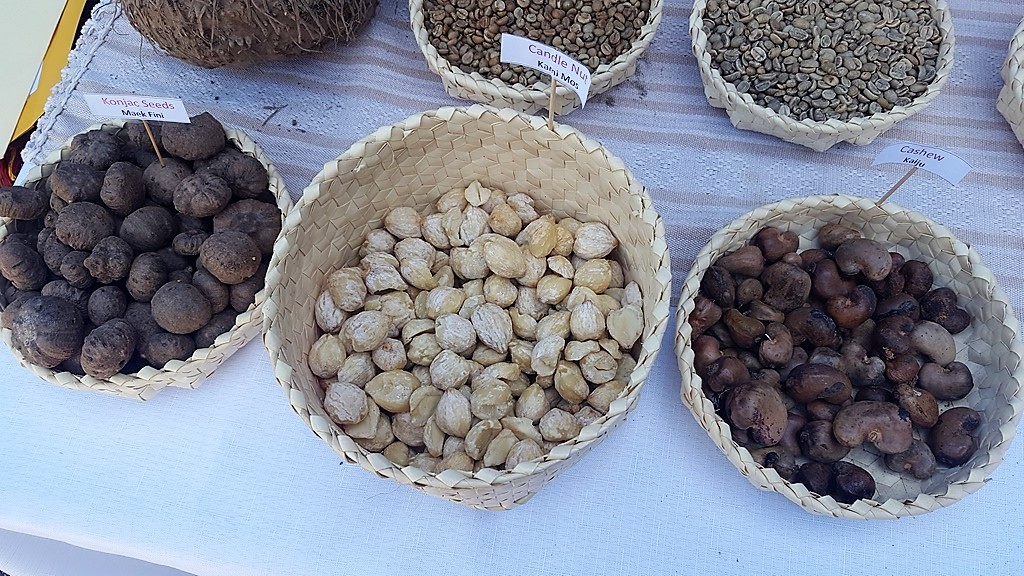 East Timor is a small Pacific island near Australia and Indonesia. Of its economically active citizens, nearly 80% are active in agriculture. Agriculture makes up 25.4% of the country’s gross domestic product (GDP), with its main exports being coffee, rice, corn, beans and more. As the main activity and source of income for most of the population, agriculture is vital for East Timor’s economy and people. Despite being a crucial sector of the economy, many Timorese farmers lack high-quality equipment and knowledge of sustainable crop production methods, leading to low yields and poor-quality crops. This is where agricultural nongovernmental organizations (NGOs) play a crucial role in improving farming practices in East Timor. Here are three examples of NGOs focused on enhancing agricultural development in the region.
RAEBIA
RAEBIA is a local organization that promotes conservation agriculture to support communities. In response to challenges such as drought and adverse climatic conditions, the organization focuses on teaching sustainable farming techniques to rural farmers in East Timor, ensuring agricultural practices are resilient and future-oriented.
To achieve its goals, RAEBIA operates two key programs—Seeds of Survival and Community Seed Banking. Through these initiatives, the organization has established two community seed banks, which serve as local institutions to preserve seeds. Additionally, several hectares of farmland have been conserved using techniques like terracing, controlled grazing and controlled deforestation.
By teaching and implementing these practices, farming in East Timor can become sustainable as the soil quality improves. The programs have also committed to educating the local communities on combating climate emergencies and empowering local leaders in the farming community, including women and youth.
Food and Agriculture Organization of the United Nations
Food and Agriculture Organization of the United Nations (FAO) is another NGO operating in Timor Leste and it is working to support the country’s agricultural census and management systems for its agriculture. Guided by its Country Programming Framework (CPF), FAO works to improve farming livelihoods and support smallholder fishing. For example, FAO collaborated with the Secretary of State of Fisheries to develop sustainable marine management in East Timor. Furthermore, it strengthened regional and national fisheries governance.
Additionally, FAO also donated money to East Timor’s Ministry of Agriculture and Fisheries to enhance their monitoring and evaluation capacity. This was achieved by developing a system and improving its planning, programming and decision-making, using the Ministry of Agriculture and Fisheries data. FAO’s goal was to push East Timor’s aquaculture to enhance from the top down, with the government using “the developed M&E system to inform evidence-based policy planning and decisions.”
The Global Agriculture and Food Security Program
The NGO has a program operating in East Timor called the Sustainable Agriculture Productivity Improvement Program (SAPIP) that focuses on increasing smallholder agriculture productivity. In rural areas, crops are typically watered only by rainfall due to a lack of proper irrigation equipment. These crops are often grown through unsustainable small-scale subsistence farming on poor-quality soil.
SAPIP aims to enhance food security in East Timor by boosting public sector investments to increase smallholder agricultural productivity. Furthermore, it connects farmers to markets, helps mitigate risks such as floods and offers technical assistance. The NGO plans to train farmers using the Farmer Field School model. This will equip them with knowledge of good agricultural practices and demonstrate the benefits of collective farming.
As of December 2021, SAPIP had benefited 70,121 people, 47% of whom were women. This has been achieved by providing 123,554 days of training to scientists, extension agents, agro-dealers, farmers and community members to boost agricultural productivity. Additionally, 14,386 farmers became members of associations, approaching the end target of 16,500. SAPIP has made a substantial impact on East Timor’s agricultural communities.
Conclusion
These three agricultural NGOs in East Timor each have slightly different focuses, but all share the goal of improving and strengthening the country’s agriculture sector. Whether by promoting sustainable practices, uniting and empowering farming communities or advancing aquaculture, all three organizations have significantly contributed to enhancing East Timor’s agriculture quality.
– Hannah Chang
Hannah is based in Philadelphia, PA, USA and focuses on Good News and Politics for The Borgen Project.
Photo: Wikimedia Common
