Highlighting the Role of Women in Agriculture in Tanzania
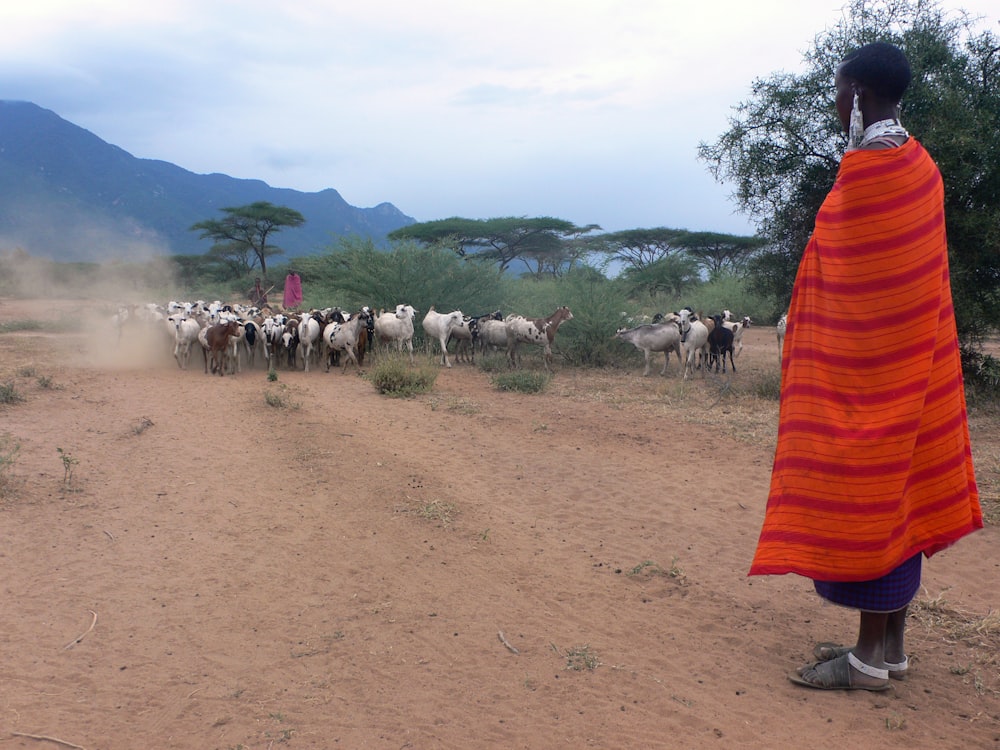
Recognizing Women’s Contributions
Tanzania, like many other countries, has long relied on the agricultural sector as the backbone of its economy. This sector makes up 25% of the country’s GDP and employs around 75% of the workforce–80% of whom are women. According to the Integrated Labor Force’s 2014 study, Tanzanian women worked 432 minutes per day, with 238 working minutes going unpaid. In comparison, Tanzanian men worked for 408 minutes and had only 64 minutes of unpaid work.
Entrepreneurial Empowerment
Empowering women in agriculture in Tanzania extends beyond providing resources and education; it also involves fostering entrepreneurship. Tanzanian women are encouraged to take on leadership roles within the agricultural value chain, from production to marketing. However, there are some constraints preventing women’s entrepreneurship, such as needing more capital and unsatisfactory access to child care.
Tanzania promotes economic growth and challenges traditional gender roles by supporting women-led agricultural enterprises. This is crucial as Tanzania aims to reduce its dependence on food imports. With a demand of 1,000,000 tons of wheat and a capability of only 100,000 tons, it is important to strengthen the agricultural sector with entrepreneurial opportunities for women. Potential solutions include offering subsidies for land-titling to low-income households or providing incentives for spouses to hold land titles jointly.
In Tanzania, women in agriculture also face disparities in land ownership in contrast to their male counterparts. Men hold 73% of the land in Tanzania, while women own just 27%. Women-operated farms are typically smaller, boast fewer plots, are less likely to be irrigated and employ less hired labor than those managed by men. Securing loans from banks or financial institutions also proves more challenging for women. Despite the establishment of the Tanzania Agriculture Development Bank (TADB) to enhance farmer access to finance, women’s acceptance of loans remains limited due to the absence of property rights required as collateral.
Technology Integration
Technology is a crucial element in Tanzania’s approach. The widespread ownership of mobile phones in Tanzania, especially among the rural population, has become a valuable tool within the farming community. In August 2020, reports indicated that farmers using mobile phones experienced a surge in profits (67% of respondents), coupled with reductions in both cost (50%) and time investment (47%) associated with farming.
In May 2015, the United Nations Development Programme (UNDP) and the Economic and Social Research Foundation launched the Mobile Kilimo ICT platform, facilitating a direct link between farmers and traders. This platform ensures that farmers gain timely access to vital information about markets and prices. The groups also implemented SMS-based messaging platforms, providing farmers with essential agricultural information such as recommended agronomic practices for specific crops, insights on climate change and accurate weather forecasts.
Agenda 10/30
On April 4, 2022, President Samia Suluhu introduced the “Agenda 10/30,” a transformative initiative focused on agriculture. Agenda 10/30 is a strategy to bolster agricultural output growth by 10%. This initiative outlines a plan to expand irrigation coverage to encompass 50% of all cultivated land by 2030. The strategy emphasizes the empowerment of women and youth and ensures that each farmer is allocated a minimum of 10 acres of land, fostering economies of scale. Agenda 10/30 also involves innovative seed multiplication techniques to enhance agricultural productivity.
Pushing Forward
Significant steps have been made in achieving gender equality for women in agriculture in Tanzania. By addressing the challenges women face in this sector, Tanzania ensures the sustainable development of its agricultural industry and empowers women across the nation. As women in agriculture continue to thrive, their success becomes a testament to the transformative power of gender-inclusive policies and initiatives in the pursuit of a more equitable society.
– Sophie Higham
Photo: Unsplash
