Child Poverty in the Marshall Islands
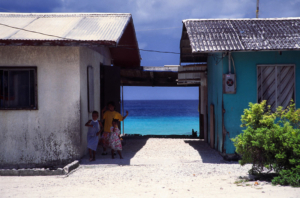 The Marshall Islands are roughly between Hawaii and Australia in the Pacific Ocean. Child poverty in the Marshall Islands has been an issue that usually is ignored by the global community. Most children living in these islands face significant challenges in achieving adequate development due to limited access to health care. Poor education, maternal health challenges and malnutrition (35%) are some of the most common factors when talking about child poverty in the region.
Maternal Health Challenges
Maternal health care challenges and child poverty are closely related in the Marshall Islands. Limited access to efficient maternal health services harms health outcomes for both mothers and children. Children who are born from mothers who do not receive proper prenatal and postnatal care are at a higher risk of experiencing health issues, stunting and developmental delays. As a consequence, they are not able to do regular activities as any other children.
The lack of education on proper contraception contributes to a higher likelihood of unintended pregnancies, resulting in various health and economic challenges. A study conducted by the University of Arkansas on women in the Marshallese community living in Arkansas found that many mothers fear the adverse effects of contraception, leading them to reject contraceptive methods.
Education
Poverty significantly restricts children’s access to education in the Marshall Islands, particularly in rural areas where schools are often far from their homes. Limited learning materials, inadequate school infrastructure and a shortage of qualified teachers contribute to the low quality of education. As a result, many children discontinue their schooling to work and support their families, perpetuating the cycle of poverty.
Malnutrition
Malnutrition is another significant consequence of poverty affecting children in the Marshall Islands. According to a 2017 joint study by the Marshall Islands government and the United Nations Children’s Fund (UNICEF), highlighted by the World Bank Group in 2020, 35% of Marshallese children younger than 5 suffer from stunted growth due to malnutrition. This statistic is particularly alarming, even compared to other Pacific Island nations facing challenges related to poor nutrition and the high costs of imported goods.
What Is Being Done?
The government of the Marshall Islands, in collaboration with UNICEF, is implementing programs to improve health care and combat malnutrition. Efforts are focused on enhancing access to education and health care services. Mobile clinics and educational initiatives are being introduced to ensure that most children on the islands can benefit from these programs.
Additionally, the Early Childhood Development Project, launched by the World Bank in April 2019, directly addresses these issues. This $13 million initiative is funded by the International Development Association (IDA) in collaboration with the Republic of the Marshall Islands Government and UNICEF. The programs aim to improve health and nutrition, enhance early education and support families in creating a nurturing environment for their children. Additionally, evaluations and monitoring will be implemented to ensure the success and impact of the projects.
Conclusion
Addressing child poverty in the Marshall Islands requires a multifaceted approach involving local and international collaboration. Significant strides are being made to improve the living conditions and the future of children in the region. Indeed, initiatives like the Early Childhood Development Project and various programs improving nutrition, health care and education are making significant steps forward. Continued support and innovative solutions will be essential in ensuring that every child in the Marshall Islands has the opportunity to thrive and reach their full potential.
– Maria Urioste
Maria is based in Maspeth, NY, USA and focuses on Good News for The Borgen Project.
Photo: Flickr
