10 Facts About Poverty in Costa Rica
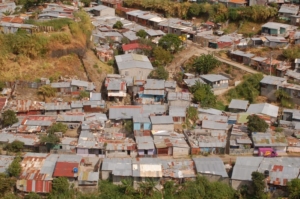 Costa Rica is a country in Central America with lots of wildlife and citizens that cherish living peacefully. Unfortunately, similar to many other countries, the COVID-19 pandemic impacted poverty in Costa Rica. The following are 10 more facts about poverty in Costa Rica.
10 Facts About the Poverty in Costa Rica
- Poverty rates in Costa Rica increased by about 6% between 2019 and 2020.
- Costa Rica has the lowest poverty rate in Central America.
- Costa Rica’s unemployment rate is between about 7% and 8%.
- The current percentage of those in poverty is about 20%.
- In June 2020, 419,783 homes were in poverty.
- In October 2021, about 23% of Costa Ricans were in poverty.
- The two regions in Costa Rica with the highest rates of poverty are the Brunca region and the Huetar Caribe region.
- COVID-19 pushed Costa Rica into a recession, resulting in an increase in poverty. Unemployment rates also increased, leaving about 15,500 Costa Ricans looking for jobs.
- The following factors are what have been impacting the poverty rates in Costa Rica: a growing population, declining income opportunities for less-educated workers and gender inequality, with only a small percentage of women in the workforce.
- In 2020, poverty rates were worse in urban areas compared to rural areas. This was due to the fact that many Costa Ricans in rural areas are farmers. Therefore, those in rural areas have more access to food.
Making Improvements
On the bright side, Costa Rica was able to reduce its poverty rates. In 2022, the poverty rate in Costa Rica was about 3.3%, and the World Bank estimates it could be at 2.7% by 2023. The World Bank and the Costa Rican government partnered up to create the Country Partnership Frameworks (CPFs) in order to strengthen Costa Rica’s fiscal sustainability and make its fiscal management more efficient. Additionally, the organization has also stated that there are projects the Costa Rican government agreed with back in March 2020. Costa Rica has received help in terms of health, fiscal sustainability and policy responses through these projects.
One of these projects is the Sustainable Fisheries Development Project. The purpose of this project is to improve the management of fisheries resources in Costa Rica and invest in Costa Rica’s sustainable fisheries value chain. The project also aims to improve social and environmental sustainability in Costa Rica and improve the monitoring, communications and management of the Costa Rican Institute for Fisheries and Aquaculture. Through such initiatives, the Costa Rican government was able to increase seafood products and, ultimately, increase food security and job opportunities in 2021.
Fiscal Management Improvement Project is another project that the World Bank has mentioned. It aims to improve the effectiveness and efficiency of Costa Rica’s taxes and trading, as well as improve its management. In 2021, Costa Rica’s productivity improved by about 5%.
The Future
In an interview with CCTV, the current Costa Rican president, Rodrigo Chaves Robles stated his plans for helping Costa Rica improve its poverty rates. He hopes to increase Costa Rica’s productivity by creating “more and better-paying jobs.”
Moreover, according to the United Nations (U.N.), the Costa Rican government has been investing in the education of all children, hoping that more women can be integrated into labor markets. Societies in Costa Rica have also become more “prosperous” and health has improved due to these investments.
Overall, despite its increased poverty rates in 2020, poverty in Costa Rica has been able to improve since then due to ongoing initiatives, partnerships with the World Bank and U.N. and action plans taken by the past two Costa Rican presidents.
– Merlis Burgos-Ramos
Photo: Flickr
