Turquoise Mountain: Reviving Heritage and Empowering Communities
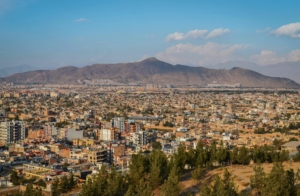 In regions like Afghanistan, Myanmar and the Middle East, where conflict has ravaged communities, cultural heritage often faces destruction. The loss of historic sites and traditional crafts not only threatens the identity of these communities but also endangers their economic survival. Turquoise Mountain, a nongovernmental organization (NGO), works to counter this. The organization works to revive traditional crafts, restore architectural heritage and provide sustainable livelihoods.
The Origins of Turquoise Mountain
Rory Stewart, a former British politician and diplomat, founded Turquoise Mountain in 2006. His experience in international development, particularly in war-torn regions, shaped the NGO’s mission to protect cultural heritage and create economic opportunities for local artisans. Turquoise Mountain aimed to preserve history while offering a way out of poverty. Stewart frequently references his involvement with the NGO on the podcast “The Rest Is Politics,” where he discusses its ongoing impact in fragile regions.
Reviving Traditional Crafts
A key part of Turquoise Mountain’s mission involves reviving traditional crafts. The organization has trained thousands of artisans in woodworking, ceramics, calligraphy and jewelry-making in Afghanistan, once central to the region’s identity. Many of these artisans come from extreme poverty or displacement and the skills they develop through Turquoise Mountain allow them to support their families while keeping traditions alive. Through access to international markets, Turquoise Mountain creates sustainable job opportunities, helping communities thrive.
Restoring Architectural Heritage
Another major focus of Turquoise Mountain involves restoring historic buildings damaged or neglected due to conflict. The organization has restored more than 150 historic buildings in cities like Kabul, where war destroyed much of the architectural landscape. These buildings, symbols of the region’s rich history, now serve as hubs of community activity. The restoration projects provide jobs for local workers and create spaces for education, health care and cultural exchange.
One of Turquoise Mountain’s most notable achievements is the revival of Murad Khani, a historic district in Kabul. Once a bustling center of trade and craftsmanship, Murad Khani had deteriorated after years of war. Under Stewart’s leadership, Turquoise Mountain restored the district’s traditional mud-brick buildings and reestablished it as a thriving artisan community. Today, Murad Khani exemplifies how restoring cultural heritage can drive economic revitalization in conflict zones.
Rory Stewart’s Vision and Influence
Stewart’s leadership has shaped Turquoise Mountain’s approach. His experience as a diplomat and exposure to some of the world’s most dangerous regions gave him insight into how culture can aid in rebuilding societies. Stewart believes cultural preservation can drive economic growth and Turquoise Mountain’s success proves that.
Stewart often shares stories of the organization’s work and challenges on “The Rest Is Politics.” His public profile has brought attention to the importance of cultural preservation in development work, positioning him as a key figure in the global effort to protect cultural heritage.
The Connection to Poverty Alleviation
Cultural preservation may not seem like an obvious way to alleviate poverty, but Turquoise Mountain’s work proves otherwise. By training artisans, restoring historic sites and connecting communities to global markets, the organization has created sustainable economic opportunities where they are most needed.
Turquoise Mountain’s impact is clear in Afghanistan, Myanmar and the Middle East: it creates jobs, supports families and revitalizes communities. As these regions recover from conflict, Turquoise Mountain’s projects lay the foundation for long-term stability by ensuring cultural identity and economic resilience remain intact.
– Harriet Conway
Harriet is based in London, UK and focuses on Good News and Celebs for The Borgen Project.
Photo: Pexels
