6 Facts About Hunger in Eritrea
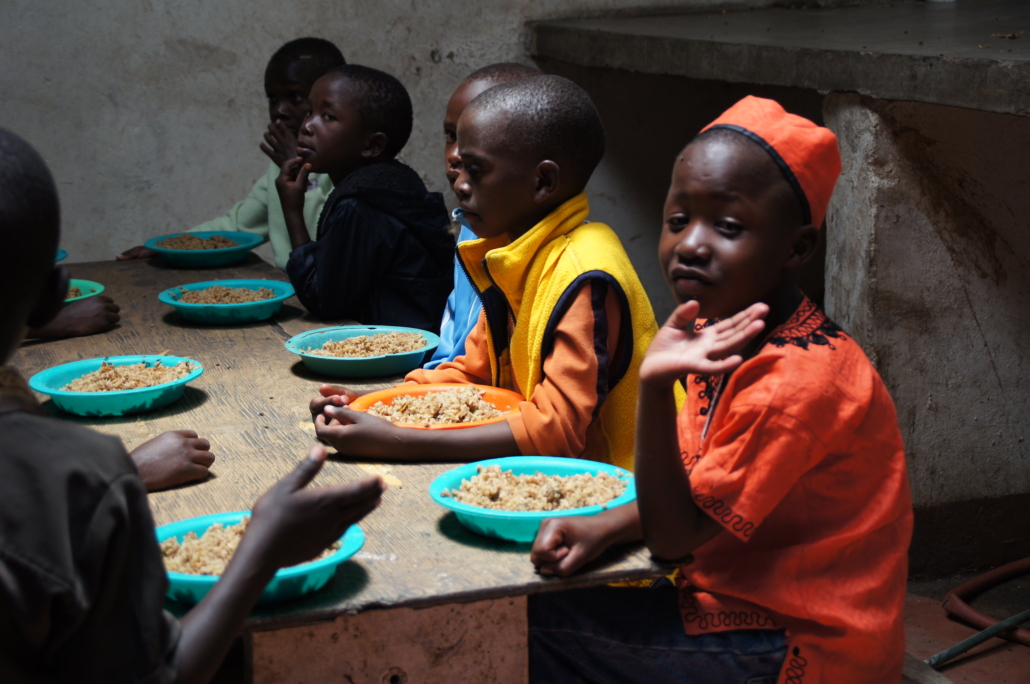
Eritrea is an African country between Sudan, Ethiopia and Djibouti on the coast of the Red Sea. It is part of the geopolitical region in East Africa called the Horn of Africa or the Somali Peninsula. With a population of 6.21 million, according to The World Factbook, Eritrea remains one of the poorest countries on the continent, with a GDP of $2.37 billion.
Since its 30-year war for independence from Ethiopia ended in 1993, the dictatorial president Isaias Afwerki has run Eritrea. The government has not recognized any other political parties besides the People’s Front for Democracy and Justice, which elected Afwerki in 1993. Afwerki serves as the head of government and the head of state, making both the executive and legislative decisions for the country.
As a result of the country’s sizable poverty rate—69%—and its totalitarian government, the Eritrean people are starving. The Food and Agriculture Organization (FAO) estimates that more than 60% of the population does not receive enough nourishment. The following six facts about hunger in Eritrea illustrate the expanse and provide background for the debilitating hunger crisis in Eritrea.
6 Facts About Hunger in Eritrea
- Army Over Agriculture: The Eritrean government prioritizes defense over agricultural development, despite the widespread famine. All Eritreans, men and women, between the ages of 18 and 40 must enter indefinite national service, including compulsory military conscription. Conscription often lasts decades and extends far beyond 40 years old, despite formal Eritrean law limiting it to 18 months, according to Human Rights Watch. Citizens who could be contributing to the agricultural industry of Eritrea instead end up in military service. The food supply in Eritrea is largely dependent on food imports and aid because, according to the FAO, the contribution of agriculture to the trade balance is negative.
- COVID-19 Travel Ban: Not only does the Eritrean government neglect agricultural development, but it also lacks foreign trade. First, the nationwide lockdown in March 2020 limited all imported food. Then, the Eritrean government banned all domestic travel in December 2020, making informal trading and market selling impossible and exacerbating starvation.
- Family Farm to Family Table: According to The World Factbook, more than 80% of Eritreans work in subsistence agriculture, which is the act of farming just enough to feed one’s own family and leaving a little surplus for selling. Agriculture has little effect on the country’s economy because so little is left over, accounting for just 8% of the country’s GDP.
- Rejecting Aid: “Aspiring to be self-reliant,” as stated by the LA Times, the Eritrean government has ushered out aid programs, including the U.K.’s ACCORD, the U.S.’s Mercy Corps and Ireland’s Concern Worldwide. According to The New Humanitarian, the Eritrean government requested for the three international NGOs to stop operations and exit the country in 2006, having already expelled USAID in 2005.
- Russia-Ukraine War Effects: The Eastern European conflict has impacted food prices in Eastern Africa. Eritrea is especially vulnerable because it relies entirely on imports from Russia and Ukraine for wheat, in addition to soybeans and barley, according to the FAO. A deficit of these significant food resources continues to fuel widespread hunger across Eritrea.
- Child Malnutrition: The World Bank reports that child malnutrition is a tragic result of rampant hunger in Eritrea. One can calculate malnutrition using four factors: underweight, wasting, stunting and overweight, according to the World Health Organization (WHO). About 39.4% of children younger than five years old in Eritrea are underweight. About 14.6% of Eritrean children younger than five years old are wasting, which is the most severe form of malnutrition and results in an extremely low weight-to-height ratio. These children suffer from extremely weak immune systems, making them susceptible to disease and death. Furthermore, 52% of children younger than five years old experience stunting, which is a result of malnutrition that occurs when UNICEF defines a child as a “low height-for-age.” This inhibits children from harnessing their fullest physical and cognitive capability. Finally, more than half of all deaths of children younger than five years old are related to malnutrition. These large figures demonstrate how hunger in Eritrea has a detrimental effect on the young.
The Good News
The six facts about hunger in Eritrea featured above illustrate the rampant starvation, but luckily international aid organizations have not abandoned their cause, despite the government requesting their departure. UNICEF, for example, has a plan for humanitarian action in 2023.
The organization is seeking $14.7 million from the U.S. government to provide humanitarian services to treat malnutrition, thirst, lack of access to education and poverty in Eritrea. UNICEF’s predicted impact will help 40,000 wasted children, administer health care for 600,000 women and children, grant learning supplies for 200,000 children and provide water access to 100,000 Eritreans.
Eritrea has struggled with extreme poverty and hunger ever since its liberation from Ethiopia in 1993. From travel restrictions and military conscription to child malnutrition and rejection of foreign aid, Eritrea has a long way to go. However, as COVID-19 transportation bans have loosened, there is an aspiration across the world to help the Eritrean people. Organizations like UNICEF have committed themselves to providing aid to Eritrea. Furthermore, the literacy rate is higher than ever at 76.6%, according to the U.N. – a huge leap from the 52% literacy rate in 2002. With great progress in education, there is hope for homegrown agents of change to further Eritrea’s development.
– Skye Connors
Photo: Flickr
