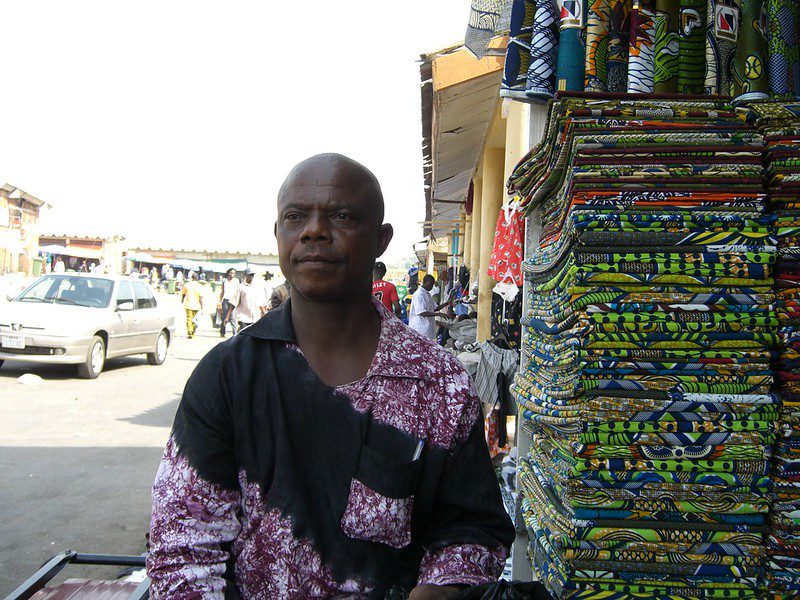
 Nigeria, naturally endowed with various resources, has the potential to rank among the world’s top emerging economies. Unfortunately, the nation has not fully capitalized on the economic prosperity expected from such wealth. Global economic indices from reputable international organizations consistently categorize it as an underperforming economy. For instance, in 2005, the UNDP Human Development Index placed the country 164th among 197 nations for low per capita income and 141st for low quality of life. Research using the ARDL approach indicates that with proper management, Nigeria’s nonoil exports could significantly reduce poverty, transform rural areas, create jobs, ensure food security and improve the nutritional health of its people, similar to the oil sector.
Growth Through Nonoil Exports
Nigeria’s recent surge in nonoil exports represents a vital boost for the national economy and a significant step toward poverty alleviation. By expanding nonoil exports, Nigeria is creating new job opportunities, encouraging local industry growth and reducing its dependence on oil, often subjecting it to volatile global oil prices. This economic diversification strengthens the country’s resilience against economic shocks. It helps lift many Nigerians out of poverty by providing more consistent income sources in agriculture, manufacturing and other nonoil sectors.
In 2023, Nigeria’s nonoil export sector surged, achieving a total export value of $4.52 billion from 6.685 million metric tonnes of products. This 28.04% increase from the previous year underscores Nigeria’s focused efforts to reduce its reliance on oil and diversify its economy. The Nigerian Export Promotion Council (NEPC) celebrated this achievement at a recognition dinner in Lagos, attended by major stakeholders in the nonoil sector.
International Trade Agreements
Nonye Ayeni, the Executive Director/CEO of the Nigerian Export Promotion Council (NEPC), recently highlighted the success of Nigeria’s nonoil exports in 2023, which showcased the country’s capacity to diversify its economy. Nigeria exported more than 273 unique products, including urea, cocoa beans, sesame seeds, soybeans, gold ore, cashew nuts, aluminum ingots and hibiscus flowers, to various global markets, significantly bolstering its foreign exchange inflows and supporting the naira’s stability. This growth in Nigeria’s nonoil export sector marks a promising shift, underscoring the potential to generate sustainable revenue beyond oil.
Further reinforcing this strategic focus, Dr. Doris Uzoka-Anite, Minister of Industry, Trade and Investment, discussed Nigeria’s recent trade agreements with nations such as the United Kingdom, the United States, China and India. These agreements aim to remove trade barriers and open international markets, supporting the growth of Nigeria’s nonoil exports. The government has also bolstered this sector by improving exporters’ access to financing through partnerships with the Bank of Industry (BOI) and Nexim Bank, offering single-digit interest rates to support their expansion. This comprehensive approach demonstrates Nigeria’s commitment to fostering an economically resilient nonoil sector, pivotal for stabilizing the country’s long-term economic growth trajectory.
The “Double Our Nonoil Export, DONE” Initiative
The Nigerian Export Promotion Council (NEPC) has launched the “Double Our Nonoil Export, DONE” initiative, which aims to bolster Nigeria’s nonoil export sector. Nonye Ayeni, the Executive Director/CEO of NEPC, highlighted that this initiative aligns with the country’s economic revitalization strategy, focusing on key objectives such as job creation, poverty alleviation and sustainable economic growth. The plan includes prioritizing 20 key products, supporting 10 leading exporters for each product and identifying five international markets for expansion.
The Export Support Officers (ESO) program, a significant aspect of this initiative, assigns dedicated officers to help major exporters overcome operational challenges. This program is expected to streamline business processes, further enabling Nigerian exporters to strengthen their presence in international markets. Through these ongoing efforts, Nigeria’s nonoil export sector is positioned for growth, enhancing the country’s economic stability and resilience, which in turn enhances living standards and economic stability for communities, ultimately contributing to poverty reduction.
Government Support for Export Manufacturing
At the event, Uzoka-Anite commended the achievements of the top 30 companies involved in export manufacturing, emphasizing that the government would continue to encourage industrialization and processing of raw materials for export. Such strategies, she argued, increase revenue and create employment opportunities. The government also introduced tax credits, reduced tariffs and other incentives to ensure the continued growth of the nonoil sector. “We want to enhance our industrialization efforts and support businesses by offering access to financing, market entry support and operational resources,” Uzoka-Anite explained.
The NEPC’s latest achievements in nonoil trade reflect Nigeria’s ability to become a competitive player in global markets. The efforts to prioritize value-added sectors indicate a clear direction in Nigeria’s economic transformation strategy, which aligns with the country’s broader industrial and trade goals.
Nigeria’s Path to a More Diversified Economy
Nigeria’s Path to a More Diversified Economy The nonoil sector has been a focal point in government policy, as the country aims to reduce its vulnerability to the fluctuations of oil prices on the global market. By boosting sectors such as agriculture and manufacturing, Nigeria is establishing a more sustainable path for long-term economic growth. The NEPC’s investment in quality standards and enhanced market access for Nigerian goods reflects the agency’s commitment to enhancing the global competitiveness of the country’s nonoil exports.
The recent success in nonoil exports, as recognized by the nation, is that Nigeria is on the right track. Ayeni expressed her optimism about the future of the sector, commending the resilience of Nigerian exporters and the critical role they play in diversifying the economy. As Nigeria continues to attract foreign investment and prioritize nonoil products, the country’s economic landscape is poised for substantial growth in the coming years.
Building on Progress
Nigeria’s nonoil export growth has set a new precedent for economic diversification in the country. With initiatives like the DONE program, partnerships with financial institutions and government support for exporters, Nigeria is laying the foundation for a rich and diversified economy. As Ayeni and Uzoka-Anite emphasized, the government and the NEPC are committed to creating an environment conducive to export growth, marking a promising future for Nigeria’s nonoil sector.
– Alaya Laila
Alaya is based in Abuja, Nigeria and focuses on Business and New Markets for The Borgen Project.
Photo: Flickr

How a Civil War is Intensifying Poverty in Sudan
Before the outbreak of civil war in 2023, Sudan was already in perilous danger, having a staggering MPI (Multidimensional Poverty Index) of 52.3% in 2014. Almost 16 million people needed humanitarian aid, which has continued to spiral. Fueled by the fire of a gruesome civil war which has already claimed the lives of an estimated 20,000 people. With poverty in Sudan already reaching disastrous levels, the civil war has plunged the country’s population into further despair.
A Brief Explanation of the Civil War
After Omar al-Bashir was ousted from power in 2019, there was a new government structure. The idea behind the new government was to transition to a more democratic system. However, as the years passed, this seemed to become less and less likely. When Prime Minister Abdalla Hamdok resigned in January 2022, a power struggle emerged. The two people at the epicenter of this struggle were Abdel Fattah al-Burhan (head of the armed forces) and Mohamed Hamdan Dagalo (deputy head of the armed forces and leader of the Rapid Support Forces).
Violence loomed over Sudan for the next year however, the two factions did not come to blows until April 2023. With both al-Burhan and Dagalo refusing to give up the fight, this civil war has rumbled on for more than 18 months and there seems to be no end in sight.
The Toll of Civil War and Poverty in Sudan
The civil war has taken an extraordinary toll on the people of Sudan. Eleven million civilians have already been displaced, 8.1 million of which are yet to leave Sudan, according to the International Rescue Committee (IRC). Its capital Khartoum, which was once a bustling city full of life and activity has now become a mere wasteland due to the intensity of the fighting. Sudan’s health systems have been left decimated by the conflict. According to UNICEF, 70% of the health facilities in conflict-affected areas are currently unable to function. Furthermore, the war has halted Sudan’s youth from being able to access education.
In October 2023, UNICEF estimated that in Sudan, one in every three children lost “access to school due to increased violence and insecurity.” Poverty in Sudan poses a long-term problem as without adequate education, Sudan risks having a grossly underdeveloped workforce, making it even more difficult to grow their economy in the long run.
International Aid to Address Poverty in Sudan
The reaction from the West has been positive. In August 2024, U.K. Development Minister, Anneliese Dodds announced that an additional £15 million would go to Sudan, South Sudan and Chad to help avert the humanitarian crisis. With this increase, the U.K. ODA (official development assistance) given to Sudan rose to £97 million.
The U.S. response has been a similar one. The U.S. remains the largest contributor of foreign aid to Sudan, having donated $1.4 billion since 2022, $980 million of which has come from USAID.
Whilst the increase in aid to Sudan is a step in the right direction, the humanitarian crisis is still ever-present, leading many to question whether there is anywhere near enough funding for the people of Sudan. Furthermore, there seems to be very little from the U.S. and U.K. about how it will attempt to reduce poverty in Sudan as this issue was a disastrous problem even before the civil war.
Light at the End of the Tunnel
While the majority of scenes that we are seeing in Sudan are horrific, there are some true heroes in the conflict. One of which is CARE International, a non-governmental organization (NGO), that works “around the globe to save lives, defeat poverty and achieve social justice.”
The organization which began work in Sudan in 1979, has carried out some truly inspiring work and since the outbreak of civil war, has helped more than 6,000 internally displaced people to receive emergency food rations in the city of Kassala. In East Darfur, CARE has “reached 1,303 children with food rations.”
Another NGO involved in the humanitarian efforts is the International Rescue Committee, which began work in Sudan in 1981. The organization has set up a clinic on the border of neighboring country Chad, to cater to refugees who are fleeing Sudan.
The work of NGOs is crucial in easing the humanitarian crisis caused by the civil war; however, the scale of the crisis in Sudan is enormous and will almost certainly need further assistance from countries across the world.
– Andrew Nicoll
Photo: Pexels
Initiatives that Empower Girls’ Education in India
Only one in three girls in India complete secondary school. High-quality girls’ education is crucial in equipping girls with the right skills for equal job opportunities to boys and in escaping generational poverty. When women can earn money, they are also able to contribute back to their community. Although poverty rates in 2023 have fallen to around 5%, inequality has risen in India. Gender disparities including in literacy and education have resulted in poverty rates for women to be 21%, compared to 15% for men. Therefore, these initiatives focused on girls’ education in India have been significant in reducing poverty and improving India’s overall economy.
Nearly one in four girls in India are in a marriage or union before their 18th birthday, primarily due to their families’ financial struggles and deep-rooted social norms. Early and child marriages are highly prevalent in Indian societies, disproportionately impacting girls and their education as their priorities change to domestic duties. A lack of feminine hygiene systems in schools and parent’s awareness about the importance of girl’s education, also challenge girls’ education in India. After voicing these concerns, initiatives have been implemented to begin to overcome these challenges and empower girls’ education in India.
UNICEF and Gender Equality
UNICEF India’s 2018-2022 initiative aims to improve India’s overall gender equality. Many girls in particular drop out of school early because of marriage. Consequently, adult literacy in India is lower among women than men. UNICEF’s initiatives have been productive on a national and district level, having supported large government programs in reducing child marriage and Panchayats in becoming “child marriage free.”
For example, by making it easier to report a child’s marriage to the authorities and promoting girls’ education rather than marriage. It is more likely for girls to stay in education when they postpone marriage beyond the legal age, which results in a more educated and empowered population. Women’s literacy levels are also important for their health and their ability to access help in case of domestic abuse.
UNICEF advocates for a more gender-responsive approach to the curriculum. This includes changing the language and images in textbooks to not perpetuate gender stereotypes and encouraging more women to pursue STEM subjects. Facilitating girls’ and boys’ clubs- those who are out of school and most vulnerable can safely continue their learning. UNICEF also encourages girls to participate in sports and activities such as photography.
The WASH program improved schools’ infrastructure and girls’ access to menstrual hygiene management. For example, under law, it is now mandatory for schools to provide well-equipped, separate gendered bathrooms.
Government Schemes
Launched in 2015, Beti Bachao Beti Padhao (BBBP) aims to address gender inequality by educating locals about the importance of investing in girl’s education. By openly challenging the social norm of girls’ education, it makes social policies that tackle gender inequality more effective. For example, introducing families to girls’ scholarships at university. Through the program, local data about girls’ education could also be analyzed, including which areas girls were most vulnerable to dropping out of school and identifying where extra support is needed to bridge India’s gender educational gap.
Looking Ahead
Although the gender gap in India’s education remains, its government and UNICEF initiatives have been foundational in India’s progress toward greater quality and access to girls’ education. Continuing to highlight and celebrate the benefits of empowering girls’ education could lead to greater social policy changes that reduce gender inequality as well as overall poverty in India.
– Liling Zhang
Photo: Pixabay
Luminus Education Model in Jordan
Bridging the Skills Gap Through Vocational Training
To address this issue, the Jordanian social enterprise Luminus offers high-quality vocational education tailored to meet labor demands and bridge the skills gap for young people. Focused on supporting low-to-middle-income households, refugees and women, Luminus provides financial assistance to underrepresented groups in the labor market. Remarkably, 40% of its students are refugees or from underserved communities. With more than 40,000 graduates, Luminus has achieved significant success; 80% of its students secure employment upon completing their courses.
Transforming Education and Cultivating Entrepreneurship
Since Ibrahim Safidi took over Al-Quds College from his father in 1999, his primary mission has been to improve the lives and incomes of Jordanian youth. He identified a significant gap between the skills of Jordanian youth and the demands of the job market and he responded by emphasizing vocational training tailored to those needs. Under his leadership, Luminus Education set three main goals: job security, social stability and economic growth. In 2017, Al-Quds College transformed into Luminus Technological University College and expanded its offerings to include 10 specialized schools. These schools focus on disciplines such as civil, construction, mechanical and electrical engineering, computing, medical sciences, automotive technology, beauty, media, tourism and hospitality. Additionally, the university introduced an entrepreneurship pathway that has incubated more than 120 startups.
Empowering Vulnerable Communities
Luminus Education’s employment hub model uniquely combines building strong relationships with employers, analyzing private sector demands and providing thorough career and interview training for students. This approach is successfully countering the cultural norm that values theoretical education as the only desirable path for school-leavers. In 2018, half of its students had the qualifications for university but opted for Luminus’ vocational pathways instead. The system is holistic and caters to both students and employers by maintaining connections with hundreds of employers across Jordan, monitoring workforce demands and skills and incorporating these into its vocational training programs. Additionally, Luminus offers English language and soft skills training alongside career counseling services, which are essential for enhancing student employability.
Accessibility for the Vulnerable
Luminus Education initially provided Syrian refugees, who make up 10% of Jordan’s population, with scholarships covering 50% of tuition fees but soon realized this was insufficient. Consequently, the institution secured $37 million in grants through international partnerships to support refugee education further. Additionally, its new campus in Irbid, ShamalStart, enhances access to education for the northern population, particularly the significant refugee community there. This initiative has led to refugees comprising 25% of the student body, with 40% of all students receiving full scholarships. Luminus Education also plays a crucial role in upskilling vulnerable youth and young adults. In collaboration with Jordan’s Ministry of Labour, which funds vocational training for these groups, Luminus ensures students secure employment upon completing their courses.
Advocacy and Expansion
In 2023, female unemployment in Jordan ranked as the 10th highest globally, reaching an alarming 47%. In contrast, in 2018, 44% of Luminus Education’s student body were women. Luminus actively seeks to shift perceptions of women in the workforce and address family concerns through initiatives like “bring your father to work days” and one-to-one counseling with parents. The institution collaborates with employers across Jordan to adapt workplaces to be more inclusive for women, including advocating for hospitality sector employers to permit women to wear the hijab at work.
Looking Forward
Local enterprise Luminus Education addresses Jordan’s need to upskill its youth through international partnerships, including the International Finance Corporation, Agence Française de Développement and the European Union (EU), providing crucial education grants. With a campus already established in Iraq, Luminus Education Group plans to expand its tailored programs to new campuses in Jordan and throughout the Middle East, including Lebanon and Egypt, in the coming years.
– Miriam Hulley
Photo: Flickr
Financial inclusion for women in South Asia
The Importance of Financial Literacy for Women
Financial literacy is an essential skill that enables individuals to make informed decisions about budgeting, saving and investing. However, in many South Asian countries, women have traditionally had limited access to financial services and education. Societal norms often discourage women from engaging in economic activities outside the home. In some cases, women have little control over household finances, making it difficult to save, invest or manage money effectively.
Programs aimed at financial inclusion for women in South Asia are helping to close this gap. In particular, initiatives that educate women on personal finance and entrepreneurship are proving to be transformative. These programs equip women with the necessary knowledge to manage their money and budget and understand financial products like loans, insurance and investments. By providing this essential education, women in South Asia are empowered to take charge of their financial futures and pursue entrepreneurial endeavors.
Case Studies From South Asia
Several countries in South Asia have made significant strides in promoting financial inclusion for women. India, for example, has seen remarkable progress through government-backed initiatives like the Pradhan Mantri Jan Dhan Yojana (PMJDY), which aims to provide access to banking for all citizens, including the unbanked, particularly women. Since its launch in 2014, millions of women have opened bank accounts and gained access to financial services. This initiative has helped women build savings, secure loans and improve their financial literacy, enabling them to take control of their lives and make financial decisions without relying solely on male family members.
In Bangladesh, organizations like the Grameen Bank have pioneered the concept of microfinance and microloans, specifically targeting women in rural areas. These small loans have empowered women to start small businesses, such as selling goods or providing services, thus promoting economic independence. The success of microfinance has not only helped women become entrepreneurs but also created a ripple effect in their communities. Women who benefit from microloans are often able to support their families better, improve access to education for their children and contribute to the overall economic development of their villages.
Pakistan, too, has seen an increase in financial inclusion initiatives aimed at women. The State Bank of Pakistan introduced the “First Women Bank Limited” (FWBL), which provides services tailored to women’s financial needs. The bank offers microcredit loans, savings accounts and other financial services to women in rural and urban areas alike. The bank’s mission is to empower women by providing them with the financial resources needed to build businesses and support their families. Along with microfinance, Pakistan has also seen an expansion of mobile banking services, which have helped bridge the financial inclusion gap for women in remote areas.
Impact on Women’s Lives, Families and Communities
The impact of financial inclusion for women in South Asia extends beyond the individual. When women are financially empowered, their families and communities benefit as well. Studies have shown that when women control financial resources, they are more likely to invest in their children’s education, health and well-being. This creates a positive feedback loop where empowered women uplift entire communities.
Furthermore, financial inclusion programs for South Asian women play a crucial role in reducing poverty. By helping women access loans, savings accounts and financial education, these programs provide the tools necessary to lift families out of poverty and increase overall economic stability. With greater access to financial resources, women can start businesses, create jobs and contribute to the broader economy.
Investing in Women’s Financial Education
The evidence is clear: investing in financial inclusion for women in South Asia is crucial for sustainable development and poverty reduction. By providing women with the knowledge and tools to manage money, start businesses and access financial services, financial inclusion programs are breaking down the barriers that have traditionally kept women from reaching their full potential. As more women in South Asia gain access to financial resources, they are not only improving their own lives but also contributing to the economic growth and development of their countries.
Empowering women through financial inclusion is a key step toward creating a more equitable and prosperous future for South Asia. With continued investment in women’s financial education, the region is on the path to creating a more inclusive and sustainable economy.
– Alaya Laila
Photo: Flickr
The Global Fight for Healthy Diets
Recent Causes: COVID-19 and Inflation
International institutions such as the World Health Organization (WHO) and U.N. agencies such as the Food and Agriculture Organization (FAO) continuously recommend how countries can promote healthier diets. However, the impact of the COVID-19 pandemic on trade and inflation meant the most impoverished could not afford a healthy diet. In 2021, the average cost of a healthy diet was 4.3% higher than in 2020 and 6.7% higher than in 2019. This meant that 42% of the world’s population could not afford a healthy diet in 2021, an increase of 134 million people compared to 2019.
Although most countries experienced a rebound in gross domestic product (GDP) after the pandemic, the unequal pattern of economic recovery means lower-middle-income countries continue to face a rise in the cost of a healthy diet. The Food Standards Agency in the U.K. found that COVID-19 triggered many British citizens to prepare healthy main meals. However, the pandemic did not change attitudes toward healthy eating in 12 other countries, where 90% of the population cannot afford a nutritious diet consistently.
In Africa, 78% of people cannot afford a healthy diet, compared to just 1% in North America and Europe. The impact of COVID-19 on developing countries has reinforced the need for international institutions to intensify efforts in promoting healthy diets through campaigns and collaborative initiatives.
U.N. and WHO
The U.N. and WHO have collaborated extensively in the global fight for healthy diets. In 2021, they established the Coalition of Action for Healthy Diets from Sustainable Food Systems for All (HDSFS) to promote sustainable food systems that support healthy diets.
Additionally, the School Meals Coalition was launched to ensure that every child in need has access to at least one nutritious school meal by 2030. Both coalitions focus on improving the food supply chain, enhancing the affordability and appeal of nutritious foods and educating families about the benefits of a healthy diet.
GAIN
The Global Alliance for Improved Nutrition (GAIN) is a Swiss-based foundation focusing on reducing global malnutrition through sustainable and affordable solutions. In 2018, the foundation partnered with local authorities in Indonesia to enhance the domestic fish supply. The following year, it collaborated with Kaduna State in Nigeria on the “Eggs Make Kids” campaign. The organization has made remarkable strides in combating global hunger, impacting more than one billion people worldwide by promoting and providing access to healthy diets.
Bloomberg Philanthropies
Bloomberg Philanthropies launched a Food Policy Program with a $435 million commitment to help public health advocates promote healthy diets in low- and middle-income countries. Recently, this commitment facilitated the creation of the Vital Strategies Healthy Food Policy Fellowship, which financially supports Ph.D. candidates from countries like Brazil pursuing a field of study related to building healthier diets through their national public policy.
Looking Forward
The rising cost of healthy diets disproportionately impacts the poorest populations, increasing their risk of noncommunicable diseases (NCDs). This challenge is particularly burdensome for low- and middle-income countries, as unhealthy diets contribute to 70% of global hidden costs associated with NCDs. Promoting healthy diets is a major focus for international institutions and charities, given its critical connection to global development and poverty eradication efforts.
“Healthy diets and sustainably produced, safe food for all is not an out of reach aspiration, but an unavoidable component of global development, a human right and an achievable goal which can be realized through clear, well established and aligned actions,” said Dr. Francesco Branca, WHO Director of Nutrition and Food Safety.
– Sofia Brooke
Photo: Flickr
5 Grassroots Organizations Tackling Poverty
Stand By Me Lesvos
Founded in 2017, Stand By Me Lesvos (SBML) is dedicated to supporting refugee communities on the island through a variety of projects aimed at improving their quality of life. One of SBML’s key initiatives is its educational programs. By offering language courses and other skills training, SBML works with both refugees and local residents to bridge cultural gaps and provide those in need with the tools necessary to integrate into the community and find work on the island.
SBML works to help cultivate a community that helps those in poverty, with both the locals and the refugee communities receiving the skills they need to help tackle poverty themselves rather than rely on aid from governments or larger organizations.
British Ukrainian Aid
British Ukrainian Aid is dedicated to supporting those affected by health poverty in Ukraine, directly improving the health of Ukrainians by providing first aid kits and medical care to those in war zones. One of its recent initiatives involved using ambulances and evacuation vehicles to give people in these areas access to emergency transport, helping to save the lives of those injured.
The organization also ensures that medical professionals in Ukraine have access to life-saving machines like Ultrasound, anesthetic and C-arm machines, providing accessible emergency health care for Ukrainians. The British Ukrainian Aid proudly describes itself as a grassroots charity, emphasizing how important it is for communities to help other groups stand independently.
SOS Children’s Villages
SOS Children’s Villages is a global organization established in 1949 in the aftermath of the Second World War when many children were left orphaned, displaced and living in poverty. The organization is committed to helping children separated from their parents by integrating them into new families and protecting them from the hardships often faced by orphans and vulnerable youth. Whether through rehoming children or reuniting them with their families, SOS Children’s Villages works to ensure their safety and well-being. The organization provides a supportive community that functions as a family and helps to lift them out of poverty during their most vulnerable years.
Plan International
Plan International has helped more than 10,000 girls and boys from 10 countries affected by conflict, working to ensure that every child has a safe environment protected from violence and the impacts of poverty. The organization focuses on empowering those in vulnerable situations and helping to improve their social standing through initiatives like “Real Choices, Real Lives.” This program encourages open discussions about taboo topics, such as sexual and reproductive health, with girls in Benin, aiming to educate and normalize conversations about sexual well-being.
Save! Foundation
Save! Foundation works to improve the quality of life for vulnerable communities across Africa through a wide range of initiatives, including wildlife conservation, health care and education. The foundation focuses on empowering local populations by providing skills and resources to foster sustainable futures. Committed to tackling all aspects of poverty, Save! Foundation designs its projects to reduce dependency and help people break free from the cycle of poverty.
One notable initiative includes the creation of vegetable gardens. The initiative supports local soup kitchens that provide hot meals to those in need. Through these efforts, Save! Foundation emphasizes the importance of grassroots organizations tackling poverty. Indeed, the organization continues to enable communities to become self-sufficient and resilient.
– Caitlin Mulholland
Photo: Unsplash
Nigeria’s Nonoil Exports Reach $4.52 Billion
Growth Through Nonoil Exports
Nigeria’s recent surge in nonoil exports represents a vital boost for the national economy and a significant step toward poverty alleviation. By expanding nonoil exports, Nigeria is creating new job opportunities, encouraging local industry growth and reducing its dependence on oil, often subjecting it to volatile global oil prices. This economic diversification strengthens the country’s resilience against economic shocks. It helps lift many Nigerians out of poverty by providing more consistent income sources in agriculture, manufacturing and other nonoil sectors.
In 2023, Nigeria’s nonoil export sector surged, achieving a total export value of $4.52 billion from 6.685 million metric tonnes of products. This 28.04% increase from the previous year underscores Nigeria’s focused efforts to reduce its reliance on oil and diversify its economy. The Nigerian Export Promotion Council (NEPC) celebrated this achievement at a recognition dinner in Lagos, attended by major stakeholders in the nonoil sector.
International Trade Agreements
Nonye Ayeni, the Executive Director/CEO of the Nigerian Export Promotion Council (NEPC), recently highlighted the success of Nigeria’s nonoil exports in 2023, which showcased the country’s capacity to diversify its economy. Nigeria exported more than 273 unique products, including urea, cocoa beans, sesame seeds, soybeans, gold ore, cashew nuts, aluminum ingots and hibiscus flowers, to various global markets, significantly bolstering its foreign exchange inflows and supporting the naira’s stability. This growth in Nigeria’s nonoil export sector marks a promising shift, underscoring the potential to generate sustainable revenue beyond oil.
Further reinforcing this strategic focus, Dr. Doris Uzoka-Anite, Minister of Industry, Trade and Investment, discussed Nigeria’s recent trade agreements with nations such as the United Kingdom, the United States, China and India. These agreements aim to remove trade barriers and open international markets, supporting the growth of Nigeria’s nonoil exports. The government has also bolstered this sector by improving exporters’ access to financing through partnerships with the Bank of Industry (BOI) and Nexim Bank, offering single-digit interest rates to support their expansion. This comprehensive approach demonstrates Nigeria’s commitment to fostering an economically resilient nonoil sector, pivotal for stabilizing the country’s long-term economic growth trajectory.
The “Double Our Nonoil Export, DONE” Initiative
The Nigerian Export Promotion Council (NEPC) has launched the “Double Our Nonoil Export, DONE” initiative, which aims to bolster Nigeria’s nonoil export sector. Nonye Ayeni, the Executive Director/CEO of NEPC, highlighted that this initiative aligns with the country’s economic revitalization strategy, focusing on key objectives such as job creation, poverty alleviation and sustainable economic growth. The plan includes prioritizing 20 key products, supporting 10 leading exporters for each product and identifying five international markets for expansion.
The Export Support Officers (ESO) program, a significant aspect of this initiative, assigns dedicated officers to help major exporters overcome operational challenges. This program is expected to streamline business processes, further enabling Nigerian exporters to strengthen their presence in international markets. Through these ongoing efforts, Nigeria’s nonoil export sector is positioned for growth, enhancing the country’s economic stability and resilience, which in turn enhances living standards and economic stability for communities, ultimately contributing to poverty reduction.
Government Support for Export Manufacturing
At the event, Uzoka-Anite commended the achievements of the top 30 companies involved in export manufacturing, emphasizing that the government would continue to encourage industrialization and processing of raw materials for export. Such strategies, she argued, increase revenue and create employment opportunities. The government also introduced tax credits, reduced tariffs and other incentives to ensure the continued growth of the nonoil sector. “We want to enhance our industrialization efforts and support businesses by offering access to financing, market entry support and operational resources,” Uzoka-Anite explained.
The NEPC’s latest achievements in nonoil trade reflect Nigeria’s ability to become a competitive player in global markets. The efforts to prioritize value-added sectors indicate a clear direction in Nigeria’s economic transformation strategy, which aligns with the country’s broader industrial and trade goals.
Nigeria’s Path to a More Diversified Economy
Nigeria’s Path to a More Diversified Economy The nonoil sector has been a focal point in government policy, as the country aims to reduce its vulnerability to the fluctuations of oil prices on the global market. By boosting sectors such as agriculture and manufacturing, Nigeria is establishing a more sustainable path for long-term economic growth. The NEPC’s investment in quality standards and enhanced market access for Nigerian goods reflects the agency’s commitment to enhancing the global competitiveness of the country’s nonoil exports.
The recent success in nonoil exports, as recognized by the nation, is that Nigeria is on the right track. Ayeni expressed her optimism about the future of the sector, commending the resilience of Nigerian exporters and the critical role they play in diversifying the economy. As Nigeria continues to attract foreign investment and prioritize nonoil products, the country’s economic landscape is poised for substantial growth in the coming years.
Building on Progress
Nigeria’s nonoil export growth has set a new precedent for economic diversification in the country. With initiatives like the DONE program, partnerships with financial institutions and government support for exporters, Nigeria is laying the foundation for a rich and diversified economy. As Ayeni and Uzoka-Anite emphasized, the government and the NEPC are committed to creating an environment conducive to export growth, marking a promising future for Nigeria’s nonoil sector.
– Alaya Laila
Photo: Flickr
Indigenous Poverty in Brazil: How Has it Improved?
Brazil and President Luiz Inácio Lula da Silva
According to 2022 data, Brazil is home to close to 1.7 million people of Indigenous descent, only making up 0.83% of the population. In recent years, the relationship between the government of Brazil and the Indigenous populations has become a topic of conversation. President Luiz Inácio Lula da Silva is the current president of Brazil. He is also a past president of Brazil; he was Brazil’s president from 2003 to 2011.
President Lula’s current administration has the same goals as his previous administration. In the past, much of the focus of his presidency was that of reforming social security, enhancing educational opportunities, particularly for poor individuals, pension, tax policies and combating hunger and poverty. In his time as president before, he would combat poverty in Brazil through three main motions: providing aid to farmers, improving labour and reform pensions, and providing cash-transfer programs to the poor. Much of the work he did back then has been maintained.
Aid for farmers is as much of an issue now as it was in the early 2000s. According to the World Bank, as of November 2024, the World Bank Board of Directors approved the Transforming Brazil’s Agrifood System program. It aims to improve the national agriculture system by supporting farmers and increasing productivity, along with expanding access to markets. With a total budget of $1.6 billion, it could benefit close to 421,000 farmers and over 1.2 million people living in rural Brazil.
Bolsa Familia
Cash transfer programs are still in place in the country. The Brazilian Cash Transfer Program, known as Bolsa Família, is “the largest conditional cash-transfer program in the world” as of 2020. The program has a goal of eradicating poverty and stabilizing food accessibility. It assists 13 million families, totalling about 50 million people.
The program requires families to commit to keeping their children in school and providing them adequate health care, like regular health checks, to obtain the funds. The funds are equal to about $35. About 94% of the funds go to the poorest 40% of the population, according to the World Bank. Evidence shows that people use money for food, clothes and school supplies.
Indigenous Relations with the Brazilian Government
Since the beginning of President Lula’s administration in his previous presidency and now, he has focused on reducing Indigenous poverty in Brazil.
Relations between Indigenous peoples and the government of Brazil have improved since Lula’s creation of the Ministry of Indigenous Peoples. Sônia Guajajara became the minister of the program. Guajajara is currently leading the fight over land rights for Indigenous peoples in the country of Brazil. She came from poverty, just as President Lula himself did.
Guajajara has done extensive work trying to make sure that Indigenous voices are heard within the government. She is a member of four different organizations aimed at uplifting the Indigenous population within the country. In 2018, she was a candidate for vice president. TIME magazine named her one of the most influential people in the world in 2022.
Indigenous poverty in Brazil is being targeted through sustainable projects in villages throughout Brazil. As of 2022, the country has invested around R$30 million in rural production, agricultural machinery, technical training and fishing. Internet accessibility has also improved in Indigenous communities through the WI-Fi Brazil Program. The program has led to the installation of 197 internet points in Indigenous communities throughout the country.
Decreasing Steadily
Since 2005, Indigenous poverty in Brazil has decreased steadily, with a short uptick due to the COVID-19 pandemic. In 2005, the poverty rate was at nearly 50%. Currently, the poverty rate for Indigenous communities stands at 33.2%. Due to President Lula and his fervour to eradicate poverty within the country, that number is where it is.
– Maya Renfro
Photo: Flickr
Nauru Detention Center: An Example for the World?
UK’s Immigration Strategy
The United Kingdom’s (U.K.’s) 2021 Plan for Immigration highlights its commitment to future migration partnerships and amends sections 77 and 78 of the Nationality Immigration and Asylum Act 2002 to allow for the transfer of asylum seekers from the U.K. while their claims or appeals are pending. The plan also keeps options open for offshore asylum processing if needed in the future. This approach remains pertinent as, in July 2024, the Guardian reported British Prime Minister Keir Starmer’s openness to processing refugees offshore.
Human Rights Concerns
Although the U.K. intends to follow international regulations, the Nauru Detention Center can serve as a warning to other nations seeking to implement similar standards, as Human Rights Watch and prominent media outlets have denounced the poor living conditions and reported human rights violations in these facilities. Since 2013, people held at the Nauru Processing Center have been subject to several human rights violations, living in substandard conditions and in a seemingly endless uncertainty of whether they will be able to find resettlement elsewhere.
Tragic Incidents and Living Conditions
In 2016, this situation gained major international attention when Omid Masoumali, a 23-year-old Iranian refugee who sought asylum in Australia, lit himself on fire in an act of protest against the country’s cruel detention policy. Detained for more than three years in Nauru, Omid died two days later.
In an interview for Amnesty International, Elham Arouni Hesari, Omid’s mother, said her son “loved Australia, but the way the country rejected and took his life will forever torture [her].” She elaborated on the wounds he acquired – internal bleeding and burns – and questioned why he was operated on in ill-equipped medical facilities. Refugees receive inhumane treatment, residing in moldy, overcrowded and unhygienic tents where they lack both safety and privacy. With little access to education and proper housing, children and parents often reported feeling unsafe due to the guards’ aggressive and threatening behavior.
Nauru’s Health Care Crisis
Dr. Nick Martin, along with other health care specialists and Nauruans, find the health care system on the island unsatisfactory and inadequate for the community’s needs. The Nauruan government struggles with a deepening health crisis, especially regarding refugee protection. For the past 11 years, patients frequently needed medical treatment overseas but were often denied transfer to Australian hospitals, leading to worsened health outcomes and sometimes fatal consequences.
Despite Australia investing significantly in Nauru’s health facilities—approximately A$865,000 annually per person—medical treatment remains insufficient. With a small community, Nauru is ill-equipped to meet the needs of its increasingly vulnerable population. Independent reviews by the Australian Medical Association have highlighted critical gaps, including a lack of access to essential items like glasses or medications for existing conditions.
Meghna Abraham, Director of Global Thematic Issues at Amnesty International, has strongly criticized these practices, stating, “Nauru has failed to provide refugees with the health care they desperately need. Denying them medical transfers is yet another blow and demonstrates just how far the human rights of refugees have slipped down Nauru and Australia’s agendas.”
Challenges Faced by Refugees
Refugees who have integrated into the Nauruan community face significant challenges, as highlighted in the latest report by the Asylum Seeker Resources Centre (ASRC). Despite promises of necessities upon release from closed detention, many still struggle to afford three meals a day, clothes, drinking water, towels and shoes.
An anonymous asylum-seeker explained the financial hardships to ASRC: “Everything on Nauru is very expensive and the financial allowance of $230 per fortnight is not enough. The phone and internet package is $100 and drinking water is $70, this leaves $60 for food and all other expenses. IHMS doctors told us to eat fruits and vegetables, but we cannot afford it and it is affecting our health.”
Accommodation also presents challenges, with more than 35 people residing in complexes similar to detention centers, sharing cramped spaces with inadequate facilities. Some report needing to walk two hours to reach a bus stop. Additionally, the cost of phone credit prevents many from keeping in touch with their families, exacerbating mental health issues in a ss=”yoast-text-mark”>ss=”yoast-text-mark”>ss=”yoast-text-mark”>ss=”yoast-text-mark”>ss=”yoast-text-mark”>f=”https://asrc.org.au/2024/10/17/people-held-on-nauru-moved-into-community-and-face-further-challenges/”>community where 22% already suffer from serious mental conditions.
Lessons from Nauru
The Nauru Detention Center serves as a cautionary tale against penalizing asylum-seekers. In the U.K., former Prime Minister Rishi Sunak’s goal of >stopping small boat crossings and perceived successes in Australia in reducing irregular arrivals have contributed to the belief that such systems work. However, beyond significant human rights concerns, the costs of maintaining the Nauru Detention Center are astronomical—approximately $573,000 per person each year, according to a 2019 report by Save the Children, Get Up!, and the ASRC. Current opinions and developments indicate a failure to learn from Australia’s mistakes, with scholars criticizing the government for “seeking to enact cruel policies for populist political gain.”
– Beatriz Cicci
Photo: Flickr
Marburg Virus Outbreak in Rwanda: The Progress
Animal Contagion
The Marburg outbreak in Rwanda was announced on September 27, 2024, according to Nature. Surrounding countries reported their outbreaks years before, with Tanzania and Equatorial Guinea having their outbreak just last year. At first, the virus’s origins were uncertain; researchers thought it came from an animal but had no proof. Rwanda started contract tracing and an epidemiological investigation to identify the first patients and to determine how they contracted the virus.
According to the World Health Organization (WHO), the animal of contact was possibly a Rousettus bat, a fruit bat found in mines or caves, because they carry the Marburg virus. “Initially, human Marburg virus infection results from prolonged exposure to mines or caves inhabited by Rousettus bat colonies,” said eMedicine Health.
Progress of the Marburg vaccine
The Marburg virus is a relative of the Ebola virus, both being part of the Filoviridae family. Both viruses have similar symptoms and transmission. According to eMedicineHealth, the Ebola virus has a higher fatality rate of 25%-90% compared to the Marburg virus fatality rate of 24%-88%. Ebola is more virulent but has two licensed vaccines, while the Marburg virus has none.
As of October 2024, the only vaccine for the Marburg virus is experimental. The scientists had the first trial of the experimental vaccine to fight the Marburg virus outbreak in early October. The Sabin Vaccine Institute sent out 700 vaccine doses to health care workers because they are the most at risk. The vaccine is currently in Phase 2, which means it is still undergoing testing. The Sabin Vaccine Institute still monitors people with previous outbreaks in surrounding countries.
“Interim results are expected next year, and Sabin also plans to launch a similar Phase 2 trial in the U.S. next year,” said the Sabin Vaccine Institute.
Outside Help
The people of Rwanda are not combating the Marburg virus outbreak alone. They have the support of many, some of which are WHO, Africa CDC and the United States, using a “governmental approach.” The CDC and WHO worked with Rwanda to begin a response to the outbreak and identify the public health needs. Rwanda’s supporters also sent scientists and researchers to help with the epidemiologic investigation and distribution of the vaccine.
The Marburg virus outbreak in Rwanda has reached level two for travelling which states “Practice Enhanced Precautions.” The WHO and the CDC have released statements about the outbreak and the risks people take if they travel to Rwanda. The supporters of Rwanda during the outbreak have helped create a response plan/program to assist in the public health of the people in Rwanda.
Conclusion
Since the announcement of the Marburg virus outbreak in Rwanda, the country has worked effortlessly to stop the virus. Many have come to Rwanda’s aid in their time of need. Their supporters have provided vaccines and plans to help support the public and the health officials/workers. Coming to Rwanda’s aid has allowed the progress of attaining an official and approved vaccine for the Marburg Virus that could prevent any more severe outbreaks in the future.
– Ashley Diaz
Photo: Flickr