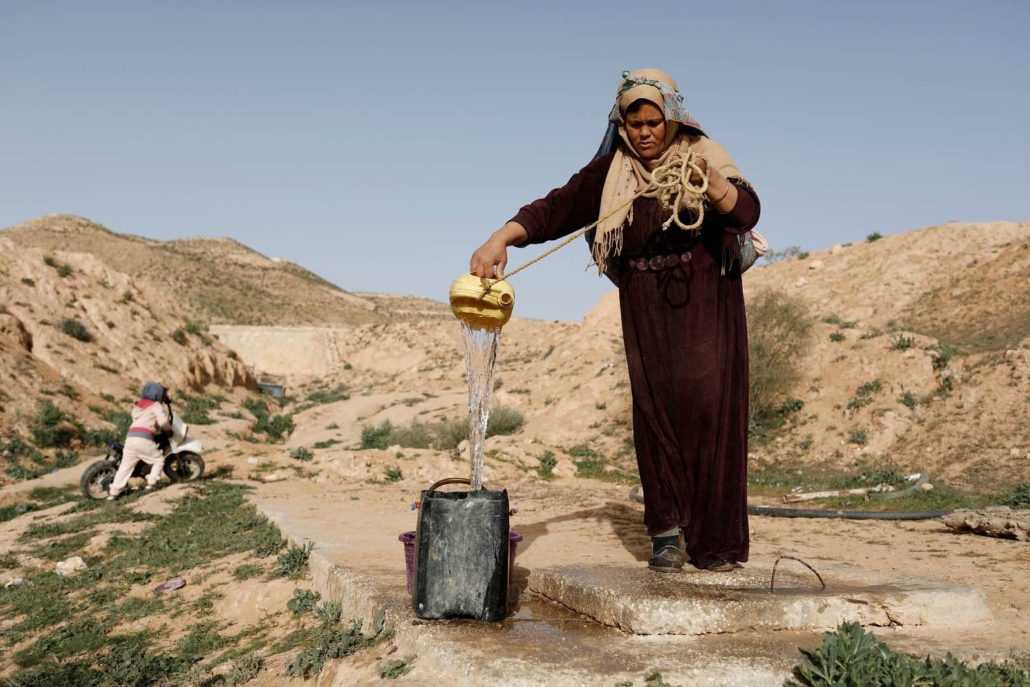
Tunisia, a country with immense solar and wind potential, stands at a pivotal point in its energy sector. Renewable energy in Tunisia can address not only its energy poverty but also broader economic and social issues, creating a sustainable path for development. However, the push for renewable energy raises significant questions about equity, local benefits and just transitions. Recent initiatives in Tunisia demonstrate how transitioning to renewable energy sources could bring affordable power to communities and reduce poverty. However, these efforts also highlight the complexities and competing interests surrounding this transition.
Renewable Energy in Tunisia: The Goals
Tunisia has committed to generating 35% of its electricity from renewable sources by 2030, increasing from the current level of about 3% of its energy mix. By 2050, the Tunisian government aims to cover all its electricity needs through renewable energy, according to the World Bank.
This shift aligns with SDG 7 which calls for “affordable, reliable, sustainable and modern energy for all” by 2030. Achieving SDG 7 is particularly critical for Tunisia as it addresses energy poverty and reduces reliance on imported fossil fuels, particularly natural gas. In 2022, natural gas accounted for nearly half of Tunisia’s energy consumption, according to the World Bank. By reducing its reliance on imports, Tunisia can mitigate the risks that international strikes and unstable exchange rates pose to its economy.
However, questions persist about who ultimately benefits from scaling up renewable energy in Tunisia. Critics argue that while infrastructure expansion continues, the benefits often bypass local communities and favor foreign investors and urban centers.
The Challenge of a Just Transition
Arab Reform Initiative requires Tunisia to rethink how it plans and executes renewable energy projects. Experts define this approach as creating “thriving economies that provide dignified, productive and ecologically sustainable livelihoods; democratic governance and ecological resilience.”
The solar plants in Tozeur, near the Saharan desert, reveal the challenges of such transitions. These facilities represented a significant increase in Tunisia’s renewable energy capacity, but they failed to create meaningful employment for local communities, according to the Arab Reform Initiative.
Moreover, the plants export much of the energy they generate, offering limited benefits to the impoverished southern regions where they are located. These dynamics intensify regional inequalities and fuel resentment.
In 2021, poverty rates in Tunisia’s southern governorates exceeded 33%, far above national averages. These regions also receive the least public investment in sharp contrast to urban coastal areas that attract most of Tunisia’s development spending, according to the Carnegie Endowment. Achieving SDG 7 in these areas requires policies that prioritize equitable energy access and inclusive economic benefits.
Alleviating Energy Poverty
Energy poverty—the lack of adequate, affordable and reliable energy access—continues to impact rural Tunisia. Access to sustainable energy, as emphasized by SDG 7, provides a foundation for improving education, health care and economic development, according to the Sustainable Energy for All.
Movements like the El Kamour protests in 2017 show how marginalized communities have resisted exclusion from the benefits of natural resource exploitation. These protests, which originated in southern Tunisia, saw the government increase local investment and job creation using revenues from the region’s oil and gas sector, according to the Arab Reform Initiative. Their success reflects a broader demand for a more inclusive and equitable approach to development, which is essential for realizing SDG 7.
Benefits of Renewable Energy for Economic Stability
Renewable energy offers Tunisia an opportunity to stabilize its economy. By reducing its dependence on imported fossil fuels, Tunisia can protect itself from the energy import costs that strain national finances. For instance, in 2022, Tunisia imported approximately 48% of its energy needs, primarily through natural gas, according to the World Bank. By producing more solar and wind energy domestically, Tunisia can stabilize electricity costs and shield consumers from the fluctuations and price shocks of global energy markets. This shift would also improve Tunisia’s trade balance and create a more resilient economy.
The Tunisian Platform for Alternatives and other grassroots organizations advocate for a “resistance to accumulation” approach. They call for renewable energy strategies that prioritize investments in local communities, create jobs and ensure that the benefits of the energy generated are distributed equitably, according to the Arab Reform Initiative. These strategies align with the universal principles of SDG 7 by focusing on affordable and reliable energy access for underserved populations.
Resistance movements, such as El Kamour and recent campaigns for a just energy transition, highlight the power of grassroots advocacy in shaping Tunisia’s energy future. These movements underscore the importance of prioritizing local empowerment and ensuring fair distribution of renewable energy benefits.
Addressing Climate and Social Inequality
Renewable energy projects in Tunisia bring significant social implications, particularly for women, who often face the most severe impacts of energy poverty and climate-related challenges. In the first quarter of 2019, 12.4% of men were unemployed compared to 22.6% of women.
The Kairouan Solar Project, Tunisia’s first large-scale solar initiative, significantly boosts the country’s renewable energy capacity by providing 100 MW of solar power to the national grid. This initiative, part of Tunisia’s broader goal to generate 35% of its electricity from renewables by 2030, directly supports the transition to clean energy. Beyond electricity production, the project revitalizes agriculture in Kairouan, a region with some of Tunisia’s highest poverty rates. By improving irrigation for wheat and olive farms, enhancing water access and sustaining agricultural production, the project strengthens local communities, offering greater stability and food security. Its dual focus on energy generation and community impact exemplifies how solar initiatives can address both national energy needs and regional development.
Beyond this, the Project emphasizes gender equality by providing targeted opportunities for women in training and employment. This is especially significant in a country where rural women face acute economic and social challenges. Seventy percent of women employed in rural areas work informally, over half of which do not receive wages. Those who are paid earn wages that are less than half of the Tunisian minimum wage, with little to no access to social security or health insurance, according to Assafir Al-Arabi.
Imen Tahri is one of the 20,000 farmers that has benefitted from this project. Before the project, she was left with little income to sustain her and her family due to drought. Now, thanks to “solar-powered pumping systems” introduced by the project, her olive harvest has improved seven-fold, generating enough income to support her family.
This inclusion aligns with SDG 7, which calls for universal access to modern energy while ensuring equitable benefits for all, particularly marginalized groups.
Building a Brighter Future
As Tunisia accelerates its renewable energy transition, it must balance economic, social and environmental priorities. By integrating the principles of a just transition—ensuring local communities benefit, fostering inclusive governance and prioritizing equity—Tunisia can fully unlock its green energy potential while uplifting its most vulnerable citizens.
Achieving SDG 7 in Tunisia requires a collaborative approach that aligns global investments with local needs. With continued international support and grassroots momentum, Tunisia can lead by example in sustainable equitable energy development.
– Sarah Maunsell
Sarah is based in Bristol, UK and focuses on Good News and Politics for The Borgen Project.
Photo: Flickr

Obstacles Following the Ceasefire in Lebanon
Issues with Health Care
Because of the conflict, Lebanon’s health care system has been exhausted to an extreme degree. Also, Israeli attacks affected health care facilities in very high proportions. The World Health Organization (WHO) reports that the crisis has affected “one in 10 hospitals in Lebanon” and “63% of incidents in Lebanon..impacted health personnel.”
Now, Lebanese people are trying to return home, and the health care system will not be able to support them unless it gets more resources. Rabih Torbay, CEO of Project Hope, says, “The priority must be to replenish stocks of medicines, reestablish clinics, and ensure emergency care is available.” After destroying many health care facilities, people naturally flock to safer areas, which become overcrowded and have limited resources.
Torbay says Lebanese Mayors are asking for medical assistance even over food and water. They pointed out that people with diseases or serious injuries have nowhere to go and will likely die.
Project Hope
Luckily, organizations like Project Hope are assisting Lebanon during this crisis. Project Hope is a humanitarian and health organization founded in 1958 that helps countries across the globe. They provide urgent relief in times of disaster. It delivers medicine, offers psychological first aid, secures water, partners with local experts and more.
Along with a lack of basic medical needs, displaced Lebanese people are suffering from trauma and a lack of appropriate hygienic materials. Project Hope “field assessments have revealed an increasing need for mental health and psychosocial support (MHPSS), particularly among children.” As a result, “Project HOPE has distributed 1,700 hygiene kits and other essential dignity and non-food items to IDPs in 10 schools across the Mount Lebanon area.” It hs provided “emergency trauma supplies” also.
The nation not only needs supplies, but they need medical centers themselves. “Project Hope is establishing two mobile medical units staffed by specialized local doctors and nurses.” This organization is tackling some of the greatest obstacles following the ceasefire in Lebanon.
Destruction and Danger Zones
With the very recent ceasefire agreement, thousands of displaced Lebanese head home. Despite the horrific crisis, there have been a few celebrations; the ceasefire has brought some relief to the Lebanese people as many of them return to villages in the south. However, this excitement is stunted by the immense destruction throughout the nation. The attacks have completely destroyed some communities and many people do not have much of a home to return to. Destruction of infrastructure is another one of the obstacles following the ceasefire.
In addition to the destruction, some areas on the border are unsafe. Although the ceasefire requires the Israeli army to leave, Israel sent out a message saying that there are 10 border villages where people are “prohibited” from going, even if they are “residents” of the area. This situation has led to confrontations that have left Lebanese people and journalists with injuries as they confront Israeli tanks and soldiers. Israeli soldiers and tanks have fired on people in these areas, claiming people entering the area are “violating the conditions of this ceasefire,” reports NPR.
Save the Children
Save the Children is another organization assisting Lebanon. The organization reports that it has “supported 166,000 people in Lebanon, including more than 67,000 children.” Even more, it provides safe shelters to help families with no homes to go back to.
Save the Child reports that there are “1.5 million children in Lebanon out of education.” This reality is only adding to the already traumatic experience. However, charities like Project Hope and Save the Children are working to provide as much support as they can. Save the Children reports that they are “working with local partners and government authorities” to help children and families as they begin to rebuild.
Though people are skeptical that the ceasefire in Lebanon will last, many see it as an important and hopeful step for Lebanon. Despite obstacles following the ceasefire, Lebanon keeps moving forward and works to reconstruct.
– Michael Messina
Photo: Flickr
KujaEcoPads: Sustainable Solution to Period Poverty in Cameroon
This forces many women and girls no choice but to rely on “rags, newspaper and leaves” to manage their periods. These methods compromise women’s health and dignity. Marie Claire addresses this crisis by creating Cameroon’s first biodegradable and affordable sanitary pad through her social enterprise KujaEcopads. The sanitary pads are not only sustainably manufactured and produced but also free from harmful substances for girls and the environment.
Period Poverty in Cameroon
In 2022, the World Health Organization (WHO) called for menstrual health to be globally recognized as a matter of human rights rather than solely a hygiene issue. Inadequate access to sanitary products not only affects women’s health but also exacerbates existing gender inequalities, acting as a barrier to education, economic opportunities and dignity for many women and girls.
In Cameroon, period poverty has a severe impact on educational outcomes: 70% of women and girls in Cameroon are illiterate, often due to missing school while on their period. According to menstrual rights activist and founder of KujaEcopads, Claire, “girls skip three to five days of school a month” because of their period. Eventually, they “drop out, which perpetuates a cycle of early forced marriages, early pregnancies, prostitution, illiteracy, poverty and shame.”
Refugee Camps in Cameroon
Period poverty in Cameroon is intensified by its ongoing humanitarian challenges. Currently, nine out of 10 regions in Cameroon face complex and separate refugee crises. There is an influx of Central African refugees in the East and internally displaced people in the North due to climate-related conflict. According to the United Nations High Commission For Refugees (UNHCR), Cameroon hosts two million internally displaced people and refugees.
As a result, period poverty is particularly prevalent among refugees in Cameroon. According to a study by U.N. Women, these women face unique barriers when menstruating due to insufficient water, sanitation and hygiene infrastructure in Cameroonian camps. Not only is it more difficult to manage menstruation in refugee camps, it can also be dangerous. The study highlighted how many toilets in the camps were not separated by sex and did not have adequate locks or lighting at night. This left 99% of women in these camps feeling unsafe while using sanitation facilities, making them more vulnerable to sexual assault.
KujaEcopads: Reducing Period Poverty One Pad at a Time
KujaEcopads provides Cameroon’s first biodegradable sanitary pad, costing half the price of a typical sanitary pad. The pads are produced from fibers of banana stems, which are cheap, natural and abundant resources in Cameroon. This innovation directly addresses the unique challenges faced by refugee women in Cameroon.
In camps with inadequate washing and sanitation facilities, two-thirds of used pads are disposed of in rivers, causing environmental harm. Refugee women also struggle to use reusable pads, often donated by charities, because they cannot wash and sterilize them safely. Consequently, KujaEcopads solves these issues by creating disposable and biodegradable pads, ensuring safe and ecofriendly disposal.
Social Entrepreneurship and Period Poverty in Cameroon
Crucially, KujaEcoPads operates as a sustainable social enterprise. The organization ensures women have affordable access to sanitary products rather than relying on charity donations. “I knew if we could get people to buy our pads and continue to buy our pads, we could sustain the giving and that will solve the problem of period poverty in Cameroon,” explains Claire. This makes the enterprise self-sustaining, with 100 low-income women manufacturing and producing the pads locally in Cameroon, creating jobs and empowering communities.
Conclusion
KujaEcopads currently provides its biodegradable pads to one million girls across Cameroon. By combining innovation, sustainability and community empowerment, KujaEcoPads significantly alleviates period poverty in Cameroon.
– Georgia Wells
Photo: Flickr
Organizations Fighting Cuba’s Food Shortages
How Has the Cuban Government Responded?
The Cuban government rationing system of basic foodstuff has been in operation since the early ’60s to protect against U.S. sanctions. However, due to recent struggles to import food products, rations have been reduced, with bread allocation reducing 25% to just 60 grams. The authorities also proposed further price controls on some essential products to keep prices low.
However, it was warned that this would worsen food shortages, with businesses threatening to stop trading under the new rules. Thus, Cuba was forced to ask the United Nations World Food Program (WFP) for help, as the government could not distribute flour and subsidized milk to children younger than 7.
WFP
Using food programs to foster peace and stability, the WFP is one of the main organizations fighting Cuba’s food shortages through school feeding schemes, agricultural support and disaster responses. These initiatives have had a massive scope, with the organization having helped more than “760,000 people with direct assistance and indirectly benefited 30,700 people with assets, capacity and services as well as 910,000 people through national policies and [programs].”
The WFP has achieved this through short-term solutions like food distribution and by emphasizing supporting Cuba in providing such services by itself. It worked on sustainable, locally led projects alongside farmers, linking them with school feeding schemes. Additionally, the WFP facilitated the “distribution of rice, grains, vegetable oil, micronutrient powders, blended fortified foods and milk to support authorities’ pursuit of the Sustainable Development Goal (SDG 2).”
Oxfam
Oxfam launched its “No More Blockade” campaign, arguing that this is key to fighting Cuba’s food shortages and political factors. The organization called on the Biden administration to recommit to normalizing relations between the U.S. and Cuba. It encouraged the Cuban government to adhere to its constitutional commitment to rights and freedoms and diversify its economy.
Oxfam also calls on the international community to advocate for more cooperation within Latin America and for the European Union to influence the U.S. government.
Care International
Having worked in Cuba since the late ’90s, supporting victims of food insecurity, CARE has carried out invaluable projects in Cuba, focusing on ensuring gender equality. In 2019, CARE International supported “farmers facing the effects of climate [instability] to restore lands and crops, oversaw quality of life and safe water programs in vulnerable communities and worked on sustainable agriculture.” Recently, CARE International, alongside local actors, provided aid and shelter during the energy blackouts.
Barnabas Aid and Give2Cuba
Give2Cuba and Barnabas Aid and are two more organizations fighting Cuba’s food shortages by providing aid. Barnabas Aid uses Christian church networks to distribute food products to the vulnerable, with its “food.gives” projects delivering containers of dried and dehydrated food products to the island.
Similarly, Give2Cuba, set up by Cuban Americans in 2010, provides food, medicine and cash and facilitates larger companies’ contribution to alleviating food scarcity in Cuba. Give2Cuba Houston carries out humanitarian relief trips, which “provides direct help to families, as well as work with trusted community leaders (such as clergy) to identify and reach the elderly and other vulnerable people.”
In 2023, the group raised $3000 for a feeding program in Matanzas, providing meals for 15 older adults. The organization hopes to fundraise $10,000 in 2025 to allow another 30 pensioners to be fed. Like Barnabas Aid, Give2Cuba has also coordinated a quick response to the blackouts and Storm Oscar, with teams sent to Cuba in the aftermath.
Final Note
The work of these international organizations fighting Cuba’s food shortages has been widespread and overwhelmingly positive. The focus of institutions like the WFP and Oxfam on long-term solutions so that Cuba can become self-sufficient by improving its agricultural productivity and building infrastructure is very important.
Although short-term aid and solutions are necessary and alleviate suffering, it is a focus on the future and dealing with these issues from the root that may bring Cuba closer to ending its fight against hunger and food insecurity. A combination of different approaches, alongside a more comprehensive governmental approach, will hopefully ease this food insecurity issue.
– Ciara Howard
Photo: Wikimedia Commons
Renewable Energy in Tunisia: A Pathway to Poverty Alleviation
Tunisia, a country with immense solar and wind potential, stands at a pivotal point in its energy sector. Renewable energy in Tunisia can address not only its energy poverty but also broader economic and social issues, creating a sustainable path for development. However, the push for renewable energy raises significant questions about equity, local benefits and just transitions. Recent initiatives in Tunisia demonstrate how transitioning to renewable energy sources could bring affordable power to communities and reduce poverty. However, these efforts also highlight the complexities and competing interests surrounding this transition.
Renewable Energy in Tunisia: The Goals
Tunisia has committed to generating 35% of its electricity from renewable sources by 2030, increasing from the current level of about 3% of its energy mix. By 2050, the Tunisian government aims to cover all its electricity needs through renewable energy, according to the World Bank.
This shift aligns with SDG 7 which calls for “affordable, reliable, sustainable and modern energy for all” by 2030. Achieving SDG 7 is particularly critical for Tunisia as it addresses energy poverty and reduces reliance on imported fossil fuels, particularly natural gas. In 2022, natural gas accounted for nearly half of Tunisia’s energy consumption, according to the World Bank. By reducing its reliance on imports, Tunisia can mitigate the risks that international strikes and unstable exchange rates pose to its economy.
However, questions persist about who ultimately benefits from scaling up renewable energy in Tunisia. Critics argue that while infrastructure expansion continues, the benefits often bypass local communities and favor foreign investors and urban centers.
The Challenge of a Just Transition
Arab Reform Initiative requires Tunisia to rethink how it plans and executes renewable energy projects. Experts define this approach as creating “thriving economies that provide dignified, productive and ecologically sustainable livelihoods; democratic governance and ecological resilience.”
The solar plants in Tozeur, near the Saharan desert, reveal the challenges of such transitions. These facilities represented a significant increase in Tunisia’s renewable energy capacity, but they failed to create meaningful employment for local communities, according to the Arab Reform Initiative.
Moreover, the plants export much of the energy they generate, offering limited benefits to the impoverished southern regions where they are located. These dynamics intensify regional inequalities and fuel resentment.
In 2021, poverty rates in Tunisia’s southern governorates exceeded 33%, far above national averages. These regions also receive the least public investment in sharp contrast to urban coastal areas that attract most of Tunisia’s development spending, according to the Carnegie Endowment. Achieving SDG 7 in these areas requires policies that prioritize equitable energy access and inclusive economic benefits.
Alleviating Energy Poverty
Energy poverty—the lack of adequate, affordable and reliable energy access—continues to impact rural Tunisia. Access to sustainable energy, as emphasized by SDG 7, provides a foundation for improving education, health care and economic development, according to the Sustainable Energy for All.
Movements like the El Kamour protests in 2017 show how marginalized communities have resisted exclusion from the benefits of natural resource exploitation. These protests, which originated in southern Tunisia, saw the government increase local investment and job creation using revenues from the region’s oil and gas sector, according to the Arab Reform Initiative. Their success reflects a broader demand for a more inclusive and equitable approach to development, which is essential for realizing SDG 7.
Benefits of Renewable Energy for Economic Stability
Renewable energy offers Tunisia an opportunity to stabilize its economy. By reducing its dependence on imported fossil fuels, Tunisia can protect itself from the energy import costs that strain national finances. For instance, in 2022, Tunisia imported approximately 48% of its energy needs, primarily through natural gas, according to the World Bank. By producing more solar and wind energy domestically, Tunisia can stabilize electricity costs and shield consumers from the fluctuations and price shocks of global energy markets. This shift would also improve Tunisia’s trade balance and create a more resilient economy.
The Tunisian Platform for Alternatives and other grassroots organizations advocate for a “resistance to accumulation” approach. They call for renewable energy strategies that prioritize investments in local communities, create jobs and ensure that the benefits of the energy generated are distributed equitably, according to the Arab Reform Initiative. These strategies align with the universal principles of SDG 7 by focusing on affordable and reliable energy access for underserved populations.
Resistance movements, such as El Kamour and recent campaigns for a just energy transition, highlight the power of grassroots advocacy in shaping Tunisia’s energy future. These movements underscore the importance of prioritizing local empowerment and ensuring fair distribution of renewable energy benefits.
Addressing Climate and Social Inequality
Renewable energy projects in Tunisia bring significant social implications, particularly for women, who often face the most severe impacts of energy poverty and climate-related challenges. In the first quarter of 2019, 12.4% of men were unemployed compared to 22.6% of women.
The Kairouan Solar Project, Tunisia’s first large-scale solar initiative, significantly boosts the country’s renewable energy capacity by providing 100 MW of solar power to the national grid. This initiative, part of Tunisia’s broader goal to generate 35% of its electricity from renewables by 2030, directly supports the transition to clean energy. Beyond electricity production, the project revitalizes agriculture in Kairouan, a region with some of Tunisia’s highest poverty rates. By improving irrigation for wheat and olive farms, enhancing water access and sustaining agricultural production, the project strengthens local communities, offering greater stability and food security. Its dual focus on energy generation and community impact exemplifies how solar initiatives can address both national energy needs and regional development.
Beyond this, the Project emphasizes gender equality by providing targeted opportunities for women in training and employment. This is especially significant in a country where rural women face acute economic and social challenges. Seventy percent of women employed in rural areas work informally, over half of which do not receive wages. Those who are paid earn wages that are less than half of the Tunisian minimum wage, with little to no access to social security or health insurance, according to Assafir Al-Arabi.
Imen Tahri is one of the 20,000 farmers that has benefitted from this project. Before the project, she was left with little income to sustain her and her family due to drought. Now, thanks to “solar-powered pumping systems” introduced by the project, her olive harvest has improved seven-fold, generating enough income to support her family.
This inclusion aligns with SDG 7, which calls for universal access to modern energy while ensuring equitable benefits for all, particularly marginalized groups.
Building a Brighter Future
As Tunisia accelerates its renewable energy transition, it must balance economic, social and environmental priorities. By integrating the principles of a just transition—ensuring local communities benefit, fostering inclusive governance and prioritizing equity—Tunisia can fully unlock its green energy potential while uplifting its most vulnerable citizens.
Achieving SDG 7 in Tunisia requires a collaborative approach that aligns global investments with local needs. With continued international support and grassroots momentum, Tunisia can lead by example in sustainable equitable energy development.
– Sarah Maunsell
Photo: Flickr
Education in the Cook Islands
During a visit to the Cook Islands in 2017, this author had the opportunity to witness firsthand the vibrant educational system of the country. The visit, which took place during the author’s junior year of high school, was a formative experience that left a lasting impression. One of the most memorable aspects of the trip was interacting with the students at a local school. The children were enthusiastic, welcoming and curious, often offering gifts such as candies, toys, and food during recess. They seamlessly switched between Māori and English, showcasing their bilingual proficiency—a testament to the effectiveness of the country’s education system, which fosters both linguistic and cultural fluency.
Statistics For Diverse Representation of Students
Another intriguing aspect of the Cook Islands education is their value of gender equality through education. According to the Education Statistics Report, in 2021, the total number of students in the Cook Islands reported that there were 209 girls and 228 boys enrolled. While this may not be an even amount, it is close. This statistic shows a bit of a plummet in enrollment overall, with a “Gross Enrollment Rate” at around 85% compared to prior years at around 90% listed on page 8. Yet, on page 19, the 2020 statistics show that girls are more literate in English and Māori than boys overall.
As they continue to develop ways for girls and boys to be equally taught in their school systems, the Cook Islands has also created accessibility for disabled students there as well. In the 1990s, handicapped children had undergone discrimination for education in the Cook Islands, but now they have built a welcome change to this. Now, students with disabilities have legal rights enacted by the Cook Islands government which helps them be protected from educational discrimination.
Free Education in the Cook Islands
Another uplifting aspect of education in the Cook Islands is that it is free. According to the Education Statistics Report, the government emphasizes that education is its highest priority to bolster student enrollment. Its efforts show a hopeful angle for future generations of Cook Islanders.
– Madeline Star Heintz
Photo: Wikimedia Commons
Repurposed EV Batteries: A New Solution to Poverty in India
This news deserves to be heralded as hundreds of millions of people have risen out of poverty. However, there is still much work to do, particularly in rural areas. Estimating rural poverty using 2019 poverty rates and 2020 data shows that about 105 million people in rural India still subsist on less than $2.15 a day.
Rural Poverty in India
Rural poverty in India contributes to high crime rates, low educational attainment, limited job opportunities and poor prospects for escaping poverty. It also restricts access to quality health care, leading to issues such as malnutrition and high infant mortality rates. According to Prime Minister Narendra Modi, India will be a “developed” nation by 2047 after leading the green revolution and excelling in technology, which will ultimately boost the country’s economy. A thriving economy is one thing, but this goal requires proper consideration of the poorest people in rural India. Therefore, more needs to be done to lift rural areas out of poverty in India.
Repurposing EV Batteries
An example of alleviating poverty in India involves repurposing old electric vehicle (EV) batteries to improve manual work efficiency. According to AP News, Nunam, an energy storage company, provided six women in Kenchanahalli with a repurposed EV battery. Previously, they relied on an unstable electrical grid for their tailoring tasks. The women resorted to hand stitching during outages, which often made it impossible to complete orders on time.
AP News reports that these women’s lives have dramatically transformed in the four years since this effective energy source was provided because they are now able to work fewer hours and receive a more consistent wage. Additionally, by reusing these batteries, millions of tonnes of waste that this cleaner-than-fossil-fuels energy source would have produced are avoided.
India has set the ambitious goal of producing 500 gigawatts of clean energy by 2030. The aim is to make the country a global hub for the manufacturing of renewable energy sources like solar. However, it has been reported that India could produce an estimated 340 kilotons of solar power-related waste by 2030.
Upscaling Nunam operations can utilize EV batteries that are no longer suitable for storing solar power into batteries that enhance efficiency in labor-intensive jobs, thereby helping to reduce poverty in rural India. This company’s primary business is reengineering these batteries to give rural Indian towns backup power. Recently, Nunam has experienced an enormous spike in orders, yet there remains a vast untapped potential.
Future Outlook
On a national scale, this effort has significant economic and environmental potential. It can assist in strengthening the economy by lowering dependency on imports such as lithium. Upscaling these processes will create new jobs in the reengineering of these batteries. This type of activity can advance education in rural areas by requiring local technicians with higher levels of expertise. Expanding these initiatives at the regional level will also empower small businesses, like the women in Kenchanahalli, thereby improving living conditions in these rural communities.
Furthermore, since India is at the forefront of green energy, this project could help propel it into a “developed country status.” This can be accomplished by not only prevailing in the global clean energy manufacturing market but also having a well-thought-out recycling strategy that empowers the most impoverished communities from the bottom up. This dual solution that promotes clean energy and empowers India’s poor has vast potential to bridge the gap between urban and rural poverty rates by tackling poverty at its roots.
– William Pickering
Photo: Flickr
Save The Children Supporting Communities in Gaza
Supporting Communities in Gaza
Save The Children has been present in Gaza since 1973 and has been particularly prominent in the territory since October 7, 2023. There is growing demand for humanitarian aid but is hard to provide without a ceasefire. Despite this, Save The Children works tirelessly to provide aid to as many people as possible. Over the past year, Save The Children has reached more than 688,000 people and focuses on helping children in Gaza.
Nutrition Services
Malnutrition is widespread in Gaza and can lead to diminished health in children. Save The Children offers nutritional services to support the children of Gaza. It screens children and adults for malnutrition, especially targeting children under 5. This allows them to give the best treatment and chance of survival. The organization distributes food to as many regions as possible despite the security risks imposed by the conflict. They provide mothers with breastfeeding advice, promoting and supporting best breastfeeding practices. Save The Children also provides nutritional education to families and community workers to promote balanced meals to improve children’s health.
Physical Health Services
Save The Children works to provide physical health support to children. It distributes vaccinations to prevent the spread of life-threatening diseases, such as polio. It ensures that many children receive clean water and sanitation resources, such as essential toiletries and household utilities. The organization has built a maternity unit to ensure mothers have a safe environment in which to deliver their babies. A paediatric center has also been developed to treat children suffering from injuries such as burns caused by conflicts.
Tima, a Gazan citizen, found out she was pregnant in July 2023. In October 2023, Tima was afraid for the delivery and safety of her baby. Save The Children’s emergency maternity unit provided Tima with a safe place to give birth. In April 2024, Tima gave birth to baby Lana. Lana was born healthy but after a few days out of hospital, living in unsanitary conditions, Lana became unwell with sepsis. Save The Children gave Lana the antibiotic treatment she needed to survive.
Mental Health and Shelter Services
Save The Children provides mental health services to children who have suffered violence, displacement and trauma. It has built safe environments for those facing displacement from their homes and families. The organization has also developed temporary educational units to facilitate ongoing learning during the conflict, according to its website.
Save The Children has provided resources for temporary shelters for those facing displacement. It has supplied families with cash to purchase essential basics and build a more liveable shelter. Resources such as sanitation and hygiene kits have helped families to develop safer living environments, according to its website.
Looking Ahead
Save The Children is desperately seeking a ceasefire to be able to deliver aid more safely. However, such organizations face continual risk from the conflict, making it more difficult to reach people in need. Once aid is more readily available, future strategies have been developed to assist Gaza’s children further. The organization hopes to provide more permanent infrastructures for hospitals and educational units, distribute water storage tanks for longer-lasting sanitation and build more resilient shelters for displaced families.
– Millie Trussler
Photo: Unsplash
Disability and Poverty in Jamaica
Challenges for People with Disabilities in Jamaica
Surviving in Jamaica is particularly challenging for people with disabilities who live in poverty. About 15% of the Jamaican population lives with a disability, yet many lack access to high-quality education and employment opportunities. In 2019, the unemployment rate among disabled individuals in Jamaica reached 90%, severely limiting their ability to maintain a satisfactory standard of living. This high unemployment rate restricts their financial ability to afford food and essential items, trapping them in a cycle of poverty. Consequently, many people with disabilities struggle to achieve independence due to insufficient income and barriers to securing housing. Additionally, accessing many public places remains physically challenging for disabled people.
Globally, half of the people living with disabilities cannot afford health care and among those who can access practitioners, more than double report finding their medic’s skills inadequate for their needs. In Jamaica, access to health care, like many other public services, varies widely based on the individual’s location, the nature of their disability, their mobility and ability to communicate with health care professionals. Consequently, certain groups do not receive the necessary level of treatment and fall through the cracks.
Disability Support Initiatives in Jamaica
Looking Forward
Breaking systemic barriers remains crucial to improving the lives of people with disabilities in Jamaica. Efforts to enhance vocational training, expand employment opportunities and strengthen social protection systems are essential to reducing the socioeconomic disparities they face. By fostering inclusion and accessibility, these ongoing initiatives aim to address the root causes of inequality, offering individuals the chance to lead independent and dignified lives.
– Georgia de Gidlow
Photo: Flickr
Alleviating Elderly Poverty in Jordan
Jordan suffers from a pension system which is not high enough for the cost of living nor accessible enough to elderly people, particularly women or refugees. This issue has been exacerbated by economic conditions which have worsened since the COVID pandemic and the cost of living crisis – the poverty rate increasing from 13% in 2006 to 24.1% in 2022 – and may continue to worsen with the expected economic fall-out of the Gaza war.
The Issue
Jordan has an ageing population but with additional pressures on its social services from the influx of displaced people. In 2021, only 45.8% of the elderly population in Jordan received pensions and 66% of pensions were below the national poverty line. According to the 2018 HelpAge International survey, two-thirds of older Jordanian men and women had debts.
Older women and elderly refugees are particularly affected: only 16% of older women receive pensions and elderly refugees cannot receive their pensions from Syria, instead they rely on humanitarian assistance. As one older Syrian refugee said: “Having access to my pension would allow me to get back some dignity and live a dignified life. I wish for it every day,” according to HelpAge.
According to HelpAge International, 80% of women in Jordan had never been in official work and were reliant on their husbands’ pensions or provisions from their male children. Reliance on male relatives financially is not only a source of embarrassment for older women but is also insufficient: in 2017 (before the COVID pandemic and cost of living crisis) the annual food and non-food expenditures of a 1–2-member household in Jordan were double an individual annual pension. While employment among women under the age of 60 has increased in recent years, participation of women in the workforce in Jordan is among the lowest in the world, HelpAge International reports.
In addition, although there are positive features to the intergenerational model of “growing old,” this societal expectation stops the proliferation of care-homes and maintains the expectation for daughters and daughter-in-laws to fulfil hands-on caregiving duties, according to the 2021 article.
Syrian Refugees
Jordan is one of the countries which has been highly affected by the Syrian crisis and has absorbed the third highest number of Syrian refugees in the world. It has taken in more than 643,000 and is among the top five highest host countries for refugees per capita.
In 2018, 80% of Syrian refugees in Jordan lived below the poverty line. UNHCR considers old people as one of the most at-risk groups of displaced people.
With less capacity to work, limited access to health care and experiencing loneliness, elderly Syrian refugees cannot return to Syria to obtain the paperwork required for a pension. Even for refugees of working age, it is hard to contribute consistently to the voluntary pension scheme when they often participate in informal forms of work or not at all.
Governmental Efforts
Jordan spends more on social protection systems for the elderly than most countries in the Middle East, evidenced by its many and sometimes duplicated systems: National Aid Fund (NAF), National Zakat Fund (NZF) and Ministry of Social Development (MoSD) all provide emergency cash transfers for the vulnerable. Elderly people in Jordan experiencing poverty can receive the bread subsidy, monthly aid or winter aid programmes of the NAF and the MoSD pays for places in care homes for elderly Jordanians who cannot afford them.
The recent National Strategy for Senior Citizens (2018-2022) focuses on eradicating elderly poverty in Jordan, building a platform for elderly voices in decision-making, providing health care services and establishing care homes. Although its implementation requires reform, these reforms are the basis for a newly formed strategy for 2025-2030. The government also aims to achieve universal health coverage by 2030 and in the meantime has subsidized health care for more than 1.3 million Syrian refugees
These efforts prove the government’s commitment to supporting the vulnerable and elderly living in poverty but cannot replace a social pension which would provide for women, refugees and those who have not been in formal work and are therefore unable to make consistent payments.
NGOs
Jordanian NGO, Tkiyet Um Ali, founded by Princess Haya bint Al Hussein in 2003 is a shining example of a local initiative to eradicate hunger. Tkiyet Um Ali serves across every governate of Jordan those who live below the food poverty line and who do not receive any form of financial contribution. In 2023, it served more than 5 million food parcels and 500,000 hot meals. This is necessary aid and immediate relief for the elderly provided their income is below $19.95 a month, do not receive a pension, are not homeowners nor have an employable male relative over the age of 18 in their family.
HelpAge International provides financial support for the elderly, in cash payments and finding ways for elderly people to create income, particularly within the refugee community in Jordan. They advocate for the strengthening of Jordan’s pension system to a social pension system which does not require previous contributions.
Looking Forward
The good news is that there is a vision to alleviate elderly poverty in Jordan through long-term governmental strategies as well as immediate relief delivered by governmental and non-governmental bodies. These objectives aim to tackle a lot of needs and improvement and reform are paving the way. Strengthening Jordan’s pension system to a non-contributory system would provide necessary access to pensions for all elderly Jordanians, particularly women and refugees. This would be key in restoring dignity and independence in old age. Until then increasing the number of women and refugees in the formal workforce remains a gradual process but one that would lead them to receive pensions.
– Miriam Hulley
Photo: Flickr
A Bright Future for Renewable Energy in South Sudan
South Sudan faces significant poverty-related challenges, with more than 82% of the population living in multidimensional poverty. This includes limited access to basic services, such as clean water, health care, education and adequate nutrition. It is also, however, the least electrified. This situation has been exacerbated by ongoing conflicts, economic instability and recurrent climate-related crises such as floods and droughts, which disrupt agriculture and worsen food security. Most of the country’s current energy production comes from generators that burn imported diesel, a costly method both economically and environmentally. According to the World Bank, only 8.4% of the population had reliable access to power and electricity in 2022, leaving the door wide open to produce much-needed renewable energy in South Sudan.
Renewable Energy in South Sudan
Currently, most of the country’s energy production takes place in the capital city of Juba, with very little power infrastructure outside of this hub. Because South Sudan is still in the beginning stages of their infrastructural development, there is a rare opportunity to move forward and address the issue of energy poverty by building sustainable models of electrification, like solar power, without having to dismantle an already existing energy foundation.
Renewable energy can also help build peace in the country. According to UC Berkeley’s Renewable & Appropriate Energy Laboratory, reducing dependency on fossil fuels by increasing access to renewables could lower costs, improve public health and foster socio-economic stability in this conflict-affected country.
Solar Energy and Refrigeration
Solar-powered refrigeration represents a significant advancement in maintaining a consistent and energy-efficient cold chain for vaccines in remote regions. By reducing the need for costly and unreliable fuel-based generators, these solar refrigerators ensure that essential vaccines are safely stored for extended periods. This technology supports better health care access, allowing clinics to keep vaccines on hand and readily available, thus reducing the need for patients to travel frequently and ensuring consistent immunization coverage across rural areas.
CDC Africa began working with South Sudan in Akobo in 2018, installing 90 solar-powered refrigeration units that allow vaccine storage for up to seven days longer than if they arrived straight off of shipment, ensuring vaccine access for thousands more individuals across the country, particularly in rural areas. These refrigerators hold vaccines at near-freezing temperatures throughout their travel. This reduces a significant obstacle to receiving care for preventable diseases in a country where, on average, one out of 17 children die before their first birthday.
Addressing Hunger With Renewable Energy
Almost half of South Sudan’s population is currently facing “crisis-level” hunger, about 6.3 million people. Many households rely on subsistence farming, lacking any means of food storage, leaving them vulnerable to natural disasters. These solar pumps harness the sun to power sensor-driven drip irrigation throughout villages in South Sudan, fostering a sustainable means of agricultural production while fighting increasingly common effects of climate change such as unpredictable floods and droughts, according to the Rainmaker Enterprise.
Solar-powered Water Pumps
Another way forward is the construction of solar-powered water pumps to disperse water to crops all over the country, increasing yields and providing food sources for populations already struggling with hunger and malnutrition.
Since 2020, Rainmaker Enterprise has made serious strides toward expanding locally-driven, solar-powered water security, increasing environmental resilience and decreasing reliance on expensive, polluting fuels. In 2020, Rainmaker finished installing their first solar-powered irrigation system in Thiet, South Sudan, serving more than 3,000 people. Their holistic approach broadened regenerative agriculture over a 12-acre plot, co-designing projects with communities, installing solar-powered drip irrigation pumps, training and employing farmers and supporting distribution.
Off-Grid Expansion and ApTech Africa
Off-grid expansion could be a major step towards increasing access to and awareness of renewable energy in South Sudan. Distributed renewable energy, or decentralized energy access, brings power directly to rural and underserved communities without relying on a centralized grid. This approach not only accelerates electrification but also empowers local communities by providing them with a sustainable and resilient energy source tailored to their specific needs. Additionally, off-grid systems—such as solar home kits and mini-grids—reduce dependency on costly and polluting fuels, creating a pathway for long-term economic growth and environmental benefits.
ApTech Africa, established in South Sudan in 2011, specializes in delivering off-grid solar solutions and home energy systems tailored to meet the needs of underserved communities. By installing reliable and sustainable solar-powered systems, ApTech Africa empowers households with clean energy, improving access to electricity, enhancing quality of life and supporting long-term environmental and economic sustainability. Furthermore, in 2016, ApTech Africa marked a significant milestone in increasing renewable energy in South Sudan by commissioning photovoltaic (PV) systems for teaching institutions, pioneering the use of lithium-ion battery technology in the region. These systems enabled schools to operate seamlessly without dependence on unreliable grid connections or expensive diesel generators. This project was among the first of its kind in South Sudan, showcasing an innovative approach to providing reliable, off-grid energy solutions.
Looking Ahead
South Sudan is at a crossroads in terms of its ability to electrify the nation. Looking forward, the path toward clean, renewable energy is both cost-effective and environmentally conscious, resulting in increased energy security, sustainability and community resilience. As renewable projects like UNMISS’s solar farm in Juba illustrate, investing in solar and other renewable infrastructure can significantly improve access to electricity for both urban and rural populations, stimulating economic growth and enhancing quality of life across the nation.
– Katherine Ager
Photo: Flickr