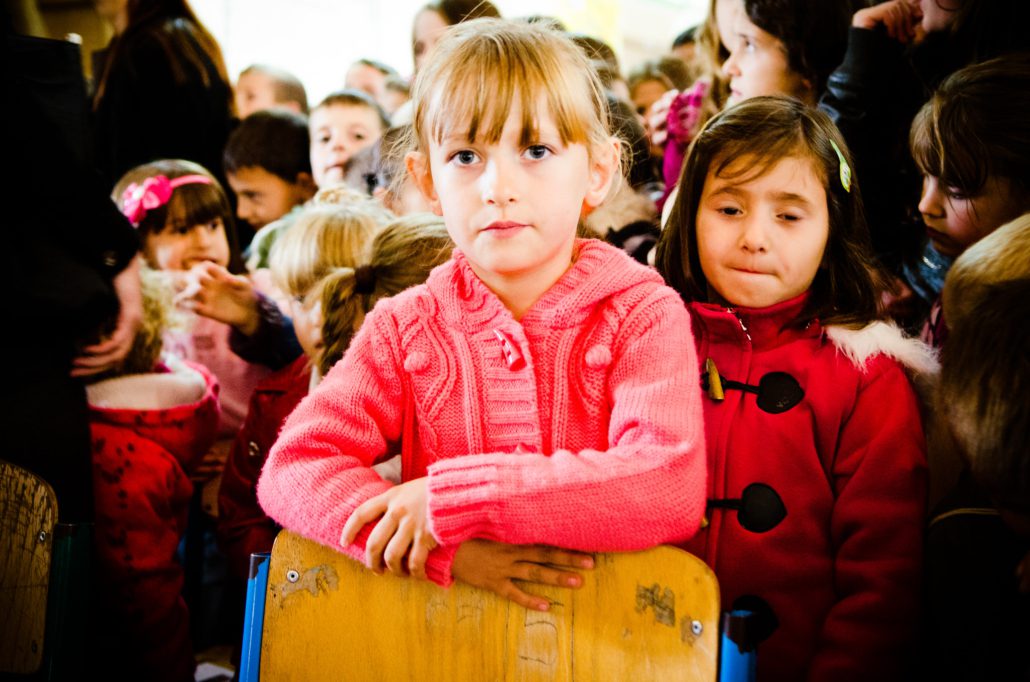
The use of child soldiers has long been a tragic consequence of war, affecting countless regions across the globe. The Kosovo War (1998–1999) was no exception, with reports highlighting the involvement of child soldiers in armed groups like the Kosovo Liberation Army (KLA). Today, Kosovo has largely transitioned from its wartime past to a period of relative stability. However, there is little evidence to suggest current use of child soldiers in Kosovo.
Kosovo War
The Kosovo War, a violent struggle for independence from Yugoslavia, saw widespread human rights violations, including the use of child soldiers.
In February 1998, the Kosovo War broke out between Albanian Kosovo residents, who sought independence and self-determination, from the Federal Republic of Yugoslavia and Serbian government forces as there was deep-seated animosity between the Albanian majority and the Serbian minority. Serbia’s policies of repression, including the systematic denial of rights to ethnic Albanians, escalated tensions. The Kosovo War lasted 15 months and 15,000 people lost their lives. In 1999, the war concluded with the withdrawal of the Serbian army and the establishment of the United Nations Interim Administration Mission in Kosovo.
Child Soldiers
The KLA, otherwise known as the Ushtria Clirimtare e Kosoves – UČK, a mostly Albanian Kosovan paramilitary group fighting for Kosovo’s independence, reportedly recruited children as young as 15. While some joined voluntarily, inspired by nationalist sentiments or familial pressure, however, there were also cases of coercion and manipulation. Furthermore, during the war, widespread poverty fueled the vulnerability of children to exploitation and becoming child soldiers.
In October 2000, the International Organization for Migration (IOM) revealed that among the 16,024 registered members of the Kosovo Liberation Army (KLA), approximately 10% were under the age of 18. Most of these minors were 16 or 17 years old, while around 2% were younger than 16. The youngest recruits, predominantly girls, were typically assigned roles such as cooking and logistical support rather than direct combat. Other girls also joined the KLA, such as a 15-year-old whose father proudly declared, “I am a soldier, my son is a soldier, my daughter is a soldier, and all my 11 children will become soldiers. We will fight until we achieve our freedom.”
Legislature After War
After the war concluded in 1999, Kosovo has since claimed independence in 2008, but the scars of war, particularly among youth, continue to be felt.
Despite this, Kosovo has made strides in ensuring the safety and future of its children. Legislative reforms in Kosovo have played a pivotal role in aligning the country’s child protection policies with international standards. Kosovo’s implementation of its 2003 Criminal Code incorporates provisions at criminalizing recruitment of child soldiers.
Articles 151 and 153 specifically address the conscription or recruitment of children under the age of 15 into national armed forces, armed groups, or their use in hostilities during international or non-international armed conflicts. These acts are considered grave violations, punishable by sentences ranging from 5 years to life imprisonment. However, these provisions apply only during an actual armed conflict.
In addition, Article 155 criminalizes the recruitment of children aged 15 to 18, irrespective of whether an armed conflict exists. This offense carries a penalty of 1 to 10 years in prison. These protocols have strengthened Kosovo’s legal frameworks to protect children from exploitation in armed groups in any future armed conflict.
Economically
Prior to the war and changes that took place on the Balkan peninsula, Kosovo was the poorest by the region’s standards. By the draw of the war, nearly half of Kosovo’s population lived below the poverty line. The conflict significantly reduced the number of able-bodied workers, caused extensive damage to most infrastructure, and severely disrupted commercial activity. Poverty was directly correlated with child soldier recruitment, as impoverished families often faced coercion, or children voluntarily joined for the promise of basic needs or nationalist fervor. Today, while progress has been made, Kosovo still grapples with significant poverty levels, with over 30% of its population living below the poverty threshold. This underscores the ongoing need to address poverty as a root to prevent the cause of child exploitation and can help reduce ethnic tensions to prevent another war.
Conclusion
During the Kosovo War, child soldiers were a significant percent of soldiers, showing how poverty and conflict affects vulnerable populations.
Today, while the recruitment of child soldiers in Kosovo has largely ceased, the scars of war remain in economic hardship. Addressing ongoing economic hardship and strengthening child protection laws are essential steps in preventing future exploitation. By fostering education, economic opportunity and community resilience, Kosovo can continue its post-conflict recovery for peace and stability.
– Avery Hazard
Avery is based in Spain and focuses on Politics for The Borgen Project.
Photo: Flickr

Fight Against Malaria in Ethiopia
Causes
Malaria, a disease caused by the Plasmodium parasite, has historically been a significant threat to Ethiopia. One notable example is the devastating 1958 epidemic, which affected 3 million people in a 100,000-square-mile radius and resulted in an estimated 150,000 deaths. Ethiopia’s battle against malaria is deeply rooted in its geographic and climatic conditions. The severity of the 1958 epidemic was partly attributed to the harsh natural conditions of the area where the outbreak occurred, where the altitude range was estimated to be between 1,600 and 2,150 meters above sea level.
The country’s varied landscapes, from lowland plains to highland areas, create ideal environments for the Anopheles mosquito, which carries the malaria parasite, to thrive. Seasonal rains, especially in the western and southern regions, such as in and around the Gambella National Park, help mosquitoes breed, leading to spikes in malaria cases. Varying climatic conditions have made weather patterns less predictable, making it even harder to control the spread of the disease.
Combating Malaria in Ethiopia
Efforts to combat malaria in Ethiopia have evolved over the decades. The country has implemented various strategies, including widespread distribution of insecticide-treated bed nets (ITNs). Further measures include indoor residual spraying (IRS) and access to effective antimalarial drugs. Community health programs, such as the Health Extension Program, have played a crucial role in improving early diagnosis and treatment in rural areas.
Despite these efforts, gaps remain in reaching the most vulnerable populations, particularly in remote regions with limited health care infrastructure, such as the Benishangul-Gumuz state in northwest Ethiopia. Additional challenges are posed following the rise of insecticide resistance among mosquito populations and the potential for drug-resistant malaria strains. This underscores the need for sustained investment in research, developing new tools such as next-generation antimalarials and vaccines and adapting strategies to local contexts.
Ethiopia’s partnership with international organizations like the World Health Organization (WHO) and the Global Fund has been vital. However, the scale of the problem demands a coordinated and persistent effort from local and global stakeholders.
Final Remark
Addressing the socioeconomic factors contributing to malaria transmission in Ethiopia is equally essential. Poverty, inadequate housing and limited access to clean water and sanitation exacerbate the spread of the disease. Strengthening health systems, enhancing community awareness and promoting economic development are essential components of Ethiopia’s comprehensive approach to malaria elimination.
Maintaining a strong fight level for Ethiopia is paramount, as malaria looks like it will be around for a while. The disease is a health issue and a developmental challenge affecting education, economic productivity and overall well-being. By intensifying its efforts and leveraging innovations in public health, Ethiopia can move closer to a future free from the devastating impact of malaria.
– Joe Lockett
Photo: Flickr
Child Soldiers in Kosovo
The use of child soldiers has long been a tragic consequence of war, affecting countless regions across the globe. The Kosovo War (1998–1999) was no exception, with reports highlighting the involvement of child soldiers in armed groups like the Kosovo Liberation Army (KLA). Today, Kosovo has largely transitioned from its wartime past to a period of relative stability. However, there is little evidence to suggest current use of child soldiers in Kosovo.
Kosovo War
The Kosovo War, a violent struggle for independence from Yugoslavia, saw widespread human rights violations, including the use of child soldiers.
In February 1998, the Kosovo War broke out between Albanian Kosovo residents, who sought independence and self-determination, from the Federal Republic of Yugoslavia and Serbian government forces as there was deep-seated animosity between the Albanian majority and the Serbian minority. Serbia’s policies of repression, including the systematic denial of rights to ethnic Albanians, escalated tensions. The Kosovo War lasted 15 months and 15,000 people lost their lives. In 1999, the war concluded with the withdrawal of the Serbian army and the establishment of the United Nations Interim Administration Mission in Kosovo.
Child Soldiers
The KLA, otherwise known as the Ushtria Clirimtare e Kosoves – UČK, a mostly Albanian Kosovan paramilitary group fighting for Kosovo’s independence, reportedly recruited children as young as 15. While some joined voluntarily, inspired by nationalist sentiments or familial pressure, however, there were also cases of coercion and manipulation. Furthermore, during the war, widespread poverty fueled the vulnerability of children to exploitation and becoming child soldiers.
In October 2000, the International Organization for Migration (IOM) revealed that among the 16,024 registered members of the Kosovo Liberation Army (KLA), approximately 10% were under the age of 18. Most of these minors were 16 or 17 years old, while around 2% were younger than 16. The youngest recruits, predominantly girls, were typically assigned roles such as cooking and logistical support rather than direct combat. Other girls also joined the KLA, such as a 15-year-old whose father proudly declared, “I am a soldier, my son is a soldier, my daughter is a soldier, and all my 11 children will become soldiers. We will fight until we achieve our freedom.”
Legislature After War
After the war concluded in 1999, Kosovo has since claimed independence in 2008, but the scars of war, particularly among youth, continue to be felt.
Despite this, Kosovo has made strides in ensuring the safety and future of its children. Legislative reforms in Kosovo have played a pivotal role in aligning the country’s child protection policies with international standards. Kosovo’s implementation of its 2003 Criminal Code incorporates provisions at criminalizing recruitment of child soldiers.
Articles 151 and 153 specifically address the conscription or recruitment of children under the age of 15 into national armed forces, armed groups, or their use in hostilities during international or non-international armed conflicts. These acts are considered grave violations, punishable by sentences ranging from 5 years to life imprisonment. However, these provisions apply only during an actual armed conflict.
In addition, Article 155 criminalizes the recruitment of children aged 15 to 18, irrespective of whether an armed conflict exists. This offense carries a penalty of 1 to 10 years in prison. These protocols have strengthened Kosovo’s legal frameworks to protect children from exploitation in armed groups in any future armed conflict.
Economically
Prior to the war and changes that took place on the Balkan peninsula, Kosovo was the poorest by the region’s standards. By the draw of the war, nearly half of Kosovo’s population lived below the poverty line. The conflict significantly reduced the number of able-bodied workers, caused extensive damage to most infrastructure, and severely disrupted commercial activity. Poverty was directly correlated with child soldier recruitment, as impoverished families often faced coercion, or children voluntarily joined for the promise of basic needs or nationalist fervor. Today, while progress has been made, Kosovo still grapples with significant poverty levels, with over 30% of its population living below the poverty threshold. This underscores the ongoing need to address poverty as a root to prevent the cause of child exploitation and can help reduce ethnic tensions to prevent another war.
Conclusion
During the Kosovo War, child soldiers were a significant percent of soldiers, showing how poverty and conflict affects vulnerable populations.
Today, while the recruitment of child soldiers in Kosovo has largely ceased, the scars of war remain in economic hardship. Addressing ongoing economic hardship and strengthening child protection laws are essential steps in preventing future exploitation. By fostering education, economic opportunity and community resilience, Kosovo can continue its post-conflict recovery for peace and stability.
– Avery Hazard
Photo: Flickr
Impact of UK Foreign Aid Cuts on Global Health and Education
Impact on Health Programs
Reducing U.K. foreign aid is expected to significantly impact health initiatives supporting some of the world’s most vulnerable populations. For decades, U.K. foreign aid has funded essential health programs, including vaccination campaigns against diseases like malaria, HIV and tuberculosis and maternal and child health services.
The U.K., for example, has been a major contributor to the Global Fund to Fight AIDS, Tuberculosis and Malaria. In 2022, the U.K. pledged £1 billion to the Global Fund over three years. This funding has helped provide antiretroviral therapy to about 23 million people living with HIV, distribute 133 million insecticide-treated nets to prevent malaria and detect and treat 5.5 million cases of tuberculosis. The cuts can potentially reduce the U.K.’s contribution, impacting these life-saving interventions.
Vaccination and Disease Prevention
Reduced funding could immediately affect vaccination and disease prevention efforts in low-income regions. U.K. aid or ODA has been instrumental in helping programs such as the Global Fund and Gavi, the Vaccine Alliance, to supply vaccines and improve health infrastructure in Sub-Saharan Africa and other high-need areas. With less funding, these organizations may struggle to provide adequate immunization, increasing the risk of outbreaks.
Maternal and Child Health
Programs focusing on maternal and child health are likely to face significant challenges due to the cuts. An assessment by civil servants warned that thousands of women will die in pregnancy and childbirth and hundreds of thousands more will face unsafe abortions because of cuts to the U.K.’s foreign aid budget. For instance, the U.K. has been a key supporter of UNICEF’s maternal and child health programs.
In 2022, the U.K. contributed £39 million to UNICEF’s core resources. These funds have supported initiatives like providing skilled birth attendants and essential newborn care in low-income countries. A reduction in funding could limit the reach of these critical services, potentially affecting maternal and child mortality rates.
Clean Water and Sanitation
The U.K. has long supported clean water and sanitation initiatives in low-income regions. Reduced funding could limit the scale of these programs, compromising access to safe drinking water and adequate sanitation in areas that need it most. This, in turn, could lead to a rise in preventable illnesses linked to poor water quality and inadequate hygiene.
Impact on Education Programs
The U.K. foreign aid cuts are also expected to have a significant impact on education initiatives in developing countries. These programs have been crucial in improving access to primary education, particularly for girls and children in remote areas.
A specific initiative that could be affected is the Girls’ Education Challenge (GEC), funded by the U.K. government. Since 2012, the GEC has supported up to 1.5 million girls in 17 countries to improve their learning outcomes and find pathways for progression. The program has been particularly effective in conflict-affected areas like South Sudan and Afghanistan.
Reduced funding could limit the scope and reach of such transformative programs. Moreover, support for education has been particularly affected by previous cuts, dropping from a high of 13.5% of the aid budget in 2013 to just 3.7% in 2022. Further reductions could exacerbate this trend, potentially leaving millions of children without access to quality education.
U.K.-funded programs have been instrumental in promoting girls’ education in many countries. The cuts may limit the reach of initiatives aimed at keeping girls in school, potentially affecting gender equality in education and long-term economic opportunities for women.
Organizations Working to Mitigate the Impact
Despite the challenges posed by these cuts, several organizations are working tirelessly to mitigate the impact. Education Cannot Wait (ECW) is one such organization, a global fund dedicated to education in emergencies and protracted crises. ECW is actively mobilizing resources and partnerships to ensure that children in the most vulnerable situations continue to have access to quality education.
In 2022, ECW investments reached 7 million children and adolescents – 48% of whom are girls – with quality education in 32 crisis-affected countries. The organization has also leveraged an additional $1.1 billion in co-funding toward these programs. Such efforts demonstrate the ongoing commitment of the international development community to finding innovative solutions in the face of funding challenges.
Looking Ahead
While the U.K. foreign aid cuts pose significant challenges to global health and education programs, the international development community remains committed to finding innovative solutions. By supporting organizations like ECW and advocating for sustained investment in global development, organizations and individuals could work toward ensuring that the world’s most vulnerable populations continue to receive the support they need.
– Isabel Gallagher
Photo: Flickr
Digital Skills Training in Cameroon: Employment and Poverty
Unemployment, Women and Poverty in Cameroon
Globally, the COVID-19 pandemic exacerbated unemployment, with women disproportionately affected due to caregiving responsibilities and job losses in sectors with high female participation. In 2020, the equivalent of 255 million full-time jobs were lost. This has particularly affected women, those in informal employment and those in developing nations. In Cameroon, women’s labor force participation has declined over the decades and they face a higher unemployment rate of 6.1% compared to 3.8% for men.
More than 80.5% of employed women are in vulnerable positions compared to 64% of men, meaning their work lacks the protections to shield them from economic shocks. Such systematic disparities heighten the risk of poverty for women in Cameroon. Limited access to education and societal biases further compound their challenges, narrowing their pathways to stable, high-quality employment.
Digital Skills Training in Cameroon: The Benefits
The digital economy offers a transformative opportunity to address unemployment and poverty among women in Cameroon. New pathways open up for secure employment in growing sectors like digital marketing, web development, content creation and data analysis by equipping women with digital skills. Unlike informal jobs, digital professions often provide flexible conditions, opportunities for self-employment and higher income security.
These jobs empower women economically and contribute to broader economic growth by tapping into an underutilized segment of the workforce. In Cameroon, the digital economy has steadily grown, contributing 3.5% to the gross domestic product (GDP) in 2016, with even more tremendous potential for the future. However, women currently represent only 20% of digital workers, highlighting the need for targeted initiatives to bridge this gap.
Data Girl Technologies: Driving Change
Organizations like Data Girl Technologies are pivotal in this transformation. Dedicated to empowering women through digital skills training in Cameroon, Data Girl Technologies provides education and mentorship tailored to young African women. Through hands-on workshops and practical training, participants gain job-ready skills in programming, website design and digital marketing.
Data Girl Technologies creates pathways to overcome unemployment and vulnerable work by equipping women with these skills. These efforts enable women to achieve financial independence, pursue entrepreneurial ventures and contribute meaningfully to Cameroon’s economic growth.
Digital Training: A Catalyst for Poverty Reduction
Addressing unemployment among women through digital skills training in Cameroon has a cascading effect on poverty reduction. Digital professions reduce women’s vulnerability to economic shocks by providing access to secure, high-quality jobs. At the same time, the inclusion of women in the digital workforce fuels broader economic development, creating a virtuous cycle that benefits communities and the nation as a whole.
As policymakers and organizations like Data Girl Technologies continue to invest in women’s digital education, they are addressing immediate employment challenges and laying the groundwork for long-term poverty eradication. By closing the gender gap in digital professions, Cameroon can unlock the full potential of its workforce, ensuring a more inclusive and prosperous future.
– Sarah Maunsell
Photo: Flickr
Givelight and Poverty in Cambodia
Less than half of the youth in Cambodia receive a comprehensive education. Generational poverty compels older children and teenagers to start working immediately after primary school, perpetuating the cycle of poverty. The scarcity of teachers and inadequate governmental infrastructure further hinder access to quality education, which is crucial for pursuing successful careers and futures beyond Cambodia’s borders. Additionally, the high student-to-teacher ratio limits personalized attention and academic support. Many students in rural areas also lack the transportation needed to reach government schools, leaving them with options like work training, homeschooling or no education.
Givelight Foundation’s Role in Supporting Orphans
Recently, a representative from the Givelight Foundation, who preferred to remain anonymous, shared insights with The Borgen Project about the organization’s efforts in Cambodia. This nonprofit organization focuses on providing shelter and support to orphans across the country. Since opening a large orphanage in Cambodia in 2013, it now cares for more than 70 children. The representative described the acute challenges these children face, highlighting the scarcity of essential resources.
Anonymous shared that the children in the orphanage undergo thorough vetting and typically come from single-parent households or have no parents at all. Many enter the orphanage because their surviving parents cannot financially support them due to job insecurity, illness or unsafe living conditions. She also shared insights into the children’s daily activities and interests at home in Cambodia. The children enjoy participating in group games led by team leaders and supervisors. They are particularly keen on learning new Western games like Simon Says and various dance moves and they also love drawing, coloring and writing short stories and poetry.
Educational and Health Care Support
The orphanage has dedicated space specifically for learning, equipped with all necessary educational resources, including books that match the academic level of the children. It also provides school uniforms, textbooks, meals and writing materials to support their educational journey. After completing secondary education, children are encouraged to pursue higher studies with the help of available scholarships. On the health care front, the orphanage ensures that each child receives a monthly stipend to cover health-related needs. Due to stringent sanitation measures and routine vaccinations, most children remain healthy throughout the year. The stipend is distributed equally among all children, ensuring consistent support regardless of individual health changes.
Establishment and Expansion of the Orphanage
Despite numerous challenges in developing countries, Givelight and similar organizations strive to deliver comprehensive education and essential resources to children, aiming to break the cycle of poverty. Givelight operates in 13 countries and supports more than 1,000 orphans. Anonymous detailed the development of its facility in Cambodia, established in 2013, starting with a land donation that facilitated the registration of Givelight as a nonprofit. Identifying orphans in need within the region soon followed.
The organization then repurposed 2 hectares of rubber plantations for the orphanage, renovating the space to meet the children’s needs. She highlighted that this was one of Givelight’s initial projects and spurred further global expansion due to the clear need in various communities. The Cambodia orphanage has grown significantly with the support of full-time supervisors and teachers. Initially supporting 50 children, it has expanded its capacity and funding to accommodate more than 70 orphans, continuously enhancing their educational opportunities.
Additional Support for Cambodian Youth
Many organizations support marginalized youth, including Empowering Youth in Cambodia, which offers free quality education in Phnom Penh, Cambodia. Serving students aged 6 to 24, the organization operates three community centers providing English and coding classes, libraries, scholarships and job training and placement. It emphasizes personal development through sports, art, music and leadership camps while also engaging in community outreach. Each school features a medical clinic accessible to the community and collaborates with local family planning clinics to assist women in the area.
Organizations like Caring for Cambodia run programs focused on providing food to youth in need. The Food for Thought initiative serves two daily meals to students enrolled in Caring for Cambodia’s educational programs. These meals encourage parents to send their children to school and significantly improve students’ focus in class. The meals typically include Manna Packs of fortified rice and protein, enhanced with fish sauce containing added vitamins and locally grown vegetables to boost nutritional value. These well-planned meals play a critical role in addressing widespread malnutrition among Cambodian youth.
Looking Ahead
Organizations supporting Cambodian youth are fostering critical changes by enhancing access to education, health care and nutritional support. Their initiatives provide vulnerable children with the resources needed to pursue better opportunities and escape poverty. By creating sustainable programs tailored to local needs, these ongoing efforts build a foundation for long-term community development and improved living conditions for future generations.
– Sophia Kharal
Photo: Flickr
The Fight Against Child Poverty: UNICEF’s World Children’s Day
As a U.N. charity, UNICEF operates in more than 190 countries, defending children’s rights and ensuring access to education, health care, nutrition, shelter and protection from conflict. The organization amplifies the voices of children living in poverty and advocates for global action to combat child poverty.
UNICEF and Celebrity Support
To mark World Children’s Day 2024, UNICEF’s Celebrity Ambassadors led a fundraising campaign to support the organization’s work. President Olivia Colman and Ambassadors Robbie Williams, Andy Murray, Ramla Ali and Claudia Schiffer collaborated to design T-shirts sold to raise donations. All profits went directly to helping children in crisis, with a focus on Sudan, Gaza and Ukraine.
Reflecting on the campaign, Claudia Schiffer said, “I hope [the T-shirts] will raise vital funds for UNICEF’s work for children, protecting their rights, so they can experience things all children need […] some in the most difficult circumstances.” To further support the fight against child poverty, UNICEF hosted the “Once Upon Our Time” celebrity gala at Frameless in London to mark World Children’s Day. The evening featured celebrations, stories from children impacted by UNICEF’s work and a celebrity auction.
Samar’s story, an 11-year-old among 5 million children displaced by conflict in Sudan, was a key focus of the event. UNICEF highlighted its efforts to provide safe spaces and improve access to mental health support for children in the region. The live auction included exclusive experiences, such as a golfing session with James Nesbitt and a meet-and-greet with UNICEF President Olivia Colman. The gala raised £670,000 to support the organization’s World Children’s Day 2024 fundraising initiatives.
World Children’s Day Helps Children in Gaza
UNICEF used World Children’s Day to spotlight the urgent need for humanitarian aid to support children in Gaza. At least 14,000 children have been killed and nine in 10 residents are displaced. Children face extreme poverty, with little access to food, water, shelter and health care.
World Children’s Day raised awareness and funds to provide critical aid in Gaza. With 96% of the population experiencing extreme food insecurity, UNICEF has delivered nutrition services to families and screened more than 125,000 children for malnutrition. Additionally, the organization has also ensured safe water for more than 800,000 children and continues to distribute medical supplies, polio vaccinations, hygiene kits and basic sanitation support.
Other Charities Supporting World Children’s Day
Save the Children plays a vital role in fighting child poverty worldwide, working to ensure children have access to food, education, health care and social protection. The charity focuses heavily on supporting children during crises when they are most vulnerable. For World Children’s Day 2024, Save the Children joined calls for educational reform, the reopening of schools and improved access to health care.
World Vision actively supports World Children’s Day and the fight against child poverty. As a Christian charity, it focuses on aiding vulnerable children and providing immediate relief during crises. World Vision has worked with communities for up to 15 years, ensuring children are safe and healthy before concluding its efforts. On World Children’s Day, the charity highlights progress in improving children’s lives and advocates for investments in their futures. World Vision has helped more than 200 million children globally, with its feeding program achieving an 89% cure rate and its tuberculosis program reaching an 88% success rate.
Looking Forward
The annual World Children’s Day helps charities like UNICEF, Save the Children and World Vision help children most vulnerable in the fight against global poverty. Other charities assisting the cause include Feed the Children, Plan International and Mission Together. The day serves as recognition for their work and an opportunity to increase fundraising for future aid and assistance.
– Ellie Western
Photo: Flickr
Top 10 Facts About Hunger in New Zealand
10 Facts about Hunger in New Zealand
– Staff Reports
Photo: Flickr – Daniel Orth
COVID-19 and Poverty in the Czech Republic
The Standard of Living
According to the Czech Statistical Office, the cost of living in the Czech Republic remained stable from 2019 to 2021, largely due to restrictions that kept people indoors. The poverty rate also showed a temporary decline during this period, dropping from 10.2% in 2019 to 8.6% in 2020. However, as restrictions were lifted and economic activities resumed, the cost of living and poverty rates began to rise again. By 2023, the poverty threshold in the country had increased to 201,283 CZK (approximately $9,000), compared to 153,811 CZK in 2019. For Czech citizens, this shift represents a significant financial strain.
Responding to COVID-19
At the height of the pandemic in 2020, the Czech Republic repurposed its Exhibition Center in Prague to build a temporary hospital. Smaller hospitals struggled to cope with rising cases, prompting the military to lead preparations for the overflow. Colonel Ladislav Šlechta of the Czech Army remarked that such facilities had not been deployed since World War I. While these measures saved lives, economic consequences proved inevitable. By 2023, the Czech National Bank forecasted a minimal economic growth rate of 0.1%, attributing this stagnation to reduced household purchasing power and rising living costs. In contrast, the International Monetary Fund projected recovery across much of Europe, further highlighting Czechia’s unique struggles.
Government and Nonprofit Efforts
Efforts to address poverty in the Czech Republic are ongoing. The European Anti-Poverty Network (EAPN) identified housing as one of the main contributors to rising poverty levels, particularly for the elderly and low-income families.
Key initiatives recommended by the EAPN include:
While the Czech government’s current plan involves cutting spending to boost savings and revenue, organizations like the EAPN argue this is only a temporary fix. It stresses the importance of sustainable, long-term strategies to address poverty effectively.
A Path Forward
The COVID-19 pandemic amplified existing economic vulnerabilities in the Czech Republic, particularly for those already living near the poverty line. Efforts from government initiatives and advocacy groups reveal a growing recognition of these ongoing challenges. By prioritizing affordable housing, debt reform and comprehensive support systems, the Czech Republic has an opportunity to reverse rising poverty trends and support its most vulnerable citizens. As history has shown, economies can recover over time and with targeted solutions, the Czech Republic can potentially emerge stronger, ensuring a better future for all its people.
– Sadie Treadwell
Photo: Flickr
Fighting Poverty in Nigeria by Creating Jobs
Poverty in Nigeria: A Youthful Outlook
To accomplish such a feat, the country has created a Youth Entrepreneurship Investment Bank for the specific purpose of financing youth in the country, regarding their entrepreneurial endeavors. Nigerian leaders hope that the $100 million invested into such an establishment would make a positive impact in the reduction of Nigeria’s multidimensional poverty. Nigeria’s Multidimensional Poverty Index (MPI) is at 0.175, according to the 2024 Human Development Reports. While this index would indicate a better performance regarding multidimensional poverty, the impact still exists in the country.
The country’s African Development Bank (AfDB) Group President expresses his hope that the youth will help the country rise with the following statement: “Certainly, Nigeria, 64 years after independence, should not be a developing country. Nigeria should be a developed nation!”
Nestle: Empowering Nigeria’s Women
Through its “Rural Women Empowerment Program,” Nestle is providing various opportunities for women in Nigeria. According to Vanguard, the program provides training, mentoring and grants to young Nigerian women in rural areas looking to boost their businesses, sometimes providing up to three times the value of their existing businesses
Nestle is also hiring women into executive positions of leadership within the company. Women hold almost half of the company leadership positions, with 46.4% being the current number and slowly rising, with the initiation of the program that Nestle started in 2021. Since then, Nestle has empowered 332 women in the workforce in Nigeria, helping to generate financial independence and foster businesses for women for years to come.
Nigeria’s Increasing International Innovations
More recently, in November 2024, the Nigerian President attended a G20 Summit in Brazil, where he addressed the positive impacts of an alliance between Brazil and Nigeria. “By collaborating with international partners, Nigeria aims to leverage best practices, innovative solutions, and financial support to enhance its efforts to combat poverty and hunger,” he stated. The President also added that “Nigeria’s endorsement of the declaration of commitment to join the Global Alliance Against Hunger and Poverty is a significant step forward in our ongoing efforts to address hunger and poverty. The endorsement demonstrates our commitment to leveraging international cooperation and resources to bolster domestic strategies that will deliver inclusive growth and socio-economic development.”
In short, Nigeria is also utilizing its international relations with Europe and other African Nations to provide the economy with better sustainable development and long-term economic growth.
Fighting Poverty in Nigeria
Overall, Nigerian entrepreneurism and international relations would seem to be on the rise in Africa, and the reduction of poverty in the country could be the result. Between the investment bank being created, women holding leadership positions in conglomerate companies like Nestle, and alliances between Brazil and Nigeria growing stronger, the country could well be on its way to eradicating poverty within its borders. For Nigeria, an investment in the youth of today is a future for the youth of tomorrow.
– Sadie Treadwell
Photo: Unsplash
Foreign Aid to Egypt: Balancing Stability and Reform
Egypt’s economic situation is deteriorating in the current geopolitical climate, marked by the ongoing Israeli war in Gaza, and its expansion into other Middle Eastern and North African countries, compounded by political instability in Libya, the civil war in Sudan and President El-Sisi’s numerous infrastructure developments. As the country contends with inflation, debt and instability in neighboring nations, foreign aid remains critical to its economic and strategic stability.
Foreign Aid from the United States
Since 1946, the United States has provided around $85 billion in foreign aid to Egypt, primarily targeting military and strategic initiatives, with Egypt the second-largest recipient of military funding globally.
This aid aims to modernize Egypt’s military, strengthen regional security and ensure access to the Suez Canal. U.S. foreign aid has been conditioned based on fulfilling human rights criteria in attempts to boost regional stability and safety. However, in September 2024, the Biden administration granted Egypt the full $1.3 billion aid package, waiving democratic and human rights conditions. This decision drew criticism from activists who argued it undermined efforts to hold Egypt accountable for human rights violations, but the U.S. government emphasized Egypt’s key role in mediating the ongoing Israel-Gaza conflict.
USAID programs offer a solution by channeling funds into health, education and infrastructure, with more than $30 billion allocated to development projects since 2010. USAID has built more than 2,000 schools, improved water access for millions and eliminated polio. Expanding such initiatives can mitigate the risks of mismanagement. With Egypt’s role in regional geopolitics becoming increasingly complex, U.S. foreign aid highlights Egypt’s importance as a regional stabilizer and a critical ally in countering conflict in the Middle East and North Africa.
Foreign Aid from the European Union
The European Union (EU) is a major provider of economic aid to Egypt, focusing on governance, economic sustainability and migration management. Earlier this year, the EU launched a new strategic partnership with Egypt, including an aid package of €7.4 billion to reinforce stability. This is one of the most expensive financial aid deals the EU has ever partaken in and emphasizes the EU-Egypt partnership based on peace and security and a commitment to human rights, democracy and improved governance.
The EU’s funding also prioritizes renewable energy, agricultural development and socio-economic programs. For example, the EU-Egypt Renewable Energy Project has installed solar and wind farms in desert regions, generating clean energy and providing electricity to millions of households.
The IMF and the World Bank
The International Monetary Fund (IMF) and the World Bank support Egypt through loans and technical assistance tied to economic reforms and structural adjustment programs. Their involvement aims to stabilize Egypt’s economy while addressing long-term development challenges. IMF investments saw a $3 billion loan in 2022 to boost growth after external shocks, including the COVID-19 pandemic and rising food prices caused by the war in Ukraine. The program prioritized reducing public debt, enhancing social protection and promoting private-sector growth.
The World Bank complements the IMF’s approach by funding projects aimed at poverty alleviation, infrastructure development and social protection. World Bank initiatives have improved access to clean water and sanitation, developed renewable energy sources and focused on vulnerable groups. By balancing reform measures with expanded social protections, the IMF and World Bank can help Egypt achieve sustainable economic growth without disproportionately impacting its vulnerable populations.
A Critical Recipient
Egypt remains a critical recipient of foreign aid, balancing its role as a stabilizing force in the region with ongoing domestic challenges. While its diplomatic and humanitarian contributions, especially in Gaza, underscore its importance, concerns over human rights and economic instability highlight the complexities of international assistance. While U.S. military aid ensures regional stability, European, Gulf and institutional support fosters long-term development. Collaborative solutions, like linking governance reform to aid and expanding social safety nets, could transform foreign assistance into a catalyst for sustainable development in Egypt.
– Isobel Hurst
Photo: Unsplash