How the Global Fund Is Fighting HIV/AIDS
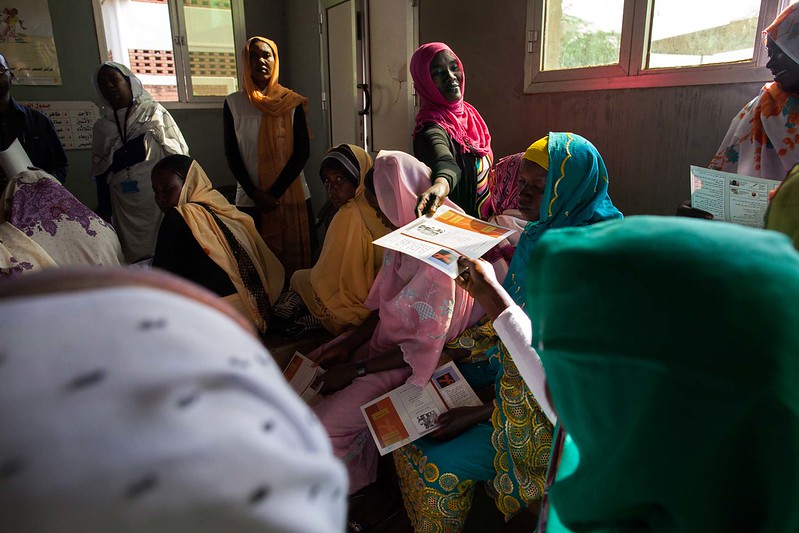 The Global Fund is a “Global Health Partnership” that receives funds from different sources, including the private sector, foundations and governments, to fight human immunodeficiency virus (HIV) and acquired immune deficiency syndrome (AIDS), Malaria and Tuberculosis. The partnership was established in 2002 and has saved 59 million lives by investing more than $60 billion in global health care systems to help ensure equal access to care across the world. The Fund’s HIV/AIDS goals include, but are not limited to, fulfilling the World Health Organization’s “Treat All” guidance and the United States Agency for International Development’s (USAID) 95-95-95 strategy.
What Is HIV/AIDS?
HIV is a virus that damages a person’s immune system, making them more susceptible to infections and other diseases. AIDS, on the other hand, is used to describe the often life-threatening infections and illnesses that occur after damage to the immune system has been caused by HIV.
HIV can be contracted by anyone through the body fluids of an infected person, through unprotected sex, sharing needles or transmission from mother to baby (via pregnancy, birth or breastfeeding). When discussing these interrelated terms, it is important to note that while HIV can be transmitted, AIDS cannot be.
With HIV treatment, “most people” can be prevented from developing AIDS-related illnesses and can get to the point of having an “undetectable viral load.”
WHO’s Treat All Guidance and USAID’s 95-95-95 Strategy
HIV is a global health care problem and as such, global organizations have set strategies in place. In 2016, the WHO launched the “Treat All” plan to tackle the number of people living with HIV, where it recommended that “all people living with HIV be provided with antiretroviral therapy (ART)” with the aim of reaching all 37 million with the virus.
Furthermore, USAID has set out another global strategy. Its 95-95-95 strategy is an HIV plan that has the following aims for 2025:
- 95% of women in their reproductive years receive comprehensive HIV and sexual and reproductive health services.
- 95% of pregnant and breastfeeding women diagnosed with HIV achieve viral load suppression.
- 95% of children born to HIV-positive mothers undergo testing for potential exposure to the virus.
The Global Fund says it is “making significant progress” toward fulfilling both the WHO and USAID guidance.
Key Populations and Why They Matter
The WHO defines a key population as a group that “frequently face legal and social challenges that increase their vulnerability to HIV, including barriers to accessing HIV prevention, treatment and other health and social services.” According to USAID, 70% of new HIV infections occur in key populations and can go unresolved due to factors like stigma, human rights violations and violence.
The Global Fund has found that due to COVID-19, progress in the prevention and treatment of HIV/AIDs was reduced, with key populations being left behind, including children, adolescent girls and young women. For instance, there is a high disparity in care between children and adults, with 43% of HIV-positive children being unable to access lifesaving treatment compared to 23% of HIV-positive adults. Targeted health care tailored to these populations is crucial. Failure to address their infection rates undermines the long-term goal of eradicating HIV and AIDS.
What Has the Global Fund Done?
So far, the Global Fund has invested more than $25.5 billion in global HIV/AIDS care, providing more than a quarter of all international financing for this disease. Furthermore, in 2022, the organization provided antiretrovirals for 24.5 million people. In the same year, more than 15 million people, including 710,000 HIV-positive expectant mothers, received preventative care as a result of the partnership.
In fact, in the countries where it provided care, 82% of mothers were able to prevent the spreading of HIV to their babies. Moreover, due to the high number of HIV tests carried out, 53.1 million, the Global Fund was able to create a 72% reduction in AIDS-related deaths in countries where it operates.
The partnership has also identified 13 countries that have been made a priority, where key populations such as young women and adolescent girls are specifically targeted to benefit from HIV prevention programs. This is because they are “more than three times as likely” to contract HIV than their male counterparts.
Looking Ahead
In July 2021, the Global Fund released its 2023-2028 strategy, a continuation of all the work that it has done so far to improve health care outcomes globally. Its mission is officially to “To attract, leverage and invest additional resources to end the epidemics of HIV, tuberculosis and malaria, reduce health inequities and support attainment of the Sustainable Development Goals.” Ultimately, it aims to create a world that is healthier and better for all.
– Rachael Denton-Snape
Rachael is based in High Wycombe, UK and focuses on Global Health for The Borgen Project.
Photo: Flickr
