Bridge International Academies: Education and the Poverty Cycle
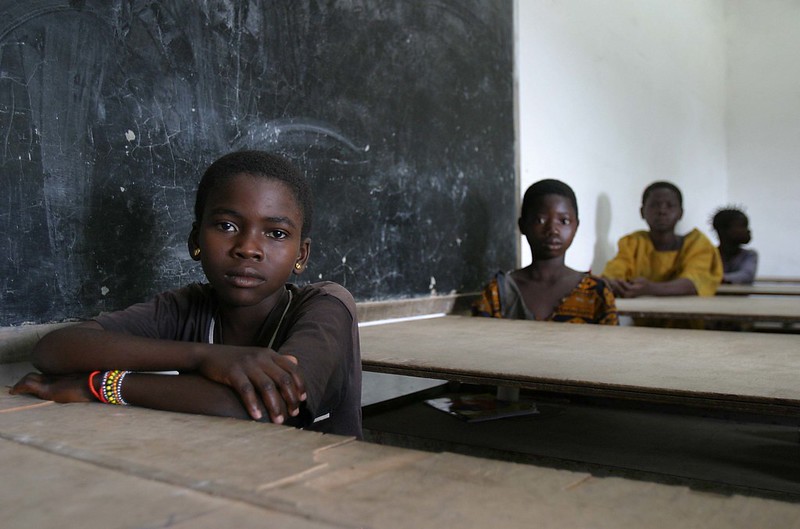 Access to quality education can transform lives, offering children in low-income communities a way out of poverty. Studies reveal that individuals with higher levels of education earn more, live healthier lives and contribute to their communities. However, educational inequality still hinders millions of children from accessing quality schooling, making it challenging to break the poverty cycle. The following explores the success stories of organizations like Bridge International Academies, where education has changed communities and highlights the obstacles that still prevent it from reaching all who need it.
Transforming Lives in Low-Income Communities
The link between education and poverty alleviation is well-documented. Children who receive quality education acquire skills to secure better jobs, earn higher incomes and lift themselves out of poverty. In countries such as Bangladesh and Kenya, organizations have invested in educating children from impoverished backgrounds to create generational change.
For example, the nonprofit organization Bridge International Academies in Kenya provides affordable, high-quality education in underserved communities. With more than 500 schools across Kenya, Uganda and Nigeria, Bridge International has helped students achieve scores significantly above national averages, creating a pathway out of poverty for thousands of students. Through affordable tuition, comprehensive teacher training and tech-integrated classrooms, Bridge International exemplifies how education can change the trajectory of low-income communities.
In Bangladesh, BRAC operates one of the largest education programs in the world. BRAC’s education model empowers young girls in rural villages to attend primary and secondary school. BRAC has proven that education dramatically reduces poverty and gender inequality: its alumni reveal a 30% increase in household income compared to nonparticipants, effectively breaking the poverty cycle within these communities. By prioritizing girls’ education, BRAC addresses poverty and promotes gender equity.
Challenges
Despite these successes, significant obstacles remain in delivering quality education to all children in poverty. In many developing countries, children face barriers, including inadequate school infrastructure, a shortage of qualified teachers and insufficient government funding.
- Inadequate Funding for Education Programs. Underfunded schools lack necessary resources like textbooks, desks and classroom materials, limiting students’ learning experiences. In Sub-Saharan Africa, about 20% of primary school-age children are out of school, largely due to underfunded education systems. Low-income communities often depend on external aid, which can be inconsistent or insufficient to meet UNICEF’s demand.
- Teacher Shortages and Training Gaps. In many impoverished regions, schools face severe teacher shortages and available teachers may lack proper training. A well-trained teacher improves student outcomes, but in places like rural India and Sub-Saharan Africa, underqualified teachers remain a common challenge. In response, organizations such as Teach For All recruit and train local educators to improve teaching quality in low-income communities.
- Gender Inequality in Education Access. Girls in low-income regions face additional hurdles, such as early marriage, household responsibilities and cultural biases that prioritize boys’ education over girls’. According to UNESCO, girls make up 48% of the global out-of-school population. Programs like BRAC’s girls’ education initiatives work to reverse these ongoing trends by ensuring girls receive equal access to education, empowering them to contribute economically and socially to their communities.
- Impact of Conflict on Education. Conflict-affected regions suffer severe setbacks in education access, as schools may be destroyed, occupied or unsafe for children. For instance, in countries like Syria and Yemen, millions of children cannot attend school due to ongoing violence. Organizations like UNICEF provide emergency education resources in these areas, but the instability makes it challenging to establish consistent educational progress.
Moving Forward
Ending poverty through education requires global cooperation and sustained investment in educational access and quality. Governments, NGOs and private organizations must work together to fund schools, train teachers and ensure equitable access to education. Programs that prioritize marginalized groups, improve teaching quality and address barriers like gender inequality and conflict could create the most substantial impact.
Countries that prioritize education see the rewards in their workforce, economy and social development. Bridge International Academies, BRAC and Teach For All demonstrate that breaking the poverty cycle through education is possible. While significant challenges remain, these success stories underscore the transformative power of education in reducing poverty globally.
– Olivia Barker
Olivia is based in the UK and focuses on Good News for The Borgen Project.
Photo: Flickr
