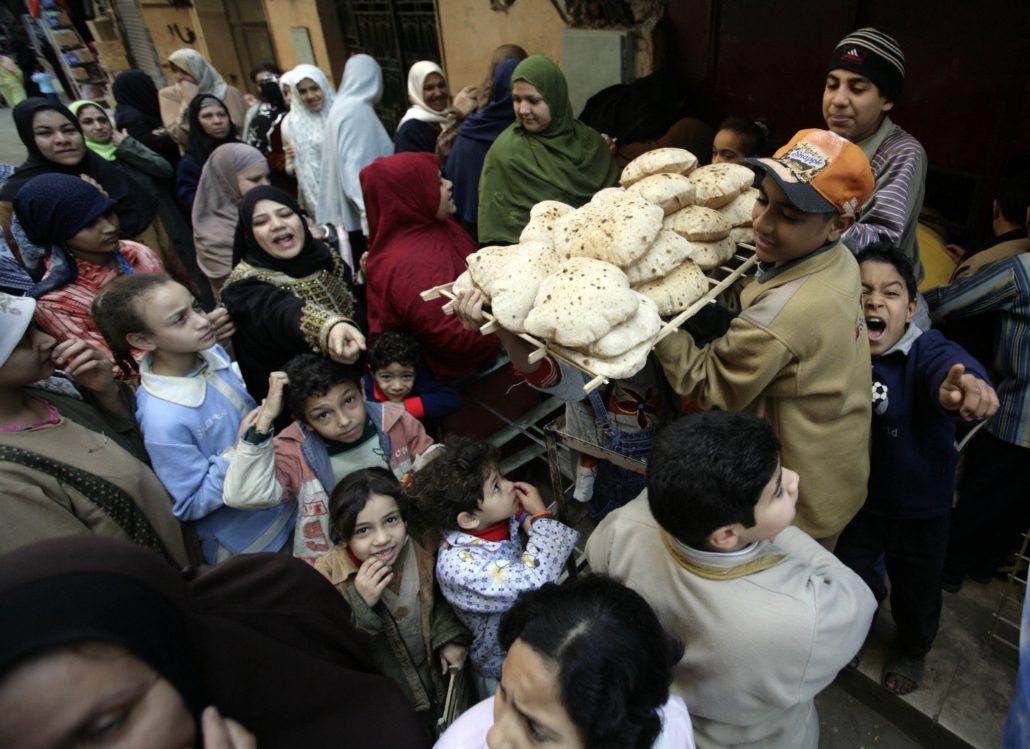
 According to the World Food Programme (WFP), 14.4% of Egypt’s 106.7 million population face food insecurity. Egypt’s 21% stunting rate, which indicates the percentage of children too short for their age, indicates that malnutrition continues to be a national health concern. Between 2022 and 2024, a unique set of circumstances aggravated the issues in Egypt’s food system, which have been long present in the country. However, new plans that the Egyptian government presented indicate a possible way forward in 2025.
The Roots of Egypt’s Food Insecurity
Egypt’s agronomic issues are a major cause of its food insecurity. This food insecurity aggravates and is aggravated by its economic issues. Due to the growing threat of changing weather patterns, Egypt is experiencing chronic desertification and land degeneration. According to a United Nations report from November 2024, “around 100 million hectares…of healthy and productive land is being degraded each year due to drought and desertification.” This scale of land degeneration is especially critical in Egypt considering the already limited nature of its farmland. Only around 4% of Egypt’s land is fit for agriculture, with the rest of the country being deserted and secluded from its main irrigation method, the Nile.
The drought brought on by the changing climate, coupled with a growing population, also means that Egypt experiences severe water scarcity. Not only does this water scarcity impact its irrigation, and thus Egypt’s food system, but its poor irrigation methods also impact its water scarcity. The country already uses approximately 90% of the Nile water for its agricultural system, meaning only 10% is available as drinking water for its population. The low efficiency of these agricultural systems and the increasing demand for water means that since the 1970s, Egypt has had to import water and food to make up for its scarcity. This reliance on importing water and food presents a huge financial burden on the country and also makes it more vulnerable to external shifts.
Bread and Egypt’s Food Subsidies
Egypt’s reliance on imports has everything to do with its food subsidies. More than 60 of the 105 million citizens depend on Egypt’s subsidized food system for sugar, pasta, and most importantly, bread. Bread is the main source of subsidized nutrition for the large majority of Egypt’s population, which consumes double as much as the country can produce. With wheat being one of the most water-intensive crops and Egypt’s lack of water, the country has become the largest importer of wheat in the world.
This presented a problem for Egypt in February of 2022, when the world’s largest exporter of wheat, Russia, declared war on Ukraine, the world’s fifth largest exporter of wheat. This sent Egypt into a crisis because historically, concretely, and symbolically access to bread represents the population’s stability. From the 1977 bread riots to the 2011 slogan “bread, freedom, social justice,” bread has long represented the struggle of the average Egyptian.
As the World Bank Group puts it, “Egyptians seem to perceive food subsidies as the most concrete benefit they receive from government spending. Seen as an entitlement, food subsidies are politically sensitive.” This history of bread in the country puts further pressure on Egypt when making changes to its agriculture, imports or subsidies.
Criticism and a Possible Way Forward
Many have criticized Egypt’s methods of tackling its food scarcity, suggesting that the country misplaces its budget and efforts. President el-Sisi’s government has long prioritized large-scale construction projects aimed at improving the economy such as the new mega-capital located 30 miles outside of Cairo. This new capital, however, does little to accommodate or feed its most vulnerable citizens.
Moreover, though Egypt managed to maintain its subsidized system through the first few months of the 2022 Russia-Ukraine war, it increased pressure on local farmers in October 2022. During this time, the government cornered domestic farmers into selling them wheat. Though seemingly necessary in maintaining Egypt’s subsidized food system, these restrictions cut into the wheat that farmers use to feed their families. This period shed light on the possibly exploitative measures that the Egyptian government uses on local farmers. Egypt, however, does not apply this same strictness to laws that protect its agriculture. An important Egyptian regulation prohibits infrastructure on agricultural land, enforcement of which Aljazeera has described as “lax.”
The World Bank and the International Monetary Fund (IMF) have long criticized Egypt’s subsidized food system, arguing that it causes waste, pollution and does not appropriately target the poor. When Egypt borrowed $8 billion from the International Monetary Fund in 2024, there was “a zero-growth policy in the total number of subsidy beneficiaries.” However, a new move might change things in 2025. In August 2024, Egypt announced that it might shift from food subsidies to cash payments in 2025. If the World Bank is correct in its estimation, this transition to cash payments may allow Egypt to more efficiently support its population, and invest in important sectors such as health and education.
Cash Assistance to Sudanese Refugees in Egypt
As of January 6, 2025, a new CERF-funded project offers emergency cash assistance to Egypt’s Sudanese refugees, aiming to soothe their food insecurity. This $2 million grant, set to run until July, offers every refugee $14.8 monthly, which they can claim through an e-card. This initiative should provide a huge momentary relief for Egypt, giving the country a chance to put in place its cash subsidies and ease its food insecurity. Also, the second phase of the “Transforming the Livelihoods of Smallholder Farmers” project is set to take place in 2025. Funded by five banks, in collaboration with the Central Bank of Egypt and the WFP, the project aims to improve the lives of small farmers by optimizing land, machine and water use. With a “34% increase in crop production, a 35% increase in net profit, and a 37.5% reduction in costs” during the first phase, the project shows great promise in its continuation through 2025. The compilation of major initiatives in Egypt may mean a decrease in food insecurity in Egypt this year.
– Sophia Ghoneim
Sophia is based in Philadelphia, PA, USA and focuses on Technology and Politics for The Borgen Project.
Photo: Flickr

Fragility and the Rule of Law in Egypt
Erosion of the Rule of Law
Since 2013, when the military ousted the democratically elected government of Mohammed Morsi, the state has been reasserting its authority with Fattah el-Sisi at the helm to prevent potential dissidence with the regime. Shortly after the coup, the new government passed a law that restricts peaceful assembly. Human Rights Watch has criticized El-Sisi’s government for violating international standards. This law allows security forces to arrest peaceful protesters arbitrarily. It subjects them to a fine or up to five years in prison.
According to Amnesty International, Fattah el-Sisi’s government systematically enacts undemocratic laws to disintegrate the rule of law in Egypt, which undermines Egypt’s stability. Fattah el-Sisi uses the pretense of preventing terrorism to crack down on a pluralist society, such as the Law of Organizing the Lists of Terrorist Entities and Terrorists, which enables the government to pursue its opponents legally.
Fattah el-Sisi’s government also passed a constitutional amendment in 2019, changing the constitutional two-term limit. This amendment enabled El-Sisi to be reelected for a third term in December 2023 with 89.6 % of the votes. Egypt feigns stability under Fattah el-Sisi’s rule. However, the erosion of the rule of law in Egypt and justice institutions bolsters grievances and distrust against the state, which increases the risk of political extremism.
Egypt’s Economic Challenges
Among the erosion of the rule of law, Egypt faces fragility. The International Monetary Fund (IMF) has agreed to increase Egypt’s $3 billion by $5 billion, which will see the Egyptian Pound plummet. Egypt’s economy suffers from decades-old poor planning, weak institutions and a dominant state that deters investment. Heavy foreign debt under Fattah el-Sisi has led to reliance on costly domestic borrowing and worsening deficits.
Amid internal economic turmoil, Egypt has proved fragile to external turmoil. Its proximity to the Gaza Strip heightens risks to the tourism industry, which accounts for 24% of the country’s gross domestic product (GDP). Moreover, revenues from the Suez Canal, a significant source of foreign currency, have decreased by 60% as Houthi attacks in the Red Sea undermine shipping. In addition, since Egypt imports 40% of its food, it is highly susceptible to external shocks, such as a rise in global food prices due to the war in Ukraine.
The Good News
Despite Egypt’s challenges, the government aims to improve the quality of life of its most impoverished citizens. The “Decent Life” initiative tackles multidimensional poverty and unemployment by enhancing families’ economic, social and environmental conditions in underserved villages. It aims to ensure access to essential services and create job opportunities to promote citizen self-reliance. The government committed around $9 billion to realize its development goals in rural areas and has strong support from the political leadership.
According to a report by the Ministry of Planning and Economic Development (MPED), the quality of life index has improved by 18% and the poverty rate has decreased by 14%. The MPED noted improvements in sustainable development goals, health service coverage improving by 24% and sanitation coverage by 46%. The initiative has thus far created 71,000 job opportunities in eight governorates. As of December 2024, the initiative’s first phase is 85.5% complete. Targeting approximately 18 million rural Egyptians, it is one of the world’s largest rural development projects.
Final Remark
The erosion of the rule of law in Egypt and its fragility highlight the intricate balance between governance and development. While the state grapples with weakening institutions and economic instability, the “Decent Life” initiative demonstrates a commitment to improving living standards and addressing poverty in rural areas. These development strides in health, education and essential services show potential for positive change amid broader adversity. However, sustainable progress requires bolstering the rule of law and addressing the root causes of economic fragility to foster long-term stability.
– Salome von Stolzmann
Photo: Pexels
US Sanctions and Poverty in Iran
The Aim of the Sanctions
The U.S. sanctions froze Iranian government assets in the U.S. and targeted nearly every sector of Iran’s economy, including oil, banking, insurance, arms trade and financial services. These measures cut off Iran’s access to overseas assets and hard currency. Sanctions also restricted third-party transactions using Iran’s currency, the rial, while designating Iran’s Central Bank as a foreign terrorist organization. These sanctions triggered a 4.8% contraction in Iran’s gross domestic product (GDP) in 2018, with the unemployment rate rising from 14.5% in 2018 to 16.8% in 2019.
Impact on Oil Exports
The sanctions severely limited Iran’s ability to export oil, a key source of revenue. Before the sanctions, Iran produced about 3.8 million barrels per day (bpd) and exported around 2.3 million bpd. By April 2019, exports had plummeted to roughly 1 million bpd, cutting billions from government revenue. This decline also reduced Iran’s foreign exchange earnings. The International Monetary Fund (IMF) estimated Iran’s foreign currency reserves at $86 billion—20% below 2013 levels.
Rising Food and Fuel Costs
The value of the rial has halved since the sanctions’ reinstatement, increasing demand for foreign currency. This erosion of savings has slashed purchasing power. The World Bank reported a sharp rise in food prices, further burdening vulnerable families. Although poverty rates in Iran had declined for two decades, they began rising again in 2014. As of 2024, the poverty rate remains high, with an estimated 40% of the population living below the poverty line. The economic crisis has also impacted nutrition. By 2014, the lowest-income 20% of Iranians consumed fewer than the 2,100 daily calories required for basic nutrition, while protein intake fell below the 60 grams needed for an average-weight adult by 2018.
Deteriorating Living Standards
Sanctions have also undermined access to health care, limiting the availability of essential medicines for epilepsy and chemotherapy treatments. These shortages have disproportionately affected low-income families, women, children and patients with chronic illnesses.
Potential Solutions and Future Prospects
Efforts to revive the Joint Comprehensive Plan of Action (JCPOA) stalled in 2022, but renewed negotiations could offer a path forward. Some Iranian policymakers advocate reducing economic ties with the West to limit future vulnerability to sanctions. In the absence of diplomatic progress, Iran may continue strengthening economic ties with Russia and China, the latter remaining a key buyer of Iranian oil. Collaborations with neighboring Middle Eastern countries could also create economic synergies that bypass sanctions. Establishing medical supply chains, facilitating food aid programs or launching United Nations (U.N.)-backed relief initiatives could alleviate humanitarian suffering while stabilizing the economy.
A Path Forward
The prospect of further sanctions under Trump’s administration threatens to deepen the country’s economic crisis. Without international support or policy shifts, poverty will likely worsen in Iran. However, combining humanitarian aid, international partnerships and domestic reforms could mitigate the impact. Initiatives focused on stabilizing the currency, reducing inflation and expanding job opportunities could be crucial in improving the quality of life for millions of Iranians.
– Amani Almasri
Photo: Flickr
Rebuilding Syria: Addressing Poverty Amidst Conflict
The Role of International Aid
As of 2024, the European Union (EU) highlighted that more than 16 million Syrians require urgent assistance. Food insecurity, economic collapse, disease outbreaks, and the devastation of infrastructure have compounded the challenges of mass displacement. The EU, with its Member States, has become the largest donor of humanitarian aid to Syria, ensuring essential services including food, healthcare, and shelter
Similarly in December, the United Kingdom, with international humanitarian agencies, recently revealed plans for a £50 million package of humanitarian aid for Syria and its neighboring countries. These funds are vital for providing immediate relief while laying the groundwork for long-term recovery, poverty reduction and rebuilding Syria. The success of such initiatives depends on their alignment with local needs and their ability to adapt to the dynamic situation on the ground.
Economic Empowerment Initiatives
Several economic empowerment programs are in place to ensure the security of Syrians. Initiatives such as job training, micro-finance and entrepreneurship schemes offer pathways to self-reliance. Both national and international organizations have implemented and supported projects that enable families and groups to earn an income despite poor conditions and limited resources. In 2023, USAID’s Syria Livelihoods Program provided technical and financial support to establish women’s centers across Syria to train 600 women entrepreneurs and support around 200 women-owned small businesses. By fostering economic resilience, programs address poverty and restore a sense of dignity and purpose among affected populations
Education: Rebuilding Futures for Syrian Children
Following the fall of al-Assad, Syria faces the great task of reconstructing its education system. As of 2024, UNICEF’s statistics reveal that 2.4 million Syrian children remain out of school, highlighting the pressing need to address educational disruptions caused by over a decade of conflict. Barriers such as overcrowded classrooms, insufficient resources and language barriers continue to hinder access to education and risk escalation of a “lost generation.” In the immediate aftermath of Assad’s overthrow, students across Syria began returning to schools, with the new leadership under Ahmad al-Sharaa, ordering schools to reopen as part of stabilization efforts for the nation.
Syria’s new education minister, Nazir Mohammad al-Qadri, announced that all educational references to the former ruling Baath party will be removed, but the school curricula will not otherwise be altered. The new administration has emphasized that girls’ right to education will remain unrestricted, ensuring education for all groups continues without interruption.
Additionally, Syrians who graduated from Turkish universities are taking key roles in the post-Assad administration in rebuilding Syria and increasing bilateral connections. Education is not only a pathway to literacy and numeracy but also a foundation for social stability and economic recovery. Sustained investment and international cooperation remain essential to ensuring that every child has access to quality education in the process of rebuilding Syria.
Diaspora Contributions
The Syrian diaspora is essential in alleviating poverty and supporting reconstruction efforts. From remittances sent to families in Syria to the establishment of NGOs, the diaspora has been instrumental in providing financial and logistical support. Throughout the conflict in Syria, diaspora communities have continuously demonstrated their willingness to leverage their experience, knowledge, assets and resources in support of Syria and Syrians, serving as a bridge between local communities and international donors, and ensuring that aid reaches those that need it the most. The main question for Syria’s transitional phase is how, rather than if, the Syrian diaspora will engage with its homeland in the aftermath of the conflict.
Advocating for Policy Change
The Syrian crisis underscores the importance of foreign aid policies and international support for long-term development assistance alongside emergency aid. Without comprehensive policies that integrate humanitarian and development goals, efforts to reduce poverty and rebuild lives will remain fragmented and insufficient. The road to rebuilding Syria is long and fraught with challenges. Still, the combined efforts of international aid organizations, economic empowerment programs, education initiatives, and the Syrian diaspora offer a look into a successful future. Addressing poverty and rebuilding Syrian lives amidst conflict requires a multifaceted approach that prioritizes both immediate relief and sustainable development.
– Isobel Hurst
Photo: Flickr
Examining the Gender Wage Gap in El Salvador
Men’s and Women’s Wages
The World Bank conducted research that shows that El Salvador scores higher than the regional average in Latin America in an index regarding the life cycle of working women, scoring an 88.8 in 2022 compared to the average of 80.4 out of 100. While a higher score shows progress, there is still room for improvement regarding the gender wage gap in El Salvador. Women in El Salvador are less likely to own or control their own assets, and only 29% of Salvadoran women have bank accounts, compared to 45% of Salvadoran men.
Women in El Salvador also spend roughly 20% of their day doing unpaid household or domestic work, which is significantly more time than men in El Salvador spend on domestic work. Men only spend 7% of their day on domestic work, which means they have more time in their day for paid labor, which puts women at an additional disadvantage. On average, employers pay women around 10 cents less than men on the dollar for their work, which means they have to work more to receive the same pay as men.
Legal Challenges
Certain legal roadblocks also impact the gender wage gap in El Salvador. As of 2022, lawmakers failed to pass any recent reforms to assist gender wage equality. Similarly, men’s and women’s retirement ages are different in El Salvador. Women in El Salvador are able to retire at the age of 55, while men must wait until age 60. While this is not an example of gender wage equality because there are different standards for men and women, there is another retirement requirement of 30 years of work that is universal for both men and women. A universal retirement age regardless of gender is a step in the right direction for equalizing the gender wage gap.
While legal issues contribute to the lack of closure of the gender wage gap in El Salvador, there are also social norms and expectations that make it more difficult for women to receive the same wage as men. Women in El Salvador experience higher rates of poverty, because they do not have equal access to economic resources. There are no laws preventing women from having equal access to these resources, but men in El Salvador are more privileged in regards to the right to land due to social norms that believe women belong in the home.
Solutions
El Salvador still has a long way to go in closing the gender wage gap, but the country has been making strides towards wage equality. In 2011, El Salvador passed a law that prohibits discrimination in the workplace based on gender, positively impacting women in the workplace.
Although laws forbid gender discrimination, they do not fully close the gender wage gap in El Salvador. While the government has not enacted the necessary changes, several organizations, including Women and Girls Empowered (WAGE), are working towards closing the gender wage gap. WAGE works with several other organizations to fight societal restrictions on wage equality, in addition to legal restrictions. It began in 2018 with a goal to aid women who are looking to grow their agency, and have done substantial research in addition to providing assistance to women in poverty in several different countries, including El Salvador. The Grameen Foundation, which is a lead partner in WAGE, accepts donations and helps to provide more information about the organization and their goals.
Looking Ahead
El Salvador is a diverse country located in South America that is working towards gender wage equality. While it has had some setbacks, including gendered retirement ages and social norms that prevent the gender wage gap from being closed, many organizations such as WAGE and The Grameen Foundation are working towards closing that gap by empowering women throughout the country.
– Lizzie Mazzola
Photo: Flickr
HIV/AIDS in Paraguay: UNAIDS at the Forefront of the Response
What Is HIV?
The human immunodeficiency virus (HIV) is an illness that affects a person’s white blood cells, specifically ones called CD4 cells, that are responsible for immune function. HIV is transmitted through the exchange of bodily fluids.
Methods of preventing the virus includes using a condom, avoiding used or unclean needles, getting tested regularly, and in some cases, preexposure prophylaxis (PrEP). Treatment for HIV/AIDS involves antiretroviral therapy (ART).
HIV/AIDS in Paraguay
Despite there being both preventative measures and treatments, HIV/AIDS is an epidemic that continues to burden many parts of the globe. In Paraguay, at least 22,000 people are currently living with HIV/AIDS. Of that number, about half are receiving ART for HIV/AIDS, meaning at least 10,000 are going without life-saving treatment.
HIV/AIDS is concentrated both geographically and among populations in Paraguay. Greater than 75% of those infected with HIV live in the country’s capital, Asunción, with the total number of nationwide cases rising each year. HIV/AIDS is also more prevalent among men who have sex with men (MSM) and sex workers.
Natanael, a young boy living with HIV in Paraguay, became an orphan when his mother died of the virus. Natanael’s mother contracted the illness at her work at a children’s home for kids with HIV, where she and her son also lived.
After her passing, Natanael became an orphan and had to continue living in the home without his mother, because his own family rejected him and his mother after discovering that they were diagnosed with HIV.
UNAIDS Response
To bring aid to people like Natanael, The United Nations has a Joint Programme called UNAIDS. UNAIDS is a global health effort that aims to address HIV/AIDS as a public health crisis.
As a result, HIV/AIDS in Paraguay and other countries may begin to see a decline as the Joint Team successfully implements different health services throughout the country.
With a program expenditure of $425,483 USD in 2022-2023, UNAIDS was able to:
The Future
Looking to the future, UNAIDS hopes not only to continue to meet their 90-90-90 goal – 90% of those with HIV are diagnosed, 90% of those diagnosed are treated with ART and 90% of those on ART become virally suppressed — but have targets of 95-95-95.
UNAIDS in Paraguay has worked not only to achieve its 95-95-95 goal but to prevent HIV/AIDS altogether through comprehensive sex education for students and the distribution of condoms throughout the country.
Without education or awareness of HIV, the couple who fell in love with Natanael may have never felt prepared to adopt him. At 12 years old, Natanael finally met his new parents. He was able to go to a loving home and maintain his HIV treatment.
Other initiatives, such as SOS Children’s Villages, work to provide stable and nurturing homes to children around the globe living in poverty and other extreme situations. Anyone can donate or sponsor a child living in Paraguay, and help them gain access to medical care, food, clothes and love.
Looking Ahead
HIV/AIDS is a global epidemic. The efforts of UNAIDS in Paraguay since 2022 have expanded public awareness of HIV and its transmission, provided HIV self-testing programs in key areas, and provided health services and information to those in uniform. Efforts such as these are at the forefront of the HIV/AIDS response and should help to decrease the number of cases in the future.
– Hannah Pacheco
Photo: Flickr
Nonprofits Tackling Poverty in Russia
Poverty in Russia
Russia has seen a steady decline in poverty in recent years. In 2023, 13.5 million people—9% of the population—lived below the poverty line, a decrease from 14.3 million the previous year, according to Reuters. However, the years following USAID’s withdrawal saw a rise in poverty, with rates peaking in 2015. This surge largely stemmed from the economic consequences of Russia’s involvement in the Ukraine war in 2014.
Russia’s national poverty line measures the inability to afford necessities like food, clothing and essential services. By international standards, the World Bank reported that only about 2% of Russia’s population lived below the global poverty line in 2021. While these figures reveal progress, significant challenges remain, especially for the most vulnerable populations.
Nonprofits Making Change
Several nonprofits in Russia have taken up the mantle to tackle poverty and improve living conditions for those in need. These organizations focus on a range of issues, from health care and homelessness to children’s health.
Looking Forward
Nonprofits in Russia continue their efforts to address poverty amid complex challenges and an evolving national landscape. Their work highlights the importance of collaboration, advocacy and sustained support to combat inequality and improve the lives of vulnerable populations. While greater action is necessary to create lasting change, these organizations provide hope and vital services to those in need.
– Olivia Young
Photo: Flickr
Egypt’s Food System: A Possible Shift in Subsidies for 2025
The Roots of Egypt’s Food Insecurity
Egypt’s agronomic issues are a major cause of its food insecurity. This food insecurity aggravates and is aggravated by its economic issues. Due to the growing threat of changing weather patterns, Egypt is experiencing chronic desertification and land degeneration. According to a United Nations report from November 2024, “around 100 million hectares…of healthy and productive land is being degraded each year due to drought and desertification.” This scale of land degeneration is especially critical in Egypt considering the already limited nature of its farmland. Only around 4% of Egypt’s land is fit for agriculture, with the rest of the country being deserted and secluded from its main irrigation method, the Nile.
The drought brought on by the changing climate, coupled with a growing population, also means that Egypt experiences severe water scarcity. Not only does this water scarcity impact its irrigation, and thus Egypt’s food system, but its poor irrigation methods also impact its water scarcity. The country already uses approximately 90% of the Nile water for its agricultural system, meaning only 10% is available as drinking water for its population. The low efficiency of these agricultural systems and the increasing demand for water means that since the 1970s, Egypt has had to import water and food to make up for its scarcity. This reliance on importing water and food presents a huge financial burden on the country and also makes it more vulnerable to external shifts.
Bread and Egypt’s Food Subsidies
Egypt’s reliance on imports has everything to do with its food subsidies. More than 60 of the 105 million citizens depend on Egypt’s subsidized food system for sugar, pasta, and most importantly, bread. Bread is the main source of subsidized nutrition for the large majority of Egypt’s population, which consumes double as much as the country can produce. With wheat being one of the most water-intensive crops and Egypt’s lack of water, the country has become the largest importer of wheat in the world.
This presented a problem for Egypt in February of 2022, when the world’s largest exporter of wheat, Russia, declared war on Ukraine, the world’s fifth largest exporter of wheat. This sent Egypt into a crisis because historically, concretely, and symbolically access to bread represents the population’s stability. From the 1977 bread riots to the 2011 slogan “bread, freedom, social justice,” bread has long represented the struggle of the average Egyptian.
As the World Bank Group puts it, “Egyptians seem to perceive food subsidies as the most concrete benefit they receive from government spending. Seen as an entitlement, food subsidies are politically sensitive.” This history of bread in the country puts further pressure on Egypt when making changes to its agriculture, imports or subsidies.
Criticism and a Possible Way Forward
Many have criticized Egypt’s methods of tackling its food scarcity, suggesting that the country misplaces its budget and efforts. President el-Sisi’s government has long prioritized large-scale construction projects aimed at improving the economy such as the new mega-capital located 30 miles outside of Cairo. This new capital, however, does little to accommodate or feed its most vulnerable citizens.
Moreover, though Egypt managed to maintain its subsidized system through the first few months of the 2022 Russia-Ukraine war, it increased pressure on local farmers in October 2022. During this time, the government cornered domestic farmers into selling them wheat. Though seemingly necessary in maintaining Egypt’s subsidized food system, these restrictions cut into the wheat that farmers use to feed their families. This period shed light on the possibly exploitative measures that the Egyptian government uses on local farmers. Egypt, however, does not apply this same strictness to laws that protect its agriculture. An important Egyptian regulation prohibits infrastructure on agricultural land, enforcement of which Aljazeera has described as “lax.”
The World Bank and the International Monetary Fund (IMF) have long criticized Egypt’s subsidized food system, arguing that it causes waste, pollution and does not appropriately target the poor. When Egypt borrowed $8 billion from the International Monetary Fund in 2024, there was “a zero-growth policy in the total number of subsidy beneficiaries.” However, a new move might change things in 2025. In August 2024, Egypt announced that it might shift from food subsidies to cash payments in 2025. If the World Bank is correct in its estimation, this transition to cash payments may allow Egypt to more efficiently support its population, and invest in important sectors such as health and education.
Cash Assistance to Sudanese Refugees in Egypt
As of January 6, 2025, a new CERF-funded project offers emergency cash assistance to Egypt’s Sudanese refugees, aiming to soothe their food insecurity. This $2 million grant, set to run until July, offers every refugee $14.8 monthly, which they can claim through an e-card. This initiative should provide a huge momentary relief for Egypt, giving the country a chance to put in place its cash subsidies and ease its food insecurity. Also, the second phase of the “Transforming the Livelihoods of Smallholder Farmers” project is set to take place in 2025. Funded by five banks, in collaboration with the Central Bank of Egypt and the WFP, the project aims to improve the lives of small farmers by optimizing land, machine and water use. With a “34% increase in crop production, a 35% increase in net profit, and a 37.5% reduction in costs” during the first phase, the project shows great promise in its continuation through 2025. The compilation of major initiatives in Egypt may mean a decrease in food insecurity in Egypt this year.
– Sophia Ghoneim
Photo: Flickr
Methods of Treatment and Testing for HIV/AIDS in Italy
The Ministry of Health and other national organizations are working towards spreading awareness, providing testing and developing medication. They hope to eliminate the possibility of HIV infection altogether. Many institutions have created goals which aim to reduce the number of new diagnoses and provide equitable treatment and counseling to all residents of Italy, regardless of their financial situation.
Injective PrEP Could Prevent HIV/AIDS in Italy
In December 2024, The National Institute for Infectious Diseases (IRCCS) and the Regional Hospital of Lombardy (ASST) collaborated on a solution-oriented program. Authorities in health spoke about emerging technologies at the national health conference, “Long-Acting Retrovirals–looking to the future.” The goal is to investigate and approve PrEP (pre-exposure prophylaxis) as a preventative measure against HIV/AIDS in Italy. Currently, the only available form of PrEP is the once-daily pill.
PrEP is a medication that reduces the risk of contracting HIV when individuals who are at-risk for infection take it. In the United States, the FDA has approved both the oral and long-acting injective forms of PrEP.
The Italian initiative will provide controlled access to the injective method for 800 individuals and monitor their response. These health servicers wish to provide an alternative to at-risk people who have difficulty accessing or using the oral method. Injective PrEP allows for longer periods between intake compared to the daily oral method.
“Three Times Zero”
To commemorate International Day Against AIDS in Italy (December 1, 2024), IRCCS held a health conference. Many Italian changemakers attended including the Minister of Health, Orazio Schillaci, and the Director General of Health of the Lazio Region, Andrea Urbani.
IRCCS aims to promote the goal of “three times zero against HIV: zero risk of transmission, zero diagnoses and deaths, zero stigma and discrimination.” Powerful entities such as the Italian Red Cross signed the protocol. It sets the precedent for advances in prevention and treatment. It also addresses the marginalization that those with HIV in Italy experience.
Likewise, this protocol acknowledges the groups of Italian residents facing a disproportionate risk of contracting HIV. This includes men who have sex with men, foreign-born migrants and injective drug users.
The DiMePReJ (Clinic of Infectious Diseases, Department of Precision and Regenerative Medicine and Ionian Area) found that individuals living in marginalized conditions have higher rates of infection. Risk factors include “financial difficulties and lack of secure housing.”
UNAIDS argues that the fight against HIV/AIDS cannot succeed without upholding the human rights of those suffering from the disease.
Free Testing for HIV/AIDS in Italy
Accessible testing and education are vital to the reduction of HIV infections, especially among marginalized communities. Many free and readily accessible testing methods are available in major cities of Italy. “Let’s do it quick” (facciamolo rapido) launched in 2017 to provide an alternative to the typical blood test for HIV and HCV. This innovative test offers results by testing the saliva, removing the risk of blood contamination among health workers.
This program supplements “room 13” (stanza 13) at IRCCS in Rome. The institute offers blood tests for HIV and Syphilis at no cost with same-day results. It also provides free counseling for those seeking preventive measures or treatment information. Search engines are readily available online for residents to locate their closest testing and counseling facility.
Vaccine Development
New developments are on the horizon. The Higher Institute of Health (ISS) in Italy partnered with the European HIV Alliance in 2016 to support its development of an HIV vaccine. The EU’s Horizon 2020 Research and Innovation program provided funding for their work. The alliance hoped to develop two new prophylactic vaccine candidates for clinical development using a multidisciplinary vaccine platform (MVP) and further identify scientific basis for continued research.
Although the alliance has concluded, clinical trials for their vaccine, “EHVA P01” continued. Trials concluded at the end of 2024 with pending results. Scientists aimed to test the efficacy of a vaccine for HIV-uninfected adults. A preventative vaccine for HIV in Italy could reduce infection rates by large margins.
Global Collaboration Against HIV/AIDS
Still, many trials for preventative and therapeutic HIV vaccines are ongoing. Italy is one actor in an international mission to reduce–and eventually eliminate–the risk of infection for HIV. Health authorities are employing both preventative and therapeutic measures to address at-risk and infected individuals. Programs like “Three Times Zero” are reducing the stigma surrounding the disease and those who carry it. National hospitals, like IRCCS, have the potential to close the infection gap between income and population groups by continuing to provide free and accessible health services. Scientific collaboration in Italy has led to emerging treatments that indicate an HIV-free future.
– Sarah Lang
Photo: Pexels
Aging in Deprivation: Elderly Poverty in Trinidad and Tobago
When they can no longer support themselves, the elderly are “the prime target to be victims of poverty, exclusion and marginalization, and may suffer from the effects of negative stereotyping.” It grows increasingly more difficult for them to meet their daily needs as they struggle with unexpected health costs and no source of income. Members of a lower socioeconomic status, and without family to financially support them, are left lonely and in a position of hopelessness when they reach the age of retirement.
Exacerbating Elderly Poverty in Trinidad and Tobago
There are a multitude of factors that can contribute to or exacerbate poverty. Two of the larger contributors to elderly poverty in Trinidad and Tobago are the development of chronic illnesses and health care costs. These unpredicted costs force the elderly into making sacrifices in order to financially support their health needs.
Multimorbidity is the development of multiple chronic medical conditions, and its prevalence is found to increase with age. Multimorbidity is not seemingly more common in low socioeconomic communities, however, its occurrence in those members is far more detrimental. The correlated increased hospital visits, medicinal costs and medical bills would only push the elderly further into poverty and unhealthy living conditions.
The majority of the population of Trinidad and Tobago does not receive coverage from health insurance, while “inequalities in coverage persisted across socio-economic status: only 4% of the population among the poorest income quintile” had coverage. Additionally, long term care facilities are highly dependent on pensions to meet costs. This is marginalizing the proportion of the population that does not receive a pension and makes escaping the cycle of poverty more difficult.
Solutions
Government programs from the Ministry of the People and Social Development have already been implemented to support the health of the elderly. A few of these programs being: Necessitous Patients Programme/Medical Aid Programme, Adult Cardiac Surgery Programme and the Memory Clinic. All of these programs and the continual betterment of national health services sets a positive precedent for the elimination of elderly poverty in Trinidad and Tobago.
A major success is the adoption of the Chronic Disease Assistance Programme (CDAP). This program provides government funded medication to people with “non-communicable diseases such as hypertension, diabetes, heart disease and certain cancer therapies.” Alleviating the factors contributing to elderly poverty in Trinidad and Tobago displays progress towards a better future and provides the aging community with some sense of relief and care.
Habitat for Humanity
There are a multitude of organizations that are dedicated to finding solutions to the issue of elderly poverty in Trinidad and Tobago. One of those organizations is Habitat for Humanity, which approaches tackling poverty by facing the demand for housing throughout the country. The organization helps people who do not qualify for loans, due to either their age or income, by providing housing solutions.
It has worked in Trinidad and Tobago since 1997 and has since then served 845 individuals through building and repairing homes. It began its program in the country after the release of an estimate that 200,000 people were living in informal settlements and the wait for government housing was 25 years. In order to provide aid, it utilizes both donations and volunteers.
Looking Ahead
A lot of commendable work has occurred to combat the issue of elderly poverty in Trinidad and Tobago. The government has made strides in noticing and addressing the needs of the older community, specifically in regards to their health care needs. There are still areas to address in order to lift the community out of poverty, but there are numerous volunteer and support opportunities to help achieve that goal.
– Sydney Morrow
Photo: Freepix
Everything to Know About Poverty in Indonesia
Reducing Poverty in Indonesia
In recent times, Indonesia has made positive strides in poverty reduction. In 2024, more than 3 million Indonesians were lifted out of poverty, as the poverty rate fell to 9%, the lowest in the country’s history. This figure is a significant achievement considering that just over two decades ago, poverty levels in some rural areas were documented as high as 76%.
The steady decline of poverty in Indonesia is present in both rural and urban areas. Recent records showed that urban poverty levels were 7.1%, and poverty in rural areas was at 11.8%.
Indonesia’s Economy
The sustained progress and success in the alleviation of poverty in Indonesia is rooted in the strong economic growth of the country. Indonesia is the largest economy in Southeast Asia and has an abundance of natural resources such as nickel, palm oil and rubber. Additionally, Indonesia’s burgeoning tourism and manufacturing sectors contribute significantly to the country’s GDP and are vital in helping to attract foreign investment. Over the past three years, Indonesian manufactured exports of footwear have risen by 67%.
Challenges to Poverty Alleviation
The fight against poverty in Indonesia appears to be improving. However, upon closer inspection, the economic vulnerability and precarious circumstances that millions of Indonesians experience becomes apparent.
More than 40% of Indonesians remain economically insecure, while a further 25 million are classified as poor and survive on less than $36 each month. Moreover, critics have attributed the recent progression in the rates of poverty alleviation to social assistance, in the form of cash payments and staple food disbursements. Critics argue that this is a short-term solution that fails to address the underlying causes of poverty.
The dispersed nature of the Indonesian population makes the proliferation of equality and opportunity challenging. It is recognized that empowering rural communities is essential to further reduce poverty rates. Consequently, the government has introduced a series of economic investment packages to promote and incentivize additional business activities outside of agriculture.
Education
An improvement in the accessibility and quality of education is central to reducing poverty in Indonesia. Education helps to break the perpetual cycle of poverty by removing the barriers to social mobility and improving economic opportunity. Through education, a person is more likely to gain formal employment and subsequently earn a higher wage.
Over the past two decades, the education system in Indonesia has been subject to several major reforms, including a constitutional mandate to allocate 20% of the national budget for education. Additionally, many practical solutions have been enacted, such as consulting with business leaders to help shape the school curriculum in accordance with the relevant demands of the job market.
Overall, the accessibility and quality of education in Indonesia has steadily increased, reached gender parity and created enhanced employment prospects. However, enrolment in secondary education remains limited in some rural areas.
Food Security
Indonesia is ranked 77/125 in the Global Hunger Index and remains vulnerable to food insecurity. In 2023, the World Food Programme (WFP) declared the levels of malnutrition across Indonesia as concerning, as around 23 million people were unable to meet their dietary needs. Additionally, the geographical location of Indonesia increases its susceptibility to natural disasters, potentially further jeopardizing food security and leading to fluctuations in food prices.
In January 2025, a new food program launched across Indonesia. The government initiative aims to help combat widespread malnutrition by providing free nutritious meals to more than 80 million people by 2029. The program has found initial success and delivered around 500,000 meals on the first day. Indonesian President Prabowo Subianto has backed the program, although critics have questioned its sustainability, due to logistical and financial constraints.
Looking to the Future
For the 100th anniversary of Indonesia, former President Joko Widodo created the Golden Indonesia 2045 Vision. As part of this ambitious development plan and drive to become a leading global power, Indonesia has pledged to reduce poverty to almost zero.
Indonesia’s success in reducing poverty is encouraging. Its flourishing economy and improvements in education have provided millions with the opportunity to attain higher-paid employment and break free from the cycle of poverty. However, as Indonesia enters a critical transitionary period, it is pertinent that the millions still enduring poverty and inequality are not overlooked. Empowering the most vulnerable and marginalized sections of society remains vital in alleviating inequality and poverty in Indonesia in the future.
– Ollie Roberts
Photo: Flickr