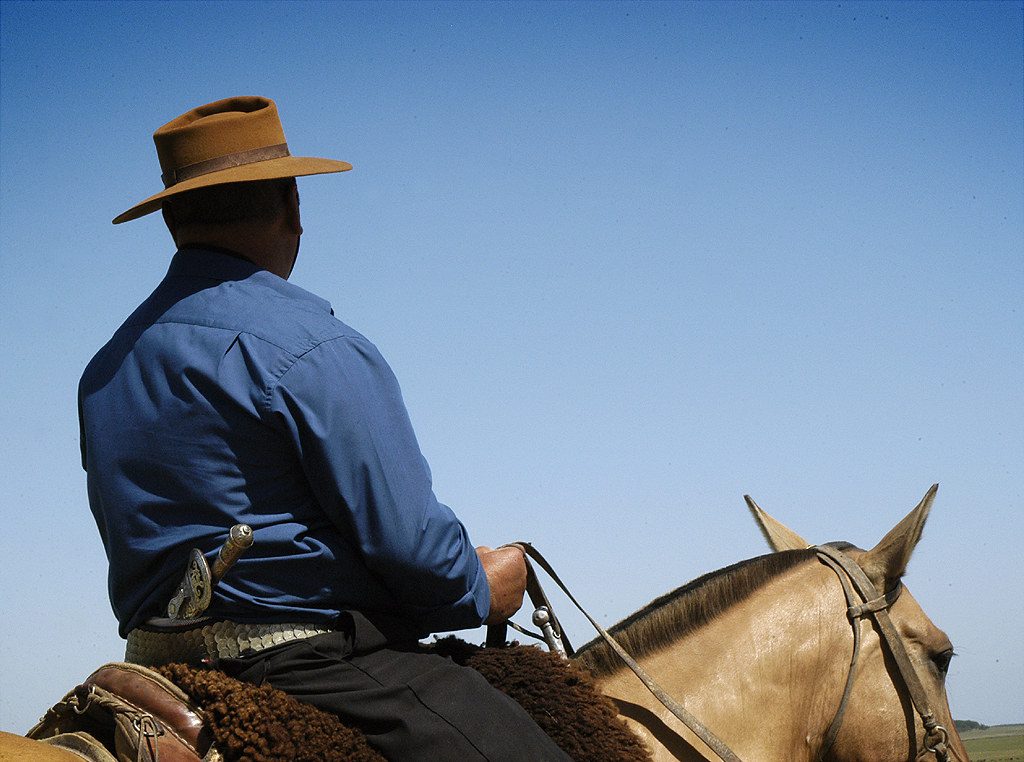
Elderly poverty in Uruguay presents extreme challenges for individuals and society. Although Uruguay leads the region in social welfare and maintains one of Latin America’s lowest elderly poverty rates of 2.2%, gaps in the nation’s safety nets reveal ongoing struggles. This article explores the overlooked realities of elderly poverty in Uruguay and examines its impact on social isolation, mental well-being and the growing strain on the country’s renowned social security system.
Why Elderly Poverty in Uruguay Exists
Social isolation often compounds these difficulties, as financial constraints can limit mobility and access to community resources, leaving many elderly individuals feeling disconnected and unsupported. While programs like the Non-Contributory Pension provide vital assistance, some seniors still rely on family support or informal work. These challenges highlight the need for continued investment in social protection and targeted initiatives to address the unique vulnerabilities of Uruguay’s aging population.
Considering that one in four elderly individuals in the country lives alone, the issue of social isolation becomes an increased risk. Living alone often exacerbates feelings of loneliness and disconnect, particularly for those already struggling with limited mobility or financial constraints. Addressing this issue requires not only expanding economic assistance but also fostering a more inclusive social environment that ensures all elderly individuals can age with dignity, connection and support.
The Overlooked Realities
Uruguay’s relatively low elderly poverty rate in Latin America does not eliminate the significant consequences of this issue. The country’s robust social security system and progressive policies aim to support its aging population. However, even in a nation lauded for its social safety nets, elderly poverty still affects many individuals and creates far-reaching problems.
Limited financial resources often force elderly individuals to live in inadequate housing. Additionally, social isolation, often a byproduct of financial hardship, undermines their mental and emotional well-being which leads many to navigate their golden years in loneliness and insecurity. These realities impact not only individuals but also strain Uruguay’s social infrastructure. This demonstrates the need for focused strategies to address the unique challenges that elderly poverty in Uruguay poses.
The PNC’s Impactful Programs
Uruguay significantly reduced its elderly poverty rate through pioneering social protection programs such as the Non-Contributory Pension for the Elderly and Disabled (PNC). Established in 1919, this initiative provides critical financial support to individuals over 70 and those with disabilities who lack the means to cover basic living expenses. The Banco de Previsión Social (BPS) administers the program, which ensures a monthly cash benefit of $135 for eligible recipients. This offers a lifeline to the most vulnerable.
Two decades later, Uruguay continues demonstrating its commitment to social protection. By 2022, the elderly poverty in Uruguay dropped to just 2.2%. Remarkably, this low rate exists alongside a significant elderly population, as 17.3% of Uruguay’s residents fall within the age of 65 or older. This proportion ranks remarkably high among other countries. In perspective, the United States stands at 16.5% while Canada is at 16.3%.
Additionally, Uruguay’s dual pension system combines mandatory savings for higher earners with non-contributory support for those in need, creating economic stability for its aging population. With social security spending accounting for 8.7% of the GDP as of 2012, the PNC not only reflects Uruguay’s strong political commitment to income security but also serves as a model for addressing elderly poverty across Latin America.
In contrast, 29% of Latin America’s population lived in poverty in 2022, including 11.2% experiencing extreme poverty. These challenges disproportionately affect women, indigenous communities and rural populations, highlighting the need for strategies like Uruguay’s to alleviate poverty among seniors.
Empowering Elders to Avoid Isolation
Social isolation deeply harms mental health, often leading to loneliness, anxiety and depression. Prolonged isolation increases risks of cognitive decline, weakens immune systems, and raises the likelihood of substance abuse.
On a societal level, social isolation undermines social infrastructure by weakening community bonds, reducing civic engagement and diminishing the collective sense of trust and support. This erosion of social cohesion can lead to less effective collaboration in addressing shared challenges, from economic inequality to public health crises.
There are some countries reporting that up to one in three older people feel lonely. With the likeliness of this, investing in initiatives that foster connection and inclusivity is essential not only for individual well-being but also for maintaining a resilient and thriving society.
Latin America’s Most Robust Social Welfare System
Uruguay’s social security system, considered one of Latin America’s most comprehensive, supports nearly 90% of the elderly population through a mixed system of public and private schemes. In 2018, social security spending accounted for 11% of Uruguay’s GDP, surpassing funding for sectors like health and education.
Despite the challenges, this robust welfare system highlights the commitment to reduce elderly poverty in Uruguay by showcasing the potential of comprehensive social welfare frameworks. However, experts and policymakers, stress the urgent need for reform—such as raising the retirement age and recalibrating pension formulas—to ensure long-term stability.
While these reforms face political resistance and public opposition with 69% of Uruguayans opposing the raise of retirement age, they are crucial for maintaining Uruguay’s pioneering social welfare model, which has become a cornerstone of the nation’s commitment to addressing elderly poverty.
How Other Countries Can Reduce Elderly Poverty
Uruguay’s approach to addressing elderly poverty offers valuable lessons for nations aiming to build robust social welfare systems. Its combination of non-contributory pensions for the most vulnerable and mandatory savings for higher earners ensures broad coverage while mitigating economic disparity among seniors.
Other nations could adopt similar policies by implementing means-tested financial support programs and promoting inclusive pension systems. Additionally, initiatives aimed at reducing social isolation—such as community centers, digital literacy programs and intergenerational projects—can help protect the mental and emotional well-being of older adults. By allocating meaningful resources to social security, governments can reduce elderly poverty, strengthen social cohesion, and create a more equitable society where aging populations receive the dignity and care they deserve.
– Bailie Cross
Bailie is based in Pensacola, FL, USA and focuses on Global Health for The Borgen Project.
Photo: Flickr

Students Against Global Poverty
MEDLIFE
MEDLIFE is a global charity that helps to develop low-income communities by improving health care and education. In its efforts to achieve a world free of poverty, MEDLIFE adopts a community-focused approach and offers sustainable solutions to provide long-term aid and improvement. The nonprofit works with local staff and citizens to provide “culturally sensitive” aid and development programs to underserved communities.
Through collaborating with local doctors, the charity ensures that development projects will continue to benefit the community for a longer period rather than solely providing immediate relief. By August 2023, MEDLIFE had more than 30,000 volunteers and had established more than 600 community projects. MEDLIFE focuses on preventative health care through education.
By providing education on key health issues, the organization aims to prevent health care disasters that particularly impact those living in poverty. With a woman dying every two minutes due to childbirth or pregnancy, MEDLIFE’s Mobile Clinics offer specialized educational workshops on women’s reproductive health in efforts to prevent key issues, such as breast or cervical cancers).
Students Working With MEDLIFE
MEDLIFE offers students the chance to directly impact efforts seeking to alleviate the pressures of global poverty. Students can start MEDLIFE societies at a college/university to assist with fundraising efforts and organize volunteer trips to help with specific community projects. In 2024, Students at University College London (UCL) participated in a volunteer trip to Lima, Peru, to directly contribute to the operation of community developments.
In an interview with The Borgen Project, Charlotte reflected on how students working in Lima witnessed people face challenges accessing health care and resources. The students helped to establish and maintain Mobile Clinics specializing in general medicine, dental, obstetrics and gynecology, pharmacy, hygiene and education. Other initiatives also involved assisting with community transformation, such as building parks and stairs. The UCL Society is organizing plans for its next trip; destinations could include Costa Rica or Peru.
When asked whether students are recognized for their roles in fighting global poverty, Charlotte explained that “students often don’t receive enough recognition for their contributions.” Regarding how recognition helps raise awareness, Charlotte commented that “by shining a light on student contributions, we not only validate their efforts but also encourage a culture of social responsibility among peers.”
MEDLIFE is open not only to medical students but also to those studying a wide range of disciplines. When asked about the benefits of this, Charlotte explained how a diverse group of students is extremely useful to the charity. For example, an engineering student can assist in the structured development of the communities and a business or economics student may lead fundraising.
Conclusion
Globally, students work with a wide range of charities to assist in the fight against global poverty. Without help from students, charities could lack the appropriate funds to provide adequate aid to those in need. They are not only providing thousands in fundraising but also have the time and skills to deliver hands-on support.
– Ellie Western
Photo: Pexels
The Truth About the Caribbean Tourism Industry
The Situation
The Caribbean’s history of colonization and exploitation of resources created long-lasting socio-economic disparities. Many Caribbean countries still face economic dependency, political instability and exploitation through unfair trade policies and foreign-controlled industries like tourism, according to Caribbean Issues.
Many governments across the Caribbean offer concessions, land or building rights and other incentives to the Caribbean tourism industry to stimulate economic activity and create jobs, despite these jobs often being low-wage. Instead of contributing to the local economy, the majority of profits go to foreign corporations. Governments may continue supporting the tourism sector due to its immediate economic contributions, but the benefits are not as significant or long-lasting for the local population as they are for tourists or international investors.
Cruise Ships
In 2023, there were 32.2 million tourist visits to the Caribbean and 31.1 million of those visits came from cruise ships alone. Rather than supporting the local economy, cruise lines provide low-cost excursions, profiting immensely while providing few jobs for locals. Additionally, Caribbean countries often invest heavily in port infrastructure for essential trade and end up losing the space to cruise ships. On top of everything, cruise ships often evade environmental regulations, disrespecting the beautiful oceans that allure tourists in the first place by harming the already fragile ocean ecosystems.
Solutions
The Bahamas Family Islands’ Destination Stewardship Initiative is a program that empowers local communities to take a leadership role in the development and management of tourism, with an emphasis on making sure economic rewards stay within local communities. This initiative, which earned the Caribbean Tourism Organization’s 2023 Destination Stewardship Award, aims to rebuild tourism in the wake of the COVID-19 pandemic and a fiscal crisis. Through the creation of four Destination Stewardship Councils, the initiative has prioritized community involvement in decision-making, giving residents a direct stake in shaping their tourism economies.
By working with stakeholders including the Global Sustainable Tourism Council, the initiative has ensured that tourism development reflects community values and priorities such as waste management, cultural heritage preservation and visitor safety. Sustainable waste management, cultural site preservation and safety improvements are all initiatives that enhance the overall visitor experience while generating new business and employment opportunities for residents. The Ministry of Tourism is committed to expanding the initiative, with plans to establish more councils across the Family Islands.
This expansion could ensure that even more communities benefit from tourism’s economic potential while maintaining a focus on responsible, community-led development that supports long-term sustainability and economic stability. The Bahamas Family Islands’ Destination Stewardship Initiative is a positive step toward addressing the socio-economic disparities created by the Caribbean’s dependence on the foreign-controlled Caribbean tourism industry.
– Nina Bujewski
Photo: Flickr
How South Africa’s Energy System Limited Progress
In 2011, the government launched the Renewable Energy Independent Power Producer Procurement Program (REIPPPP) in response to the energy crisis. This initiative aimed to bring private investors into the renewable energy sector and address systemic inequalities by improving access to affordable electricity. Over the years, the program has made significant strides, reshaping South Africa’s energy landscape.
REIPPPP: A Game-Changer for Clean Energy
The REIPPPP is often lauded as a transformative project that promotes economic growth and sustainable development. By encouraging private companies, known as Independent Power Producers (IPPs), to invest in clean energy in South Africa, the program has delivered tangible results. It has added more than 6,000 megawatts (MW) of electricity to the national grid through wind, solar, and hydro projects
A key feature of REIPPPP is its focus on socio-economic benefits. Participating companies have to allocate a percentage of their revenue to local community development. Since its development, the program has provided 55,000 job years for South African citizens and could create even more, helping reduce poverty and improve living conditions for underserved communities.
Affordable Clean Energy
In rural areas, REIPPP projects have provided reliable and sustainable electricity. The Touwsrivier Concentrated Solar Plant in the Western Cape has significantly contributed to rural electrification by installing a 44 kW solar Photovoltaic (PV) system.
Additionally, the CPV1 solar power project, in partnership with local authorities, has expanded its impact by installing solar PV systems at schools. These systems have drastically reduced electricity costs, saving R5,000 (300$) per month per school. The savings were redirected toward purchasing educational resources, thereby improving the quality of education in underserved areas.
Increased Investment in the Country
The REIPPPP has attracted around R193 billion (US$16 billion) in investments, driving nearly 6 GW of renewable energy procurement since 2011. Notably, around R135.6 billion of the total investment stems from international financiers, with 25.8% contributed by foreign sources, according to the International Trade Administration (IDA). The United States remains the largest source of foreign direct investment (FDI) in South Africa’s renewable energy sector, with several U.S. companies actively participating in tenders issued by the South African Department of Energy.
Beyond providing affordable and clean electricity, the program has allocated R19.1 billion to socio-economic development initiatives, benefiting local communities and creating employment opportunities, Blue Horizon reports. This alignment between private and public sectors highlights the potential of partnerships to drive sustainable development.
By bridging gaps in energy access and fostering economic investment, the REIPPPP continues to serve as a global model for renewable energy initiatives.
The Role of Eskom in the Energy Transition
While REIPPPP has made considerable progress, its success is closely tied to Eskom, South Africa’s primary electricity supplier. Eskom generates approximately 95% of the country’s electricity, largely from coal, which poses environmental and operational challenges, according to IDA. The utility’s aging infrastructure and financial woes have prompted the government to explore partnerships with IPPs to diversify energy sources. However, through REIPPPP, Eskom has incorporated clean energy into South Africa’s national grid, providing cleaner and more reliable power, IDA reports.
This collaboration highlights the importance of combining public and private efforts to overcome energy challenges in South Africa.
Challenges and Future Outlook
Despite its successes, the shift to clean energy in South Africa is not without challenges. The current grid infrastructure is insufficient to support the increased demand for clean energy in South Africa. Minister Kgosientsho Ramokgopa emphasized that while there is significant interest from the private sector to engage in the REIPPPP, the lack of grid capacity hinders progress in deploying new projects.
The slow and complex licensing process for IPPs has been a significant barrier to the progress of renewable energy projects. These delays have deterred investment and slowed the deployment of energy solutions. Minister Ramokgopa acknowledged this issue and outlined plans to simplify and potentially eliminate licensing requirements to facilitate faster integration of renewable energy into the grid and support the country’s decarbonization efforts.
South Africa’s workforce is primarily skilled in coal and nuclear energy. As the country transitions to renewable energy, there is a risk of job losses unless the workforce is up-skilled. The lack of proper training and capacity-building programs could lead to unemployment among coal workers and a shortage of skilled professionals in the clean energy sector. It is essential to prioritize training and skills transfer to ensure a smooth transition.
Solutions for a Sustainable Future
South Africa faces significant hurdles in its transition to clean energy, but there are viable solutions. Indeed, by modernizing the grid infrastructure, simplifying regulatory processes and providing reskilling programs for coal workers, the country can accelerate its energy shift. Strengthening public-private partnerships will also attract vital investment and foster socio-economic development. These steps could ensure a just transition to a cleaner, more reliable energy future.
The REIPPPP offers a clear path forward for South Africa, demonstrating how renewable energy can foster economic growth, create jobs and tackle inequality. Furthermore, if fully embraced, South Africa has the potential to lead the global transition toward clean energy, setting a powerful example for other nations to follow.
– Mmanoko Faith Molobetsi
Photo: Flickr
Education in Cambodia: Addresses Inequalities
Types of Inequality in Education
Educational Programs Tackling Inequality
Cambodia has initiated several programs to address inequality through education:
Moving Forward
Cambodia’s efforts to address inequality through education reflect a commitment to improving the lives of its citizens. With women representing more than 51% of the population, adolescents and children making up 35% and 20% of the population living on just over $2 a day, addressing these disparities remains critical. Programs like the Inclusive Education Action Plan and the Education Strategic Plan demonstrate Cambodia’s determination to tackle inequality. Collaborative efforts between the Cambodian government, NGOs and international organizations continue to drive progress. By investing in education and addressing systemic inequalities, Cambodia builds a stronger foundation for future generations.
– Kelly Chalupnik
Photo: Flickr
Egypt’s Drug Shortage
Background
The primary reason Egypt is struggling with a drug shortage is because of the limited amount of US dollars. Since 2016, Egypt has been struggling with currency devaluation. The exchange rate currently sits at 50 Egyptian pounds to $1. In January 2023, Egyptian currency was devalued by 40% reaching a value of $0.03, and only marginally improving in March 2023 to $0.02. The lack of value in Egypt’s currency makes it challenging for pharmaceutical companies to import raw materials necessary for manufacturing drugs or importing them from abroad.
Consequences of Egypt’s Drug Shortage
According to the Ministry of Health, about 25% of Egyptians suffer from mental or psychological health challenges. Anxiety and depression are the most common conditions affecting 43.7% of this group, Zawia3 reports. Egypt’s drug shortage means that people who need neurological or psychiatric medication can’t access life-saving medication.
People with chronic illnesses such as schizophrenia are also struggling to obtain their prescribed medications. Many are experiencing worsening symptoms such as depression or suicidal tendencies.
Zawia3 reported that 10% of medications consumed are imported. These include treatments for cancer, hormonal therapy, and rare specialized diseases. Yet, because the country cannot afford imports, many patients with these diseases lack access to these critical drugs.
People have resorted to obtaining drugs through the black market or buying from countries abroad. However, both options are incredibly expensive for most Egyptians. Life-saving medicines such as insulin and chemotherapy drugs are a hefty price for a population in which it was found in 2022, that 21% are currently living in multidimensional poverty.
Solutions
In August 2024, Egyptian Cabinet spokesperson Mohamed al-Hosmany announced that the country would allocate 7 billion EGP to hospitals and pharmacies to address the drug shortage.
To reduce dependency on imports the government is looking to localize its drug production. In 2023, the government established GYPTO Pharma, a pharmaceutical facility that can manufacture medicine and vaccines. This would mean that the government would no longer worry about having to spend money on imports, especially with a currency that has a history of being devalued.
Overall, the government has made plans to address Egypt’s drug shortage and its high prices, but the results are yet to be seen. Hopefully, soon people will be able to go into pharmacies and find the medicine they so desperately need.
– Aya Diab
Photo: Flickr
AI Innovations Improve Health care in Kenya
Additionally, the amount of health care providers in Kenya is extremely disproportionate to its population. According to the World Health Organization (WHO), Kenya employs approximately 2.9 medical doctors per 10,000 residents (compared to 30 or more in most developed countries).
This leads to an especially prominent gap in health care in rural areas of Kenya, where resources are most scarce. In recent years, health providers have utilized AI to analyze output from imaging machines and prescribe possible treatments.
Innovation in Medical Imaging: NeuralSight
Neural Labs Africa, based in Kenya, has developed NeuralSight to aid in medical diagnosis. The team aims to provide earlier diagnoses with their AI program. This technology could decrease the high rate of deaths from preventable diseases in Africa, such as pneumonia and tuberculosis.
These diseases particularly impact populations in rural and low-income areas that experience a lack of access to medical testing and treatment. AI technologies like NeuralSight additionally supplement health workers who are overwhelmed by their number of patients.
More efficient X-rays and MRI analysis will also improve the detection of developmental disorders and medical conditions in children, leading to overall better quality of life in African populations.
NeuralSight has already found success in its clinical trials with shorter wait times for medical results. The organization shared their experience conducting clinical testing in a remote Kenyan village. “This moment solidified the importance and impact of our work. The key lesson was the realization of the vast potential of our tool in regions with limited medical resources,” Neural Labs told UNICEF.
Dr. Fredrick Mutisya’s Solution to Antimicrobial Resistance
In conjunction with medical testing, there is a need for accurate and effective prescriptions. Dr. Fredrick Mutisya is innovating antibiotic prescriptions through AI, which has the potential to reduce increasing antimicrobial resistance.
Dr. Mutisya studied antibiotic resistance by looking at Pfizer’s antibacterial surveillance data (2004-2021). He then developed Antimicro.ai with Dr Rachael Kanguha to assist healthcare providers in Kenya. The program detects possible antibiotic resistance and produces a preliminary prescription to be confirmed by a medical professional.
Antimicro.ai has determined that antibiotic resistance stretches as high as 50% based on data from over 850,000 samples from 83 countries, according to Gavi. Considering its projection that resistance could reach 80% by 2030, careful prescriptions are of paramount importance.
The AI program is open-access and doesn’t store user data. This sets the example for emerging AI technologies to remain ethical and equitable.
The Future of AI Programs for Health Care in Kenya
Still, additional data collection is on the horizon. Pfizer’s medical data is limited. According to Gavi, it is currently biased toward European and Central Asian populations, with sub-Saharan Africa and South Asia making up only 2% of observed populations.
More data is necessary to produce AI programs modeled on health care in Kenya and other African countries. Relying on European data models could lead to diagnostic errors.
The Bureau of Standards recently published a code of practice for AI Applications. The report likewise notes a concern with bias in data procurement.
AI programs for health care in Kenya are in the early stages of development. Yet, innovation is moving quickly. The Gates Foundation committed more than $1 million to Science for Africa (based in Nairobi, Kenya) to launch an RFP in 2023. The RFP encouraged African innovators to develop AI tools for health care. Among its many initiatives, Science for Africa (SFA) focuses on supporting AI developers in the medical field sector.
Kenya is an epicenter for developments in AI. Medical AI has already increased access to health services in remote and poverty-stricken areas of Kenya. With the right support and persistence, this will lead to greater well-being in the country and further innovation globally.
– Sarah Lang
Photo: Flickr
Elderly Poverty in Uruguay: Lowest Rate in Latin America
Elderly poverty in Uruguay presents extreme challenges for individuals and society. Although Uruguay leads the region in social welfare and maintains one of Latin America’s lowest elderly poverty rates of 2.2%, gaps in the nation’s safety nets reveal ongoing struggles. This article explores the overlooked realities of elderly poverty in Uruguay and examines its impact on social isolation, mental well-being and the growing strain on the country’s renowned social security system.
Why Elderly Poverty in Uruguay Exists
Social isolation often compounds these difficulties, as financial constraints can limit mobility and access to community resources, leaving many elderly individuals feeling disconnected and unsupported. While programs like the Non-Contributory Pension provide vital assistance, some seniors still rely on family support or informal work. These challenges highlight the need for continued investment in social protection and targeted initiatives to address the unique vulnerabilities of Uruguay’s aging population.
Considering that one in four elderly individuals in the country lives alone, the issue of social isolation becomes an increased risk. Living alone often exacerbates feelings of loneliness and disconnect, particularly for those already struggling with limited mobility or financial constraints. Addressing this issue requires not only expanding economic assistance but also fostering a more inclusive social environment that ensures all elderly individuals can age with dignity, connection and support.
The Overlooked Realities
Uruguay’s relatively low elderly poverty rate in Latin America does not eliminate the significant consequences of this issue. The country’s robust social security system and progressive policies aim to support its aging population. However, even in a nation lauded for its social safety nets, elderly poverty still affects many individuals and creates far-reaching problems.
Limited financial resources often force elderly individuals to live in inadequate housing. Additionally, social isolation, often a byproduct of financial hardship, undermines their mental and emotional well-being which leads many to navigate their golden years in loneliness and insecurity. These realities impact not only individuals but also strain Uruguay’s social infrastructure. This demonstrates the need for focused strategies to address the unique challenges that elderly poverty in Uruguay poses.
The PNC’s Impactful Programs
Uruguay significantly reduced its elderly poverty rate through pioneering social protection programs such as the Non-Contributory Pension for the Elderly and Disabled (PNC). Established in 1919, this initiative provides critical financial support to individuals over 70 and those with disabilities who lack the means to cover basic living expenses. The Banco de Previsión Social (BPS) administers the program, which ensures a monthly cash benefit of $135 for eligible recipients. This offers a lifeline to the most vulnerable.
Two decades later, Uruguay continues demonstrating its commitment to social protection. By 2022, the elderly poverty in Uruguay dropped to just 2.2%. Remarkably, this low rate exists alongside a significant elderly population, as 17.3% of Uruguay’s residents fall within the age of 65 or older. This proportion ranks remarkably high among other countries. In perspective, the United States stands at 16.5% while Canada is at 16.3%.
Additionally, Uruguay’s dual pension system combines mandatory savings for higher earners with non-contributory support for those in need, creating economic stability for its aging population. With social security spending accounting for 8.7% of the GDP as of 2012, the PNC not only reflects Uruguay’s strong political commitment to income security but also serves as a model for addressing elderly poverty across Latin America.
In contrast, 29% of Latin America’s population lived in poverty in 2022, including 11.2% experiencing extreme poverty. These challenges disproportionately affect women, indigenous communities and rural populations, highlighting the need for strategies like Uruguay’s to alleviate poverty among seniors.
Empowering Elders to Avoid Isolation
Social isolation deeply harms mental health, often leading to loneliness, anxiety and depression. Prolonged isolation increases risks of cognitive decline, weakens immune systems, and raises the likelihood of substance abuse.
On a societal level, social isolation undermines social infrastructure by weakening community bonds, reducing civic engagement and diminishing the collective sense of trust and support. This erosion of social cohesion can lead to less effective collaboration in addressing shared challenges, from economic inequality to public health crises.
There are some countries reporting that up to one in three older people feel lonely. With the likeliness of this, investing in initiatives that foster connection and inclusivity is essential not only for individual well-being but also for maintaining a resilient and thriving society.
Latin America’s Most Robust Social Welfare System
Uruguay’s social security system, considered one of Latin America’s most comprehensive, supports nearly 90% of the elderly population through a mixed system of public and private schemes. In 2018, social security spending accounted for 11% of Uruguay’s GDP, surpassing funding for sectors like health and education.
Despite the challenges, this robust welfare system highlights the commitment to reduce elderly poverty in Uruguay by showcasing the potential of comprehensive social welfare frameworks. However, experts and policymakers, stress the urgent need for reform—such as raising the retirement age and recalibrating pension formulas—to ensure long-term stability.
While these reforms face political resistance and public opposition with 69% of Uruguayans opposing the raise of retirement age, they are crucial for maintaining Uruguay’s pioneering social welfare model, which has become a cornerstone of the nation’s commitment to addressing elderly poverty.
How Other Countries Can Reduce Elderly Poverty
Uruguay’s approach to addressing elderly poverty offers valuable lessons for nations aiming to build robust social welfare systems. Its combination of non-contributory pensions for the most vulnerable and mandatory savings for higher earners ensures broad coverage while mitigating economic disparity among seniors.
Other nations could adopt similar policies by implementing means-tested financial support programs and promoting inclusive pension systems. Additionally, initiatives aimed at reducing social isolation—such as community centers, digital literacy programs and intergenerational projects—can help protect the mental and emotional well-being of older adults. By allocating meaningful resources to social security, governments can reduce elderly poverty, strengthen social cohesion, and create a more equitable society where aging populations receive the dignity and care they deserve.
– Bailie Cross
Photo: Flickr
How Backpacking in Indonesia Can Help Reduce Poverty
4 Ways Backpacking in Indonesia Can Help Fight Poverty
Looking Forward
Backpacking in Indonesia has the potential to support economic development, create jobs and promote cultural preservation. However, sustainable tourism requires responsible practices that prioritize community well-being. Ensuring that local populations remain key stakeholders in tourism initiatives is essential to maximizing the industry’s role in poverty alleviation. By making thoughtful travel choices, backpackers can potentially help ensure that their adventures contribute to a more equitable and prosperous future for the communities they visit.
– Ollie Roberts
Photo: Flickr
Migration to Syria: The Challenges Migrating Syrians Face
More than 125,000 Syrians have migrated to Syria after 13 years of war. Many have come back to a country that destruction and death has devastated, a country which has endured the dictatorship of Bashar Al-Assad.
According to the Office of the UN High Commissioner for Human Rights (OHCHR), at least 580,000 people have died since the start of the war. Under the regime, many citizens and journalists have been kidnapped, injured or killed.
The fall of Assad has meant many Syrians have felt compelled to return to their home country, now it is free from his regime. These migrating Syrians face many challenges and must navigate multiple factors that influence their return, or whether they will return now or later. Here is more information about migration to Syria.
Host Countries are Eager to Facilitate Migration to Syria
Many host countries, such as Turkey respectively, are eagerly promoting Syrian migration. This has meant measures, such as Turkey reopening its Yayladagi border gate in order to “to prevent any congestion and ease traffic,” and make migration easier for most Syrians.
Humanitarian Emergency
The main obstacles returning Syrians face are access to water, food and safe shelter. According to the UN, nearly 15 million Syrians require medical aid and 13 million are suffering through food insecurity. The war severely damaged essential infrastructure like hospitals, farmlands and shops. Mrinalini Santhanam from the WHO has said “Almost half of the hospitals in Syria are not functional.” However, there is still hope they can rebuild despite the current state of the country.
The IOM has appealed for $73 million to assist the Syrian population. Since December 2024, the IOM has supplied 170,000 Syrians with clean water. The IOM aims to use the money to provide essential relief items to returning and displaced Syrians, like shelters, sanitation and health support. It also aims to apply its Displacement Tracking Matrix, a tool that analyzes data around displaced persons, in order to ensure that aid workers can provide more efficient and suitable support to Syrians.
According to the UNCHR, 90% of Syrians rely on humanitarian aid. Short term goals of providing aid will, in turn, support the long-term goal of rebuilding Syria into the thriving, beautiful country it once was. UNCHR is supporting this by providing shelters, cash and education programs for Syrians returning and those who the war displaced.
Overhauling Sanctions
The global community can assist in achieving this goal of peace not only through providing aid but also in lifting sanctions. These sanctions had been placed upon Assad’s regime, not the current government. Therefore, they arguably are not providing any productive purpose.
Syrian Ambassador Koussay Aldahhak stated that “a smooth end to sanctions, appropriate action on designations too, and major funding” was necessary, claiming that such sanctions don’t apply to the current authority and impede the efforts to rebuild.
The EU has responded to this issue by agreeing to lift some sanctions. These include sanctions that had been placed on the “energy and […] financial institutions,” according to France’s Foreign Minister Jean-Noel Barrot. This gradual removal of sanctions may help catalyze Syria’s growth by aiding the economy.
Most people migrating back to Syria plan to overcome the issue of a stunted economy by subsisting on money earned in the neighboring countries they once lived in. The UNCHR has reported that increasingly the demographic of returning Syrians are women and children. Reports have said that some families plan to leave the breadwinner of the family in the host country. This would enable the breadwinner to work and earn money that the family can use to successfully readapt into Syrian society.
Cultural Reintegration
Another issue that returning Syrians may face is how their experiences in host countries will influence how well they adjust back to Syrian society. This especially applies to children of Syrians, children who may have had little to no knowledge of or attachment to the country their parents were born in. Muhammed Salih Ali, head of the Association for Solidarity with Syrian Refugees in Izmir, Turkey, said it would be “very difficult for this generation to return.”
The Future
Despite the numerous hurdles that Syria faces, the unbridled support from NGOs and the determination of its people will help restore the country and give peace to its citizens. The steady increase of migration to Syria clearly shows that Syrians are resolute to return home to a country they deeply care about.
– Maryam Abdalla
Photo: Pixabay
A Short Guide to Higher Education in Bosnia and Herzegovina
Bosnia and Herzegovina (BIH), also referred to as the ‘Heart Shaped Country,’ is known for its natural beauty, diverse culture and kind-hearted people. However, its higher education system continues to face challenges due to the country’s complex political and economic history.
As of 2023, 45% of students who complete secondary education in Bosnia and Herzegovina enroll into tertiary education institutions. However, a decrease in enrollment has been a consistent trend over the past decade, with the current number of students being about 35,000 fewer than 10 years ago. This decrease is primarily due to young people leaving the country in order to seek out a better future, correlating with the fact that BIH had the second largest diaspora in 2020 as well as other issues that will be explored within this article. Here is information about the current issues with higher education in Bosnia and Herzegovina.
Fragmented Education System
Following the war in the 1900s, the Federation of Bosnia and Herzegovina (fBIH), Republika Srpska (RS) and the Brčko District divided BIH into separate regions. There are also 10 cantons within fBIH, each with its own Ministry of Education, that independently implements its own curriculum. Because of this, there is a very decentralized higher education system in Bosnia and Herzegovina, including languages like Cyrillic and Latin, and history like Serbian history in RS and and Bosniak-Croat history in fBIH.
Foreign Countries Not Recognizing Diplomas
European nations often do not recognize degrees in BIH, which makes it difficult for students to secure jobs or continue postgraduate studies worldwide. One of the reasons for this is that many universities in BIH include the word ‘international’ in their names, but they lack international accreditation, hence students are urged to conduct research before embarking upon higher educational journeys in BIH. The problem of the fragmented education system undermines Bosnian diplomas because it raises doubts whether they meet uniform quality standards.
There are also weak quality assurance mechanisms. According to Eurydice, the accreditation process begins when Higher Education Institutions (HEI) prepare a self-evaluation report and submit it to the relevant authority. Then, an expert panel visits the site and conducts an assessment. The authority grants accreditation based on the panel’s recommendation and lists the HEI in the National Registry, which the Agency for Development of Higher Education and Quality Assurance manages. Unfortunately, due to the fragmented system, corrupt political involvement and capacity issues, these guidelines are not fully met, therefore raising questions about the validity of Bosnian diplomas.
Limited Funding
Higher education institutions receive financing through different budgets depending on the region. In RS, the entity budget, which the Ministry of Education and Culture RS manages, funds higher education. Meanwhile, in fBIH, there are cantonal budgets that cantonal ministries of culture manage which fund higher education. There is no state- level funding for higher education, resulting in 13 separate budgets across the country. Furthermore, there is a lack of strategic planning of how to spend the budget, alongside no accountability – funds therefore do not need to be allocated effectively and higher education institutions are not legally required to justify their spending.
Another issue with higher education in Bosnia and Herzegovina along the lines of finance is the effect that poverty has on those who wish to pursue university studies. According to Study Abroad Aide, tuition fees in BIH can range from as little as 440 BAM (approx. £200 or $250) to 18,400 BAM (approx. £9,200 or $11,360). While this is significantly cheaper than tuition fees in the U.K. or the U.S., for citizens living there, this can unfortunately be an unrealistic amount. For example, almost a third of children between the ages of 5 and 15 in BIH are at risk of poverty due to the inadequate implementation of the 2015-2018 Action Plan for Children.
Furthermore, the COVID- 19 crisis had a detrimental impact on poverty levels in BIH. It was estimated that poverty would rise from 11.8% to as high as 14.6% from 2019 to 2020. These factors affect higher education in Bosnia and Herzegovina in that students may simply not be able to afford tuition fees, preventing them from following the path of university and higher education. Here are some progressions that higher education in Bosnia and Herzegovina has made.
Financial Support
While most students are required to attend university on a self financed basis, The Ministry of Education and Culture in RS and the cantonal ministries of education in FBiH provide scholarships for those who meet the qualifications. This does not take into account students’ background or social status, allowing anyone to qualify, given that they pass the entry exam. Furthermore, BIH also offers fully-funded scholarships to international students to excellent universities, such as the University of Banja Luka and the University of Sarajevo, if students are able to demonstrate excellent academic achievement and financial needs.
Not only does this open up opportunities for students to explore the rich history and indulge in the flavorful culture of, but it also tackles the issue of ‘brain drain.’ ‘Brain drain’ describes young talent leaving BIH due to the futile future they will have if they remain. Welcoming more international students allows talented young people to find opportunities within Bosnia, hence tackling the problem of brain drain.
The Bologna Process
The Bologna Process is a European higher education reform initiative aimed at creating a cohesive and compatible system of higher education across Europe, which BIH has been a member of since 2003. Because the Bologna Process aims to create an education system within Europe that everyone adheres to, this means that it will increase the validity that Bosnian degrees have across Europe. It has specifically introduced the three-cycle degree structure and established quality assurance mechanisms, but any positive outcomes of the Bologna Project have been overshadowed by how the students affected feel about it.
A study conducted with 81 students from the English Literature and Language departments in the universities of Tuzla and Banja Luka claimed that the students did not perceive it that way. About 40% of students claimed that they believed the Bologna Process was “forcing them to study constantly” with 62% of students saying they felt it was incomplete or misapplied. This can unfortunately be deemed as true due to the underfunding of higher education. The simplest things, such as old classrooms and outdated technology, can prevent higher education in Bosnia and Herzegovina and the Bologna Project from reaching their full potential.
Recommended Changes
While there has been no news of significant changes that the Bosnian government is bringing about to higher education, the Swiss Agency for Development and Cooperation has presented recommended action. These include:
To summarize, decentralized education, limited funding and unrecognized diplomas are the main causes of the pitfalls in higher education in Bosnia and Herzegovina. However, there has been progress with the implementation of scholarships and elements of the Bologna Project, although there is still a way to go to further improve access to higher education in Bosnia and Herzegovina.
– Emina Bolic
Photo: Flickr