US Sanctions and Poverty in Iran
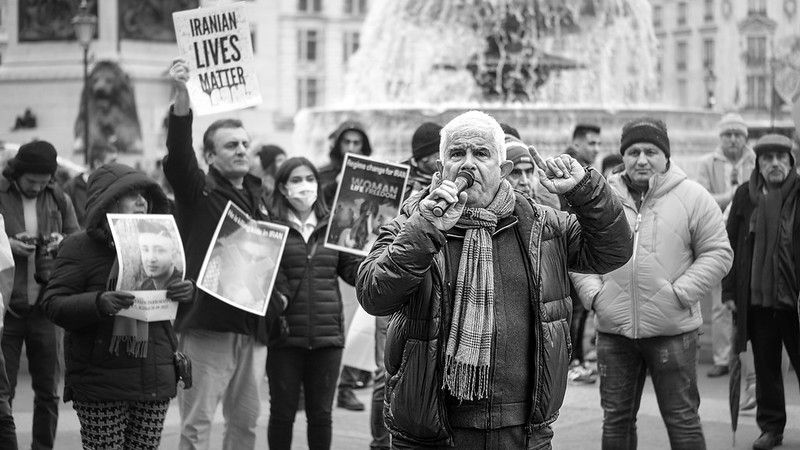 Since the United States (U.S.) reinstated economic sanctions on Iran in May 2018, following President Donald Trump’s withdrawal from a landmark nuclear deal, the country has faced a severe economic recession. These sanctions have significantly worsened poverty rates in Iran, driving inflation, devaluing the national currency and reducing access to essential goods. As unemployment rises and public services decline, low-income families struggle to meet basic needs, pushing more citizens into poverty.
The Aim of the Sanctions
The U.S. sanctions froze Iranian government assets in the U.S. and targeted nearly every sector of Iran’s economy, including oil, banking, insurance, arms trade and financial services. These measures cut off Iran’s access to overseas assets and hard currency. Sanctions also restricted third-party transactions using Iran’s currency, the rial, while designating Iran’s Central Bank as a foreign terrorist organization. These sanctions triggered a 4.8% contraction in Iran’s gross domestic product (GDP) in 2018, with the unemployment rate rising from 14.5% in 2018 to 16.8% in 2019.
Impact on Oil Exports
The sanctions severely limited Iran’s ability to export oil, a key source of revenue. Before the sanctions, Iran produced about 3.8 million barrels per day (bpd) and exported around 2.3 million bpd. By April 2019, exports had plummeted to roughly 1 million bpd, cutting billions from government revenue. This decline also reduced Iran’s foreign exchange earnings. The International Monetary Fund (IMF) estimated Iran’s foreign currency reserves at $86 billion—20% below 2013 levels.
Rising Food and Fuel Costs
The value of the rial has halved since the sanctions’ reinstatement, increasing demand for foreign currency. This erosion of savings has slashed purchasing power. The World Bank reported a sharp rise in food prices, further burdening vulnerable families. Although poverty rates in Iran had declined for two decades, they began rising again in 2014. As of 2024, the poverty rate remains high, with an estimated 40% of the population living below the poverty line. The economic crisis has also impacted nutrition. By 2014, the lowest-income 20% of Iranians consumed fewer than the 2,100 daily calories required for basic nutrition, while protein intake fell below the 60 grams needed for an average-weight adult by 2018.
Deteriorating Living Standards
Sanctions have also undermined access to health care, limiting the availability of essential medicines for epilepsy and chemotherapy treatments. These shortages have disproportionately affected low-income families, women, children and patients with chronic illnesses.
Potential Solutions and Future Prospects
Efforts to revive the Joint Comprehensive Plan of Action (JCPOA) stalled in 2022, but renewed negotiations could offer a path forward. Some Iranian policymakers advocate reducing economic ties with the West to limit future vulnerability to sanctions. In the absence of diplomatic progress, Iran may continue strengthening economic ties with Russia and China, the latter remaining a key buyer of Iranian oil. Collaborations with neighboring Middle Eastern countries could also create economic synergies that bypass sanctions. Establishing medical supply chains, facilitating food aid programs or launching United Nations (U.N.)-backed relief initiatives could alleviate humanitarian suffering while stabilizing the economy.
A Path Forward
The prospect of further sanctions under Trump’s administration threatens to deepen the country’s economic crisis. Without international support or policy shifts, poverty will likely worsen in Iran. However, combining humanitarian aid, international partnerships and domestic reforms could mitigate the impact. Initiatives focused on stabilizing the currency, reducing inflation and expanding job opportunities could be crucial in improving the quality of life for millions of Iranians.
– Amani Almasri
Amani is based in Durham, UK and focuses on Good News and Politics for The Borgen Project.
Photo: Flickr
