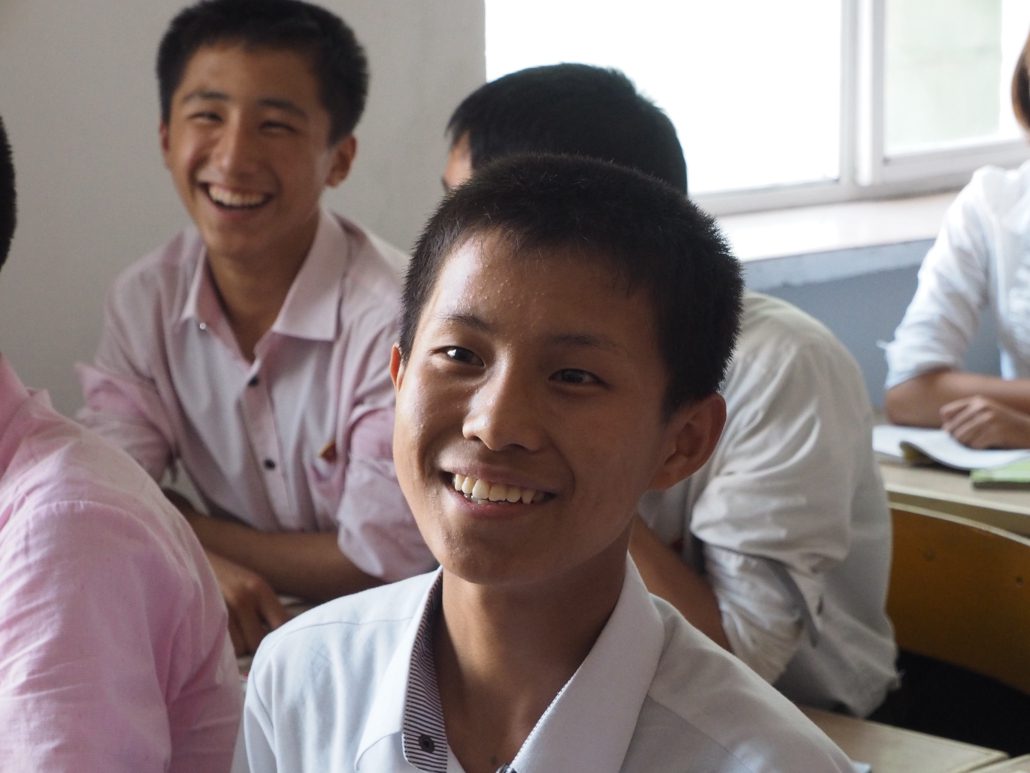
 When it comes to global poverty, it is upon that a focus on education is key for increased sustainability in developing countries. There are many initiatives in place across the globe from UNICEF and the United Nations that aim to promote access to higher education in many low- and middle-income countries. In fact, about $12.2 billion USD of global aid has been dispersed to education initiatives in developing nations in 2022-23. There are many cases for the importance of access to higher education, and it is an important focus for those who fight global poverty. One of the world’s most impoverished nations, The Democratic People’s Republic of Korea (DPRK), has some of the harshest educational restrictions. Higher education in North Korea is a spectacle but remains an underrated focus for the fight against extreme poverty.
There are many misconceptions about North Korea, and it can be difficult to remember that The Hermit Kingdom is one of the most mysterious places on Earth. While it is true that the Democratic People’s Republic of Korea is a dictatorship, it is important to remember that North Korean citizens are, in fact, people. Access to an equal education on the basis of merit remains a human right and when those rights are violated, it is the duty of wealthy nations to protect those rights.
Equal Opportunity Education
While North Korean literacy rates are at an astonishing 100%, education is not a right in North Korea. Higher education in North Korea is for only those at the top of the songbun, a caste system. The DPRK divides citizens into 51 social classes, with three primary castes known as Hostile Wavering and Core. Songbun status directly affects everything in North Korea and is based on qualifications such as familial ties to South Korea, physical appearance, disability, and, of course, loyalty to the Kim regime.
One North Korean defector, Ms. Kim Chong-kum, reflects on how her level in the songbun hurt her chance at higher education in North Korea in a 2001 interview. Allegedly, her grandfather fled to South Korea during the War, and she had known from a young age that she would never advance academically, no matter how hard she tried. She wanted to be a teacher and dreamed of attending the revered Kim Il Sung University, though she had given up by the time of her graduation. She went into construction.
Higher Songbun and Higher Education in North Korea
While less than a third of the country has access to higher education in North Korea, there is no promise that someone receive entrance. Privilege to apply does not mean right to acceptance. While only Core families (of which make up about 28% of the population) can apply for colleges in the DPRK, an application alone does not mean that a student will receive an acceptance. Students in Pyongyang, North Korea’s capital city and reserved only for those of the highest social standing, have all spoken of the high competition and low acceptance rates of colleges, especially Kim Il Sung University.
What Occurs in North Korean Universities?
Many call North Korea The Hermit Kingdom as it has restricted access to the internet, as well as limited and controlled domestic and foreign student interaction, which has led to a significant lack of information about what exactly goes on inside of higher education institutions in North Korea.
Documentarians, who sometimes receive special permissions, often experience heavy censoring and threats when recording footage. BBC’s Rupert Wingfield-Hayes learned he would not be able to leave campus unless he deleted footage that authorities deemed disrespectful or offensive. As outsiders, there is more information about what North Korean education lacks than includes, other than extensive history and knowledge of the Kim Regime, worshipping the family as Gods. Mi-ran, a defector who had gone through university and taught at schools, did not know how children were conceived at the age of 26, but had learned that being North Korean is a blessing and that the ruling family are religious figures.
Those who are loyal to the regime, garner exceptional grades and accolades, and have incredible songbun, receive the most privileges during their higher education in North Korea, including leaving the country. A man by the name of Hyunseung Lee went to Kim Il Sung University and served in the military, and he and his family received access to Beijing in 2014. One of the rarest opportunities, the regime fears defection or any external influence, as the citizens with the most access to North Korea’s inner workings are the most dangerous to run away. Hyunseung Lee’s family escaped during their stay in China, and soon later his uncle had been sent to a prison camp while his hostage family begged for him to return on state media. The year 2024 was the next time students had travel opportunities through an exchange program with Russia.
Many North Koreans Cannot Access Higher Education
Not only does 70% of the DPRK lack the opportunity to apply to some form of higher education, but the patriarchal okwa, members of the Central Worker’s Party, recruit many middle and high school girls in the Core class to serve the Kim family, which includes sexual slavery. Education and poverty are increasingly gender biased in many patriarchal countries, and North Korea is not an exception to the harsh conditions girls and women face, including exclusion from education opportunity.
The Choson Exchange
Singapore-based North Korean rights group Choson Exchange is one of the few NGOs allowed through the borders of the DPRK. Aimed at those who are in schools in North Korea, Chosen Exchange works directly with the North Korean government to aid and uplift those who want to be entrepreneurs, as North Koreans themselves understand how education can promote economic growth. Working in country with webinars and lectures, North Korean students are even selected to leave the country, allowing them an actual look into the outside world. This includes a large number of female students in North Korea, as the organization originated when Yale student Geoffrey See visited Pyongyang during his studies and met a young woman who dreamed of owning a business.
Since 2007, more than 500 North Koreans in country have accessed foreign cultural exchanges and an important dialogue has begun regarding the Hermit Kingdom’s links to the outside world. It has been five years since the program stopped working in North Korea due to the closure of its borders in response to COVID-19. However, it pivoted to online education efforts and will likely resume operations in the country following the lift on COVID-19 travel restrictions.
Looking Ahead
It can be hard to feel hopeful when North Korea does not allow any humanitarian aid, but demands for increased access to education for North Koreans is an important step. Organizations like Choson Exchange are working tirelessly inside of the country to remind the citizens that there is hope, even when it is harder to notice.
– Isaiah Rice
Isaiah is based in Ottawa, ON, Canada and focuses on Good News and Politics for The Borgen Project.
Photo: Flickr

Renewable Energy in Bulgaria
Bulgaria stands at a pivotal moment in its energy transition, with renewable energy playing an increasingly vital role alongside its traditional reliance on nuclear power and coal. Solar generation represents a key driver in the country’s pursuit of the EU renewable energy target of 27% by 2030 and net zero emissions by 2050. Backed by international investments and streamlined energy legislation, Bulgaria is accelerating the development of renewable infrastructure while modernizing its power grid. The country is positioning itself as a regional leader in sustainable energy production with a decentralized energy system set to help reduce energy poverty in the country.
The Current Energy Landscape of Bulgaria
The two major energy sources for Bulgaria’s domestic energy consumption are nuclear power and coal. Nuclear power accounts for around 40% of energy supply and has been a major energy source for Bulgaria since the 1950s. Additionally, in 2023/24, there was a steadily growing use of solar generation contributing almost 13% of total electricity generation.
Renewable Energy Investments
Renewable energy in Bulgaria aims to account for 27% of domestic production by 2030, contributing to the EU renewable energy target for 2030. The country is also aiming at a net zero emissions target for 2050. A large portion of this is currently being exploited via solar generation.
The European Bank for Reconstruction and Development (EBRD) is a major leader in climate finance and one of the primary investors in renewable energy in Bulgaria. In late-2024, the EBRD announced that it would lend €50 million to Bulgaria to build a 237 MW solar plant, a huge step for its renewable energy agenda. The investment is part of a wider pledge to further UN Women’s Empowerment Principles in the Bulgarian energy sector. The shift away from fossil fuel use is beneficial in the Bulgaria’s plans to reduce energy poverty. This topic has been high on the country’s agenda since 2022 when the war in Ukraine increased import prices of Russian natural gas and coal. More than a quarter of Bulgarians in 2022 were unable to adequately heat their homes due to energy poverty.
Simplification of Administrative Frameworks
The past year has hailed a stream of new investment in renewable energy in Bulgaria – not just because of a push for EU climate goals. The country simplified the administrative frameworks required for renewable energy infrastructure in 2023, making projects easier to plan and implement. Other changes to the country’s energy legislation enabled clarity on investing in renewable energy plants with batteries for energy storage during off-peak production periods.
Bulgaria also clarified steps to establish a more interconnected power grid which should decentralize energy and reduce the country’s state of energy poverty. This would be enabled through the empowerment of households and democratizing of the energy system coming as a result of more energy suppliers and better energy infrastructure. A more robust domestic energy supply divested away from fossil fuels would help shield the Bulgarian energy sector from fossil fuel import fluctuations and over-reliance on Russian imports of coal and natural gas. This shift to renewable energy infrastructure in turn aids households through the stabilization and lowering prices of energy.
Following the 2023 changes, 2024 saw €65 million investment from the EU Modernization Fund in Bulgaria’s GREENABLER project to modernize the country’s power grid for the integration of renewable energy. Further, calls by the Bulgarian Ministry for Energy for renewable energy plants with energy storage (crucial to divest reliance away from fossil fuels) have stipulated project deadlines for March 2026. This push in funding programs has allowed for the development of 249 renewable energy projects in Bulgaria. Such short project deadlines and investment flows are positive news for massively accelerating renewable energy infrastructure in the country to meet 2030 energy targets.
The Future of Nuclear Supply
Bulgaria does seem to be expanding outside renewables into nuclear energy – a low carbon energy solution. Though not renewable, nuclear power production in Bulgaria has merits over traditional fossil fuels, such as curbing reliance on countries such as Russia for fossil fuel imports. Contracts have been entered between Hyundai Engineering (South Korea) and Westinghouse (U.S.) to develop additional capacity and replace the aging reactor units at the Kozloduy nuclear power plant in Bulgaria. As domestic demand for energy has remained stable over the decades, it is likely an expansion of energy production would be a bid to increase energy exports to neighboring countries. Alongside a growing industry of renewable energy in Bulgaria, nuclear investment could boost Bulgaria’s economy as well as create new jobs and opportunities for its population.
– Autumn Joseph
Photo: Flickr
Biofortification to Minimize Hunger in Panama
Current Statistics
Panama has made significant progress towards decreasing poverty, hunger and malnutrition and achieving SDG 1 and SDG 2.
Combating Hunger and Malnutrition with Everyday Foods
Panama’s success has been made possible because of the government’s dedication to combatting inequalities, hunger and malnutrition through various food fortification and nutritional programs. Some of these programs are mentioned here.
Through these initiatives, Panama is bridging disparities in its population and aims to elevate the quality of life for its citizens.
– Maria Waleed
Photo: Flickr
Sierra Leone Launches Successful Ebola Vaccination Campaign
In an interview with The Borgen Project, Francisco Luquero, Gavi’s Head of High-Impact Outbreaks, highlighted the importance of the initiative. “The campaign’s impact will be significant to strengthen the country’s preparedness for future outbreaks by protecting frontline workers.”
Campaign Successes
The nationwide campaign targeted various at-risk communities, including health care professionals and first responders such as ambulance and motorcycle drivers. Village hunters were also vaccinated to prevent the spread of the Ebola virus from animals to humans. Luquero told The Borgen Project that Gavi achieved 94% coverage among the target group of 20,000 frontline workers.
“Health care workers expressed satisfaction with the campaign, recognizing its importance in protecting themselves and their communities from future outbreaks,” says Luquero. He also stated that vaccine confidence and awareness also improved due to information provided about the vaccine’s benefits and side effects, as well as guidance on what to do in case of Adverse Events Following Immunization (AEFI). Gavi noted that these information dissemination efforts, along with “robust logistical support” from WHO and UNICEF, were crucial to the campaign’s successful rollout.
Ebola 2014 – 2016 Outbreak
The 2014 Ebola virus epidemic began in Guinea. It spread to at least 10 other countries, firstly through neighboring Liberia and Sierra Leone. With no vaccine available at the time of the outbreak, health care workers were limited in their response capacities. The epidemic resulted in 28,000 confirmed infections and approximately 11,000 deaths, making the outbreak “the deadliest in history.” Sierra Leone was the hardest-hit country, accounting for an estimated 36% of recorded deaths and losing 7% of its medical personnel.
Ebola Vaccinations
Gavi funded a stockpile of half a million doses of Ervebo in 2021, just three years after WHO and the European Medicines Agency approved the vaccine. The majority of the vaccines are allocated for preventive Ebola vaccination campaigns similar to the one in Sierra Leone, targeting at-risk communities. About 5% of the remaining stockpile is reserved for emergency outbreaks. This distribution is due to Ebola outbreaks being relatively uncommon and not having a large enough stockpile to cover entire populations.
WHO defines at-risk persons through a ring vaccination strategy, which “captures a social network of individuals and locations” comprising around 150 people per vaccination ring. To be included in a preventive Ebola vaccination campaign, one must either be a frontline worker or have in the last 21 days:
For the Future
Following the campaign in Sierra Leone, Luquero shared that Gavi plans to improve several aspects of its vaccination efforts. “Key lessons include enhancing vaccine confidence, strengthening case management protocols for adverse events, and improving supply chain and data management.” Indeed, a total of 18 countries are eligible for a preventive Ebola vaccination campaign, with the Central African Republic expected to be the next to participate.
Although the likelihood of Ebola epidemics is low, vaccinated persons must continue to take precautions to protect themselves from infection. This includes avoiding direct contact with the bodies, bodily fluids and clothing of infected individuals. Additionally, Sierra Leone would also need to improve its population’s access to clean water, sanitation and hygiene (WASH) to help mitigate the risk of the virus spreading.
While the vaccine does not eliminate the threat of an Ebola virus outbreak, these preventive vaccination campaigns can fortify health care systems and enhance community preparedness in case the virus spreads in endemic regions.
– Nesreen Yousfi
Photo: Flickr
Everything to Know About Poverty in Sierra Leone
Sierra Leone is a small, deeply impoverished country on the southwest coast of Africa. According to most recent data, almost 60% of the country lives below the national poverty line, while 43% of Sierra Leone’s nearly nine million residents live in extreme poverty, which is defined as less than $1.90 a day. The country is one of the poorest in the world, ranking 184th out of 193 countries according to the Human Development Index, which measures countries based on their life expectancy, education level and standard of living. Here is everything you need to know about poverty in Sierra Leone.
The COVID-19 pandemic and the Russia-Ukraine war have negatively impacted Sierra Leone’s poverty reduction efforts. Almost 60% of families have reported a decline in their income. At the same time, widespread inflation has reduced people’s purchasing power and increased poverty. These crises have also worsened food security in the already incredibly food insecure country. Surging prices of staple foods have led to an increase in malnutrition and food insecurity among the population.
Food Insecurity and Access to Clean Water
Food Insecurity is a widespread problem in Sierra Leone. The World Food Programme (WFP) estimates that 82% of the population is food insecure and that 26% of children are stunted, experiencing impaired growth due to malnutrition. Despite agriculture being an essential part of the country’s economy, it is underdeveloped forcing it to be dependent on food imports. The country is prone to food crises and malnutrition, a problem likely to increase due to the effects of changing weather patterns.
Progress in Reducing Poverty in Sierra Leone
Since an 11-year civil war ending in 2002, Sierra Leone has seen continued economic growth. The country has seen its GDP more than triple and experienced a reduction in extreme poverty from 55% in 2011 to 43% today. The main driver in this recent poverty reduction has been growth in urban areas, where poverty is far less prevalent. In rural areas, 60% of the population lives in poverty, as compared to only 20% of the urban population. Today, an estimated 44% of people in Sierra Leone live in urban areas.
A number of nonprofits, governmental and international organizations provide vital assistance to Sierra Leone. One of these organizations is The United Nations Children’s Fund (UNICEF). UNICEF works with the government of Sierra Leone to strengthen social programs and provide services children rely on. They improve access to quality health services, support training for health workers, provide essential vaccination services and provide nutrition support to children. In 2023 alone, UNICEF provided more than one million children with Vitamin A tablets, which play a vital role in improving children’s health and well-being.
Looking Ahead
Sierra Leone has had a troubled past, marked by a decade long civil war that ended in 2002 as well as by widespread poverty and food insecurity that persist today. However, in the past two decades, the country has seen improvements in various health indicators and has reduced poverty. While much more work is necessary, Sierra Leone has the opportunity to overcome many of its current challenges. With continued investment towards addressing poverty from both the international community and the national government, Sierra Leone has the ability to work towards a brighter future.
– Matthew Wornom
Photo: Flickr
Disability and Poverty in Morocco
The King’s Decree
King Mohammed VI decreed in 2022 that social protections for citizens experiencing disability and poverty in Morocco would be a top priority moving forward. That year, the king set a 2025 goal for finalizing initial reforms to Morocco’s social protection programs.
The Arab Reform Initiative has called King Mohammed VI’s decree to focus on health care and social reforms, “one of the most significant decisions since the nation’s independence.”
The Relationship: Poverty and Disability
According to 2023 statistics from the United Nations Development Program, 5.5% of Morocco’s population (727,833 people) have a disability. UNICEF statistics from 2022 show that one in seven children in The Middle East and North Africa live with a disability. Children with disabilities in the region are often marginalized from society due to social stigmas and lack of access to health care and social protection services.
People with disabilities, both visible and invisible, are more likely to experience multidimensional poverty than their peers without disability. One can attribute this to several interrelated factors which cause people with disabilities to experience more barriers when attempting to access education, employment, transportation and health care.
Assistive devices give people with disabilities the opportunity to hear and be heard, to communicate, be mobile and access services. However, these devices, hearing aids and wheelchairs for example, are often costly.
Social stigma and lack of access to services create prohibitive barriers to social and economic inclusion for people experiencing poverty and disability in Morocco. The Moroccan government hopes to reduce those barriers and stigma with its new social reforms.
Urgent Reforms
By the end of 2023, Morocco had already made significant progress towards its goals by working with international organizations and nonprofits. In 2023, the World Bank contributed $350 million USD to social protection initiatives in Morocco.
Dalal Moosa, Senior Economist and Program Co-Leader at the World Bank commended Morocco’s reforms, saying, “The implementation of [social protection programs] will be critical to protecting vulnerable populations such as women, children, people with disabilities and isolated populations in rural or remote areas against health risks.”
Reforms supportive of those living with disability and poverty in Morocco continued to progress when the government introduced its 2024 budget plan. The 2024 budget specifically allocates funding to programs for children with disabilities.
About $36.6 million USD of the 2024 Moroccan governmental budget is going to programs and initiatives supporting children with disabilities in Morocco. Minister Naima Ben Yahya estimated that programs funded by the 2024 budget would reach and support 27,500 children living with disabilities.
First Steps
Morocco took its first step toward its goal of providing its citizens with universal health care by merging the private and public health care sectors in 2022. Since then, access to private health care options has reduced the stress on the public health care sector.
In an added push towards its goal of universal health care, Morocco is funding initiatives to support telehealth options for its citizens. The positive impact of the telehealth initiatives is especially noticeable in rural areas of Morocco where health care facilities can be few and far between.
Human Rights and Autonomy
Social stigma is a significant barrier to inclusion and fulfilment for people living at the crossroad of disability and poverty in Morocco. The United Nations Development Programme (UNDP) is focused on breaking down those barriers by upholding and strengthening the human rights and autonomy of people with disability.
UNDP projects in Morocco include the standardization of sign language within the nation, improvements to the disability certification process and increasing the accessibility of buildings and restrooms. Additional projects that the UNDP is managing in Morocco aim to reduce social stigma by actively dismantling prejudice, spreading awareness and information and promoting social inclusion of people with disability.
The United Nations Development Programme has expressed optimism about Morocco’s reforms, saying, “Imagine a world where every person, regardless of their disability, can thrive, actively participate, and fully contribute to society. In Morocco, this paradigm is becoming a reality.”
– Caitlyn Erwin
Photo: Wikimedia Commons
Sunny Days: Renewable Energy in Zimbabwe
How Renewable Energy in Zimbabwe Can Address Hunger
The fight against the looming hunger and poverty crisis begins with the calculated cultivation and preservation of integral crops. FAO reports the most recent drought has shown a 77% reduction in cereal crops; 26% in soybeans, 74% in cotton and 89% in sunflowers. Stover, a primary source of livestock diet, is also suffering a sharp dip in growth thanks to the dry El Niño season. To combat the challenges that the drought brought on, Zimbabwe is focusing on a renewable energy-reliant future, which offers a hopeful solution for long-term success.
The plans took shape in March 2024 when the United Nations announced a partnership with the Zimbabwean government, focusing resources on renewable energy solutions and establishing the Renewable Energy Fund. Mr. Edward Kallon, the UN Resident and Humanitarian Coordinator associated with the program, observed that putting resources into renewable energy in Zimbabwe would not only protect the environment, but it would also create jobs and instigate economic development. With an initial investment of $45 million USD, the country set the precedent that it is serious about being proactive in improving its economic and environmental future. As the partnership moves forward, one area of focus seems to stand above the rest: solar power.
Solar Power Initiatives in Zimbabwe
According to the Africa Enterprise Challenge Fund (AECF), Zimbabwe receives plenty of solar irradiation each day and 3,000 hours of sunshine per year. Solar grids running off of this energy accumulation will allow for refrigeration, lighting, device charging and more. This will not only allow the extended storage of cultivated crops, but it will also provide opportunities for ongoing education, which then compounds the improvement of the agricultural system. Improvements have already occurred in many areas across the country.
Ongoing efforts in the town of Gwanda exemplify solar power as a tangible solution in the dilemma of crop loss. Prior to current initiatives, defunct irrigation systems were not being maintained, leaving them inoperable. To make matters worse, the farmers were not educated in the storage and distribution of water for crop management. Practical Action, an international development organization working in Zimbabwe since 2011, found success through an active project that involves installing solar-powered water pumps. This new tool has allowed farmers to cultivate more land, effectively stabilizing the food supply.
With extra cultivation capabilities, the farmers are able to produce enough crops to feed themselves as well as selling the excess. Along with training farmers in water conservation techniques, Practical Action also provides education on maintenance processes, allowing them to keep the solar-powered water pumps working well into the future. An added bonus is that a solar-powered mini-grid, that can also provide electricity for schools, hospitals and businesses as the community develops, energizes these water pumps.
Looking Ahead
Though the future seems straightforward, there are still obstacles to overcome. According to the AECF, projects similar to these tend to lack the project financing needed to get the ball rolling. When they do make it past this first hurdle, their steam tends to dissipate due to improperly focused investments paired with minimal skills in maintenance.
However, with Zimbabwe’s newly refocused emphasis on energy stability and allocated funds dedicated to long-term success, the country has the opportunity to truly shine in its agricultural and economic progress. With broad opportunities for renewable energy in Zimbabwe including solar, wind and biomass power, this developing country has ample resources and the definitive tools that will allow it to overcome its agricultural obstacles and enter a brighter future.
– Jacob Christopher
Photo: Flickr
Higher Education in North Korea
There are many misconceptions about North Korea, and it can be difficult to remember that The Hermit Kingdom is one of the most mysterious places on Earth. While it is true that the Democratic People’s Republic of Korea is a dictatorship, it is important to remember that North Korean citizens are, in fact, people. Access to an equal education on the basis of merit remains a human right and when those rights are violated, it is the duty of wealthy nations to protect those rights.
Equal Opportunity Education
While North Korean literacy rates are at an astonishing 100%, education is not a right in North Korea. Higher education in North Korea is for only those at the top of the songbun, a caste system. The DPRK divides citizens into 51 social classes, with three primary castes known as Hostile Wavering and Core. Songbun status directly affects everything in North Korea and is based on qualifications such as familial ties to South Korea, physical appearance, disability, and, of course, loyalty to the Kim regime.
One North Korean defector, Ms. Kim Chong-kum, reflects on how her level in the songbun hurt her chance at higher education in North Korea in a 2001 interview. Allegedly, her grandfather fled to South Korea during the War, and she had known from a young age that she would never advance academically, no matter how hard she tried. She wanted to be a teacher and dreamed of attending the revered Kim Il Sung University, though she had given up by the time of her graduation. She went into construction.
Higher Songbun and Higher Education in North Korea
While less than a third of the country has access to higher education in North Korea, there is no promise that someone receive entrance. Privilege to apply does not mean right to acceptance. While only Core families (of which make up about 28% of the population) can apply for colleges in the DPRK, an application alone does not mean that a student will receive an acceptance. Students in Pyongyang, North Korea’s capital city and reserved only for those of the highest social standing, have all spoken of the high competition and low acceptance rates of colleges, especially Kim Il Sung University.
What Occurs in North Korean Universities?
Many call North Korea The Hermit Kingdom as it has restricted access to the internet, as well as limited and controlled domestic and foreign student interaction, which has led to a significant lack of information about what exactly goes on inside of higher education institutions in North Korea.
Documentarians, who sometimes receive special permissions, often experience heavy censoring and threats when recording footage. BBC’s Rupert Wingfield-Hayes learned he would not be able to leave campus unless he deleted footage that authorities deemed disrespectful or offensive. As outsiders, there is more information about what North Korean education lacks than includes, other than extensive history and knowledge of the Kim Regime, worshipping the family as Gods. Mi-ran, a defector who had gone through university and taught at schools, did not know how children were conceived at the age of 26, but had learned that being North Korean is a blessing and that the ruling family are religious figures.
Those who are loyal to the regime, garner exceptional grades and accolades, and have incredible songbun, receive the most privileges during their higher education in North Korea, including leaving the country. A man by the name of Hyunseung Lee went to Kim Il Sung University and served in the military, and he and his family received access to Beijing in 2014. One of the rarest opportunities, the regime fears defection or any external influence, as the citizens with the most access to North Korea’s inner workings are the most dangerous to run away. Hyunseung Lee’s family escaped during their stay in China, and soon later his uncle had been sent to a prison camp while his hostage family begged for him to return on state media. The year 2024 was the next time students had travel opportunities through an exchange program with Russia.
Many North Koreans Cannot Access Higher Education
Not only does 70% of the DPRK lack the opportunity to apply to some form of higher education, but the patriarchal okwa, members of the Central Worker’s Party, recruit many middle and high school girls in the Core class to serve the Kim family, which includes sexual slavery. Education and poverty are increasingly gender biased in many patriarchal countries, and North Korea is not an exception to the harsh conditions girls and women face, including exclusion from education opportunity.
The Choson Exchange
Singapore-based North Korean rights group Choson Exchange is one of the few NGOs allowed through the borders of the DPRK. Aimed at those who are in schools in North Korea, Chosen Exchange works directly with the North Korean government to aid and uplift those who want to be entrepreneurs, as North Koreans themselves understand how education can promote economic growth. Working in country with webinars and lectures, North Korean students are even selected to leave the country, allowing them an actual look into the outside world. This includes a large number of female students in North Korea, as the organization originated when Yale student Geoffrey See visited Pyongyang during his studies and met a young woman who dreamed of owning a business.
Since 2007, more than 500 North Koreans in country have accessed foreign cultural exchanges and an important dialogue has begun regarding the Hermit Kingdom’s links to the outside world. It has been five years since the program stopped working in North Korea due to the closure of its borders in response to COVID-19. However, it pivoted to online education efforts and will likely resume operations in the country following the lift on COVID-19 travel restrictions.
Looking Ahead
It can be hard to feel hopeful when North Korea does not allow any humanitarian aid, but demands for increased access to education for North Koreans is an important step. Organizations like Choson Exchange are working tirelessly inside of the country to remind the citizens that there is hope, even when it is harder to notice.
– Isaiah Rice
Photo: Flickr
Substantial Investment in China’s Renewable Energy
This transition may improve living conditions for low-income communities by reducing pollution and fostering a healthier environment. This highlights the interconnectedness of sustainability and poverty alleviation.
Energy Poverty as a Pressing Issue
Energy poverty continues to be a pressing issue, with more than one billion people unable to use electricity. However, China’s 2013 “Belt and Road Initiative” has facilitated deep-level energy cooperation with 151 countries along this expansive route. This spins regions such as Eastern Europe, Africa and Latin America through outward foreign direct investment (OFDI). Among these regions, nearly 600 million people lack electricity access and the electrification rate in the lowest 20% of countries by per capita gross domestic product (GDP) stands at a mere 56.7 %.
China’s investment in renewable energy shows a promising solution for energy poverty as currently, addressing the issue of energy poverty presents a huge barrier to the achievement of United Nations Sustainable Development Goal 7. This is the goal that seeks to ensure universal access to affordable, reliable, sustainable and modern energy by 2030.
China’s Substantial Investment in Renewable Energy
China is fast becoming a green energy superpower, serving as the leader in investment and installation of low-carbon technology. The nation is motivated by the desire to cut greenhouse gas emissions, boost energy security and catch up with or even overtake industrialized countries in technological innovation. China’s substantial investment in renewables has proven itself extremely successful so far. For example, in 2023, clean energy contributed a record 11.4 trillion yuan ($1.6 trillion) to China’s economy, accounting for all of the growth in investment as well as a larger share of economic growth than any other sector.
In addition, clean-energy sectors were the largest driver of China’s economic growth overall, accounting for 40% of the expansion of GDP in 2023. Moreover, China’s production of electric vehicles grew 36% year-on-year in 2023 to reach 9.6 million units, a notable 32% of all cars produced in the country.
Solar Power
Solar was the largest contributor to China’s economic growth in 2023. It recorded growth worth a combined $140 billion of new investment, goods and services, as its value grew from $210 billion in 2022 to $350 billion in 2023, an increase of 63% year-on-year. Data shows that local government investment in facilities and infrastructure, as well as direct subsidies, added 30% to the reported private investment.
Effects on Energy Poverty
China has made significant progress in addressing energy poverty in the past few decades. This accomplishment has been crucial in replacing the reliance on traditional biomass fuels like wood and dung, which emit harmful greenhouse gases when burned. Despite advancements in electricity access and renewable energy supply, some remote and impoverished areas in China still face challenges related to the quality and reliability of the electricity supply.
Additionally, access to other modern energy sources like clean cooking fuels remains limited in certain regions. With continued efforts, there is hope that these challenges can be overcome.
Conclusion
China’s significant investments in renewable energy are not only reshaping its energy landscape but also have the potential to alleviate poverty. By transitioning from coal to clean energy sources like wind and solar, China aligns with global sustainability goals while enhancing economic growth through job creation and reduced energy costs. This highlights the link between sustainable energy practices and poverty reduction, paving the way for a fairer future.
– Amani Almasri
Photo: PickPik
How the WFP Is Supporting Food Systems in Ukraine
e Entering 2025, one of the largest questions facing the West is how much more aid is going to be sent to Ukraine, as while the U.K. and other European states have remained steadfast in their support for Kiev, America’s change in administration has presented fresh uncertainty regarding Ukraine’s future support. For nearly three years now, Ukraine has relied on Western aid as a lifeblood in its defense against Russia’s invasion. However, President-elect Trump has made no hard promises to continue this policy. Ukraine is at risk of losing its largest financial and military donor at a crucial stage in this conflict.
For Ukrainians directly impacted by this war, the situation looks increasingly bleak as almost 4 million internally displaced refugees are still in need of humanitarian assistance since this conflict destroyed their homes and livelihoods. However, thanks to the World Food Programme (WFP), a sustainable method of delivering aid has helped streamline deliverance of humanitarian aid. This streamlining has helped maintain food systems in Ukraine and protect the increasing amount of refugees from food insecurity.
Ukraine: An Agricultural Superpower
Often referred to as “the Breadbasket of Europe,” Ukraine has a rich history as an agricultural superpower. Its fertile soil and flat ground create some of the best land on earth for farming, and have allowed Ukraine to become one of the largest exporters of grain in the world, making Ukrainian culture synonymous with the agricultural industry. But when Russia invaded in 2022, there were interruptions in exports of grain. The country’s major outlets in the Black Sea were either captured by the Russian army or blockaded by its navy. The actions significantly disrupted the food systems in Ukraine.
According to the Centre For Strategic & International Studies, 90% of Ukraine’s 60 million metric tons in food exports came from Black sea ports before the war, hence why the Russians were so quick to extinguish this economic asset. This not only had a catastrophic effect on global food prices, which rose by 13% at the war’s outset, but threatens the livelihood of thousands of farmers who have depended on Ukraine’s exports of grain for generations.
While there was some hope in 2023 when Russia, Ukraine and Turkey agreed on a shipping corridor under the Black Sea Grain Initiative, allowing exports to return close to their pre-war numbers, this agreement has since been violated by the Russian Navy, as the Kremlin continues to squeeze Ukraine’s ability to economically fund its defense. So, while Ukraine has sought to export its produce through other means, such as through overland borders via solidarity trade routes that the EU has drawn out, Ukrainian rural communities have perhaps had the largest indirect impact since the start of the war.
WFP’s Work to Address Food Systems in Ukraine
Traditionally, the humanitarian aid that the WFP has given out has come from a range of sources, such as the international market and regional assets. But since the start of the war, the WFP has adjusted its tactics so that 82% of the resources going to Ukraine are sourced locally. Not only has this ensured that the millions of internally displaced refugees are not food insecure, but it has meant that rural communities get an injection of $1.3 billion into the economy. Additionally, these communities are able to survive the economic hardships attached to a Russian trade embargo. This ensures the future of the Ukrainian rural economy not only survives but can also recover quickly after the conflict ends.
By sourcing products locally, it reduces the need to transport large amounts of aid from other major exporting nations such as the U.S. or China. Not only does this cut down on costs that can be reinvested into further aid, but it also cuts down on the country’s carbon footprint, as trucks and trains can be used instead of large cargo planes that emit thousands of metric tons of carbon over multiple flights. The food undergoes distribution through the Ukrainian Government, either through the Ministry of Education and providing free school meals that help protect Ukraine’s future generations, or by helping coordinate emergency telecommunication services for quick action response.
Other Initiatives
The WFP is further helping rural communities by removing mines in the Kharkiv region, an area that the conflict has disproportionately affected. By engaging with rural communities, the WFP has been able to both clear mines, and teach proper mine clearance techniques that can be distributed to the rural community, ensuring the risk to food systems in Ukraine is reduced and Ukrainian farmers have protection from collateral damage. As well as sourcing locally, the WFP can create a sustainable economy, as well as a more sustainable environment.
Replicating WFP’s Work in Other Countries
This model of sourcing aid locally is not always easy to replicate in other areas of food deprivation. Ukraine is a uniquely fertile country. As a net exporter, the country is less reliant on foreign imports for food security than other nations with lower agricultural output. A country such as Sudan, which is currently in the midst of a full scale civil war, has had a history of food insecurity before the conflict began, so it’s unrealistic that more than 80% of aid can be sourced from local producers.
Equally, the WFP has limited access to certain areas in need of humanitarian aid, so purchasing locally becomes near impossible. Afghanistan, for example, has an estimated 14.8 million people living without food security, yet the WFP is powerless to help due to the isolationist policies the Taliban government is currently undergoing. However, the WFP has proven that streamlining the deliverance of aid with local produce can create sustainable benefits that can establish long term growth for local food systems.
Looking Ahead
With local producers sourcing just above 40% of global aid, there is definitely room for improvement as the multiple benefits speak for itself. The same model currently being used in Ukraine can be replicated in other states struggling with significant numbers of refugees. Economic investment and food security are crucial to ensuring a nation can recover sustainably after a conflict. In an interview, one Ukrainian farmer said that “food security means national security,“ the WFP understands this, and by continuing to locally source its humanitarian aid, growth in the economy and national security can be accelerated and sustainably achieved in other nations facing conflict and abject poverty.
– Caspian Davies
Photo: Flickr
How Lack of Shelter and No Electricity Led to Hypothermia in Gaza
What Is Hypothermia?
Doctors classify hypothermia as a medical emergency resulting from a drop in body temperature below 95 degrees Fahrenheit (35 degrees Celsius). It happens when the body loses heat faster than it can produce, causing the body to enter into a dangerously low body temperature. When the body is left in this condition, the heart, nervous system and other organs are unable to function properly. Without treatment, hypothermia can shut down the heart and respiratory systems, ultimately causing death.
Hypothermia is now one of the many preventable diseases/conditions that are now taking place in the Strip as a result of the ongoing conflict.
The Destruction of Residential Buildings
The Israeli onslaught in the Strip has made it difficult for aid to enter Gaza. Additionally, the incessant bombing has destroyed residential buildings, leading people to use tents as a new way of shelter. The bombing has damaged approximately 66% of the total structures in the Strip, with damage ranging from moderate to destruction.
Specifically 163, 778 structures have been damaged, including “52,564 structures that have been destroyed, 18,913 severely damaged, 35,591 possibly damaged structures and 56,710 moderately affected.” The destruction displaced 1.9 million civilians, forcing them to rely on tents as shelter. Yet, tents have quickly been unable to prove themselves as enough to deal with the cold weather enveloping the Strip.
January is Gaza’s coldest month in which temperatures can drop as low as 50 degrees Fahrenheit (10 degrees Celsius), underscoring the challenges faced by those relying on them for survival.
Lack of Electricity in Gaza
The lack of shelter is a significant challenge in the Strip. However, the lack of electricity also plays a critical role in preventing Gazans from staying warm. Before the war, Gaza had an average of 7-13 hours of electricity each day, with occasional blackouts. However, after October 7, according to a report from the United Nations Office for the Coordination of Humanitarian Affairs (OCHA), there were zero hours of electricity available for Gazans in 2024.
Gazans now solely rely on solar panels to charge their phones or other electronic devices. However, only about 12,400 solar panels are available for a population of roughly two million. Without electricity, Gazans will not be able to keep themselves warm. They must rely on blankets and clothing, which are already scarce in the region. So, for many individuals, freezing is the only option they have, in the end causing hypothermia in Gaza to become a reality.
Looking Ahead
International organizations have been outspoken about the lack of resources in the Strip and continue to pressure American and Israeli government officials to let aid in. The OCHA has also repeatedly stressed the importance of protecting civilians and civilian infrastructure. The U.N. and its partners have also provided critical medical support to those in the Strip. Between December 22 and January 8, about 560,000 people received primary and health care services. However, this work remains insufficient and much more work lies ahead.
– Aya Diab
Photo: Unsplash