The Fall of Assad’s Regime and Challenges Facing Syrians
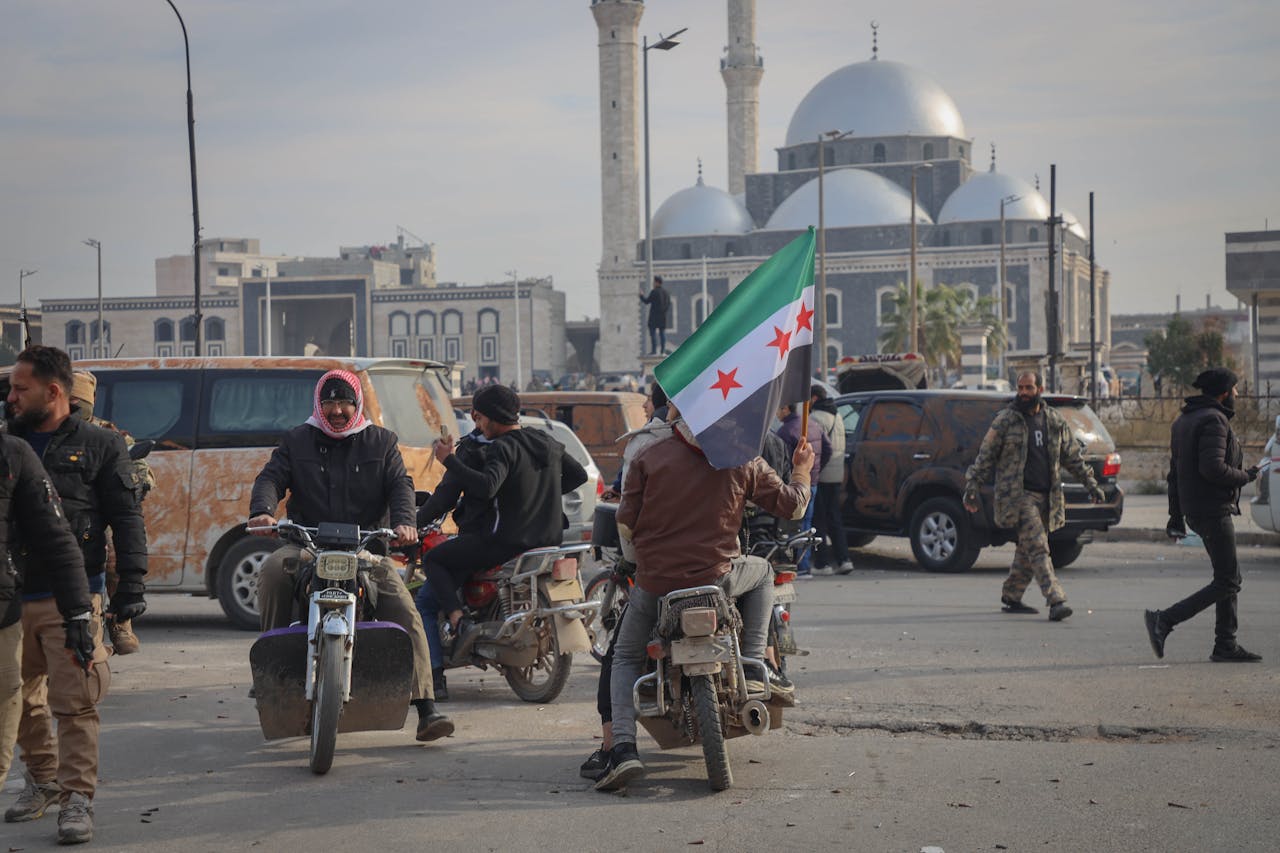 In the past decade, Syria has dealt with “one of the world’s largest humanitarian crises.” More than 5 million Syrian refugees live in the five countries neighboring Syria. Since 2011, Syria has been marred by civil war. The brutal dictator, Bashar Al-Assad, has led a tyrannical regime over the Syrian people. In response to protests following the Arab Spring, the government used “deadly force” against the peaceful demonstrators. This violence escalated into a bloody civil war.
Additionally, “more than 14 million Syrians have been forced to flee their homes in search of safety” since 2011. The United Nations (U.N.) also reports that about 70% of the country’s population needs humanitarian assistance, with 90% living below the poverty line. However, the fall of Assad’s regime has happened and many Syrians are thinking of returning home. Although the fall of Assad’s regime can be seen as a positive development, the future for Syria and its people remains unclear. Here are five obstacles for the Syrian people after Assad fell from power.
Destruction of Infrastructure
Although Assad is gone and Syrian refugees consider the possibility of going back, Syria’s infrastructure has been obliterated by the 13-year civil war. “Basic amenities like clean water, electricity and housing are difficult to find,” Vox reports. For people whose homes were not destroyed, some of them have other people living in them now and “many refugees lack documentation to prove they own their properties.”
On top of that, the new government will unlikely be able to resolve “property disputes” as they are stretched so thin. The vast majority of the country’s population needs aid. The U.N. Refugee Agency reports that 90% of the population depends on humanitarian assistance. In addition, it is the beginning of winter. If refugees start returning now, they will need “shelter, food and water.” There are continuous obstacles for the Syrian people.
Economic Problems
Syria’s economy is in dismal condition and high inflation presents problems for people in Syria, as well as refugees considering returning. The Central Bank of Syria reports that inflation reached 122% in April 2024. In addition, schools have been destroyed, leaving many children without education. In tandem with that, few job opportunities exist for people to earn a reasonable living. Employment is yet another one of the obstacles for Syrian people.
During Assad’s reign, countries like the U.S. put heavy sanctions on Syria, hurting the nation’s economy even further. However, the current “de facto leader of Syria, Ahmed al-Sharaa,” is asking for sanctions to be lifted; he asserts that Syria does not pose a threat to other parts of the world as it did under Assad’s regime. The sanctions are currently still in place.
Uncertain Future
Although many feel joy at the end of Assad’s tyrannical and oppressive regime, the future remains uncertain for Syria. Ahmed al-Sharaa is the leader of Hayat Tahrir al-Sham (HTS), “the dominant group in the rebel alliance,” which defeated Assad. HTS is designated as a terrorist organization by the U.S., U.N. and others. Also, the group was formerly part of the terrorist organization Al-Qaeda. Many are skeptical about whether or not the new leadership will bring peace to Syria.
Many countries hosting Syrian refugees are eager to send them back. However, too many people returning at once could cause new problems, as the government is already dealing with great hardship. Obstacles for Syrian people in and outside of the nation are ever-present. In the north of Syria, Turkish-backed groups are fighting Kurdish-led groups, which might lead to further violence. Even more, many Syrians are doubting that HTS will bring a peaceful future, as they led an authoritarian rule in the northwest of the country.
Humanitarian Aid
Syria Relief & Development (SRD) is a nonprofit organization that addresses Syria’s most urgent need for aid. It was founded in 2011 and intends to provide humanitarian relief and encourage sustainable development in Syria. Since 2011, SRD has been involved in more than 18 million humanitarian interventions in Syria. The organization continues to provide support in health care, education, disaster relief and much more.
Final Thoughts
Syria’s future may be unclear, but there is no doubt that the fall of Assad’s regime has brought great joy to the Syrian people. Obstacles for Syrian people are still present and much aid is still needed. However, there seems to be a hope that Syria will be able to forge a newer and better future.
– Michael Messina
Michael is based in Newburyport, MA, US and focuses on Politics for The Borgen Project.
Photo: Pexels
