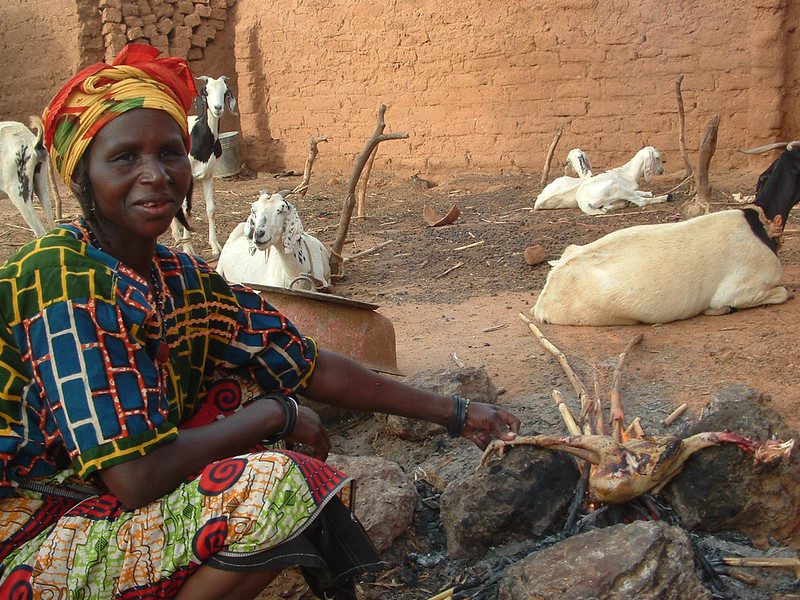
 Each year, millions suffer the consequences of cooking with traditional fuels such as wood, charcoal and kerosene. According to the World Health Organization (WHO), more than 4 million people die annually from illnesses linked to household air pollution caused by burning solid fuels like wood and charcoal. In Africa, nearly four in five people are exposed to hazardous indoor smoke, making it a leading cause of premature death—especially for women and children. Globally, 99% of the population breathes air that the WHO considers unsafe, highlighting the widespread impact of polluted cooking.
Health and Environmental Impact of Polluted Cooking
More than 850 million people in Africa still rely on traditional fuels for cooking, making toxic indoor smoke the second-leading cause of premature death after malaria. The health risks include pneumonia, heart disease, stroke and lung cancer, disproportionately affecting women who spend extended hours cooking.
Beyond its health implications, polluted cooking contributes significantly to environmental degradation. Each year, burning wood fuels releases one gigaton of carbon dioxide, accounting for 2% of global carbon emissions and accelerating deforestation. Switching to cleaner energy alternatives, such as liquefied petroleum gas (LPG), biofuels or solar-powered cookstoves, could mitigate these impacts while preserving biodiversity.
The burden of collecting fuel for cooking falls heavily on women and children, who spend up to 20 hours per week gathering firewood. This time-consuming task limits educational opportunities, keeping children, particularly girls, from attending school and perpetuating cycles of poverty. Without access to clean cooking, families face economic hardship, poor health outcomes and environmental risks, making this issue one of the most pressing challenges in global development.
Clean Cooking Alliance: Driving Change
The Clean Cooking Alliance (CCA) is leading efforts to expand access to clean cooking solutions. The organization collaborates with governments, businesses and nonprofits to create a sustainable, scalable industry focused on modern cooking technologies. CCA’s strategy revolves around:
- Driving Consumer Demand – Increasing awareness and behavioral change to encourage the transition to clean cooking.
- Mobilizing Investment – Attracting funding to grow businesses that produce and distribute affordable clean stoves and fuels.
- Supporting Policies – Advocating for government policies that prioritize clean energy solutions.
CCA has already made a measurable impact by providing $8.6 million in grants to clean energy companies, investing $2 million in gender-focused initiatives and reaching 40 million people through awareness campaigns. Alex Eton, CEO of Sistema.Bio, calls clean cooking “a pathway out of poverty.”
Challenges and Opportunities for Expansion
While Africa’s renewable energy sector is booming, clean cooking solutions remain underfunded. Between 2019 and 2020, investment in clean cooking businesses dropped from $25 million to just $10 million, limiting growth and accessibility. Low consumer demand and insufficient financing continue to hinder widespread adoption. Despite these obstacles, clean cooking offers significant health, economic and environmental benefits. Cleaner stoves reduce fuel consumption by 30-60%, lowering household costs and carbon emissions. Access to clean cooking solutions lowers the risk of respiratory infections, cardiovascular diseases and pregnancy complications.
Spark+ Africa Fund: Scaling Clean Cooking Solutions
To address the funding gap, CCA launched Spark+ Africa—the world’s first impact fund dedicated to financing clean cooking solutions. This initiative aims to create greater access to capital for businesses while delivering:
- Improved respiratory health for millions of people.
- Gender equality by reducing time poverty for women.
- Lower greenhouse gas emissions and deforestation.
- Job creation in the renewable energy sector.
Empowering Women Through Clean Cooking
CCA’s commitment to gender equity is central to its mission. The organization states, “Women must be part of the process,” emphasizing its role in both using and promoting clean cooking solutions. The Women in Clean Cooking (WICC) mentorship program, launched in 2020, connects female professionals with industry leaders to support career growth, entrepreneurship and leadership in sustainable energy.
Engaging Youth in the Clean Cooking Movement
With 90% of the world’s 1.8 billion youth living in developing countries—where access to clean cooking remains limited—CCA recognizes the importance of engaging young people. The organization has launched youth-driven initiatives to promote leadership in the clean cooking sector, including:
- Sponsoring the 2023 YES! Youth Energy Summit, featuring youth-led discussions on clean energy.
- Sending the first youth delegation to the 2022 One Young World Summit, increasing awareness and advocacy efforts.
- Creating a youth consultation process to ensure that young voices influence policy and investment decisions.
The Road Ahead
The Clean Cooking Alliance continues to expand its efforts, with upcoming global conferences in March 2025, focusing on clean energy, climate action and poverty reduction. However, achieving universal access to clean cooking by 2030 requires stronger commitments from governments, private investors and international organizations. The Clean Cooking Alliance’s work represents a crucial step toward a future where clean cooking is no longer a privilege but a right. By addressing health risks, environmental concerns and economic barriers, CCA is leading a movement that has the potential to transform millions of lives worldwide. With continued investment and innovation, clean cooking could not only improve health and environmental conditions but also drive sustainable development in communities most in need.
– Amani Almasri
Amani is based in Durham, UK and focuses on Good News and Technology for The Borgen Project.
Photo: Flickr

Training Centers and Vocational Education in Kenya
The Importance of TVET’s in Kenya
For a country like Kenya, economic development is dependent on the growth of the manufacturing industry through production of goods and services that can be imported to generate income. However, for this goal to be realized, technological innovation is important. Therefore, TVET’s come in to address the skills gap by producing a human resource fit for the job market or self employment.
According to The Technical and Vocational Education and Training Authority (TVETA, 2025), Kenya has 12 accredited national polytechnics, 1,232 accredited technical and vocational colleges and 1,086 accredited vocational training centers. Furthermore, vocational education training centers have evolved from providing semi-skilled labor for white settlers to equipping students with skills that meet the needs of the local industries.
Curricula Transformation
Kenya passed the Technical and Vocational Education and Training Act to modernize the TVET sector. The key focus was incorporating information and communication technology to increase access, enhance training capacity, improve delivery methods and support the long-term employability of graduates. Additionally, the act established the Curriculum Development, Assessment and Certification Council (CDACC) tasked with developing the curriculum and assessment standards.
The Outcome
The digitalization of vocational education and training centers in Kenya has benefitted from partnerships with institutions like the World Bank, the German government and organizations like Colleges and Institutes Canada.
With support from the German government, schools like St. Kizito, carried out an assessment of the automotive industry to update their curriculum for automotive courses to ensure the training is aligned with the requirements of the labor market. This partnership led to a revamped curriculum and on job training opportunities for students allowing them to gain practical experience.
Colleges and Institutions Canada conducted research to explore how innovation hubs could address community problems. This initiative has led to various innovations, such as energy-saving stoves and the development of flour using underutilized crops to address food insecurity and nutritional deficiency among vulnerable groups.
Commercialization of innovations has also been a key focus. The TVET curriculum is designed to equip students with skills relevant to the current labor market demands that technological advancement characterizes. To ensure the students are contributing to the manufacturing industries, vocational education and training centers are maximizing their potential for economic growth by commercializing their innovations.
Effect on Economy and Poverty Reduction
Sub-Saharan Africa ranks as one of the regions with the highest school drop out rates of children between the ages of 15 to 17. However, many often see education as a powerful tool in breaking the poverty cycle through empowerment, reducing child labor and providing people with the skills necessary to seek employment. One of the ways to increase access to education is making it affordable and accessible to everyone by promoting non-formal education pathways like vocational training and education.
According to the Kenya National Bureau of Statistics (KNBS) employment in the informal sector grew by 4.5% compared to a 4.2% growth in the formal sector.
These statistics highlight the impact of TVET in alleviating poverty. Often overlooked as a viable academic option, their ability to transform lives at the community level by providing people with skills that help them to improve their lives is indisputable. Indeed, by focusing on skills such as electrical engineering, agriculture, building and construction they offer local industries with ready skills while meeting the needs of local communities. This also creates a pathway to economic independence through self employment. Vocational education training centers are a powerful long term investment in the journey of transforming Kenya’s economy.
– Grace Ruria
Photo: Flickr
Migration to Malta: Challenges and Opportunities
Migration Trends in Malta
According to official data, Malta’s population reached 563,443 at the end of 2023, reflecting a 4% increase from the previous year. Net migration predominantly drove this growth, with non-EU citizens accounting for 93.1% of new arrivals. Eurostat recorded Malta as having the highest immigration rate in the EU in 2022, with almost 66 migrants for every 1,000 residents.
This trend reflects a broader global context where nations across Europe face rising migration, driven by both economic disparities and humanitarian crises. According to the World Health Organization (WHO), Malta hosts more than 11,000 refugees and 2,000 asylum seekers who are mainly from Ukraine, Libya, Syria, Sudan and Bangladesh.
For Malta, migrants have contributed to a younger demographic profile compared to the aging local population. While the old-age dependency ratio for Maltese citizens has risen, migrants have helped offset this demographic challenge, as demonstrated by their declining old-age dependency ratio.
Migration and Poverty
According to WHO, Malta has limited resources coming from its small size, but it also offers seamless health care services to refugees and migrants from the moment they arrive, according to Dr Valeska Padovese, Special Advisor on Migrant Health Migration.
Malta has a complex relationship with poverty. Although poverty indicators are generally below the EU average, specific groups such as non-EU nationals and the elderly, particularly women are disproportionately affected. Moreover, migrants often experience unstable jobs, harsh conditions, and limited housing access.
Migration to Malta has undoubtedly placed a strain on the island’s infrastructure and social services. Over-construction, inflated housing prices and resource allocation are pressing issues that demand strategic planning and investment. Despite these difficulties, migration offers opportunities. Migrants contribute to the economy, offset demographic challenges and enrich Maltese society with cultural diversity.
Access to Water
As a water-scarce nation, Malta’s reliance on desalination and groundwater sources presents challenges in meeting the growing demand from an expanding population. According to the Energy and Water Agency, a governmental agency of Malta, freshwater resources are a long-standing challenge, compounded by the small size of the island and high population density.
Additionally, Euronews reported Malta’s scarce natural resources could worsen due to climate change and mass tourism over the years.
To tackle these issues, Malta follows the EU’s Water Framework Directive, which aims to ensure an adequate quantity and quality of water. This involves expanding the water supply through non-conventional methods like seawater desalination, wastewater reuse, and rainwater harvesting.
A Positive Note: Charitable Efforts
Amid these challenges, several charitable organizations are stepping up to support migrants and vulnerable populations. One notable example is the Jesuit Refugee Service (JRS) Malta, which provides legal assistance, psychological support and integration programs for refugees and asylum seekers.
Another organization, the Migrant Women Association Malta, focuses on empowering migrant women through skills training and community support. These efforts reflect a growing movement within Malta to address migration-related challenges with compassion and innovation.
Migration to Malta is a multifaceted issue, intertwining economic opportunities with social challenges. While it has brought significant demographic and economic benefits, addressing poverty and resource allocation is crucial for sustainable growth. With continued commitment from policymakers, community organisations, and society at large, Malta can turn these challenges into opportunities, building a more inclusive and resilient nation.
– Arianna Distefano
Photo: Unsplash
Uzbekistan’s Anti-Poverty Program
Poverty in Uzbekistan
Despite Uzbekistan’s progress in reducing poverty, challenges remain, particularly in rural areas, where nearly half the population lives. Limited access to essential services and economic opportunities continues to hinder development in these regions. The national unemployment rate stands at 6.8%, but job opportunities remain scarce in many areas. Youth face particularly high unemployment, with 24% struggling to find work. Informal employment, which operates outside government regulation, remains widespread, further complicating efforts to ensure stable and secure job opportunities across the country.
“From Poverty to Prosperity” Program
To tackle poverty and lift 1 million people out of economic hardship, the Government of Uzbekistan partnered with the United Nations Development Programme (UNDP) to launch the “From Poverty to Prosperity” initiative in late 2024. The program prioritizes vocational training and job creation to address employment challenges. Although Uzbekistan currently has 250,000 job vacancies, many low-income individuals lack the necessary skills and training to qualify for these positions.
Uzbekistan’s anti-poverty program aims to bridge this gap by expanding job training programs, equipping participants with essential skills and increasing access to stable, well-paying employment. Beyond workforce development, the program emphasizes education for children from low-income families, expanding access to higher education and increasing enrollment in preschools. By investing in skills training and education, the initiative seeks to build long-term economic stability for individuals and communities across Uzbekistan.
Recent Progress
Since 2020, the Uzbekistan government has made poverty reduction a national priority. Significant resources have been invested into the movement and the President of Uzbekistan, Shavkat Mirziyoyev, has even declared poverty reduction a “national movement.” Social programs have been modernized and expanded in recent years, assisting the poor. This investment in fighting poverty has already yielded significant results, with the poverty rate falling from 17% in 2021 to 11%. Rural areas, which have higher rates of poverty than urban areas, have seen the largest poverty reduction, declining by 7.8 percentage points.
Looking Ahead
Uzbekistan’s anti-poverty program demonstrates the country’s continued investment in education, workforce development and social programs, positioning the country to meet its goal of lifting 1 million people out of poverty in 2025. The “From Poverty to Prosperity” program marks another step toward sustainable economic growth and improved living standards. With government investments and strategic reforms, Uzbekistan is on track to further reduce poverty and create a more inclusive economy.
– Matthew Wornom
Photo: Flickr
Moving Forward: The Electric Vehicle Industry in the DRC
Rising Demand for Rare Earth Metals
Investment in the DRC and other Central African nations reflects a growing interest in clean energy technologies. It also highlights the potential for increased engagement with the Congolese government to promote global trade of these valuable resources. As the EV and battery storage industries grow, the International Energy Agency (IEA) has predicted that total demand for lithium will rise by close to 90% by 2040. Similarly, nickel and cobalt will increase to between 60-70%.
The push is led by China, whose companies have been systematically buying and constructing refineries for these metals. Effectively this has made China indispensable to the EV supply chain. Approximately 80% of the DRC’s cobalt output is owned by Chinese companies. Many of these companies have recently come under fire for inhumane labor practices regarding the mines. For nations looking to get involved, the challenge now is to formalize the mining and refining processes while aligning labor practices with global standards. Additionally, the task is to distribute the profits from this trade to the Congolese government and its people.
Electric Vehicle Industry in the DRC
The DRC has long struggled with civil conflict. Fighting between the Congolese government and the militia group M23 has displaced millions of citizens. The DRC is considered one of the five most vulnerable countries in the world. The World Bank estimates that 73.5% of Congolese people live on less than $2.15 a day. Despite these challenges, the mining sector plays a vital role in the Congolese economy. In 2023, it grew by 18.2%, contributing to more than 70% of the overall gross domestic product (GDP) growth.
Most laborers, however, do not benefit from this growth. Often compared to modern-day slavery, Congolese freelance miners— referred to as “artisanal”— work in dangerous conditions for little more than a few dollars a day. These artisanal miners manually dig on the peripheries of excavation sites to sell to independent distributors. About 10-20% of Congolese cobalt is produced by artisanal and small-scale mining (ASM). These ASM sites, in particular, are associated with child labor, hazardous conditions and human rights violations.
There has been a surge in pressure on the Congolese government and cobalt-producing companies in the DRC to avoid ASM-produced cobalt entirely. However, others have pointed out that this runs the risk of cutting off the livelihoods of many Congolese workers. Rather, a formalization of the ASM industry is necessary to monitor high-risk situations and prevent human rights violations.
Formalization of the ASM Industry
The Mutoshi mine, located in the Katanga Province, has served as a pilot project to integrate ASM into industrially mined cobalt. Formalization processes include encouraging female participation, eliminating child labor and improving safety conditions. Similarly, directives such as the European Union (EU) Batteries Directive, the African Green Minerals Strategy and the DRC’s Interministerial Commission in Charge of Monitoring Child Labor in Artisanal Mining aim to improve ASM conditions.
Furthermore, negotiations like the U.S.-DRC-Zambia trilateral memorandum of understanding (MoU) aim to strengthen cooperation. Furthermore, they look to develop a cross-border integrated value chain for EV battery production. The MoU also seeks to raise awareness of investment and co-financing opportunities for the EV industry in the DRC.
Looking Ahead
With rising investments and exports in the mining sector, driven by improving mineral prices and growing public investment from the EV and battery industries, the DRC is poised to see continued favorable GDP growth over the next decade. In 2023, GDP growth was recorded at 7.8%. With the continued formalization of ASM and steadfast negotiation, the DRC can improve its global standing greatly as demand for EVs and battery storage techniques continues to grow.
– Sadie Claps
Photo: Unsplash
Clean Cooking Alliance: Push for Clean Cooking Solutions
Health and Environmental Impact of Polluted Cooking
More than 850 million people in Africa still rely on traditional fuels for cooking, making toxic indoor smoke the second-leading cause of premature death after malaria. The health risks include pneumonia, heart disease, stroke and lung cancer, disproportionately affecting women who spend extended hours cooking.
Beyond its health implications, polluted cooking contributes significantly to environmental degradation. Each year, burning wood fuels releases one gigaton of carbon dioxide, accounting for 2% of global carbon emissions and accelerating deforestation. Switching to cleaner energy alternatives, such as liquefied petroleum gas (LPG), biofuels or solar-powered cookstoves, could mitigate these impacts while preserving biodiversity.
The burden of collecting fuel for cooking falls heavily on women and children, who spend up to 20 hours per week gathering firewood. This time-consuming task limits educational opportunities, keeping children, particularly girls, from attending school and perpetuating cycles of poverty. Without access to clean cooking, families face economic hardship, poor health outcomes and environmental risks, making this issue one of the most pressing challenges in global development.
Clean Cooking Alliance: Driving Change
The Clean Cooking Alliance (CCA) is leading efforts to expand access to clean cooking solutions. The organization collaborates with governments, businesses and nonprofits to create a sustainable, scalable industry focused on modern cooking technologies. CCA’s strategy revolves around:
CCA has already made a measurable impact by providing $8.6 million in grants to clean energy companies, investing $2 million in gender-focused initiatives and reaching 40 million people through awareness campaigns. Alex Eton, CEO of Sistema.Bio, calls clean cooking “a pathway out of poverty.”
Challenges and Opportunities for Expansion
While Africa’s renewable energy sector is booming, clean cooking solutions remain underfunded. Between 2019 and 2020, investment in clean cooking businesses dropped from $25 million to just $10 million, limiting growth and accessibility. Low consumer demand and insufficient financing continue to hinder widespread adoption. Despite these obstacles, clean cooking offers significant health, economic and environmental benefits. Cleaner stoves reduce fuel consumption by 30-60%, lowering household costs and carbon emissions. Access to clean cooking solutions lowers the risk of respiratory infections, cardiovascular diseases and pregnancy complications.
Spark+ Africa Fund: Scaling Clean Cooking Solutions
To address the funding gap, CCA launched Spark+ Africa—the world’s first impact fund dedicated to financing clean cooking solutions. This initiative aims to create greater access to capital for businesses while delivering:
Empowering Women Through Clean Cooking
CCA’s commitment to gender equity is central to its mission. The organization states, “Women must be part of the process,” emphasizing its role in both using and promoting clean cooking solutions. The Women in Clean Cooking (WICC) mentorship program, launched in 2020, connects female professionals with industry leaders to support career growth, entrepreneurship and leadership in sustainable energy.
Engaging Youth in the Clean Cooking Movement
With 90% of the world’s 1.8 billion youth living in developing countries—where access to clean cooking remains limited—CCA recognizes the importance of engaging young people. The organization has launched youth-driven initiatives to promote leadership in the clean cooking sector, including:
The Road Ahead
The Clean Cooking Alliance continues to expand its efforts, with upcoming global conferences in March 2025, focusing on clean energy, climate action and poverty reduction. However, achieving universal access to clean cooking by 2030 requires stronger commitments from governments, private investors and international organizations. The Clean Cooking Alliance’s work represents a crucial step toward a future where clean cooking is no longer a privilege but a right. By addressing health risks, environmental concerns and economic barriers, CCA is leading a movement that has the potential to transform millions of lives worldwide. With continued investment and innovation, clean cooking could not only improve health and environmental conditions but also drive sustainable development in communities most in need.
– Amani Almasri
Photo: Flickr
Implementation of New Social Reforms in Morocco
According to a 2023 report from the International Monetary Fund (IMF), gender gaps in the Moroccan labor market are quite big, with the gap being around 21% and has been falling since 2004. The labor force in rural areas, in particular, has been declining in terms of the number of women working. The report also mentioned gender disparities in employment rates, in which it was found that unemployment rates were higher for women than they were for men. This presents a major issue, as the report found that if more women were encouraged and able to go to work, Morocco’s economy could be strengthened. There would be more people in the workforce.
Morocco acknowledges its ongoing struggles with gender inequality and its efforts to address this issue through social protection reforms are not recent. These efforts date back to the ’50s and were revitalized in the late ’90s, with a particular focus during the COVID and post-COVID periods.
Moudawana – 2004
Moudawana is Morocco’s family law. First drafted and implemented in the late ’50s, this law was reformed again in 2004. In this law, important rights for women were introduced, such as the right to self-guardianship, divorce, child custody and inheritance. Additionally, the legal age of marriage was raised from 15 to 18 years old. This law was a stepping stone toward improving gender equality in Morocco. The law provides women with self-autonomy and a way to support themselves financially, such as by securing inheritance and the right to self-guardianship.
COVID-19
Fast forward 16 years later, COVID-19 had a profound impact on social reforms in Morocco. It highlighted the need for special protections to be extended to all Moroccan citizens and the need for the country to pay closer attention to low-income individuals and families. At the time of the pandemic, it was found that women experiencing multidimensional poverty were more likely to be living in rural areas.
This is primarily due to a lack of education. According to a study titled “Women’s Poverty in Morocco in the Context of the Covid-19 Pandemic: a Multistory Approach,” “educational deficits explain nearly 60% of the risk of suffering this form of poverty.” In fact, a significant education disparity exists between men and women in Morocco, which undoubtedly contributes to women’s higher rates of poverty. As of 2022, the World Bank reports a 16.5% gap in adult literacy between men and women in Morocco.
In March 2021, during the pandemic, Social Protection Law No. 09. 21 was adopted with the intention of protecting Moroccans against economic and social risks. This law had two phases. The first phase from 2021-2023 would allow the government to focus on the generalization of medical insurance. In contrast, the 2024-2025 phase would require the government to implement unemployment allowances. These medical protections fall under three new registries that the Kingdom of Morocco created and began implementing in 2022.
Post COVID-19
Closing Remarks
These three systems, while still in the beginning stages of implementation, have managed to benefit impoverished women in particular. Often, women in rural areas lack proper identification. In many cases, illiteracy makes it hard to navigate bureaucratic processes. Now that these women have been identified, they are eligible to access government social assistance programs.
Overall, social reforms in Morocco have made steady progress in addressing gender inequality and poverty. While the systems mentioned are new and by no means perfect, the progress has been encouraging to see.
– Aya Diab
Photo: Flickr
Migrant Workers in the UAE
Economic Dependency on Migrant Workers in the UAE
According to the Migration Policy Institute, the UAE “has become a popular destination for temporary labor migrants seeking employment opportunities and higher standards of living.” Attracting low and high-skilled workers, migrants make up more than 90% of the private workforce in the UAE. Government systems, like the Kafala Sponsorship System, have incentivized companies to hire international migrants. However, the Kafala Sponsorship System has been controversial, leading to the abuse of many migrant workers.
The Kafala Sponsorship System
The Kafala System allows migrant workers an opportunity for financial security in a new chapter of their lives in return for providing labor to an oil-driven economy. However, many private companies have used this to their advantage, becoming a stemming point for human rights abuses. With workers’ residential and employment status dependent upon their sponsor’s jurisdiction, workers have little power to move jobs, challenge unpaid wages and fight against unsafe workplace conditions.
With little mobility in their choice of work, quitting or resigning from a job is an offense that can lead to the termination of sponsorship and deportation. As a result, many domestic workers excluded from labor laws in the UAE become trapped in the Kafala System with no legal path out. In recent years, the UAE government has passed laws to address the flaws in the Kafala system. These new laws include prohibiting the confiscation of an employee’s documents and introducing wage protection measures. While human rights groups have found that work-right abuses are still vibrant, the potential for a flawless Kafala System has become a hope for the future.
Economic Benefit
The UAE has become a popular migration hub due to the economic opportunity the country presents. The country’s tax-friendly laws, such as no personal income tax, have made it attractive for everyone. With the extra money, many migrant workers can send remittances back to their families in their home country. Once financially able, families of migrants are relocated to the UAE to be reunited with family, furthering the UAE economy.
Conclusion on Migrant Workers in the UAE
Due to economic development, the rapid migration to the UAE has caused many migrant workers to be exploited under the UAE’s lack of labor laws. With major flaws in government systems, many migrant workers are stuck in inhuman situations that are at the discretion of their sponsoring company. The government is actively working to pass laws in hopes of reforming systems like the Kafala Sponsorship System. However, migration to the country has not slowed in recent years and many migrants risk employment imprisonment.
– Naseem Rahman
Photo: Wikimedia Commons
Urgent Humanitarian Aid: UK Government Pledges £61 Million
Cyclone Chido
The U.K. government designated up to £5 million to aid those that cyclone Chido in Mozambique affected. Cyclone Chido hit Mozambique in December 2024, with winds of more than 200 km/h an hour and 176 mm of rainfall within 24 hours, causing widespread destruction. Chido marked the beginning of the South-West Indian Ocean tropical cyclone season. According to the World Meteorological Organization (WMO), Chido has been the worst cyclone to hit the region in about 90 years. High wind speeds, heavy rainfall and storm surges accompany cyclones, which leads to widespread damage and flooding. Chido’s destruction injured 768 people with more than 622,00 people affected by the cyclone.
The cyclone has destroyed more than 35,000 homes and affected more than 90,000 children in Cabo Delgado in Northern Mozambique, according to UNICEF. Along with homes, the cyclone severely damaged classrooms and health facilities. Cabo Delgado has seen seven years of brutal conflict, which displaced more than 1.3 million people, the majority of which were women and children, before Cyclone Chido wreaked havoc in Mozambique. There are currently 4.8 million people in need of humanitarian assistance in Mozambique, of which 3.4 million are children.
The U.K. aims to reach about 350,000 people in need of humanitarian assistance in Mozambique by providing immediate shelter, clean water and sanitation. Further, the £5 million designated for humanitarian relief in Mozambique aims to ensure that the country is better prepared for the rest of the 2024-2025 cyclone season by coordinating with the International Organisation for Migration (IOM) and the United Nations Office for the Coordination of Humanitarian Affairs, according to the U.K. Government.
Bangladesh
The U.K. Government committed £5 million of humanitarian aid for Bangladesh to provide shelter, healthcare and clean water in the Rohingya refugee camps. The Rohingya are a Muslim ethnic minority group residing in predominantly Buddhist Myanmar, where they are not recognized by the state and denied citizenship. As of August 2024, about 1 million Rohingya have sought refuge in Bangladesh after fleeing from prosecution in Myanmar. The U.K. government has given urgent humanitarian relief to the UNHCR, the IOM and UNICEF.
Somalia
The Development Office has designated another £5 million to support the International Committee of the Red Cross (ICRC) and its efforts in Somalia to provide emergency assistance, basic health care, food and water. The ICRC has been operating in Somalia since 1977 and provides humanitarian relief to families in Somalia that are affected by years of armed conflict and climatic shocks.
Democratic Republic of Congo
Another £5 million will be given to the World Food Programme (WPF) to support its efforts in the DRC, where currently 25.6 million people are facing crisis and emergency levels of food insecurity. The DRC faces one of the largest hunger crises in the world. Armed conflicts within the country have displaced a large part of the population and hunger continues to grow. The U.K.’s aid will deliver assistance to about 48,000 people and help address their immediate needs.
Burkina Faso, Mali, Niger
Due to the ongoing food crisis in the Sahel region, the U.K. Government aid package designated up to £8 million to provide food assistance in partnership with the ICRC, which is providing humanitarian aid in the region due to ongoing droughts and soaring food prices, which have exacerbated food insecurity in the region, Currently more than 3 million people in Niger and 3 million people in Burkina Faso are facing emergency food insecurity.
Myanmar
The U.K. Government has allocated a further £11 million of aid to address the humanitarian crisis in Myanmar. The money will provide lifesaving treatments for malaria and provide access to lifesaving sexual health and maternal health treatments. Myanmar has a maternal mortality ratio of 282 compared to the Southeast Asian average rate of 140. This means that out of 100,000 live births, there are 282 related deaths. Most of these deaths are related to postpartum bleeding, unsafe abortion and sepsis, which with the right treatment and care are mostly preventable.
Middle East
The U.K. government dedicated £22 million of aid, the largest portion of the package, to address the escalating crisis in the Middle East, which came shortly after the Prime Minister allocated £13 million to UNRWA on December 11, 2024, supporting essential services for Palestinian refugees across the Occupied Palestinian Territories, Jordan, Lebanon and Syria. Later in December, the Prime Minister and Foreign Secretary committed over £60 million to aid Syrians through various UN humanitarian funds and the U.K. Aid Fund for Northern Syria, according to the U.K. Government.
Addressing Humanitarian Crises
This urgent humanitarian aid package demonstrates the U.K. government’s continued commitment to addressing humanitarian crises worldwide through strategic partnerships with U.N. agencies and international organizations like the ICRC, WFP and UNICEF. The distribution of funds across multiple regions reflects a balanced approach to global humanitarian assistance, with particular emphasis on immediate crisis response in the Middle East, climate disaster relief in Mozambique, and addressing food insecurity in the Sahel region. However, this commitment operates within the context of the U.K.’s reduced overseas aid spending from 0.7% to 0.5% of GDP, raising questions about the scale of future humanitarian interventions despite the government’s evident willingness to respond to urgent global crises.
– Salome von Stolzmann
Photo: Unsplash
Communities Fighting Uganda’s Trash Crisis
Background
Uganda’s trash crisis is not a new development, but in recent years the problem has risen to a fever pitch. In a 2024 report, Ugandan officials reported that more than 9.8 million Ugandan households, equivalent to 91.6% of all total households, relied on improper waste management methods. These waste management methods ranged from using fire pits to burn trash, or simply dumping waste in illegal or unsupervised locations like gardens. This, combined with a lack of access to trash bins, has created a precedent of improper waste disposal.
There have already been attempts made to try and combat Uganda’s trash crisis. Uganda has repeatedly tried to outlaw single-use plastics, which are the main source of trash in the country. Bans on single-use plastics enacted in 2007, 2009, 2015, 2018, and 2021 have proven to be ineffective due to lax law enforcement and inconsistent policies. This has culminated in Uganda generating an estimated amount of 600 tons of plastic trash every day, which translates to about 220,000 tons of plastic waste every year.
Effects of Pollution
The effects of Uganda’s trash crisis have been devastating so far. The trash-landslide is the most cataclysmic of them, but it is by no means the only repercussion of poor waste management. Lake Victoria, the largest tropical lake in the world, resides on Uganda’s southern border and faces a threat in large part due to Uganda’s trash crisis. More than 40 million people rely on this lake as their primary source of freshwater. Due to the contamination from trash, Lake Victoria is now reaching dangerous levels of pollution that make it unfit for human consumption and harmful to the wildlife within.
Coming Together To Make a Change
Despite the severity of the situation, communities have come together to try and find solutions for Uganda’s trash crisis. This has taken many different forms of activism and action. Recycling, for example, has become one of the biggest ways that nonprofits are reclaiming the trash crisis. Takataka Plastics is a local business that aims to help make Uganda greener and safer by turning plastic into fashionable tiles for walls and floors. So far, the company has recycled more than 87.7 tons of plastic since their opening in 2020. These construction materials are low-cost as well, and their production has created jobs for many Ugandan locals.
The reuse and recycling of trash does not stop there, though. Nonprofits and individuals have created many things out of plastic bottles in Uganda, including trash bins, planters and even entire school gates! More than that, entire houses have been constructed out of plastic bottles.
Social Innovation Academy (SINA) is a nonprofit in Africa focusing on unemployment and educational opportunities. In 2022, SINA built a social space for refugees in Uganda out of plastic bottles. This initial building marked an important step in combating Uganda’s trash crisis by offering further inspiration for the reuse and recycling of plastic.
Beyond the recycling of plastics, many individuals within Uganda are also doing their part to combat Uganda’s trash crisis by offering natural alternatives to plastics. For example, Godfrey Kigoye, a local Ugandan farmer, has taken to growing calabash, also known as bottle gourds, as a substitute for plastic bottles. These bottle gourds, after being dried, can be used as a reusable and biodegradable container for fluids. Many farmers, Kigoye included, have found that bottle gourds are becoming more popular among customers in favor of single-use plastic bottles.
Moving Forward
While there is still plenty of work to be done regarding Uganda’s trash crisis, recent efforts to reclaim and dispose of the trash plaguing Uganda have proven promising. With continued efforts from both the Ugandan government and its people, a healthier, happier Uganda with less trash is in sight.
– Mackenzie Scott
Photo: Flickr
Women’s Empowerment in Kurdistan
Political Participation
A defining policy in Kurdish governance is the co-chair system, which legally mandates that all leadership positions be shared equally between men and women. This structure ensures that international diplomats engaging with Kurdish representatives meet with women and men in equal numbers. The ideological foundation of this movement is rooted in “jineology” or “the science of women.” Several Kurdish political organizations embrace this philosophy, with the Women’s Protection Units (YPJ) in northern Syria being the most well-known. This region, referred to as Rojava by Kurds, symbolizes Western Kurdistan and serves as a key example of gender equality in action.
While these reforms have created new opportunities for women, challenges remain. Political instability, conservative social structures and ongoing conflict in the region pose obstacles to full gender equality. Women participating in politics and military forces still face discrimination and resistance from traditional societal norms.
Advancing Gender Equality
Committed to promoting gender equality, the YPJ movement has established women-only organizations and mandated that half of all government funds be allocated to women’s initiatives. These ongoing efforts have led to significant legal reforms, including the outlawing of child marriage, a ban on polygamy and stronger mechanisms for women to report domestic abuse, with legal consequences for perpetrators.
The Kurdistan Regional Government (KRG) has also introduced legal protections for women’s rights. The Family Law enacted in 2011 provides statutory protection against gender-based violence, including practices like female genital cutting. However, gaps in enforcement persist and legal loopholes allow some discriminatory practices to continue. Provisions permitting husbands to discipline their wives and laws enabling rapists to avoid prosecution by marrying their victims highlight the ongoing need for legal reform. Despite these challenges, the establishment of such laws marks progress toward safeguarding women’s rights. It is a significant step in transforming Kurdish society.
Economic Empowerment and Breaking Cycles of Poverty
Economic independence plays a crucial role in advancing gender equality. Programs such as the Stronger Women, Stronger Nations initiative support vulnerable women, including Syrian, Yazidi and Iraqi refugees, through vocational training and economic empowerment strategies. These programs provide financial literacy training, employment opportunities and entrepreneurship support, enabling women to secure stable incomes.
Women who participate in these initiatives gain skills in various sectors, including agriculture, tailoring and business management. In addition to improving household income, these programs reduce economic dependence on male family members, offering women greater autonomy and social mobility. Despite these advancements, women in Kurdistan still face barriers to workforce participation, including societal expectations, limited access to higher education and economic policies that do not always prioritize female employment.
Looking Ahead
Kurdish women’s empowerment has already set a precedent for gender equality in the region. However, continued progress depends on further legal reforms, education access and economic opportunities. While Kurdish women’s leadership in governance, law and military forces has been groundbreaking, ongoing advocacy is needed to address legal gaps and social resistance.
By fostering long-term gender equality through political representation, legal protections and economic independence, women’s empowerment in Kurdistan is not only transforming communities but also shaping the future of the Middle East. Their achievements serve as a model for other regions striving for gender justice and social reform.
– Edzhe Miteva
Photo: Flickr