Migration to Malta: Challenges and Opportunities
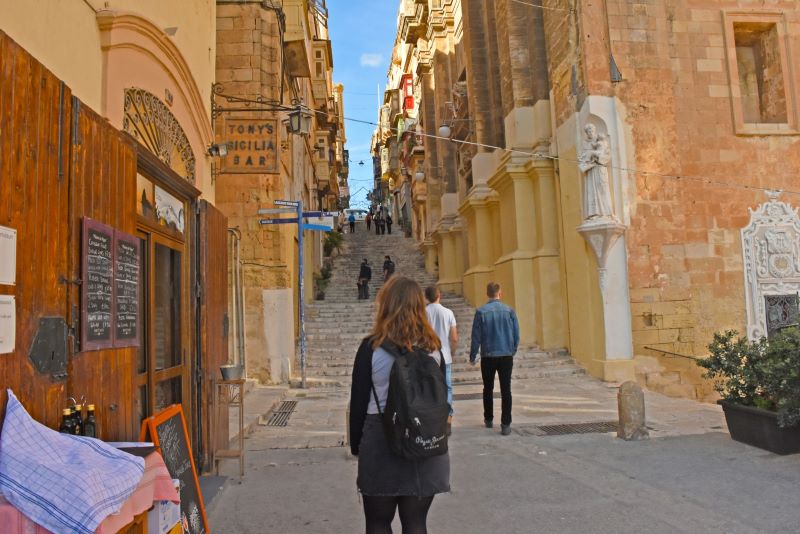 Migration to Malta has shaped the island’s social and economic landscape in recent years. As a small island nation in the Mediterranean, Malta has witnessed a significant influx of migrants, leading to profound demographic changes, economic shifts, and societal challenges. Understanding how these migration trends relate to poverty and access to essential resources, is crucial for shaping Malta’s future.
Migration Trends in Malta
According to official data, Malta’s population reached 563,443 at the end of 2023, reflecting a 4% increase from the previous year. Net migration predominantly drove this growth, with non-EU citizens accounting for 93.1% of new arrivals. Eurostat recorded Malta as having the highest immigration rate in the EU in 2022, with almost 66 migrants for every 1,000 residents.
This trend reflects a broader global context where nations across Europe face rising migration, driven by both economic disparities and humanitarian crises. According to the World Health Organization (WHO), Malta hosts more than 11,000 refugees and 2,000 asylum seekers who are mainly from Ukraine, Libya, Syria, Sudan and Bangladesh.
For Malta, migrants have contributed to a younger demographic profile compared to the aging local population. While the old-age dependency ratio for Maltese citizens has risen, migrants have helped offset this demographic challenge, as demonstrated by their declining old-age dependency ratio.
Migration and Poverty
According to WHO, Malta has limited resources coming from its small size, but it also offers seamless health care services to refugees and migrants from the moment they arrive, according to Dr Valeska Padovese, Special Advisor on Migrant Health Migration.
Malta has a complex relationship with poverty. Although poverty indicators are generally below the EU average, specific groups such as non-EU nationals and the elderly, particularly women are disproportionately affected. Moreover, migrants often experience unstable jobs, harsh conditions, and limited housing access.
Migration to Malta has undoubtedly placed a strain on the island’s infrastructure and social services. Over-construction, inflated housing prices and resource allocation are pressing issues that demand strategic planning and investment. Despite these difficulties, migration offers opportunities. Migrants contribute to the economy, offset demographic challenges and enrich Maltese society with cultural diversity.
Access to Water
As a water-scarce nation, Malta’s reliance on desalination and groundwater sources presents challenges in meeting the growing demand from an expanding population. According to the Energy and Water Agency, a governmental agency of Malta, freshwater resources are a long-standing challenge, compounded by the small size of the island and high population density.
Additionally, Euronews reported Malta’s scarce natural resources could worsen due to climate change and mass tourism over the years.
To tackle these issues, Malta follows the EU’s Water Framework Directive, which aims to ensure an adequate quantity and quality of water. This involves expanding the water supply through non-conventional methods like seawater desalination, wastewater reuse, and rainwater harvesting.
A Positive Note: Charitable Efforts
Amid these challenges, several charitable organizations are stepping up to support migrants and vulnerable populations. One notable example is the Jesuit Refugee Service (JRS) Malta, which provides legal assistance, psychological support and integration programs for refugees and asylum seekers.
Another organization, the Migrant Women Association Malta, focuses on empowering migrant women through skills training and community support. These efforts reflect a growing movement within Malta to address migration-related challenges with compassion and innovation.
Migration to Malta is a multifaceted issue, intertwining economic opportunities with social challenges. While it has brought significant demographic and economic benefits, addressing poverty and resource allocation is crucial for sustainable growth. With continued commitment from policymakers, community organisations, and society at large, Malta can turn these challenges into opportunities, building a more inclusive and resilient nation.
– Arianna Distefano
Arianna is based in London, UK and focuses on Politics for The Borgen Project.
Photo: Unsplash
