Social Programs Help Panama
 Panama, a country found in Central America, is located south of the Caribbean Sea, with its neighboring nations being Costa Rica and Colombia. The Panama Canal allowed the nation to prosper through economic growth from its logistical hub. This hub is a trade and financial center, with the World Bank projecting Panama’s GDP growth rates to be around 6.40% for 2024 and 6.50% for 2025.
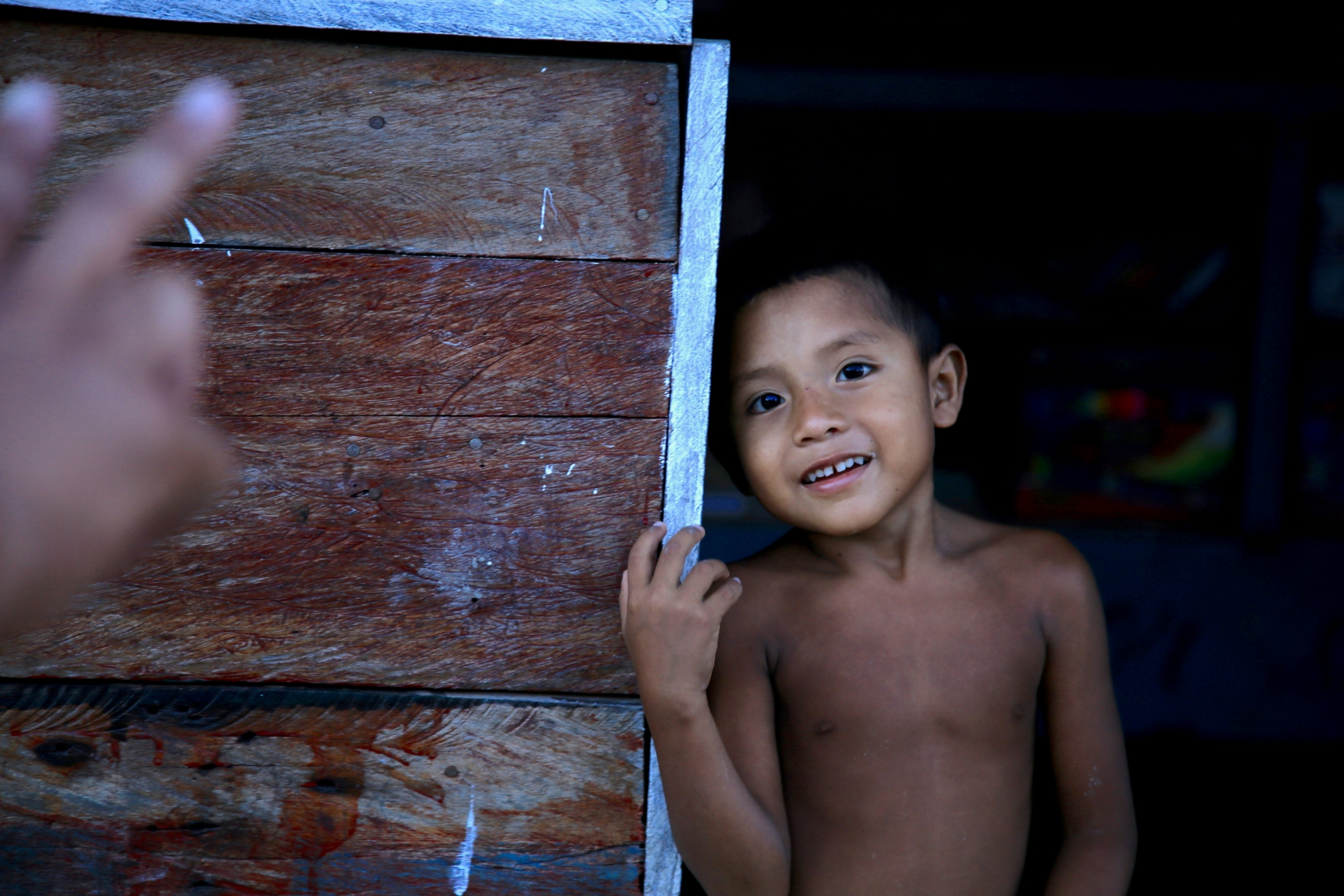
Despite the economic growth projections, Panama suffers, like other nations, from disproportionate income distribution. This income inequality affects rural indigenous groups as well as Afro-Panamanian populations, with estimates showing that less than 15% live outside of poverty. The Ministerio de Desarrollo Social (Ministry of Social Development) assists low-income families and poor people with disabilities through financial and mental health services. These social programs help Panama receive much-needed aid for greater income equality between its socioeconomic groups.
USAID Partners With Panama to Tackle Poverty
From the mid-60s through 1982, Panama collaborated with the United States Agency for International Development (USAID) to enhance the well-being of its citizens. Through initiatives focused on agricultural diversification and research, numerous families experienced a rise in income. Simultaneously, public infrastructure projects, including the development of streets, roads and water and sewage systems, were implemented, contributing to a reduction in deforestation. These changes ensure that future generations will prosper through Panama’s natural resources.
USAID assistance continued through three legacy institutions, hoping to sustain Panama’s natural resources. Of these, two have demonstrated notable success. For instance, the Chagres National Park Fund actively funds the management of the Chagres River Basin. This basin plays a critical role in supplying the necessary water required for the operation of the Panama Canal, accounting for 45% of its operational needs and approximately 80% of the water is utilized for human consumption in Panama City, home to around 1.5 million residents. The second successful initiative, the Darien National Park Fund, is dedicated to protecting the 1.4 million acres that struggled under deforestation. These social programs help Panama establish opportunities for its citizens to flourish and learn to operate with minimal external assistance.
Red de Oportunidades Provide Economic Support to Poor Households
Red de Oportunidades, aptly named Network of Opportunities, seeks to dismantle the cyclical nature of extreme intragenerational poverty in Panama. This initiative is directed towards mothers in extreme poverty with children between the ages of 0 to 18. These households will receive around 50 Panamanian Balboa per month so long as they fall under these conditions.
Guardian Angel Programme Helps Panamanians With Disabilities
In addition to assisting low-income households, the Guardian Angel Programme established an economic allowance for those with severe disabilities. Not only money transfers but the program will require participants to attend “lectures, courses and seminars for psychological and medical orientation and accession to the education system in the case of minors.” By providing these resources, social programs help Panama provide sessions to help integrate severely disabled people into their society to live healthy and balanced lives.
Conclusion
The synergy between USAID programs and Panama’s Ministry of Social Development has substantially addressed the immediate needs, leaving little room for massive overhauls. What is essentially needed now is tuning and improving the current programs. This is to ensure the indigenous people of Panama continue to receive the necessary resources to become economically stable and learn to be effective citizens of Panama.
– Luis Lujano-Garcia
Photo: Unsplash
