Education Initiatives in Namibia
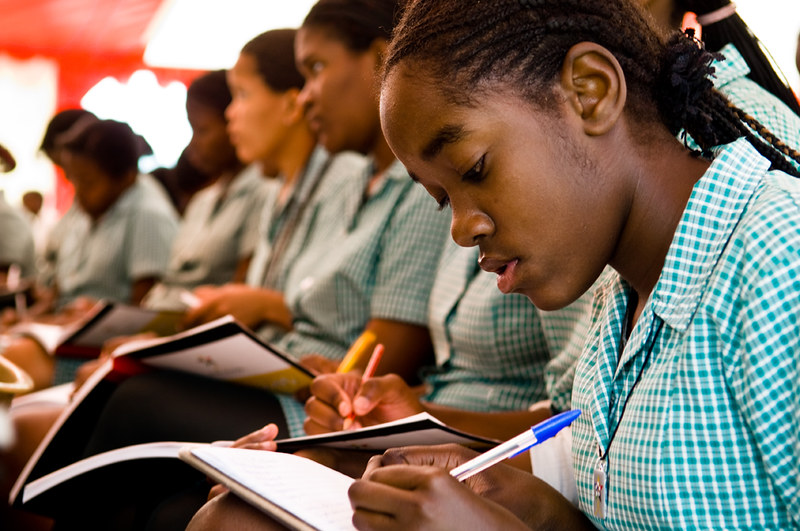 In the southwestern African nation of Namibia, education is of vital importance. Compared to its neighbors, Namibia invests around 10% more of total government expenditures on education, at roughly 25%. Furthermore, literacy rates are 92% overall and 95% for youth. This emphasis on the nation’s youth is critical for development in Namibia because an educated population base can raise employment and boost the nation’s economy. Despite these current successes, unequal access to education and poverty remain in the country, with 17.2% of the population living on less than $2.15 per day. In response, both the government and international organizations have developed plans for education initiatives in Namibia that tackle these issues and grow an educated workforce.
Government Work
Education is mandatory for Namibians between 6 and 16 years old and is free for both primary and secondary school since 2013 and 2016, respectively. In 2023, the country announced the Safeguarding Intangible Cultural Heritage in Basic Education in Namibia and Zimbabwe program, which trains teachers in both nations and establishes a community-based style of learning which emphasizes living heritage and culture.
With this initiative, Namibia moves closer to achieving SDG 4 – access to quality education for all. In addition, Namibia has recently undertaken efforts to digitize its education system, launching “The Digital Schools” as a test project to improve “digital learning environments and enhance teachers’ digital skills.”
USAID
Despite the efforts of the Namibian government, inequalities and deficiencies in education persist. Thankfully, international organizations have stepped up to spur development through their education initiatives in Namibia. USAID has been active since the nation’s birth through its Basic Education Systems Project, helping children in densely populated and underserved regions access primary education before it was free to do so.
USAID’s Ambassador Scholarship Program finances education for orphans and vulnerable children and keeps them in school, helping them receive an equal education to more advantaged students. Finally, a Youth Development program instills in students life skills and vocational training to keep them enrolled in education.
Roger Federer and MCC
Since 2018, the Roger Federer Foundation has encouraged a smooth transition for students entering primary school through its School Readiness Initiative. It assists Namibia’s youth with enrolling and staying in school and promotes equal access between girls and boys. Furthermore, its Early Learning Kiosk offers stimulating digital learning to students at a low cost in the form of a tablet.
The Millennium Challenge Corporation (MCC), another U.S.-based development effort, spent $145 million instituting education initiatives in Namibia through its Namibia Compact. The program trained new teachers and offered new textbooks to students. While test scores and education improved somewhat, the MCC founds new facilities to often not meet the needs of Namibian communities.
UNICEF
UNICEF focuses on education at a young age, using its Integrated Early Childhood Development approach to improve nutrition, stimulation and learning opportunities for pre-primary Namibian children, especially the disabled. Furthermore, the program trains parents in skills to ensure their children’s sustained learning on the path to enrollment in primary education.
Namibia is already far ahead of most African nations in terms of education. However, inequalities exist between vulnerable and disabled populations and the rest of the youth population. With both the government of Namibia and outside organizations recognizing this issue and taking action, vast improvements in education—and development as a whole in Namibia—are sure to follow.
– Cole Zickwolff
Cole is based in Los Angeles, CA, USA and focuses on Good News and Technology for The Borgen Project.
Photo: Flickr
